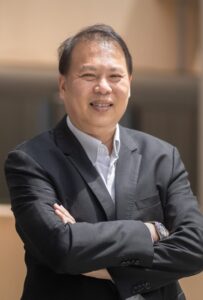
 Dear students and colleagues,
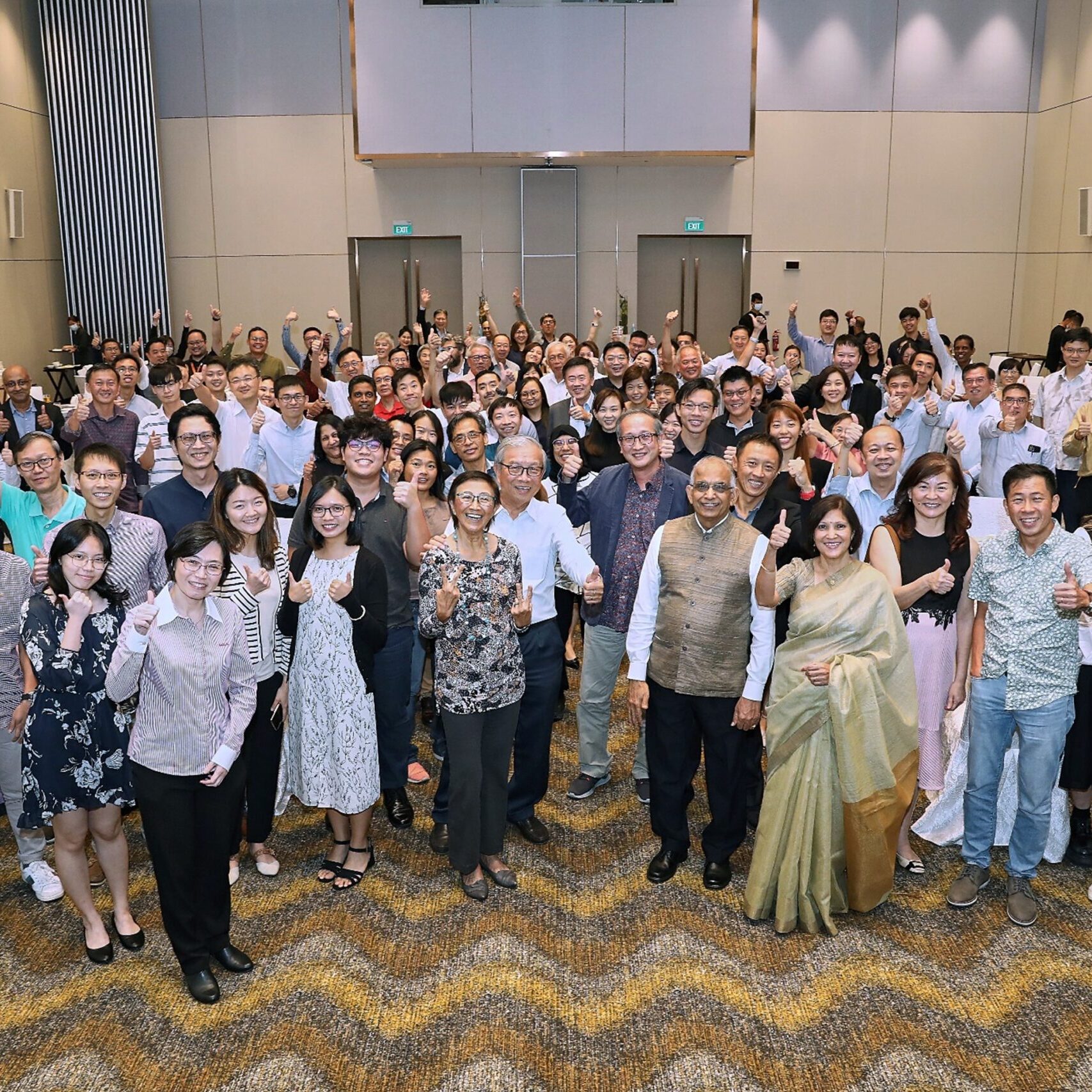
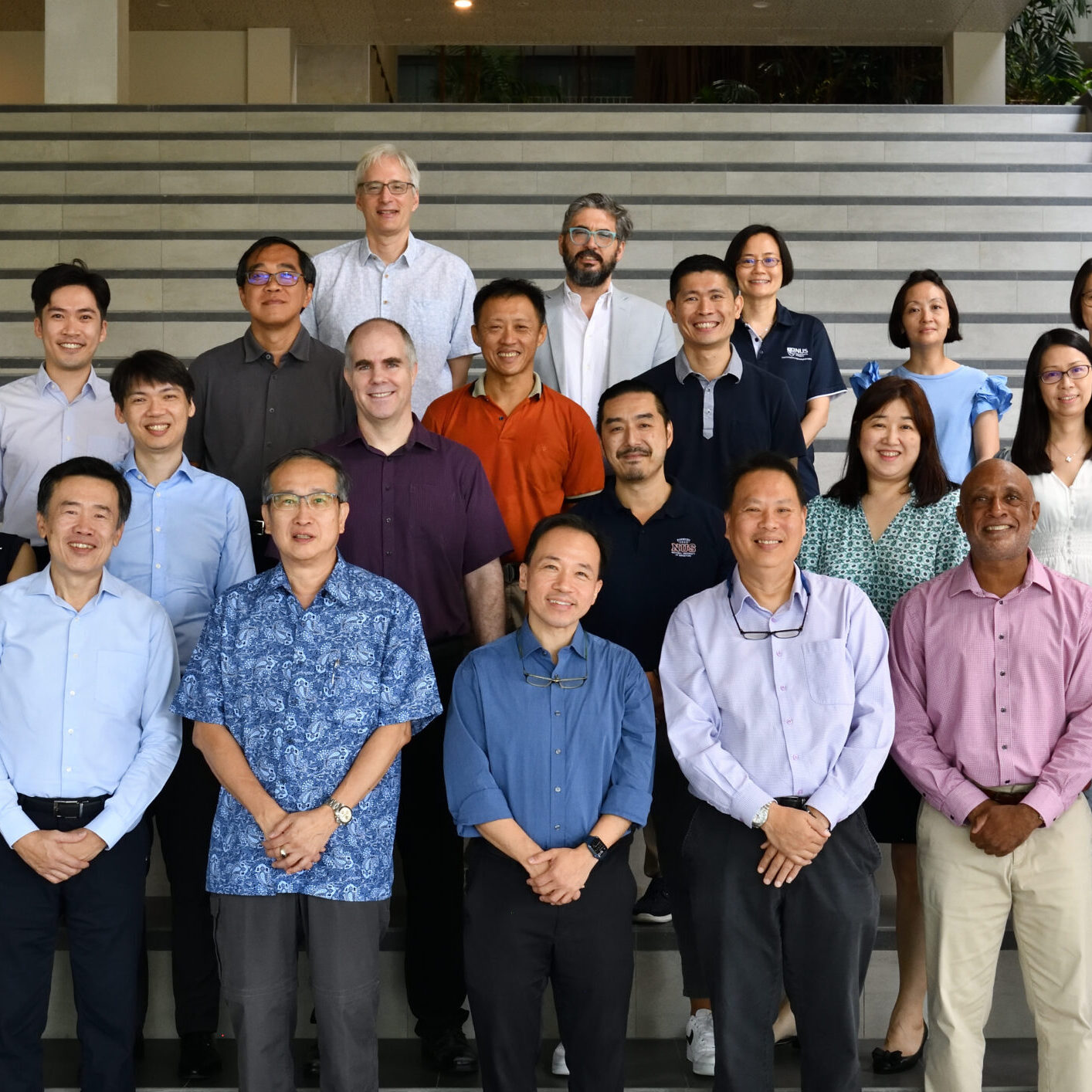
I had the honour of attending the Annual College of Design and Engineering Alumni Awards and the NUS Alumni Awards earlier this month. The College recognised the achievements of nineteen individuals and two alumni teams, while the University celebrated two outstanding alumni for their significant contributions to society and our alma mater.
The 2023 award recipients represent a diverse array of fields, including architecture, design and engineering. Despite their diverse backgrounds, the three distinguished CDE Distinguished Alumni, Dr Teo Ho Pin (Building, Class of 1985), Mr Brian Tan (Mechanical Engineering, Class of 2000), and Mr Mok Wei Wei (Architecture, Class of 1982), —share a common passion for making a meaningful impact. Their contributions include raising scholarship funds, offering mentorship, and creating opportunities for current students through industry engagement and internships.
It was truly inspiring to connect with recent graduates at the event who are already making a positive impact in the world. They are not only excelling in their professional fields but also contributing to initiatives such as promoting STEM education for girls, working with non-profits, and actively engaging with their communities. Witnessing these achievements fills me with immense pride.
Professor Teo Kie Leong
Acting Dean
College of Design and Engineering
HIGHLIGHTS
EVENTS
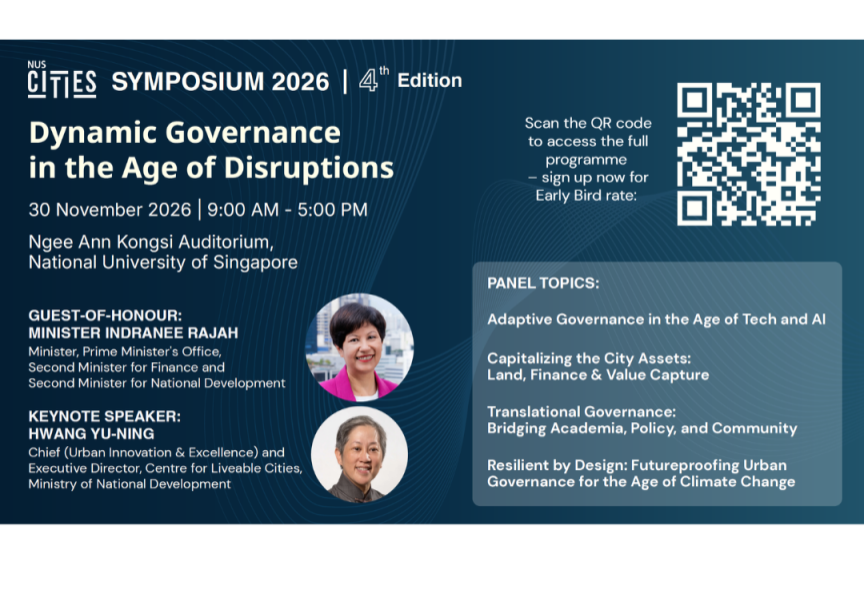
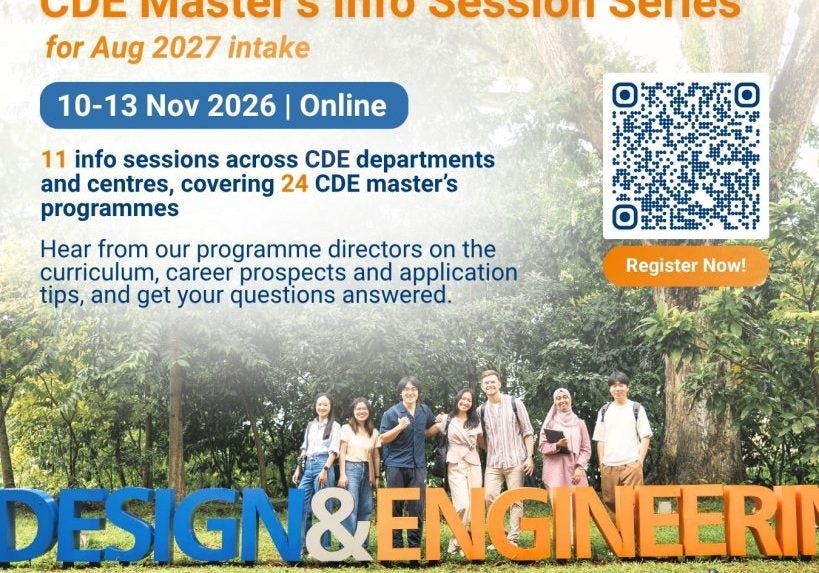
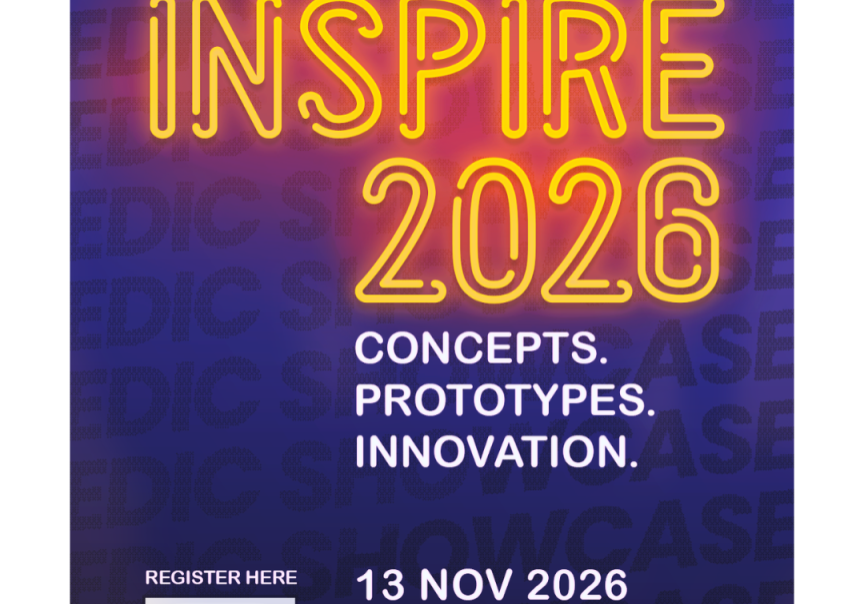
EDIC Project Showcase: INSPIRE 2026
Join us for an exciting showcase celebrating student creativity and innovation in CDE3301, CDE5311 and CDE5312! Explore projects spanning proof-of-concept development, human-centred AI, and interactive wearables. Meet the student teams, discover the ideas behind their creations, and experience live prototype demonstrations that bring a semester (or two) of experimentation, interdisciplinary collaboration, and innovation to life!
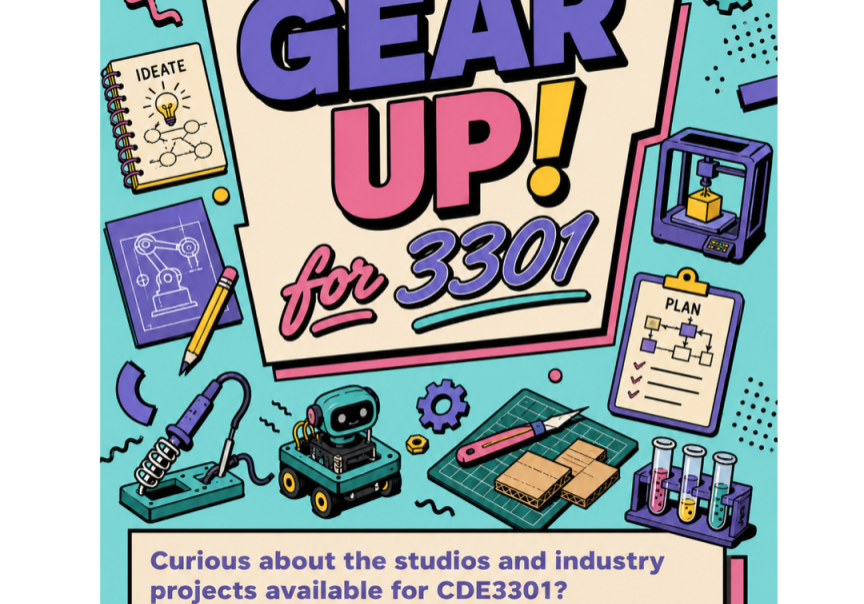
GEAR UP! for 3301
GEAR UP! for 3301 offers students a sneak peek at the exciting studios and industry projects available in CDE3301 in 2027. Meet project supervisors, explore interdisciplinary challenges and real-world opportunities, and discover projects that spark your interest. Connect with like-minded students and start forming your team for the journey ahead!
PREVIOUS ISSUES