Articles
NUS Architectural Conservation Laboratory to pilot Singapore’s first net-zero retrofit for a historic building
Project will apply roof innovations, traditional lime-based repairs and a digital twin to guide climate-resilient conservation; repair works expected from May 2026 to end 2027
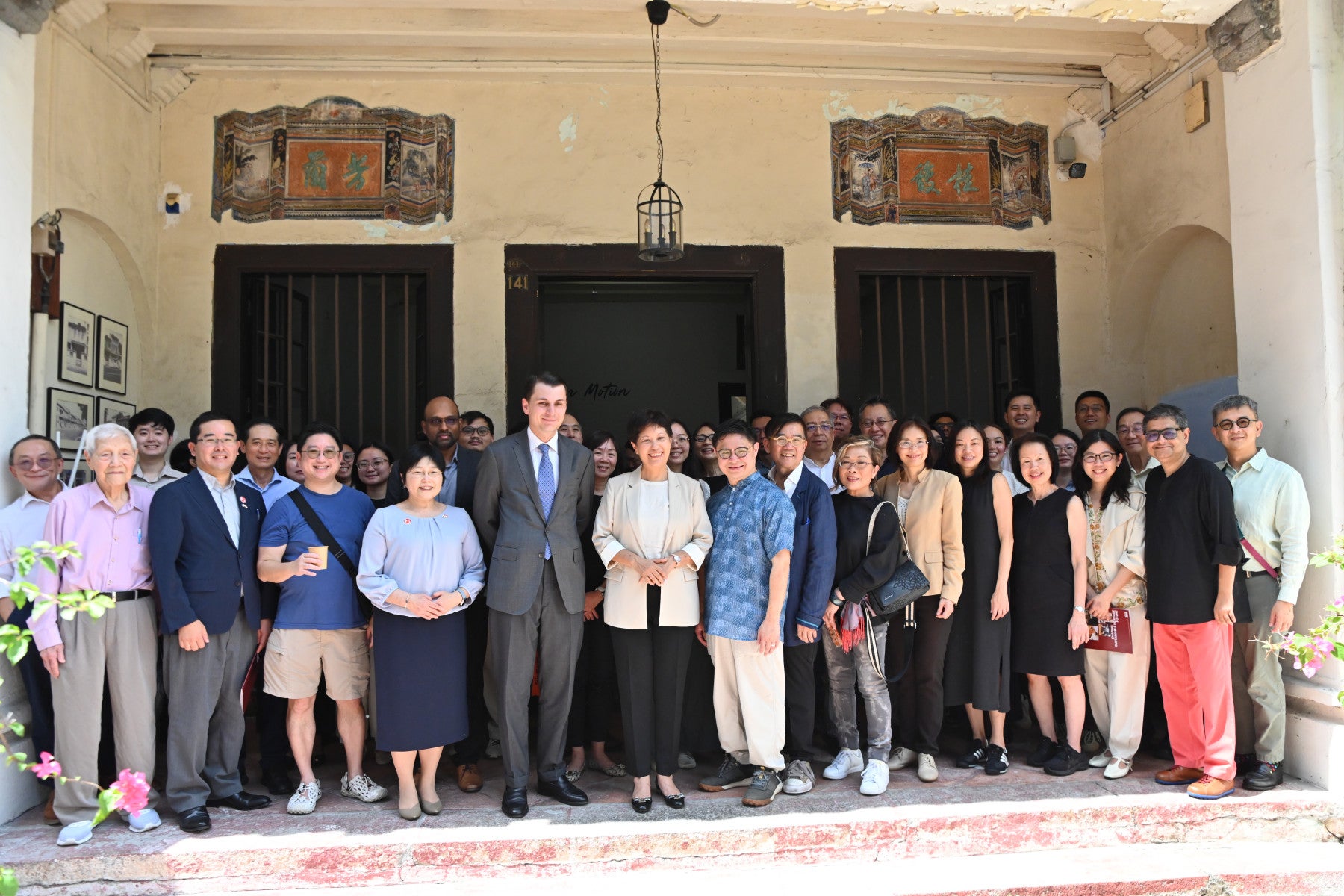
The National University of Singapore’s (NUS) Architectural Conservation Laboratory (ArCLab) will commence repair and upgrading works for its heritage building with the goals of becoming Singapore’s first historic building retrofitted to achieve net-zero operational energy, as well as being the first historic building to attain BCA Green Mark Platinum Zero Energy certification. Restoration works are expected to run from May 2026 to end 2027, funded by a gift from the Portabella family who also donated the house to the University in 2022.
The conservation project was kicked off at the NUS-ArCLab: Shaping Sustainable Heritage Futures event graced by Ms Indranee Rajah, Minister in the Prime Minister's Office and Second Minister for Finance and Second Minister for National Development, as the Guest-of-Honour. Mr Foo Cexiang, a Member of Parliament for the Tanjong Pagar Group Representation Constituency, attended the event as a special guest.
Housed in a conserved heritage building at 141 Neil Road, NUS-ArCLab was established in November 2022 as a research and training centre within the Department of Architecture under the College of Design and Engineering at NUS. It aims to advance conservation practice through research, capacity building and public engagement while supporting the advancement of Singapore’s climate resilience goals by reducing the environmental impacts and improving the sustainability of heritage buildings.
Turning research into restoration: Traditional materials, modern methods
This project will directly implement research outcomes developed over the past few years — demonstrating how evidence-based restoration can improve occupant comfort, sustainability and long-term building performance while retaining the building’s heritage values.
A key innovation is the use of roof tiles developed in collaboration with partners in Japan. The newly developed tiles, inspired by the properties of handmade v-shaped tiles used historically, reintroduces porosity to enhance passive cooling and improve occupant comfort in tropical conditions. These new v-shaped tiles will be installed as part of a modified roof system that will not include a metal sheet secondary roof commonly found in many historic buildings in Singapore. While widely used today, the metal secondary roof can disrupt passive cooling strategies and often render attics uncomfortable to use without air-conditioning. By restoring and enhancing roof performance, the project aims to reduce reliance on mechanical cooling, thus reducing the building’s carbon emissions.
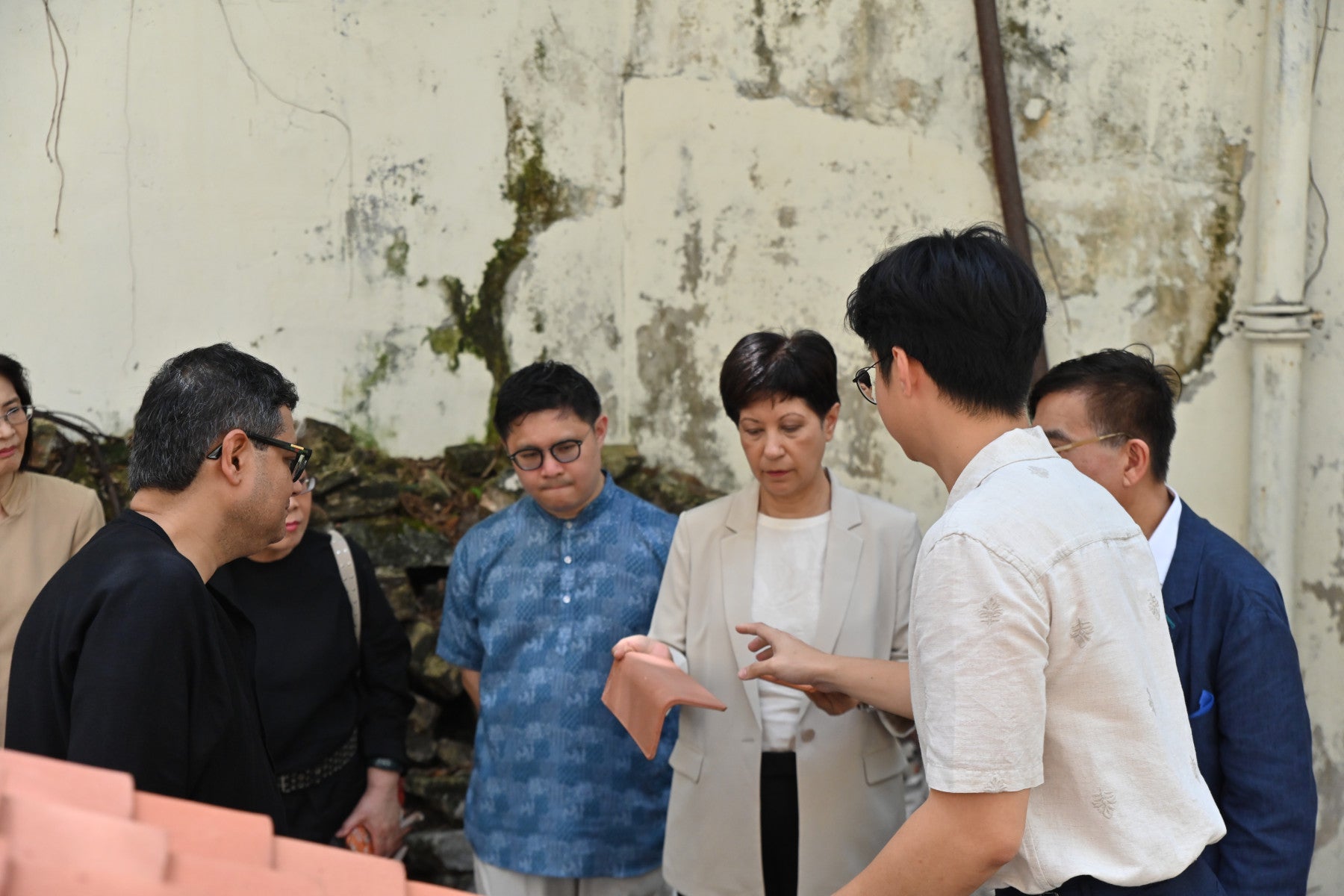
NUS-ArCLab will also revive traditional lime-based repairs, chosen for material compatibility with historic fabric. Lime helps historic building elements “breathe”, supports passive cooling, and reduces downstream maintenance issues that can arise when modern materials are introduced into historic buildings.
To strengthen long-term stewardship, the project will deploy a digital twin powered by artificial intelligence to support facilities management, real-time monitoring of environmental conditions, and tracking of both lifetime embodied carbon and operational carbon. The system allows operators to ask simple questions about energy use, carbon emissions and efficiency and receive clear, real-time answers...
For the rest of the article, click here.