Articles
Preservation vs Progress

by Chloe Henville
Pedestrians walk by, unfazed by a cacophony of power tools whirring and roaring. The noise feels deafening even with the towering sound barriers. Signs apologise for the inconvenience. It seems like you can’t go a block without spotting a construction site, workers sweating under glaring sun in the thick, wet Singaporean air. These plots of dirt and rubble littering the island will become modern, multi-storey buildings. Fresh. Clean. New.
According to 2023 research by Stacked Homes, most residential projects in Singapore are redeveloped after 19 to 24 years. This means new construction is torn down, on average, barely two decades after being finished.
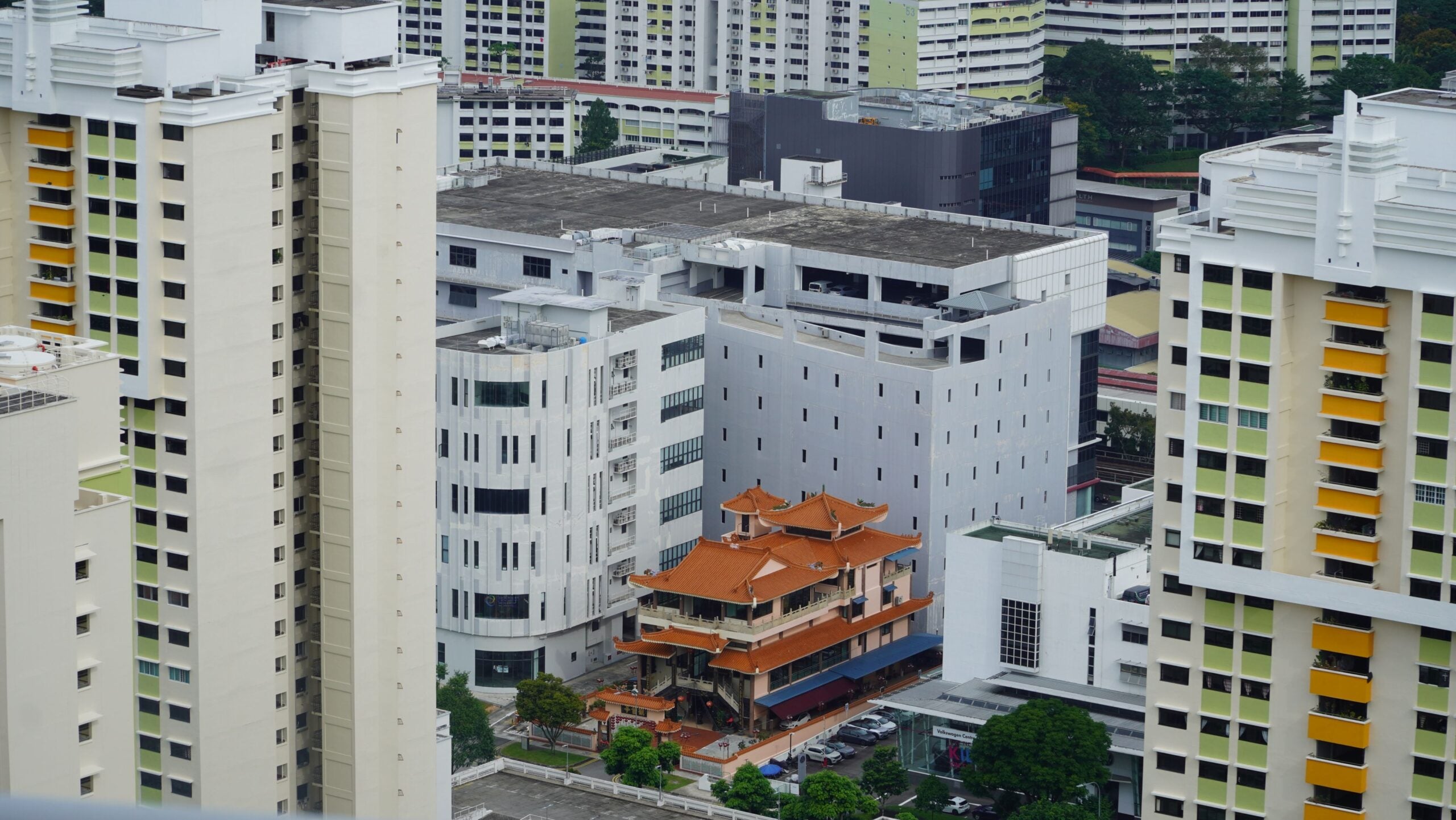
With the omnipresent evidence of advancing infrastructure, thoughts turn to the short, squat properties of the past. The heritage buildings.
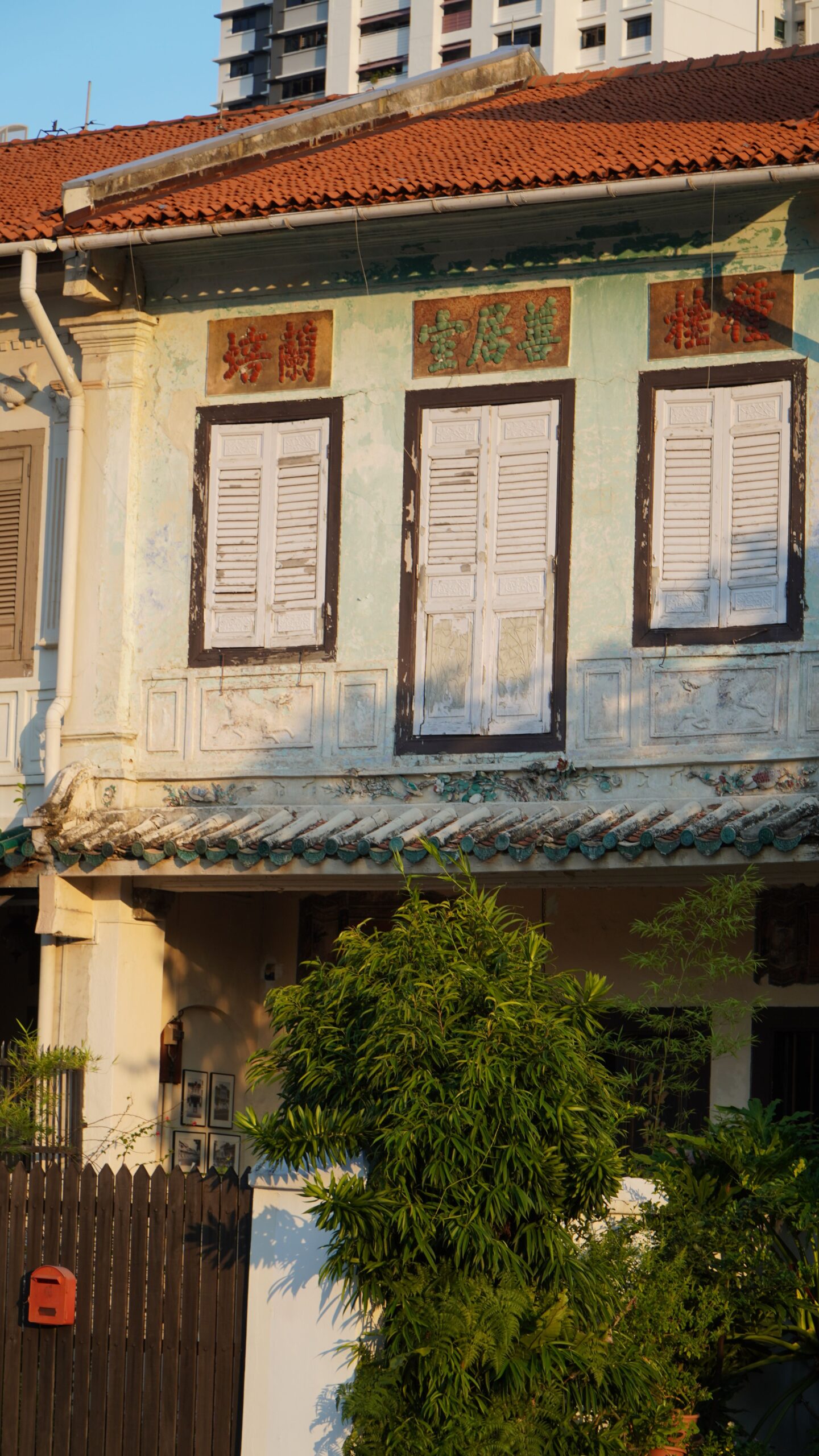
141 Neil Road is an unassuming building nestled in a row of terrace houses. From the footpath, the crumbling façade is hidden by a tall, slatted fence. If you take a step back and crane your neck, the second storey pokes out with defiantly shuttered windows and ornate plasters designs which are creaking and cracking.
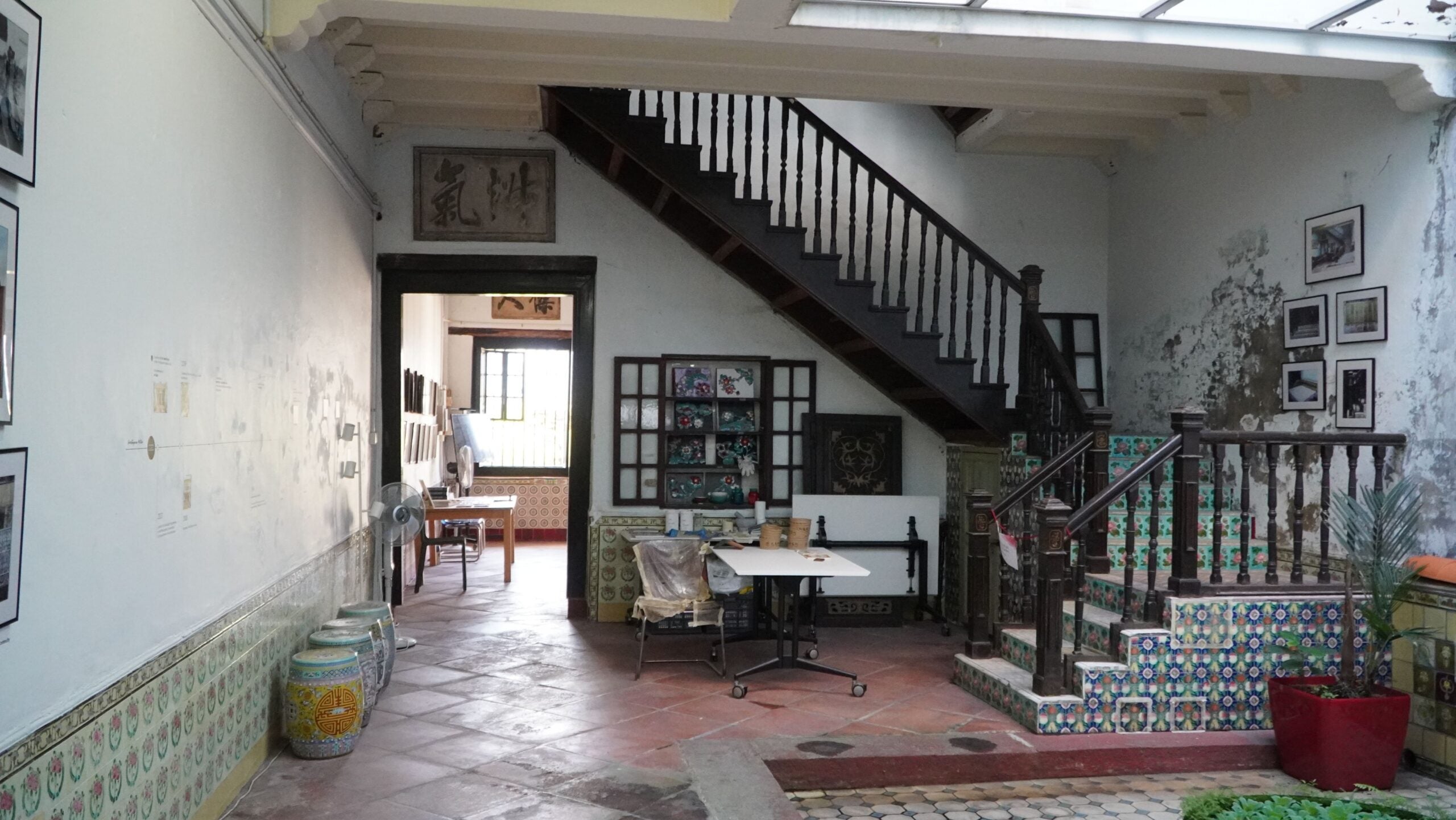
Stepping through, you’re greeted by terracotta floor tiles, and plaster walls skirted in floral painted tiles. The original features and elaborate details are foggy with over a century of use and disuse. They’re waiting to be polished to a former glory - a raw diamond to be cut to show its’ brilliance.
The shophouses’ 1880’s time of birth is very rare for Singapore.
Barely 6.9 metres wide, it has a footprint of just 297 metres squared.
“It's a small building, it's not a grand building, only two and a half stories,” says Dr Nikhil Joshi. “It's [worth] nine million dollars.”
But to Dr Joshi,
this specific shophouse is worth much more than its land value for developers. It’s located in the Blair Plains Conservation area.
In 1986 the Urban Redevelopment Authority launched its Conservation Master Plan, earmarking six historical sites for conservation, including Little India and Chinatown. This marked a shift of government priorities, pushing preservation to the forefront, alongside redevelopment.
Continue reading here.