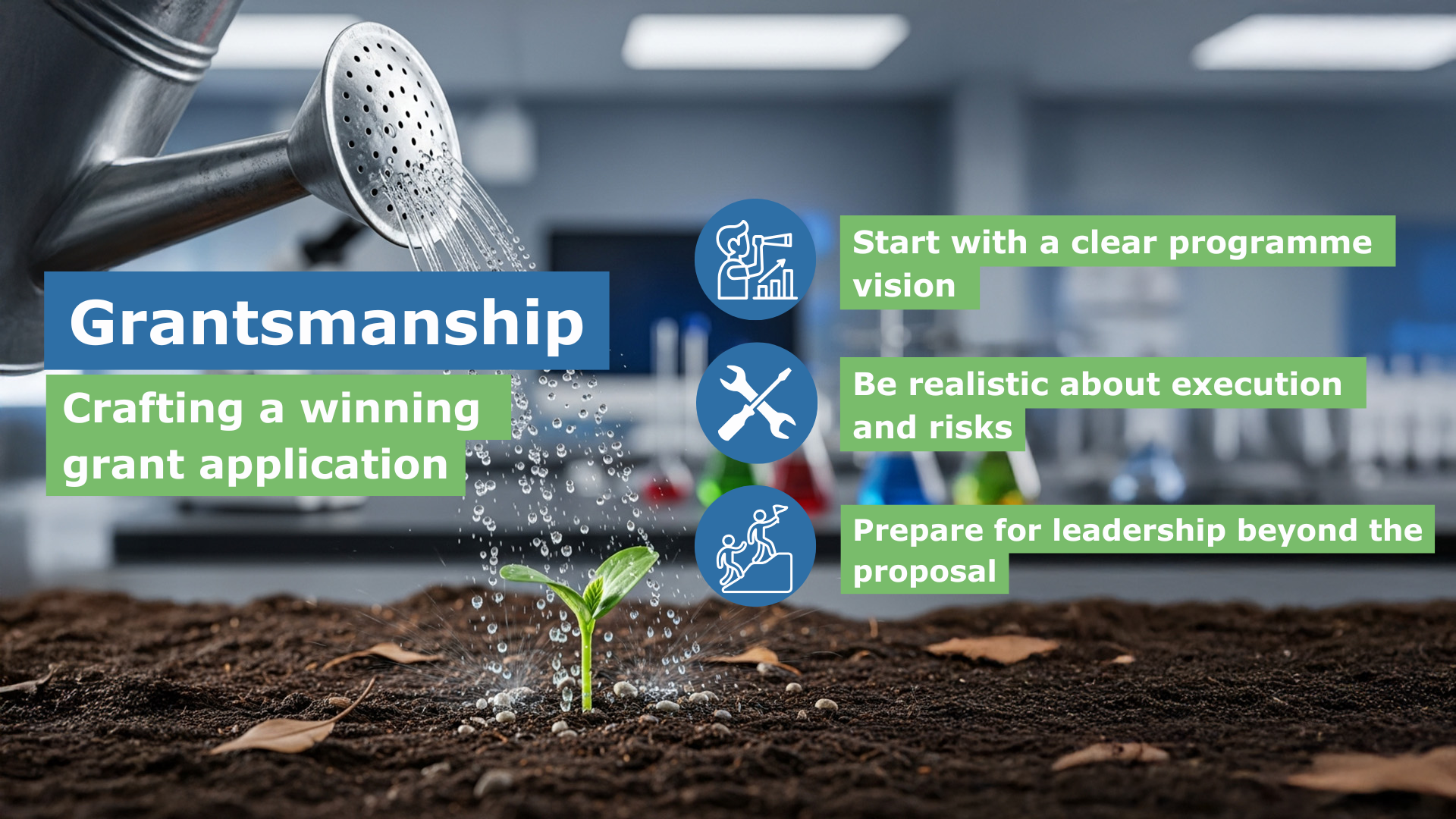
At a recent Grantsmanship Workshop jointly organised by CDE, the Faculty of Science, and the NUSMedSci Alliance (Yong Loo Lin School of Medicine), faculty members from the three entities came together to examine what makes large-scale grant proposals compelling, ambitious and, ultimately, grant-winning.
Drawing on the experience of researchers who have successfully led major funded programmes, the workshop focused on both MOE Tier 3 and NRF Competitive Research Programme (CRP) funding schemes, highlighting how the two differ in scope, evaluation methods and expectations despite their similar scale.
With that in mind, the workshop aimed to help researchers better understand these differences and select the most appropriate funding pathway for their research.
In opening remarks, participants were also reminded of an important hallmark of successful large-scale proposals: that strong applications typically begin with a clear programme vision, a well-defined problem to be solved, and are supported by the team best suited to execute that vision.
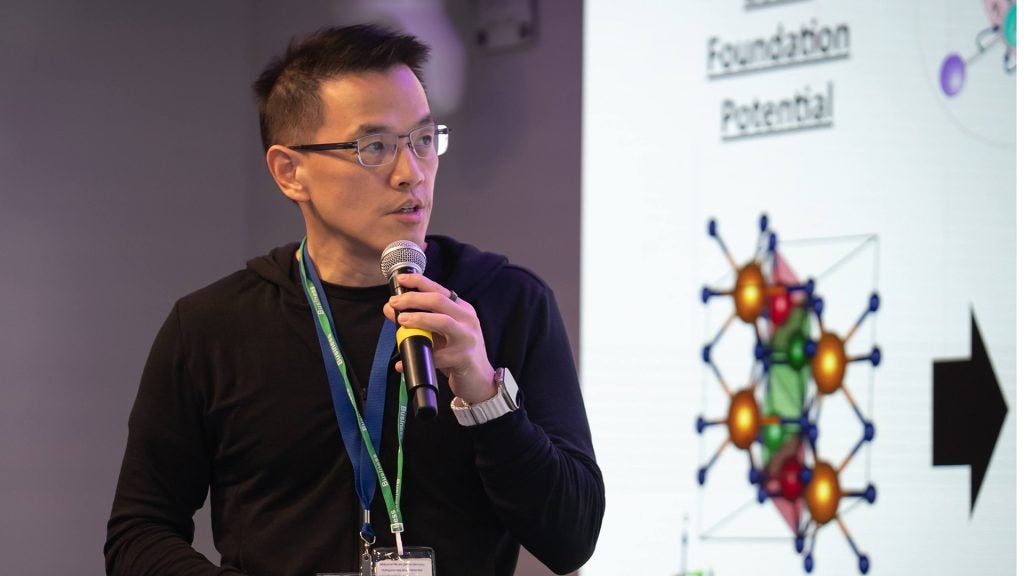
In the first presentation, Professor Silvija Gradecak, Vice Dean (Research and Technology) at CDE, shared practical insights from her experience as a Lead and Team Principal Investigator of several team-based grants. Setting the tone, she emphasised the importance of pairing ambitious ideas with clear thinking and credible delivery.

Drawing on examples from funded projects and her experience on review panels, Prof Gradecak outlined a series of recurring considerations that shape how large-scale proposals are assessed, from the framing of the research question to the composition of the team and the ability to deliver on ambitious goals.
- Start with the right research question
Major funding schemes are designed to support research that opens up new directions. Regardless of whether proposals are curiosity-driven or application-inspired, their scientific significance must be clearly articulated.
“The question should not be just a simple continuation of research,” said Prof Gradecak. “It should be genuine expansion or a new field.”
- Choose the most appropriate funding mechanism
Prof Gradecak contrasted grant programmes which support transformative research, with others that require a clear pathway towards applications and long-term economic impact. Applying to the wrong mechanism, she noted, can weaken even strong ideas.
- Build interdisciplinary teams around a shared vision
Successful proposals are often built around teams with complementary expertise across disciplines and institutions. Review panels assess whether the team is uniquely positioned to address the research gap and whether collaboration is genuine and well-integrated.
“If you have a grand vision and a big problem, try to look for the best people that will execute that vision,” said Prof Gradecak.
- Balance ambition with feasibility and risk planning
Prof Gradecak noted that proposal objectives must be realistic, subprojects well integrated, and risks adequately addressed. Credible contingency plans have to be put in place to allow programmes to pivot and realign as individual sub-projects evolve.
- Prepare thoroughly for interviews, with a focus on execution
For large-scale grants, final-stage interviews often place as much emphasis on programme management and team cohesion as on the science itself. With many panel members coming from outside the specific research field, teams must communicate their vision clearly to non-specialists and demonstrate strong coordination, including having relevant investigators respond directly to questions.
Prof Gradecak also highlighted the importance of preliminary results in demonstrating team capability, the value placed on diversity and the inclusion of junior faculty to help develop future research leaders, and the need to articulate mid-term deliverables to track the success of the programme.
Wrapping up her presentation, she reminded participants that strong grantsmanship is about convincing reviewers that ambitious ideas can be delivered. “The big mission and big science are the main drivers of large-scale team-based projects, but the execution is very important,” she said.
What reviewers look for
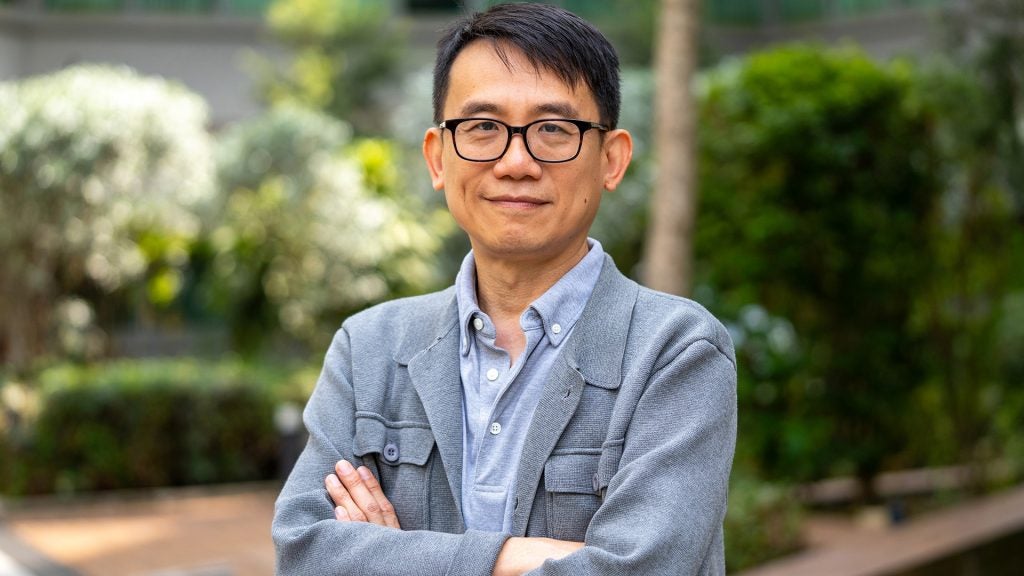
In the next segment, Professor Wu Jishan, Provost’s Chair Professor from the Department of Chemistry at NUS, shared his perspective on crafting strong MOE Tier 3 proposals, drawing on his experience as Lead PI of two MOE Tier 3 programmes.
Professor Wu emphasised that MOE Tier 3 funding is intended to support high-impact frontier science, often in emerging areas enabled by new discoveries rather than established or popular research themes. Successful proposals, he noted, are those that push the boundaries of knowledge while addressing questions that require a genuinely multidisciplinary approach.
At the whitepaper stage, Professor Wu highlighted the importance of presenting a clear and compelling scientific narrative. Strong proposals articulate their objectives, significance and conceptual framework coherently, demonstrate feasibility through preliminary work, and remain accessible to non-specialist reviewers who may not be deeply embedded in the specific research area.
He also stressed the need for MOE Tier 3 programmes to be framed with a long-term vision. Beyond the immediate research outcomes, proposals should position the team to become a leader in the field internationally, with the potential to reshape the research landscape over time.
In addition, Professor Wu underscored the importance of well-integrated work packages, complementary expertise across the team, realistic budget justification, and clearly defined deliverables and key performance indicators. Leadership and credible international collaboration, he noted, are critical to the success of large, interdisciplinary programmes.
Project leadership qualities
While exceptional scientific quality and proposal strategy are critical, participants also heard about what it takes to lead and sustain a team-based programme once funding is secured.
Another perspective was offered by Associate Professor Polly Chen from the Cancer Science Institute of Singapore and the Department of Anatomy at NUS, who walked participants through the full lifecycle of a MOE Tier 3 application, from early preparation to post-award responsibilities.
She encouraged researchers to consider carefully whether a MOE Tier 3 grant is the right step for their research, and which grant type best aligns with their objectives. Leading such a programme, she noted, requires readiness to coordinate a large, multidisciplinary team around a shared research goal.
Drawing on her own experience, Assoc Prof Chen described the MOE Tier 3 process as a multi-stage journey that can span several years, often involving multiple rounds of review, refinement and interviews before success.
Persistence, long-term planning and responsiveness to feedback are therefore critical, she said.
She also highlighted the significant responsibilities that follow a successful award, including programme management, reporting requirements, mid-term reviews and the need for dedicated personnel to support coordination, data integration and progress tracking across work packages. Her presentation reinforced the idea that MOE Tier 3 grants are not just large research projects, but long-term programmes that demand sustained leadership and organisational capacity.
Shared learning
The workshop underscored that successfully securing large-scale grant funding requires strategic thinking, clear communication, realistic planning and effective teamwork, supported by an understanding of how different funding schemes are evaluated and managed.
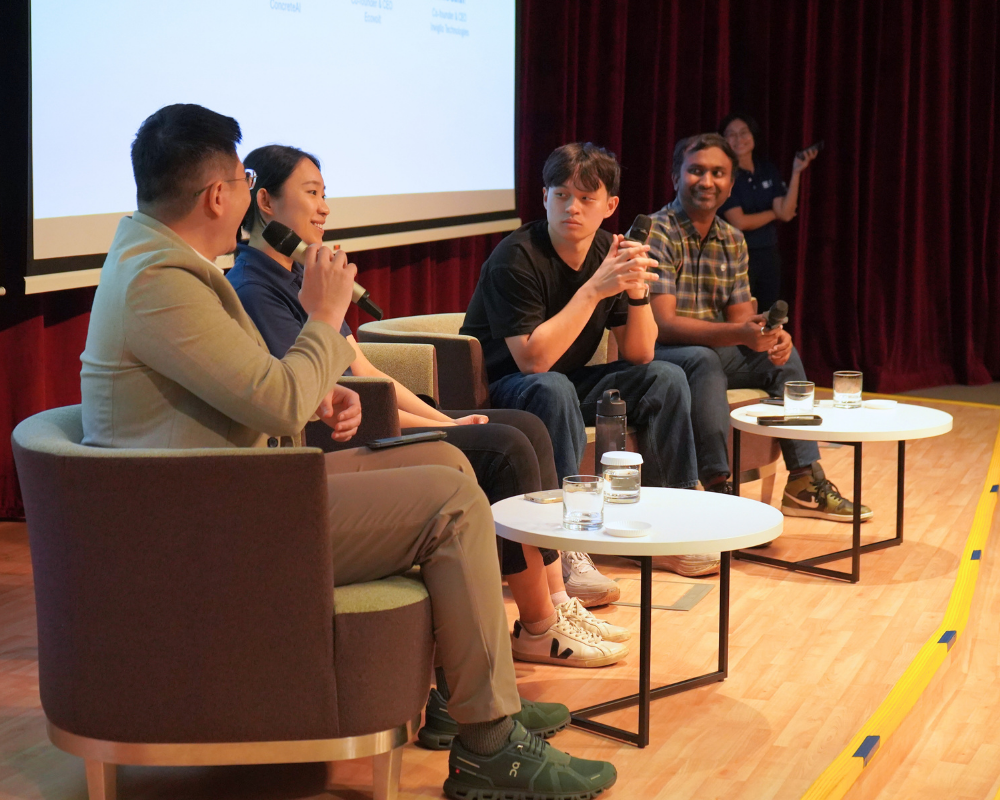
By bringing together experienced grant holders from across disciplines and institutions, the workshop provided a platform for shared learning and practical guidance, helping researchers better prepare for the demands of large-scale funding.