The NUS Institute for Functional Intelligent Materials (I-FIM) has signed a Memorandum of Understanding (MOU) with Danish deep-tech company ATLANT 3D to collaborate on establishing a shared, AI-driven materials discovery foundry.
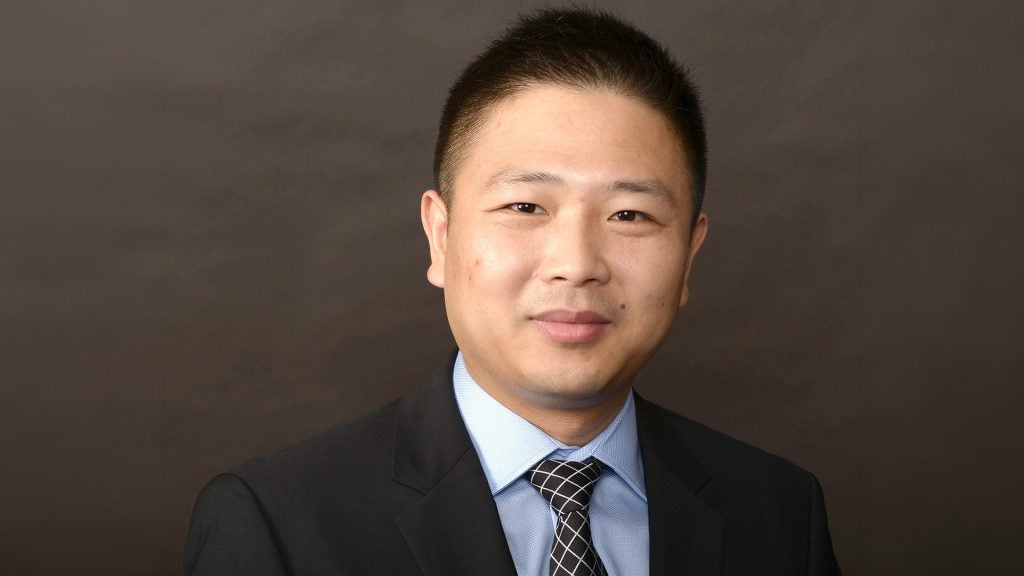
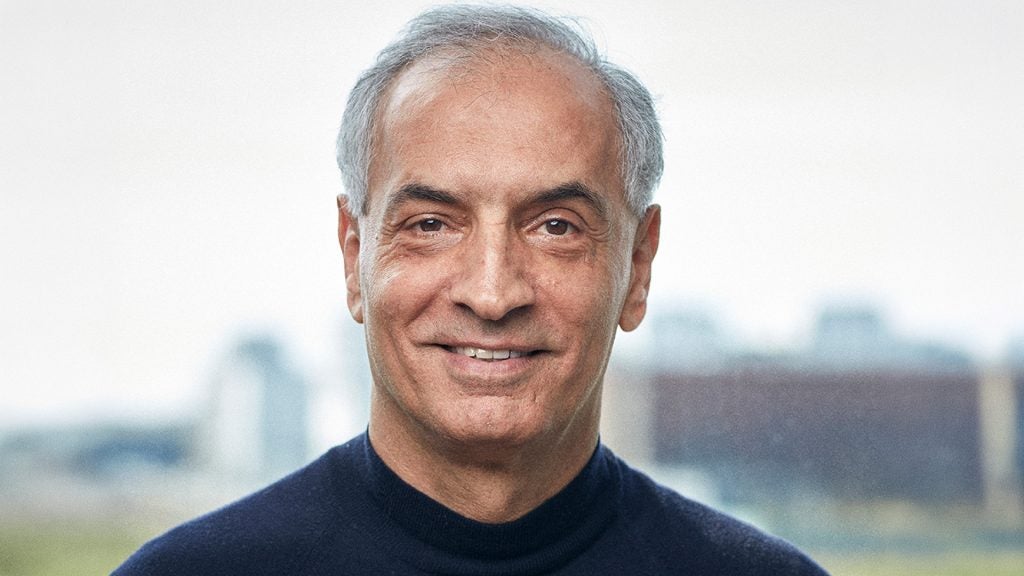
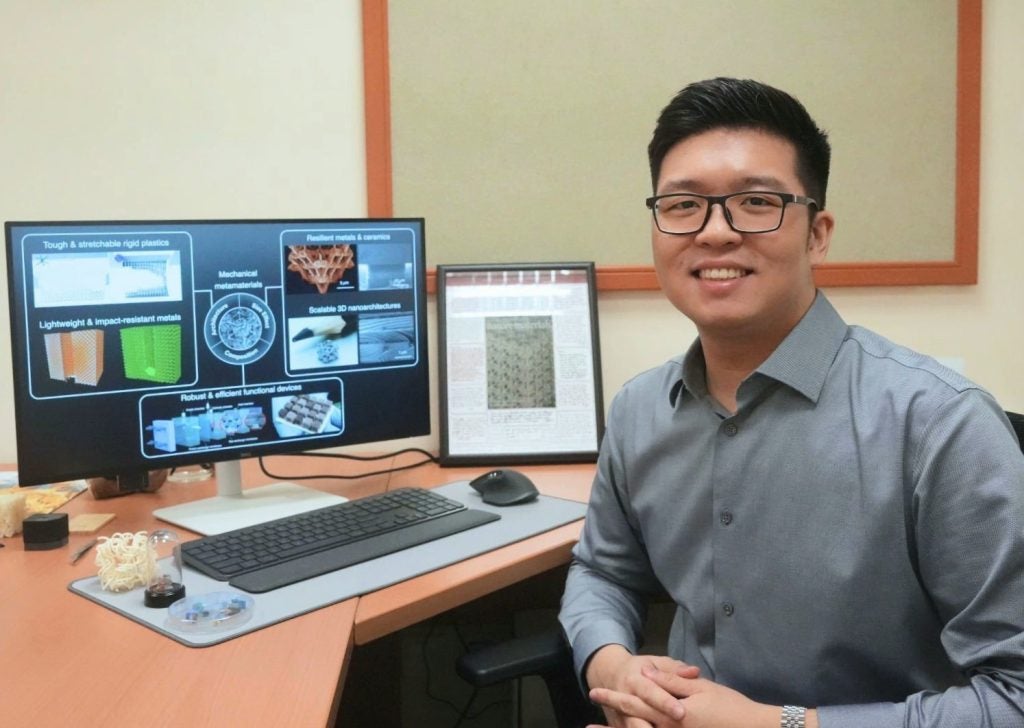
Launched in 2021, I-FIM advances research at the intersection of materials science, artificial intelligence and nanotechnology. It is led by an interdisciplinary team that includes CDE faculty Professor Sir Konstantin Novoselov, FRS (Materials Science and Engineering), Professor Antonio Helio Castro Neto (Electrical and Computer Engineering) and Professor Barbaros Özyilmaz (Materials Science and Engineering).
Integrating atomic-scale fabrication into I-FIM’s robotic materials hub
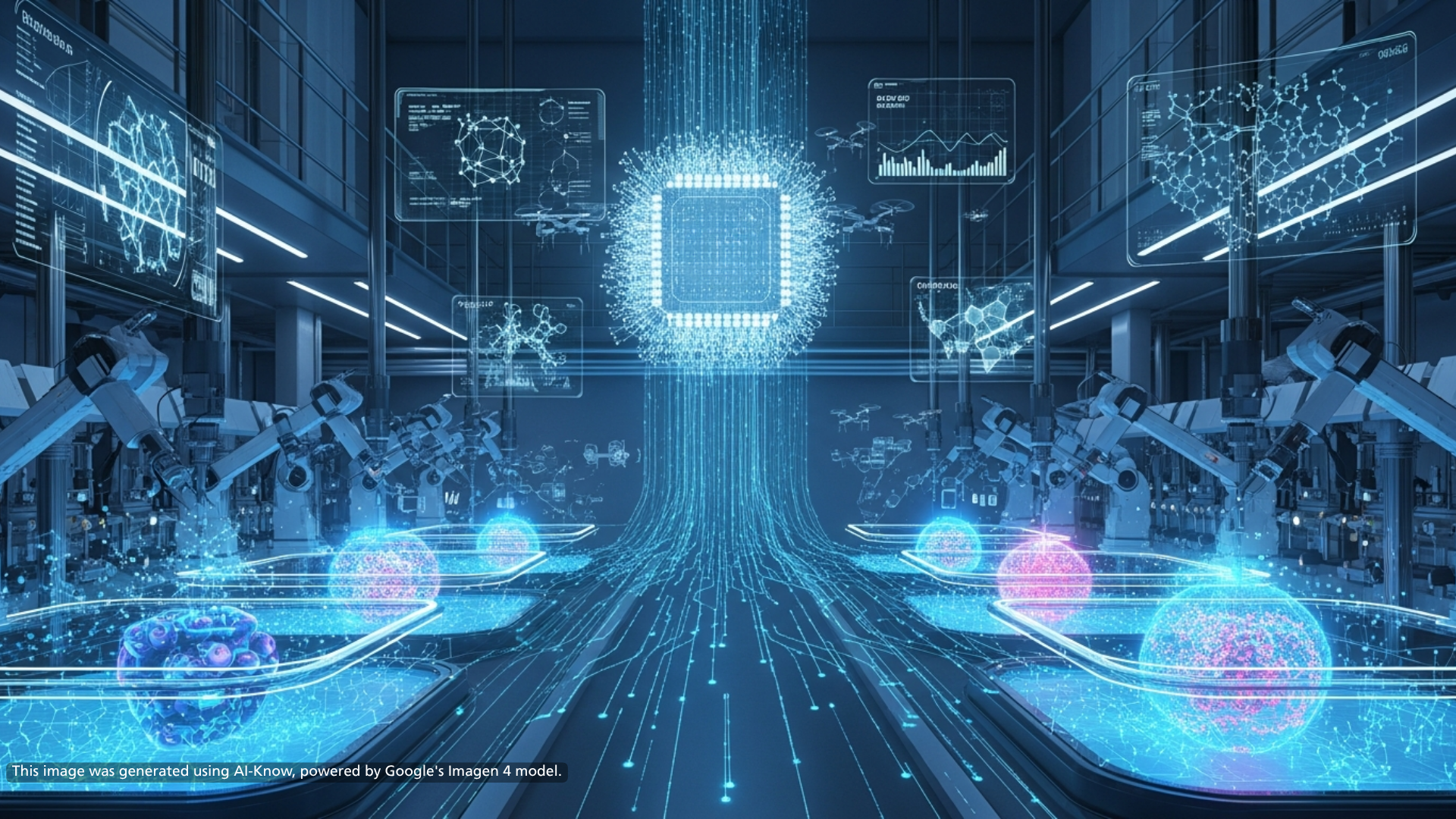
This collaboration brings together ATLANT 3D’s Direct Atomic Layer Processing (DALP®) technology and NANOFABRICATOR® as a core synthesis platform within I-FIM's robotic materials hub. This platform will be located at the Campus for Research Excellence and Technological Enterprise (CREATE) and will support automated workflows for materials synthesis, experiments and data generation—accessible to researchers across participating programmes. Application areas of particular interest include 2D materials and nanoelectronics, advanced semiconductor packaging, quantum materials, catalytic materials discovery and photonics.
Supporting Singapore’s AI for Science programme
This initiative is also designed to support the National Research Foundation, Singapore (NRF) AI for Science programme and its associated automated laboratories. Both parties share a long-term vision of creating a scalable research infrastructure that can serve as a reference model for self-driving laboratories that connect atomic-scale manufacturing with AI-enabled materials discovery and engage partners across academia, industry and government.
Prof Sir Novoselov commented, “We are excited to partner with ATLANT 3D in harnessing new capabilities in atomic-scale fabrication. The ability to fabricate and test novel material combinations with atomic precision, while producing device-relevant structures, would accelerate experimental studies and open new lines of inquiry. I look forward to integrating advanced fabrication platforms into our AI-driven workflows at NUS I-FIM.”