STUDENT ACHIEVEMENTS & STUDENT LIFE
PneuRelief: A student-led innovation in pressure ulcer prevention
For patients with reduced limb sensation, pain is not always a warning. By the time a complication is noticed, it may already have progressed.
This insight shaped PneuRelief, a student-led medical device concept designed to reduce the risk of pressure ulcers forming beneath medical casts during immobilisation. Such injuries often go unnoticed in patients with conditions like diabetic peripheral neuropathy or stroke, making prevention and earlier intervention especially critical.
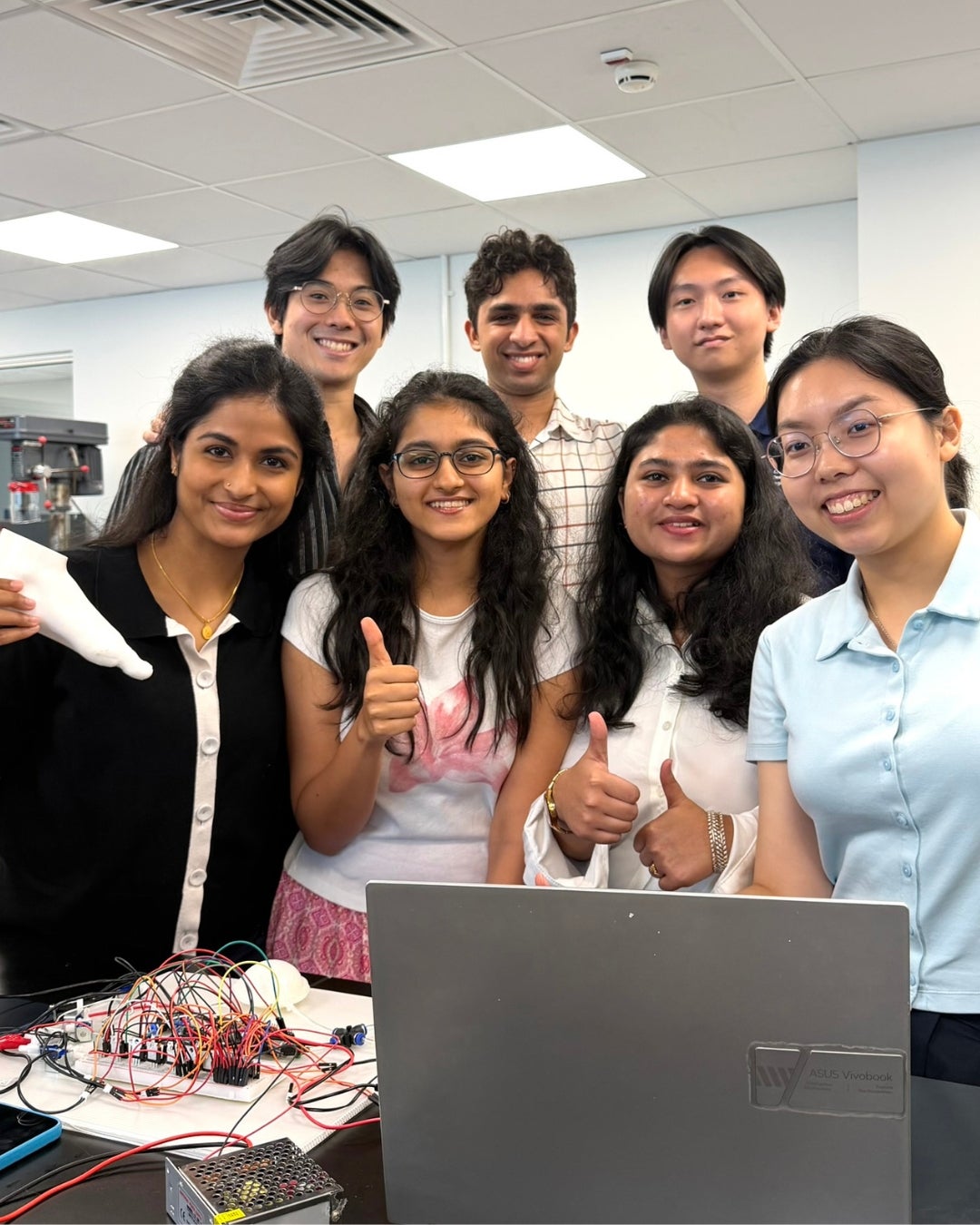
PneuRelief began as a semester-long project under the Biomedical Engineering course BN3101, supervised by Assoc Prof Mark Chong. Led by Year 4 student Madhulika Palanivelu, the project resonated deeply with her, motivating her to continue its development beyond the classroom.
Following the course, Madhulika brought the project into NUS MedTech (Co-Curricular Activity) to pursue a longer-term, real-world focus. There, PneuRelief evolved into a fully interdisciplinary effort, bringing together students from Biomedical Engineering, Mechanical Engineering, Electrical Engineering, Computer Science, Information Security and Business Analytics to support the project’s research and development, as well as its hardware and software components.
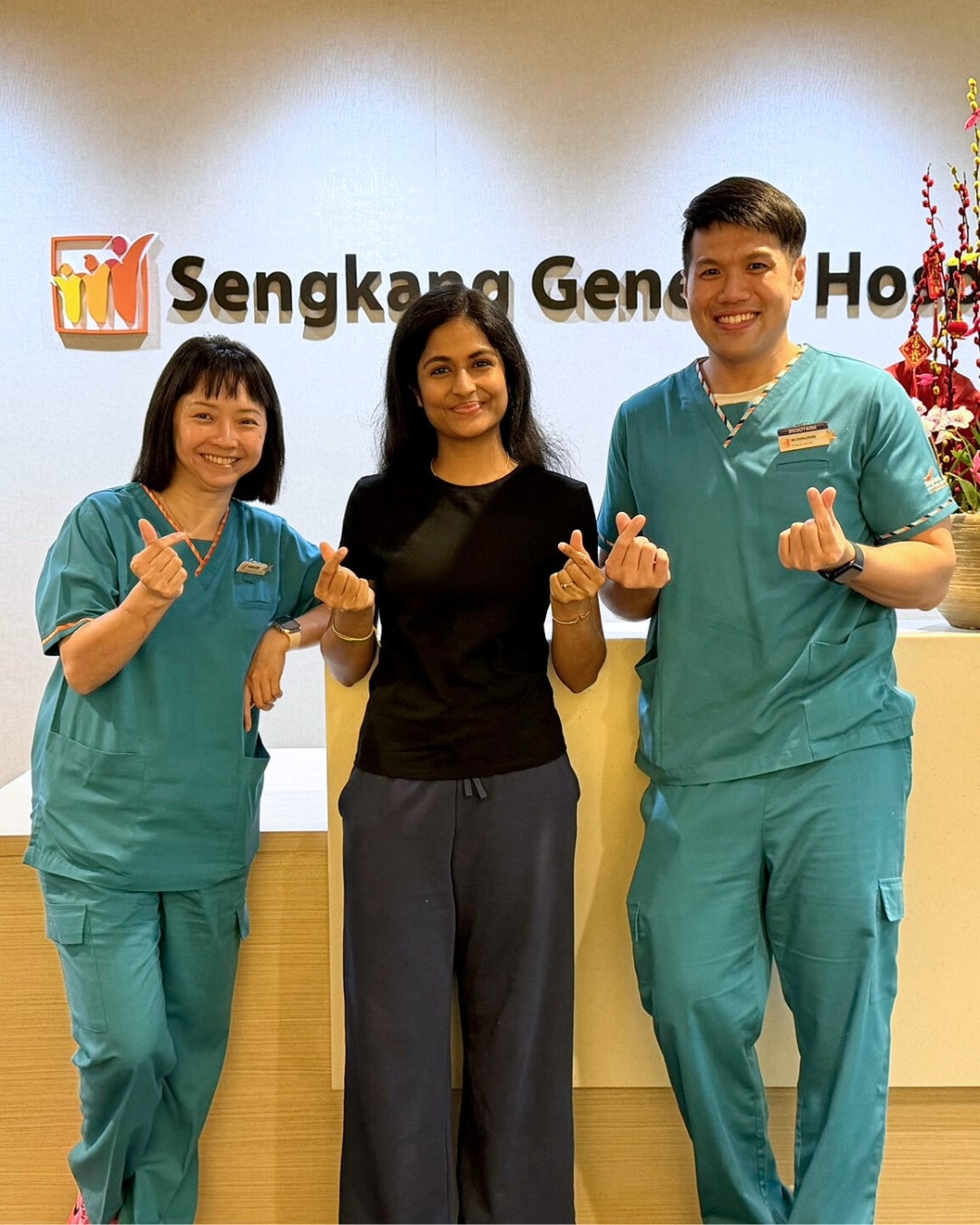
Clinical engagement has been central to the project’s evolution. The team has been working closely with partners from Sengkang General Hospital, including Ms Diana Goh Pei Szeei, Mr Ma Zhongzheng and Mr Tan Kai Beng. Through regular consultations, the students gained deeper insight into real-world clinical workflows, patient needs, and the nuances of cast immobilisation care. Feedback from these discussions informed their prototyping process and helped anchor design decisions in clinical reality.
“We realised that simply hearing about the problem wasn’t enough,” shared Madhulika. “Understanding patients meant stepping into their shoes and designing with the reality that pain isn’t always present as a signal.”
Today, PneuRelief continues to be refined through ongoing development and student-led iteration, as the team deepens its understanding of clinical needs and design constraints.
CDE’s students bringing inclusive engineering to Jakarta
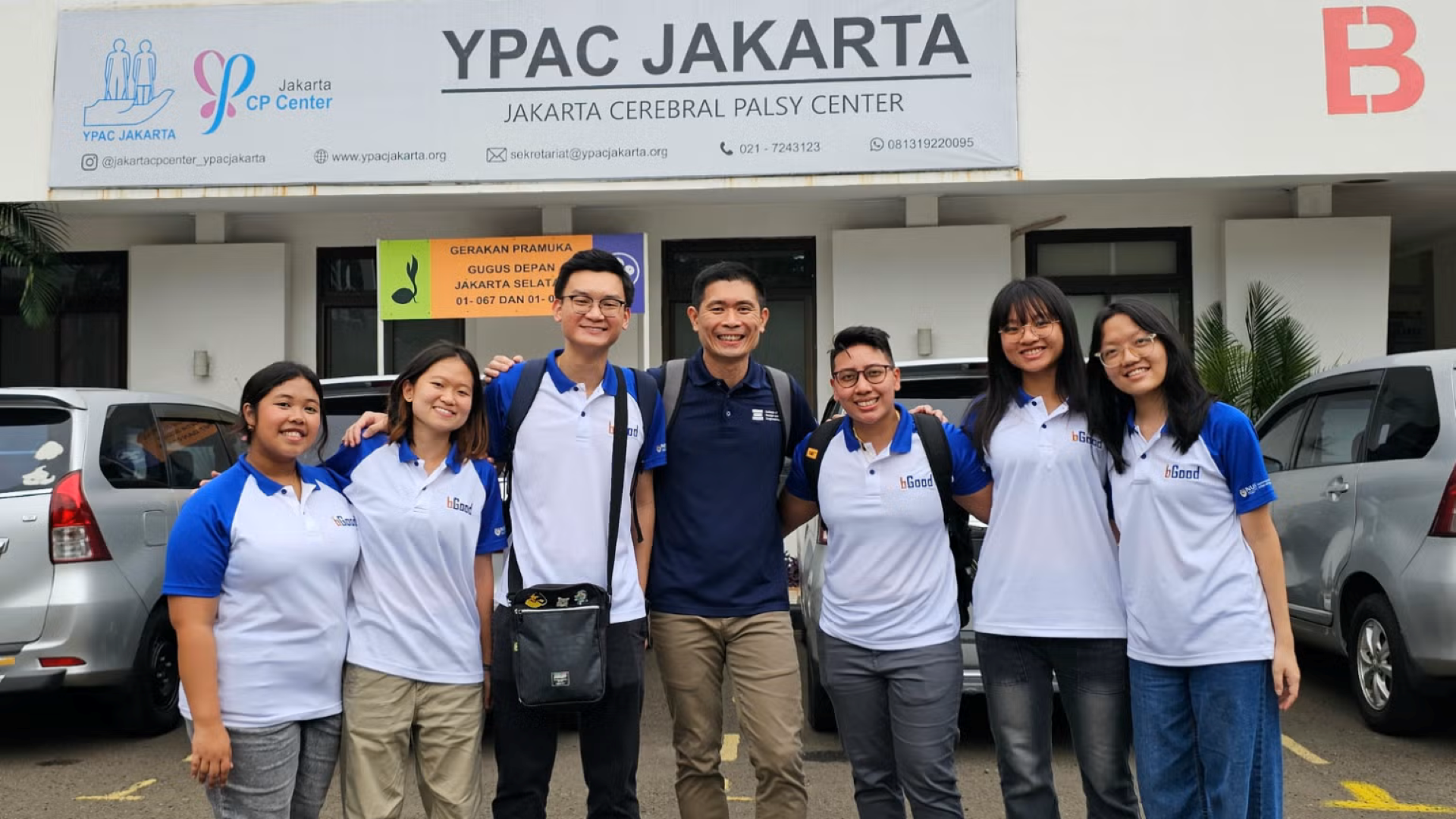
For Year 4 Biomedical Engineering student Reyna Sofyan, a recent field trip was more than just an overseas project; it was a transformative experience that redefined her understanding of inclusive engineering.
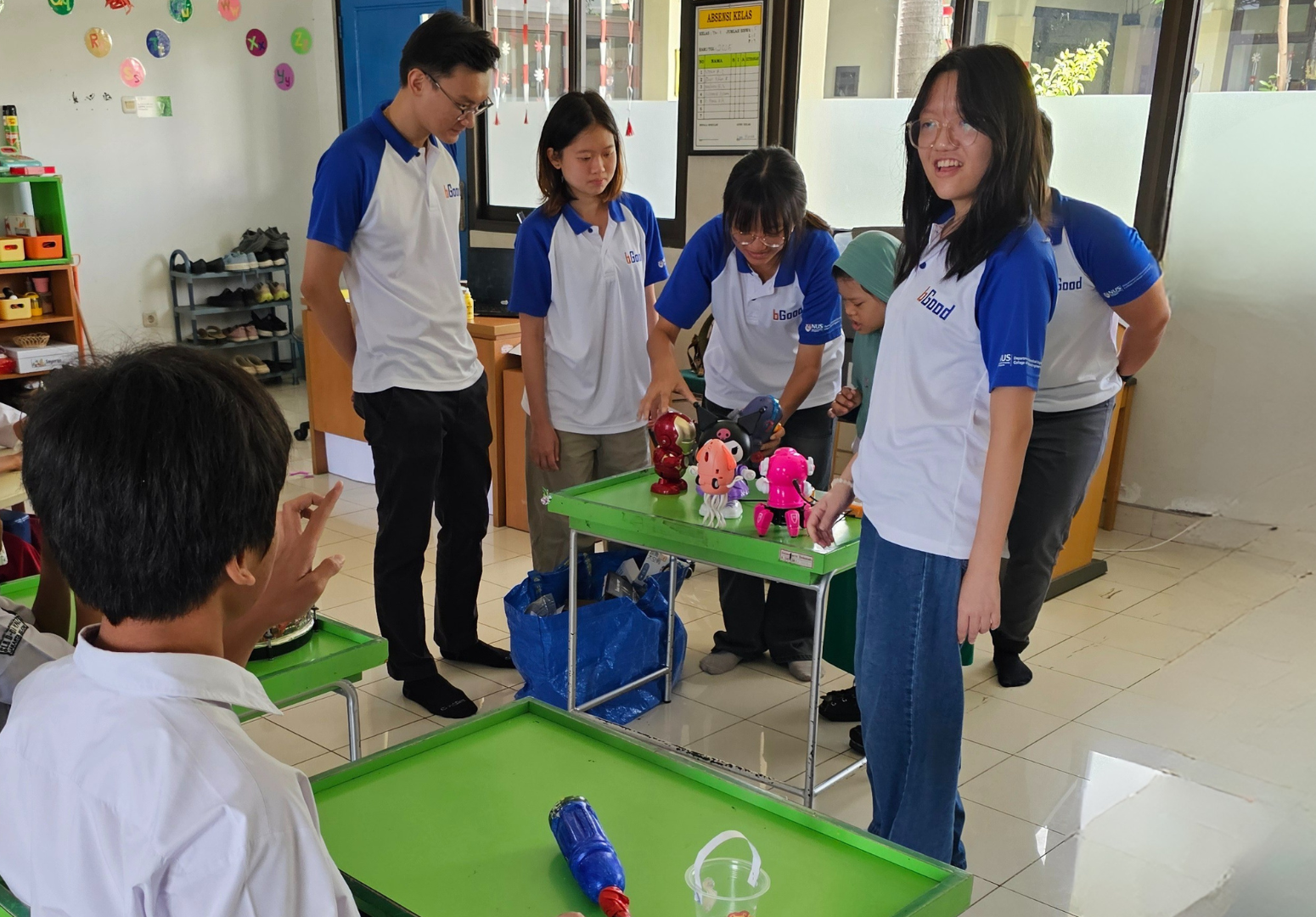
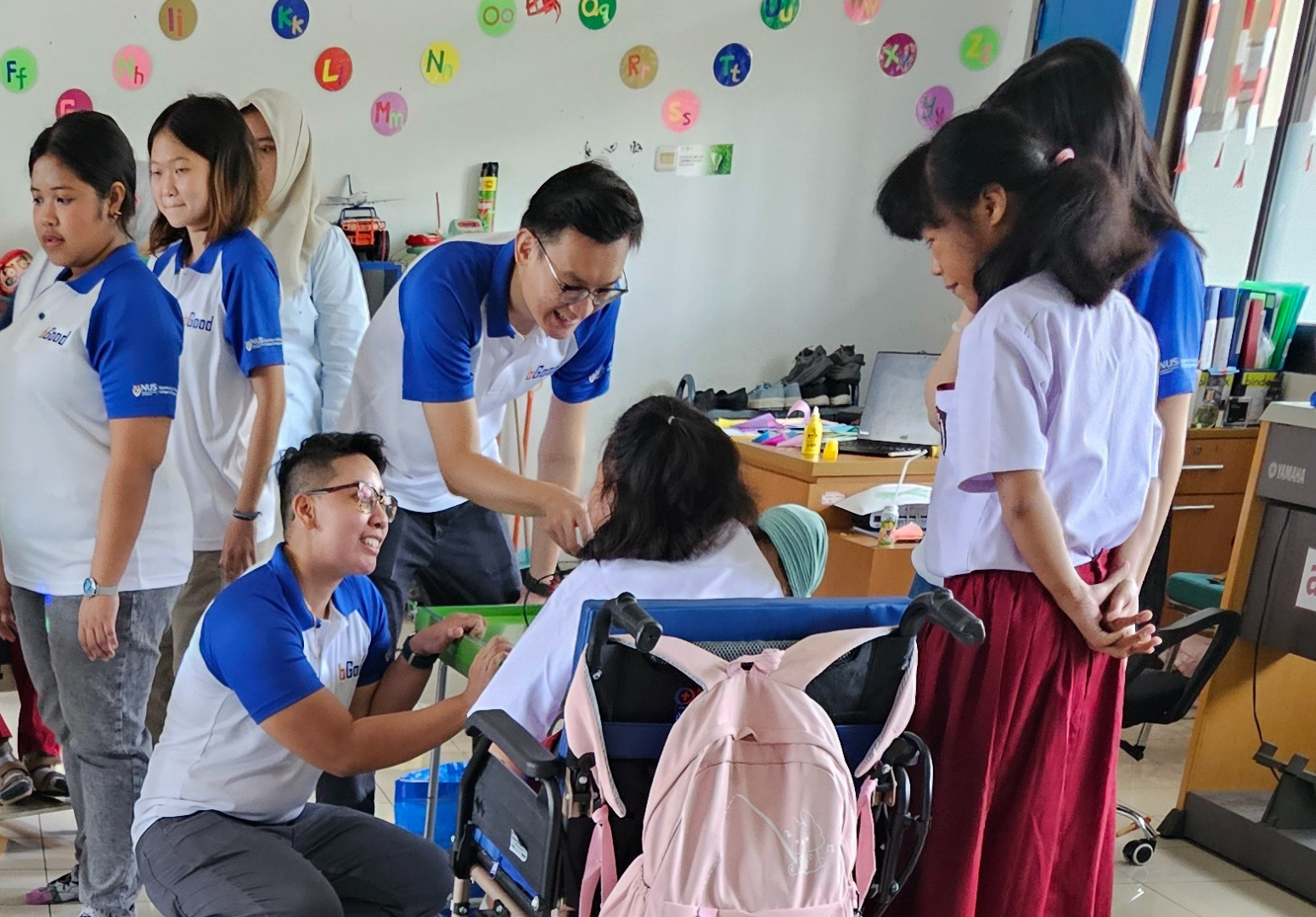
Organised by Biomedical Engineering for Good (bGood) with YPAC Jakarta (Foundation for the Advancement of Children with Disabilities), the trip focused on empowering local therapists and prosthetics teams supporting individuals with cerebral palsy (CP), a condition that affects movement and posture in diverse ways. Together with undergraduates Zi Yi, You Min and Joe Yee, and guided by bGood staff Jonathon Leong and Fatin Sharafana, and Associate Professor James Kah, the team ran hands-on workshops in 3D modelling, slicing and 3D printing, equipping YPAC staff with practical skills to develop assistive devices locally where resources are limited.
A campus tour was a turning point for Reyna, who met children with CP and saw how the condition manifests differently in each person. “It made me realise how privileged I am, not just to be healthy, but to have access to an all-rounded education,” she shared. In a context where disability aids are scarce, YPAC viewed the students not only as trainers but also as advocates for inclusion.
Beyond technical skills, the trip deepened Reyna’s interest in education and community engagement. Having taken on teaching roles and served as President of PBMUKS (NUS Malay Language Society), she found fulfilment in using engineering knowledge to empower others. “Teaching engineering skills to a community in need gave me so much satisfaction. It’s something I hope to continue doing.”
Assoc Prof Kah added, “The opportunity for our students to pass the toys they had earlier modified to make them more accessible to children with cerebral palsy in YPAC Jakarta had also brought warmth to the staff and children there. It has given our students the meaning and fulfilment that the engineering skills they learnt have indeed made a positive impact on the children there.”
Anomaly Bio secures US$2.6M pre-seed funding to advance microbial manufacturing
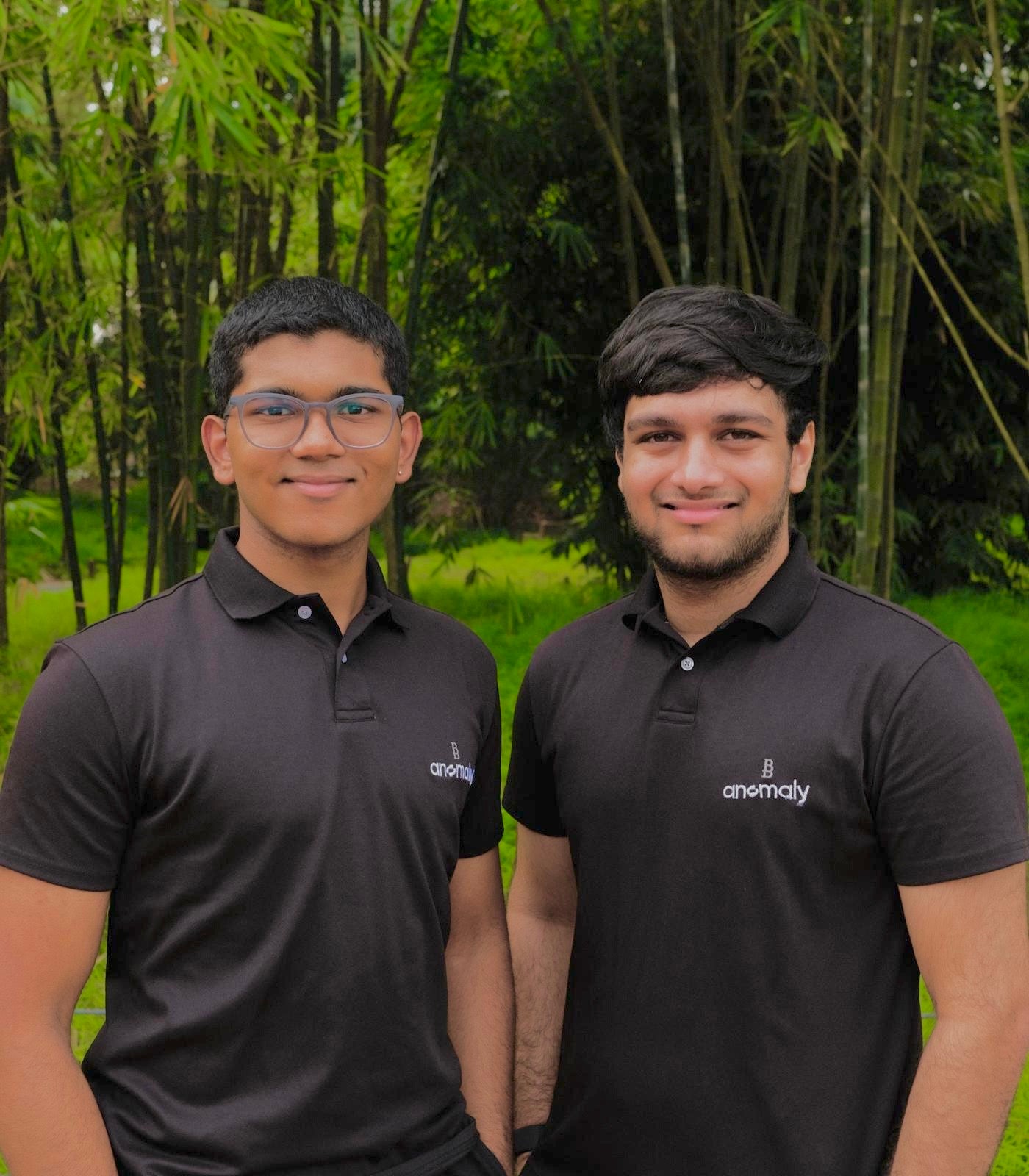
Anomaly Bio, founded by Year 3 students Armaan Dhanda (Chemical Engineering, Second Major in Innovation and Design) and Samyak Baid (Economics, Second Major in Innovation and Design), has raised US$2.6M in pre-seed funding to turn microbes into micro-factories for more resilient ingredient supply chains.
The co-founders met as freshmen at NUS in 2022 and started Anomaly Bio as a project in the Innovation and Design Programme’s Ideas to Proof-of-Concept course. There, they began “programming” living cells to produce high-value ingredients in scalable, on-demand systems that can be deployed almost anywhere.
Early support from NUS Enterprise helped move the idea from the classroom to the lab. “Receiving the VIP grant and the SIH Award from PM Lawrence Wong were meaningful milestones that allowed us to test our ideas and translate academic research into real-world impact,” shared Armaan and Samyak.
“Raising US$2.6M in pre-seed funding has given us the confidence and resources to take the next step,” they added.
With this milestone, the co-founders will establish R&D labs and scale solutions that strengthen ingredient supply chains across crop protection, nutrition and personal care.
A team from the Department of Electrical and Computer Engineering clinches Rising Star Award at the International Conference on Intelligent Robots and Systems (IROS)
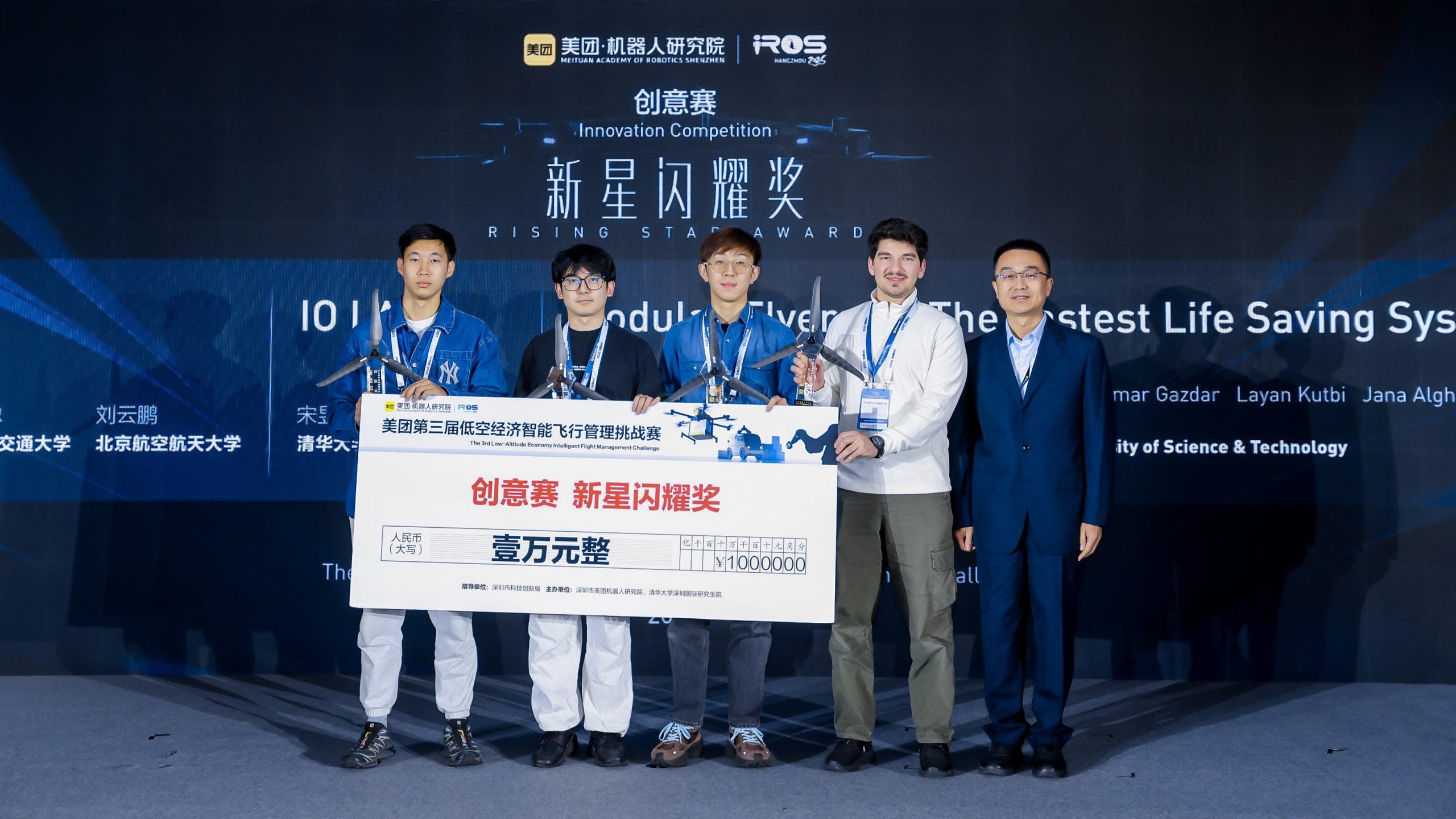
Congratulations to Rui Huang (PhD in Electrical and Computer Engineering), Xin Chen (part-time MSc in Robotics and full-time Research Engineer), Zhiqian Cai (MSc in Engineering Design and Innovation), and Zhenyu Zhang (MSc in Computer Engineering) from the Department of Electrical and Computer Engineering, on receiving the Rising Star Award at the Low-Altitude Economy Innovation Challenge, organised by Meituan Academy of Robotics (Shenzhen), during the IEEE/RSJ International Conference on Intelligent Robots and Systems (IROS) in Hangzhou, China. The team is supervised by Asst Prof Zhao Lin.
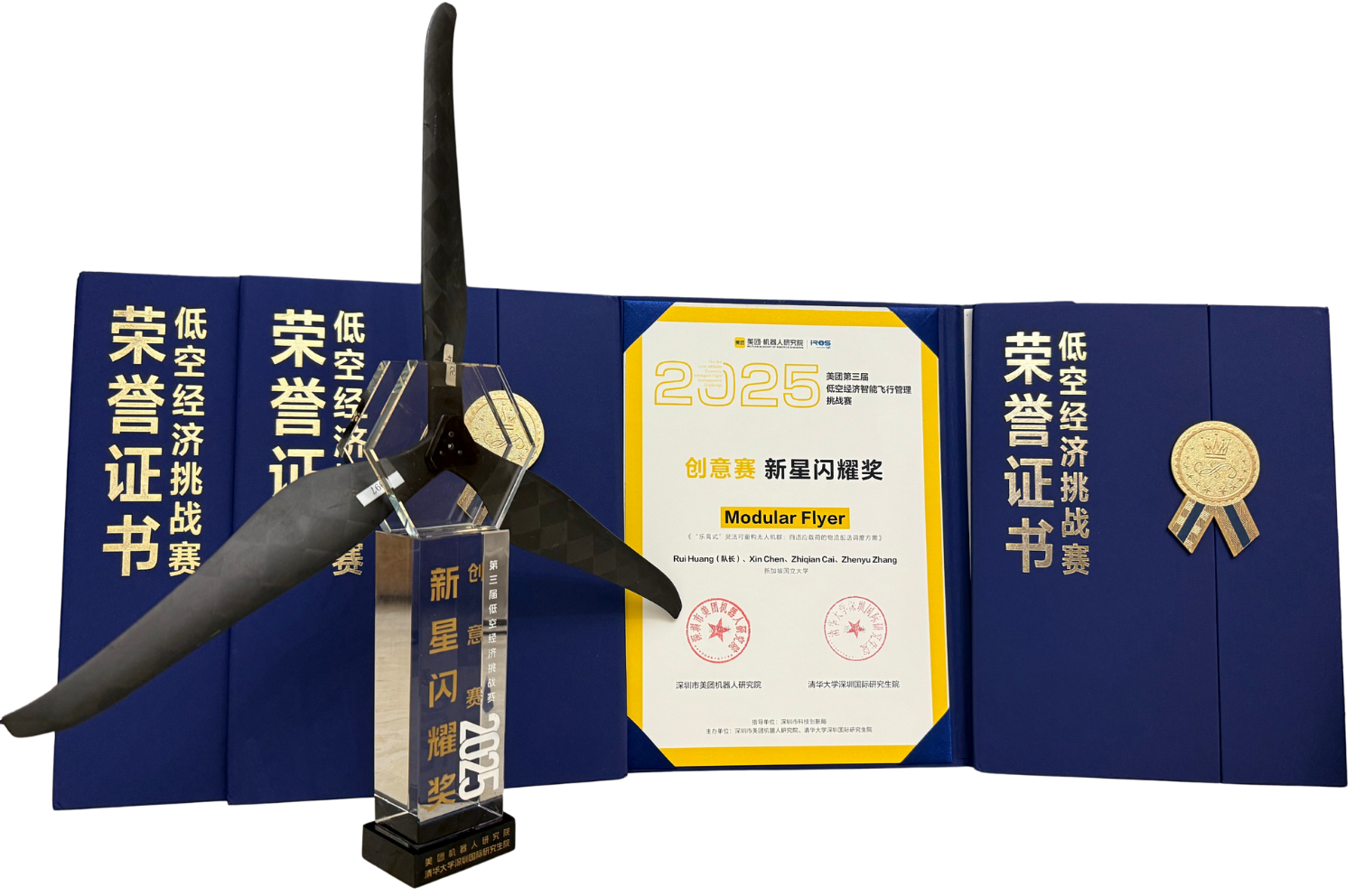
Their award-winning project, titled “Modular Flyer,” demonstrates a modular quadrotor system capable of autonomous mid-air assembly into different formations for prospective aerial transport and cooperative payload tasks.
The project involves the integration of modular aerial robotics, distributed coordination, and reconfigurable flight control, reflecting our group’s broader research direction in scalable multi-agent aerial systems.
Gaining insights beyond the classroom at A*STAR's R&D facilities
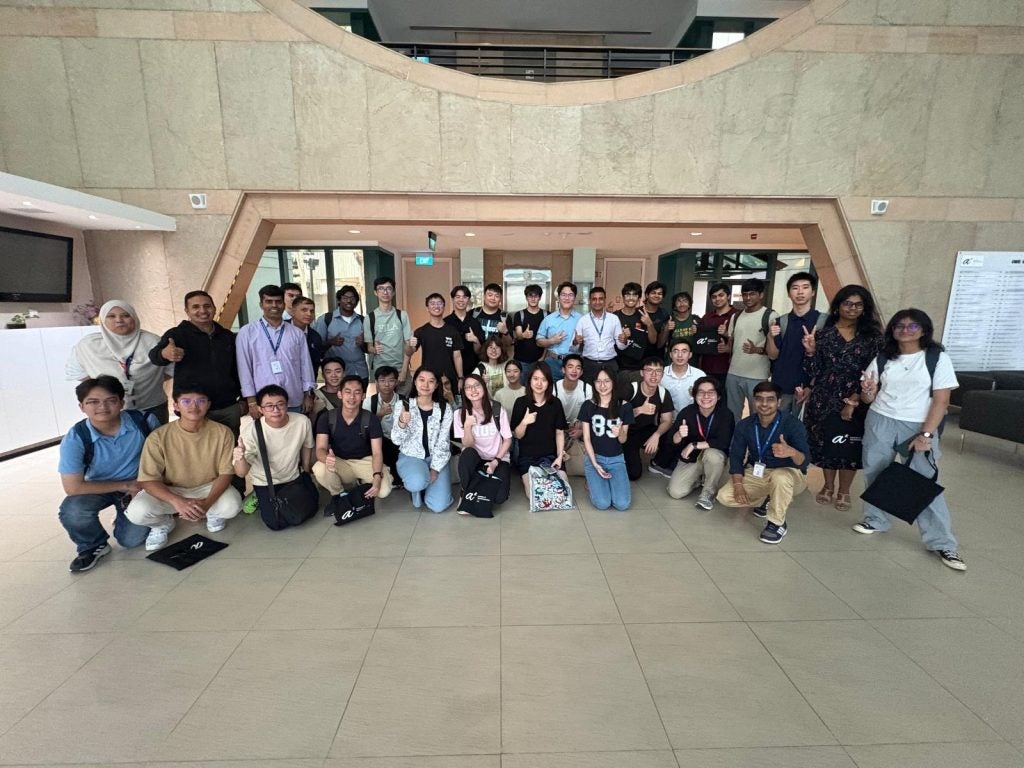
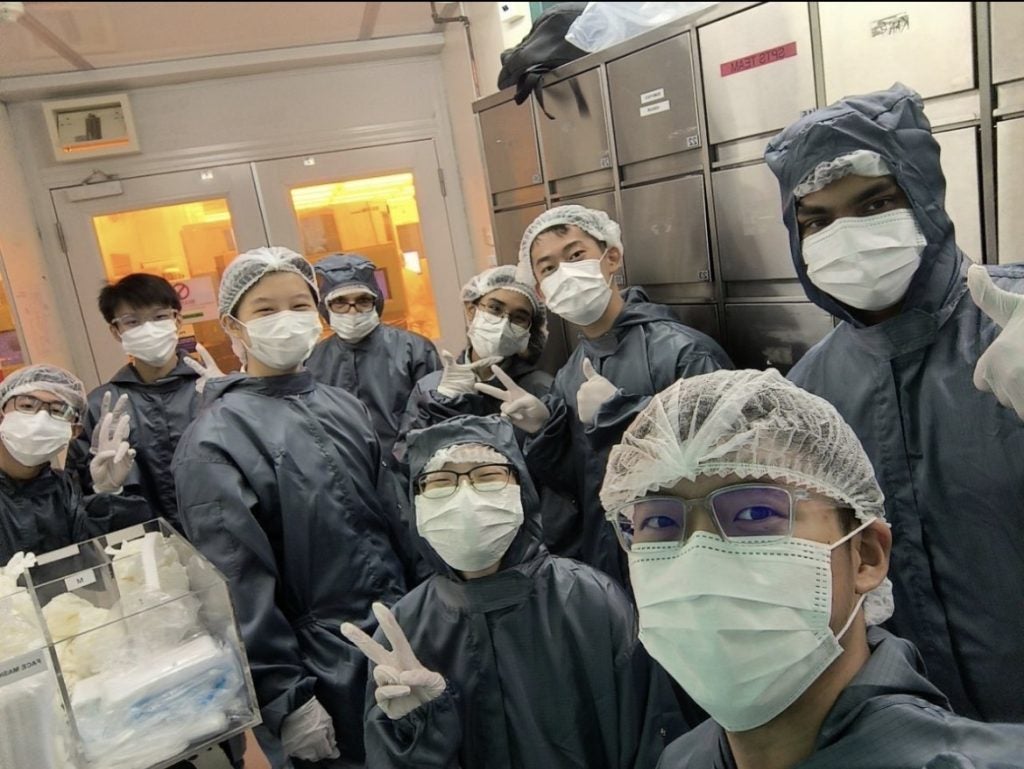
The Agency for Science, Technology and Research (A*STAR) Industry Engagement Initiative on 30 January 2026 was organised by the Electrical and Computer Engineering (ECE) Club to expose students to real-world research and industrial practice beyond classroom theory. Through engagements with A*STAR, students gained insight into how Electrical and Computer Engineering concepts translate into national-scale R&D.
A key highlight of the initiative was on-site visits to semiconductor research and fabrication facilities, where students observed the end-to-end chip development pipeline. This included exposure to major stages, including device design, wafer fabrication, lithography, deposition, etching, testing, and packaging. Seeing these processes firsthand helped students understand the complexity, precision, and interdisciplinary coordination involved in modern chip manufacturing.
Overall, the initiative bridged theory and practice by connecting coursework to real semiconductor workflows, research infrastructure, and career pathways in advanced electronics and industry R&D.
Applying engineering principles in real-world: Schneider Electric visit
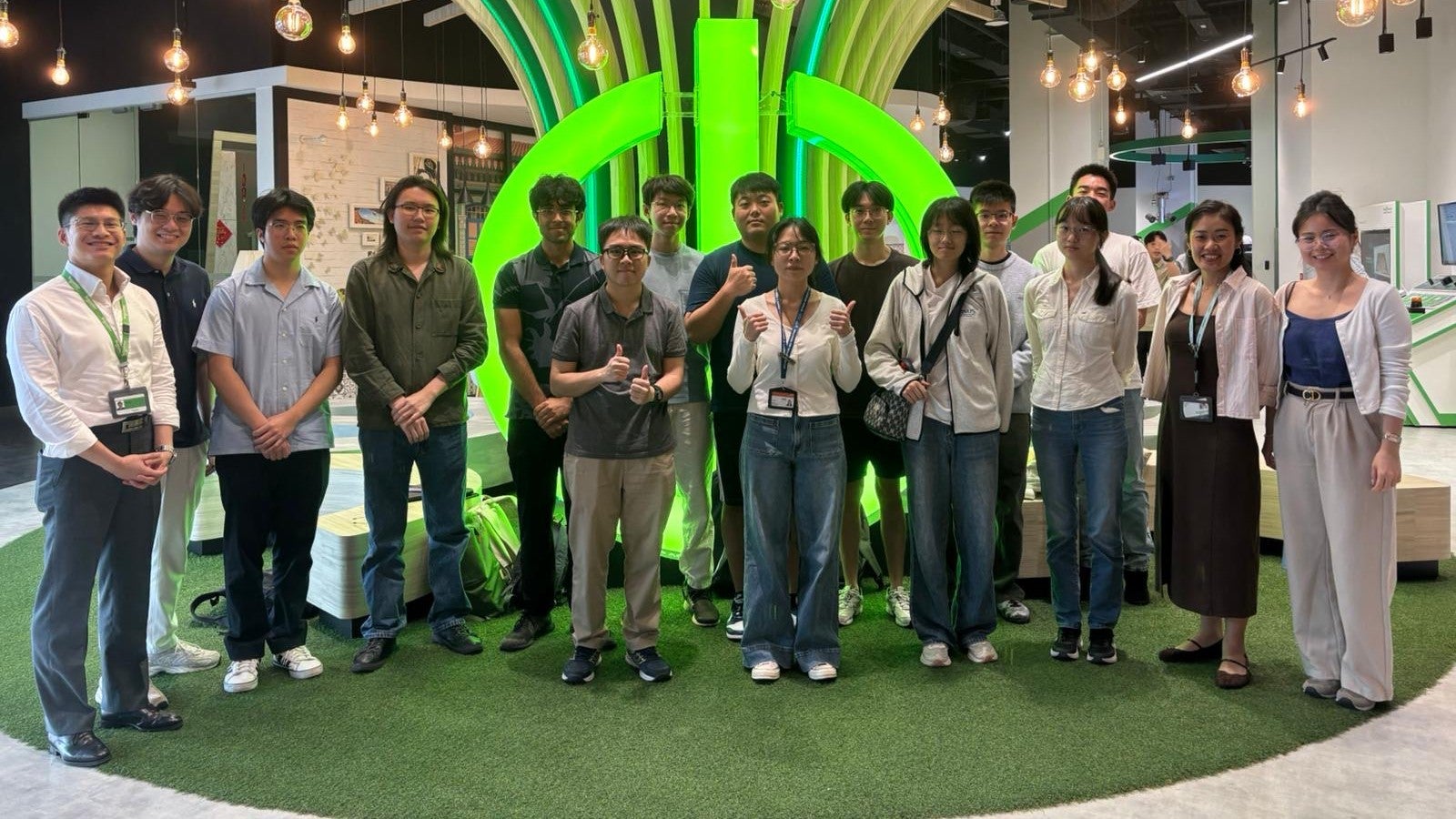
The Electrical and Computer Engineering (ECE) Club’s visit to Schneider Electric on 20 January 2026 offered an informative look into how engineering principles are applied not only in products, but also in the design and operation of modern workspaces. We were introduced to the technical features of the Schneider Electric building, including smart power distribution systems, building management systems (BMS), real-time energy monitoring, and automation used to optimise lighting, HVAC, and overall energy efficiency. These systems demonstrated how data, control, and electrical infrastructure work together to improve sustainability and operational efficiency.
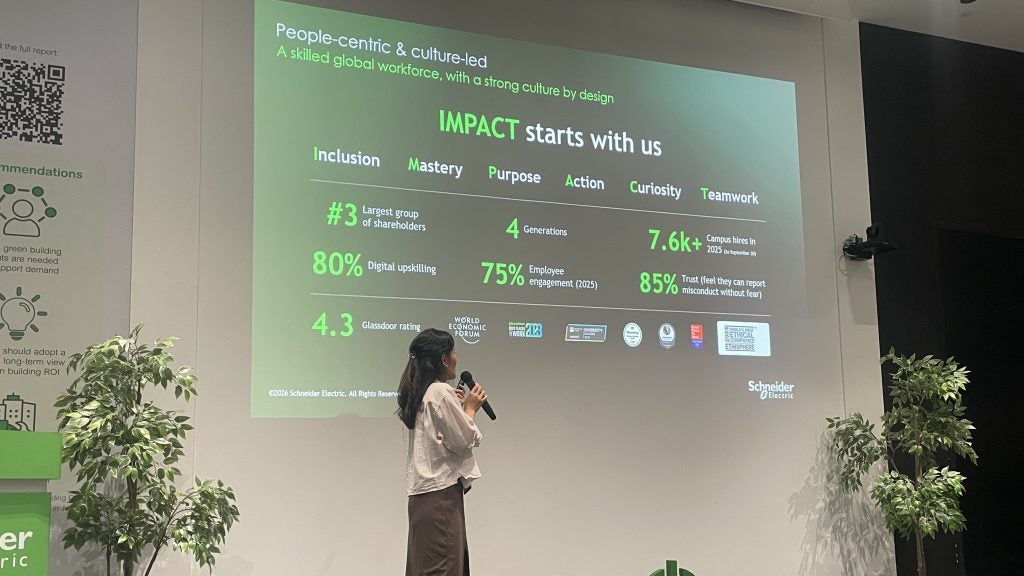
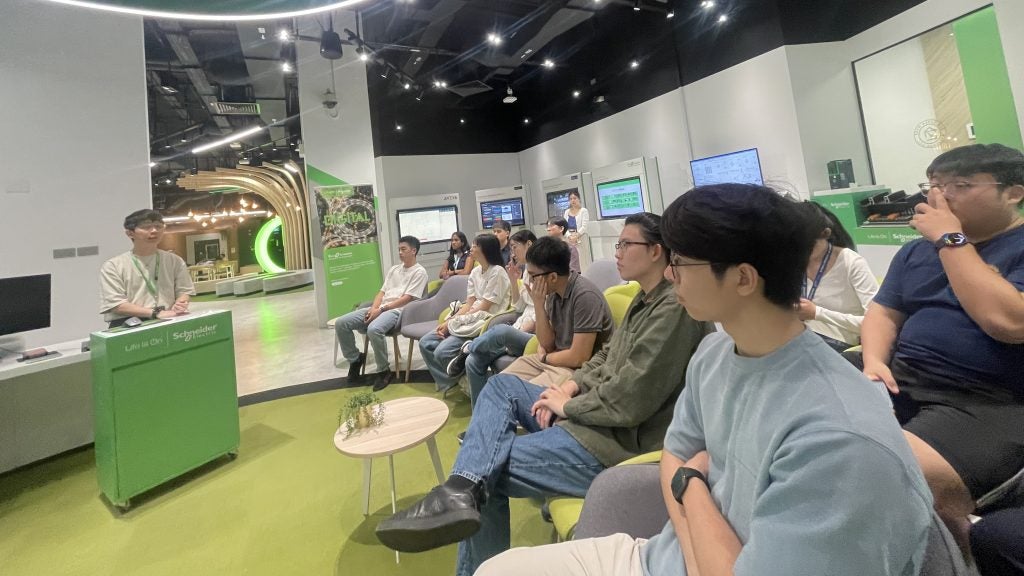
The Schneider Electric team shared insights into their work experience, explaining how engineers collaborate across electrical, software, and systems teams on real-world projects. They discussed the use of digital tools, automation platforms, and data-driven decision-making in daily workflows. The session also covered internship opportunities, where students were given clarity on the nature of intern projects, expectations in terms of technical fundamentals, problem-solving ability, and willingness to learn on the job. Overall, the visit provided a balanced understanding of both the technical environment and professional culture at Schneider Electric, making it a valuable learning experience for ECE students.
Practicing mindfulness, one creative activity at a time
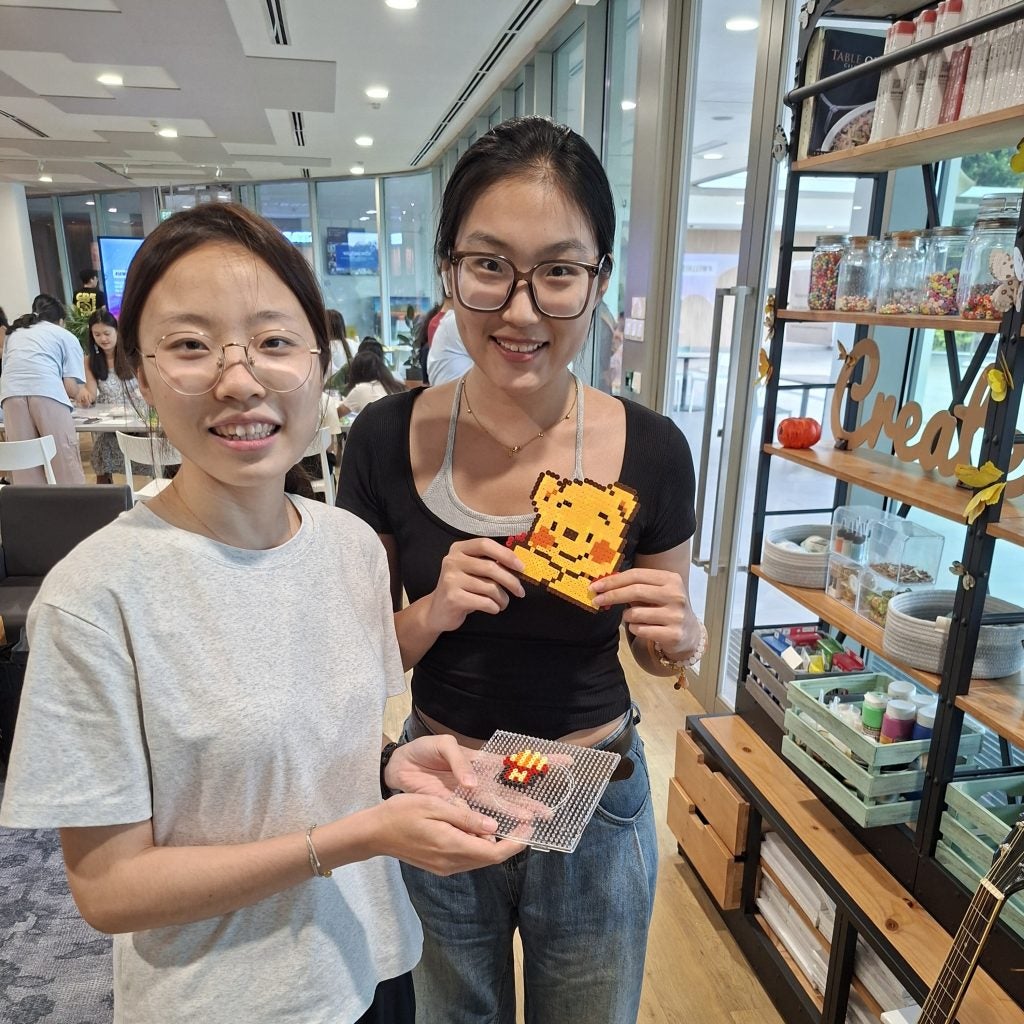
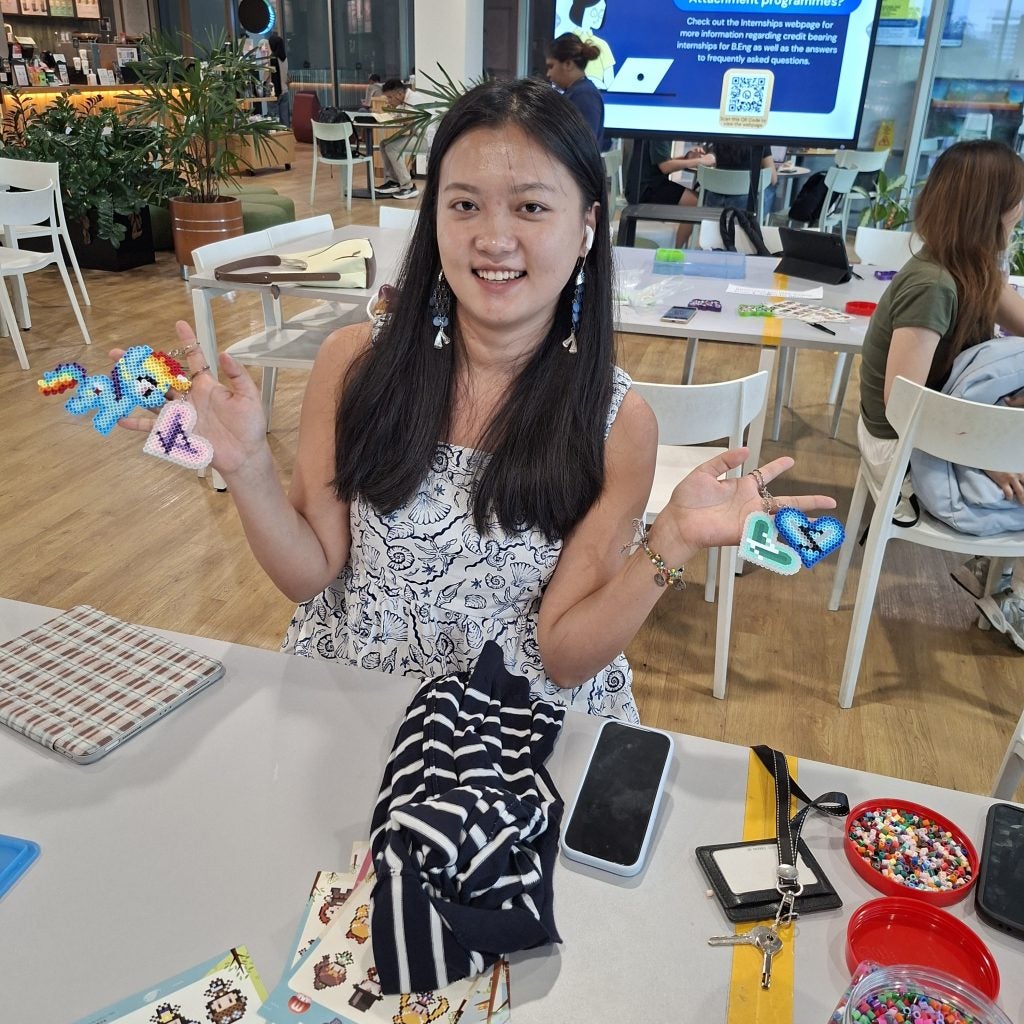
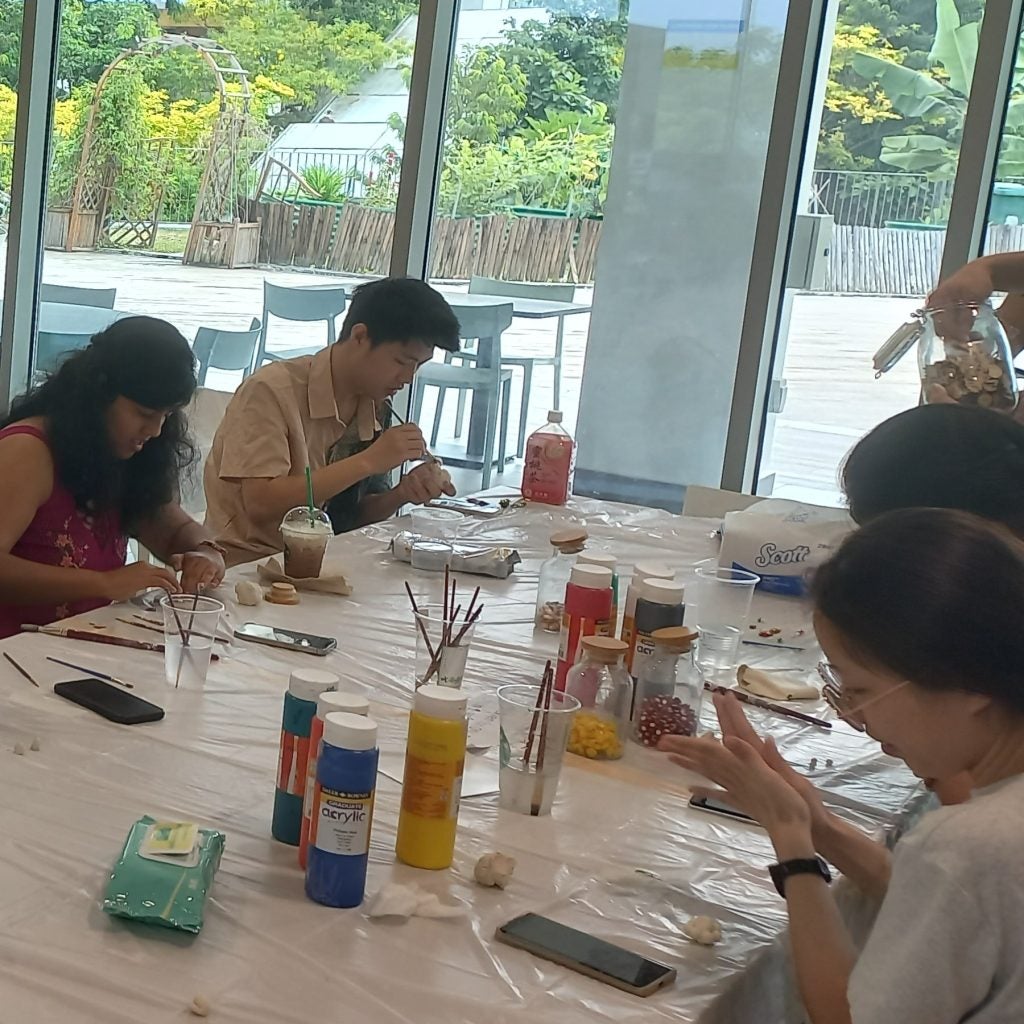
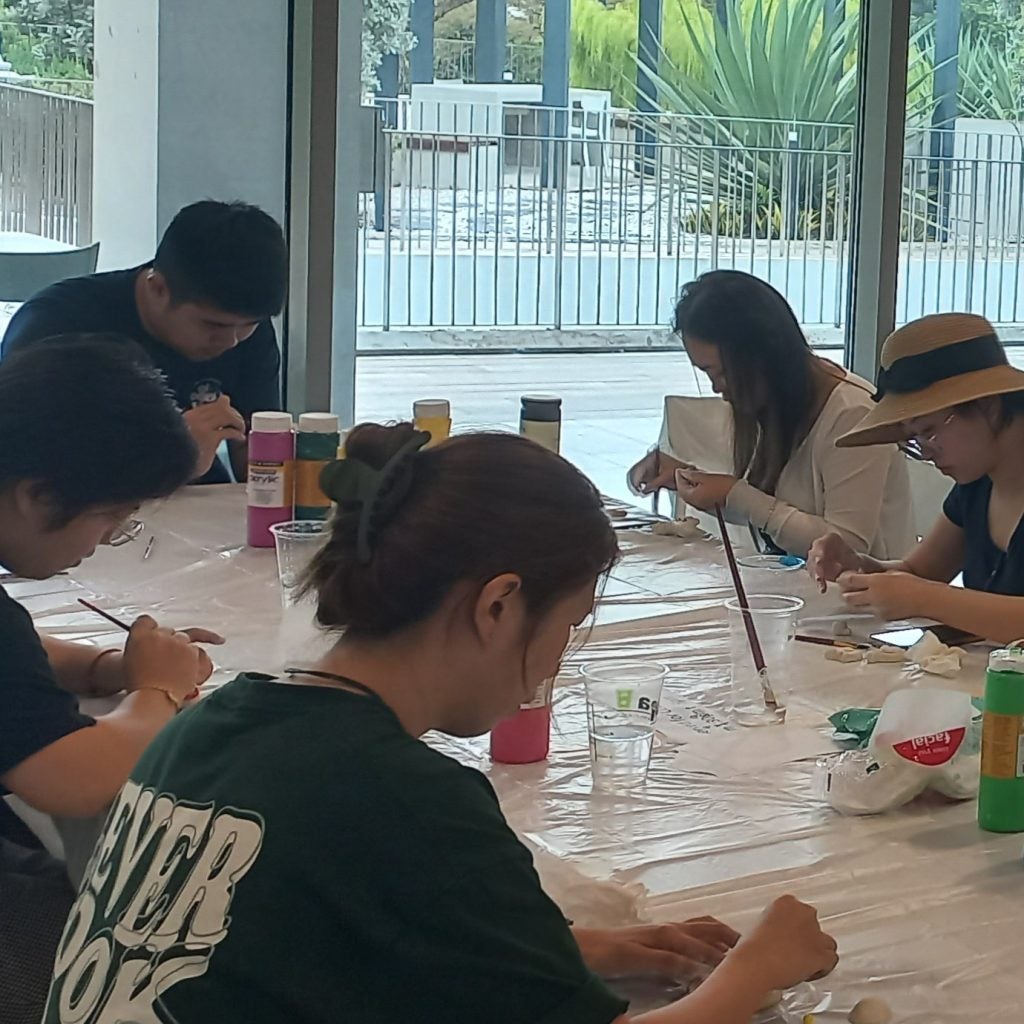
“The air-dry clay activity was actually super calming. I didn’t realise how much I needed a break until I started doing it. It was the first time in a really long time that I stopped thinking about work completely,” said (one participant).
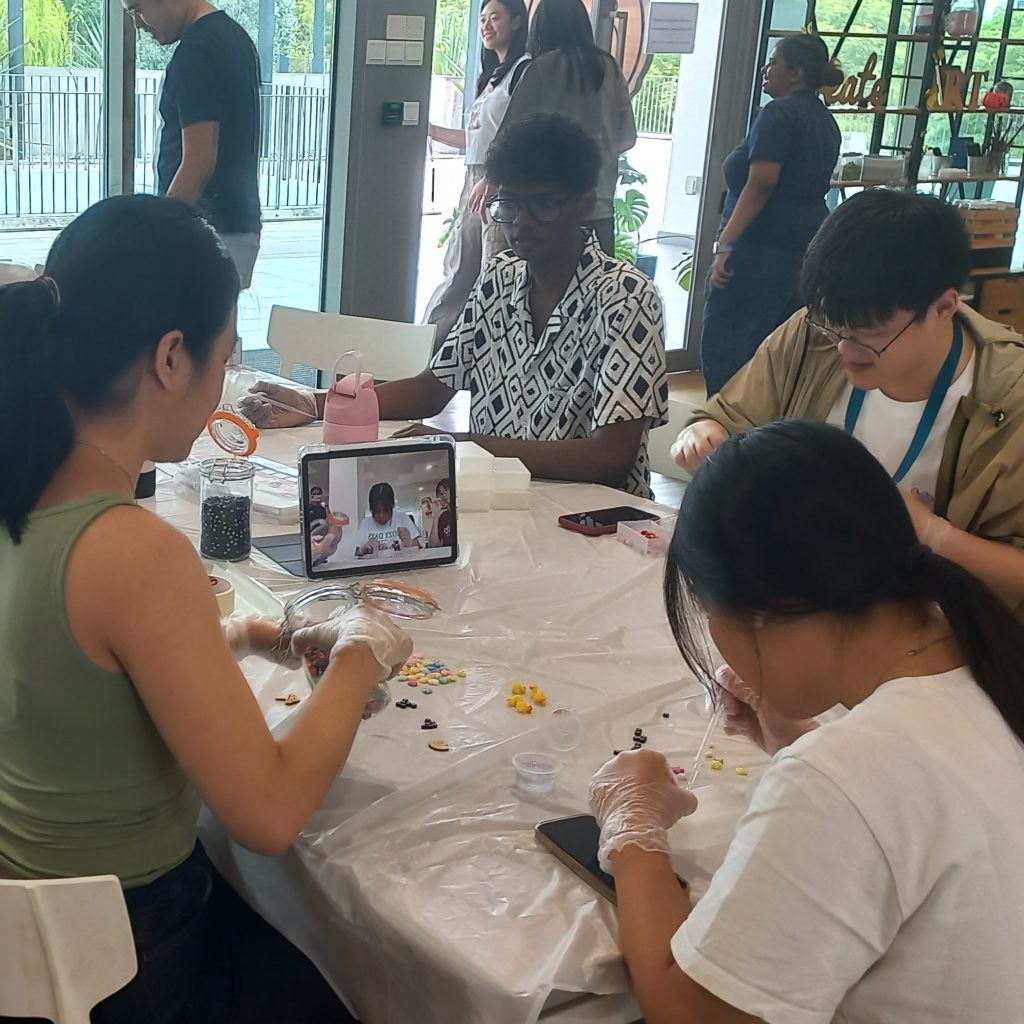
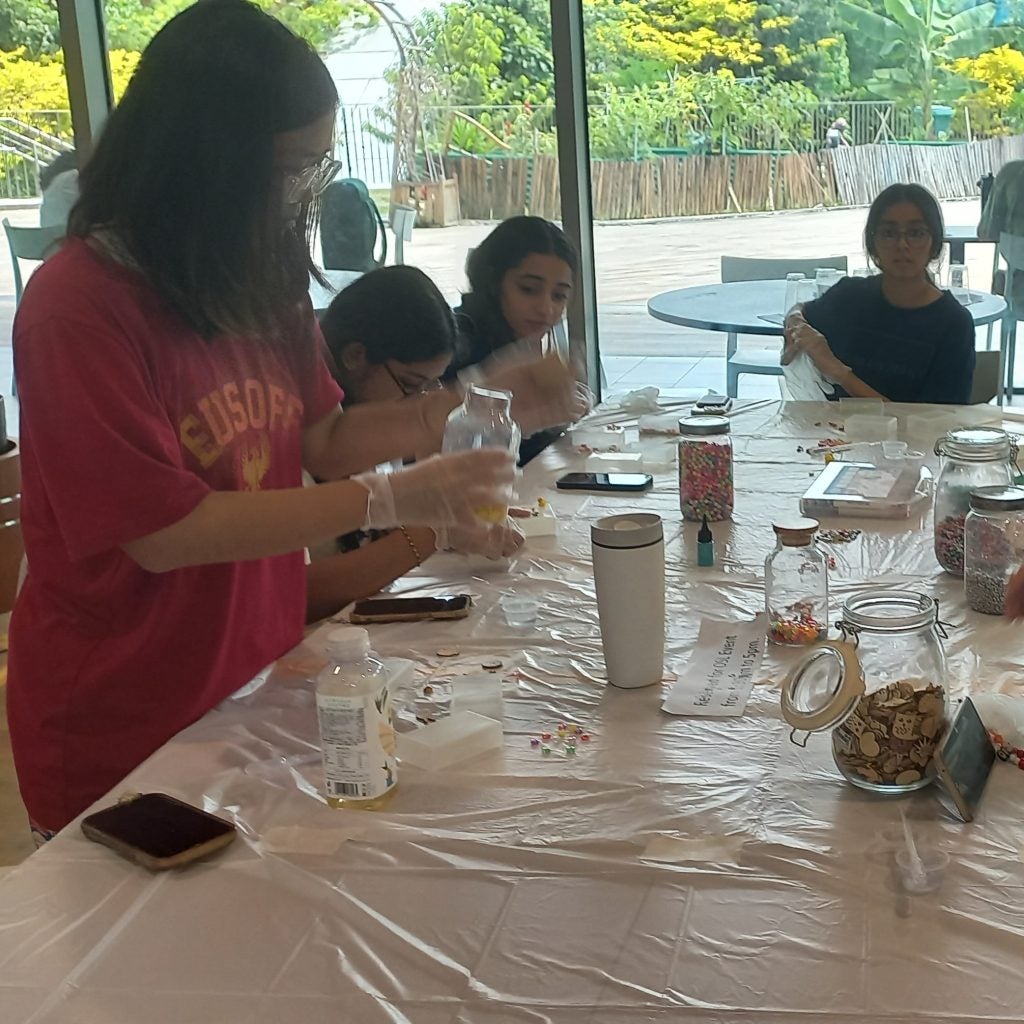
That sense of relief is exactly what Art Fest was all about. Over 40 students joined the fun, diving into hands-on creative activities like air-dry clay sculpting, resin card-holder making, and making bead art. These activities did more than just spark creativity; they sparked connections. Students bonded over their masterpieces, sharing laughs and stories with their new friends.
It's clear that simple creative outlets can be a powerful tool for student wellness and mental recharge. Art Fest provided exactly that: a relaxed space for participants to slow down and practice mindfulness through their art.