
Dear students, alumni, colleagues, and partners of CDE,
March was a month of highlights, with three international days that are significant to our CDE community.
World Engineering Day for Sustainable Development, held on 4 March, highlights the role of engineering in achieving sustainable development goals. On 8 March, we celebrated International Women’s Day, which recognises the achievements of women across the globe, with the 2024 theme being "Invest in Women: Accelerate Progress”, showcasing women's pivotal role in driving economic growth, innovation and social progress. Finally, on 22 March, we celebrated World Water Day, which supports the achievement of UN Sustainable Development Goal (SDG) 6: water and sanitation for all by 2030.
On our socials, we featured our faculty and researchers who have contributed in different ways to support these causes. This month's newsletter also highlights research news and videos of our researchers from a tumour platform that cuts drug testing and screening time for cancer patients to triple-junction tandem solar cells demonstrating world-record efficiency, from tree upcycling for architectural healing to the innovative use of waste materials to produce more environmentally sustainable cement.
At the heart of all these projects lies the commitment to make a difference and strive for excellence. Kudos to all of our dedicated researchers and faculty members, without whom it would certainly be challenging to forge new frontiers.
Professor Teo Kie Leong
Dean-Designate
College of Design and Engineering (CDE)
HIGHLIGHTS
EVENTS
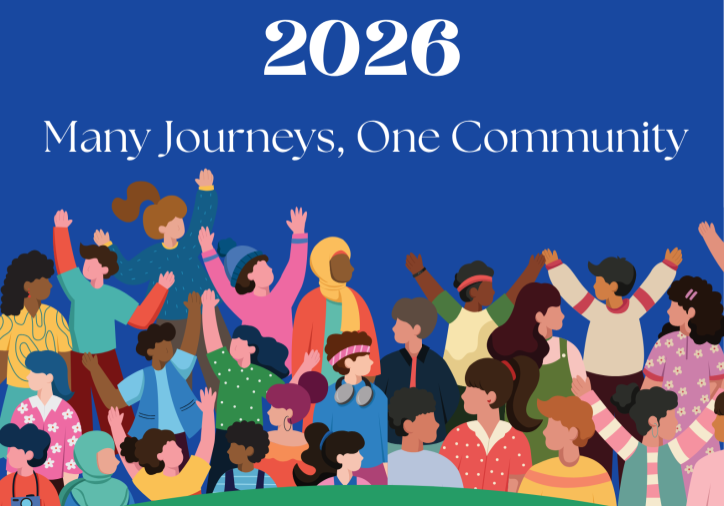
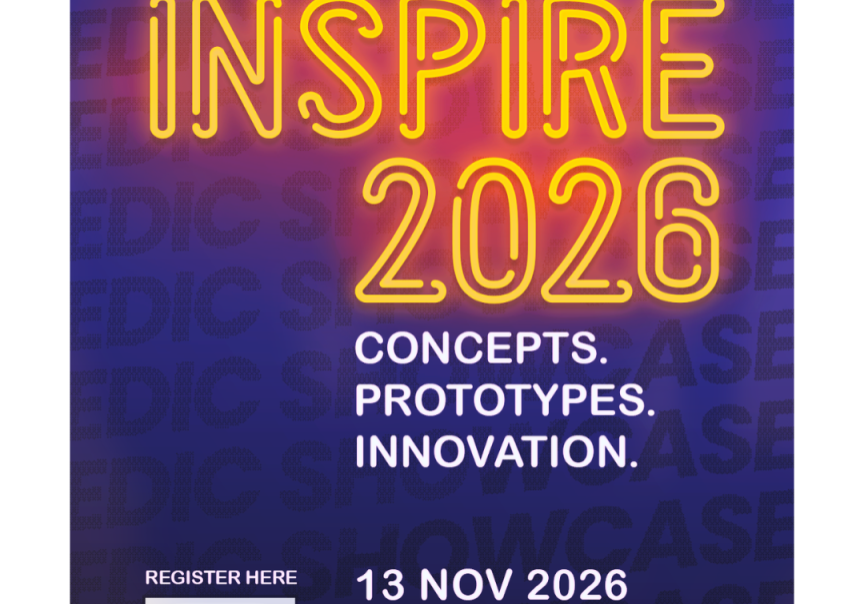
EDIC Project Showcase: INSPIRE 2026
Join us for an exciting showcase celebrating student creativity and innovation in CDE3301, CDE5311 and CDE5312! Explore projects spanning proof-of-concept development, human-centred AI, and interactive wearables. Meet the student teams, discover the ideas behind their creations, and experience live prototype demonstrations that bring a semester (or two) of experimentation, interdisciplinary collaboration, and innovation to life!

GEAR UP! for 3301
GEAR UP! for 3301 offers students a sneak peek at the exciting studios and industry projects available in CDE3301 in 2027. Meet project supervisors, explore interdisciplinary challenges and real-world opportunities, and discover projects that spark your interest. Connect with like-minded students and start forming your team for the journey ahead!
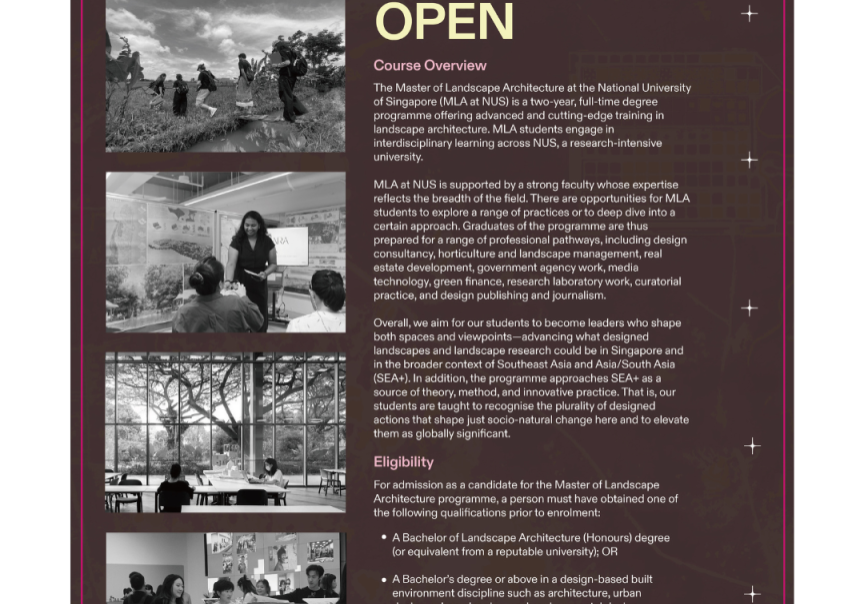
Webinar: Admissions for NUS Master of Landscape Architecture (MLA) for August 2027 Cohort
Interested in pursuing a Master’s in Landscape Architecture at NUS College of Design and Engineering, or would like to learn more? Join us on 10 November for our MLA Webinar for prospective applicants, featuring the Programme Director, Dr Victoria Marshall.
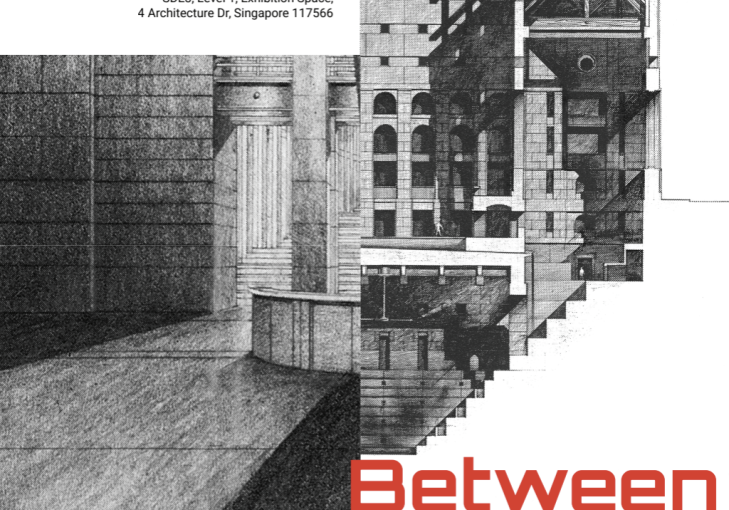
Between Line & Form Exhibition
Between Line & Form is an exhibition of hand-drawn architectural sketches by Ar. Rene Tan, presented in conjunction with the RT+Q Drawing Prize at NUS. Spanning over 40 years, the showcase features lead-on-paper sketches, mechanical pencil on vellum, ink and Pantone on Mylar, pen parti diagrams, ballpoint design esquisses, and sketchbooks on loan from the National Archives of Singapore. These drawings trace a personal journey through observation, discovery, improvisation, and speculation. From “Covid Drawings” exploring interior space to “Otto Wagner Drawings” on proportion and detail, “Pantone Drawings” on light and shadow, “Travel Sketches” on place and memory, and “Sketchbook Etudes” tracking design ideas, each work embodies what Michael Graves called “tangible speculations.” Between Line & Form invites visitors to reflect on the enduring value of hand sketching in an increasingly digital design culture, and to appreciate the liberating journey between each line and the next.
PREVIOUS ISSUES