FACULTY AWARDS & RECOGNITION
CDE faculty named among World’s Most Influential Scientific Minds
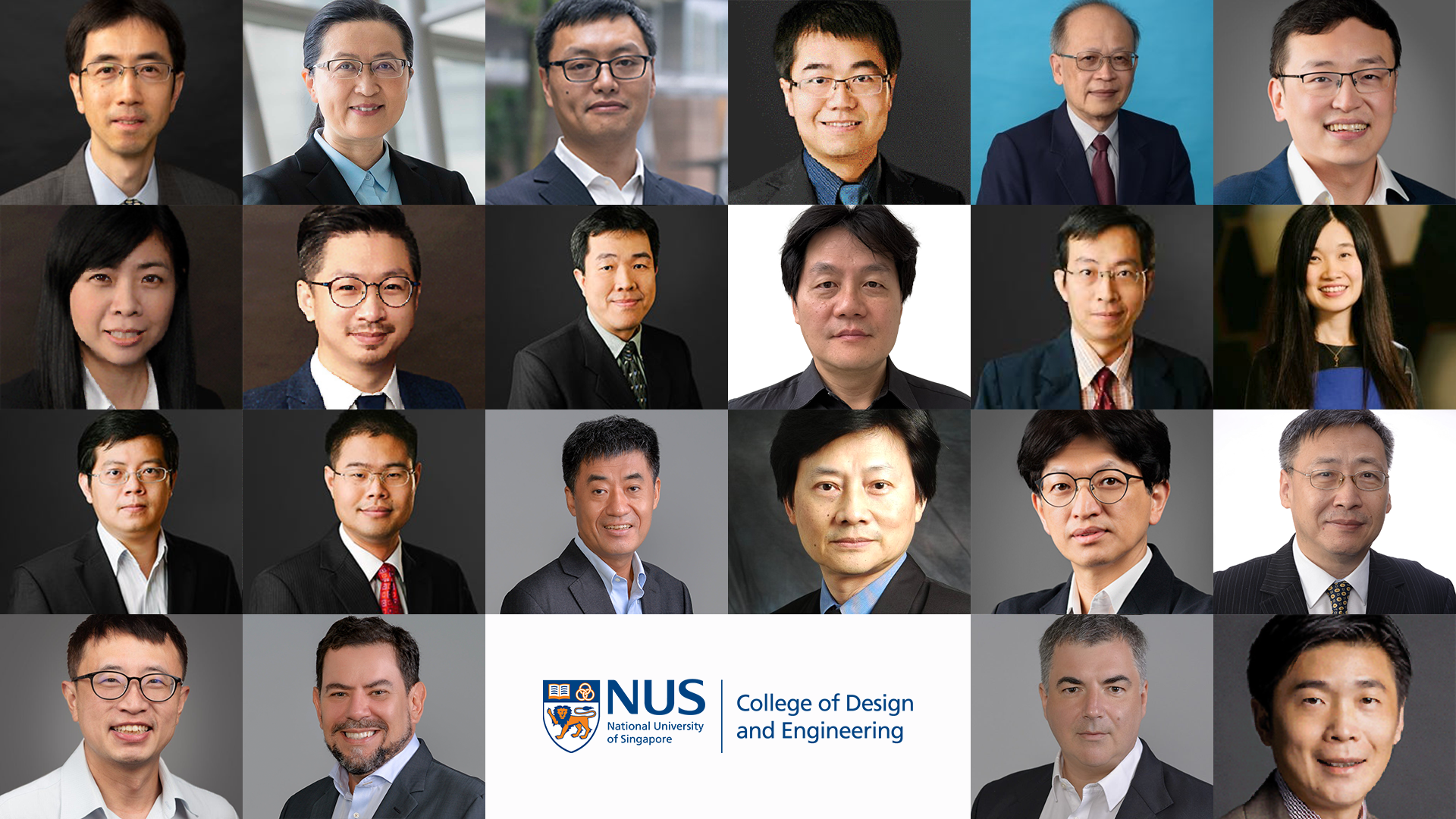
“The presence of many CDE faculty on the 2025 Highly Cited Researchers™ list reflects the College’s enduring influence, rigorous scholarship and real-world impact” – Prof Teo Kie Leong, CDE Dean.
Congratulations to the 22 CDE faculty named on the Clarivate 2025 Highly Cited Researchers™ list as being among the World's Most Influential Scientific Minds.
Compiled by data analytics firm Clarivate, the list published every year uses quantitative and qualitative analysis to identify researchers who have demonstrated significant and broad influence in their field(s) of research, and who contribute disproportionately to extending the frontiers of knowledge and innovations that make the world healthier, richer, more sustainable and more secure.
Commenting on the 2025 listing, Prof Teo said the work of those named “not only pushes the frontiers of knowledge but also reinforces CDE’s mission as a vibrant research hub where collaboration across disciplines transforms bold ideas into innovations with global reach.”
DBE researchers receive award for work on sustainable construction

A team including researchers from the Department of the Built Environment (DBE) has been recognised for its impact on sustainable construction, receiving the Engineers in Society Award (Sustainability and Climate Change category) from the Institution of Engineering and Technology (IET).
Working with a team from Chiang Mai University led by Associate Professor Peerapong Jitsangiam, and industry partners Siam Cement Group, Assoc Prof Kua Harn Wei, and Senior Research Associate Abhimanyu Goel, the DBE team contributed to several completed road projects in Thailand that improved road durability.
Assoc Prof Kua and his team are pioneers in applying biochar to strengthen construction materials, building on foundational work that explains how biochar enhances the performance of concrete and asphalt.
He stated, “This award celebrates teamwork that applies engineering and technology to address important problems.” The recognition reflects how the College's research continues to translate into practical climate solutions with measurable impact."
Read more: https://cde.nus.edu.sg/news-detail/built-environment-impactful-collab/
DBE researchers awarded Outstanding Publication on Project Management (Outstanding Project Managers Award 2025)
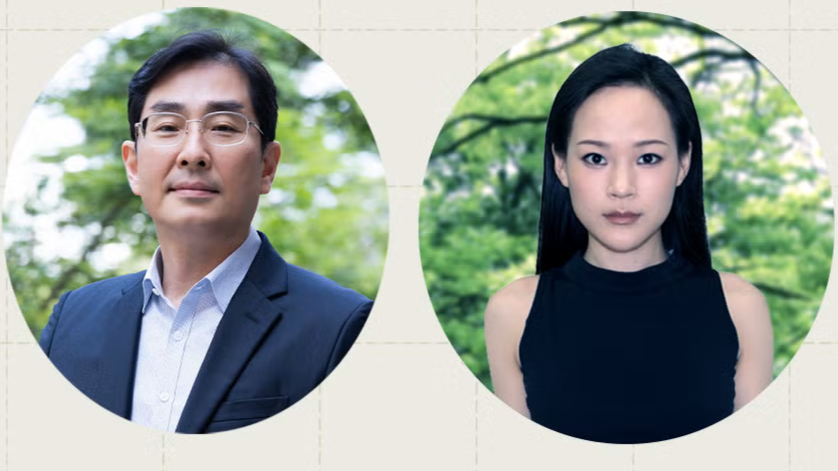
The paper “Real-Time Safety and Worker Self-Assessment: Sensor-Based Mobile System for Critical Unsafe Behaviours” by Dr Hanjing Zhu and Prof Bon-Gang Hwang, published in Automation in Construction, received the Outstanding Publication on Project Management (Outstanding Project Manager Awards 2025) from the Society of Project Managers (SPM) Singapore.
This award honours original research that demonstrates both academic rigour and practical relevance in addressing challenges in productivity, construction technology, or sustainability.
Submissions span across academic institutions and industry practitioners, and only one publication is recognised each year for its significant contribution to project management practice. This recognition affirms the impact and relevance of the researchers’ work in bridging academic insight with industry needs. It reflects a continued commitment to shaping safer, smarter, and more sustainable project delivery in the built environment.
ASCE Journal of Construction Engineering and Management (JCEM) 2025 Best Paper Award awarded to DBE researchers
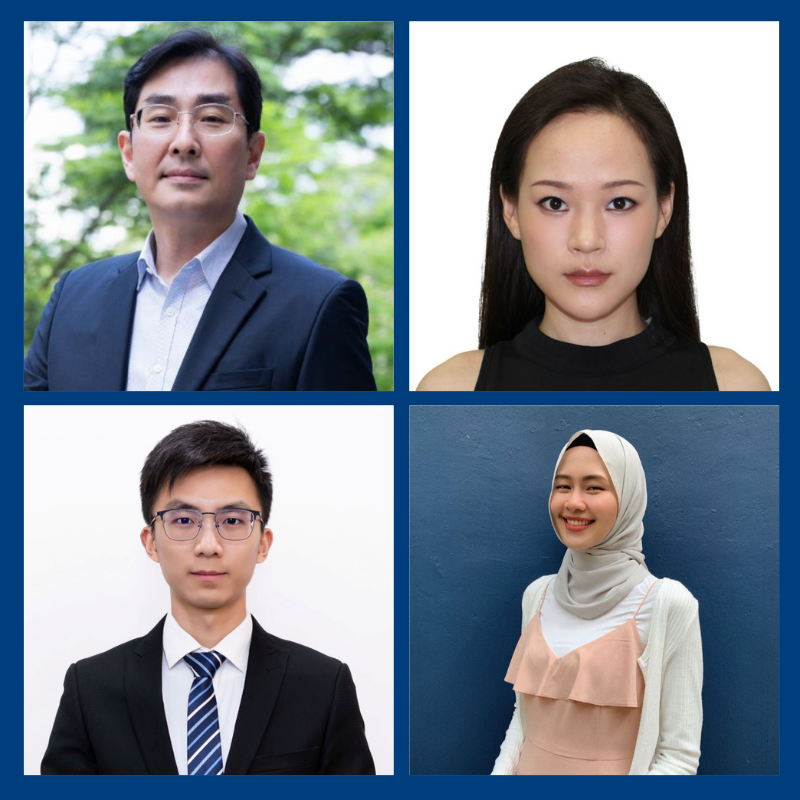
The paper “Trust, Team Effectiveness, and Strategies: A Comparative Study between Virtual and Face-to-Face Teams” by Feiyang Wei, Prof Bon-Gang Hwang, Nur Syafiqah Binte Zainal, and Hanjing Zhu, published in the July 2024 issue of the ASCE Journal of Construction Engineering and Management, has been selected as the recipient of the 2025 Best Paper Award.
This award is highly competitive, with the winning paper chosen from 259 submissions, including technical papers, case studies, and state-of-the-art reviews published in the Journal of Construction Engineering and Management between July 2024 and June 2025. The selection was made by the Awards Committee, comprising distinguished scholars, chaired by Prof Jesus M de la Garza.
This achievement not only demonstrates the academic excellence of the researchers but also underscores the significant contribution of their work to advancing knowledge in construction management, particularly in the area of team trust and effectiveness in both virtual and traditional settings.
Professor Vladan Babovic elected as Fellow of AAIA

Professor Vladan Babovic has been elected as a Fellow of the Asia-Pacific Artificial Intelligence Association (AAIA).
The AIAA aims to build a broad AI industry, bringing together scientists and entrepreneurs related to AI applications to develop AI industries, including the AI Ocean, AI Transportation, AI Computing, AI Communication, AI Robot, AI Education, AI Agriculture, AI Finance, AI Medicine, AI Energy, and dozens of AI application fields. The main mission of the Asia-Pacific Artificial Intelligence Association (AAIA) is to strengthen scientists in the field of AI and other fields worldwide to promote the development and application of AI through academic research, academic exchanges, science education, science exhibitions, academic conferences, academic publications, summer/winter camps and other activities.
This prestigious recognition reflects his outstanding contributions to the advancement and application of artificial intelligence in water, environmental, and engineering domains.
Professor Hu Jiangyong awarded the Galaxy Award by IUVA
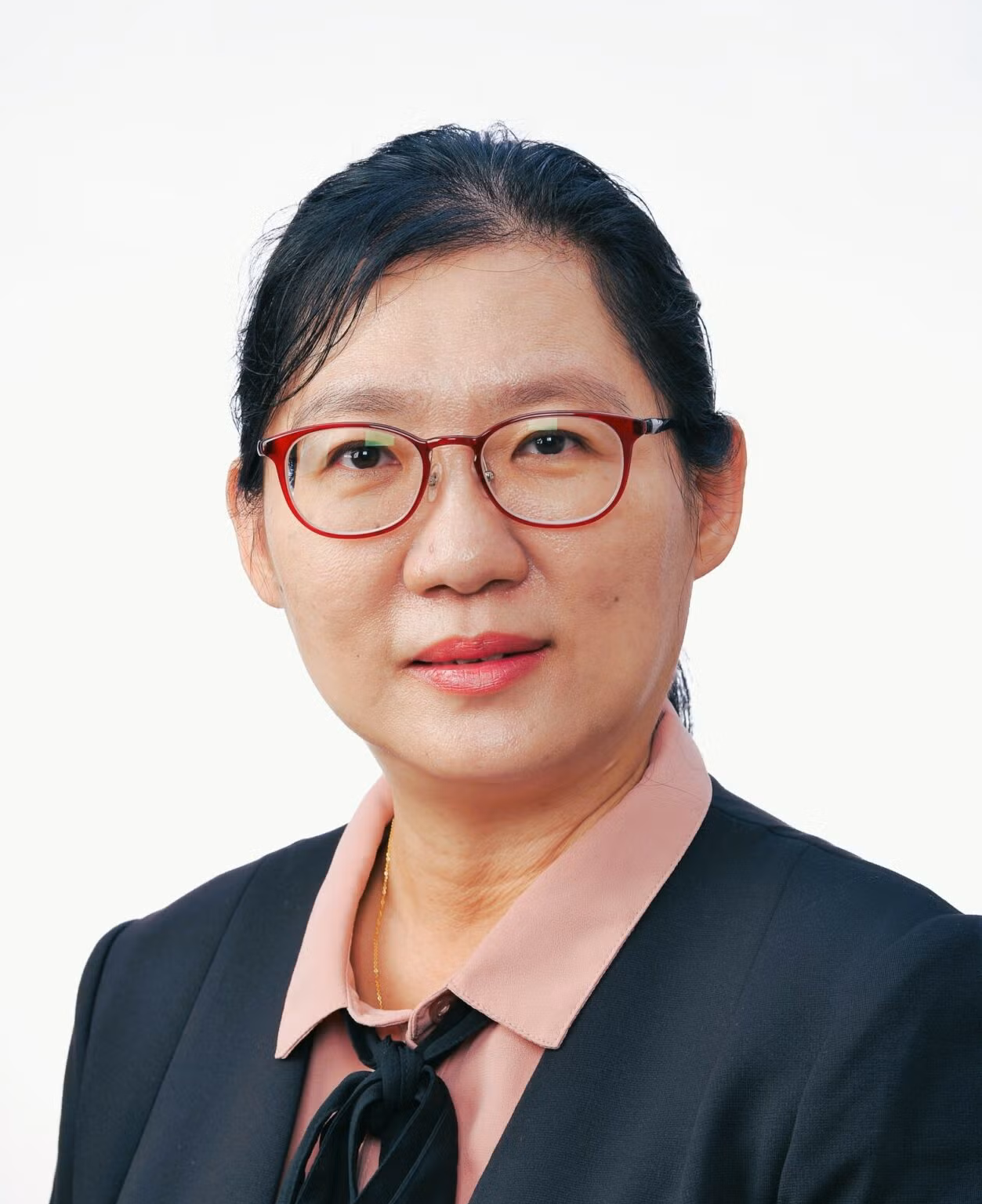
Professor Hu Jiangyong, Director of the Centre for Water Research at CEE, has been awarded the Galaxy Award for Outstanding Organisational Partner by the International Ultraviolet Association (IUVA).
Presented at the IUVA World Congress in Lisbon in September 2025, the award recognises Professor Hu’s leadership in advancing UV science and her significant contributions to strengthening regional and global partnerships in water treatment innovation. IUVA's mission is to make the use of Ultraviolet Technology a leading technology for public health and environmental applications, and to position IUVA as the leading authority on the use of Ultraviolet Technology through advocacy to the education, industry, research and public policy sectors worldwide.
Professor Ho Ghim Wei presented Nano Energy Award for Energy Conversion
We are pleased to announce that Professor Ho Ghim Wei is one of the winners of the inaugural 2025 Nano Energy Award for Nano Energy Award for Energy Conversion.
Nano Energy is dedicated to recognising outstanding innovators in the field of nanomaterials and nanodevices for energy harvesting, conversion, storage, and utilisation, and spotlighting impactful research in these fields.
The Nano Energy Awards celebrate researchers whose pioneering work exemplifies excellence and drives the future of sustainable energy technologies.
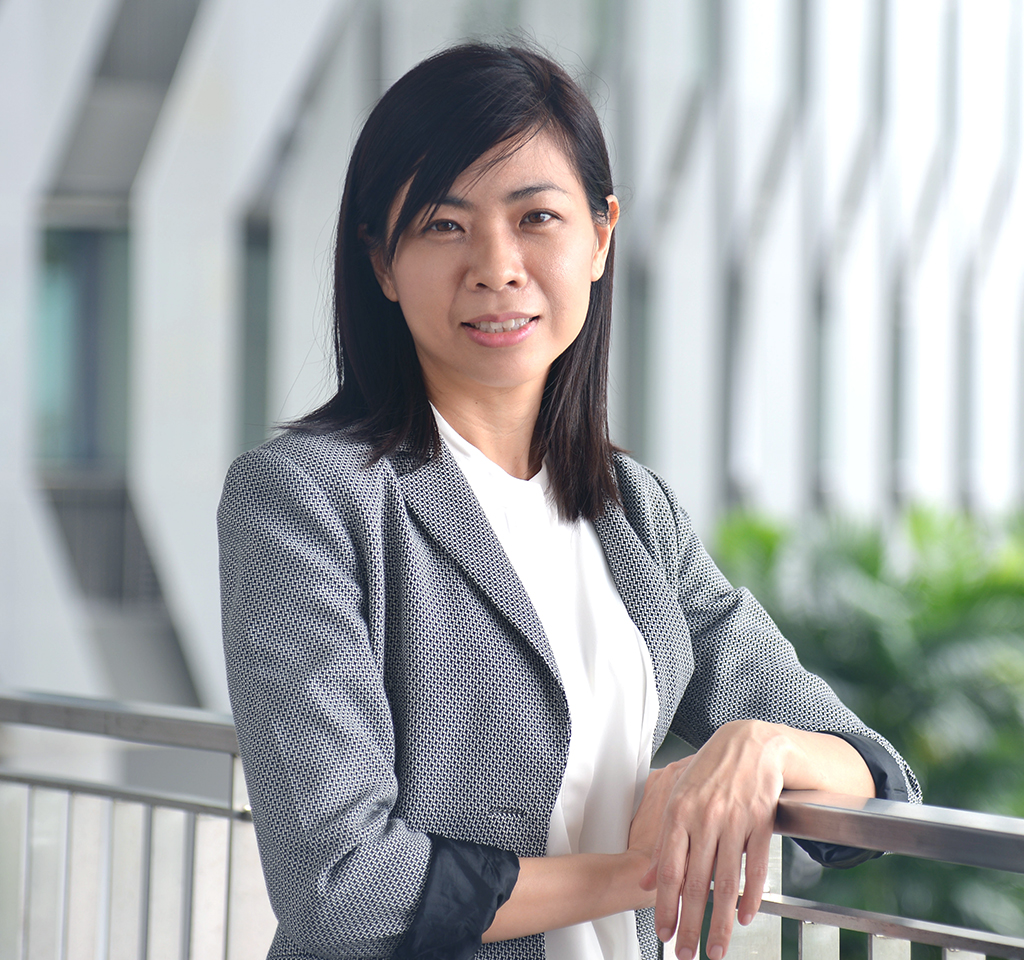
ECE researchers receive Best Poster Award at the 70th Annual Conference on Magnetism and Magnetic Materials
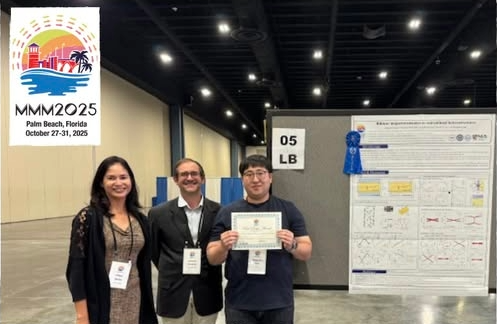
Congratulations to Dr Kim Dongjun and Prof. Yang Hyunsoo on receiving the Best Poster Award at the 70th Annual Conference on Magnetism and Magnetic Materials in Florida, USA.
The poster award at the Annual Conference on Magnetism and Magnetic Materials (MMM) recognises outstanding posters based on the level of research, quality of the visual presentation, and clarity of the oral presentation. The poster title is ‘Bilinear magnetoresistance in conventional heterostructures ', which reports a nonlinear magnetoresistance response.
Magnetoresistance (MR) is a fundamental spin transport phenomenon essential for reading and writing magnetic states in information storage, novel computing, and sensor applications. The Annual Conference on Magnetism and Magnetic Materials (MMM) is a major international gathering for scientists and engineers to discuss recent developments in magnetism research. It covers both fundamental principles and applied aspects, with topics including magnetic recording, energy applications, and biomagnetism. The conference is jointly sponsored by AIP Publishing and the IEEE Magnetics Society.
SHINE fibre project team wins IES Sustainability Award 2025
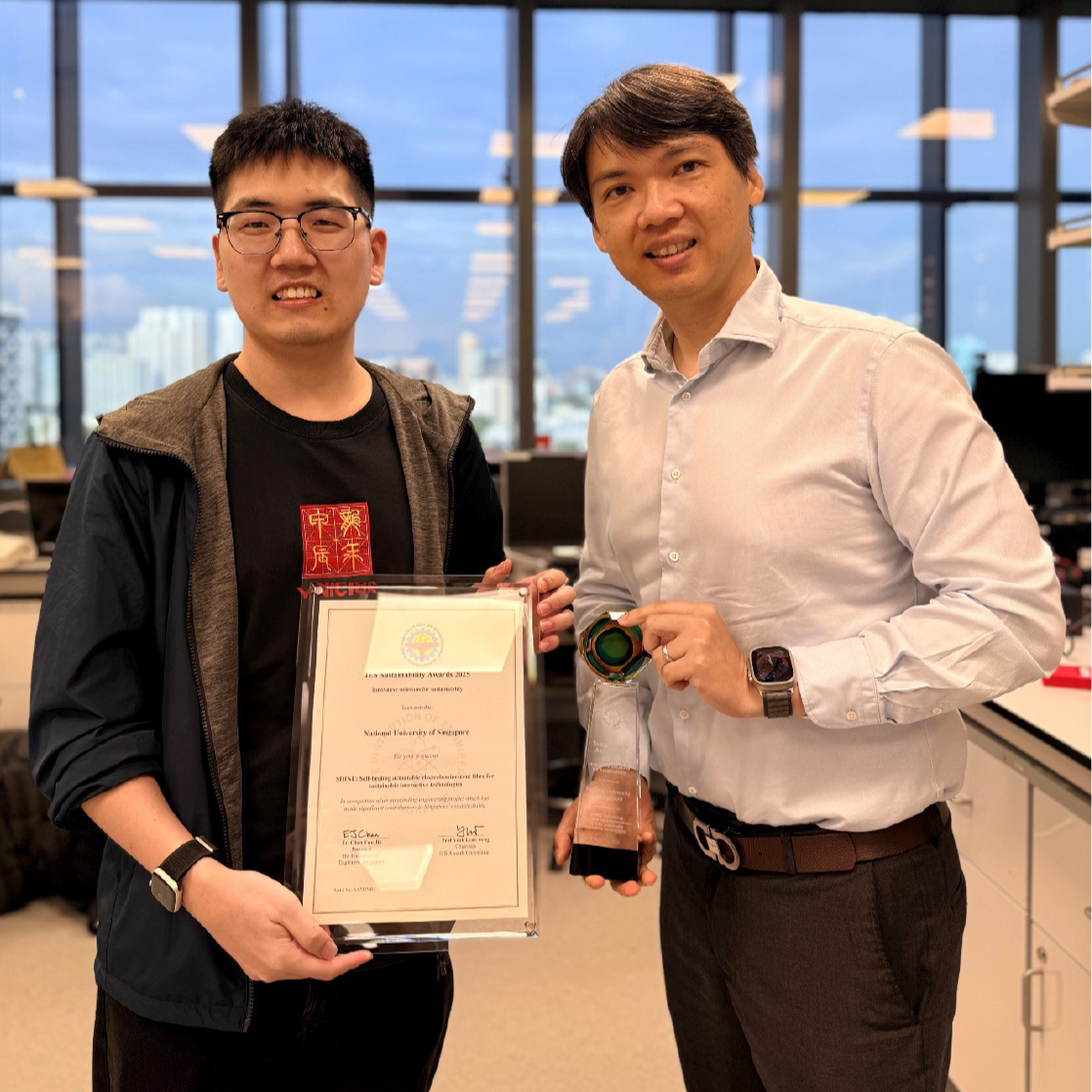
Congratulations to Assoc Prof Benjamin Tee and his team for winning the IES Sustainability Award 2025 from The Institution of Engineers, Singapore (IES)!
Their SHINE (Scalable Hydrogel-clad Ionotronic Nickel-core Electroluminescent) fibre project was recognised by IES as “an outstanding engineering project that has made significant contributions to Singapore’s sustainability.”
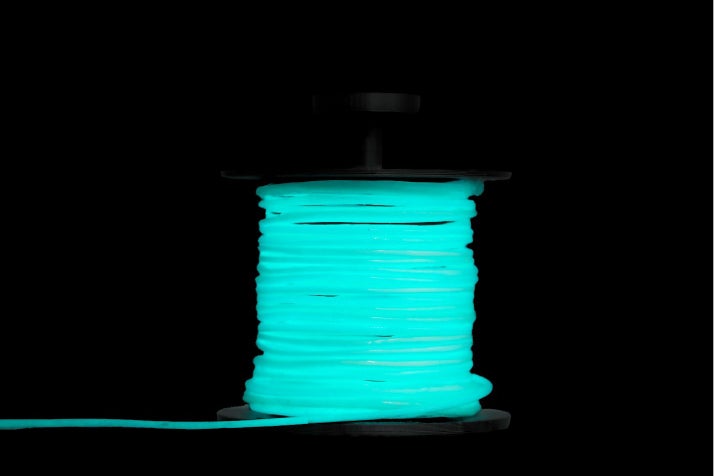
SHINE is a self-healing, actuatable electroluminescent fibre that advances sustainable and interactive light-emitting soft electronics. Its compact coaxial design delivers record-breaking bright light at low fields, rapid magnetic actuation, and autonomous repair across all layers.
The fibre recovers function after complete severing, maintains performance for over ten months, and can be produced meters-long for scalable deployment. By reducing device failure and assembly overhead, SHINE lowers electronic waste while enabling new, integration-free soft-robotic and display applications. This work demonstrates how materials intelligence and design for longevity can translate into real environmental impact.

“As an engineer at heart who cares about sustainably technological advancements, I am delighted to receive this IES award on behalf of my team who has worked tirelessly to push the frontiers of materials science and device engineering,” said Assoc Prof Benjamin Tee, “our breakthrough light emitting fibre aims to shine a positive light on how creative ideas and innovations could change the world since Edison’s invention of the light bulb.”
The project was previously published on Nature Communications and co-authored by Fu Xuemei, Wan Guanxiang, Guo Hongchen, Kim Han-Joon, Yang Zijie, Asst Prof Tan Yu Jun and Assoc Professor John Ho from NUS and the Institute for Health Innovation & Technology (iHealthtech).
Asst Prof Zhong Peichen named AI2050 Early Career Fellow
Asst Prof Peichen Zhong has been named an AI2050 Early Career Fellow by Schmidt Sciences, a distinction recognising exceptional researchers shaping the future of artificial intelligence (AI) for the benefit of humanity.
The AI2050 programme supports researchers working “to help AI create immense benefits for humanity by 2050”. Fellows pursue efforts to address some of AI’s most complex challenges, from building AI scientists and designing safer, more trustworthy models to advancing its applications in biological and medical research.
As part of the fellowship, Asst Prof Zhong aims to contribute to a sustainable, carbon-neutral society by using advanced AI to accelerate the discovery of novel molecules and materials. His research integrates machine learning, generative modelling, and language models to design materials essential for addressing climate change.
Read more: https://cde.nus.edu.sg/mse/news-detail/asst-prof-zhong-peichen-named-ai2050-early-career-fellow/