
STUDENT ACHIEVEMENTS & STUDENT LIFE
CDE sportsmen and sportswomen shine at SEA Games 2025

Breaking a 50-year-old record, Gabriel Lee (Year 2 Computer Engineering) clinches bronze at his SEA Games debut! With a 16.09m leap in the men’s triple jump, he surpassed Stefan Tseng's 16.04m, earning Singapore its first medal in this event since 1971.
“Wearing the national colours on such a stage is something I’ll always be grateful for. Competing alongside athletes from across the region reminded me why I started this sport in the first place,” Gabriel shared.
Reflecting on a memorable moment from his SEA Games debut, he said, “Standing on the track just before my event, taking in the atmosphere and realising I was about to compete for Singapore, was a quiet but powerful moment. I thought about the early mornings, the setbacks, and the people who supported me along the way. That sense of gratitude and pride is something I’ll carry long after the SEA Games.”
CDE congratulates Gabriel on this achievement and looks forward to seeing him soar even higher!
Photo credits: SportSG/Jeremy Lee, Dejbordin Limsupanark
CDE also congratulates all CDE sportsmen and sportswomen who represented Singapore at the SEA Games 2025. Stay tuned as we share their inspiring journeys in the new year!
| Name | Programme | Sport |
|---|---|---|
| Andrew George Medina | Mechanical Engineering | Athletics |
| Charlene Mak Xiu Ning | Architecture | Chess |
| Cheah Wei Jie Avan | Materials Science and Engineering | Volleyball |
| Dominic Chan Bo Xun | Biomedical Engineering | Aquatics |
| Edwin Lee Teck Kai | Chemical Engineering | Volleyball |
| Gabriel Lee Jing Yi | Computer Engineering | Athletics |
| Nadiah Ong Kia Hwee | Environmental and Sustainability Engineering | Hockey |
| Nayli Yasmin Binte Daniel Khalid | Chemical Engineering | Floorball |
| Pazel Poh Jing Xuan | Biomedical Engineering | Rugby |
| Ryan Toh | Mechanical Engineering | Handball |
Chooi En Yu’s ‘Inflata’ Project earns RIBA President’s Medals Commendation
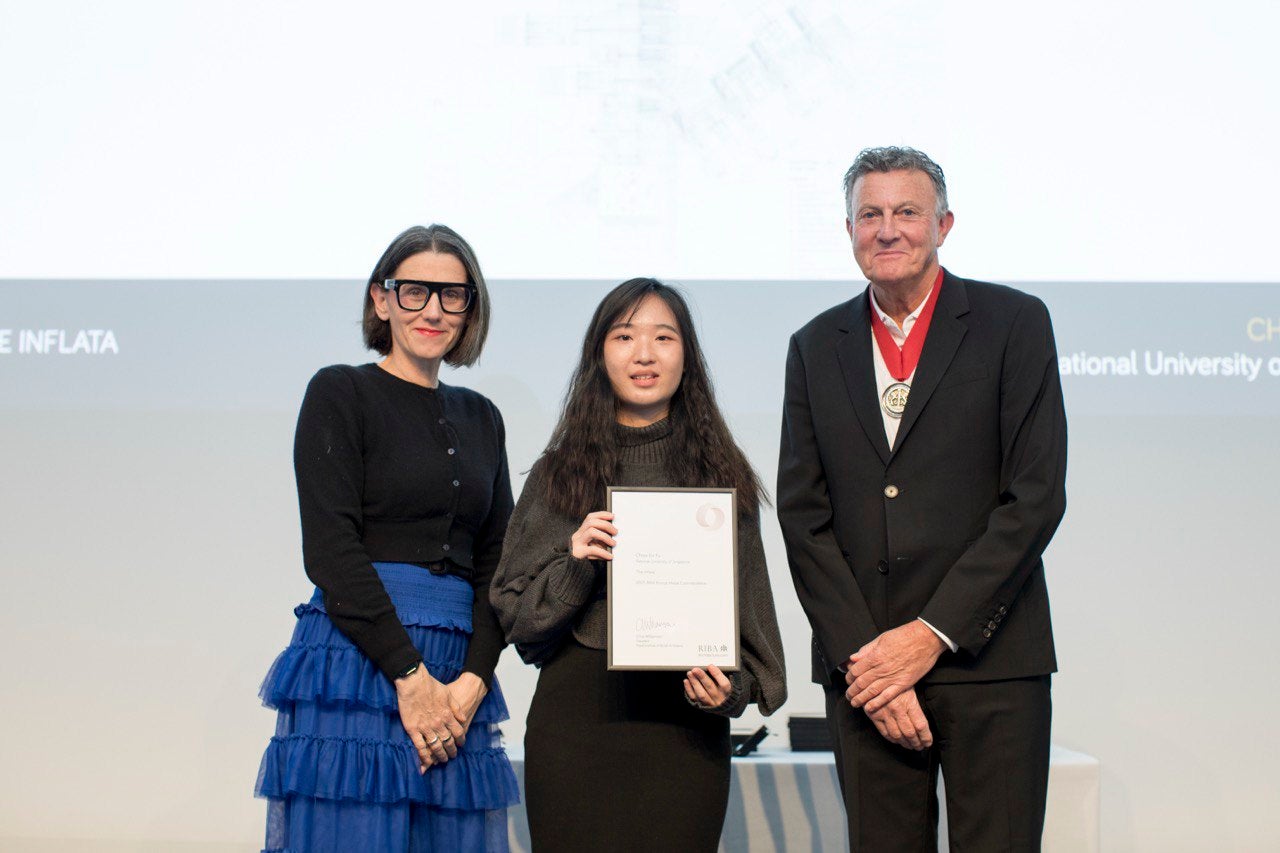
Congratulations to Chooi En Yu (Year 3, Architecture) on receiving the Commendation Award in the RIBA President’s Medals Bronze category, recognising the exceptional work developed over her first three years at CDE. Her project, “Inflata,” reimagines the site beside Pasir Panjang Power Station as a space of resilience, using a biomimetic approach that “breathes” seawater to shape space, modulate climate, and condition the human body, inviting rising tides rather than resisting them.
Learn more about her winning project here.
Championing community and ecology: NUS team wins first place at CERF 2025
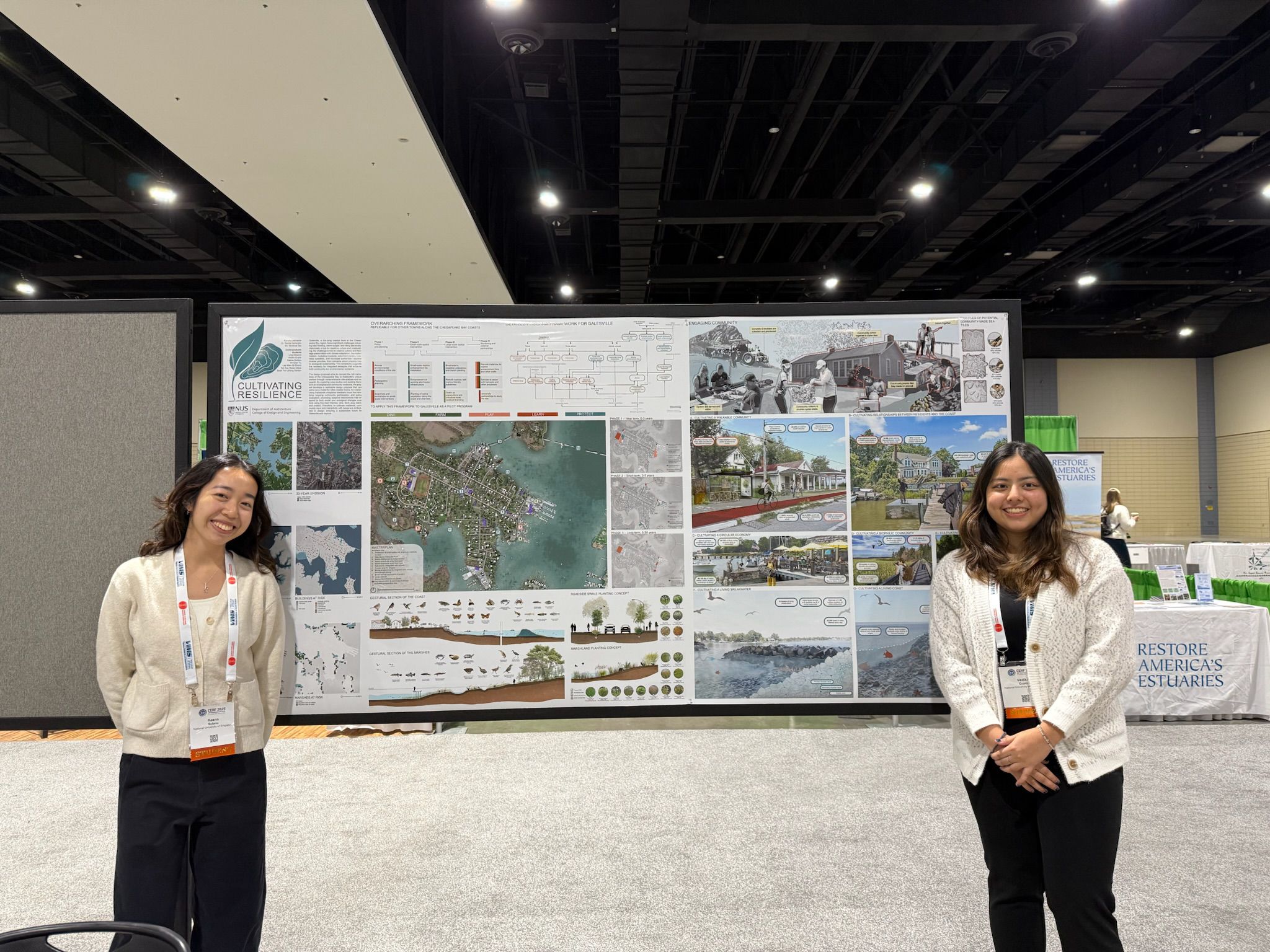
An interdisciplinary team from the Architecture and Landscape Architecture programmes won first place at the Coastal and Estuarine Research Federation (CERF) 2025 Student Design Competition with their project titled “Cultivating Resilience.”
Developed from May to November 2025 as an extracurricular design initiative, the project showcases innovative strategies for coastal and estuarine resilience. Focused on Galesville, a low-lying coastal town in Maryland’s Chesapeake Bay, it addresses the pressing challenges of tidal flooding, storm surges, and sea-level rise, highlighting the impact of cross-disciplinary collaboration on urgent environmental issues.
Hands-On, Heart-In: BME bGlobal programme in Timor-Leste
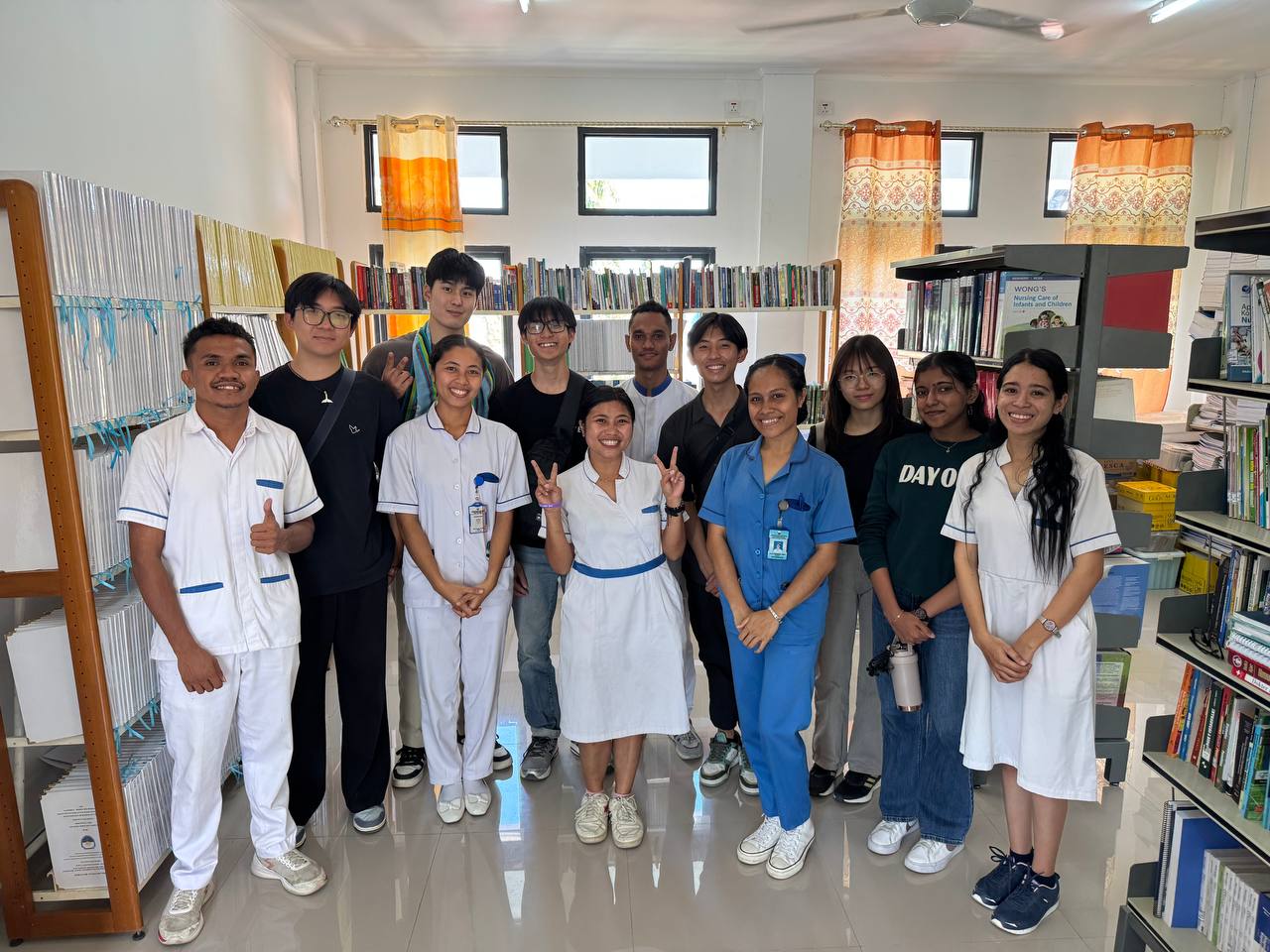
“I kept thinking, how can we, as engineers, use our skills to give these communities more resources and tools?” said Zhao Chenanxin, Year 4 Biomedical Engineering student.
For 11 Biomedical Engineering students, the bGlobal programme in Timor-Leste was more than just a trip. It was a journey of learning, empathy, and impact.
Hosted by the Department of Biomedical Engineering, the ten-day bGlobal programme provided students with hands-on experience working alongside local healthcare professionals to troubleshoot medical devices, examine healthcare delivery challenges, and co-develop sustainable solutions that create a meaningful impact in resource-limited settings.
The programme was jointly organised with Maluk Timor, an NGO in Dili that empowers local healthcare workers to build a sustainable healthcare system. The visit was also supported by NUS Global Relations Office as part of the STEER (Study Trip for Engagement and EnRichment) initiative, which sponsored students to help defray travel costs.
This year also marked a new milestone: four students are extending their bGlobal experience into Final-Year Projects. As Chen Hui Zhen, one of the FYP students, reflected, “Timor-Leste is a developing country, so our ideas can’t depend too much on high-tech solutions. It really made me rethink what ‘innovation’ means.” These students are developing practical innovations such as postpartum bleeding control devices, blood loss monitoring systems, and hospital equipment maintenance tools, all inspired by needs observed on the ground.
Read more here.
Economics and Engineering students tackle beverage carton sustainability
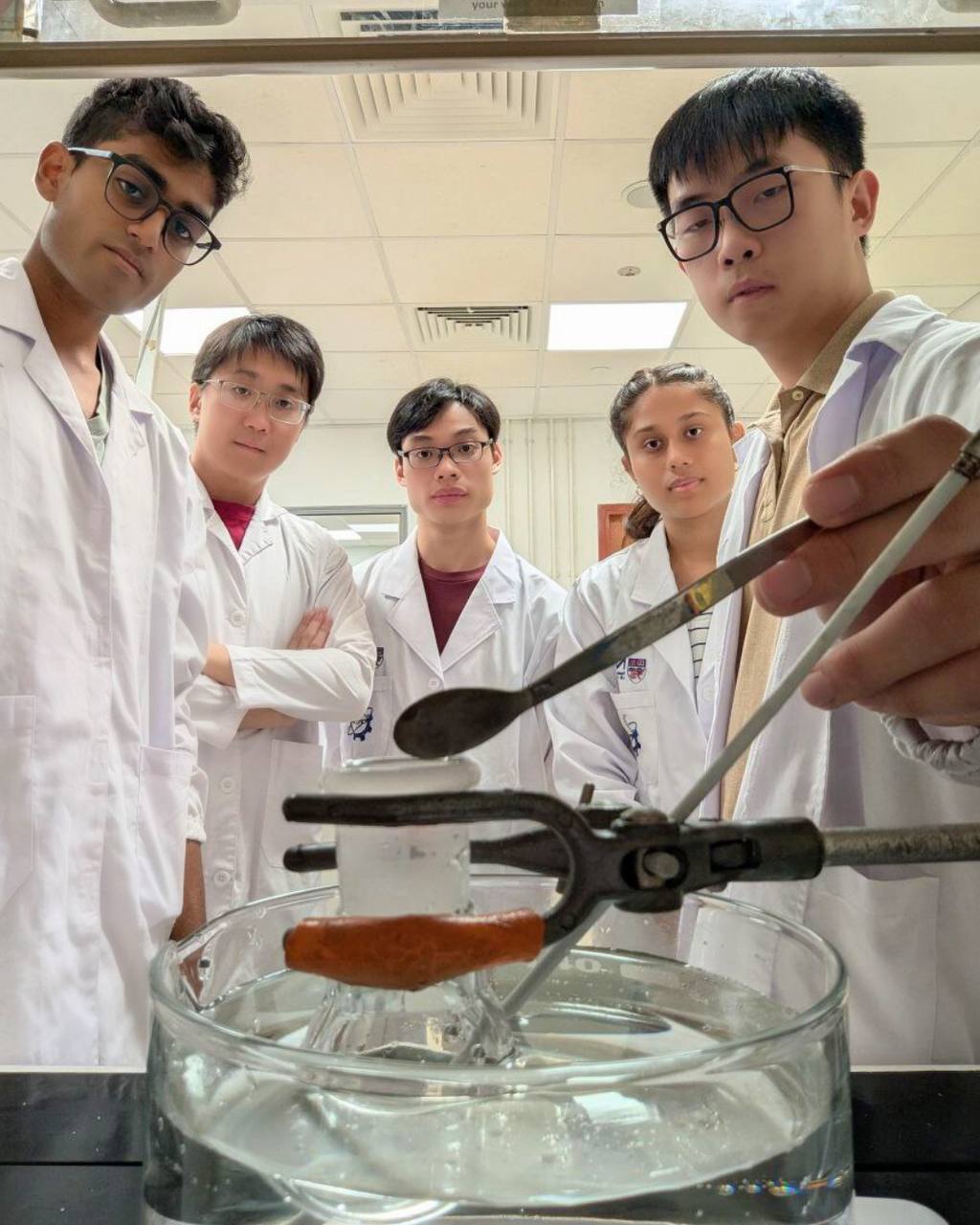
When Manashree Krishnan joined the Innovation and Design Programme (iDP) as an Economics major, she never imagined stepping into a materials science lab. “I wanted to create a positive impact, and this project pushed me far outside my comfort zone. Walking into the lab for the first time was intimidating, but I learnt to ask questions and trust my teammates. I realised you don’t have to be boxed into your major to contribute meaningfully,” she shares.
Her experience reflects the Year 3 multidisciplinary team, Zenson Koh and Vihaan Jaswal (Materials Science and Engineering), Evan Lim Shouwang (Biomedical Engineering), Lee Zong Han Ryan (Chemical Engineering), and Manashree (Economics), working under the guidance of Dr Jovan Tan and Dr Elliot Law from iDP, and Dr Wee Siang Vincent Lee from Materials Science and Engineering.
The team’s project, Sustainable Single-Use Beverage Carton, is not just an academic exercise. Partnering with Lovearth Water Pte Ltd, they gained real-world insights into sustainable packaging challenges. With Zenson being a second-generation leader within the business, the collaboration offered a rare blend of academic exploration and industry perspective. “We weren’t just building a theoretical concept; we were addressing a genuine industry need, combining engineering, sustainability, and business thinking,” the team shared.
While beverage cartons use less plastic and emit lower carbon than many alternatives, recovering their layers at end-of-life remains challenging. The team identified opportunities to enhance circularity through cleaner and more efficient separation. To address this, they developed a sacrificial adhesive layer, strong enough for use but designed to separate cleanly during recycling. Early trials achieved up to 91% recovery of functional layers, with the long-term goal of full separation.
Mr Marcus Koh, Technical Director of Lovearth Water said, “As a company committed to sustainable water solutions, Lovearth Water is encouraged by the team’s innovative approach to enhancing material circularity. Their prototype reflects strong technical understanding and practical thinking, and we look forward to supporting its continued refinement.”
Looking ahead, they aim to work with Lovearth Water Pte Ltd to refine the prototype, explore patenting, and expand the approach to multilayer food packaging beyond cartons.
Built Environment student joins Singapore Youth Delegation to COP30
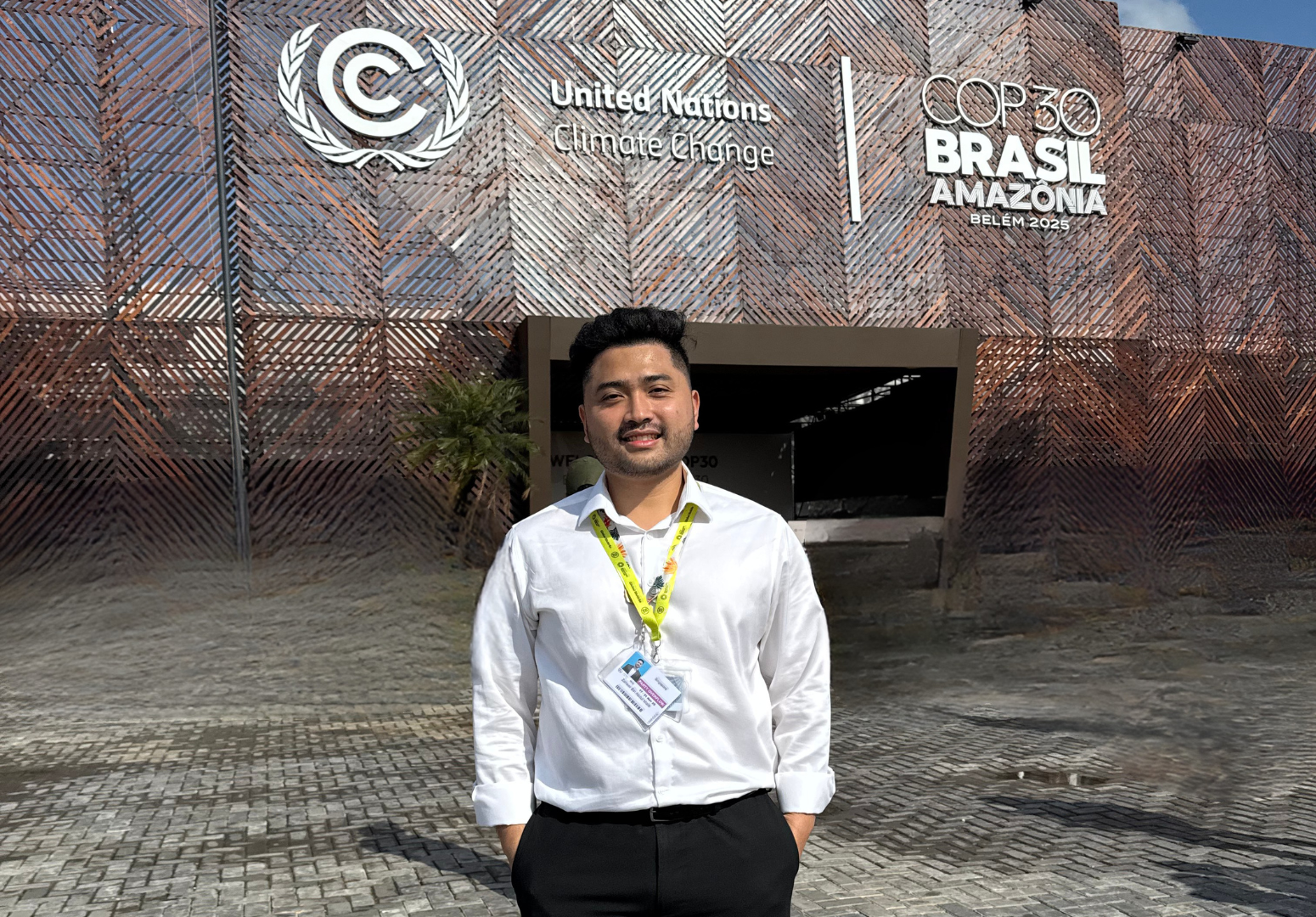
“Listening to indigenous communities, working with youths from around the world, and witnessing climate negotiations up close showed me how leadership must be grounded in empathy, collaboration, and long-term commitment,” said Zaheer Bin Abdul Malik (Year 4 Project Facilities Management, Second Major in Sustainable Urban Development).
Zaheer was selected through the Climate Youth Development Programme to join the Week-2 Singapore Youth Delegation to COP30 (Conference of the Parties) in Belém, Brazil, supported by the Ministry of Sustainability and the Environment (MSE), MTI, and the National Youth Council (NYC).
While he currently serves as vice president of NUS SAVE, his role at COP30 was in a national capacity, reflecting his expanding involvement in Singapore’s climate landscape and youth engagement efforts.
A key moment for Zaheer was listening to indigenous communities in the Amazon and on Combu Island. Hearing firsthand how shifting rainfall, river levels, and food systems affect their daily lives deepened his understanding of climate impacts. Their emphasis on stewardship and protecting what sustains them reminded him that resilience must centre both ecosystems and the communities connected to them.
Zaheer also helped organise the youth programme at the Singapore Pavilion, “Leading the Change: Unlocking Climate Leadership Pathways.” Young participants shared their climate journeys and the need for clearer pathways, mentorship, and support. The session reinforced that when youths are given intentional platforms, they offer grounded, community-focused ideas.
This experience strengthened Zaheer’s commitment to linking global climate conversations to Singapore’s local realities, from food resilience to community wellbeing.
Building on his experience in CDE and NUS SAVE, he aims to establish more youth-to-community pathways that translate global insights into meaningful local action.
Zahrah and Joyce tackle low-carbon city challenges through hands-on research
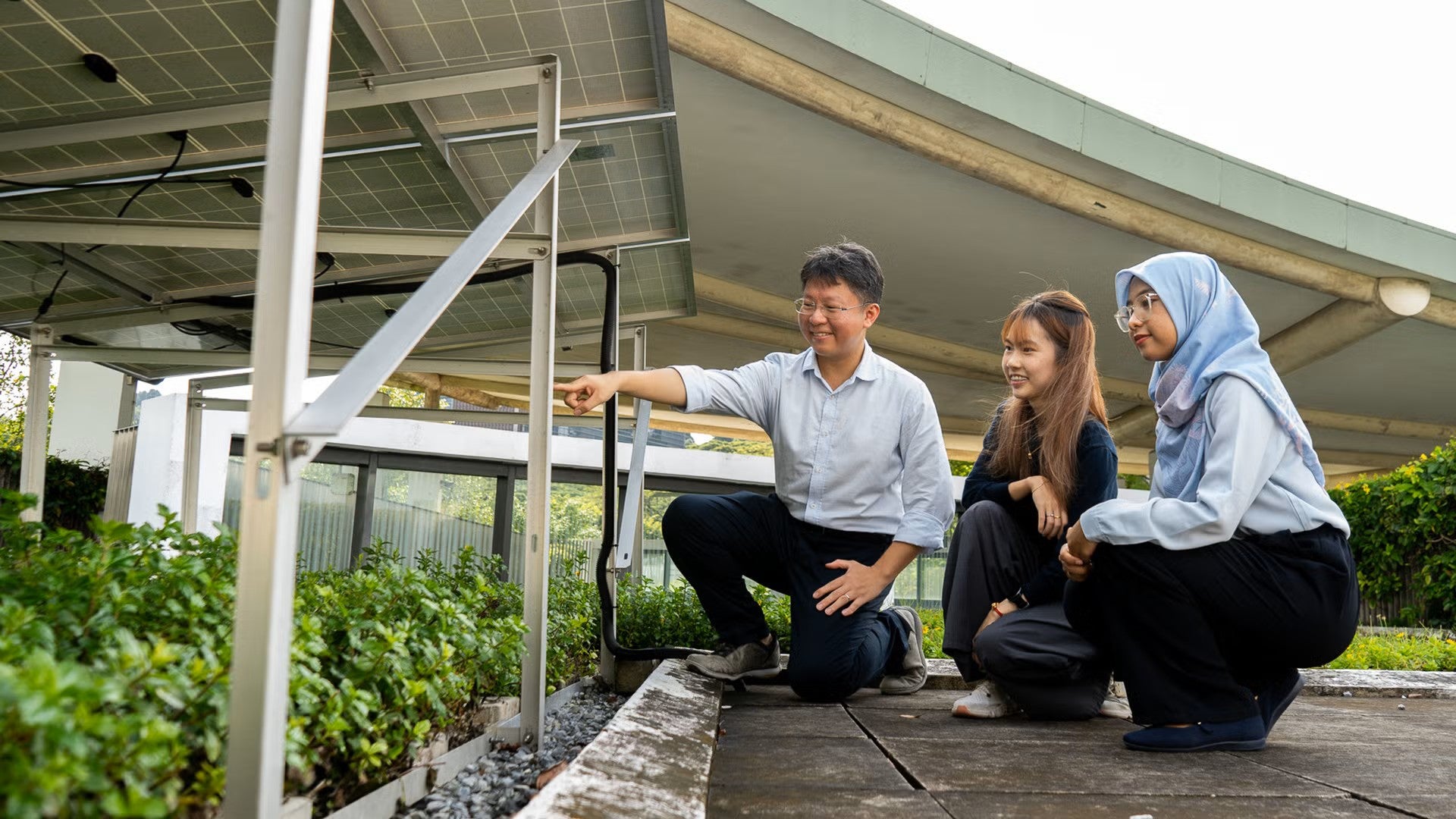
Some of the most meaningful learning happens when students work on challenges that shape the way cities are designed and built.
For two young researchers in CDE, Faizatuzzahrah Rahmaniah (Zahrah) and Joyce Lim, this opportunity arose from their involvement in a pioneering study on co-locating solar panels with greenery, a project that brought them into close collaboration with government agencies, industry partners, and their Principal Investigator, Associate Professor Stephen Tay. Their work showed improved solar output, healthier plant growth, and cooler indoor temperatures, insights that support Singapore’s vision of a Low-Carbon City and a City in Nature.
Zahrah learned to frame research questions and methodologies through a tripartite lens, connecting academia, government and industry, ensuring the findings could translate beyond the lab. Reviewing over 100 papers and helping develop a replicable evaluation framework, she saw firsthand how rigorous science informs real-world policy and practice.
For Joyce, joining the project at the start of her graduate studies offered exposure to hands-on experimentation. From troubleshooting sensors to managing environmental data, she gained skills that later strengthened her master’s thesis. “Contributing to a published paper so early in my studies was incredibly rewarding,” she reflected.
Looking ahead, Zahrah is preparing for a PhD under the Industrial Postgraduate Programme in the Department of Architecture, where she will continue her research at the intersection of science and practice. Joyce, now a senior associate at NUS Cities, applies her expertise to urban sustainability and planning.
Their journey reflects CDE’s commitment to cultivating technically skilled, collaborative researchers who are ready to create a meaningful impact in the built environment.
DBE top students awarded SISV Gold Medal

Congratulations to Mr Tan Nur Shafik (MSc Project Management) and Miss Phua Hui Xin (Project and Facilities Management, Class of 2025) on receiving the Singapore Institute of Surveyors and Valuers (SISV) Gold medal. The SISV Gold medal is an academic award recognising top-performing students in surveying and related built environment fields in Singapore, serving as a marker of excellence for future professionals in the land surveying, quantity surveying, and valuation sectors.
Two CEE teams receive awards at SCI Young Innovators Awards 2025

A team of Civil Engineering undergraduates have won the Merit Award at the Singapore Concrete Institute (SCI) Young Innovators Awards 2025. Under the mentorship of Dr Du Hongjian and Dr Luo Zhiyu, their project aimed to repurpose battery waste as a sustainable alternative to conventional cement retarders. Team lead Tan Tin Chong received the award at the SCI 47th Anniversary Gala Dinner. Team members include Shermaine Kong, Theikhar Maung, Su Rati Naing and Quay Genk Swee Daniel.
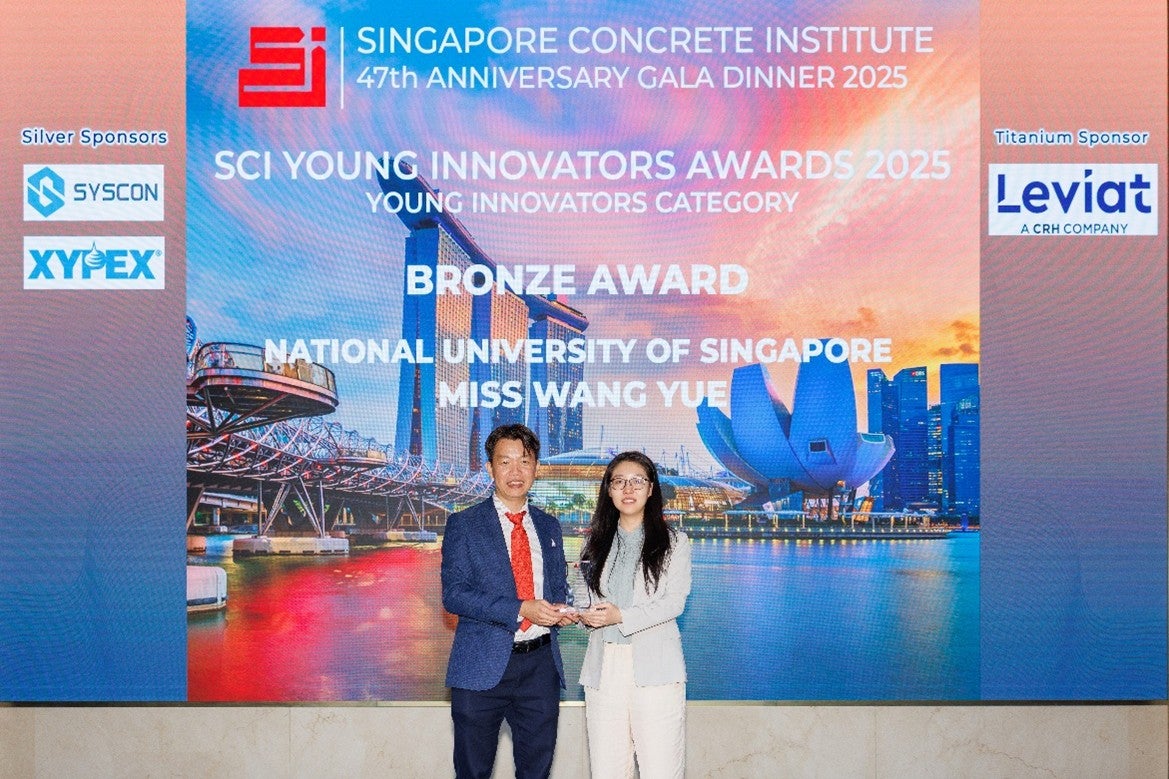
Also receiving recognition at the awards was PhD student Wang Yue and Research Fellow Dr Luo Zhiyu, who won the Bronze Award. Under the supervision of Dr Du Hongjian, their work focuses on recycling carbon capture by-products as green cement to decarbonise concrete.
The SCI Young Innovators Awards 2025 recognise the next generation of talent driving innovation and productivity in the Built Environment.
Lee Sang-Jeong, Dr Zhao Hui, and Prof Meng Qiang win best paper at GRN-BRI International Conference 2025
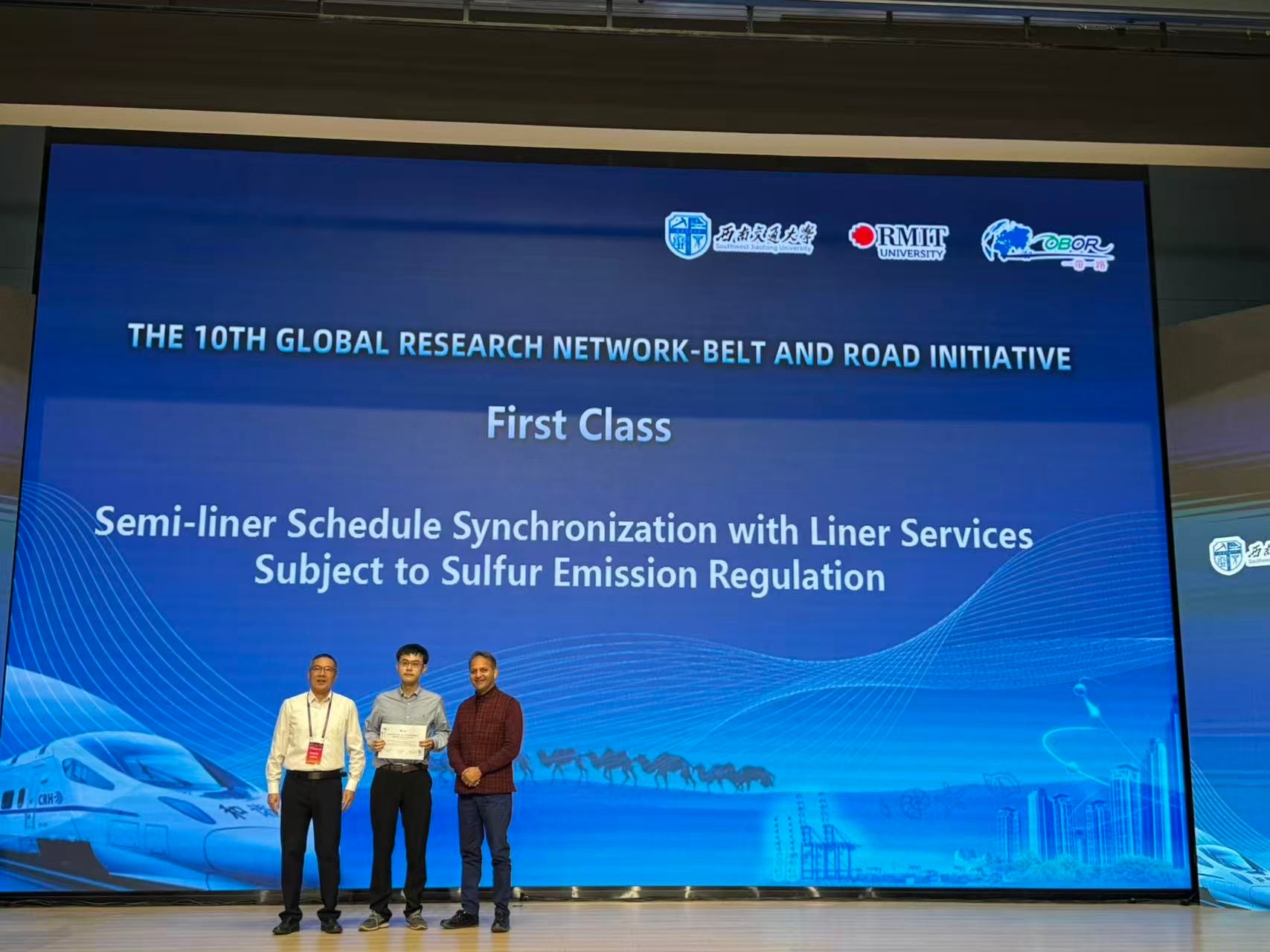
The paper “Semi-liner Schedule Synchronisation with Liner Services Subject to Sulfur Emission Regulation” by PhD student Lee Sang-Jeong, Dr Zhao Hui, and supervisor Professor Meng Qiang, won the Best Paper award at the 10th Global Research Network-Belt and Road Initiative (GRN-BRI) International Conference held at Southwest Jiaotong University in Tangshan, China, from 28 to 30 November 2025.
The paper award was evaluated by six academic committee members. The committee recognised the paper's innovative research approach and methodology in addressing the issue of semi-liner schedule synchronisation. They also recognised the paper's innovative research approach and methodology in addressing the issue of semi-liner schedule synchronisation, which the research contributes to the development of a methodology for solving scheduling problems and provides managerial insights for desulfurization strategies.
Interdisciplinary NUS team builds AI platform to grade essays in minutes at Tech4City 2025
What if grading essays took minutes instead of hours?
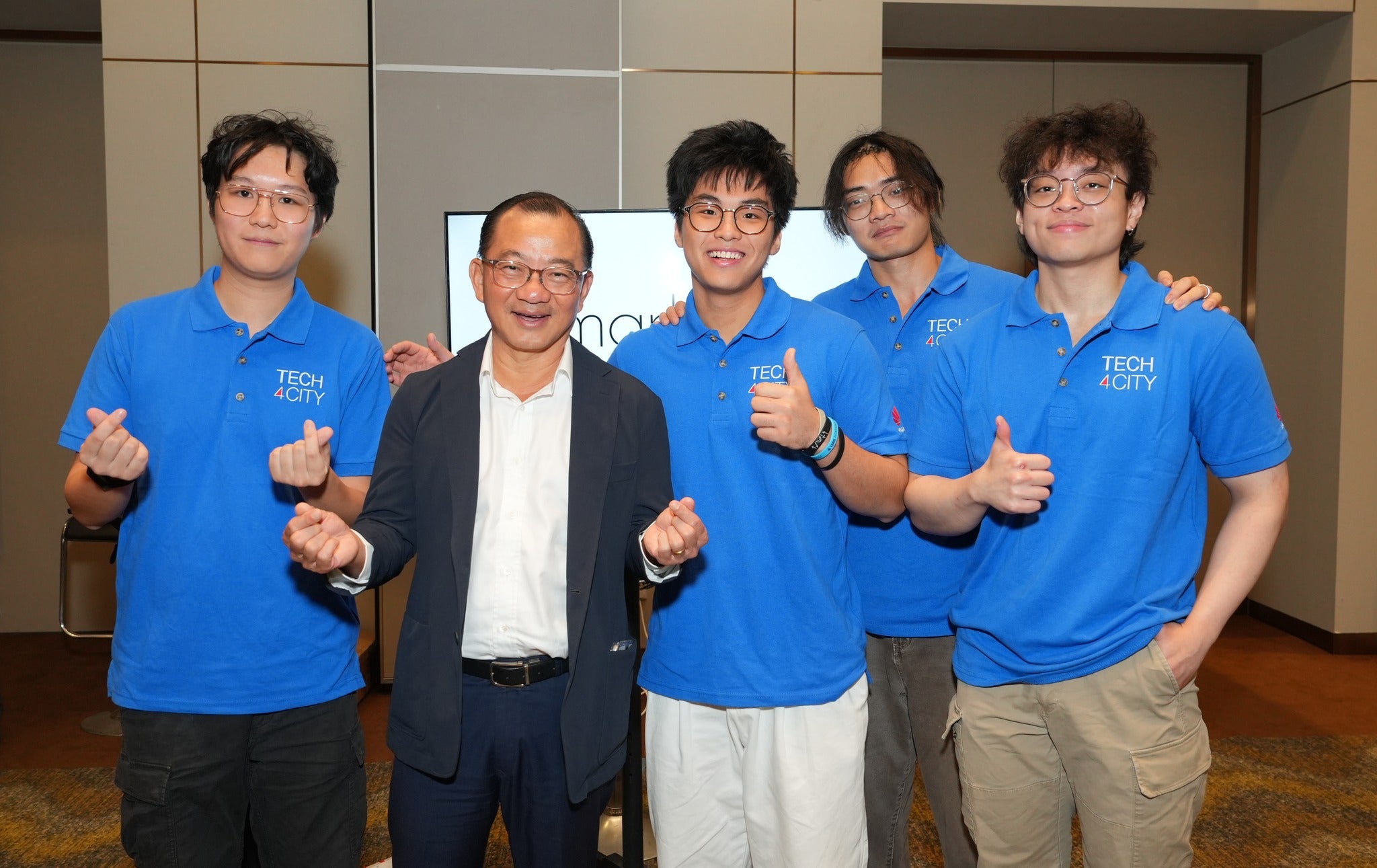
At Huawei Singapore’s Tech4City 2025 Finals, Team Remarkably from NUS emerged as First Prize winners in the Onwards Entrepreneurship Track. The interdisciplinary team, comprising Siew Shui Hon (Year 4 Computer Engineering), Harry Wu (Business Administration), Zhong Rong Yong (School of Computing) and Charlie Wu, designed an AI-powered essay feedback platform capable of assessing handwritten scripts with teacher-like precision, while greatly improving grading efficiency.
Remarkably cuts grading time by up to seven times while delivering consistent, high-quality feedback. Built in close collaboration with MOE educators, it adapts to teachers’ own grading styles and rubrics, supporting teachers rather than replacing them.
“I handled the technical aspects of Remarkably, from full-stack development to deployment,” shared Shui Hon. “The foundation from the Computer Engineering curriculum, along with experiences like my software engineering internship, helped me turn ideas into a working product that could genuinely ease teachers’ workload.”
The team came together through NUS Enterprise and NUS eNterprise House (N-House), an entrepreneurship-themed residence under the NUS Overseas Colleges (NOC). There, students from different disciplines connected over a shared interest in building meaningful solutions, a collaboration that proved key to Remarkably’s development.
Backed by S$20,000 in funding, Remarkably is now scaling its solution across more schools and delivering new features.
Innovation and Design Programme students make robotic surgery training more accessible
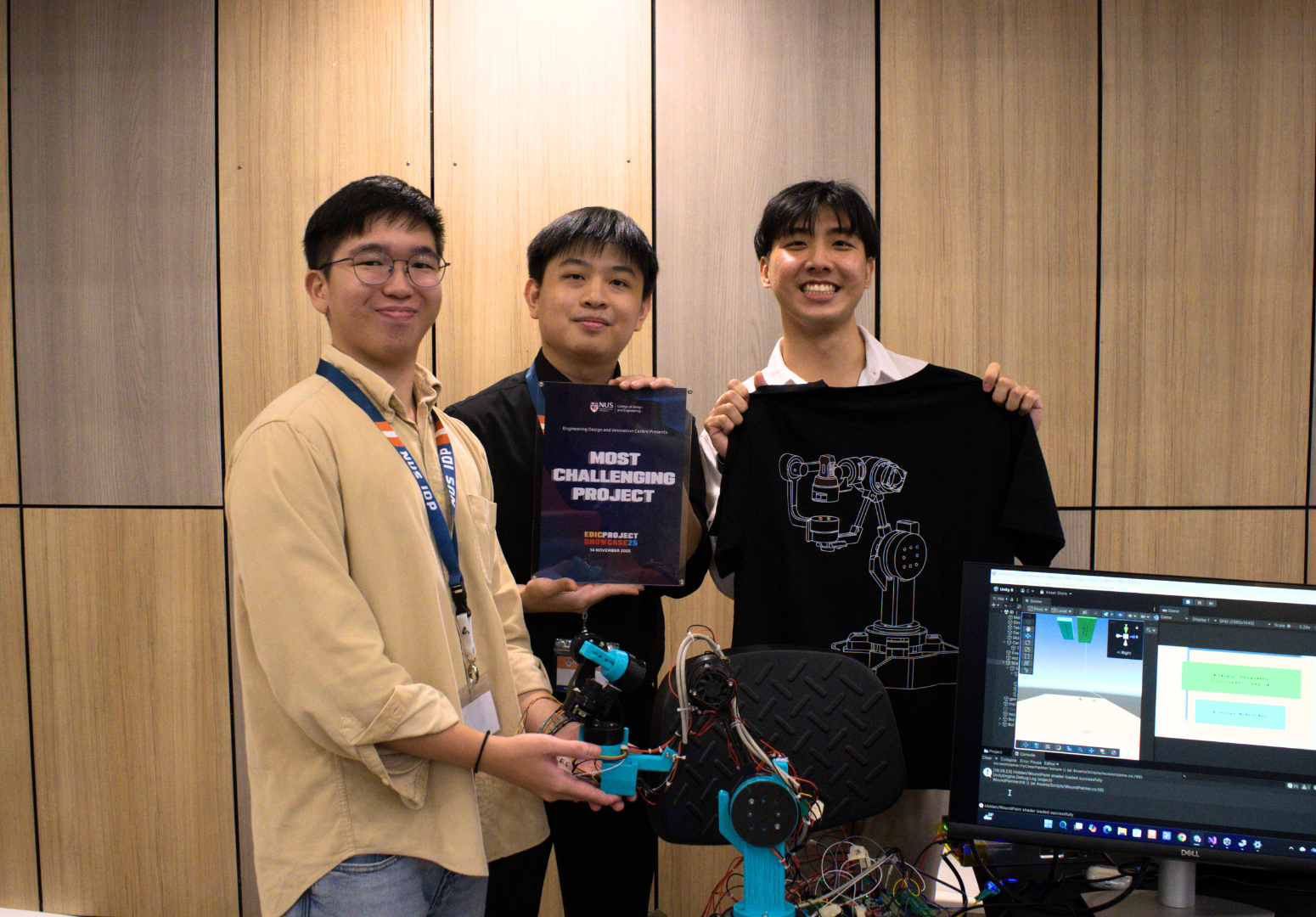
“Every prototype, every revision, brought us closer to our goal: a low-cost, compact tool to teach robotic-assisted surgery, even when the challenges seemed impossible,” shared Seow Zhi Yong Justin from Team GoonPod, winners of the “Most Challenging Project” at the EDIC Project Showcase 2025.
As part of the Year 3 Innovation and Design Programme (CDE3301: Ideas to Proof-of-Concept), Team GoonPod, comprising Year 3 students Charly Chandra (Computer Engineering), Seow Zhi Yong Justin (Mechanical Engineering), and Kong Jin Yu (Mechanical Engineering), set out to make Robotic Assisted Surgery (RAS) training more accessible. Traditional RAS systems are expensive and bulky, limiting hands-on learning, and the team aimed to create a portable solution that provides practical experience beyond the lab.
Under the guidance of Adjunct Professor Goh Cher Hiang, their prototype integrates hardware, embedded systems, and software, translating robotic arm movements into precise, interactive simulations of surgical incisions in a Unity-based game environment. The result is an engaging and realistic learning experience that bridges the gap between theory and practice.
The journey tested their technical and problem-solving skills. They navigated complex robotics challenges, developed three major prototypes, the final version refined through 11 iterations, and collaborated with medical experts, including Dr Deepika Kandilya from the NUS Yong Loo Lin School of Medicine and Dr Colin Teo Kok Ann, Associate Consultant at the Division of Neurosurgery, Department of Surgery, National University Hospital. Their feedback not only validated the design but also revealed new applications, such as training in general surgical fundamentals.
Adjunct Professor Goh said, “The students had demonstrated excellent self-initiative and self-drive in undertaking this self-initiated project. The manner they approach the neurosurgeon and medical students in gathering crucial feedback is a pragmatic approach to tackle the challenge of the project.”
Industrial Design and Mechanical Engineering students collaborate to create Levitas Gaming Headphones

“Engineers look for evidence, designers look for insights,” said Ong Tian Gui Givson (Year 4 Industrial Design). “True innovation happens when you work with people from different disciplines, when you understand, appreciate, and respect how each person thinks.”
This idea guided Givson and Cheng Yi (Year 3 Mechanical Engineering) in creating Levitas Gaming Headphones under the supervision of Dr Yen Shih Cheng and Mr Graham Zhu in the Innovation and Design Programme (CDE3301: Ideas to Proof-of-Concept). Developed in collaboration with Bang & Olufsen (B&O) and the Division of Industrial Design, the concept redistributes weight from the head to the shoulders for a lighter, more immersive experience. This creates a perceived “levitating” lightness while freeing companies like B&O to add more advanced features without compromising comfort.
The team faced challenges unique to a brand-new product category. With no references to rely on, they built multiple prototypes, refining both the mechanism and design. One of the toughest tasks was engineering the link between the earcups and neckband, a component that needed to support weight yet still allow natural, unrestricted head movement.
But the real breakthrough was not just technical. It was multidisciplinary. Working together for the first time, Givson and Cheng Yi had to bridge two very different ways of thinking. Designers rely on sketches and rapid visual exploration, while engineers focus on constraints and feasibility. What started as unfamiliar territory soon became their biggest advantage.
Dr Yen shared, “It was delightful to see a design student and an engineering student use their complementary skills to create a solution that blended exploration and function so innovatively. Their partnership showed how interdisciplinary work can produce outcomes greater than the sum of its parts!”
Givson’s visual approach made ideas tangible, while Cheng Yi’s engineering rigour grounded them. As they collaborated, they developed a shared language that enabled them to identify risks early, explore new possibilities, and create solutions that were both imaginative and technically sound.
Cross-disciplinary innovation: Mechanical Engineering and Food Science students tackle coffee waste

Cross-disciplinary teamwork can feel daunting, but it often sparks the most meaningful growth. For Marissa Koh (Year 3 Mechanical Engineering), a year-long project transforming coffee waste into a food-safe ingredient for Moonbeam Co taught her new skills and new perspectives. Supervised by Dr Jovan Tan and Dr Elliot Law from the Engineering Design and Innovation Centre, she explored food science for the first time and found new confidence in tackling unfamiliar challenges.
Partnering with Moonbeam Co, the local startup founded by NUS alumni Kong Qi Herng (Pharmaceutical Science ’22), Lim Jia Wei (Mechanical Engineering & iDP ’22) and Varden Toh (Science ’23), Marissa and Kimberly Tsai (Year 3 Food Science & Technology) are tackling the spoilage of spent coffee grounds. Their project focuses on preservation methods and lipid mediums to extend shelf life, reduce collection frequency, and help Moonbeam move closer to a fully circular café ecosystem.
Moonbeam started as an iDP capstone project, where Qi Herng, Jia Wei, and Varden experimented with brewing beer from unserved rice, generating high protein spent grains that were later transformed into granola. Since graduating, the team has scaled their operations, producing thousands of kilograms of upcycled baked goods annually, reducing food waste while promoting sustainable consumption.
Kimberly said, “Working on real-world challenges with an industry partner like Moonbeam Co helped me apply my classroom knowledge in practical and meaningful ways. Visiting their office and factory showed me firsthand the operational and sustainability challenges startups face.”
With a background in mechanical engineering, Marissa expanded her expertise into food science through hands-on lab work with Kimberly, growing into a more confident and adaptable innovator. She noted, “It gave me the chance to explore interdisciplinary challenges I wouldn’t have encountered in my major.”
As Dr Tan, shared, “Real growth happens when we step beyond our disciplines.” The team’s curiosity, perseverance, and collaboration reflect the kind of innovative problem-solving that iDP aims to cultivate.
Bringing physics, computing, and finance together to tackle complex risk challenges
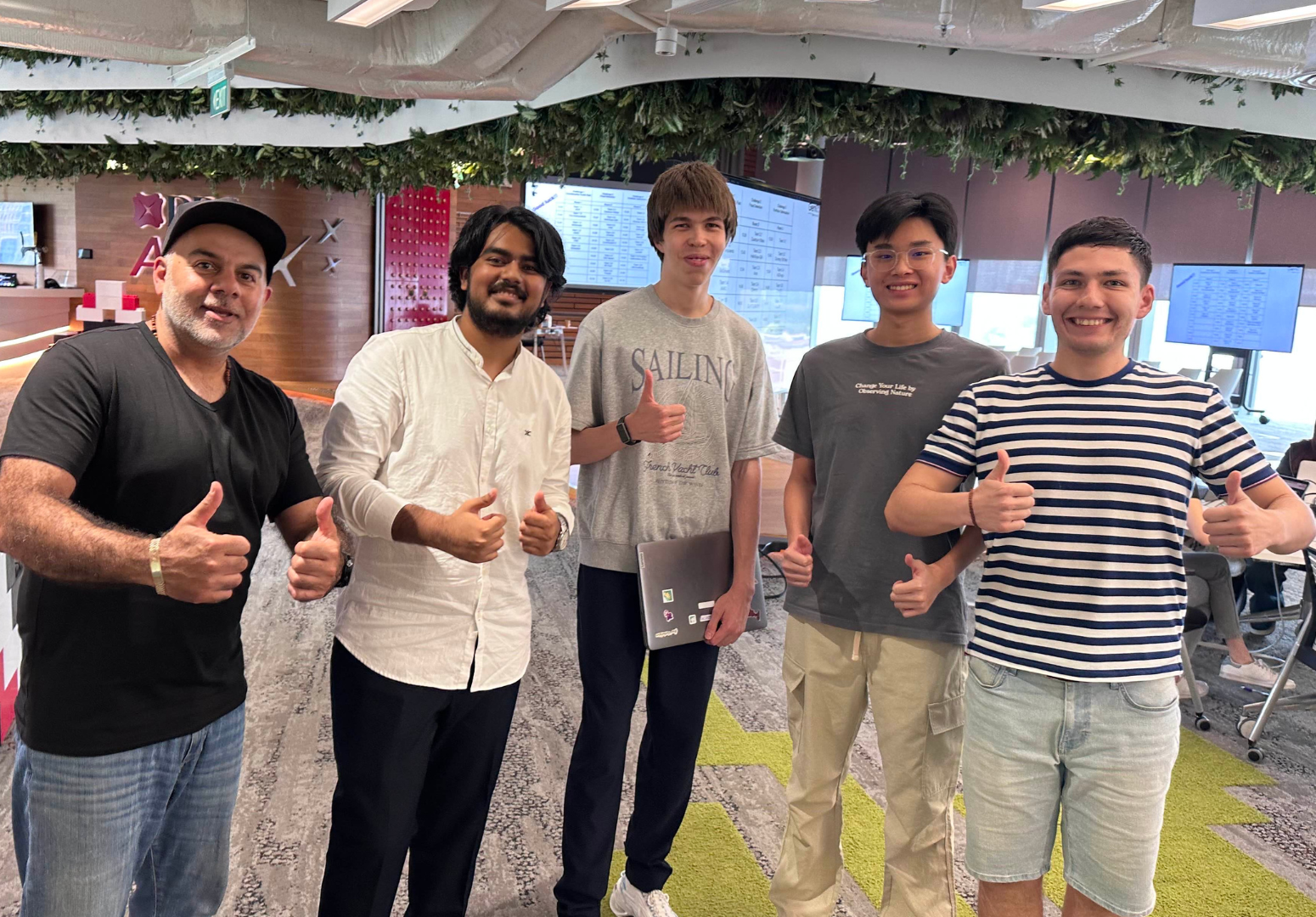
“The key takeaway for me was the power of interdisciplinary teamwork. It wasn’t just finance, physics, or coding. It was the dialogue between them. The most elegant solutions often arise where these boundaries blur,” shared Yugam Vora (Year 4, Physics and Engineering Science), second from left.
Yugam was part of a diverse, five-member team that won the Credit Risk Counterparty challenge at the Quantum Finance Hackathon, the Singapore edition of the Quantum Artificial Intelligence (QAI) Ventures Global Hackathon Series. The global hackathon invites the next generation of quantum innovators to tackle pressing global challenges using the power of quantum computing.
The team developed a solution combining classical computing and quantum algorithms to help financial institutions calculate Potential Future Exposure (PFE) more efficiently. The projected maximum loss a bank could face if a counterparty defaults. Traditional PFE calculations require millions of simulations, but the team replaced randomness with mathematically structured simulations and employed quantum algorithms to validate worst-case scenarios with high precision.
“The incredible diversity of our group was our biggest strength,” Yugam reflected. “Alen from Kazakhstan contributed his finance expertise to define the problem, Fyodor from Uzbekistan and Ming from Nanyang Technological University brought computational and data science skills to build the models, and Mehdi from Canada, an experienced entrepreneur, kept us focused on real-world application. My background in Physics and Engineering Science allowed me to bridge the financial theory with advanced computational methods, particularly stochastic modelling and quantum algorithms.”
For Yugam, the hackathon highlighted the value of interdisciplinary collaboration and showed how abstract scientific tools can be applied to real-world problems. The experience strengthened his interest in quantitative finance, demonstrating how physics and engineering principles can help solve complex financial challenges.
Industrial Design students tackle financial challenges with Maybank
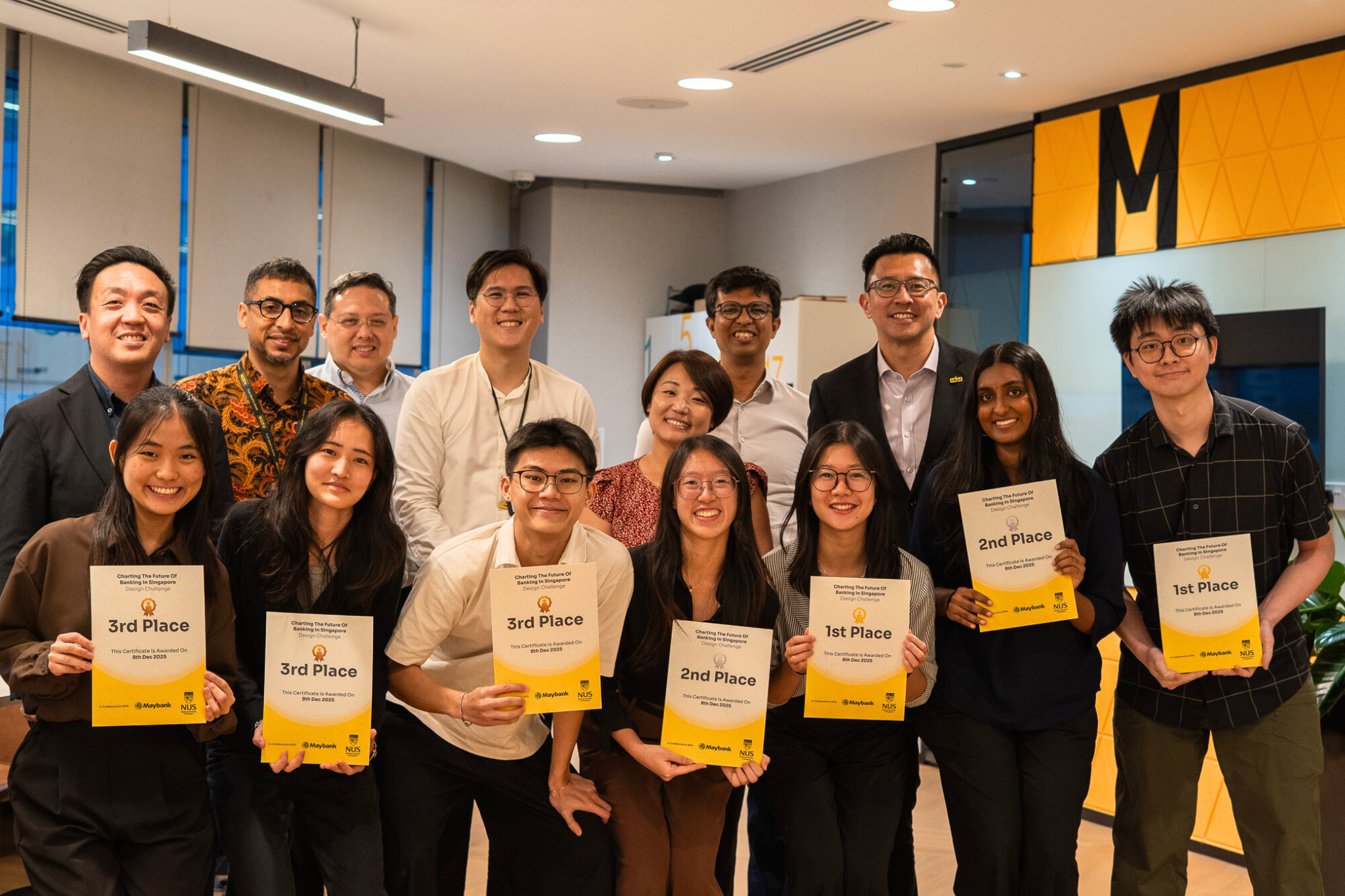
“When groups had to return to the drawing board after interim reviews with Maybank specialists, I saw frustration transform into resilience. They learned that in the professional world, iteration isn’t failure; it’s part of the process,” said Mr Benjamin Xue, lecturer at the Division of Industrial Design (DID).
Over 15 weeks on the DID x Maybank Singapore Design Platform, a collaboration exploring how financial services can better serve people and communities, Industrial Design students were challenged to tackle real-world financial problems. Guided by Maybank specialists and Mr Xue, the class received both industry insights and close mentorship as students researched, mapped stakeholders, and prototyped solutions that balanced creativity, user needs, and business realities.
The projects were evaluated by the Maybank Senior Management Committee, including Mr Adam Tan, Head of Community Financial Services, and Ms Helena Ooi, Head of Strategy. The strongest concept would be selected for a potential pilot.
Emerging as the first-place winner was NEST, a student-designed savings and legacy account created by Tiarra Ko, Bing Jie Liu, and Afiqah Nazarudin. Designed to empower seniors, NEST enables individuals to manage their finances while leaving behind something personal and meaningful. Features include Legacy Letters, a Generational Multiplier to enhance interest rates, and the NEST “Egg”, a protected inheritance fund that grows independently for future generations.
The runner-up project, RISE, by Cynthia Manivannan, Jacklyn Loke, and Givson Ong, focused on helping wealth-curious full-time National Servicemen (NSFs) learn, save, and invest progressively. The solution makes wealth-building more approachable while aligning with Maybank’s strategic priorities.
Securing third place was Bridge, by Anna Yong, Travis Tan, and Ashley Tan. Bridge supports Malaysians relocating to Singapore by providing early access to digital banking and payments before a full account is set up, helping newcomers navigate the financial system more smoothly.
Each project showcased creativity, problem-solving, and impact in financial design. Reflecting on the collaboration, Mr Xue added, “The Maybank partnership gave students something no classroom exercise can replicate. It’s real stakes, honest feedback, and real pivots.”
From crashes to insights: Mechanical Engineering students tackle drone challenges in Japan


Just a day before flying to Japan for the World Robot Summit 2025 Harsh Environment Drone Challenge, Ashley Goh Ke Qian (Year 4 Mechanical Engineering) and Looi Zhao Tian (Year 3 Mechanical Engineering) faced a major setback: their test flight ended in a crash that damaged a key servo motor, which controls precise angular and linear movements on their drone. With limited experience, only a week to prepare, and a late-arriving Vertical Take-Off and Landing (VTOL) drone, the situation could have been discouraging. Instead, the team turned it into a learning opportunity.
The global competition, organised by the Fukushima Institute for Research (FREI), brings together student teams to design and test autonomous drones for real-world rescue missions, including planning optimal routes, locating people in need, delivering support supplies, and assessing the situation of disaster victims in remote buildings.
Racing against time, they sourced a replacement servo motor in Tokyo’s Akihabara district, repaired the drone late into the night, and refined their skills in flight calibration and electronics troubleshooting. During the competition, another sudden gust caused a hard crash, forcing them to withdraw for safety.
Even without competing, the experience taught them practical skills they could only gain by doing. Zhao Tian with ground control stations and drone electronics, and Ashley with aerodynamics, weight distribution, and autonomous flight planning. “The experience was incredibly rewarding. Every challenge taught us something new, about drones, engineering, and ourselves,” reflects Zhao Tian.
“The professionalism and hardware on display were inspiring. As first-time participants, our students gained meaningful experience and key lessons to carry forward,” said their supervisor, Dr Sutthiphong Srigrarom.
Students recharge with dogs at Take-A-Paws workshop
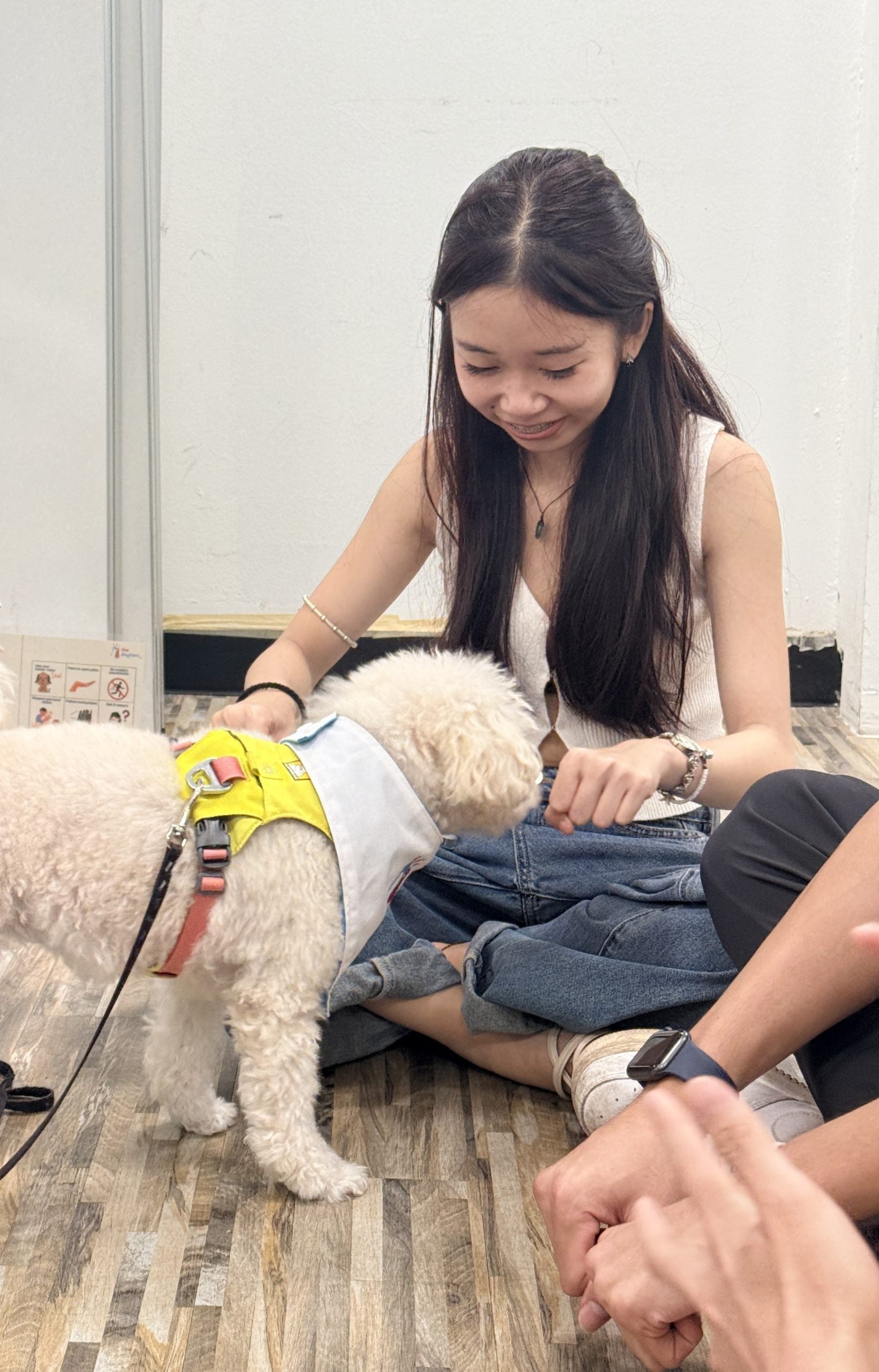
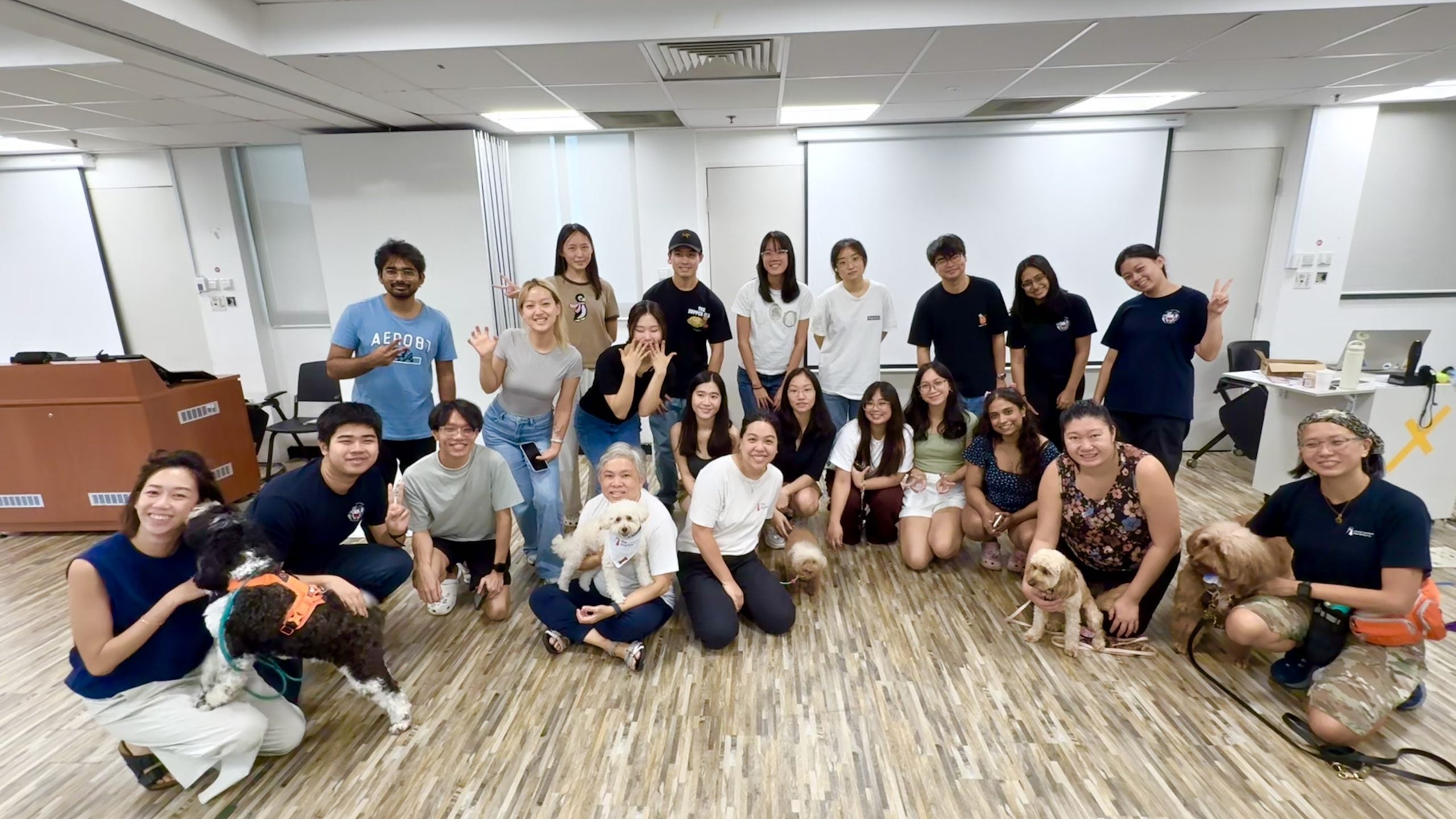
By popular demand, Take-A-Paws returned this past semester! 32 students joined us for the Take-A-Paws workshop and enjoyed a therapeutic playtime session with dogs.
Participants spent quality time with their canine friends, engaging in activities like pet tricks, high-fives, and cuddling. Through these interactions, participants gained insight into the dogs’ personalities from their owners, helping them grow closer to their furry friends.
By combining relaxation and animal interaction, Take-A-Paws created a fun and calming experience for all, allowing them to unwind and recharge.
Students get creative at CDE Halloween Pumpkin Party
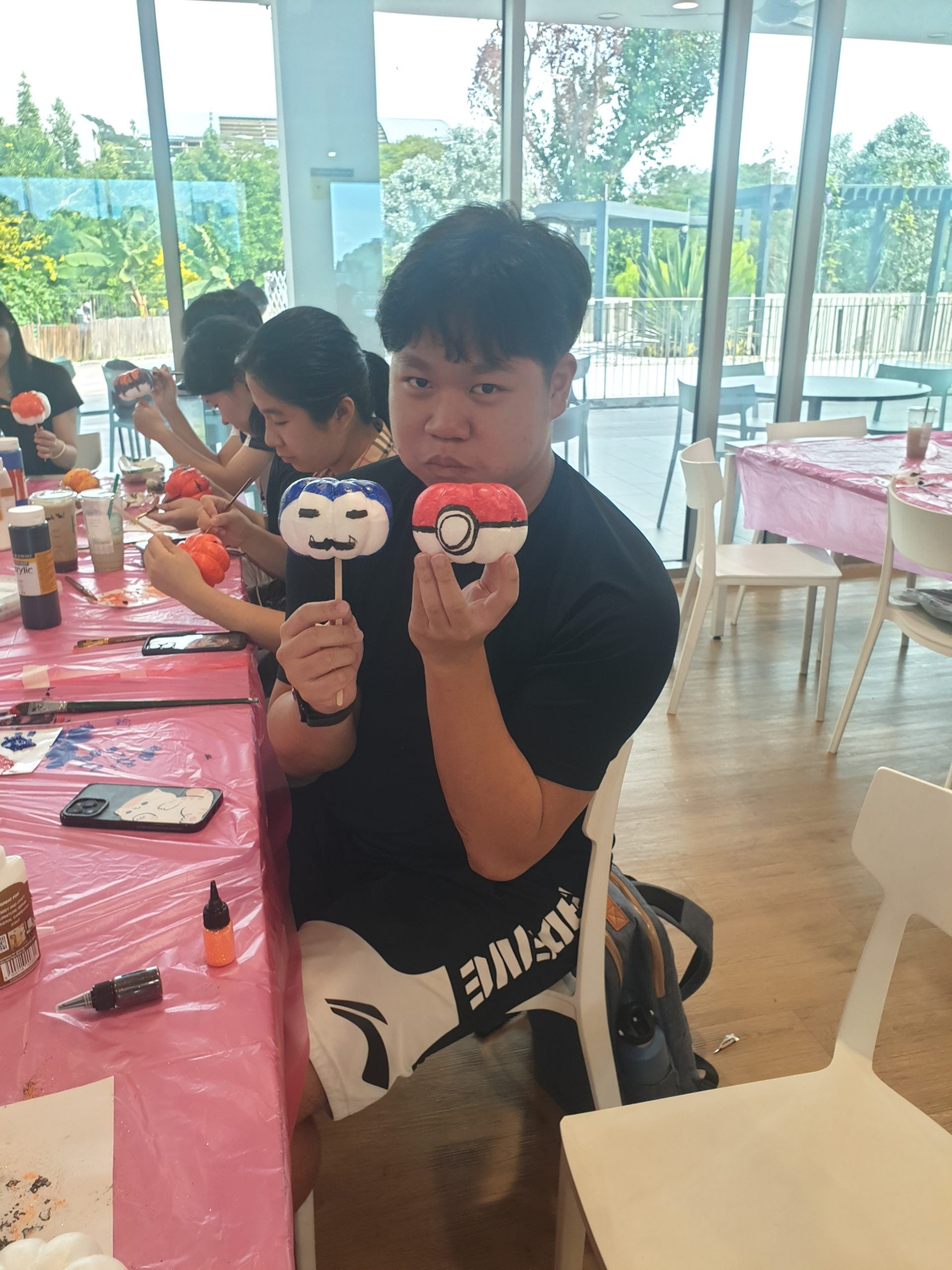
The office of Student Life conducted its first-ever Halloween-themed Pumpkin Party workshop, where students unleashed their creativity in a fun-filled pumpkin painting experience. Participants designed and decorated their own pumpkins using an array of art supplies, including vibrant paints, colourful markers, and sparkly glitter.
The workshop allowed students to get creative and messy, with some thoroughly enjoying the hands-on process of mixing and matching colours. As each pumpkin took shape, unique personalities shone through, from meticulously crafted, realistic designs to playful and whimsical creations, including a Snorlax pumpkin that added a fun, personal touch.
With their finished masterpieces in hand, the participants concluded the session with a sense of pride and satisfaction.
Clay sculpting and moodboard journaling with CDE Peer Student Support Group
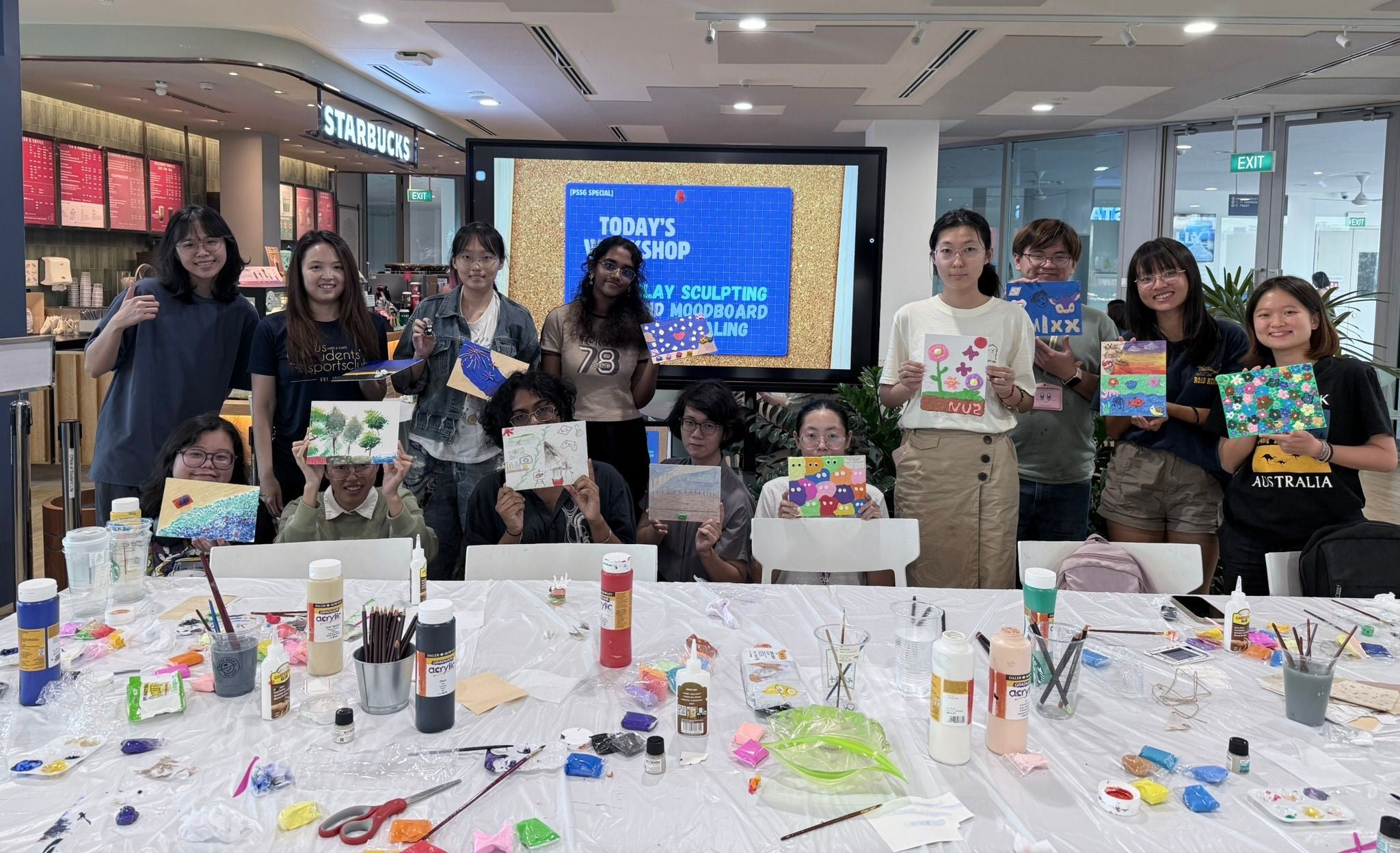
With the pace picking up ahead of exams, the CDE Peer Student Support Group (PSSG) stepped in to offer a gentle reset: a chill, creative workshop designed to help everyone slow down, breathe, and engage in mindful reflection.
Participants and Peer Student Supporters gathered at the To-gather Space to sculpt clay pieces inspired by their personal safe spaces, grounding themselves in the present moment amid the semester buzz. After that, it was all hands-on with designing, painting, and curating their very own moodboard journals. These were filled with memories of positive experiences to serve as gentle, supportive affirmations when stress hits.
One student shared that the workshop allowed them to focus on the present, try a new activity they hadn’t found time for, and re-savour things that made them happy, lifting their spirits and giving a brief, welcome break from academics.
Huge thanks to everyone who joined the fun. Keep an eye out for more such workshops from PSSG!
First ever CDE Student Leadership Camp
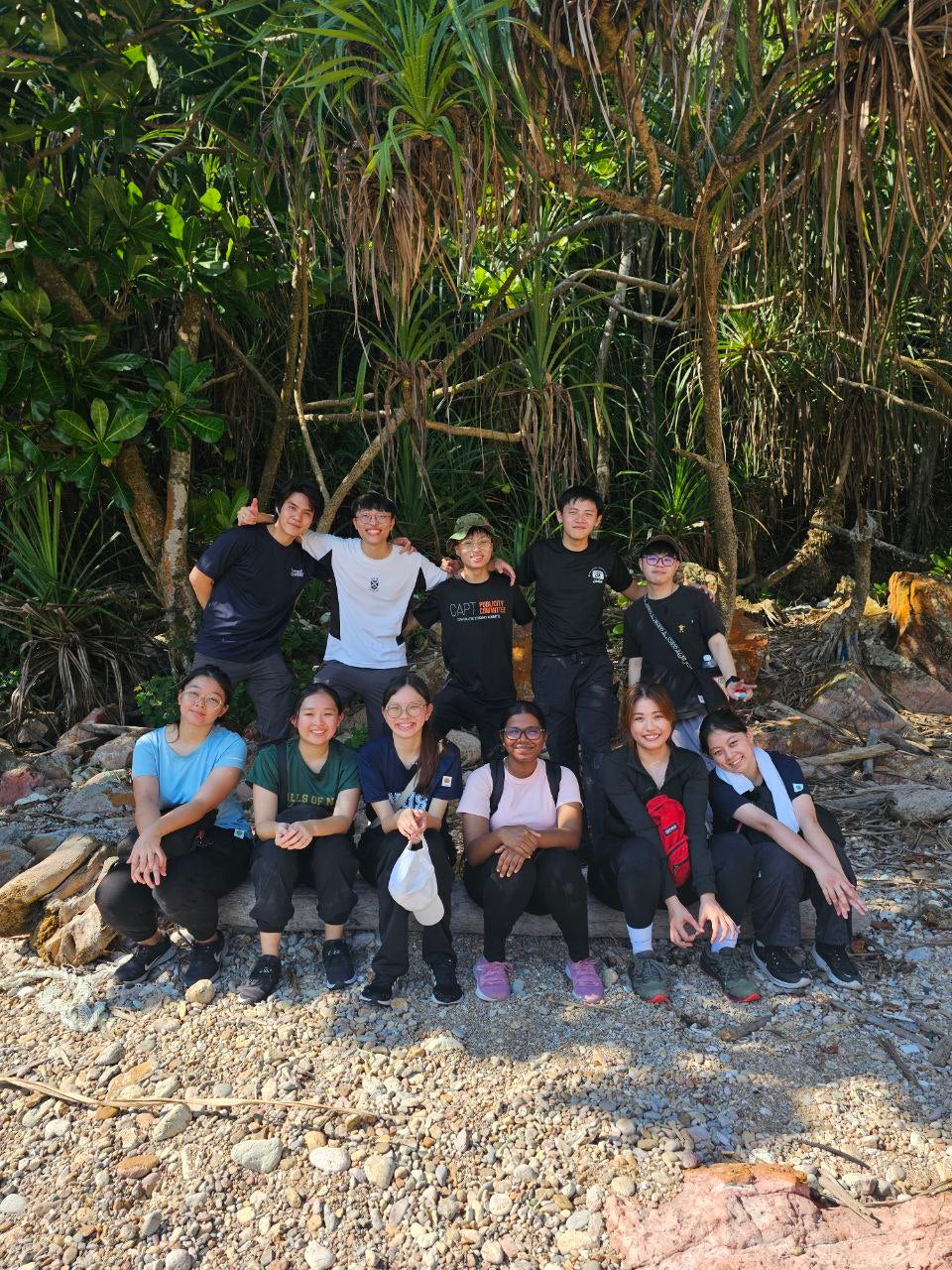
The Office of Student Life hosted its first-ever CDE Student Leadership Camp at Penyabong Camp, Johor. Bringing together 11 passionate student leaders from across the CDE Club, sub-clubs, and interest groups, the camp was designed to foster teamwork, cultivate leadership skills, exchange knowledge and spark connections.
Through dynamic activities, including sea kayaking, rescue missions, nature hikes, and team challenges, participants discovered the power of shared goals and diverse perspectives.
Reflecting on the experience, Erica, president of the 4th CDE Club Management Committee, shared: "Everyone has different starting points, but to reach the ultimate goal, it is crucial to work together and tap into each other's expertise." The inaugural camp marks the beginning of a new tradition at CDE, empowering the next generation of student leaders to grow, connect, and thrive together.