
Core Curriculum Features
Our curriculum brings students through an enriching journey in innovation. Students begin by learning WHAT to design before moving on to learn HOW to design. Those who are keen on entrepreneurship are encouraged to further develop their ideas for commercialization through a pre-accelerator track during their final year project. All these happen through project-based learning within a multidisciplinary team setting.
Design Thinking
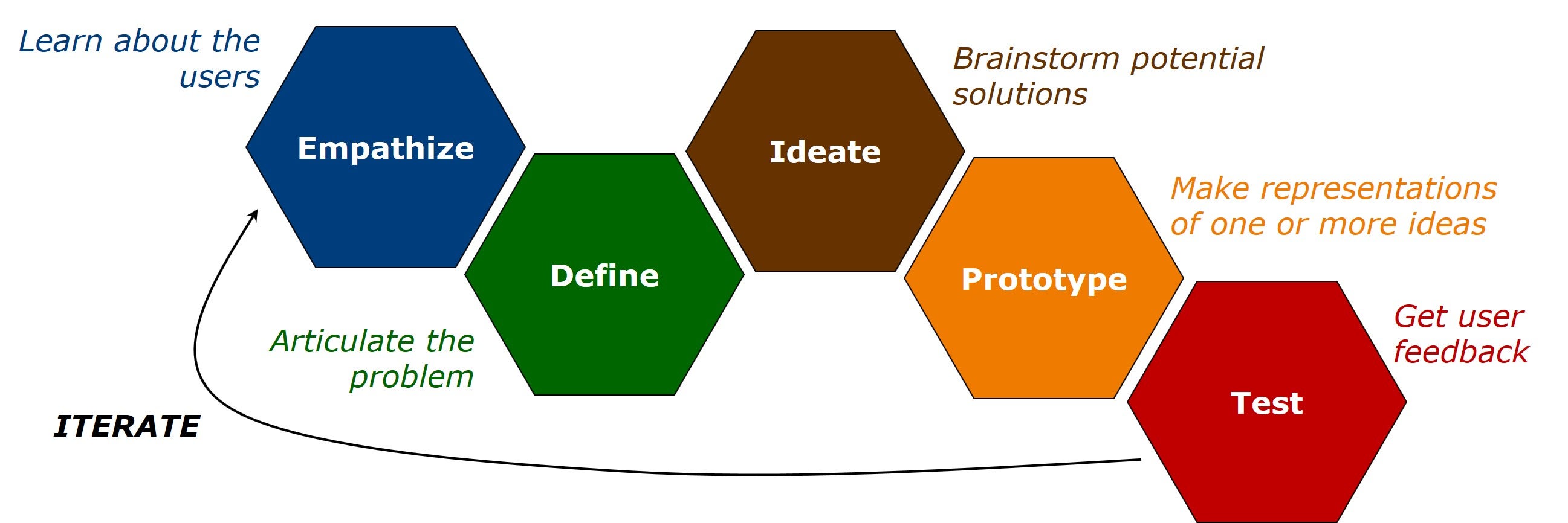
Design Thinking is a human-centred approach to innovation to arrive at solutions that meet the needs, wants, and desires of target users. Students learn how to understand users, build personas, gain insights, identify opportunities, generate ideas, and validate their ideas through prototyping.
Innovation Framework
Innovation happens when people’s needs and desires are met in a technologically feasible manner and matched with a viable business strategy. Students learn a variety of tools that help them to generate innovative solutions to a wide range of problems in a manner that creates value to end users as well as exploit market opportunity.

Design Methodology
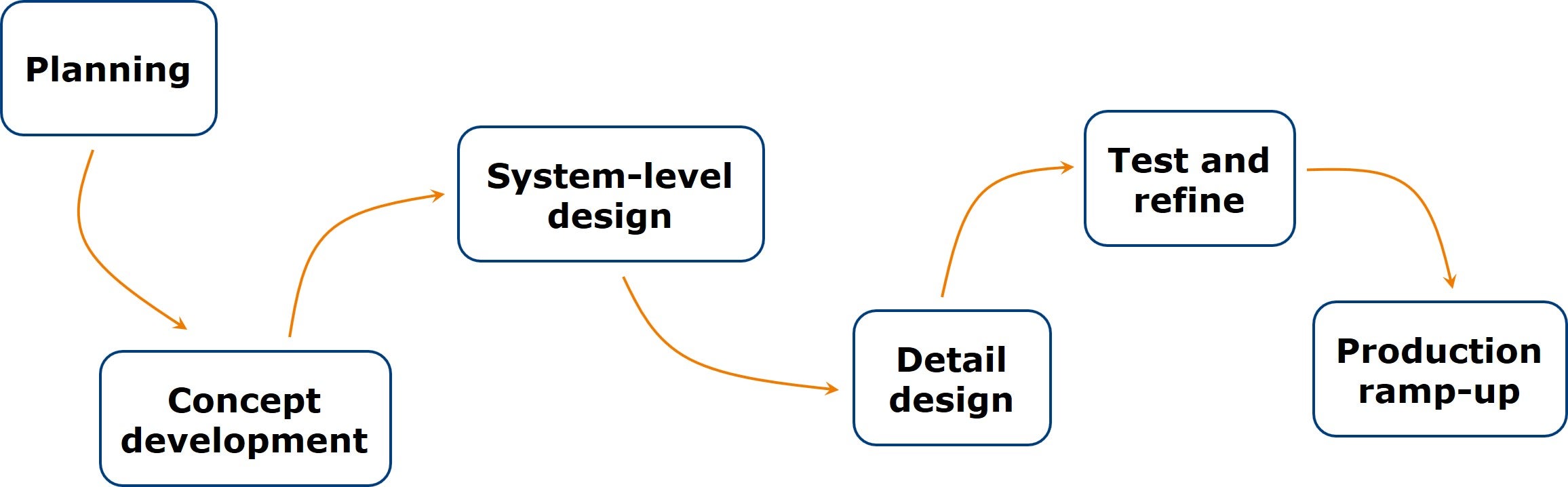
Design can be carried out through a systematic process that consists of distinct, coherent, and well-organized steps. Using well-established design methodologies, students learn how to transform ideas into functional prototypes and thereafter viable products and services.
Innovation and Enterprise
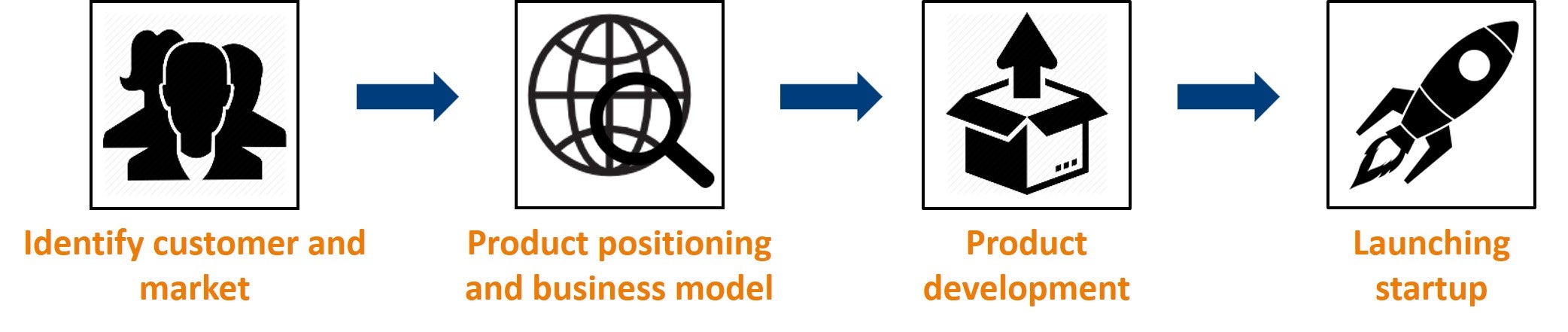
Through the electives in our curriculum, students learn strategies to establish market value and create business ventures from their ideas, protect their intellectual property, and gain a deeper understanding of the economics of entrepreneurship. Students who are keen to develop their ideas for commercialization will also be groomed in a pre-accelerator track during their final year project.
Multidisciplinary Project-Based Learning
Innovation needs a team-based process to succeed. From day one, our students learn to work together with teammates from different disciplines and are mentored by faculty members with diverse backgrounds. Through open-ended projects, students learn how to apply their design skills as well as their disciplinary knowledge to solve real-world problems. Such an approach helps students to develop transversal skills such as teamwork, leadership, communication, and project management. It also develops important character qualities such as resilience, persistence, and self-motivation.