

Innovations in Intelligent Systems
Projects in this theme focus on the design of complex engineering systems and automation for various applications.
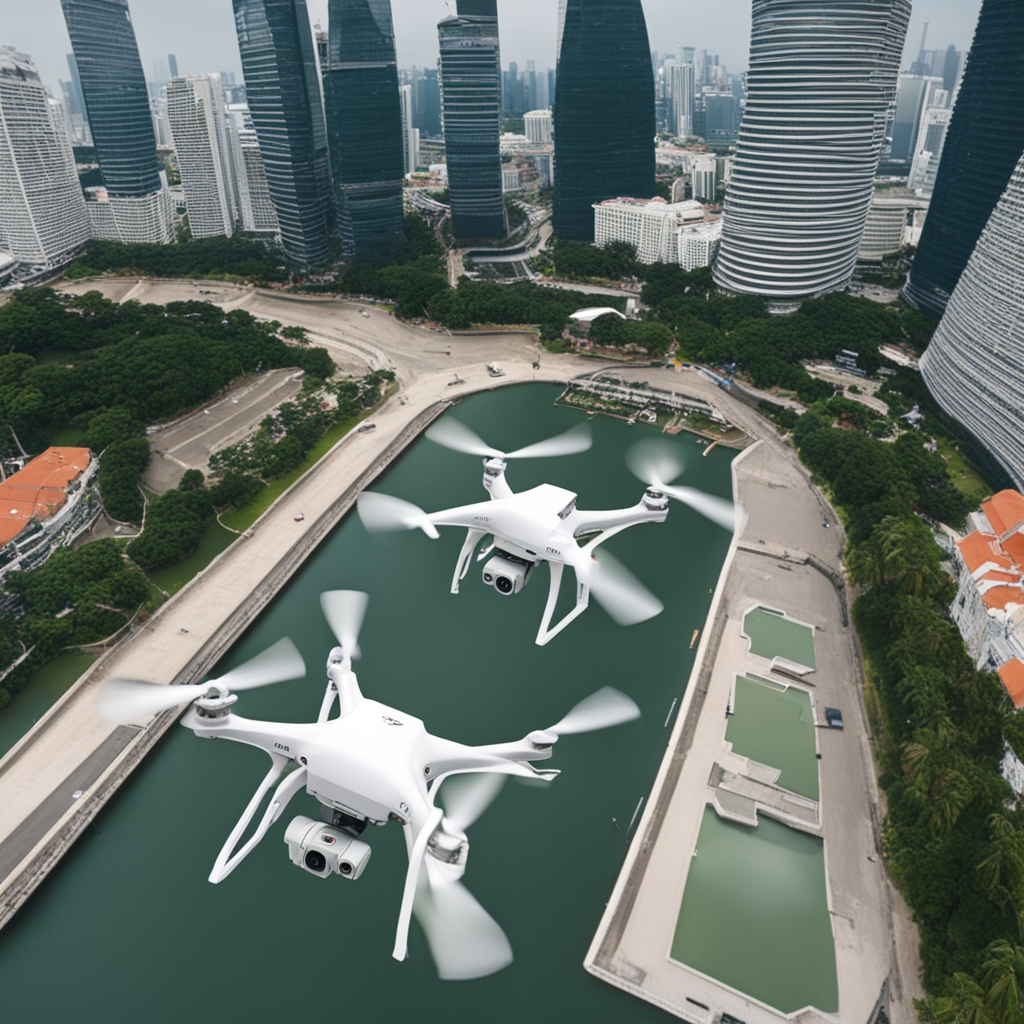
In this project, an autonomous target interception guidance software is being developed to enable a drone to independently move towards its target, and a task assignment scheduling algorithm is developed to orchestrate target interception of many targets using a drone swarm.
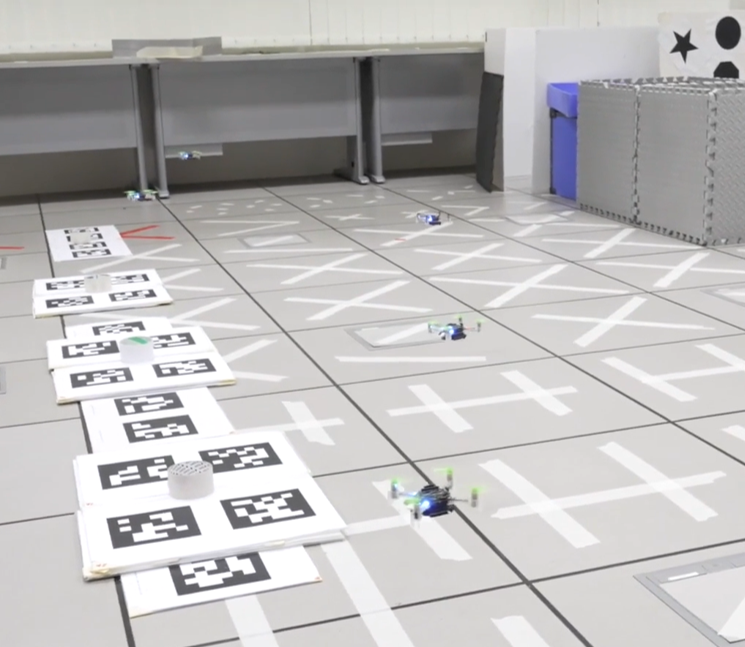
In this project, we designed a swarm of drones that can navigate through an unknown indoor environment and search for victims. Using a decentralised and fully-autonomous control system, the drones are capable of performing simultaneous take-off, searching the mission area effectively, identifying single-rescue versus double-rescue victims, and landing next to these victims when they are located. This project emerged as the 1st runner-up in Category E (Swarm) of the Singapore Amazing Flying Machine Competition (SAFMC) 2024.
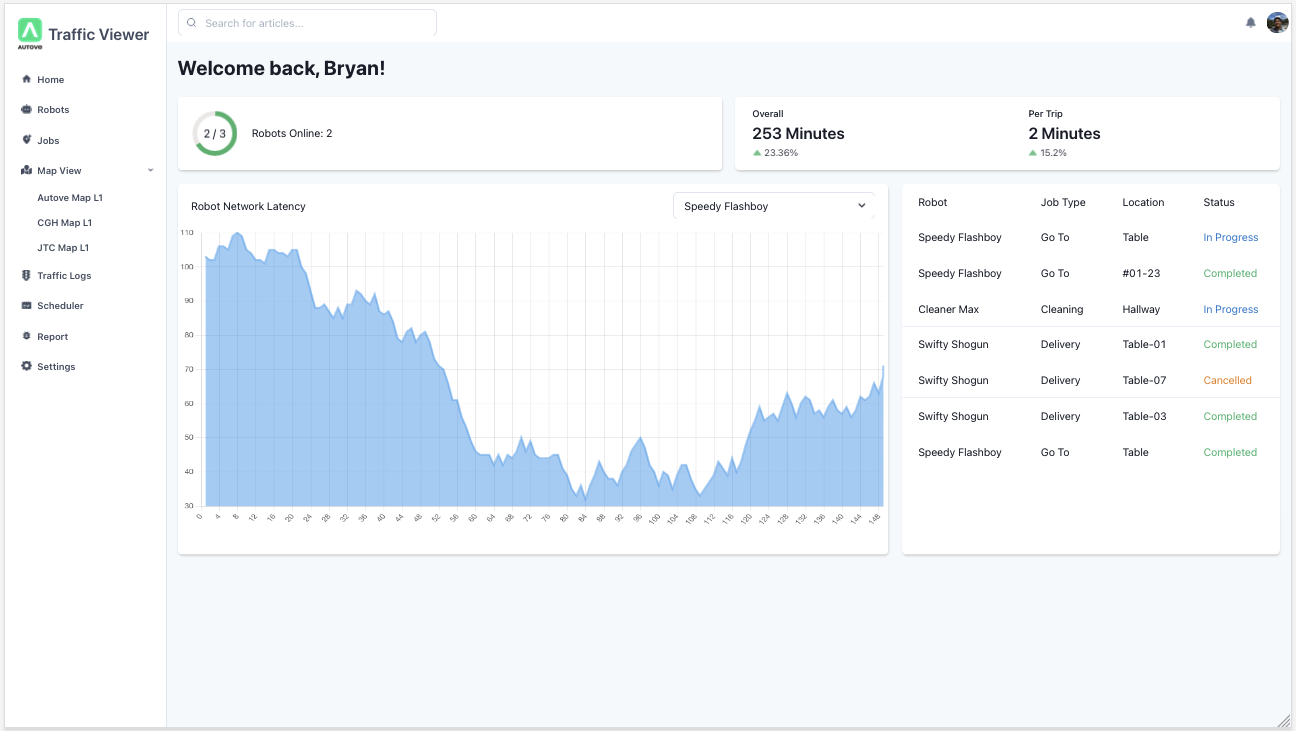
This project aims to solve the lack of fleet controllers for commercially available robots to work in a high human traffic shared workspace by creating a traffic controller that is different from the traditional method of fleet controller where the path can be pre-planned for AMR/AGVs to work in a controlled environment.
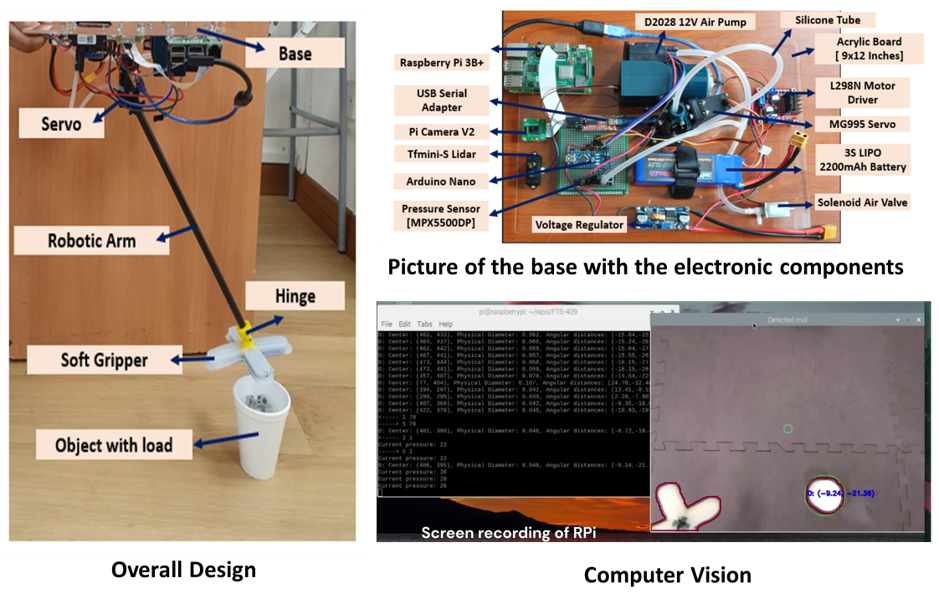
This project aims to introduce soft robotics into the field of aerial manipulation by designing a drone agnostic robotic arm with a soft gripper to carry out pick and place applications.
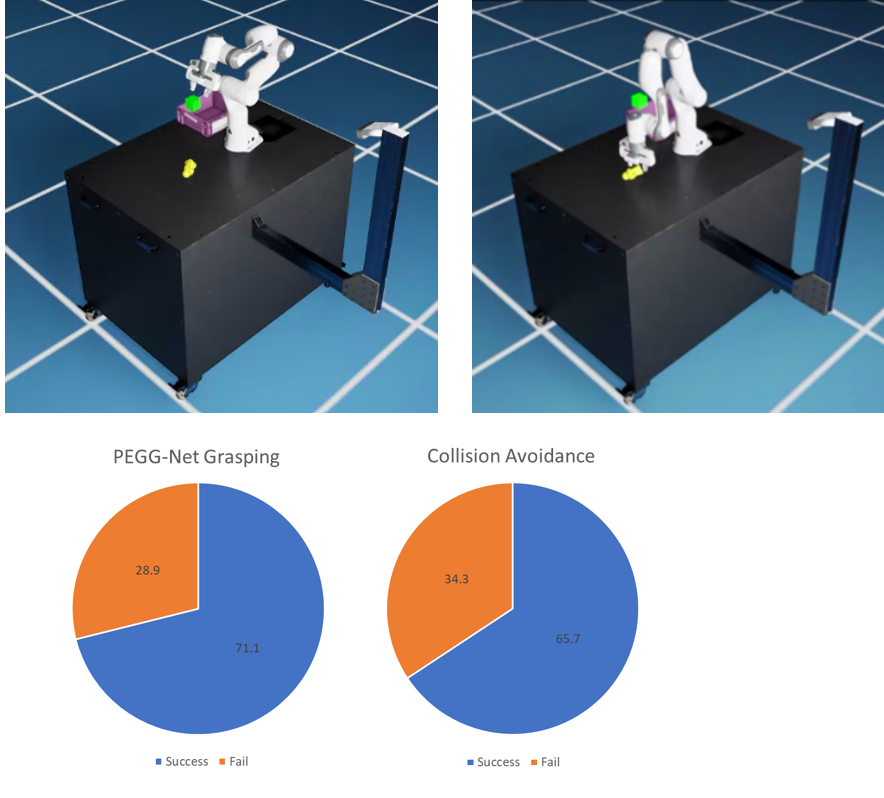
This project aims to realise collision avoidance in planar grasping using Nvidia Omniverse Isaac Sim simulation.
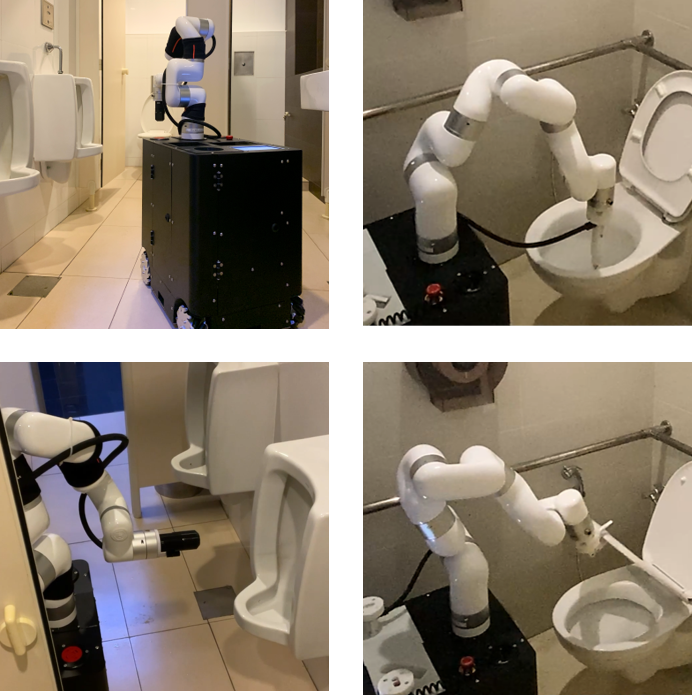
This project aims to improve efficiency and effectiveness of tedious cleaning tasks such toilets, urinals, sinks, and mirrors through a robotic solution.
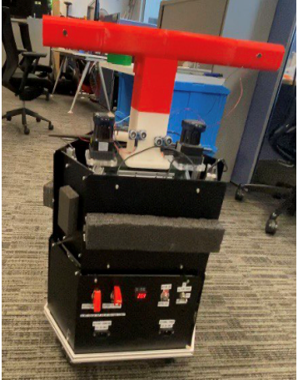
This project aims to address the problem of a lack of independent navigation and guidance assistive devices for blind and visually impaired users by developing a novel ergonomic path planning algorithm and combining that with a haptic feedback system for human-robot interaction.
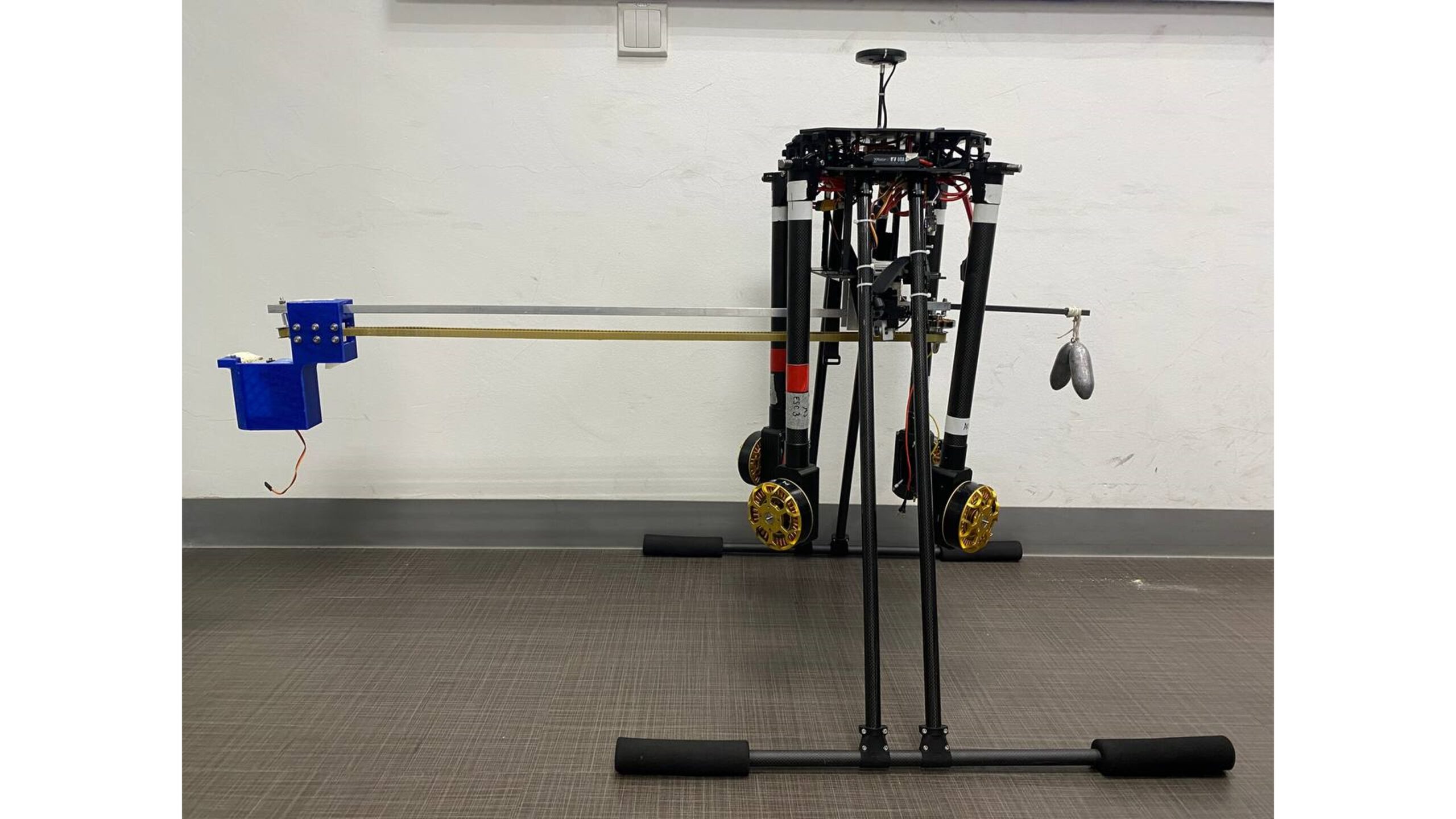
Our project aims to increase seed supply and enable reforestation efforts to be accomplished at an increased rate through the use of an automated system that can collect more seed cones from trees in order to address the problem with lack of skilled cone pickers.
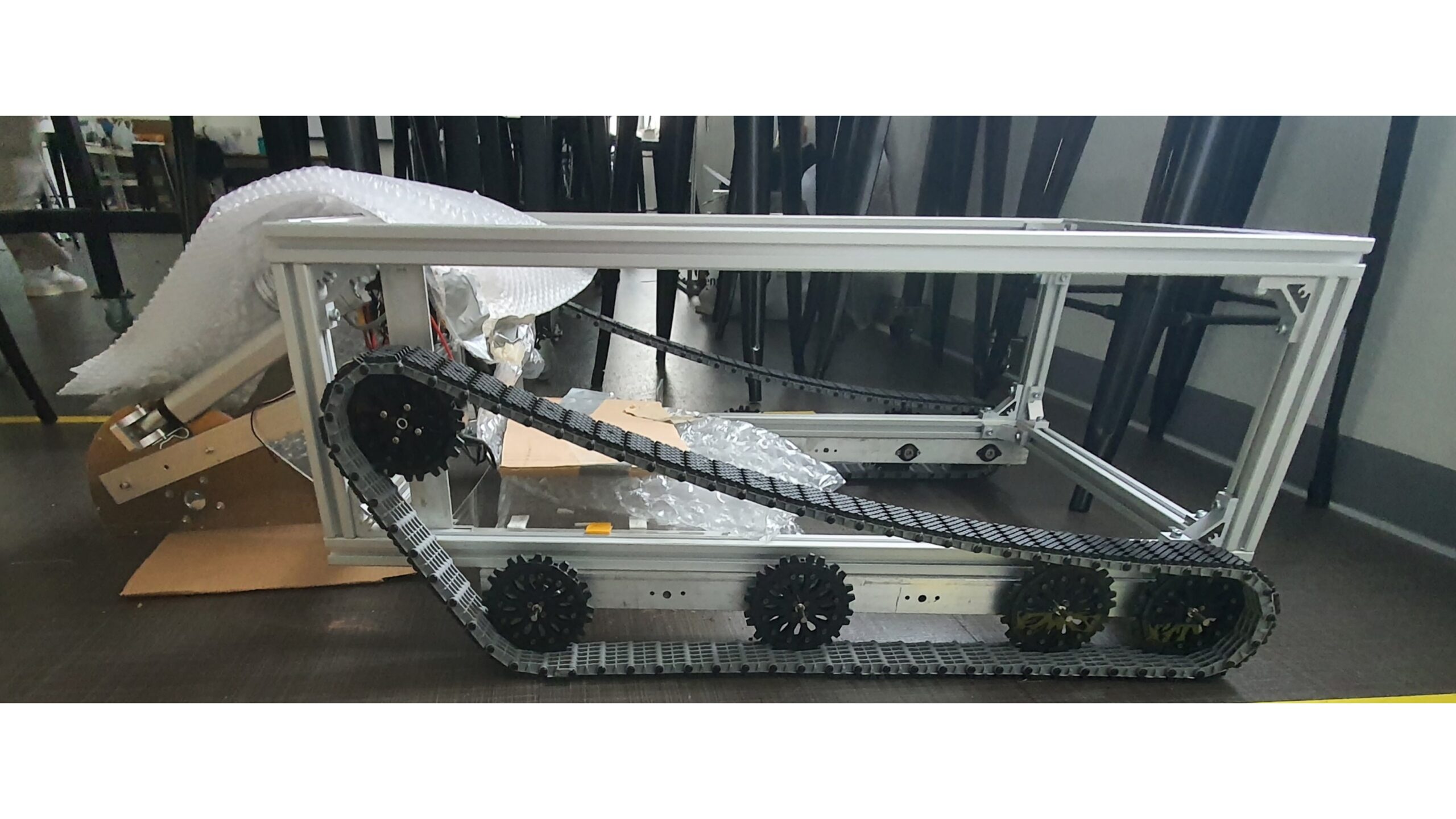
In this project, we designed a robotic seed planting vehicle to increase the speed and accuracy of seed planting after forest fires.
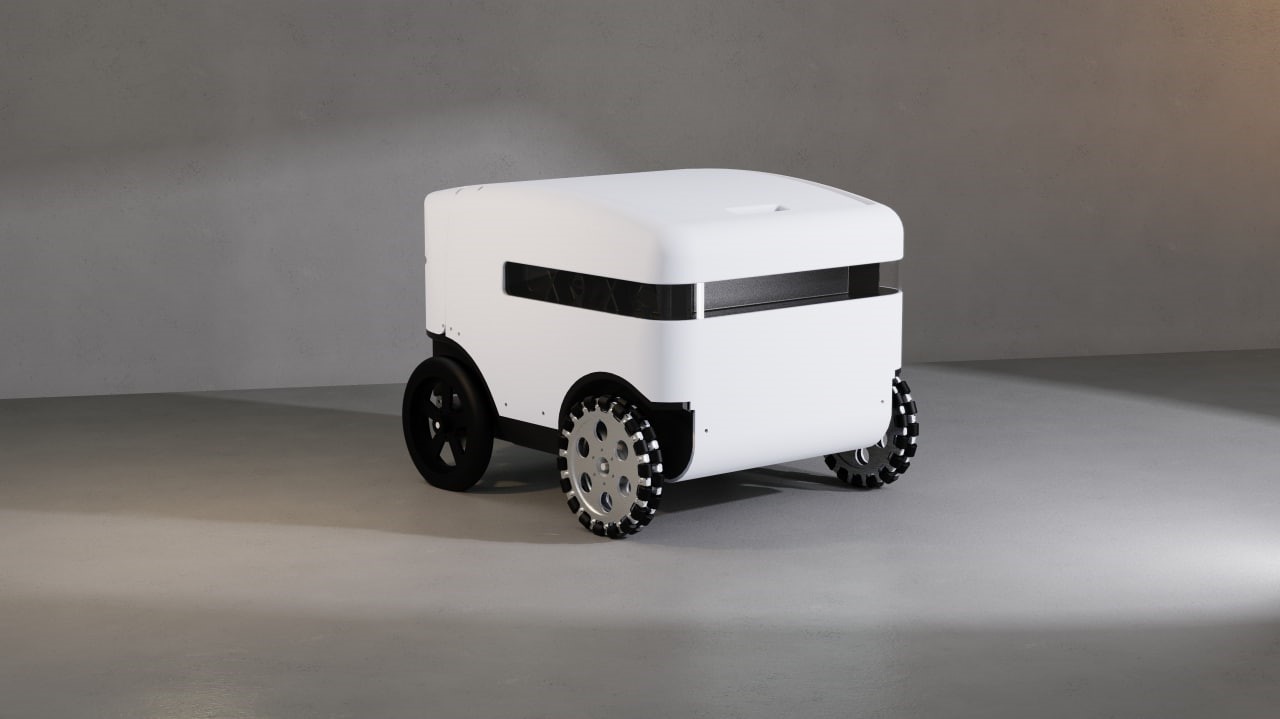
In this project, we designed a fully autonomous delivery robot to compete in the GNSS Innovation Challenge 2022.
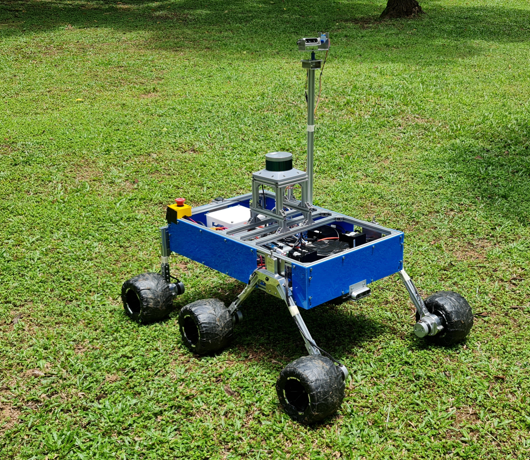
One of the responsibilities of NParks is to conduct frequent inspections to check the health of about 6 million trees in Singapore. In this project, an autonomous mobile robot with a rocker bogie suspension (similar to the Mars rover) that comprises various sensors for navigation and visual tree inspection was developed to conduct the first level of inspection for arborists and gather sufficient quality data that can be used to determine the health status of a tree.
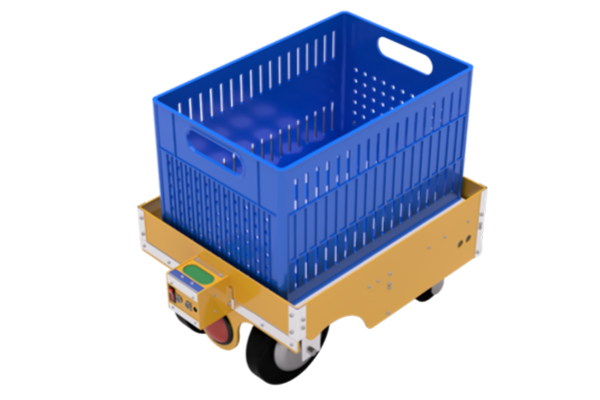
Kinito uses robotics to automate processes in urban farms so that the workers can be more productive, helping urban farms produce more crops. The robotic platform transports harvested crops to a collection point, reducing the need for manpower for this task.
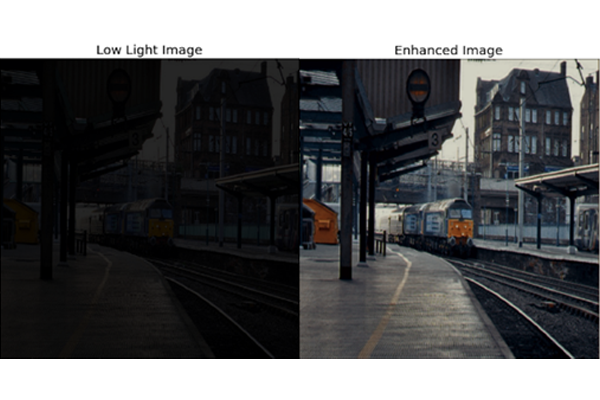
In the domain of computer vision, in particular video processing, low light environment poses a multitude of problems such as a degradation in the contrast of multichromatic input from a camera sensor as well as loss of object features. This project explores the design and implementation of a deep learning model for enhancing video quality in low illuminated environment.
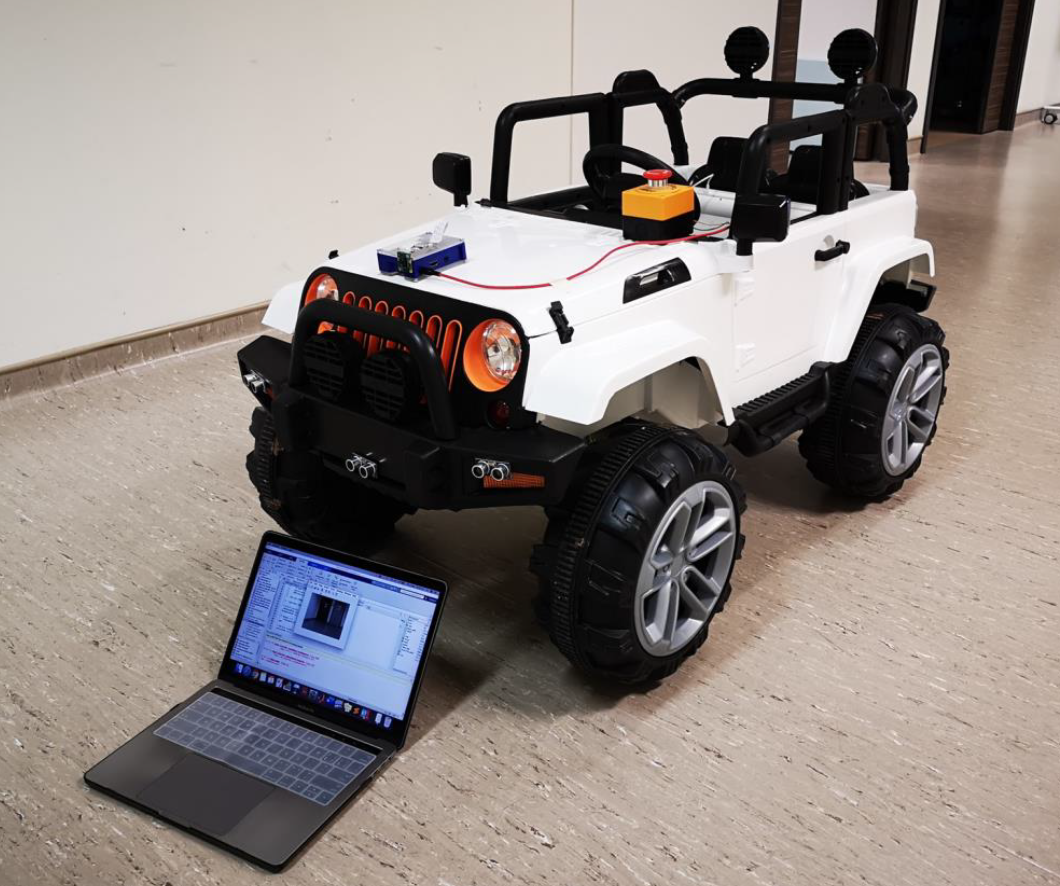
Warehouse safety inspections involve many routine, repetitive and sometimes high-risk tasks. This project aims to design an autonomous patrol system that could help inspection officers to perform some of those more potentially risky, mundane but repetitive, as well as those less important jobs with higher quality.