
Innovations in Space Systems
In this project theme, students design our next generations of Galassia nanosatellites as well as work on projects for international space competitions such as the University Rover Challenge and the CanSat Competition.
Flagship projects
Galassia (opens in new tab)
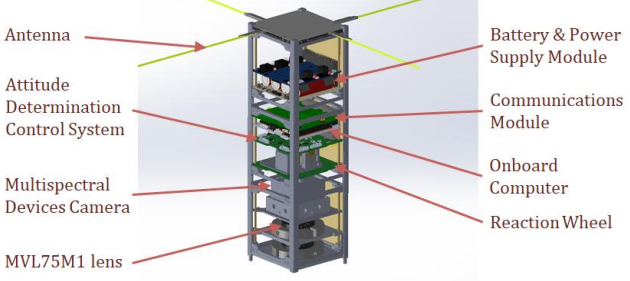
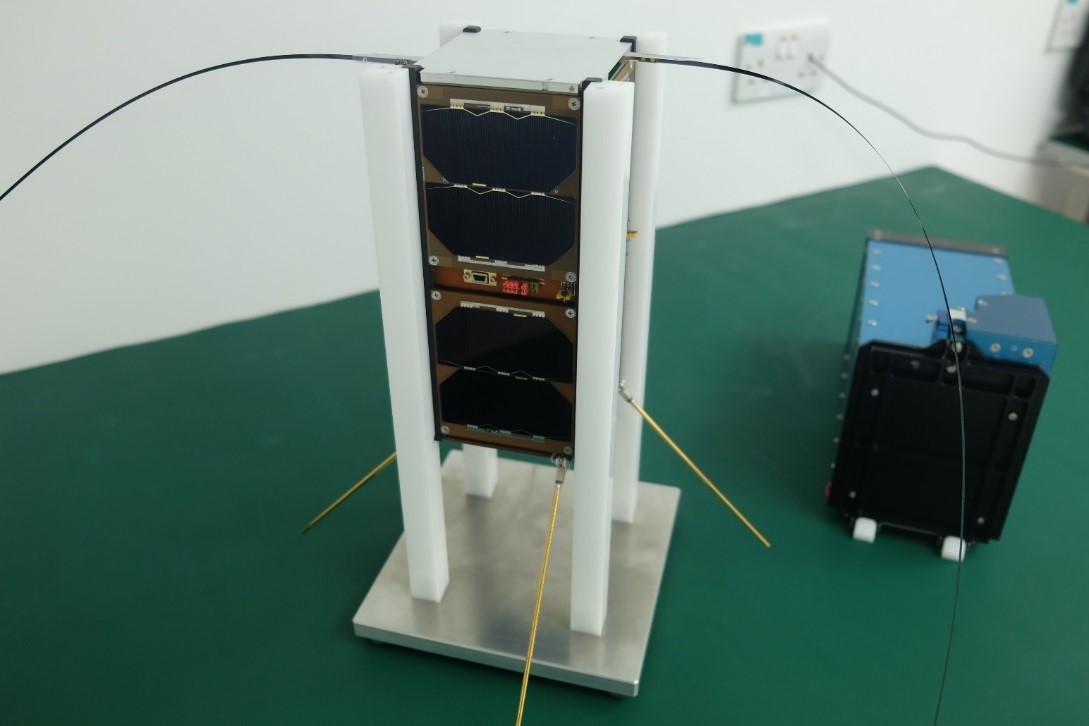
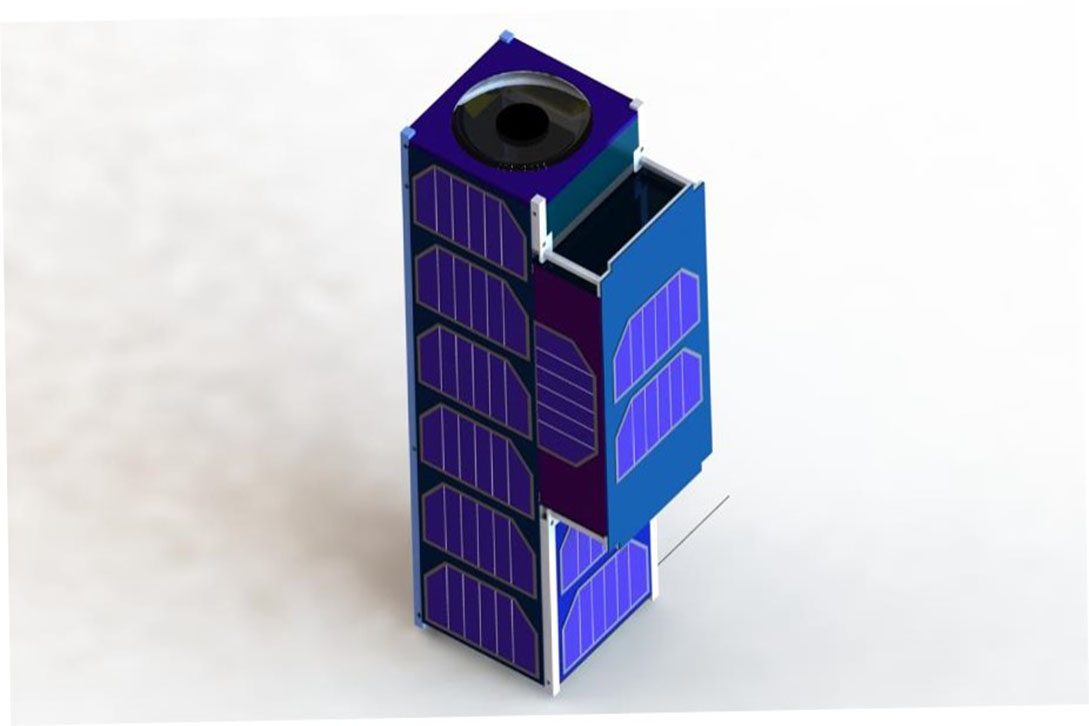
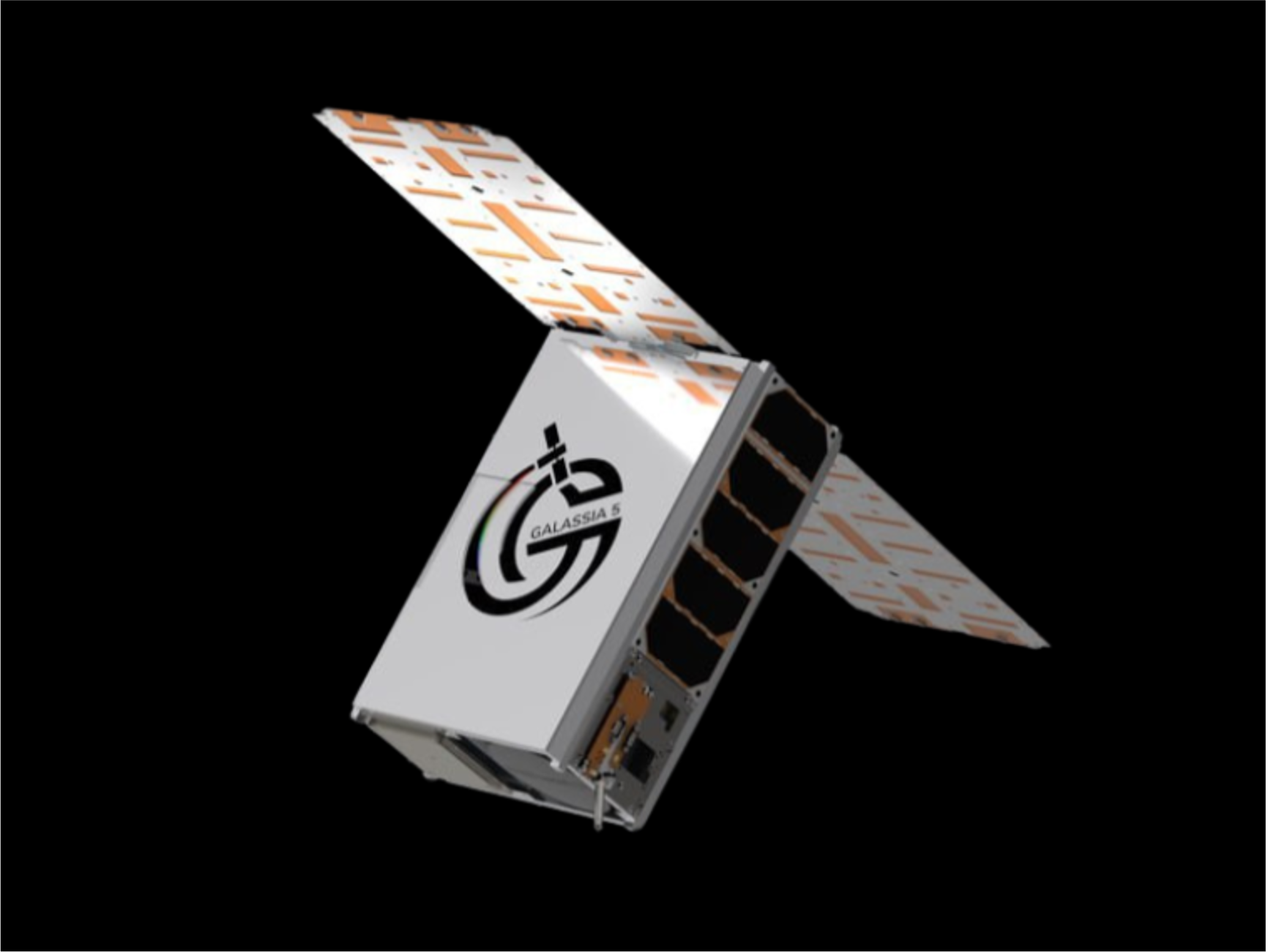
The Galassia programme is a student-led CubeSat nanosatellite initiative that focuses on developing solutions for space-related applications, and provides students with hands-on experience in space systems engineering, structural design, and mission operations.

NUS CanSat Team (opens in new tab)
The CanSat Competition is a design-build-fly competition that provides teams with an opportunity to experience the design lifecycle of an aerospace system. It is designed to reflect a typical aerospace programme on a small scale and includes all aspects of an aerospace programme from the preliminary design review to post flight review.
NUS Mars Rover Team (opens in new tab)
The NUS Mars Rover Team is a multidisciplinary student team competing in the University Rover Challenge to build the next generation of autonomous planetary exploration systems.
Past projects
CubeSat propulsion using additive manufacturing (opens in new tab)
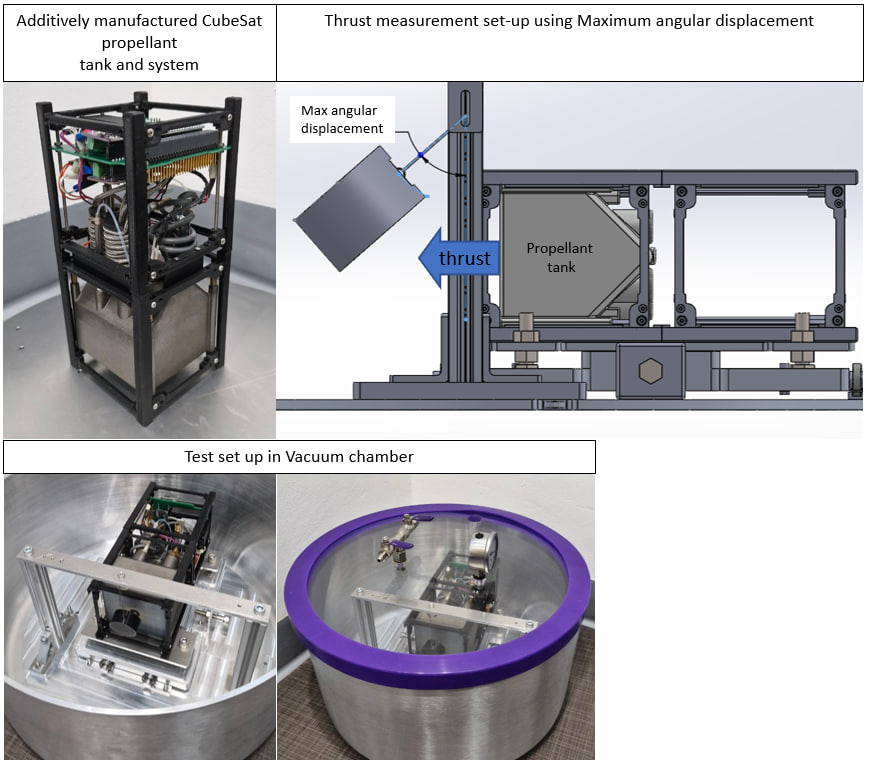
This project aims to measure the thrust of the propellant tank with high precision whilst simulating its operating environment (vacuum pressure) by obtaining using the maximum angular displacement of a momentum trap which captures the gas propelled from the additively-manufactured propulsion tank within a vacuum chamber.
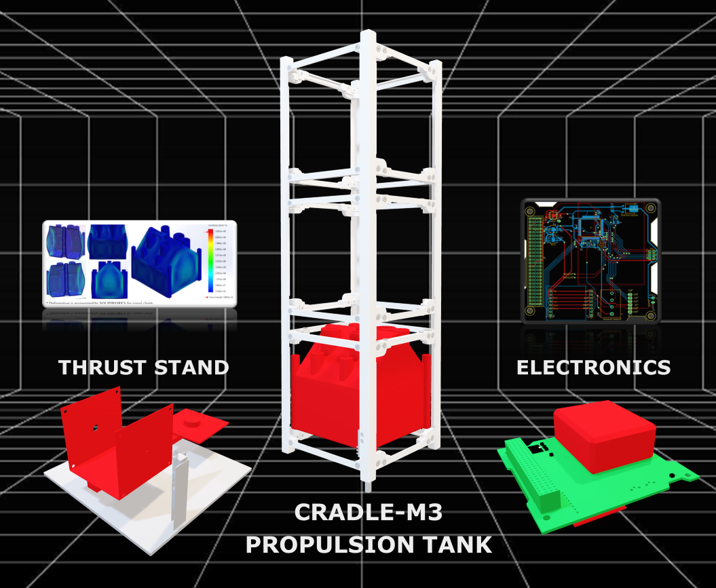
CubeSat propulsion using additive manufacturing (opens in new tab)
In this project, we aim to design a cost-effective yet reliable propulsion system for CubeSats using additive manufacturing, which is customisable for various space applications.
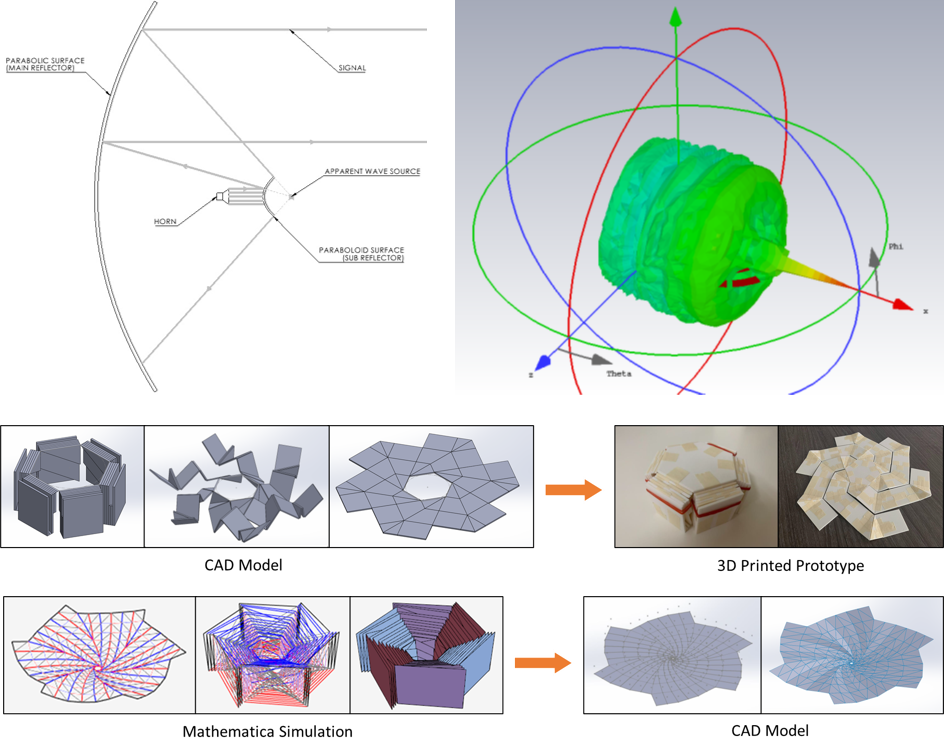
Deployable high gain antenna for CubeSats (opens in new tab)
In this project we designed a high-gain deployable antenna that has rigid foldability, high deployed-to-stowed ratio and high gain so that it enables universities and small enterprises who are constraint by budget to better utilise the capabilities of CubeSats.
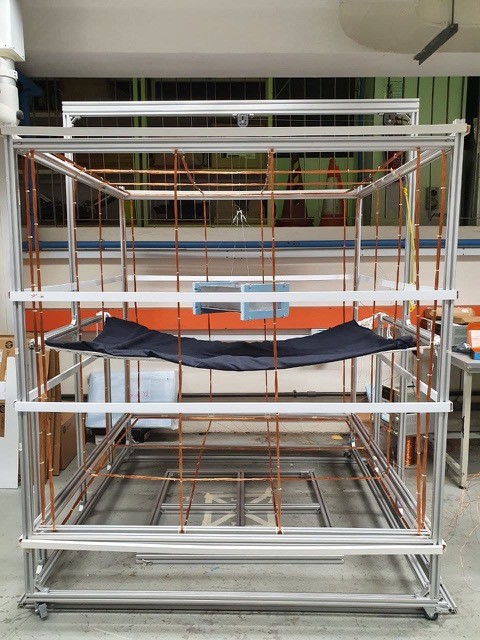
Integrated CubeSat testing system (opens in new tab)
In this project, we developed an integrated CubeSat testing system to perfectly simulate conditions in space such as weightlessness, magnetic field and mass properties measurement which include Moment of Inertia (MOI), Centre of Gravity (CG) and Mass to test the CubeSat and the Attitude Determination and Control System (ADCS), which is used for the stabilisation and rotation.
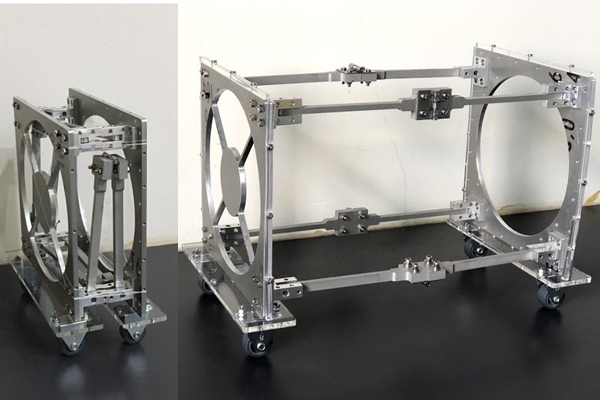
Deployable telescope for a 6U CubeSat (opens in new tab)
There is great interest to develop high-quality nanosatellite image applications to support earth observation missions, particularly deployable optics that improve the optical capabilities of CubeSats while occupying smaller volumes than conventional fixed-length telescopes. In this project, a mechanism for a deployable Cassegrain telescope was developed for use in a standard 6U CubeSat to facilitate satellite miniaturization.
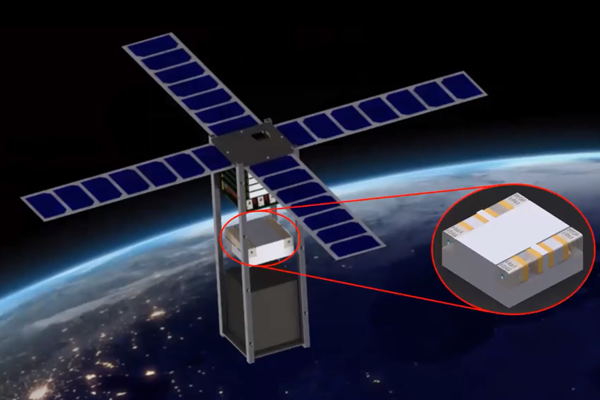
Terran Space Technologies: Propulsion solution for nano-satellites (opens in new tab)
3D-Printed micro-thruster package based on electrothermal technology and water as propellant which facilitates movement of nano-satellites in space.