
EDIC Project Showcase Apr 2026
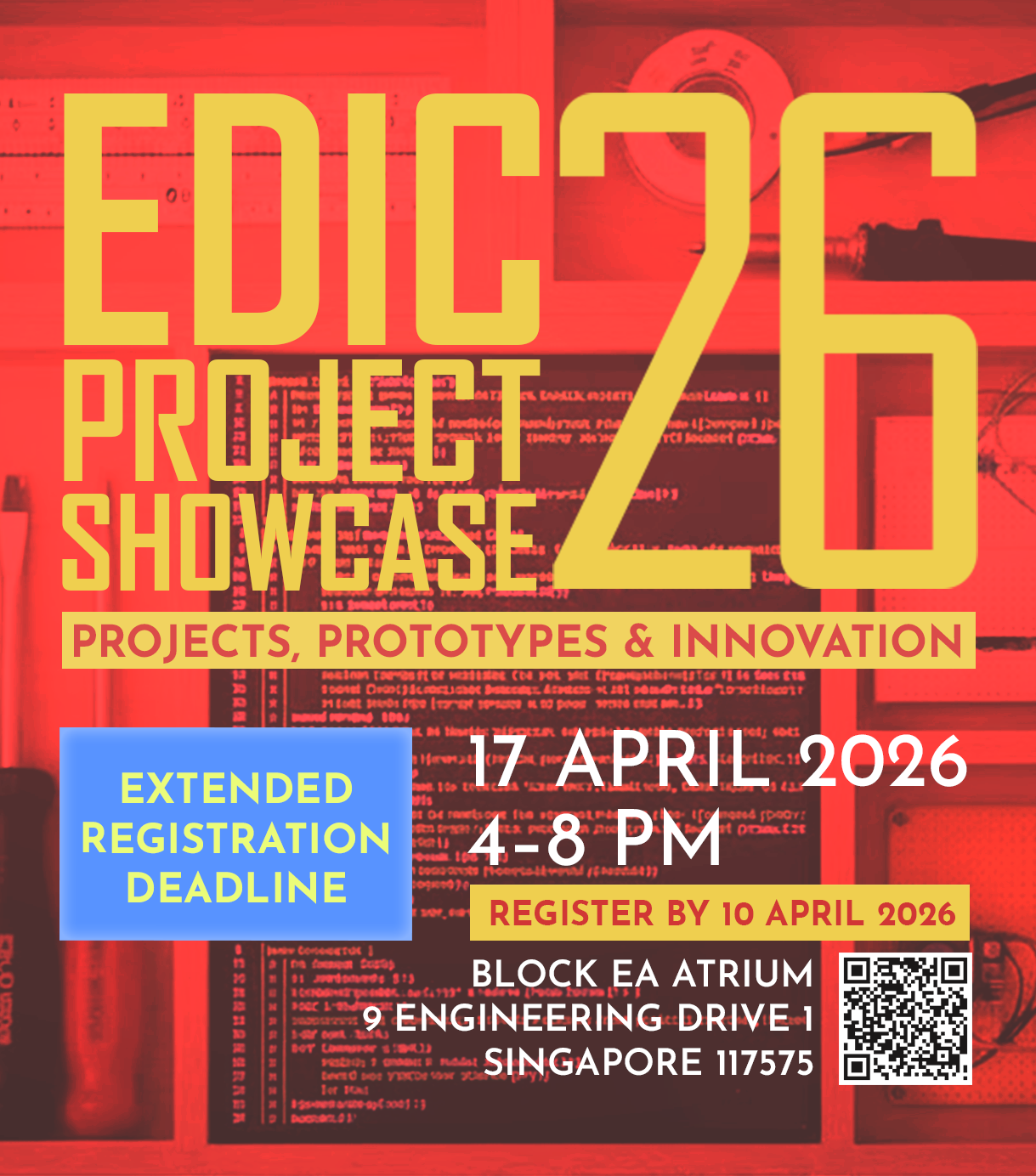
This event features projects from our final year undergraduate students in the Innovation & Design Programme and fourth cohort of students in the Master of Science in Engineering Design & Innovation programme who will be completing their year-long innovation projects at the end of this semester. Come and attend this project showcase as we share their work with members of the NUS community, industry partners, and the public. There will be over 60 projects featured during the showcase, covering a wide range of themes such as healthcare, sustainability, smart solutions, robotics, immersive reality and others.
Find out more about our students’ projects, listen to their project pitches, see their prototypes, and vote for your favourite projects during the showcase!
Programme schedule:
- 4.00 pm to 5.00 pm: Project pitches for students in CDE4301A Ideas to Start-up course (at Lecture Theatre 7A)
- 4.00 pm to 7.00 pm: Project demonstrations (at EA Atrium)
- 7.00 pm to 7.15 pm: Presentation of awards
- 7.15 pm to 8.00 pm: Dinner
Register your attendance by 10 April 2026: https://forms.office.com/r/jPsTAfjGE3
Innovating for Future Mobility
NUS Formula SAE
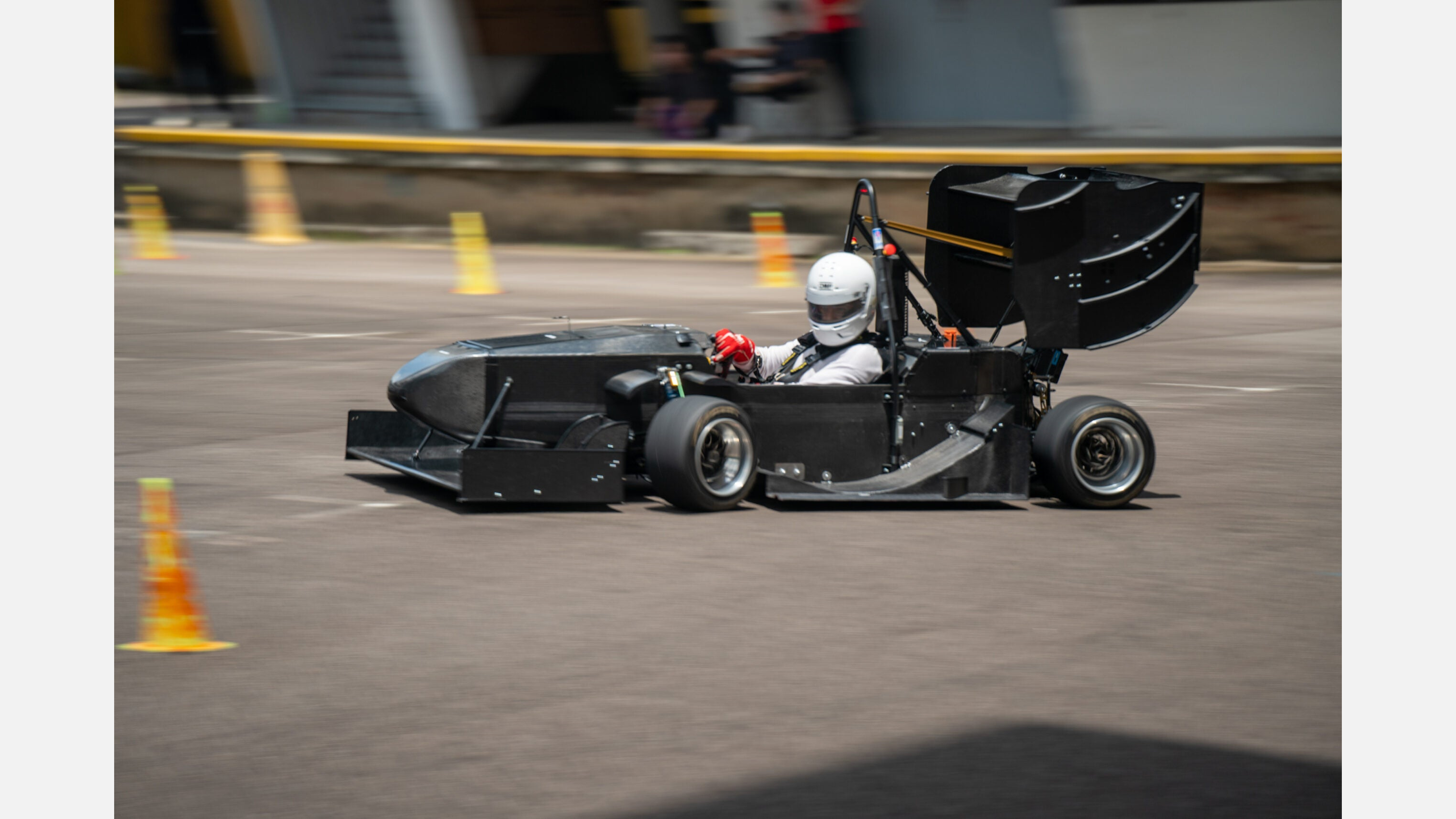
NUS Formula SAE brings together the brightest and most passionate engineers in NUS to build and drive an electric Formula style race car to compete with teams around the globe.
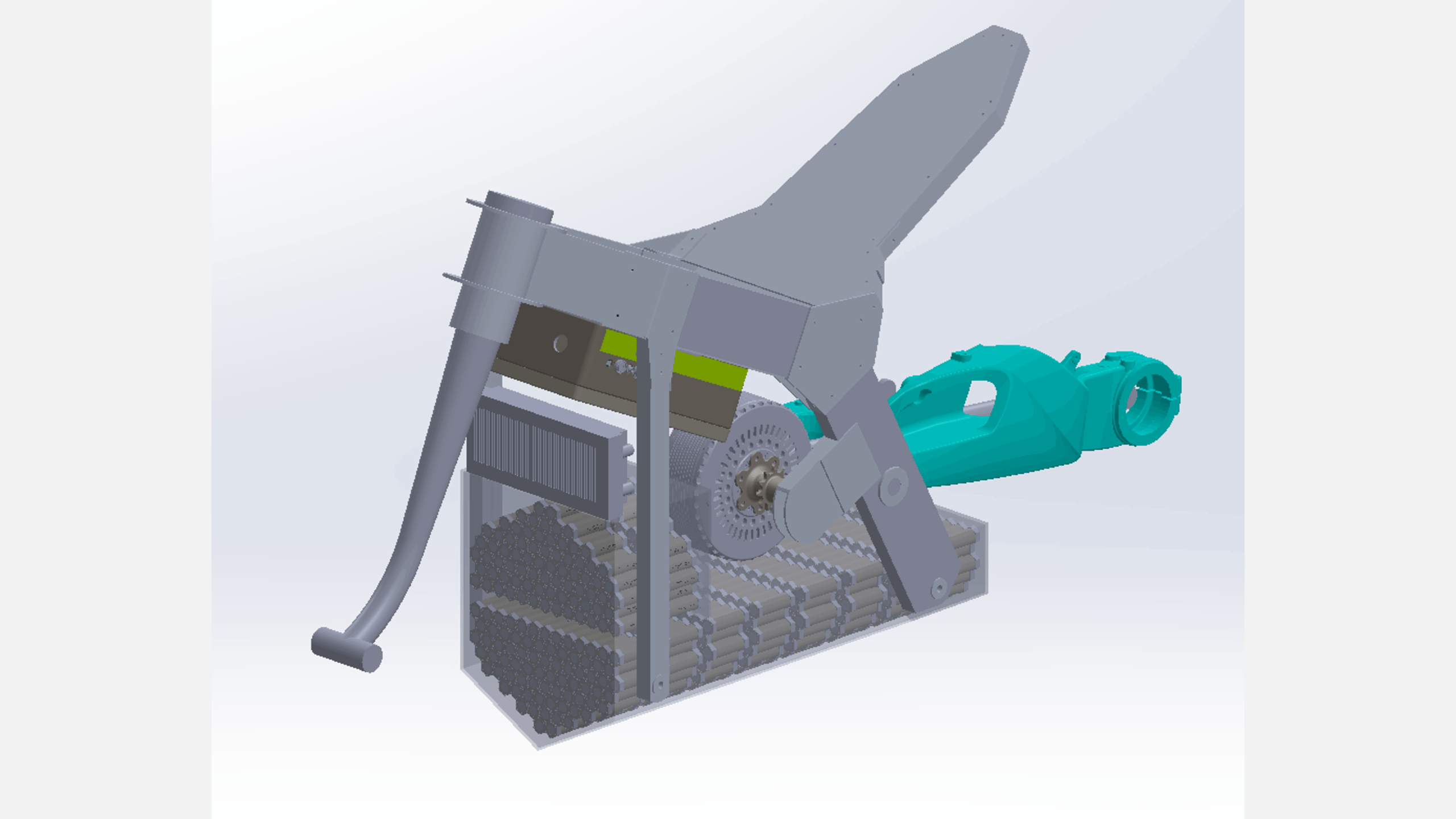
This project aims to overcome the structural and spatial constraints of traditional motorcycle frames by engineering a custom chassis and an aerodynamic fairing system specifically optimised for electric powertrain components.
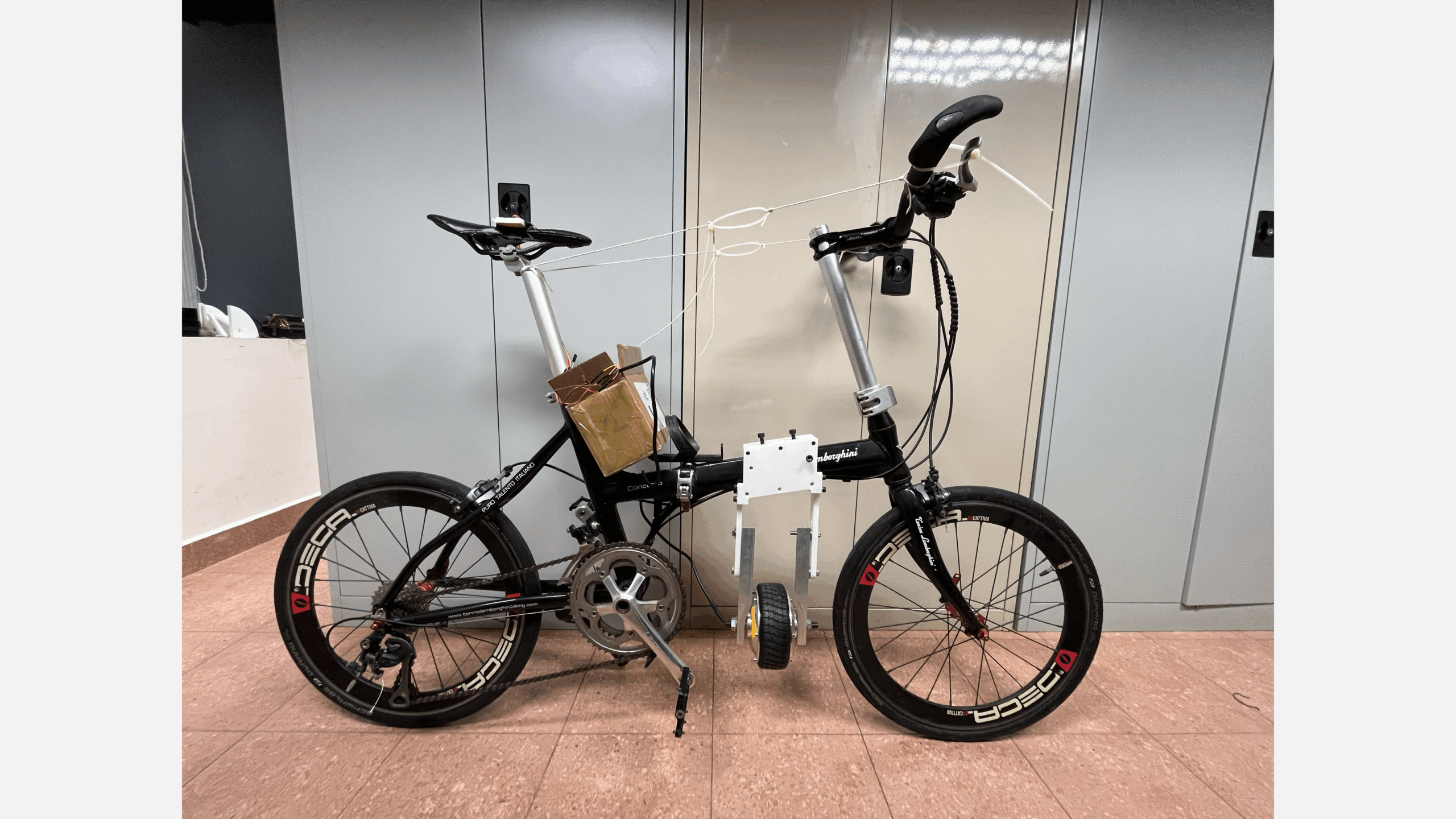
This project aims to minimise bicycle tilt to improve rider safety by implementing a flywheel mechanism on a full-scale bicycle to achieve self-balancing functionality when stationary and at low speeds.
Innovating for Healthcare and Wellbeing
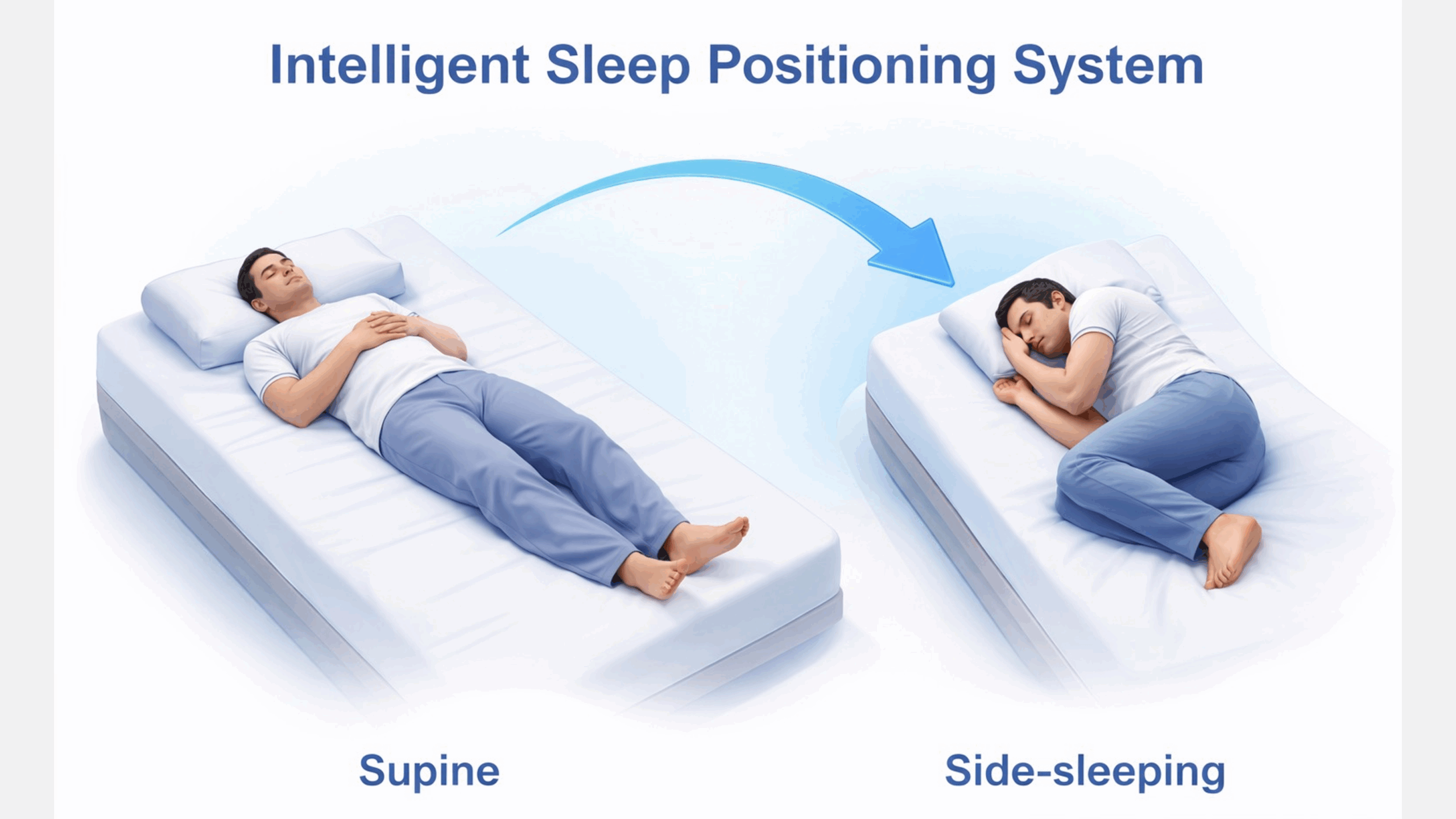
Bed-integrated positional therapy for positional sleep apnea
In this project, we designed a bed-integrated positional therapy system that detects sustained back-sleeping and gently biases users with positional obstructive sleep apnea back to side-sleeping with minimal disruption.
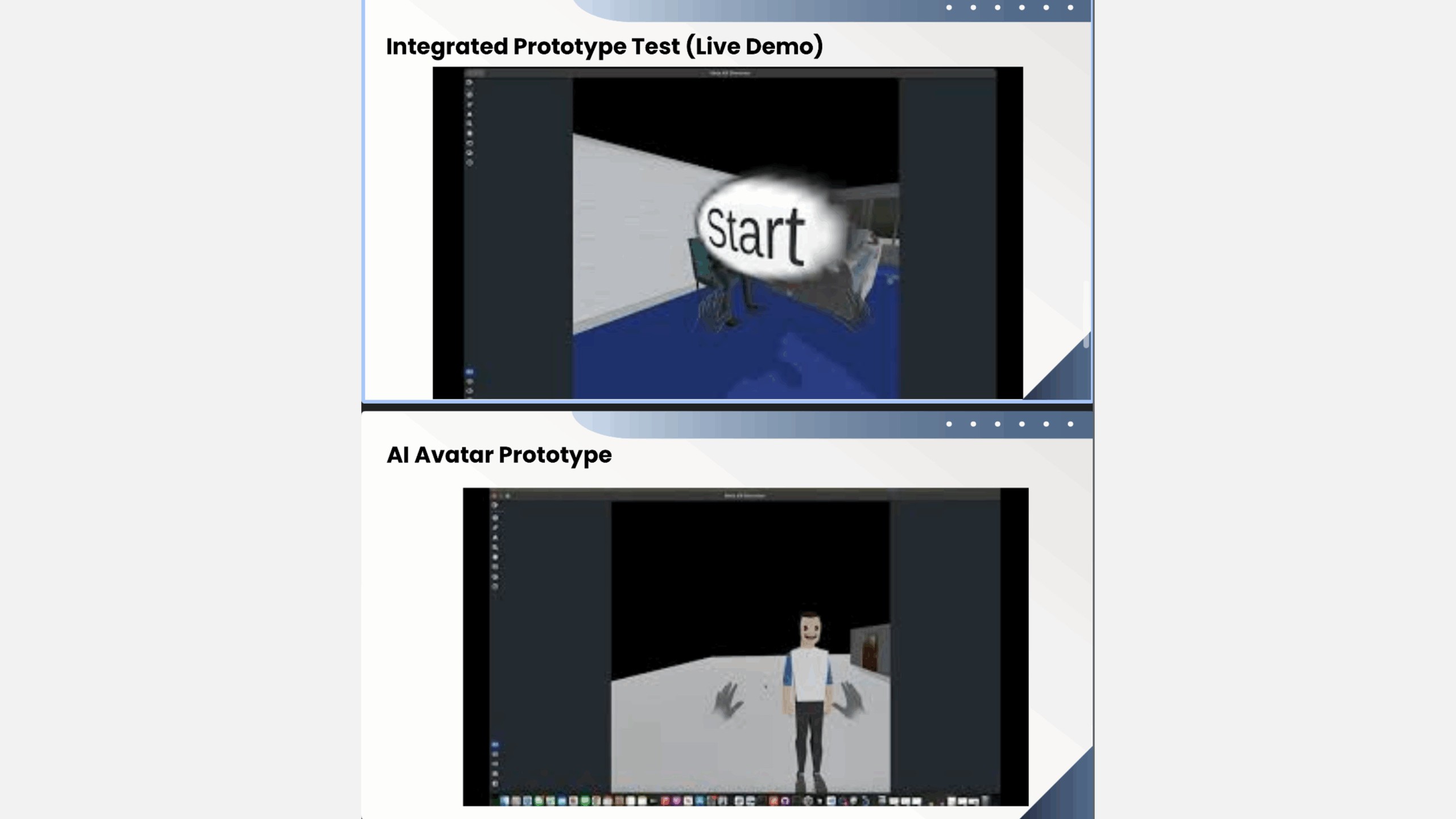
Enhancing postpartum haemorrhage training for medical students
This project aims to improve postpartum haemorrhage training by developing a virtual reality simulation that enhances clinical decision-making and communication skills among medical students.
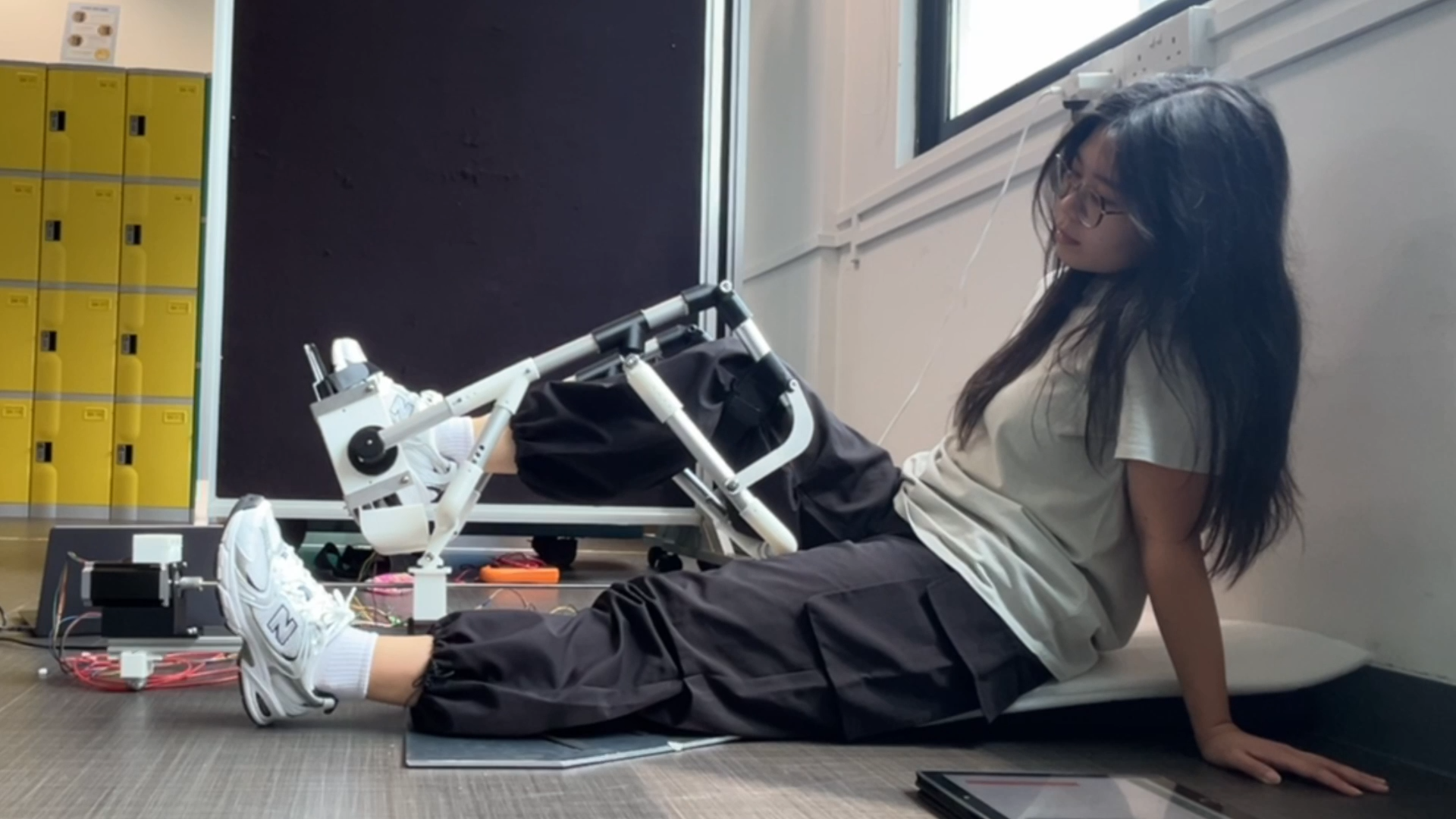
Kinetix
This project aims to support progressive lower-limb recovery, reduce physical labour for rehabilitation specialists, and motivate patients through interactive gamification through a portable, robotics-assisted, data-driven rehabilitation solution.
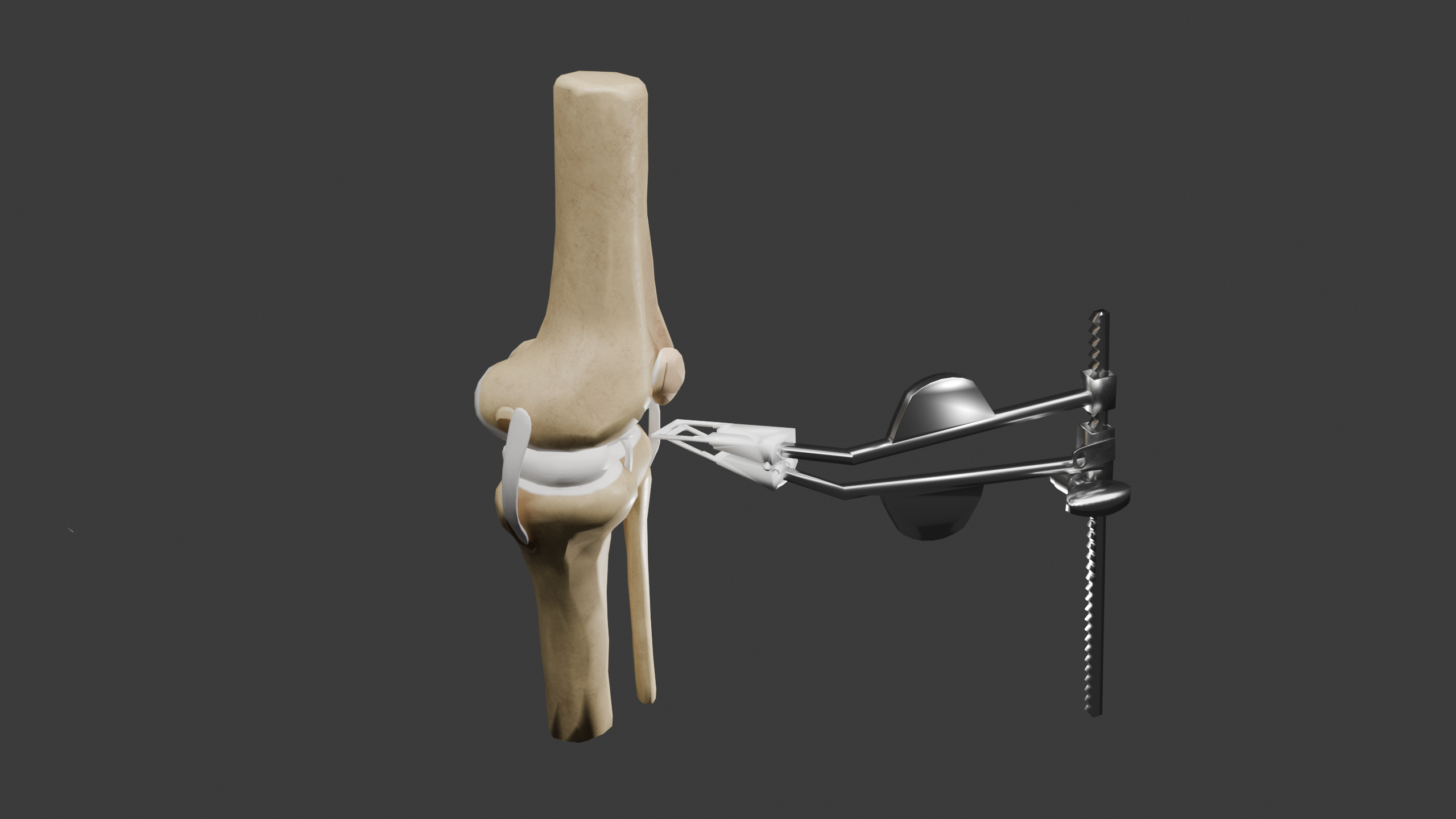
JointForce: restoring natural alignment in knee replacement
In this project, we designed an intraoperative knee tensioner that fits into the knee joint and delivers real-time force–displacement data to identify the ligament yield point for patient-specific soft-tissue balancing in total knee replacement.
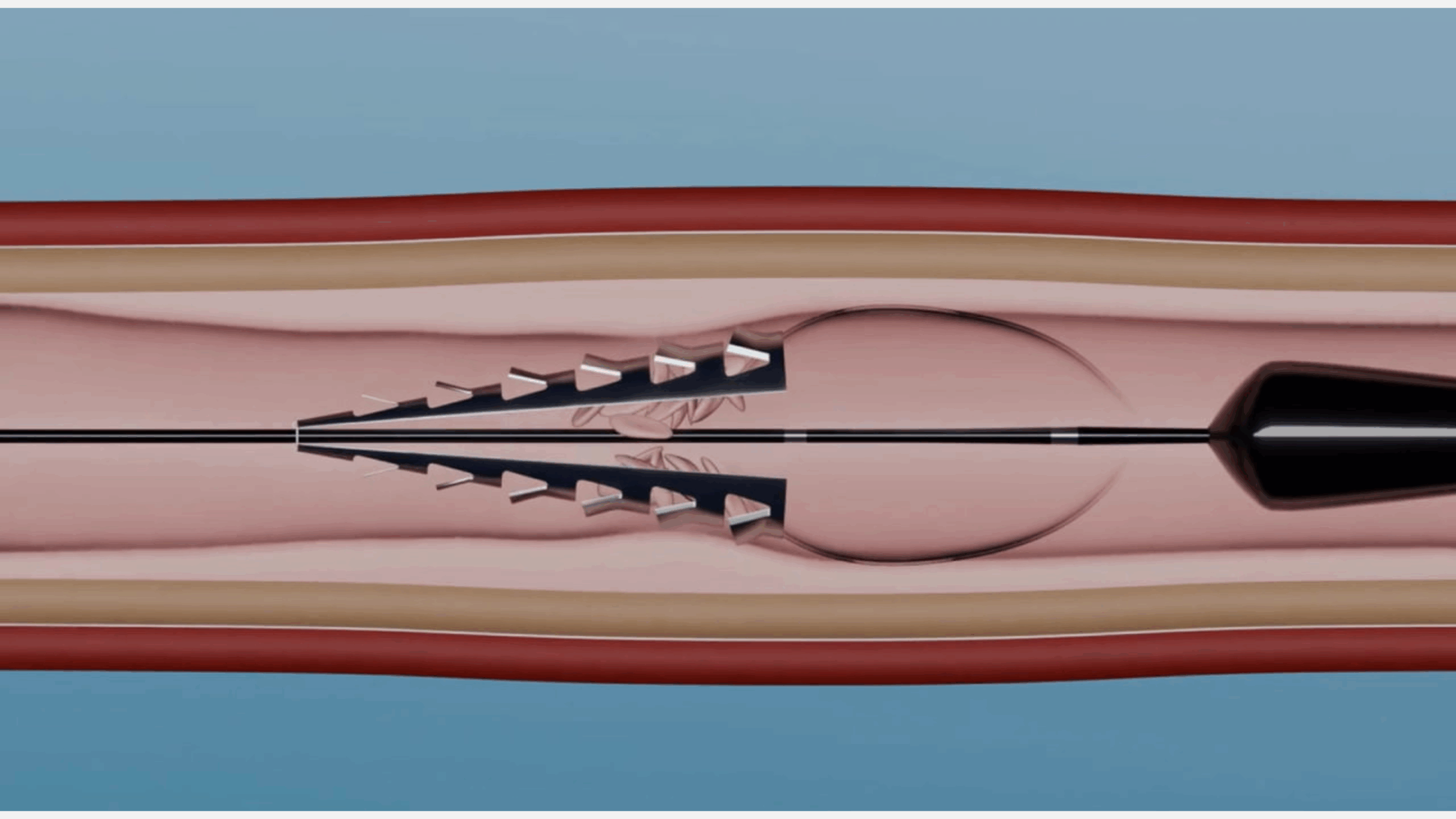
REFLOW by Vascura
This project aims to reduce repeat procedures in dialysis patients by developing a novel balloon-guarded conical shaver that directly removes the underlying chronic tissue buildup responsible for narrowing dialysis access blood vessels, thereby preserving vessel function and keeping them open for longer.
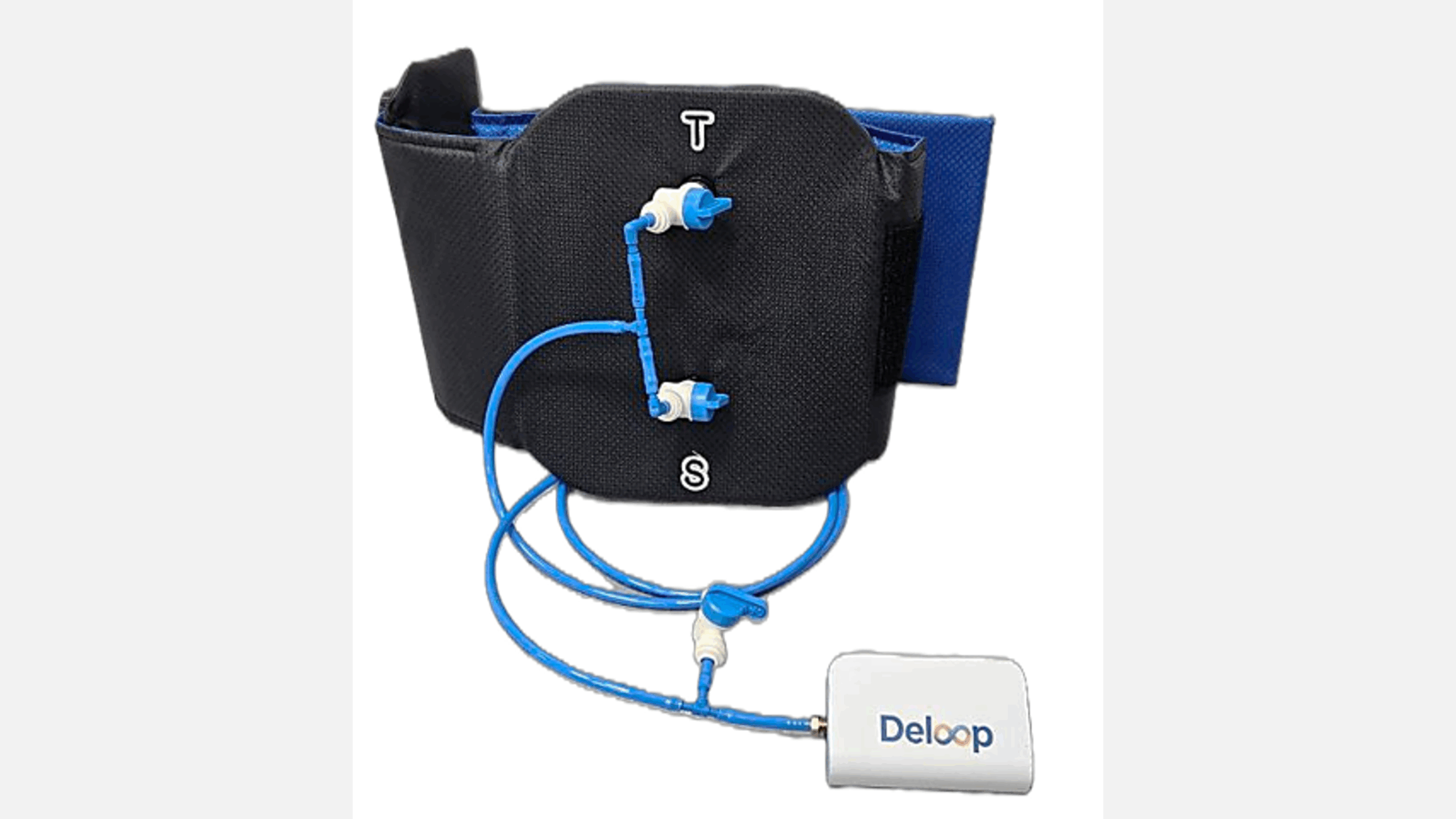
Team Colocorrect: Safer, faster, better colonoscopy
This project aims to prevent the formation of loops during colonoscopy by using an external abdominal compression system with an inflatable module to deliver consistent, titratable pressure to stabilise the mobile colon segments.
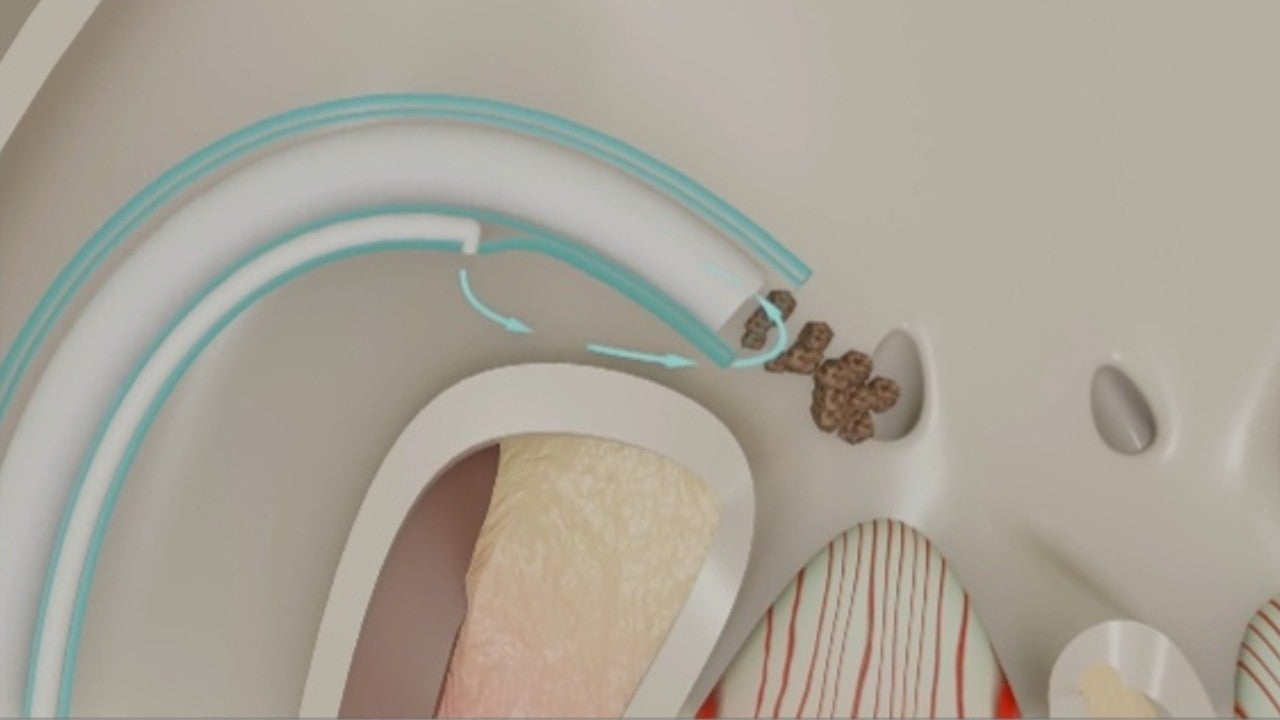
Team UroClear: leave no stone behind
In this project, we designed an innovation that is compatible with RIRS/FANS which can increase surgery efficiency of stone retrieval, achieving stone-free rates of more than 90% while keeping operational time within 90 minutes and costs low.
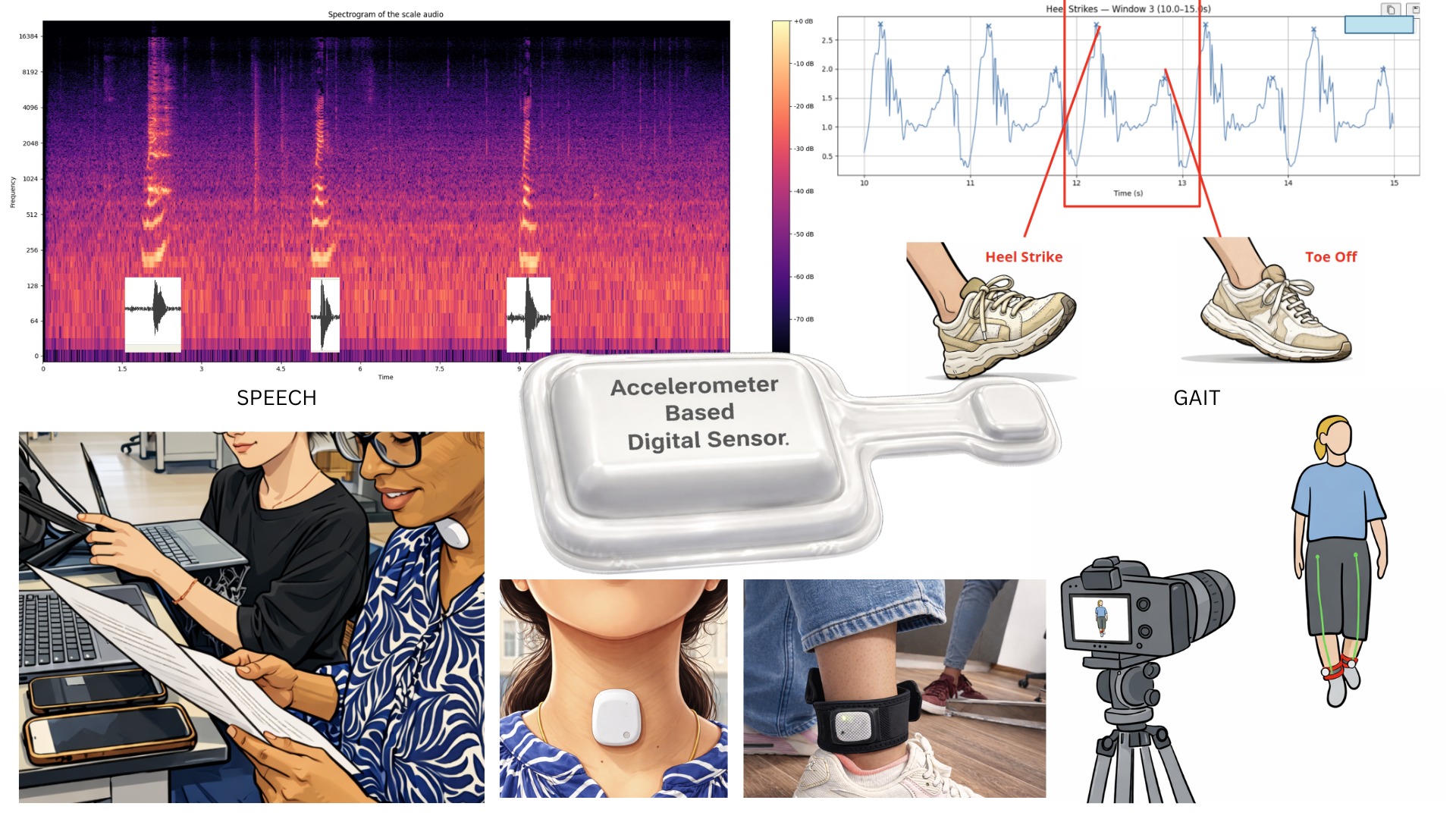
Wearable sensors for mild cognitive impairment
This project aims to detect early signs associated with Mild Cognitive Impairment (MCI) by using an accelerometer based wearable sensor to capture gait and speech vibration patterns.
Innovating for Immersive Experiences
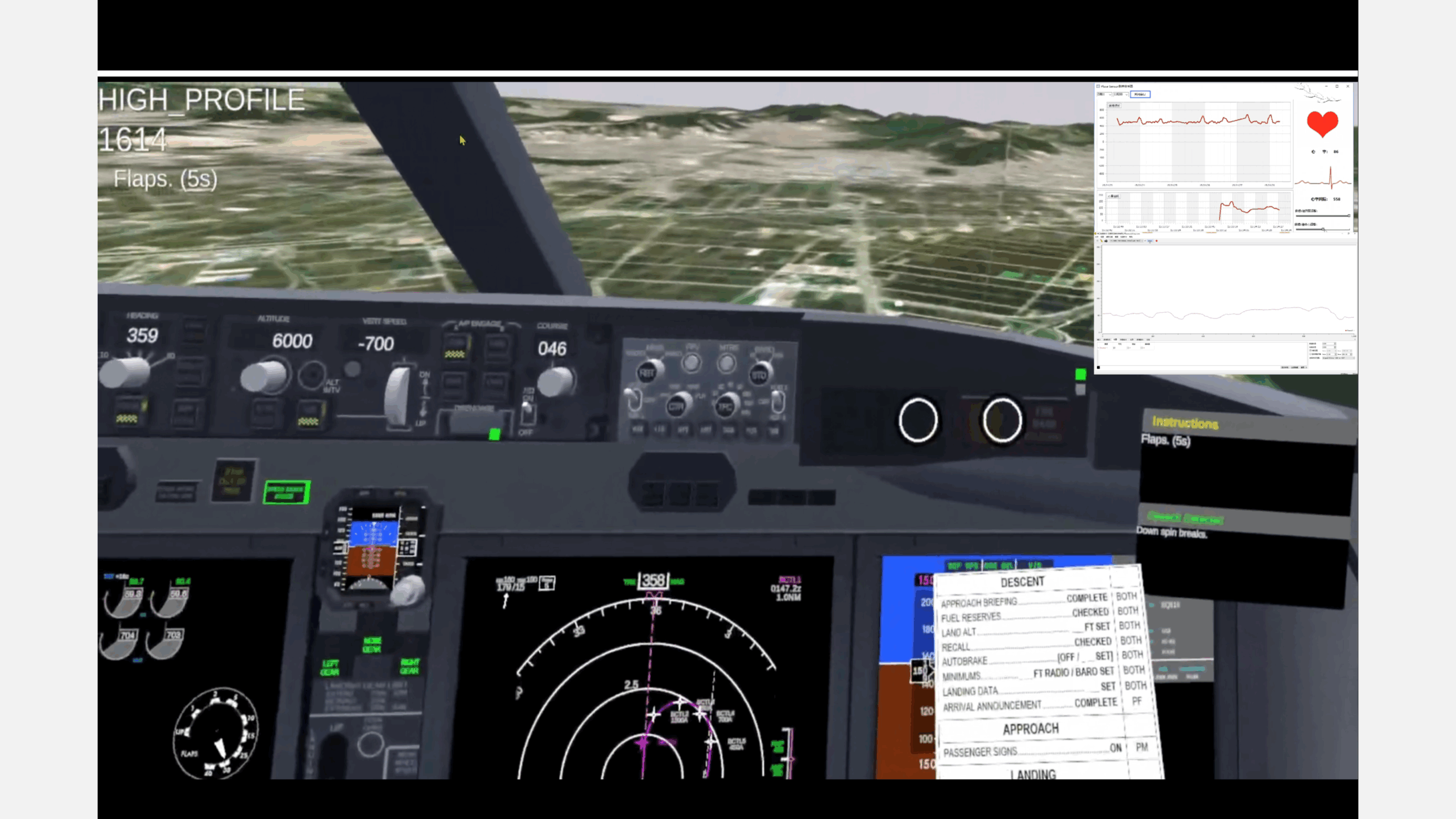
In this project, we designed a VR-based flight simulator integrated with automated multimodal data collection — including fine-tuned speech recognition, eye-gaze tracking, and physiological sensors — to enable scalable, data-driven pilot monitoring training and post-session performance analysis.
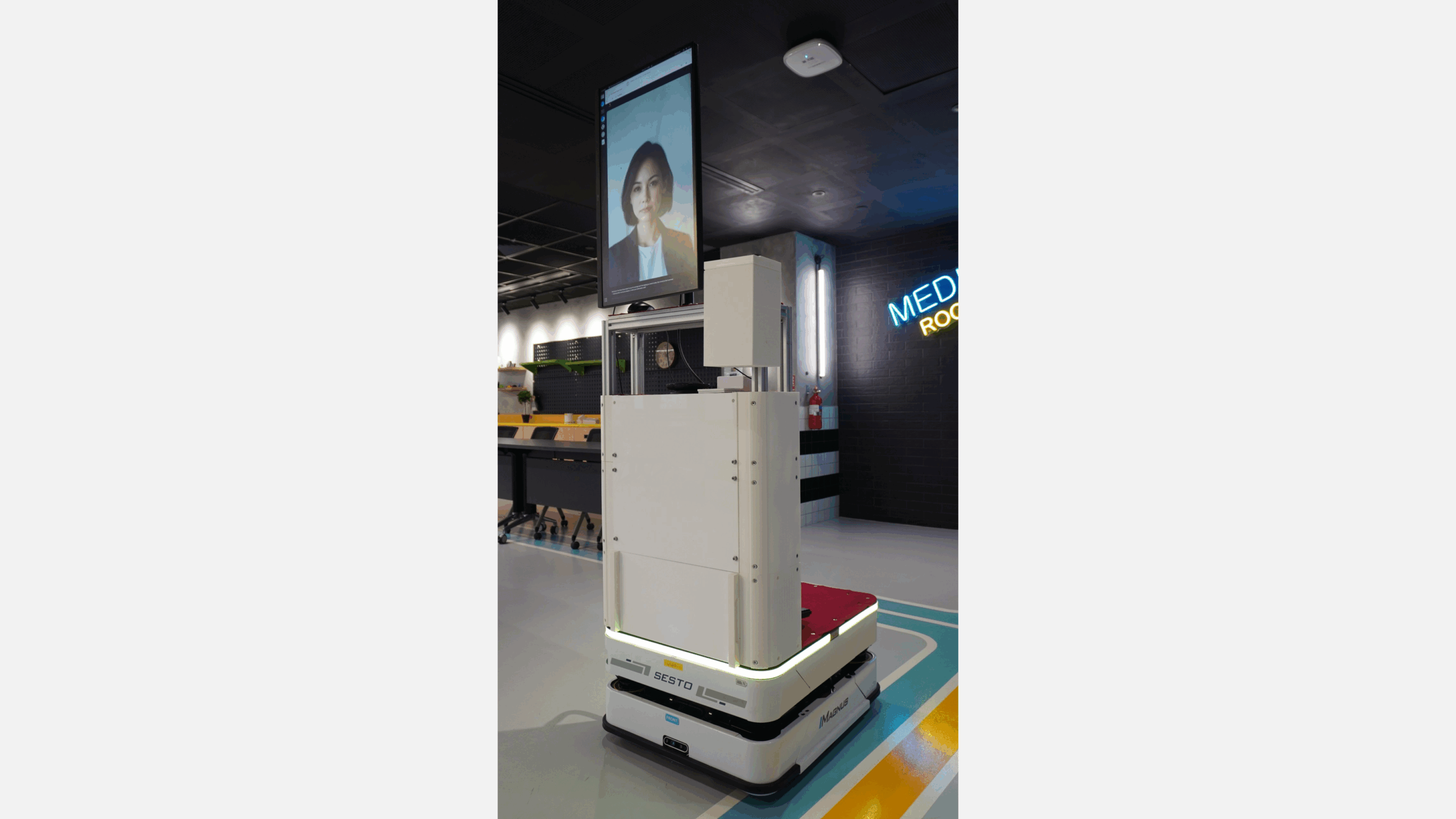
In this project, we are redesigning the luxury hotel check-in experience by integrating AI, automation, and personalised service design to deliver a seamless, high-touch, and labour-efficient arrival journey for premium guests.
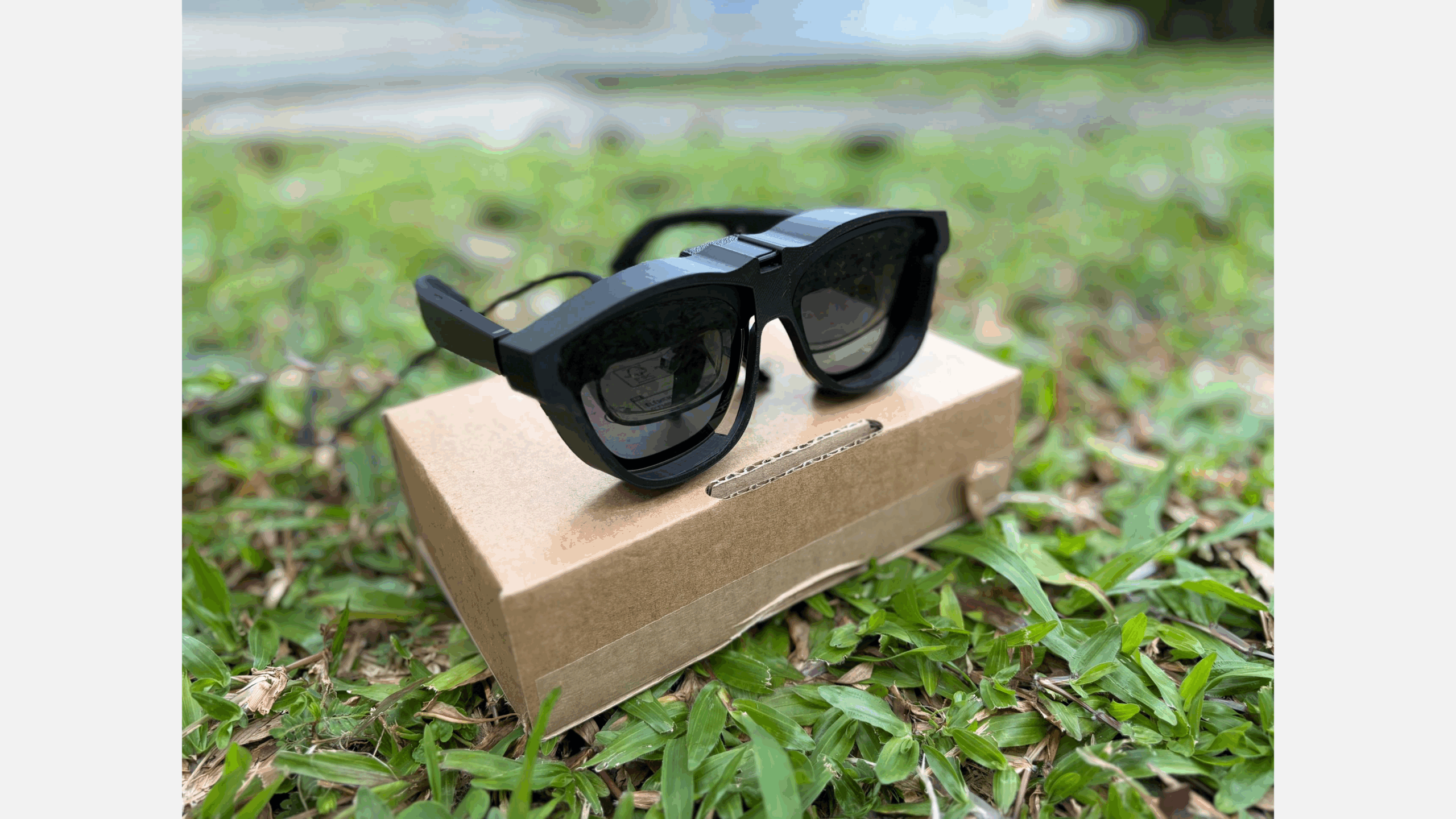
In this project, we designed an Augmented Reality (AR) heads-up display (HUD) integrated with an AI caddie that provides an edge to golfers by allowing them to see what the elite golfers experience, with real-time, environment-adjusted playing yardage calculator and live focus feedback.
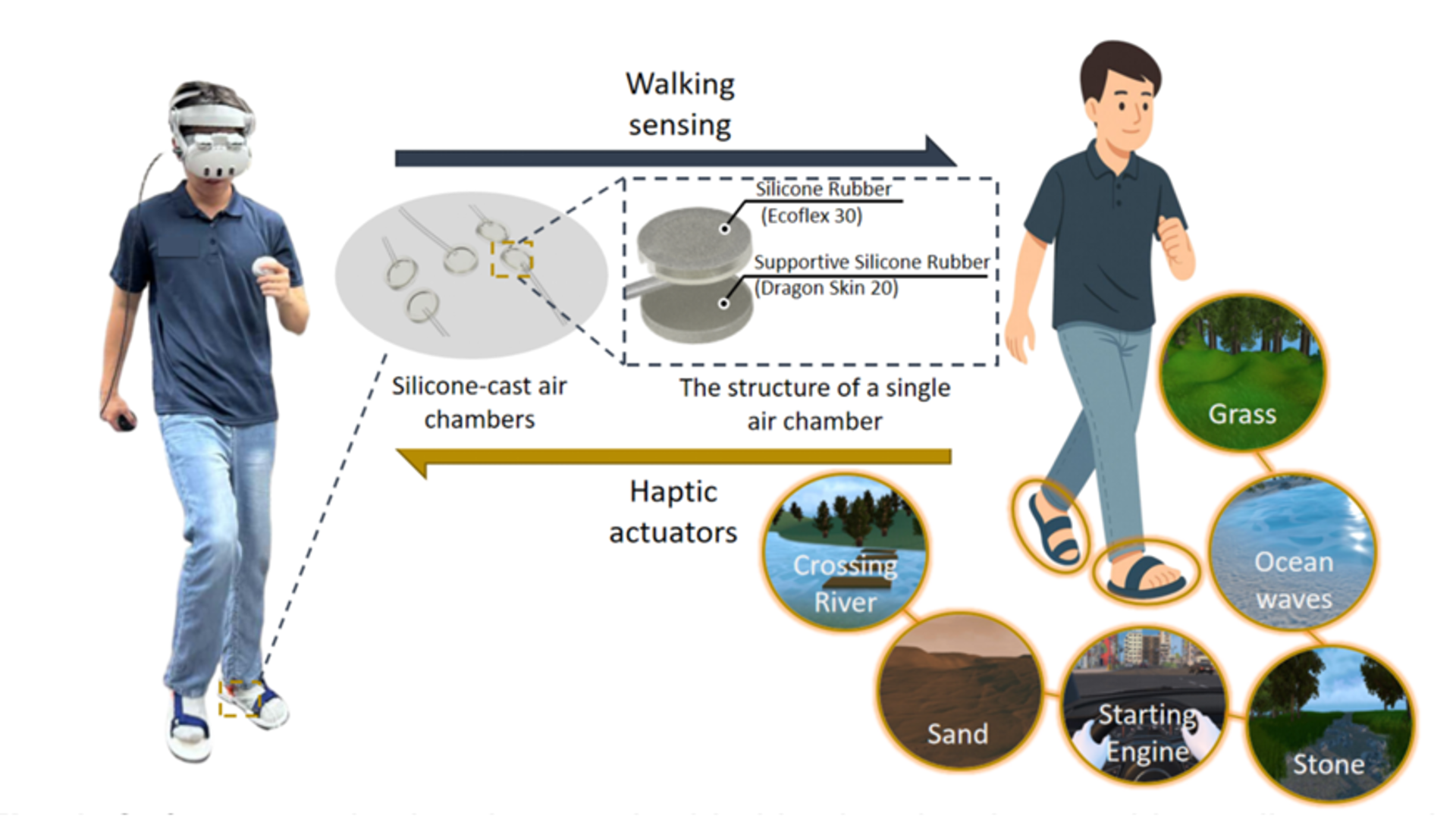
In this project, we designed a soft, wearable haptic shoe that uses pneumatic actuation to simulate realistic terrain sensations and ground interactions for immersive virtual and augmented reality experiences.
Innovations in Robotics and Automation
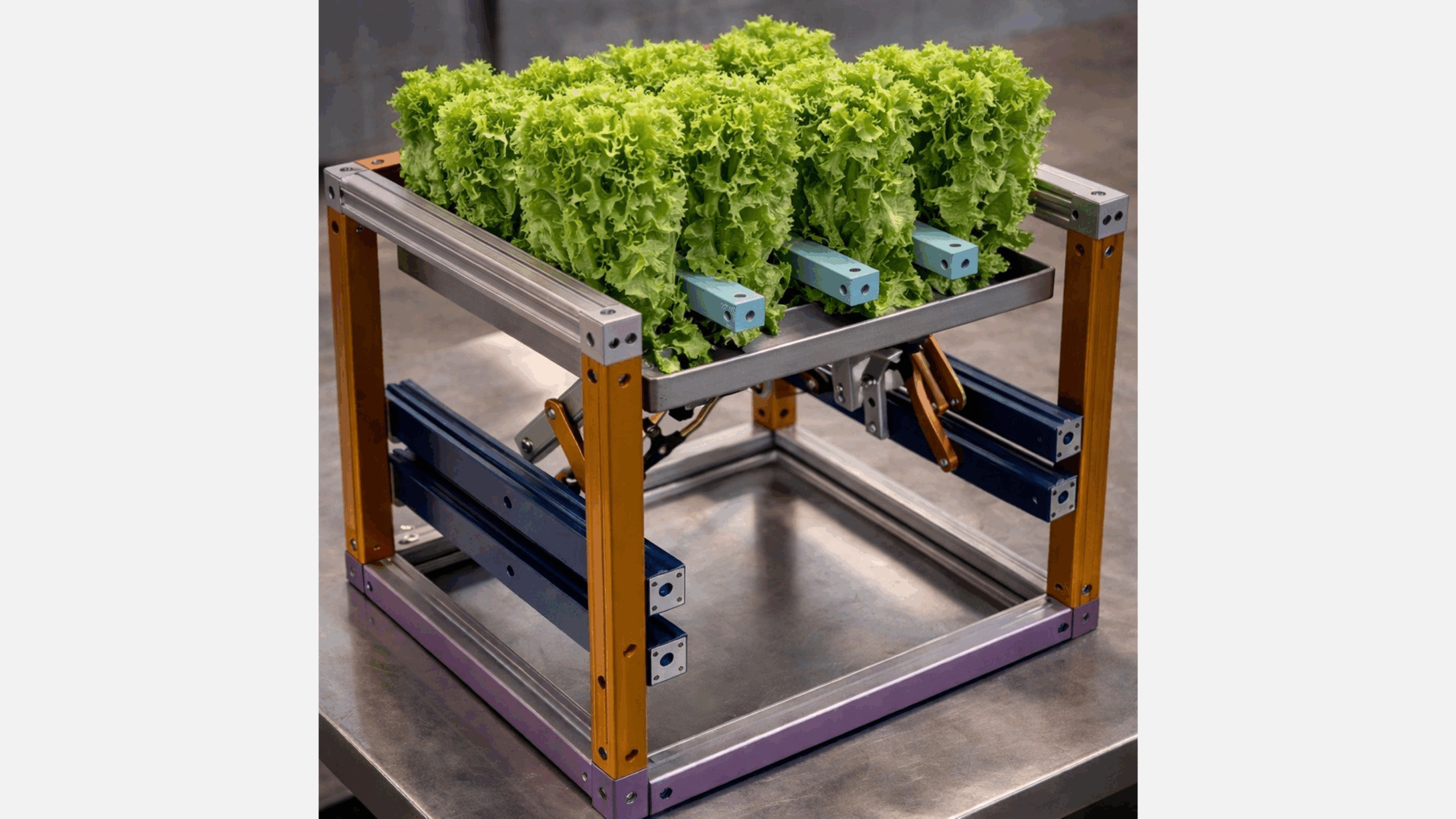
This project designs a simple, modular, and energy-efficient harvesting system for indoor hydroponic lettuce farms in Singapore, extending recent large-scale automation efforts such as Greenphyto, where harvesting remains semi-automated, to reduce labour intensity and crop damage while moving vertical farms closer to fully integrated end-to-end automation without altering existing infrastructure.
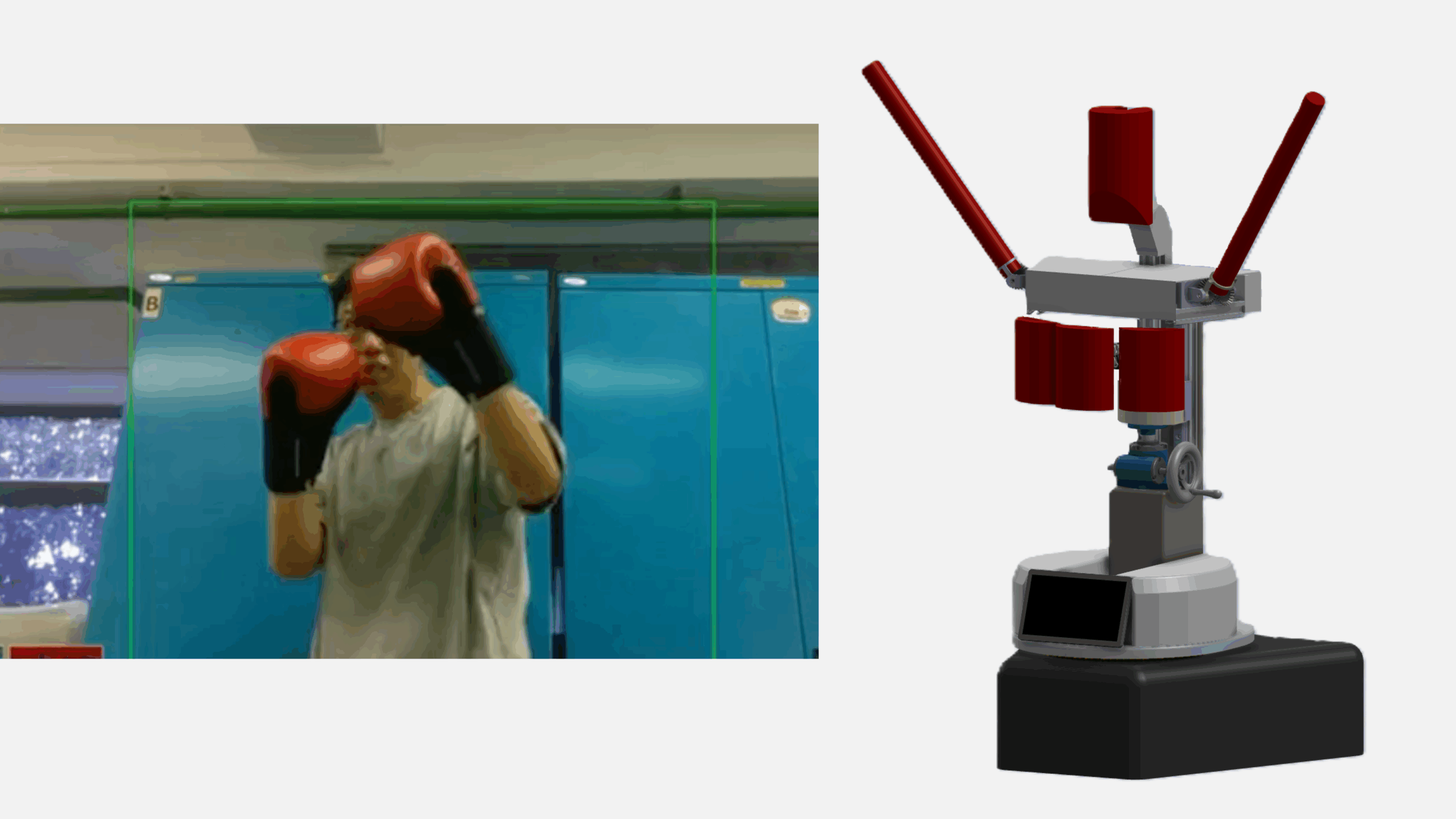
This project aims to make boxing training more accessible and engaging by designing an intelligent robotic training partner that adapts to each user's individual tendencies and provides structured, data-driven feedback across a range of training modes.
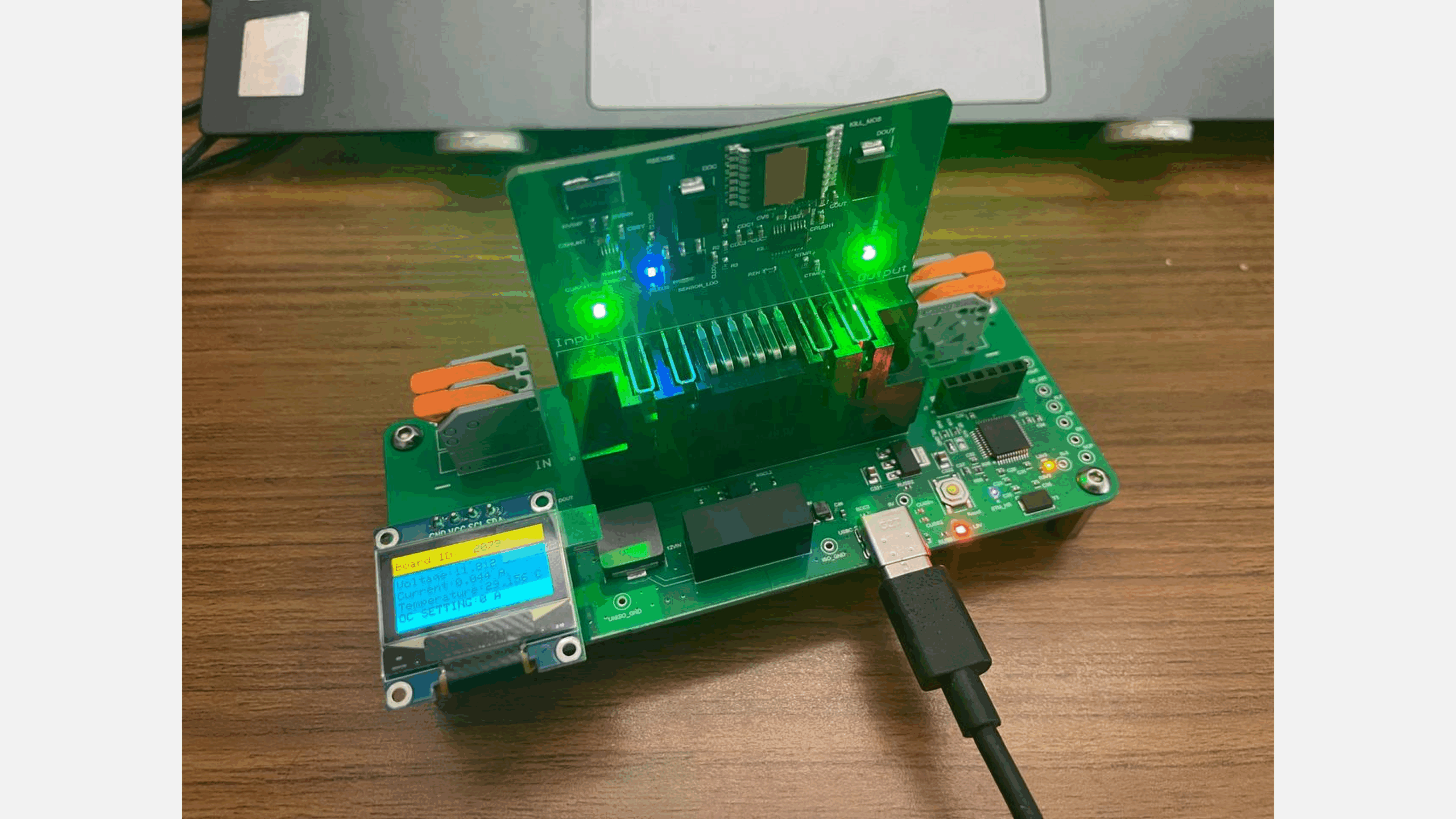
This project aims to reduce the size and increase the reliability of the current PLC-based power distribution system in industrial unmanned surface vessel, by utilising PCB design technologies and power monitoring solutions.
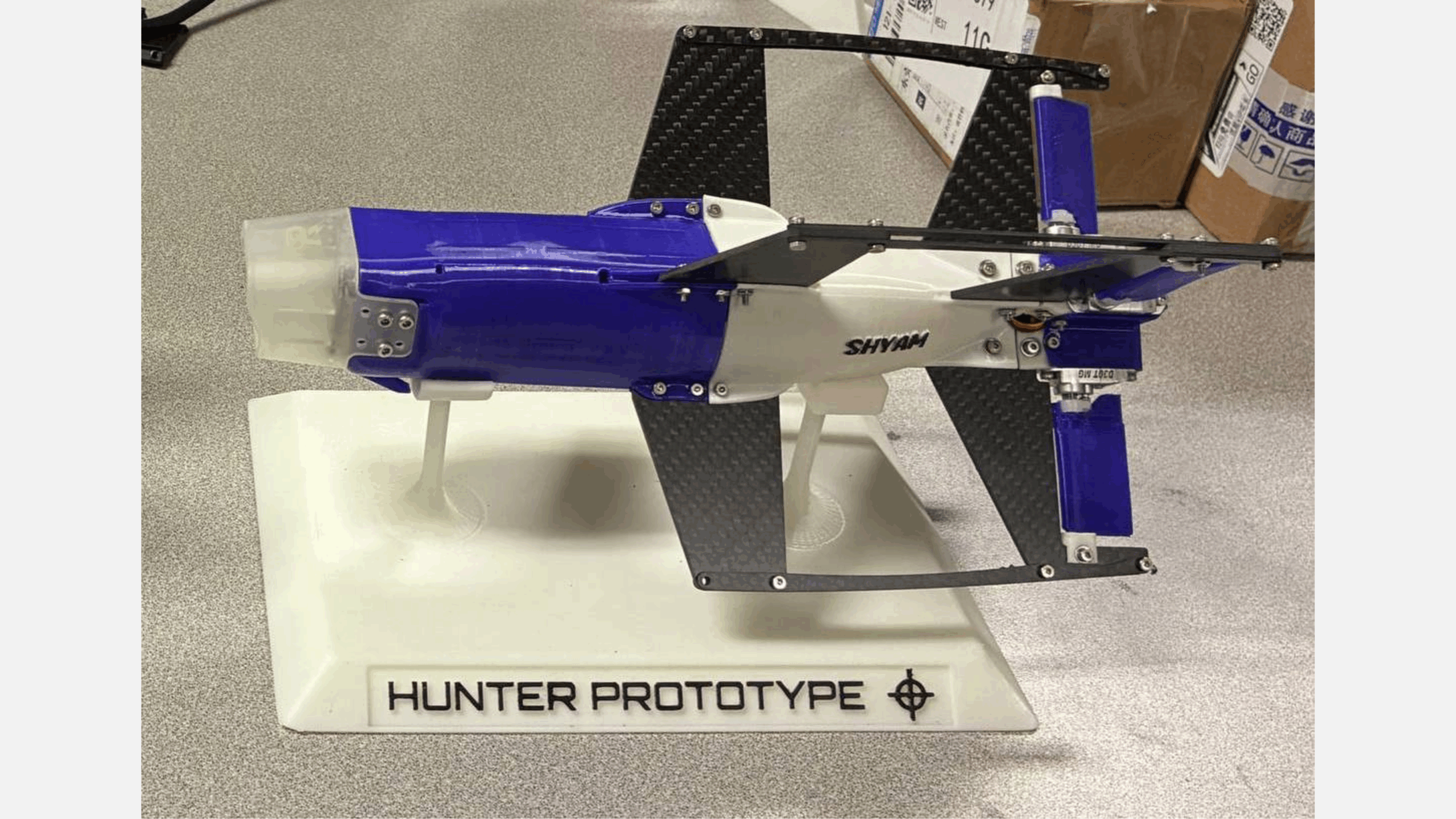
In this project, we designed an autonomous, self-reloading robot that launches target seeking projectiles designed for high velocity flight and extreme accuracy.
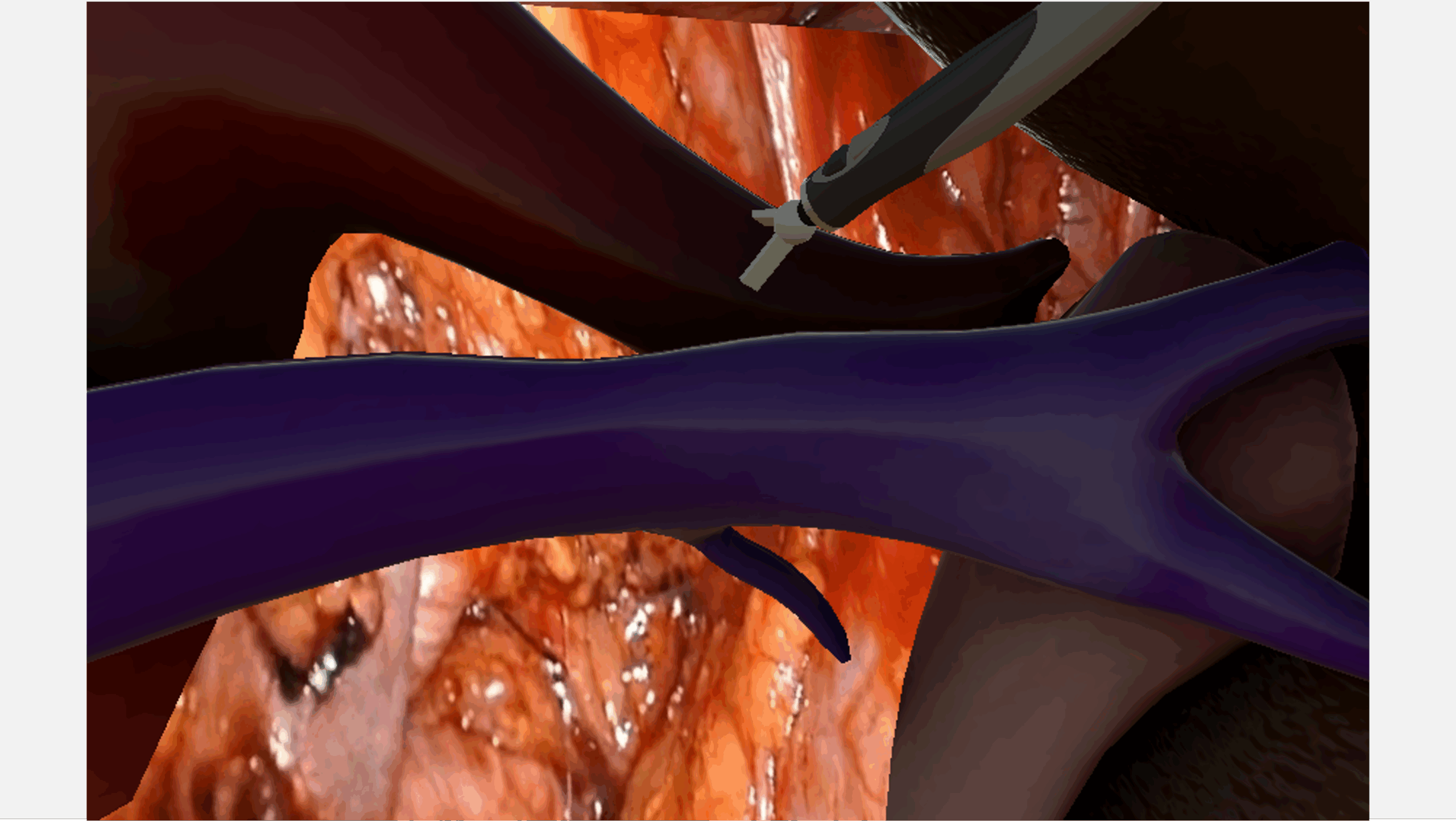
Haptic synchronisation for robotic teleoperation
In this project, we are creating a collaborative haptic teaching system that enables expert surgeons to actively guide novice hand movements to transfer cognitive and motor skills, bridging observation with real surgery.
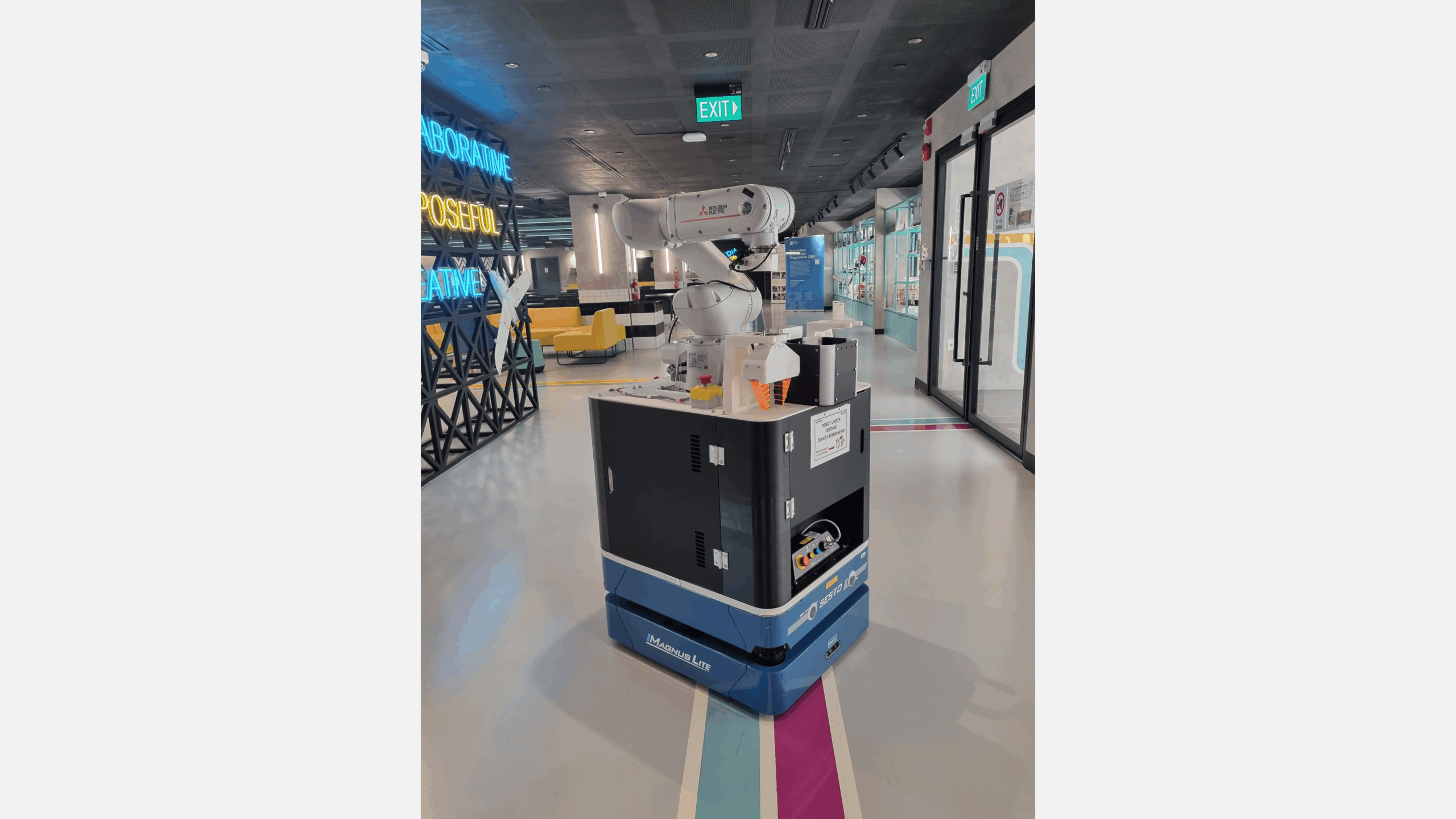
In this project, we designed an Industrial Mobile Manipulator robot to perform automated pick-and-place operations and deliveries within a workshop environment.
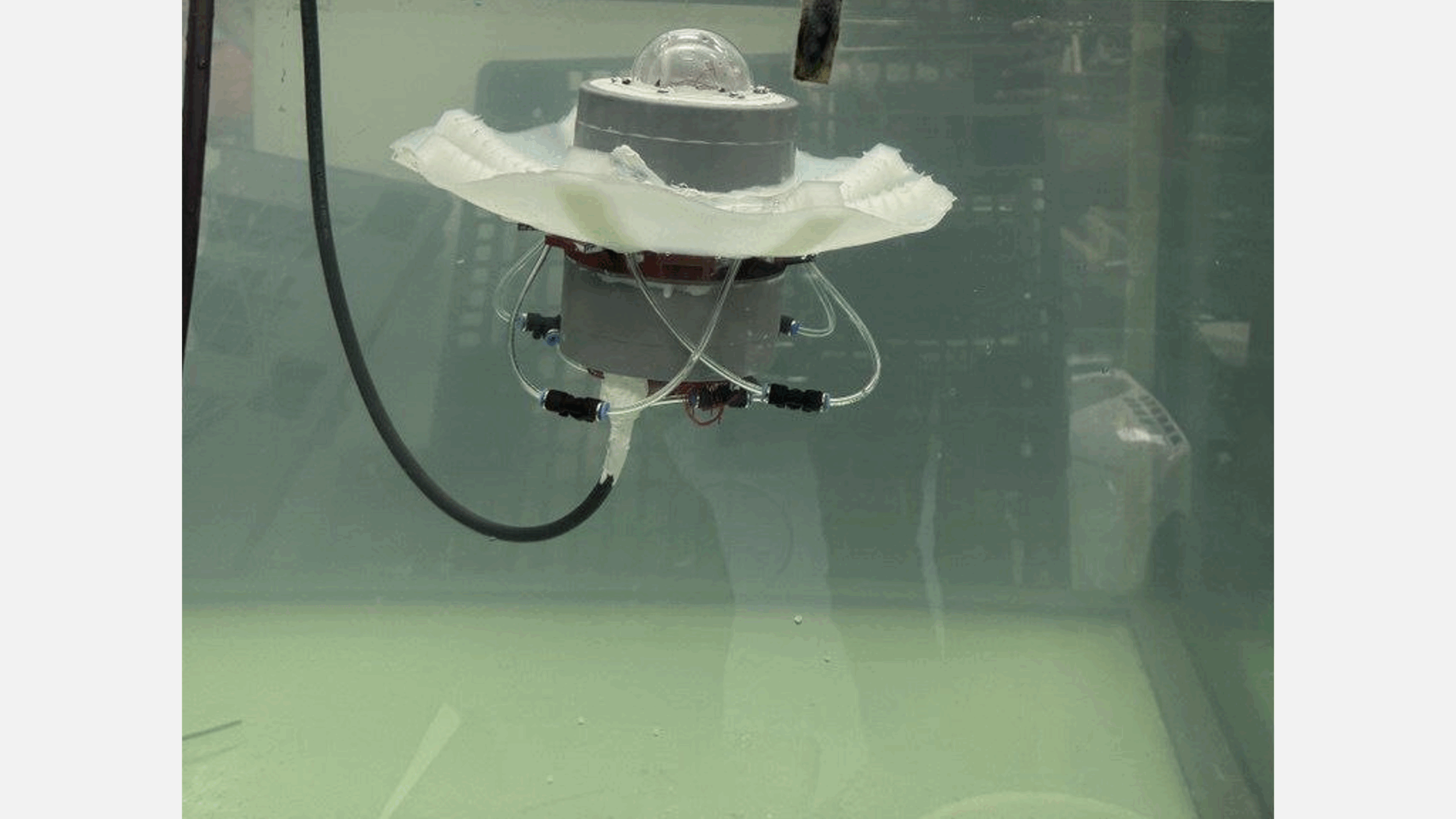
JellyBot is a low-cost, jellyfish-inspired underwater robot that enables quiet, energy-efficient, and non-invasive marine ecosystem monitoring through biomimetic propulsion.
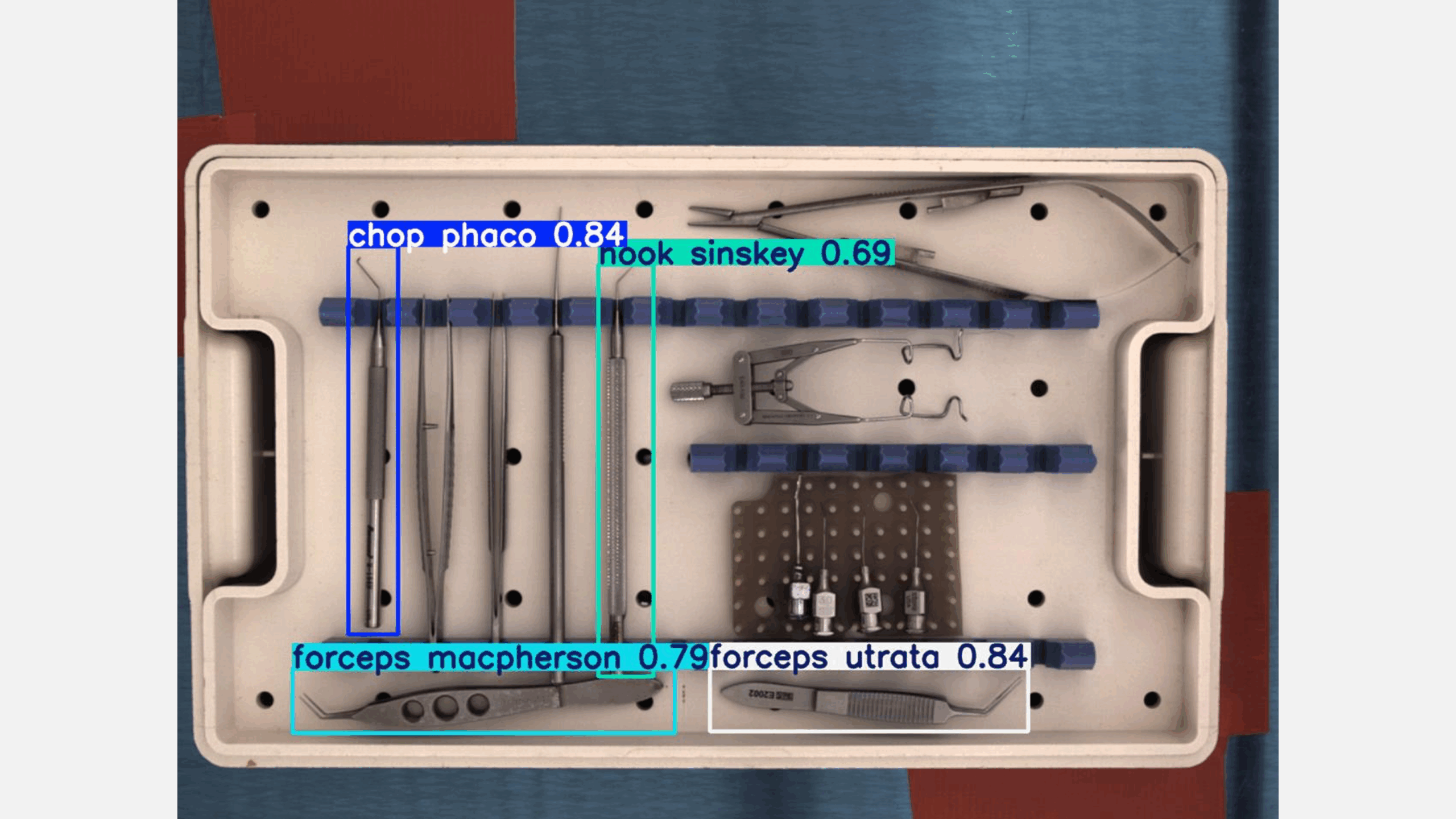
MEDetect: automated inspection of surgical tools
This project aims to reduce and eliminate the subjectivity and variability inherent in manual visual inspection of ophthalmic surgical tool tips before and after cataract procedures, which may lead to overlooked defects or the unnecessary disposal of functional instruments.
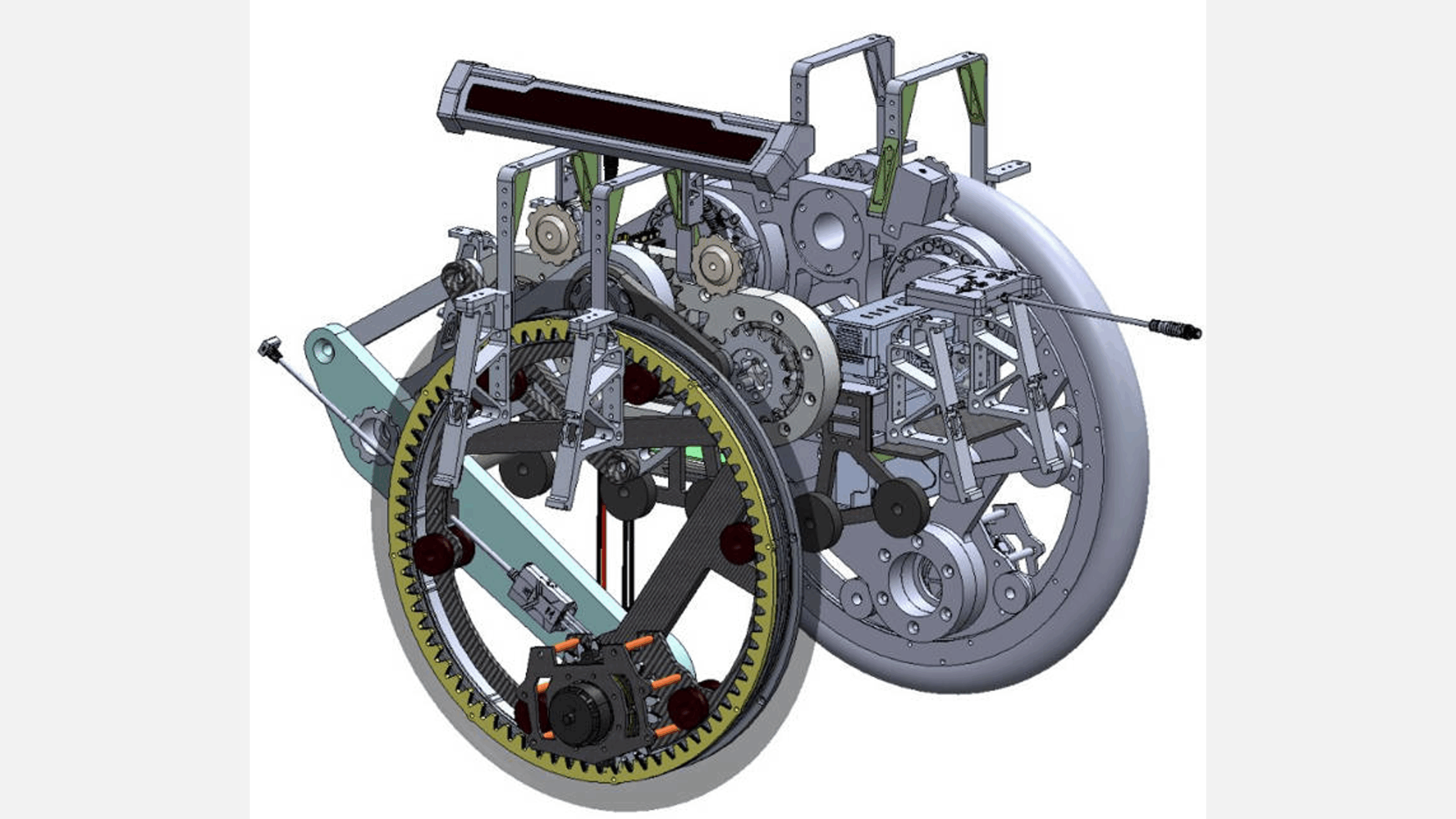
This project encompasses the full development cycle of a RoboMaster combat robot, including mechanical design, prototyping, structural validation, fabrication, electrical and firmware integration, and ultimately kinematic and dynamic motion control.
Innovations in Smart Solutions and Sustainability
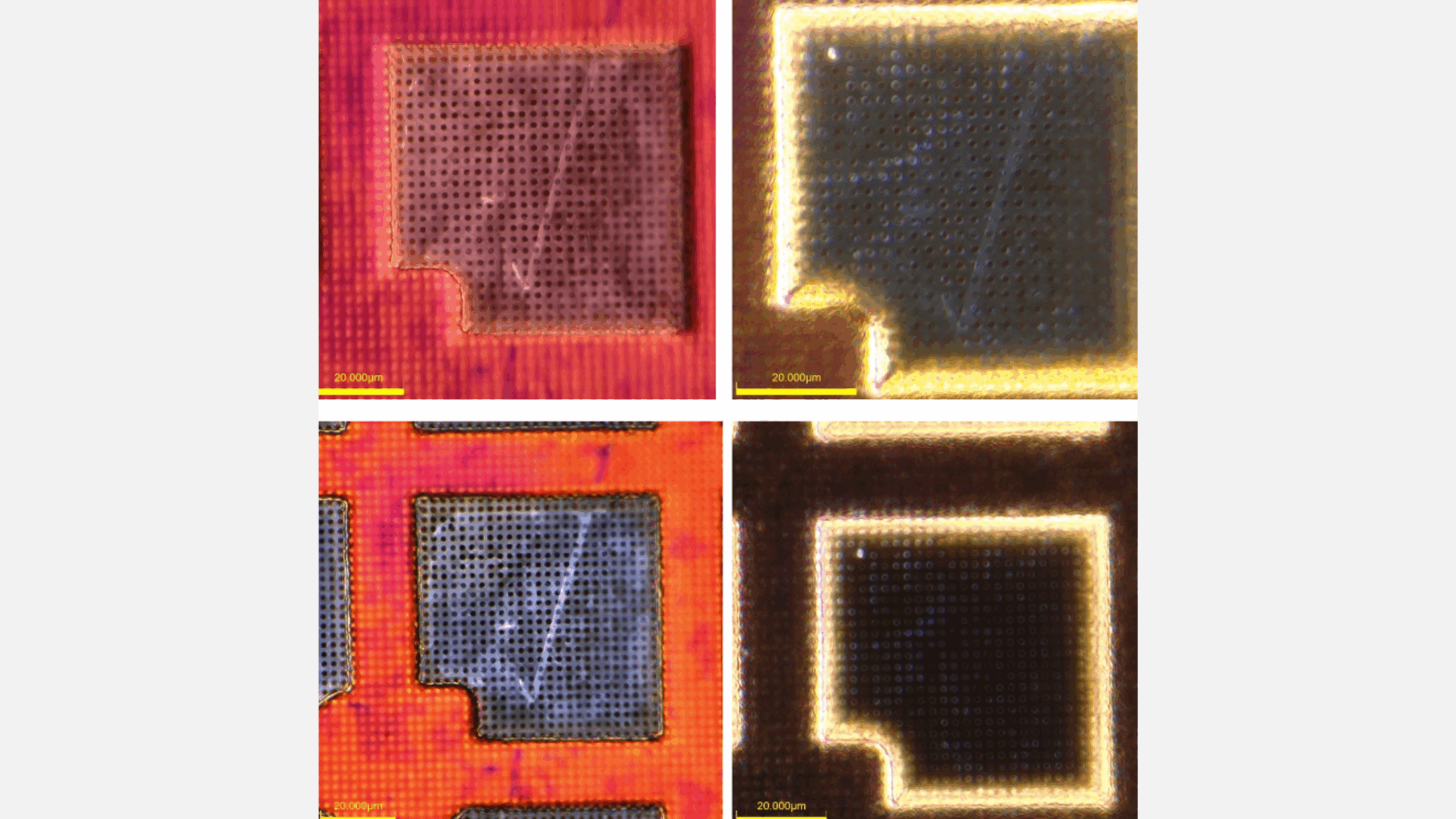
Correlative AFM-TEM imaging of suspended 2D materials on commercial TEM grids
This project addresses the challenge of correlating AFM and TEM measurements on the same two-dimensional material flake by developing a low-profile holder that stabilises commercially available TEM grids for AFM imaging.
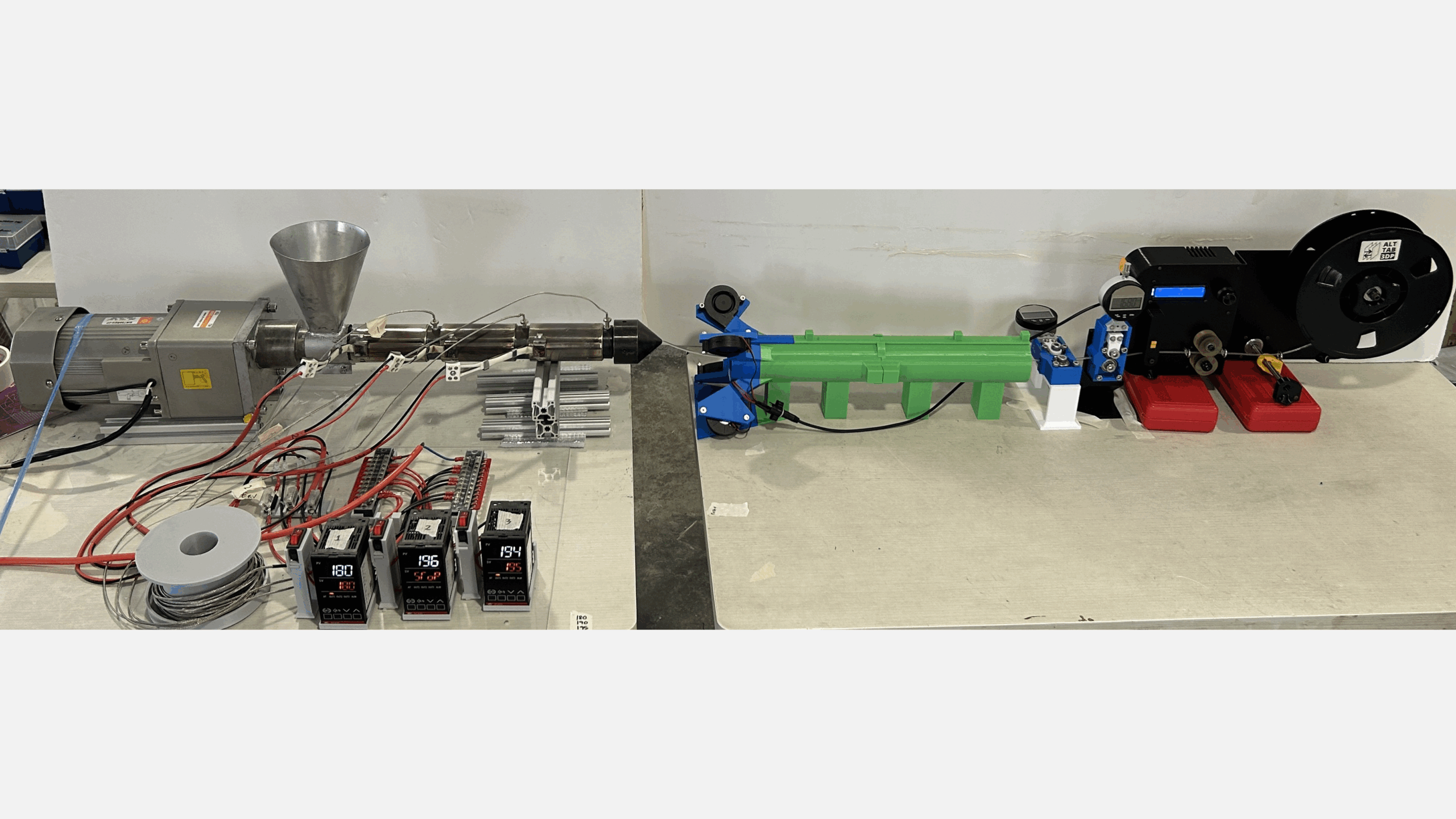
From waste to worth: this project aims to recycle NUS polypropylene lab waste into high-value 3D printing filament.
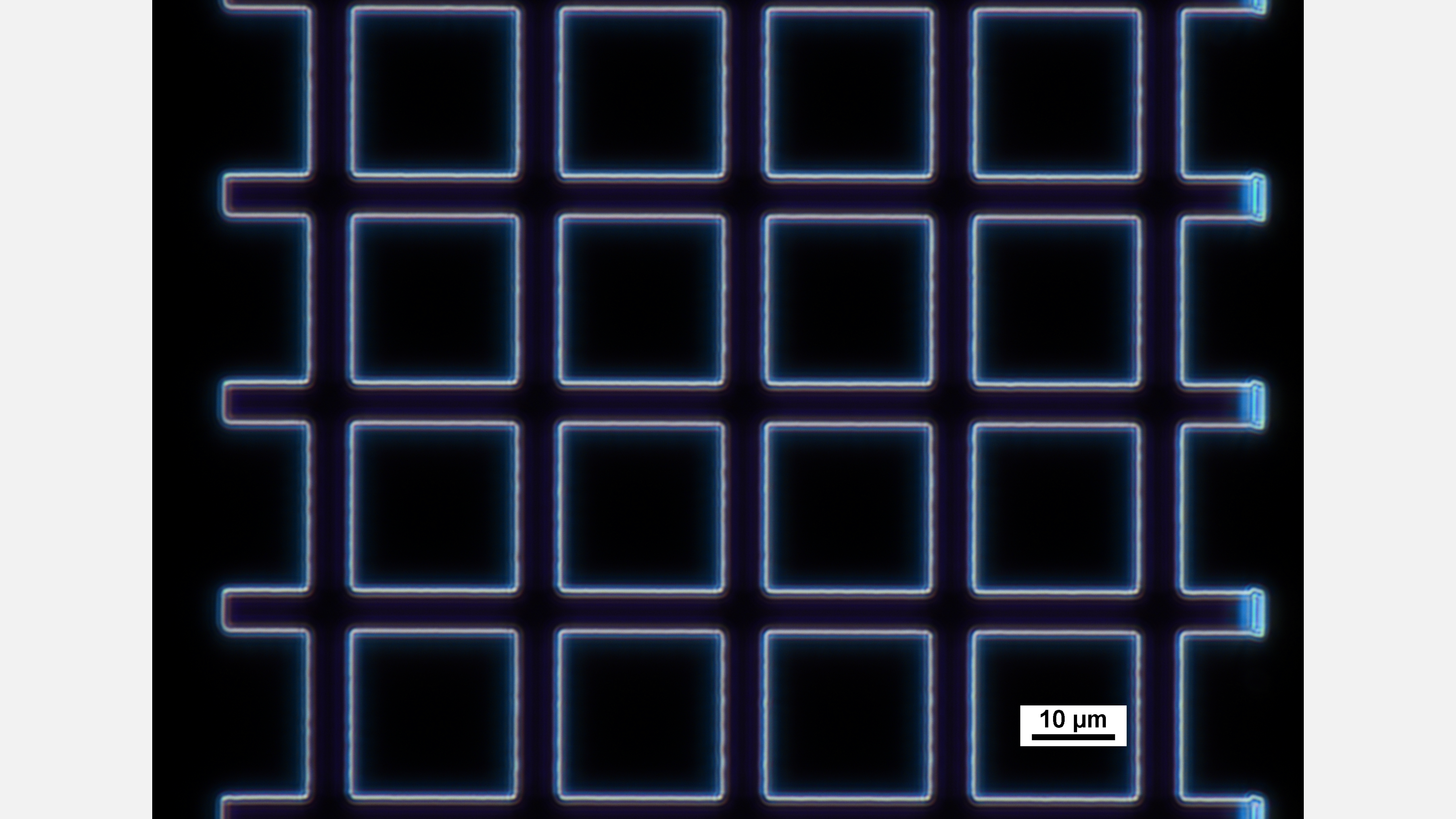
This project aims to improve the feature definition of grid resolution standards beyond current commercial offerings by using proton beam lithography and nano-imprinting.
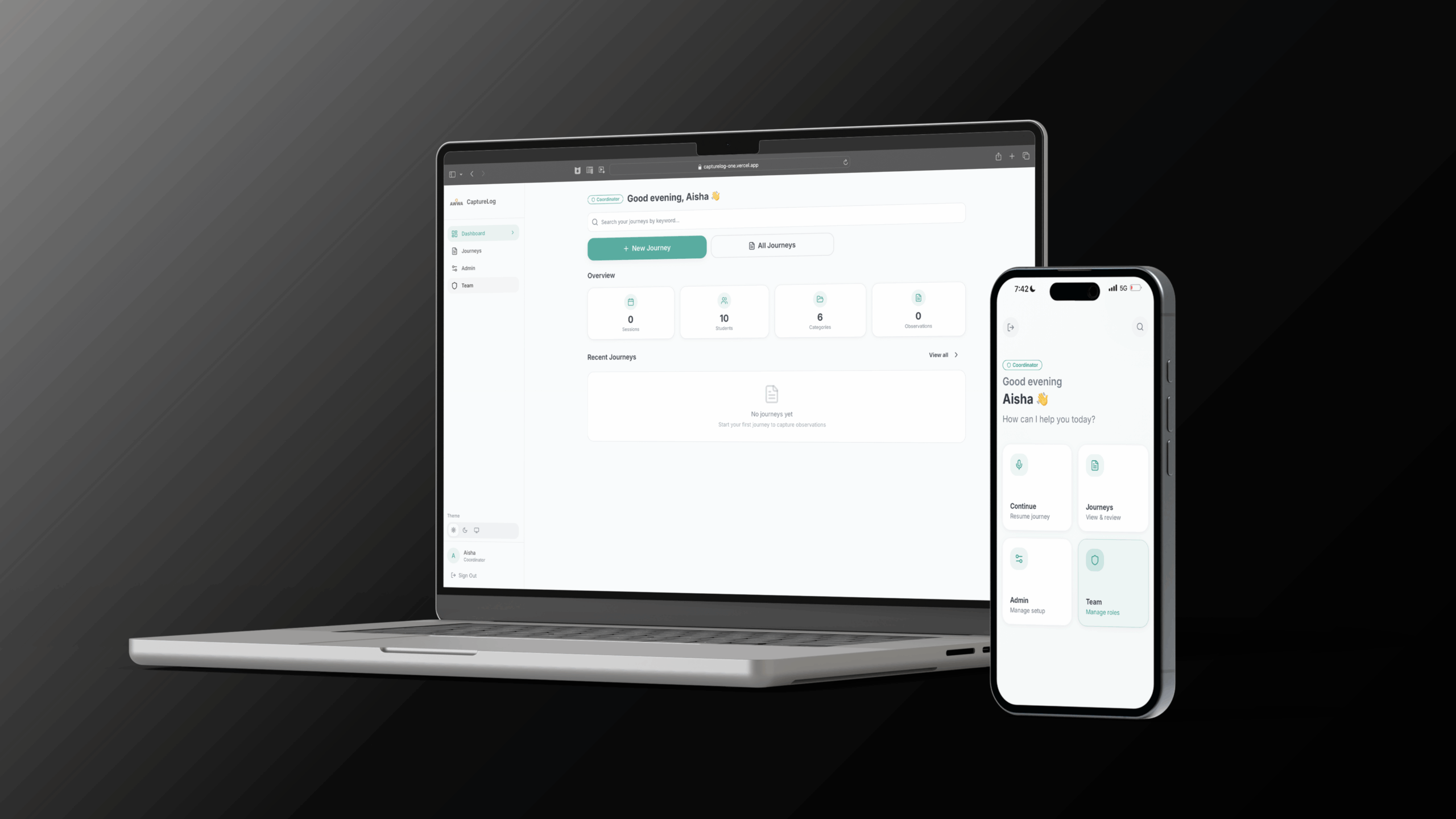
FieldNote for AWWA School
In this project, we designed a web application that helps AWWA teachers record, organise, and monitor student progress for review and reporting.
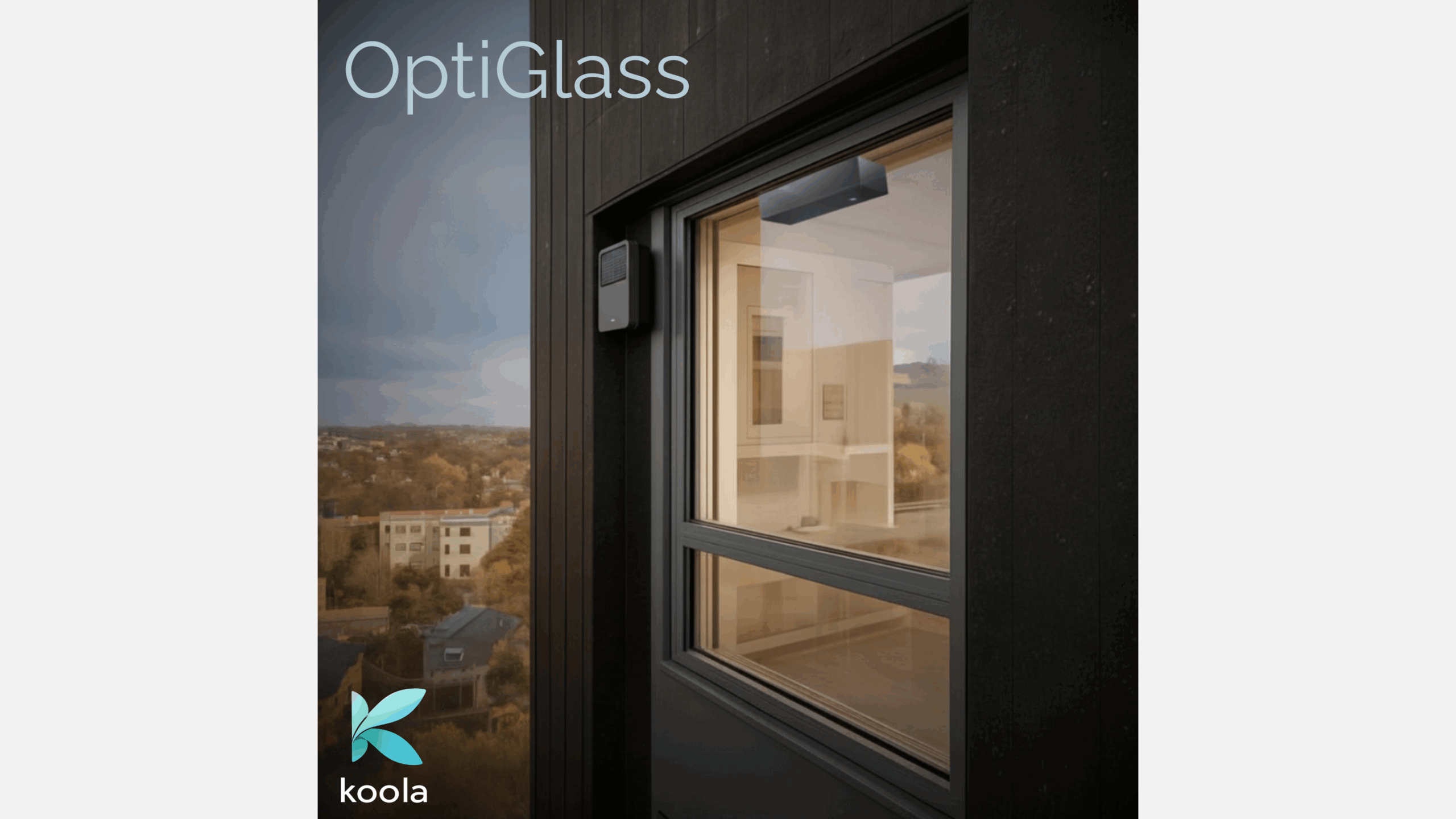
Koola: smart autonomous windows
Koola transforms the traditional window into a smart, autonomous system that adapts to its environment, enhancing comfort for sustainability, while removing daily stress and mental load from homeowners.

LAC-I
AI-powered conversational life cycle assessment (LCA).
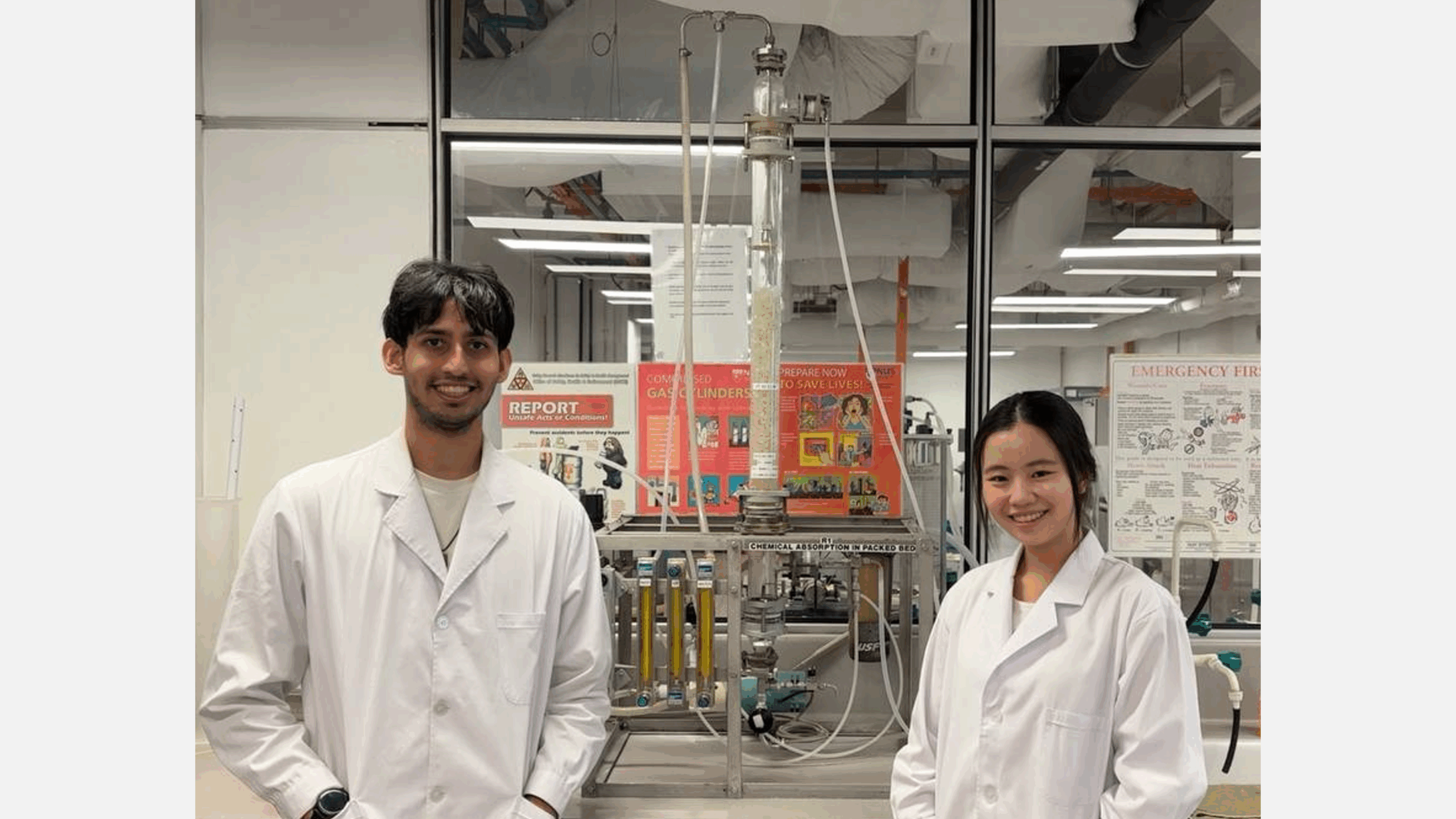
This project aims to tackle predictions in dynamic chemical engineering systems by developing a physics informed machine learning model to predict more accurately.
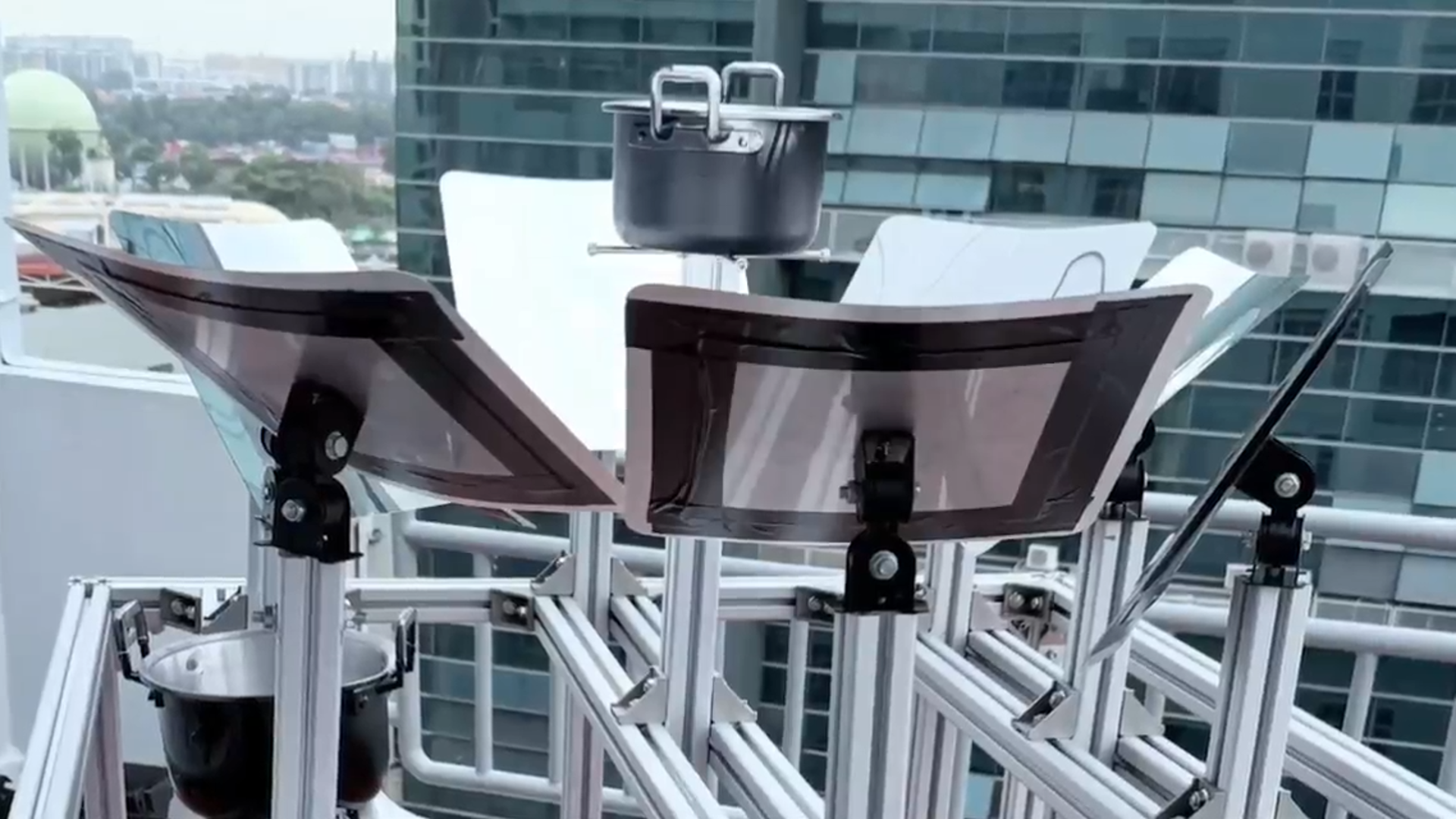
In this project, we designed a scalable Concentrated Solar Power (CSP) rig to reduce building electricity consumption by harnessing solar energy to generate hot water.
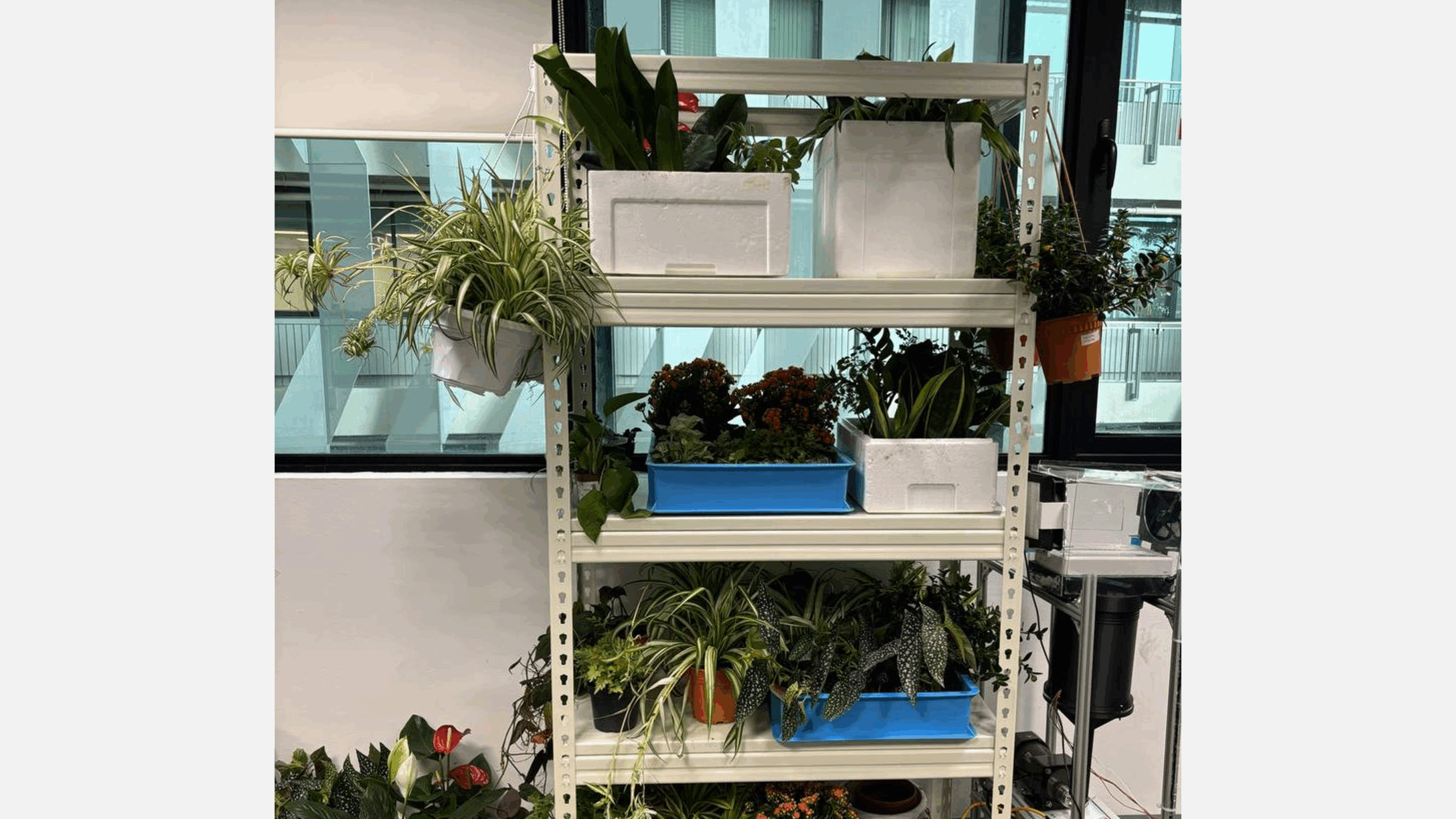
In this project, we designed a sustainable biofiltration system that integrates optimal plant–microbe pairings to naturally and efficiently remove harmful volatile organic compounds from indoor spaces.
Innovations in Space Systems
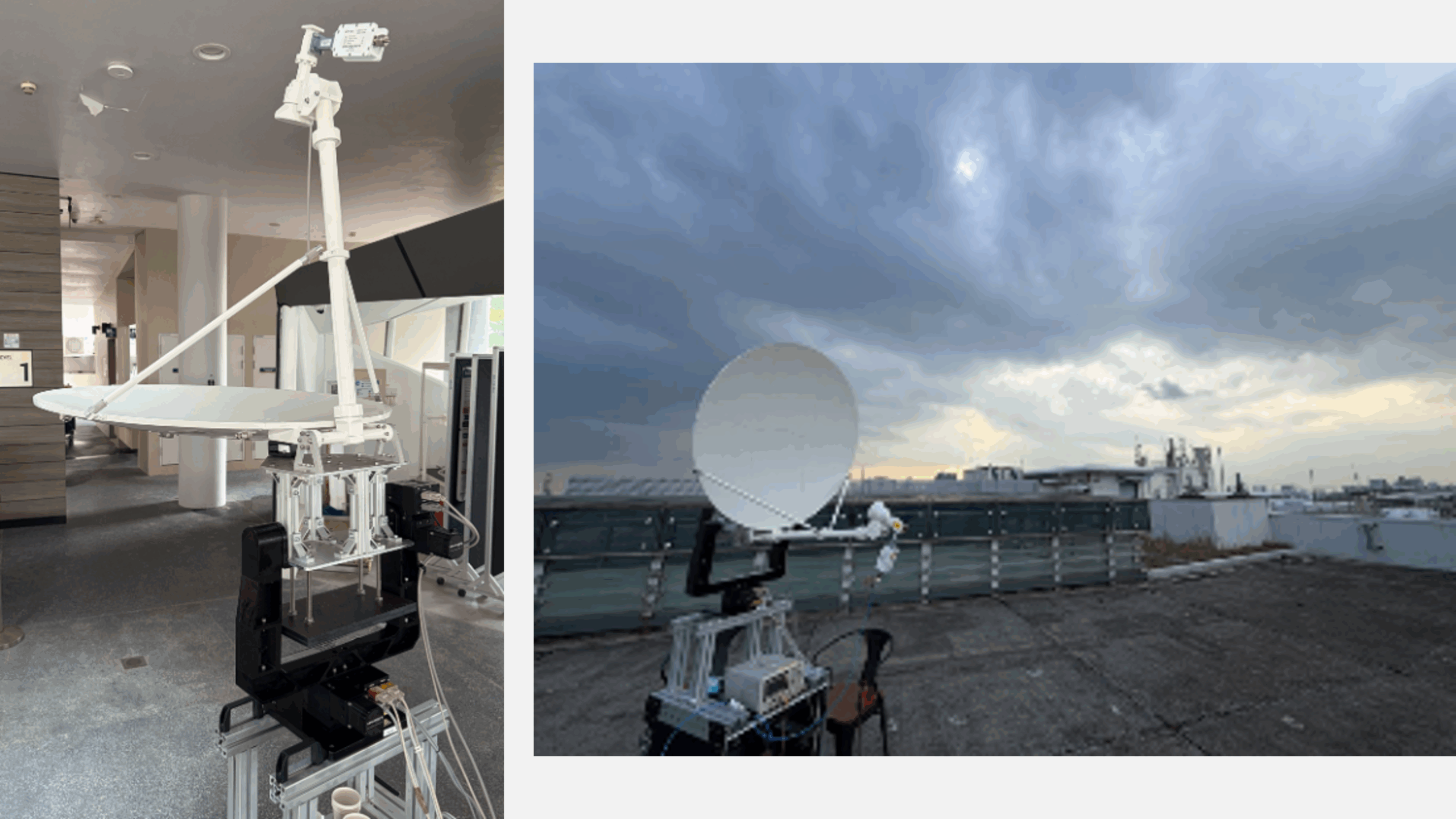
The main work focuses on developing the space and ground segments of the direct to VSAT Ku band user downlink, which is one of the key technology demonstration objective for the Galassia 5 satellite. An end-to-end test is also conducted to verify that communications will be able to take place in conditions similar to that of space-to-ground transmission.
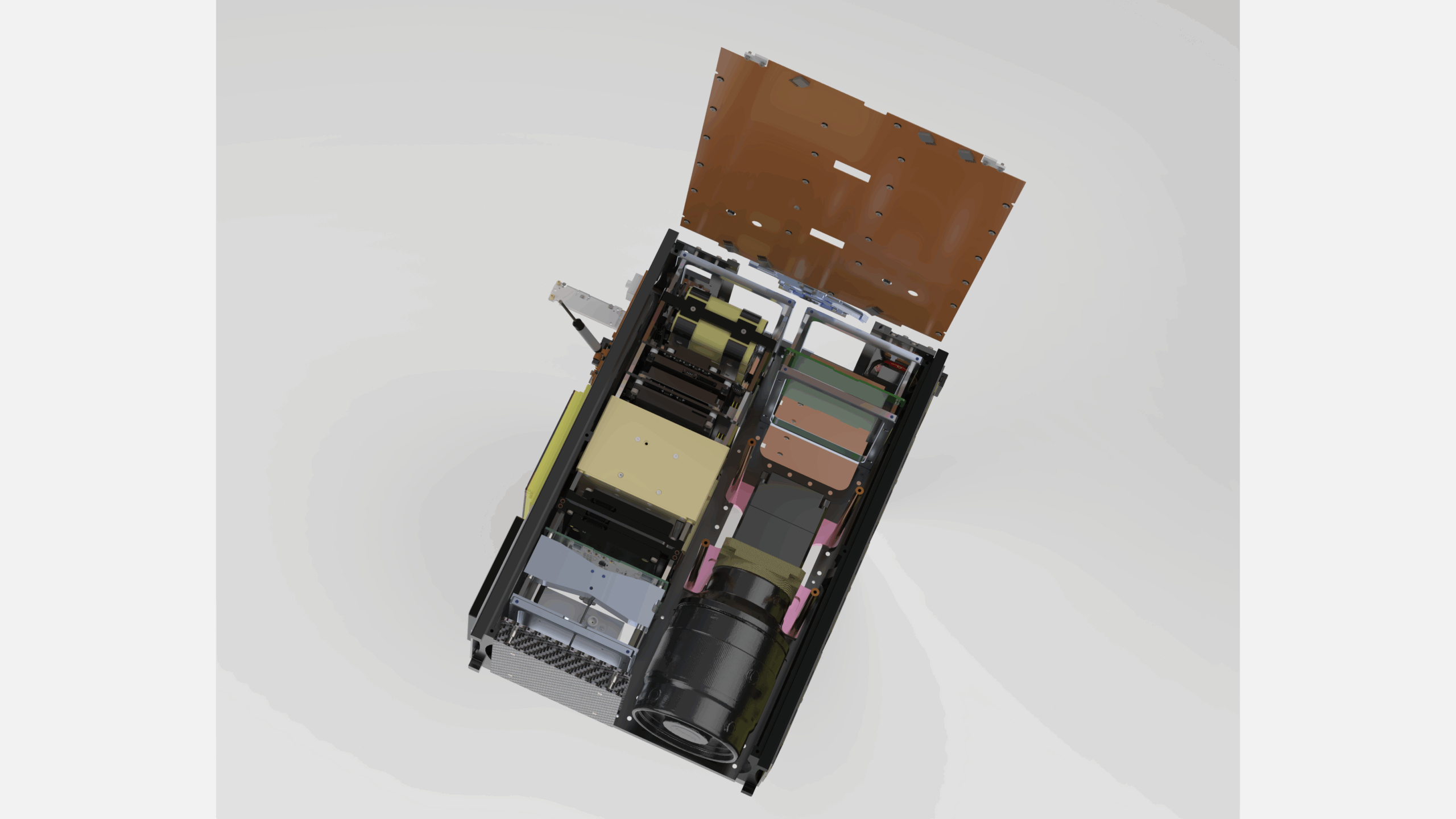
The team’s main objective is to refine the mechanical design of the satellite structure and better understand its thermal performance in the space environment. Additionally, work is also being undertaken to develop the jigs and holders required during transport of the satellite and environmental testing.
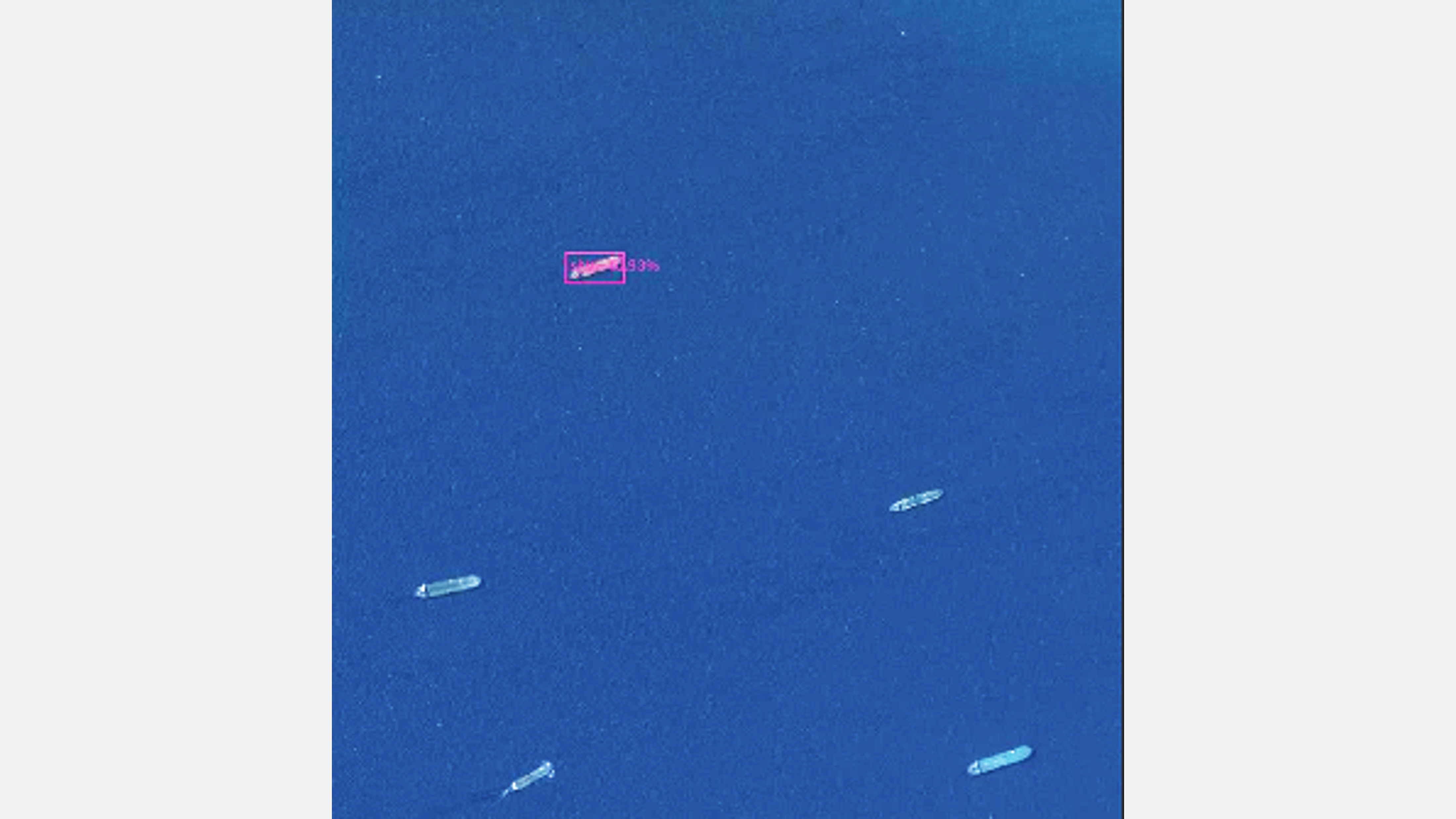
Galassia-5 software-hardware integration framework
The software integration team focuses on developing the software required to interface the payload computer with the main mission peripherals (ie. imager, AI accelerator, and radio upconverter). The goal is to develop an integrated software framework and pipeline that will facilitate the conduct of the Real time Sensing mission.
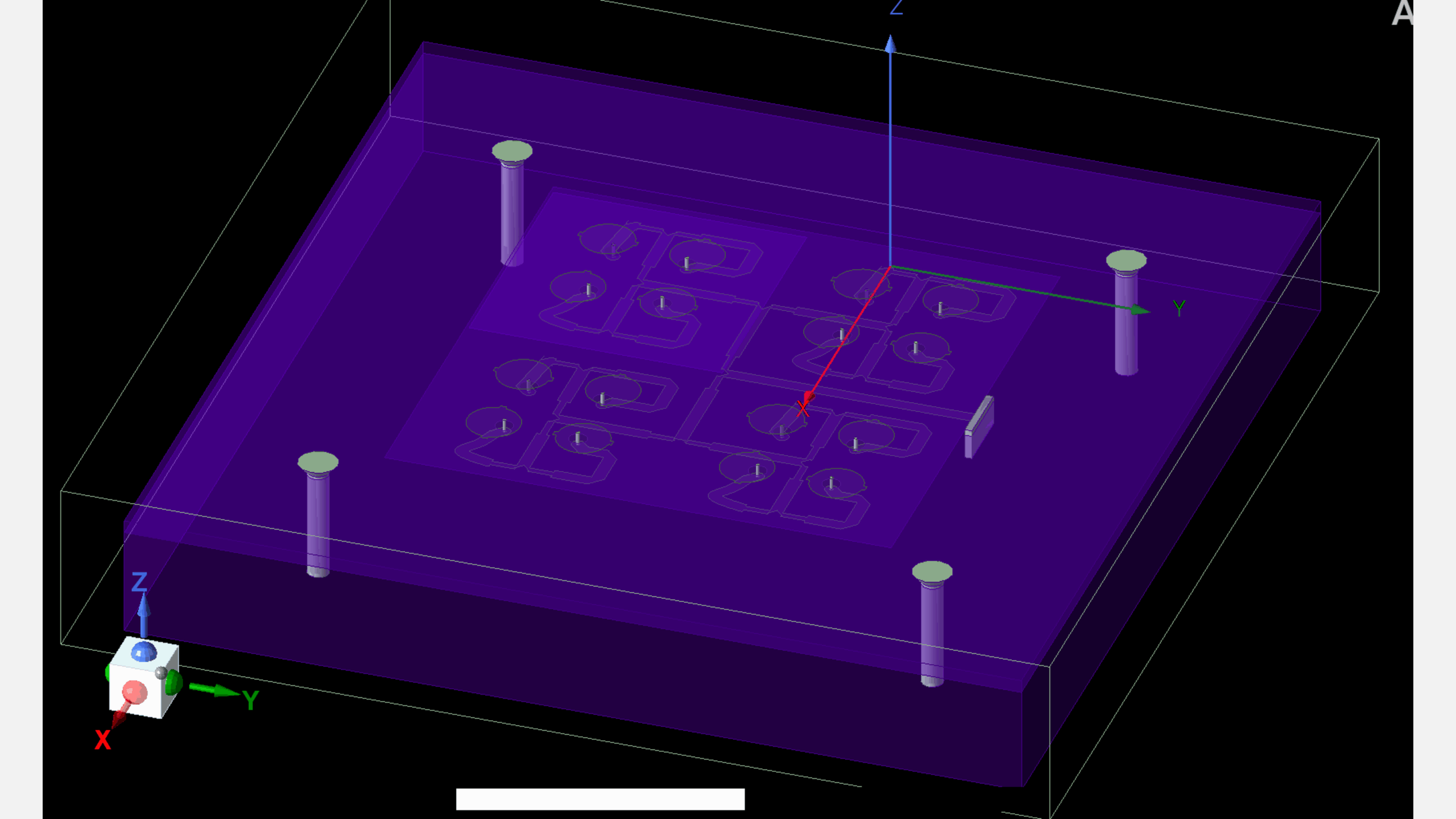
This project designs a custom circularly-polarised Ku-band microstrip patch antenna array to enable reliable satellite-to-ground communication for the Galassia-5 CubeSat mission operating at the niche frequency range of 13.93–13.99 GHz, where no commercial space-qualified antennas are available.
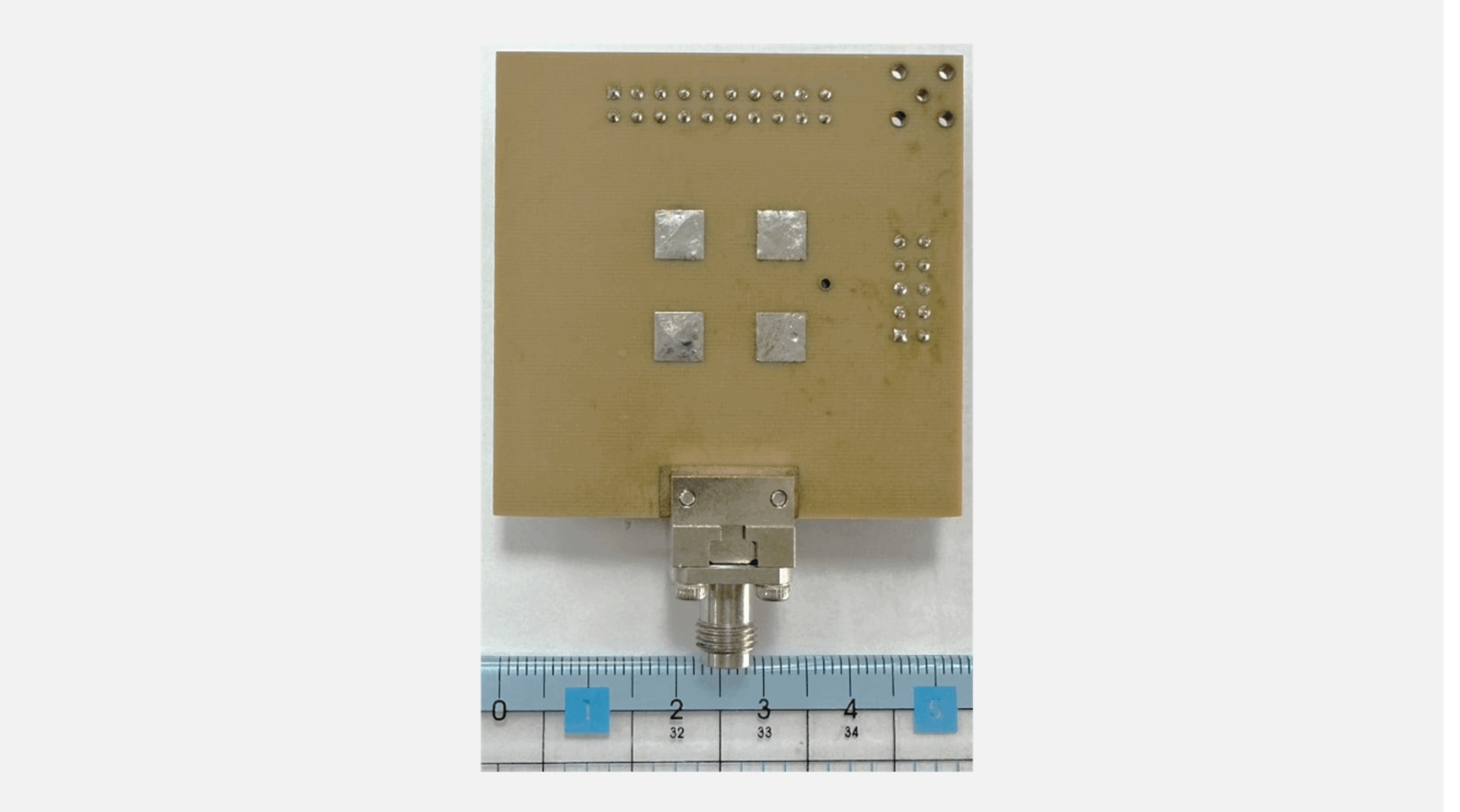
This project aims to address hardware inefficiency, poor scalability, and interoperability challenges in LEO satellite terminals by designing a shared-aperture, stacked-patch electronically steered antenna (ESA) that reduces size, weight and power (SWaP) while enabling multi-operator compatibility and high-performance Ku-band operation.
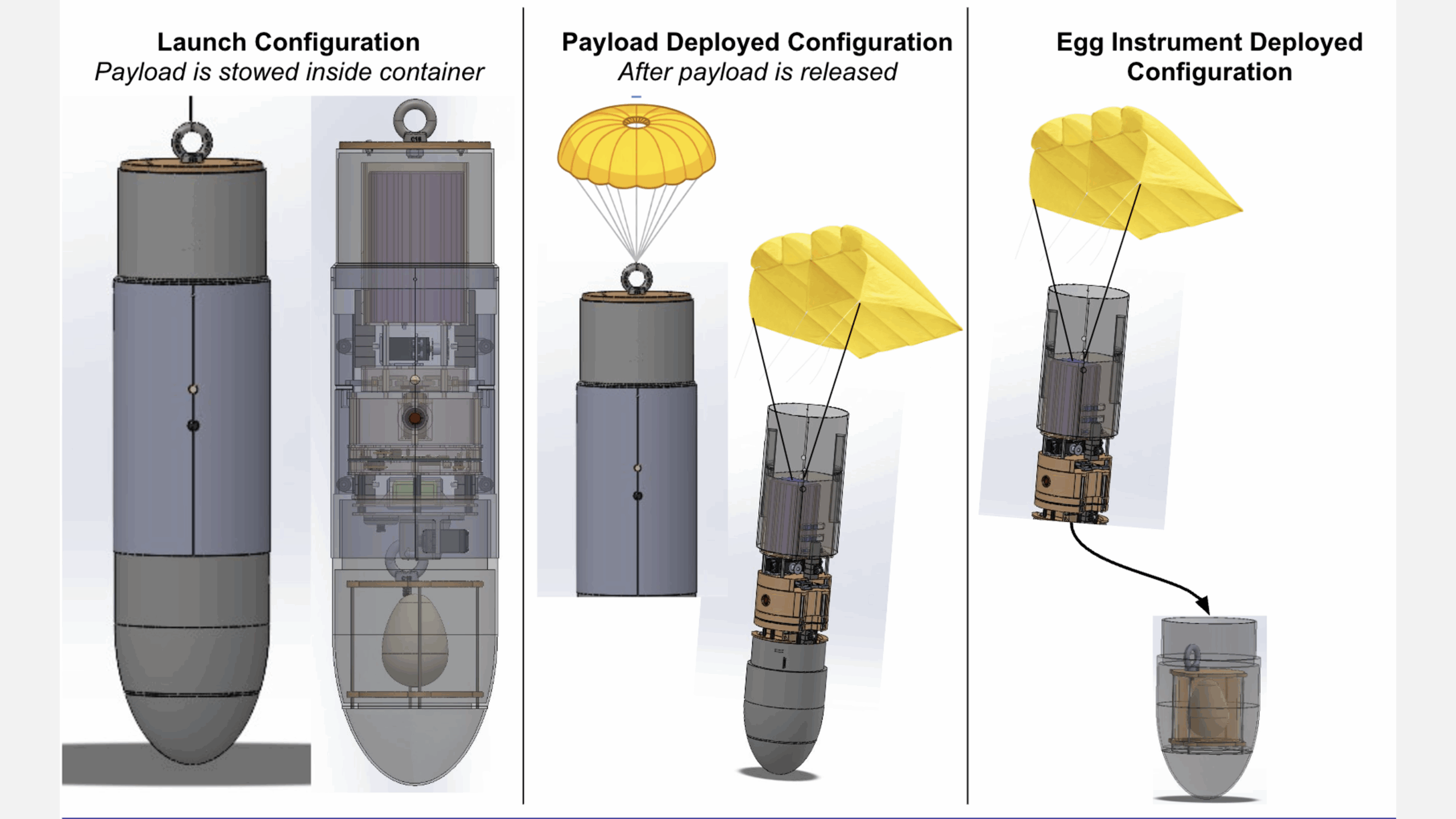
Team LeoNUS: CanSat Competition 2026
This project aims to design and fabricate a canister satellite which will be launched to near space, have 2-stage deployment and use a paraglider to steer towards a landing zone to deliver a hens egg intact, while also performing data collection and processing.
CDE4301A Ideas to Start-up
CDE4301A Ideas to Start-up is offered for undergraduate students who are interested to pursue commercialisation of their project ideas. This two-semester course builds upon the principles of the Lean LaunchPad and the Disciplined Entrepreneurship framework to accelerate students’ understanding of the entrepreneurial process and enables further development of their ideas/projects into viable and sustainable ventures. In the process, students will learn to identify the customer and market, develop a minimum viable product (MVP) using design and engineering skills that they have garnered throughout their undergraduate study and design a viable business model. Students will also learn the mechanics of company building, for example company formation, fund raising and intellectual property strategy. At the end of the two semesters, the students deliver an investment pitch on demo day to potential investors.
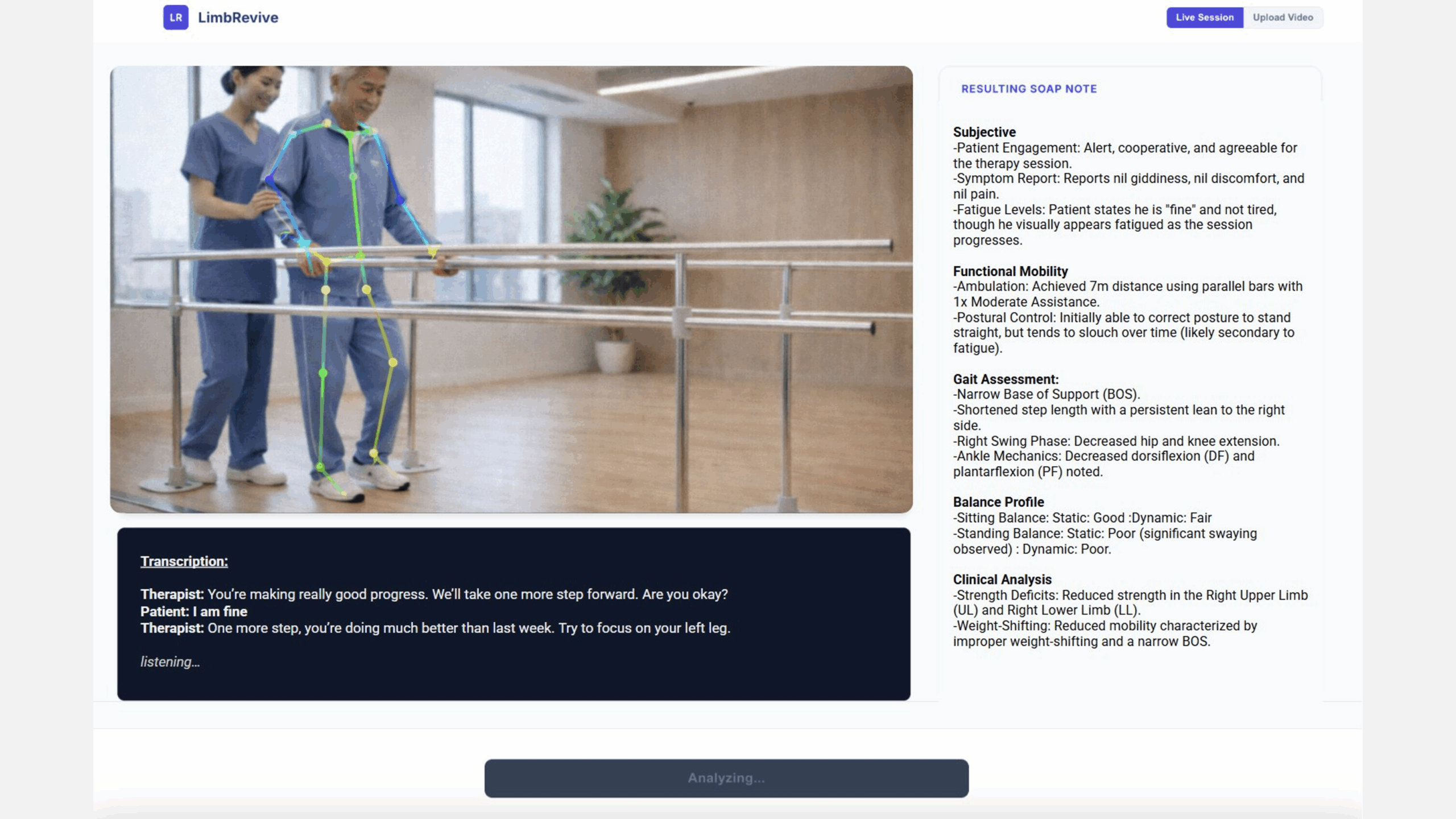
Accudoc
Accudoc is an intelligent documentation tool that leverages computer vision and AI to provide therapists with precise, automated tracking of patient rehabilitation progress during therapy sessions.
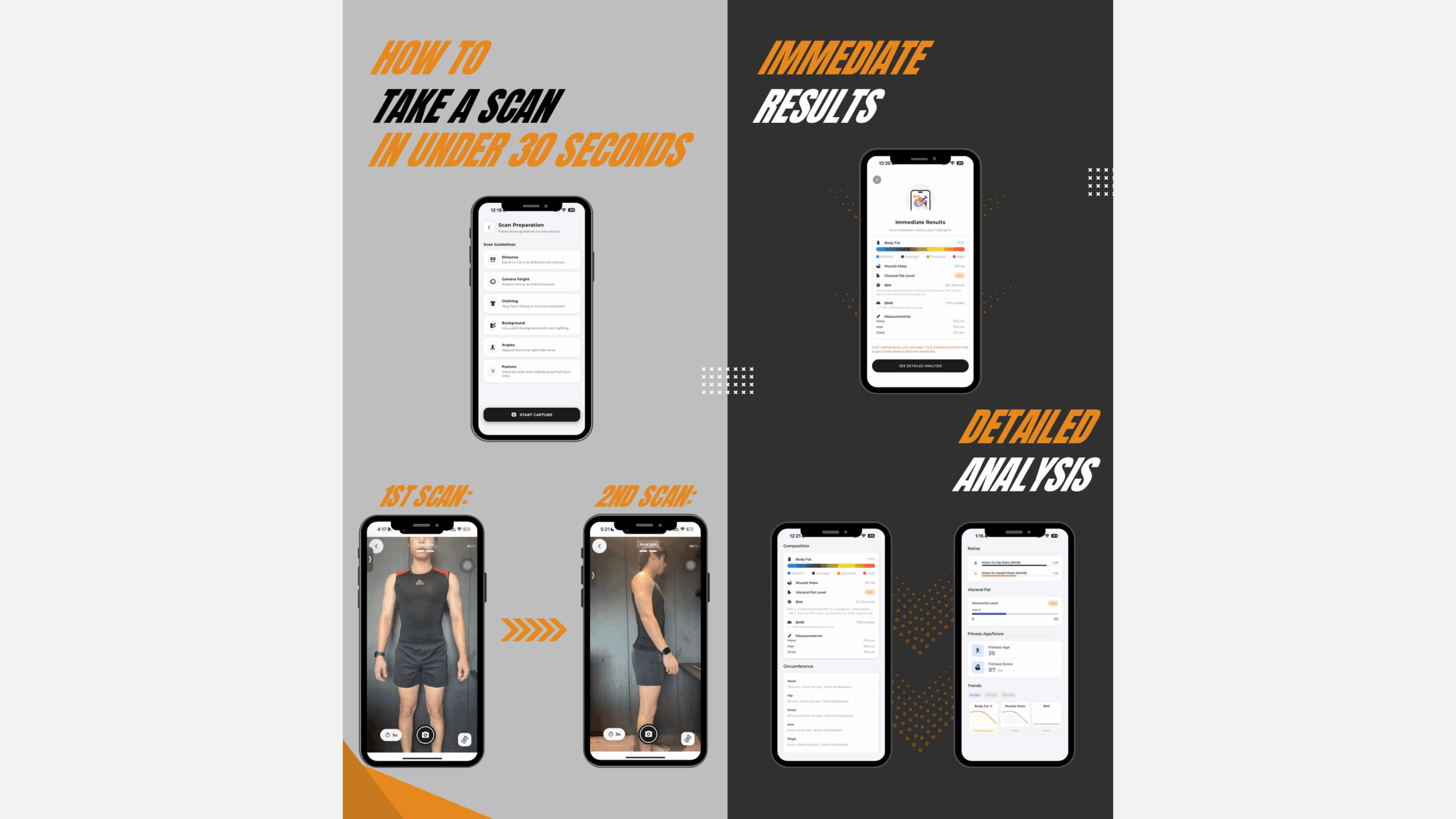
BodyIQ
In this project, we designed BodyIQ to help gym-goers track progress beyond weight by using a phone-based AI body scan to estimate body composition and visualise changes over time.
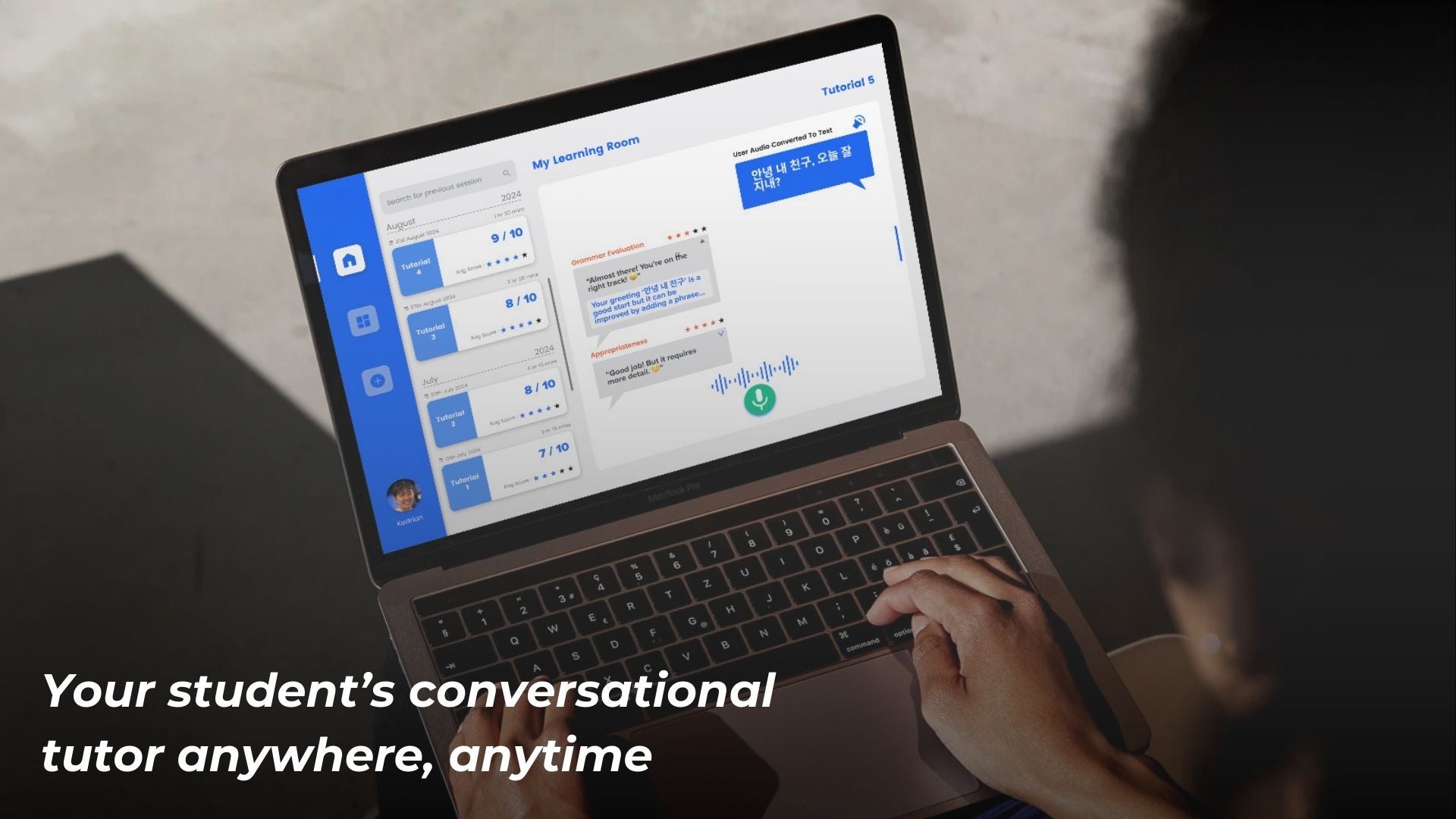
We designed EasyConvo to bridge the gap in conversational practice by enabling educators to create scenario-based exercises in a no-code, low-prompt environment. Students can practise in real-time, receive personalised feedback and build speaking confidence and fluency.
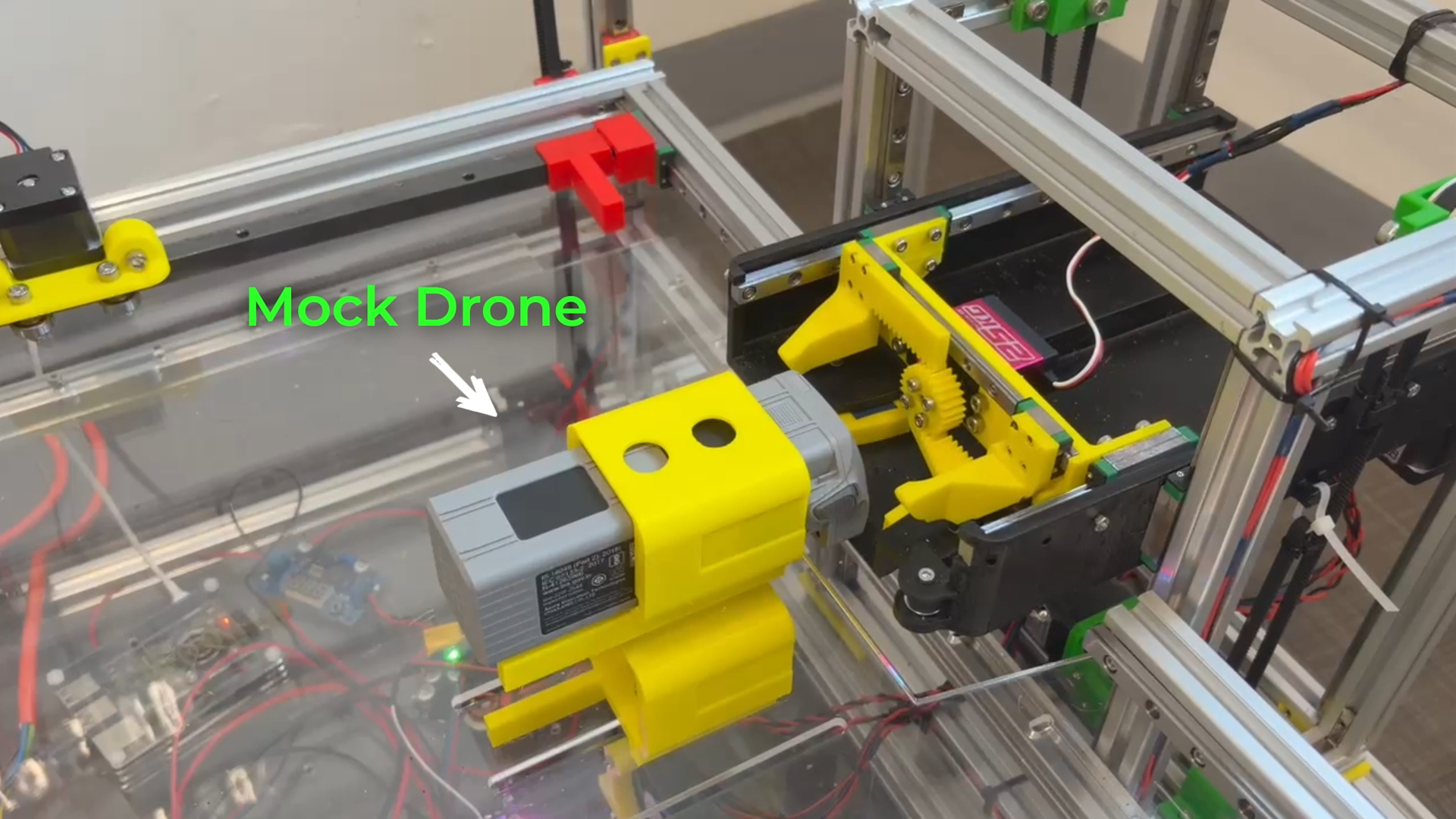
Exantro
This project aims to transform UAV downtime into continuous operational capability by developing a fully autonomous battery swapping system that enables rapid, hands-free recharging for commercial drone missions.
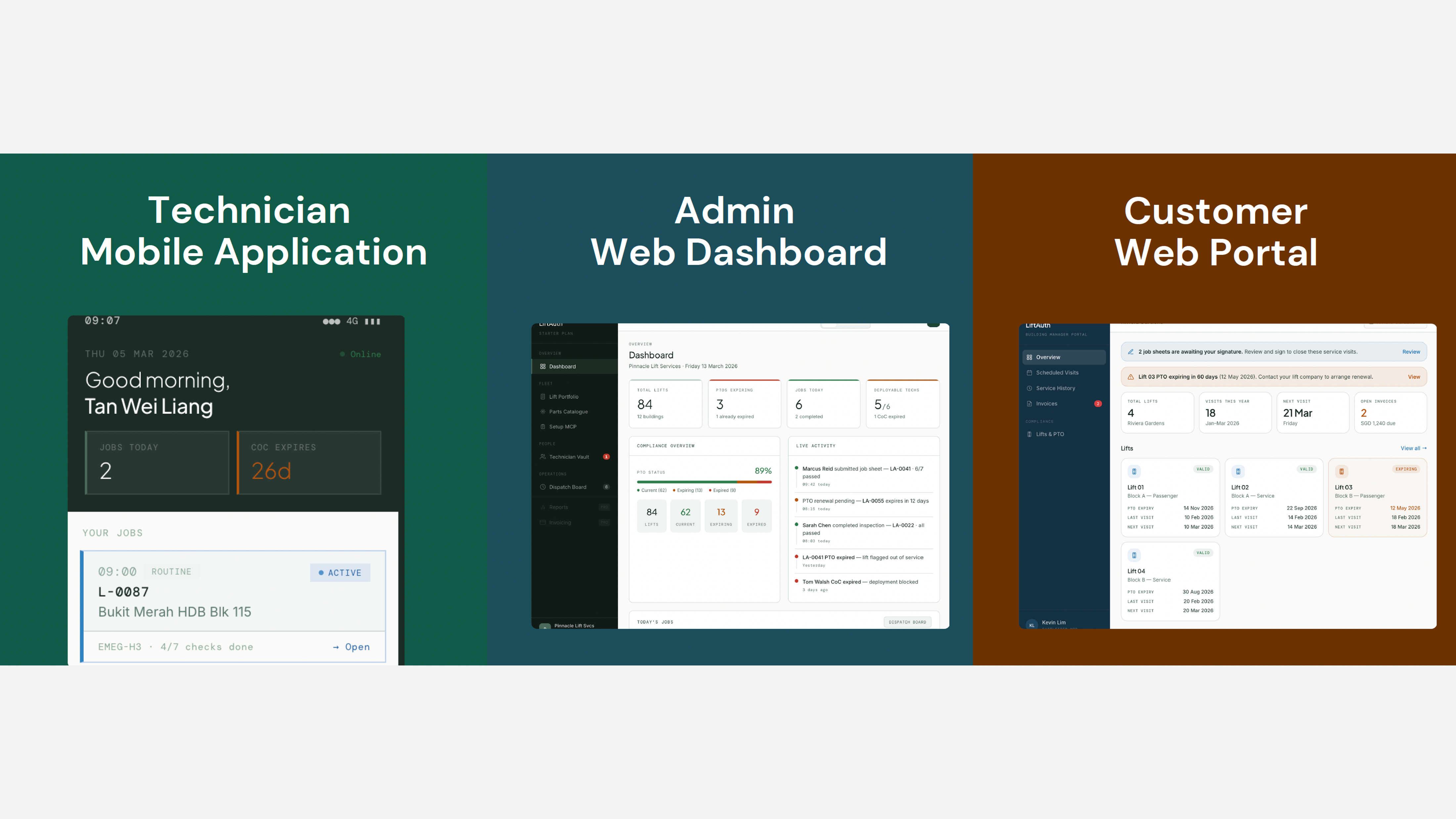
LiftAuth
LiftAuth is a management platform that helps lift maintenance companies ditch the paperwork and run their operations digitally.
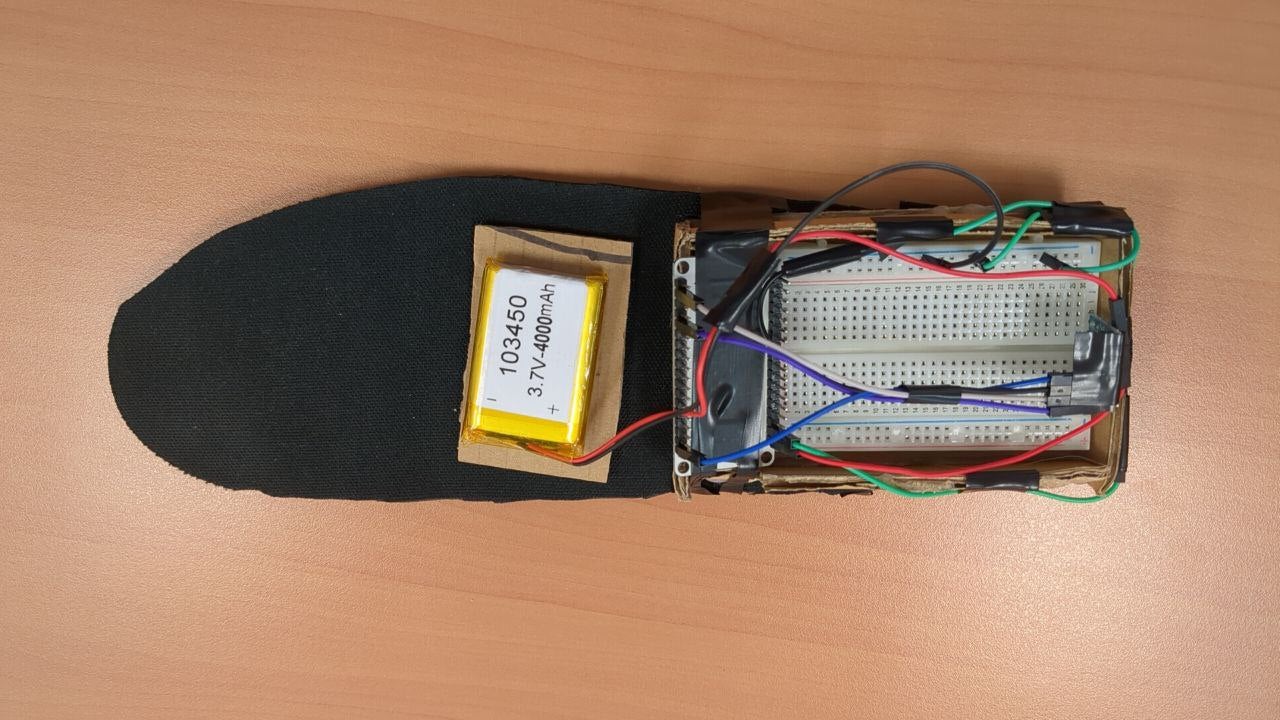
SoleMate
Our project aims to develop a smart insole for the elderly to detect fall risks early and provide actionable insights for a safer living.
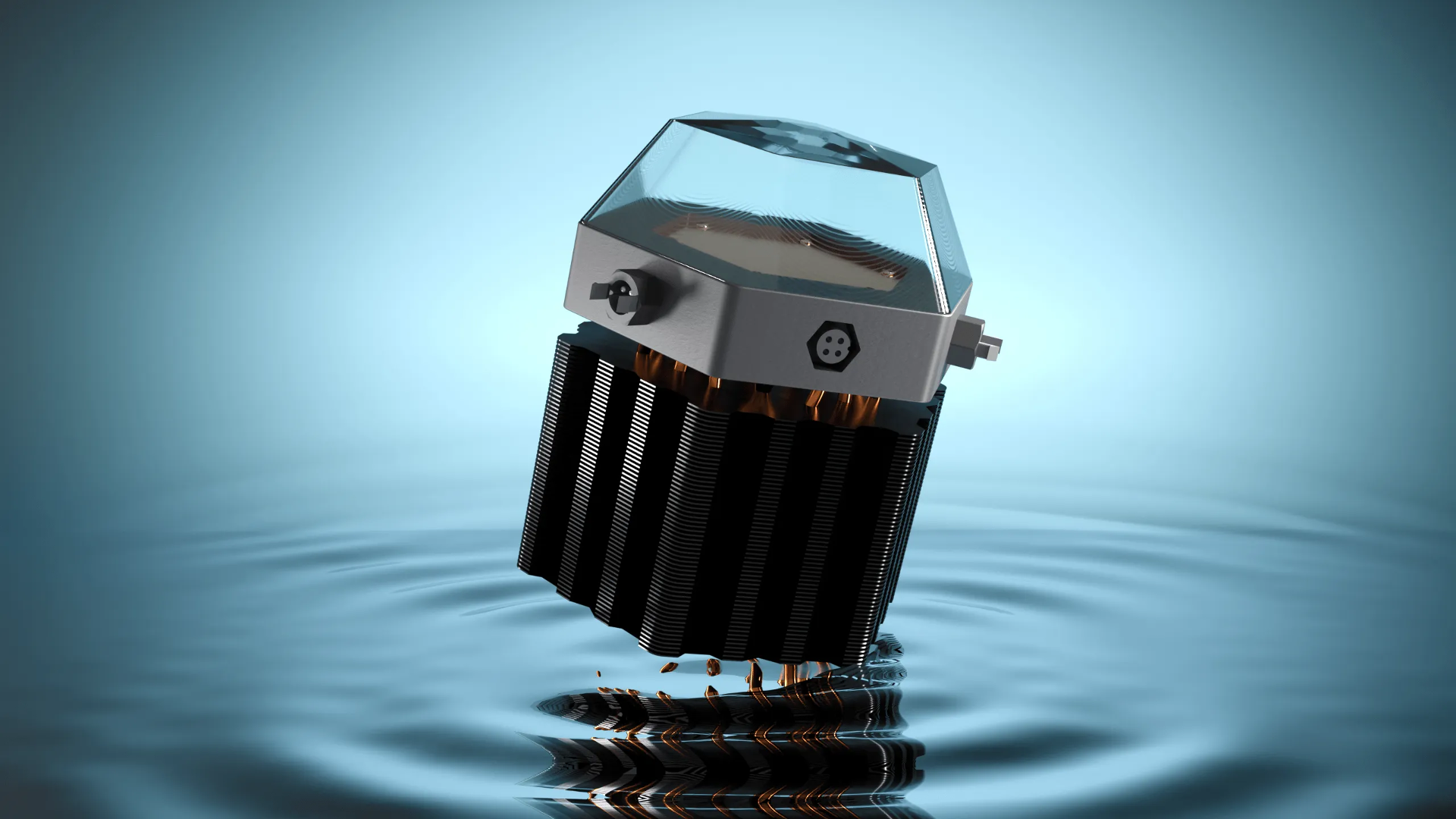
Thermal Floater
This project addresses the urgent need for high-density renewable energy that can bypass grid interconnection bottlenecks by using a tracking-free floating solar-thermal device that converts temperature differentials into electricity.
CDE5301 Interdisciplinary Design Project
CDE5301 Interdisciplinary Design Project is a two-semester course in which students in the MSc Engineering Design & Innovation programme work in interdisciplinary groups to address a real-world problem. Students embark on a design process that includes understanding stakeholder needs, developing a mission statement, ideating on the possible design solution and finally prototyping. Students are expected to apply their understanding of design thinking and engineering systems design to deliver on their projects.
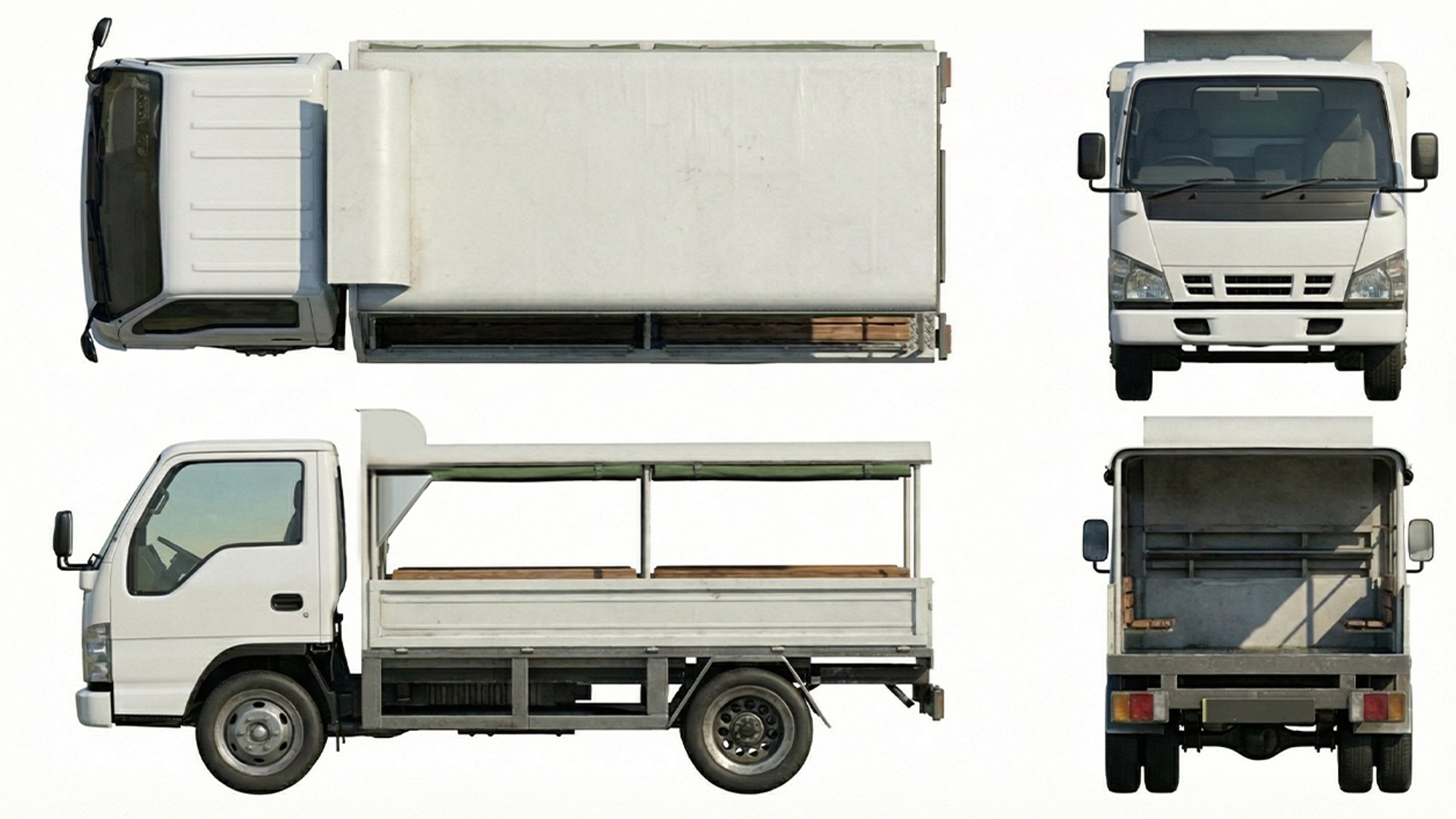
AirBender: a better ride to work
AirBender is a redesigned lorry canopy that improves worker safety and thermal comfort through passive ventilation and integrated foldable seating with seatbelts.
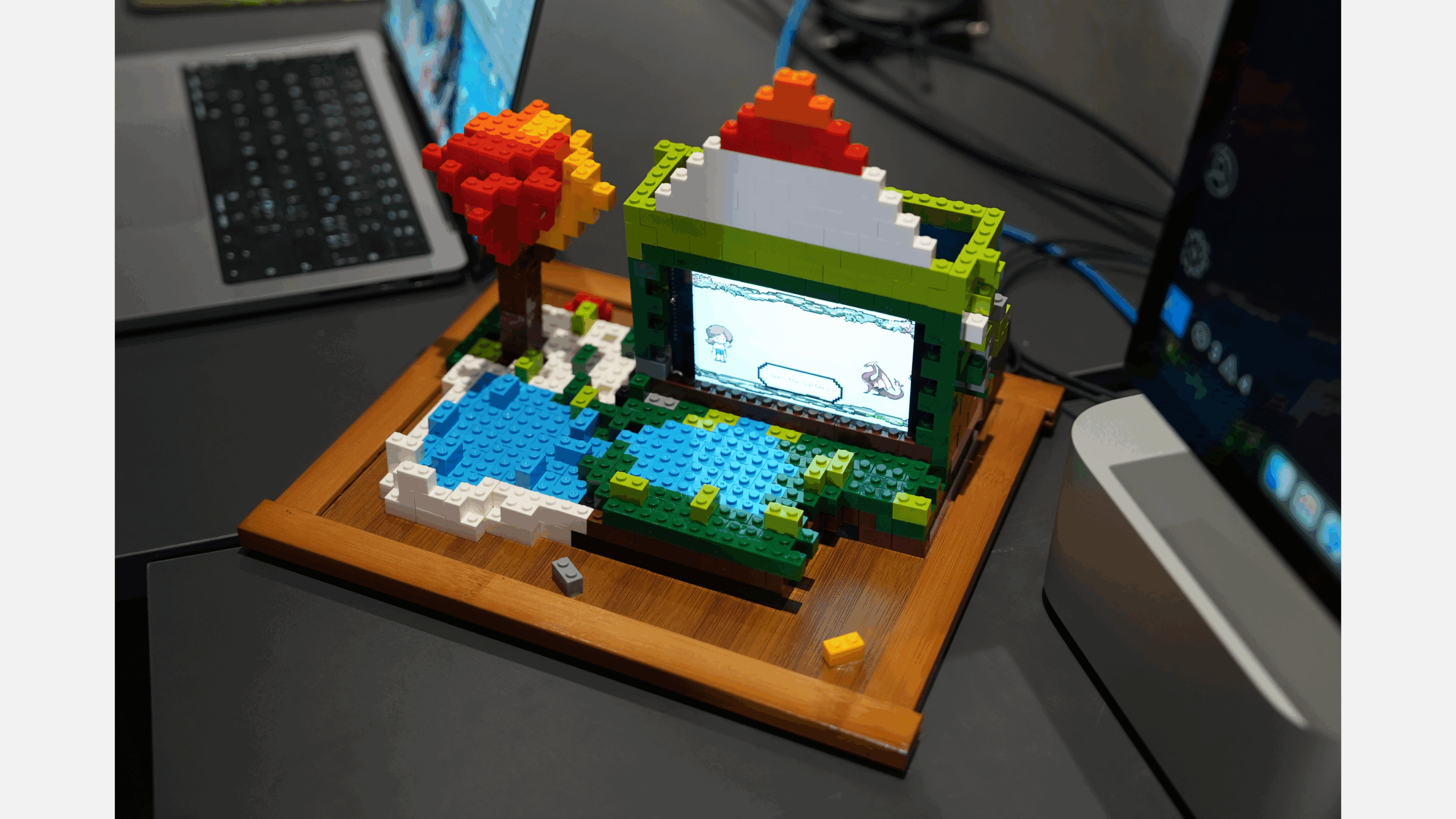
Attention: the desktop companion for zero-friction deep work
This project aims to bridge the "intention-action gap" of procrastination and help university students rebuild focus habits without triggering psychological reactance by introducing a frictionless desktop companion hardware that combines a low-friction physical docking ritual, non-coercive virtual companionship, and a gamified randomised loot system.
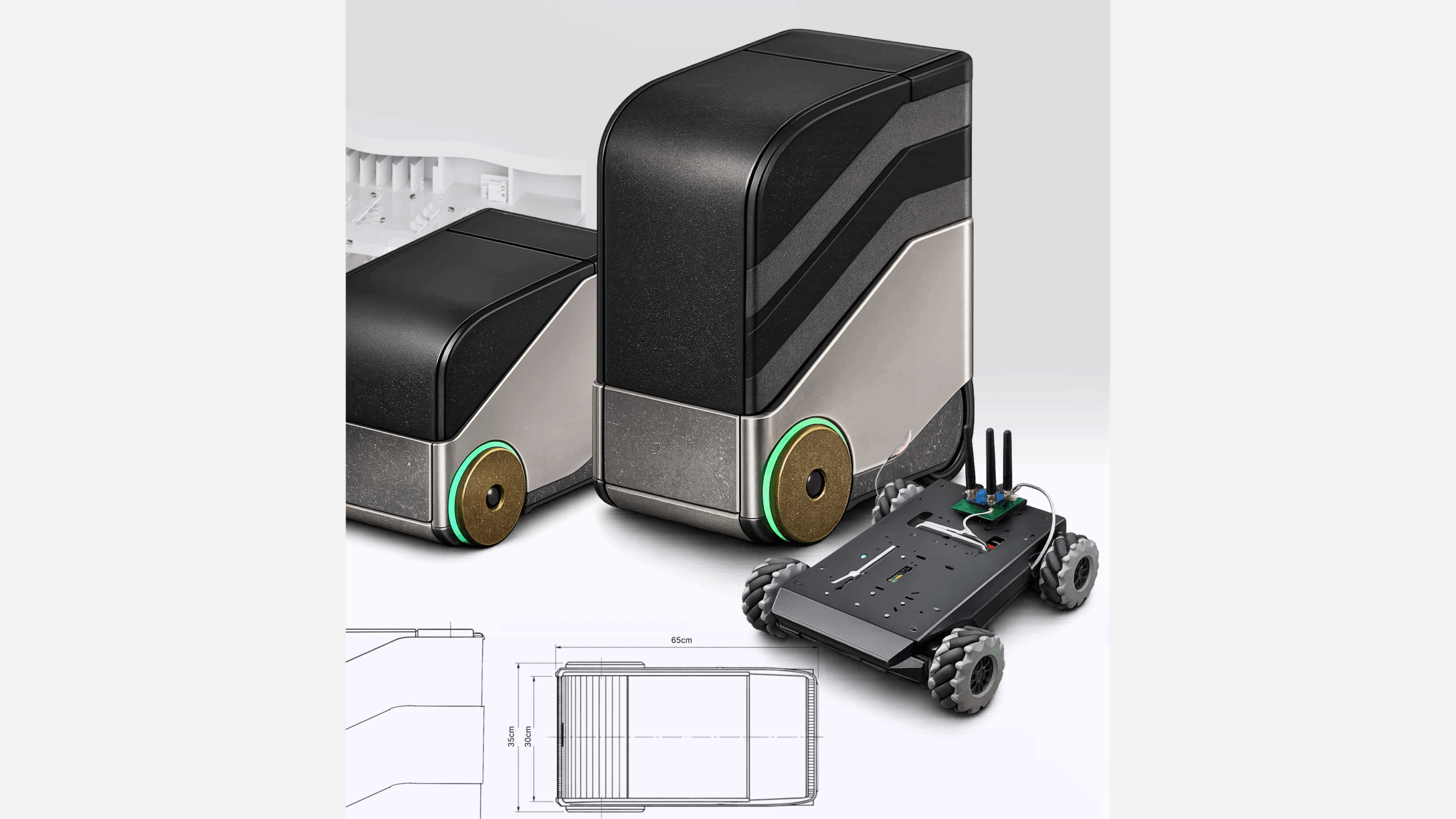
CartX: next-generation airport personal mobility solution
This project aims to reduce the physical and navigational burden of airport travel by designing CartX, an intelligent autonomous trolley that provides follow-me assistance and indoor navigation in complex airport environments.
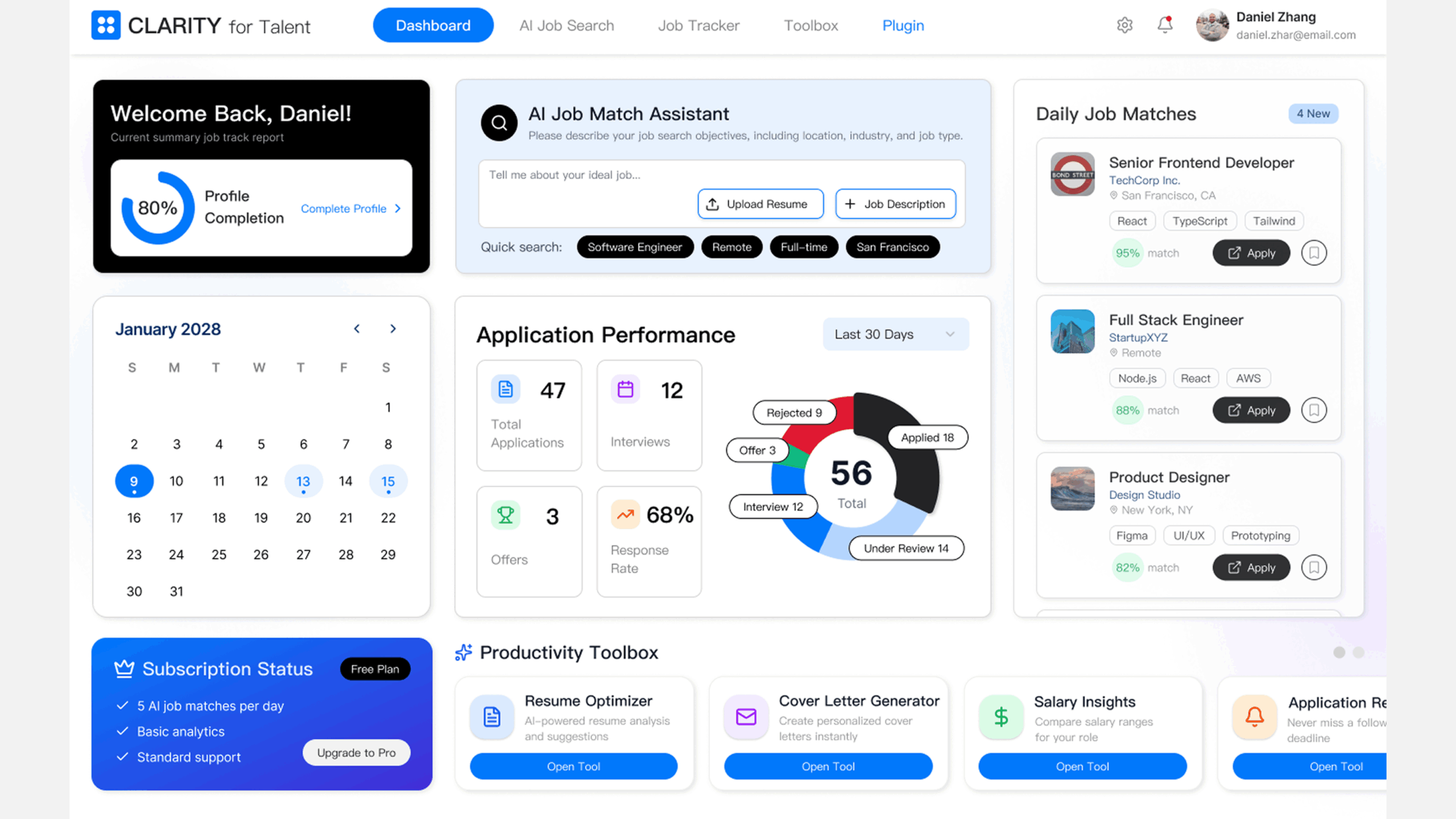
CLARITY: AI-powered job pairing system
CLARITY is a dual-sided hiring and job-search platform to address the twin challenges of finding a job and hiring the right people.
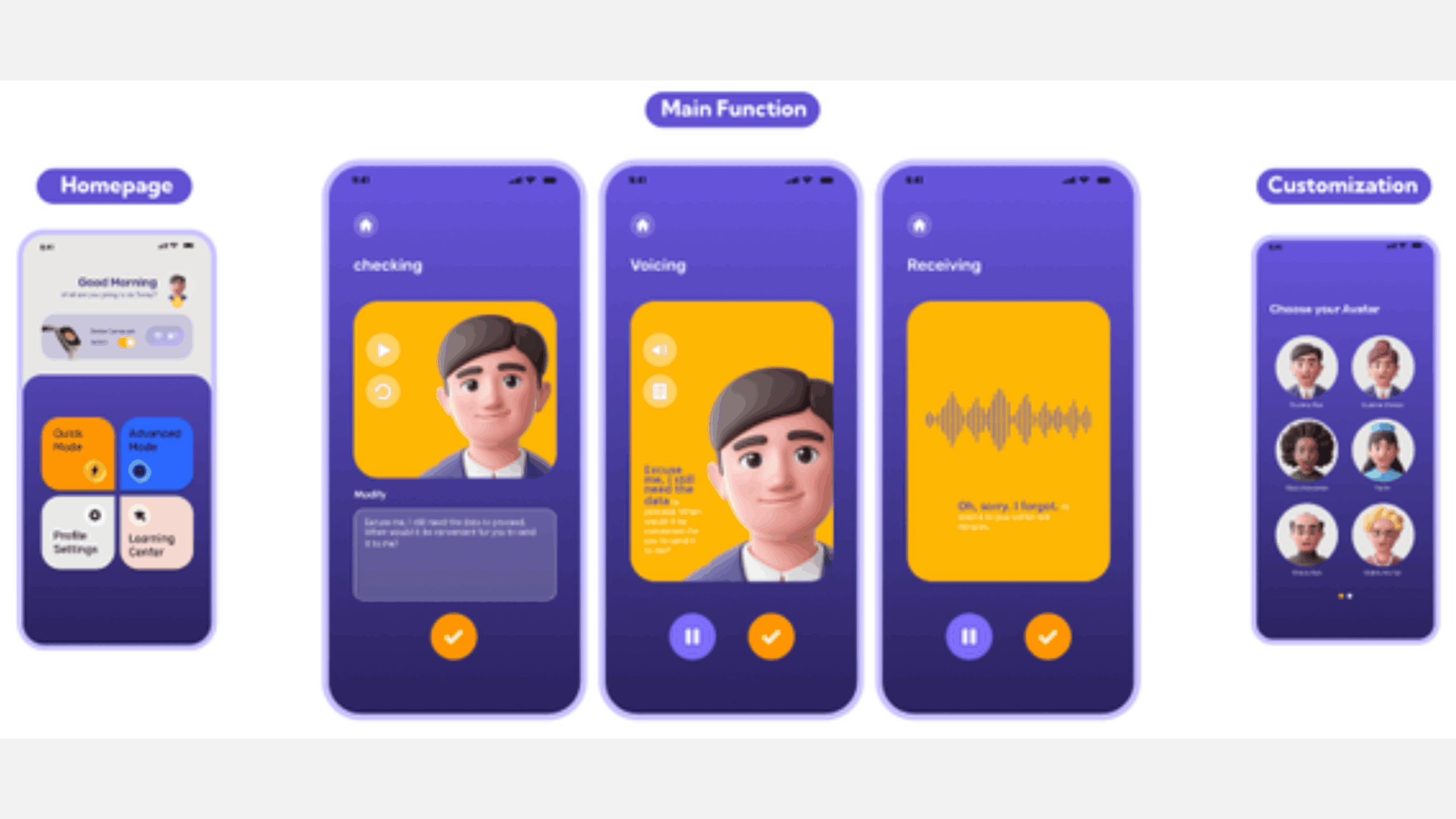
EmotiMate
EmotiMate is a tool that help deaf and hard-of-hearing people express their emotional contents of their message accurately.
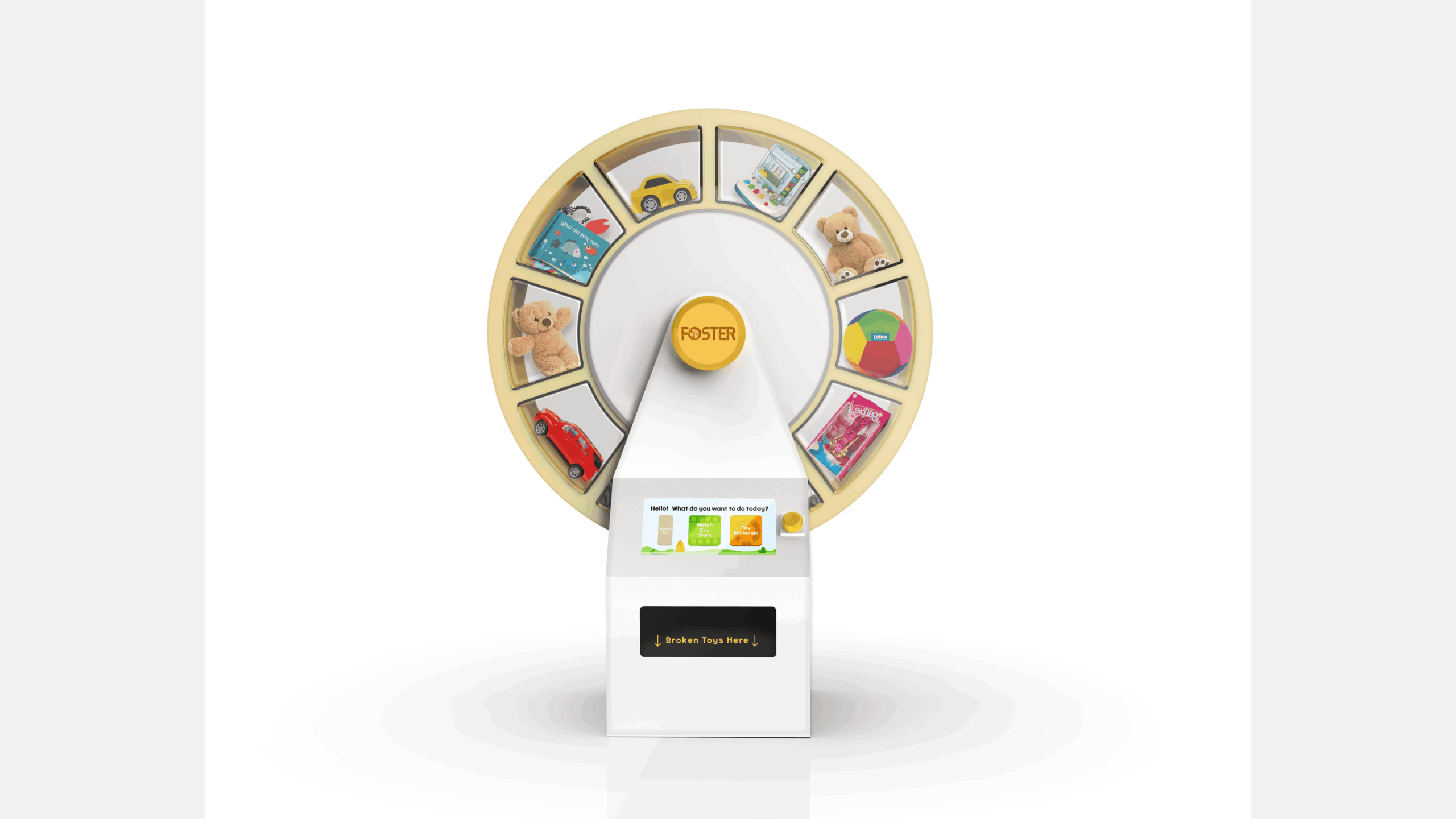
Foster: where pre-loved toys find a new home
In this project, we aim to reduce neglected toy accumulation at home by offering families a toy swap kiosk that is low effort, fun, engaging and educational with hopes to form lasting reuse habits in children.
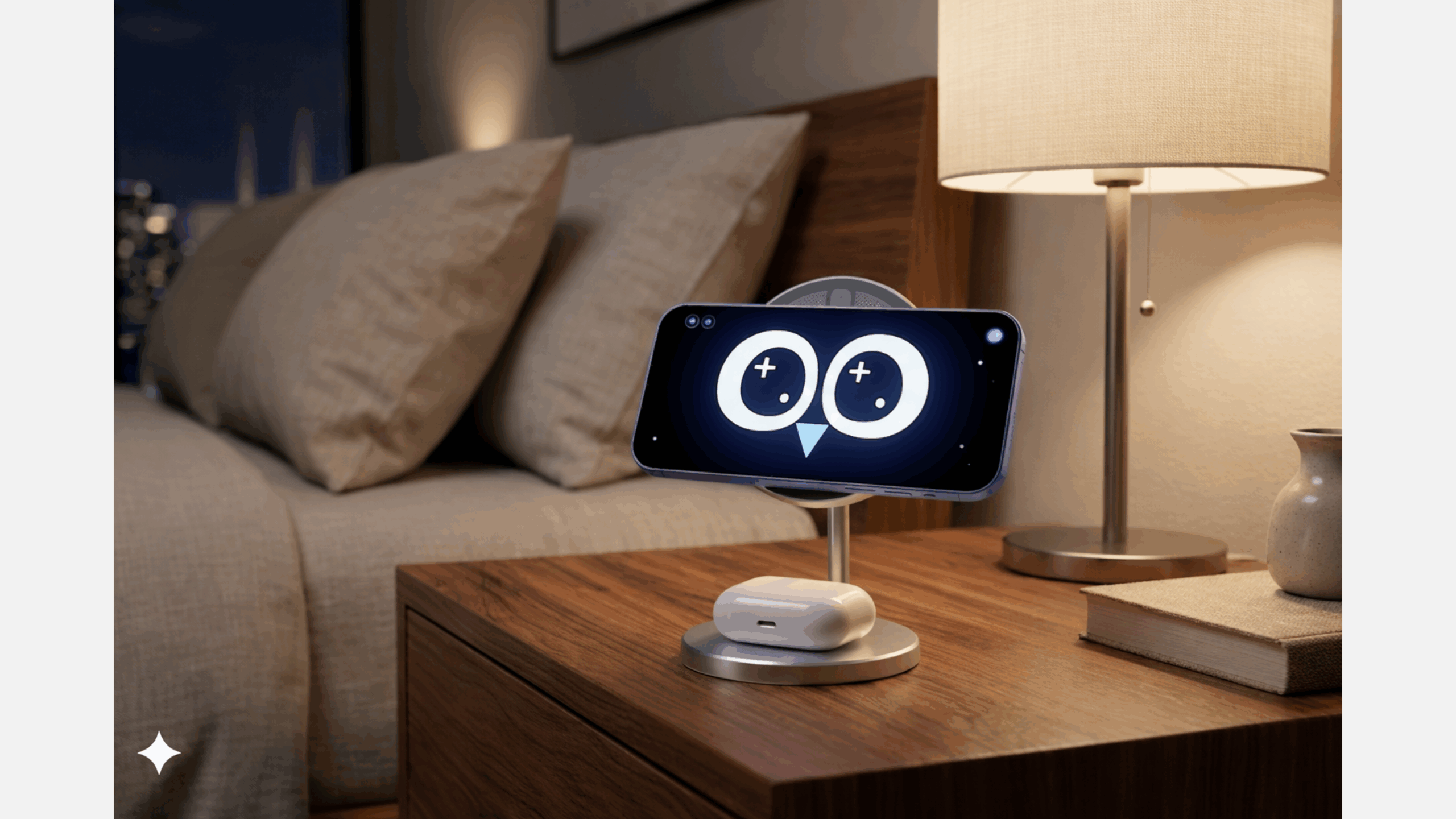
Lulu
A hybrid sleep intervention system combining an app for cognitive planning and a MagSafe stand as a physical boundary, gently breaking the vicious cycle of revenge bedtime procrastination.
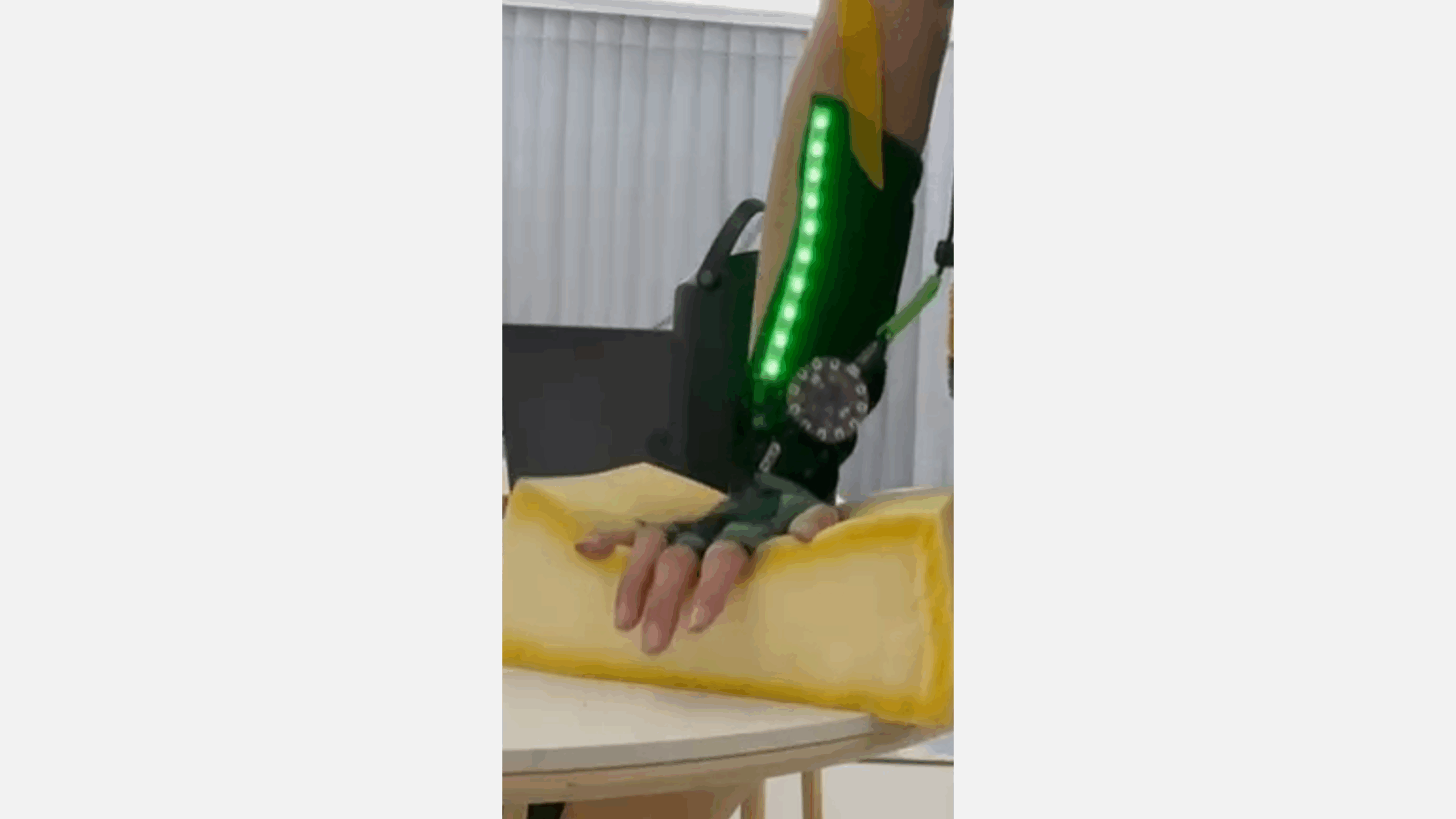
PulsePush
PulsePush is an innovative wearable solution designed to empower untrained bystanders to perform quality, life-saving CPR with confidence.
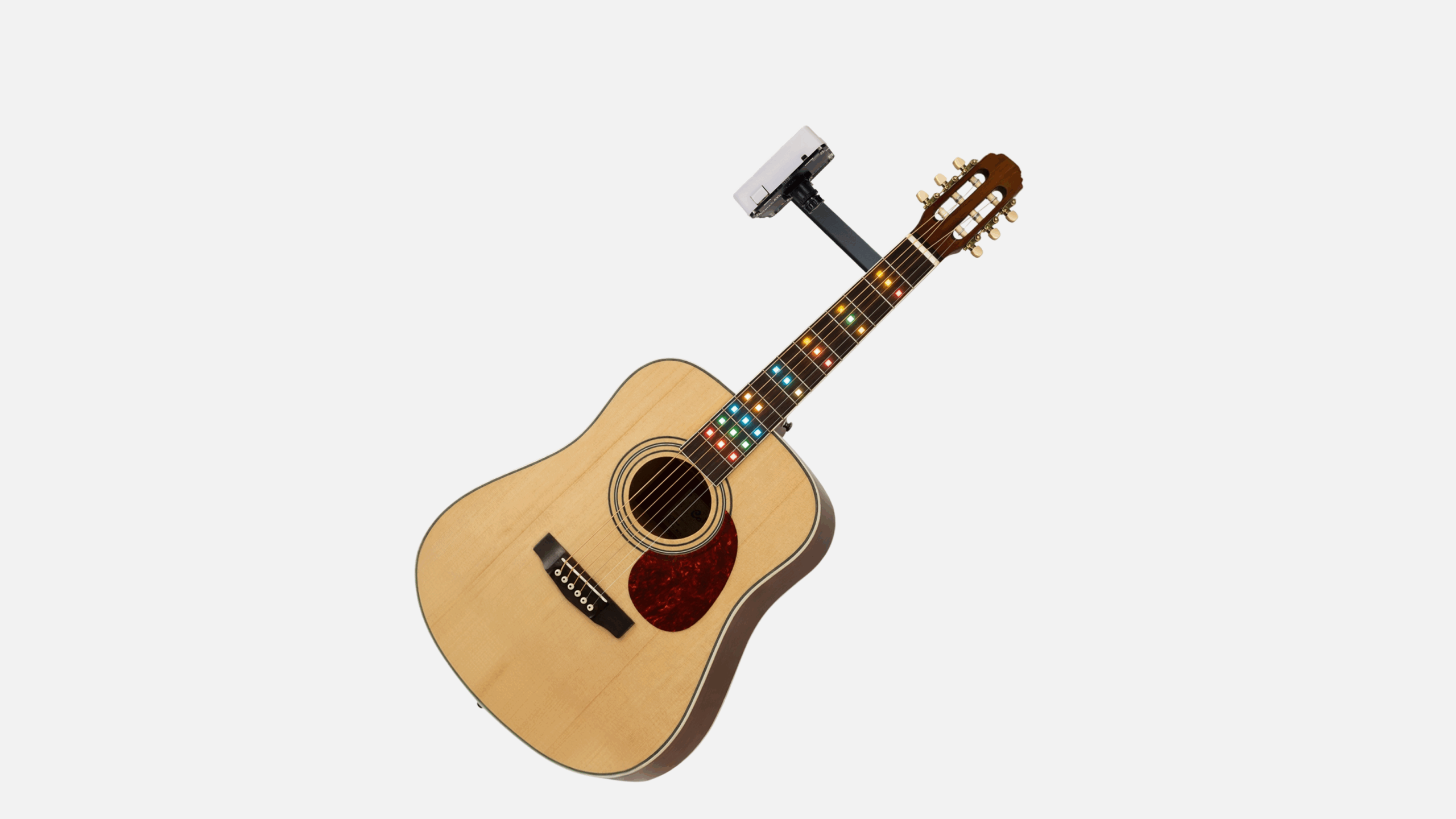
SmartFret
An integrated system for precise guitar chord finger training.
The Human Library: a Singaporean map of stories
This project addresses older adults’ longing for connection by redesigning social engagement to restore their sense of being needed, heard, and meaningfully valued through their lived experience.
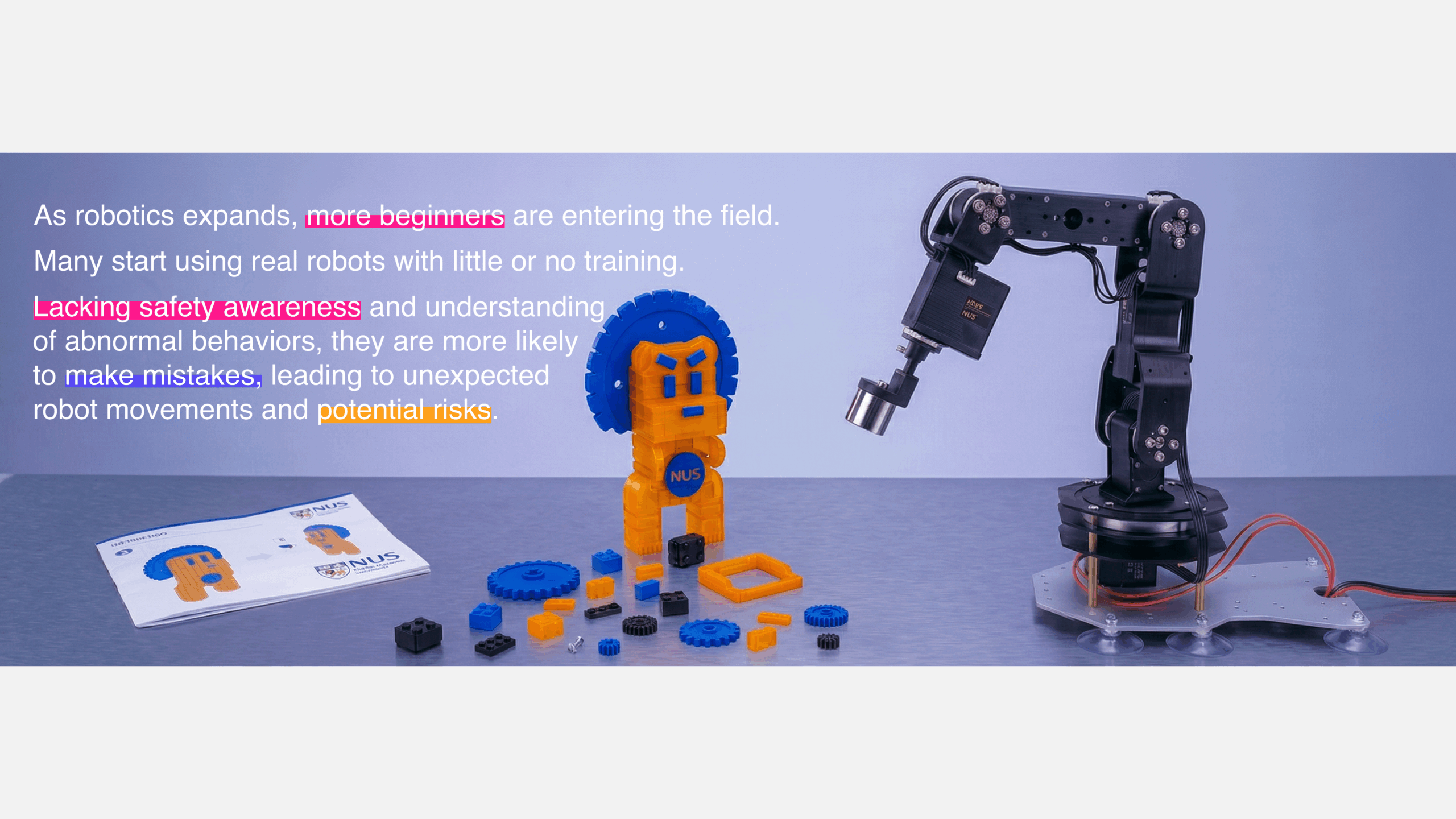
Zero to Robot
A game-based pre-training system that helps beginners learn robot safety by experiencing and understanding behaviors and causes.

Zzz Pillow Book: multisensory bedtime ritual
This project aims to support a smoother transition into sleep by designing a multisensory bedtime ritual that replaces late-night phone use with calm, guided interaction.
Interactive Qualifying Project
In this semester, we are hosting three teams of Year 3 students from Worcester Polytechnic Institute (WPI) for their Interactive Qualifying Project (IQP) — a global immersion programme in which students work with local organisations to tackle real-life problems and challenges where science and technology meet social issues and human needs. The IQP is one of the most distinctive elements of WPI’s signature project-based curriculum, giving every WPI student the experience of working in interdisciplinary teams to solve a problem or need that lies at the intersection of science and society.
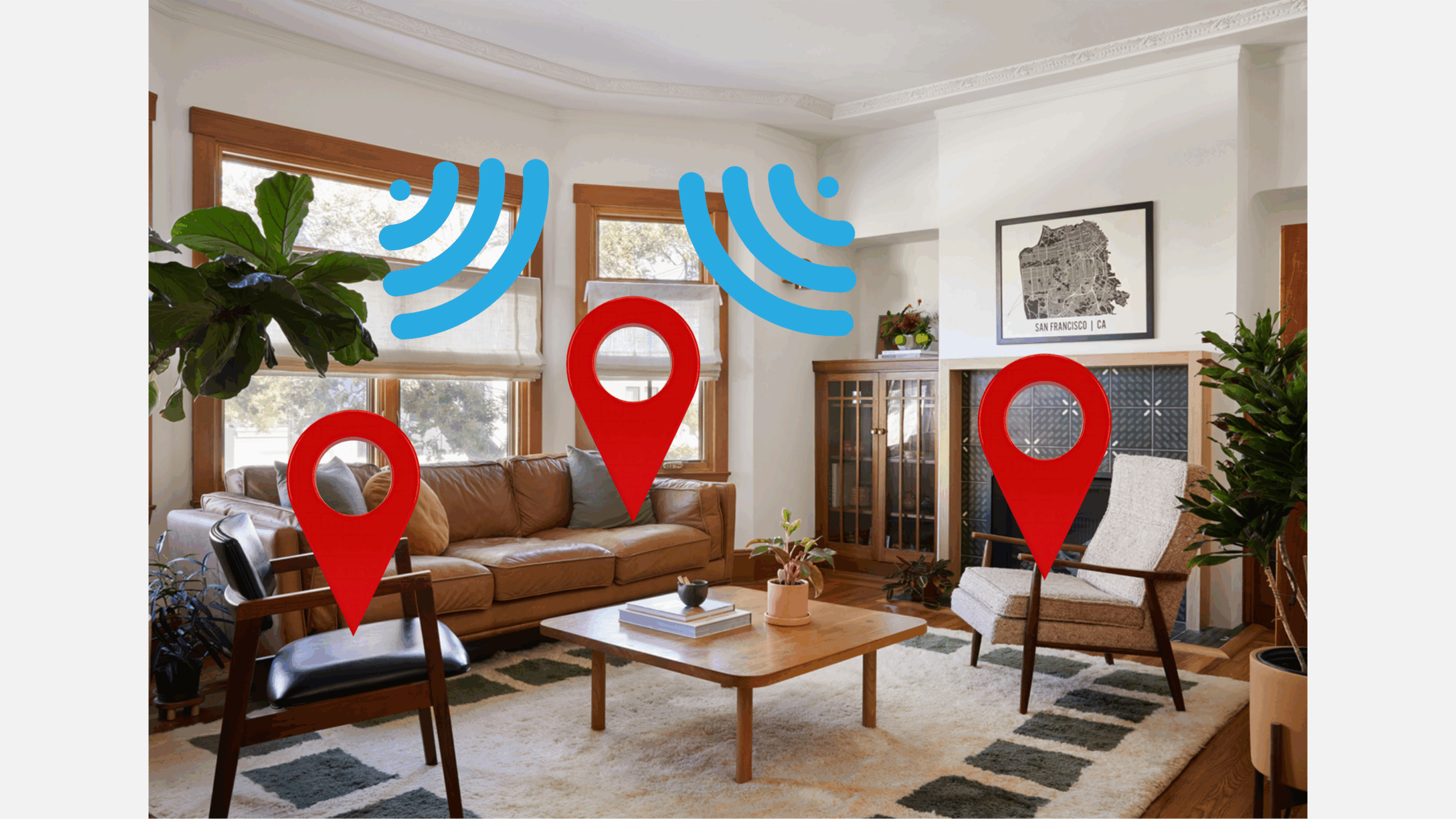
Developing accurate localization systems for immersive home audio experiences
This project aims to create a proof-of-concept localization system utilizing Ultra-Wideband or mmWave Radar to identify a user's location with high accuracy as they move around a simulated environment.
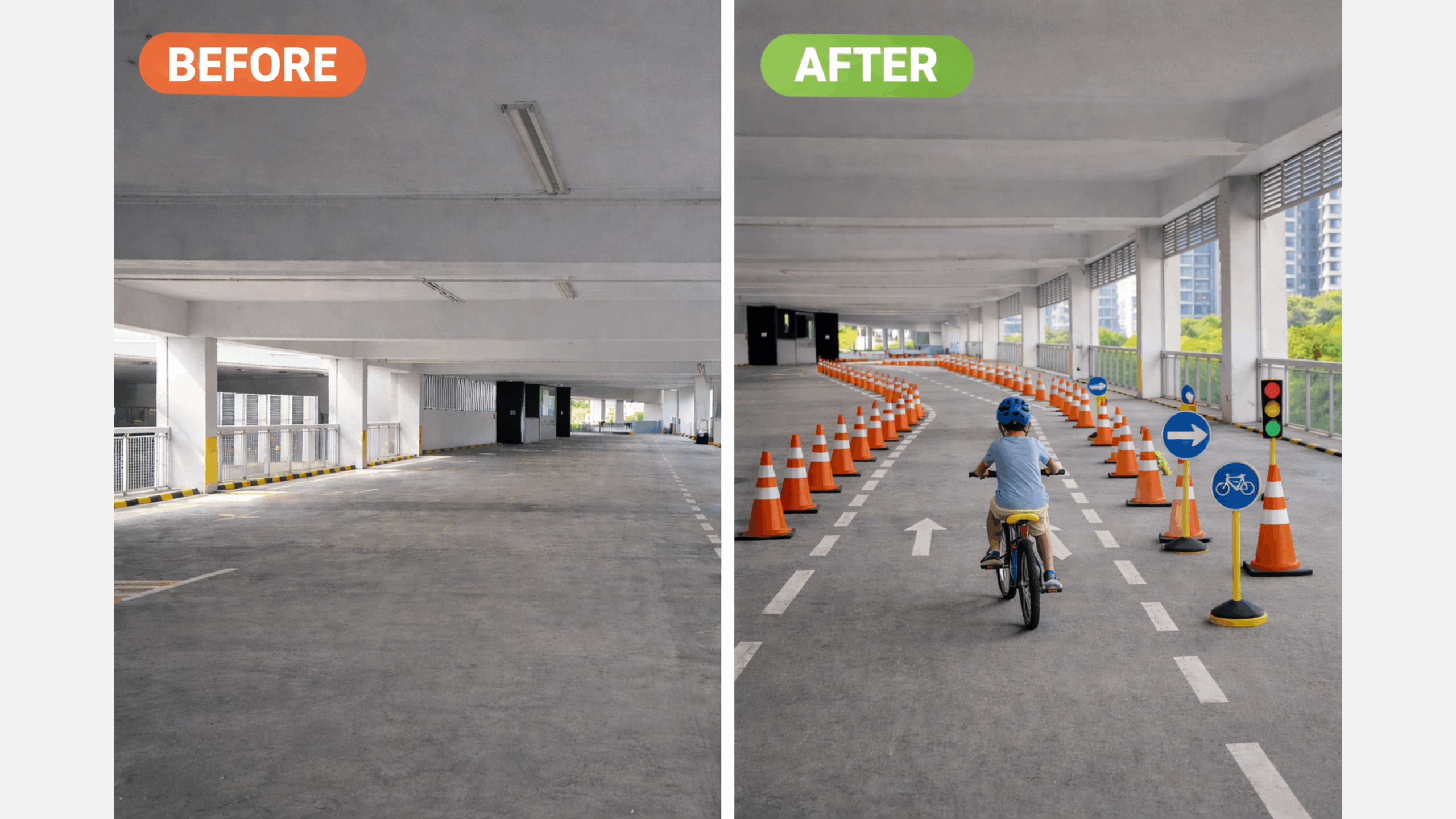
Reimagining underutilized carpark levels for community wellness at Clementi Peaks
Our project proposes the reutilization of underutilized multi-storey carpark levels at Clementi Peaks through reversible interventions that support recreation and community wellness.
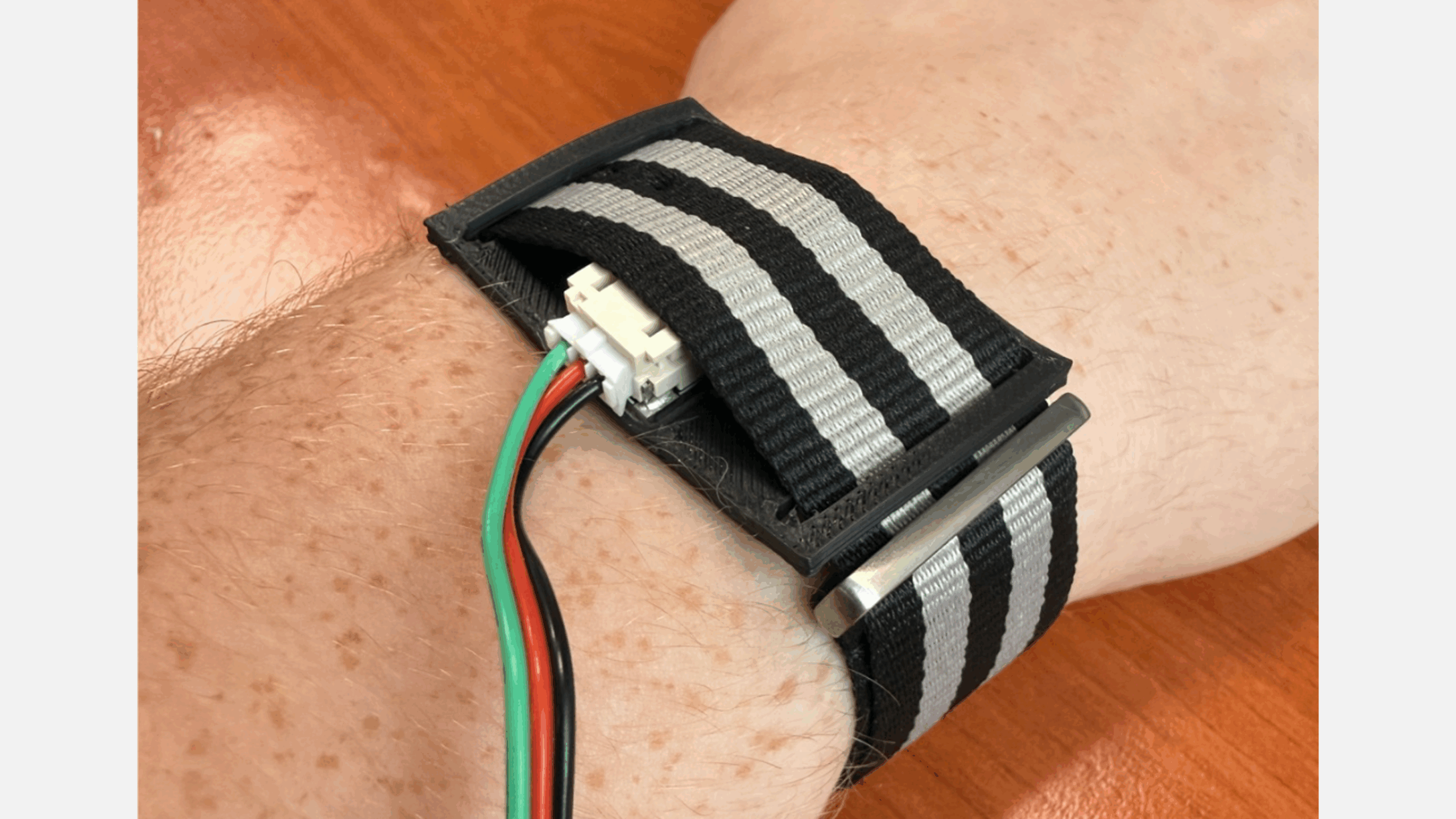
Wearable blood pressure monitoring
This project seeks to design a cuffless blood pressure monitor that is clinically accurate and suitable for wireless monitoring in a hospital setting.
Acknowledgement
This event is supported by The James Dyson Foundation.