


Pre-Event Project Showcase
Discover how donor support empowers students to pursue transformative learning experiences, develop innovative solutions and tackle real-world challenges through projects across the College of Design and Engineering.
Engineering Design and Innovation Centre (EDIC)
NUS RoboMaster
NUS RoboMaster is pushing the boundaries of robotics with seven innovative robots, from drones to autonomous systems. Fresh from their 2nd place finish at the 2023 RoboMaster University League, the team continues to showcase creativity, engineering excellence, and cutting-edge technology. Visit the showcase and meet the Standard and Hero robots in action!
Bumblebee
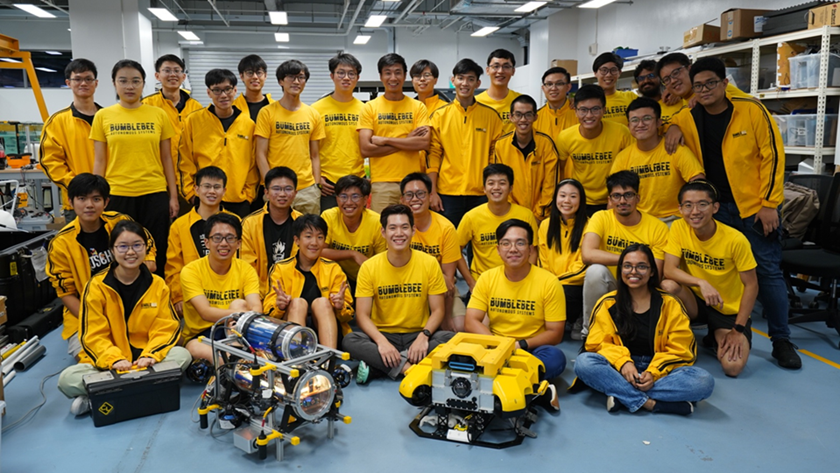
Team Bumblebee designs and builds autonomous marine vehicles capable of operating both underwater and on the water surface. Bringing together students from engineering, computing, and business, the team develops innovative solutions inspired by real-world challenges in the marine sector.
Department of Architecture
ROOTS CAMBODIA Co-creating Futures Beyond Educational Spaces
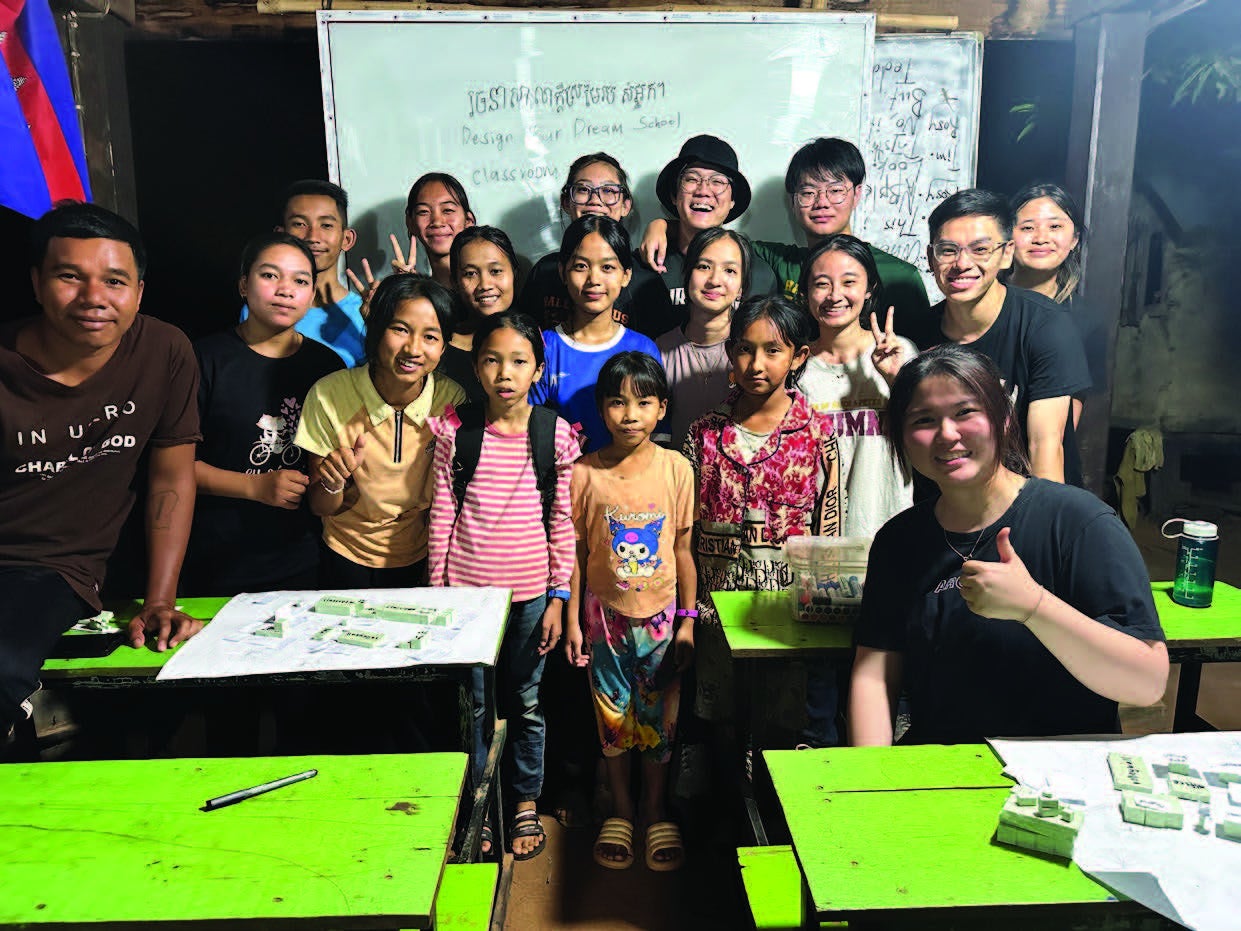
This Architecture design course engaged students in a real-world project for disadvantaged children in rural Cambodia, in collaboration with NGO ROOTS and WeCreate Studio. Rooted in several of the United Nations Sustainable Development Goals (SDGs), students co-designed learning facilities within a social enterprise ecosystem, developing self-sustaining frameworks where architecture and community programmes work together. Classrooms, libraries, and communal spaces were envisioned as educational infrastructure that also supports income-generating activities, helping to finance children's education and empower the community. A design has been selected for implementation and will be led by NUS alumna Ms Trecia Lim of WeCreate Studio. Fundraising is underway.
Living Island, Living Heritage: Design for Community Renewal on Pulau Ubin
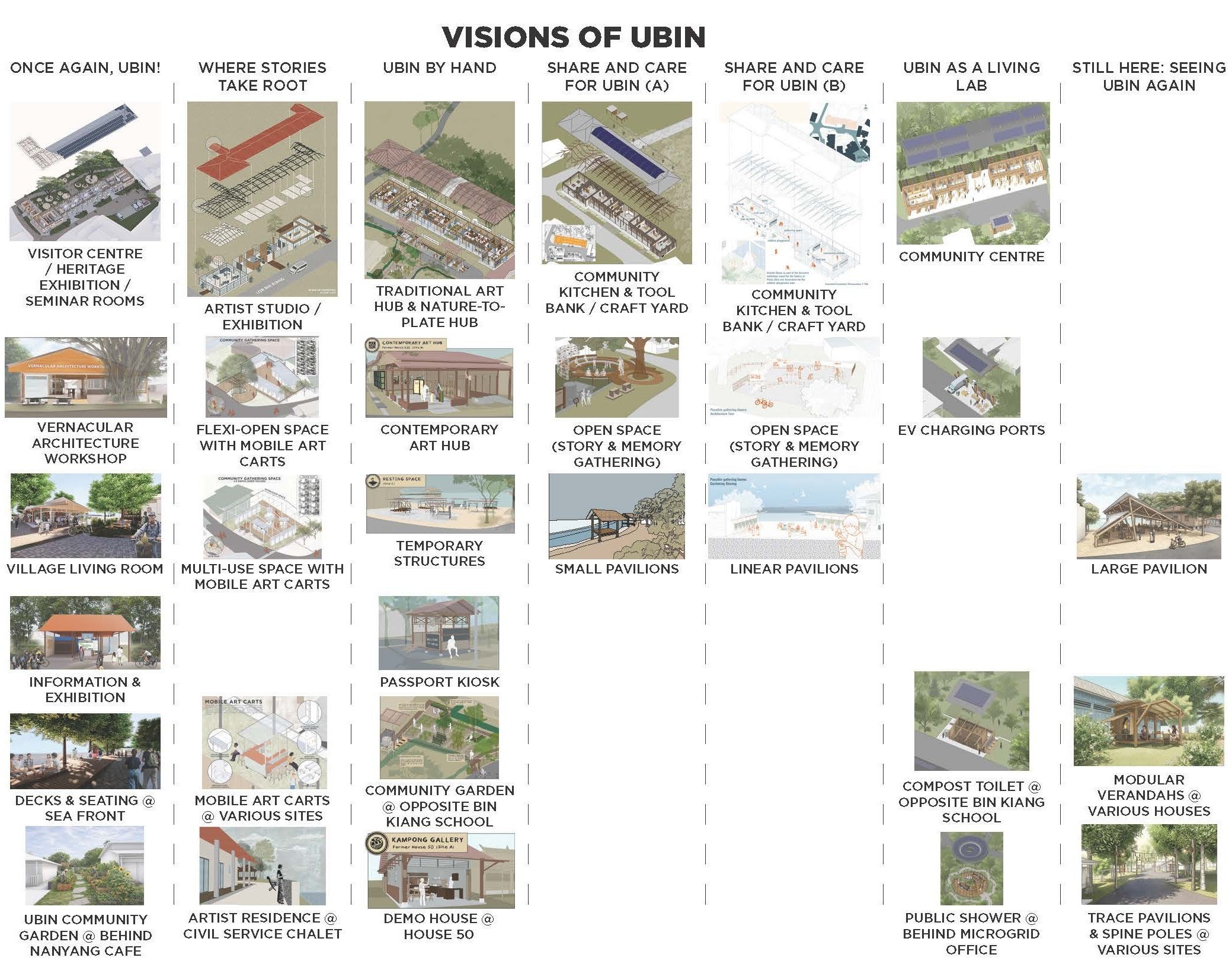
Pulau Ubin remains one of the last places in Singapore where a living kampong way of life endures. Rich in both tangible and intangible heritage, it serves as an irreplaceable archive of the nation's history. Today, its heritage faces challenges from an ageing and dwindling population, deteriorating houses, land lease constraints, and declining visitorship. This Architecture design project reimagines the revitalisation of Pulau Ubin through proposals grounded in fieldwork, 3D scanning, stakeholder engagement, and research. Students developed strategies to support sustainable livelihoods while advancing heritage stewardship, environmental sensitivity, social vitality, and sensitive renewal. We hope to implement selected ideas with donor support.
Hybrid Human–Machine Spaces
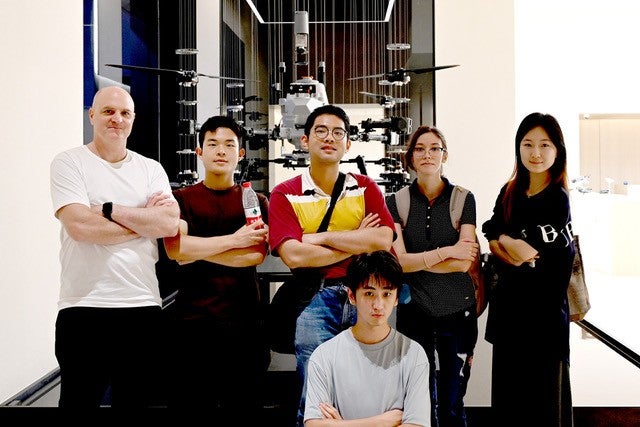
Hybrid Human–Machine Spaces explores how architecture can respond to environments increasingly shared by humans, robots, and AI-driven infrastructure. Through research, fieldwork, and design speculation, students investigated drone logistics, autonomous mobility, robotics, and data-centre ecosystems, translating these technologies into new architectural typologies. Supported by the Kumpulan Akitek Prize, the studio conducted field research in Shenzhen and Hong Kong to examine how emerging technologies are reshaping the built environment.
Department of Biomedical Engineering
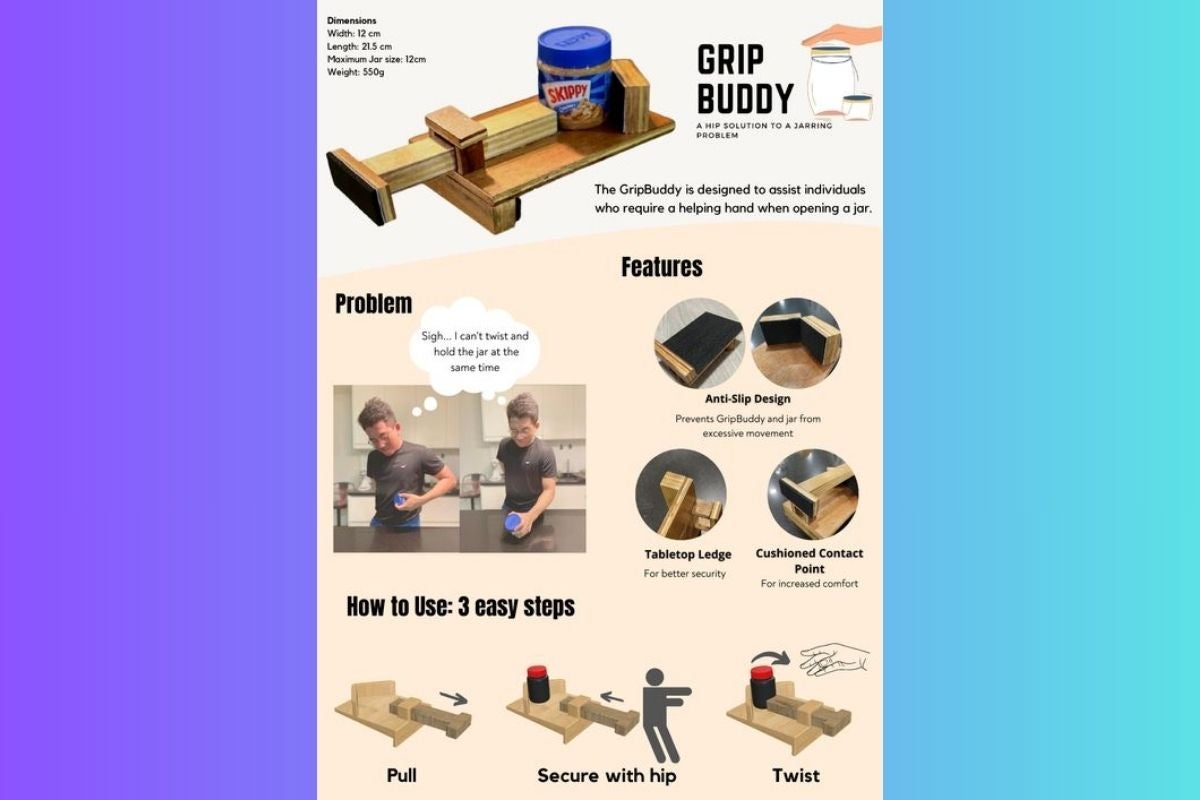
Grip Buddy
Grip Buddy is an innovative tool designed to aid individuals who need extra assistance in opening jars. It is especially beneficial for stroke patients with hemiplegia, amputees, or those suffering from arthritis, enhancing their independence.
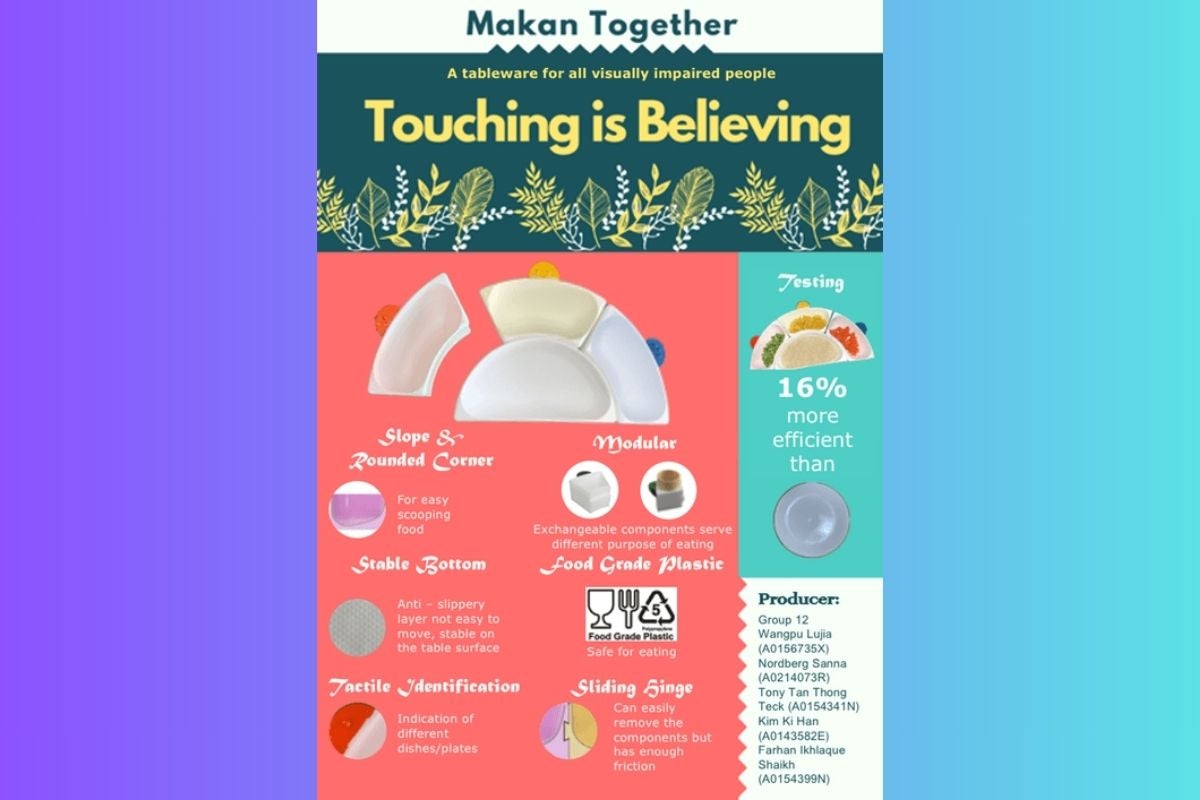
Makan Together
Makan Together is an innovative adaptive tableware set designed for the visually impaired. It enhances the dining experience by facilitating easier identification and location of individual dishes, empowering visually impaired individuals to dine with greater independence and confidence.
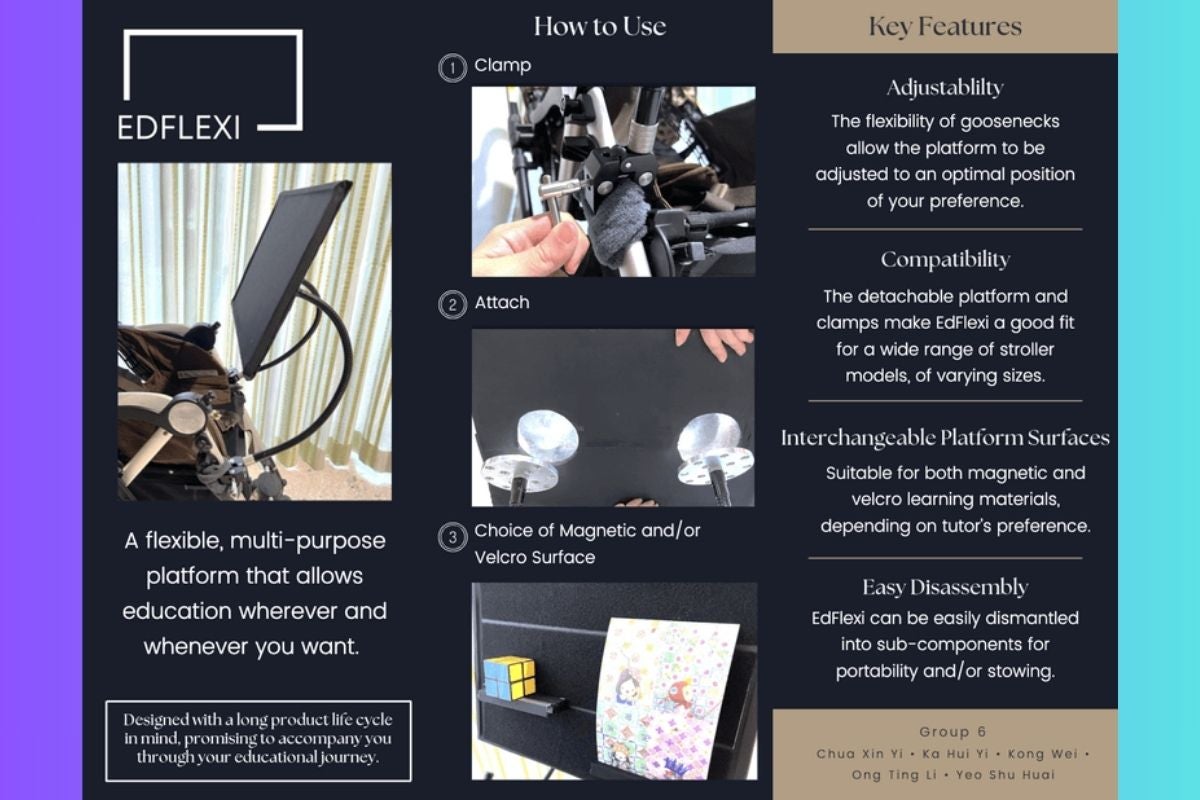
EdFlexi
EdFlexi is a tailored learning setup designed for individuals with hypotonia and visual impairment. It offers the flexibility to be adjusted at customised distances, angles, and elevations, catering to the unique needs and preferences of each individual.
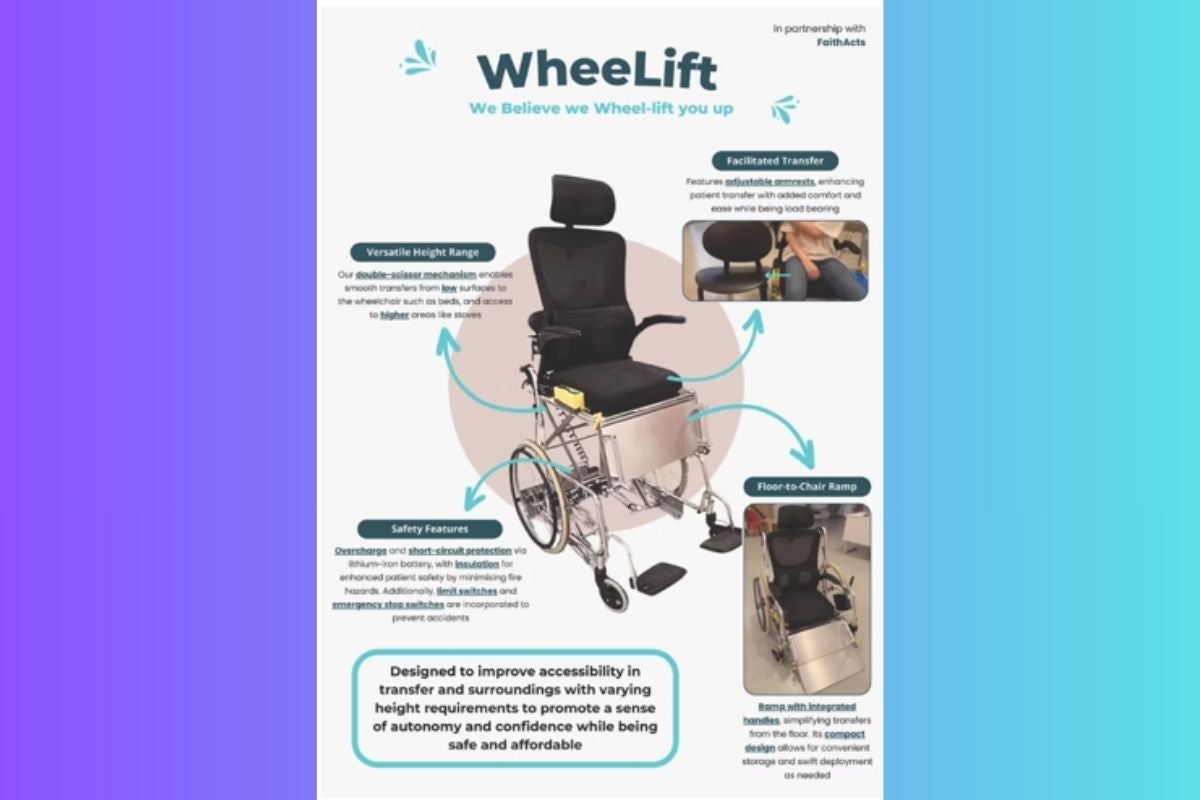
Wheelift
Wheelift is a motorised, height-adjustable wheelchair that facilitates independent transfers between different height surfaces, simply with a push of a button. Wheelift also offers extra comfort through its ergonomic office chair design.
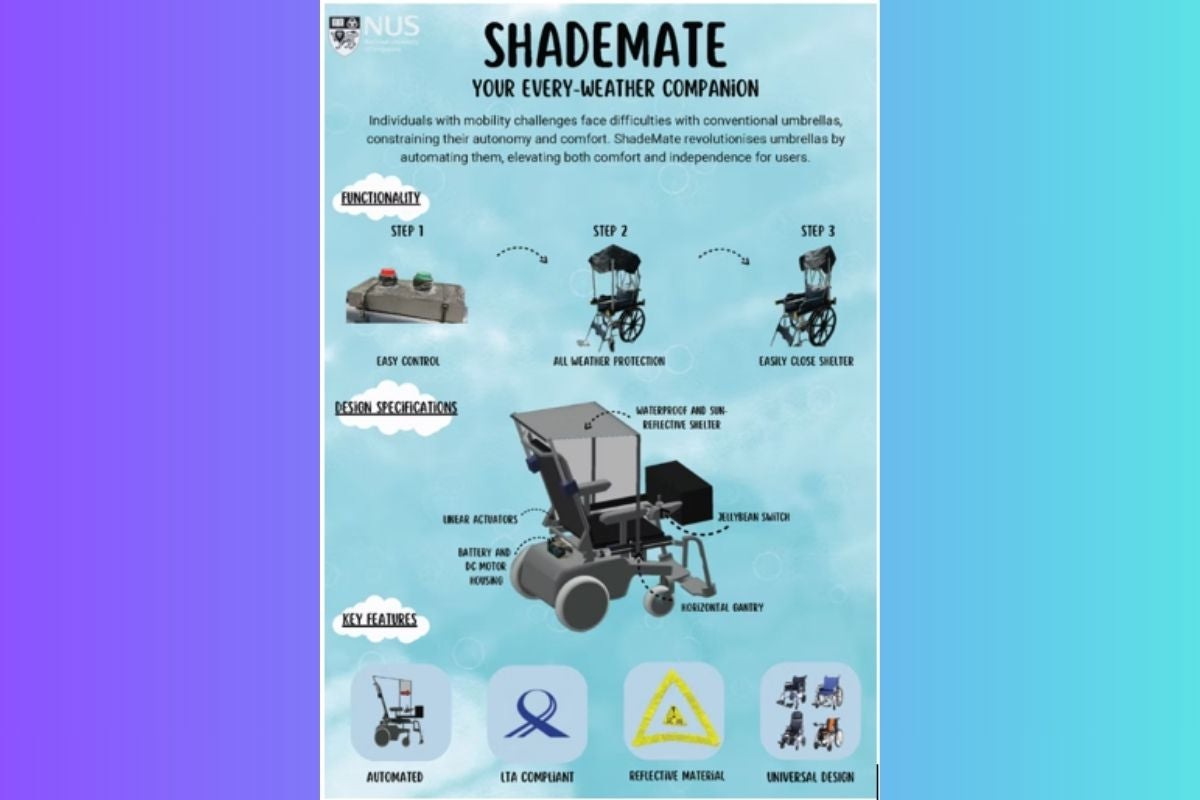
ShadeMate
ShadeMate is a motorised wheelchair canopy that provides effortless protection from sun and rain at the push of a button. Designed for PMD users with motor limitations, such as cerebral palsy and muscular dystrophy, ShadeMate enables greater independence and comfort during outdoor travel.
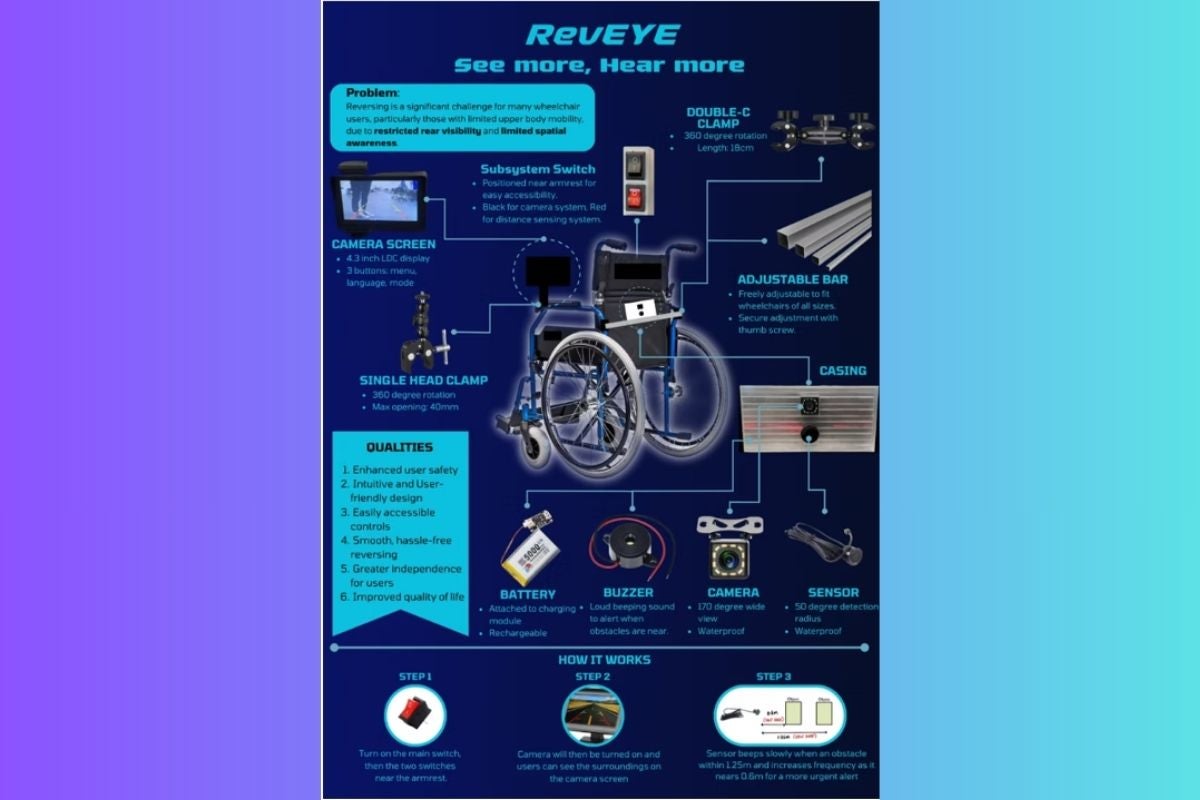
RevEye
RevEye is a reverse camera designed for wheelchair and PMD users, empowering them to navigate in tight spaces without needing to turn their upper bodies. This is beneficial for users with limited neck or torso mobility, who often face difficulty in reversing safely.
Department of Electrical and Computer Engineering
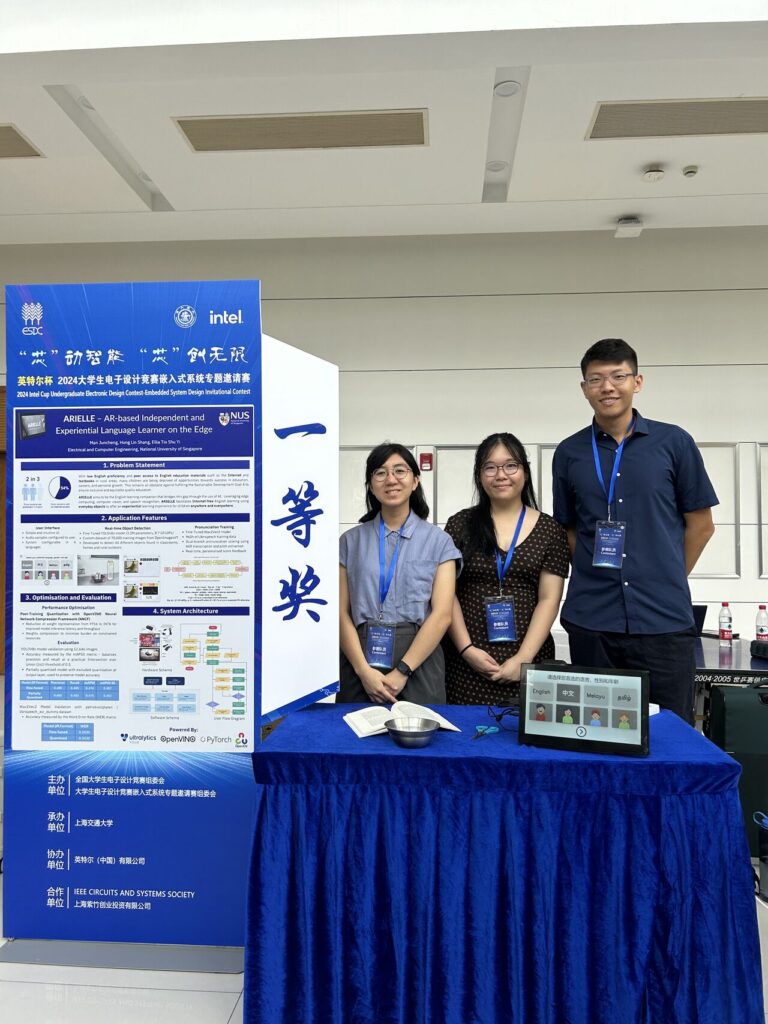
Arielle
Project Arielle is an AI-powered English language learning device designed to support rural children through interactive and accessible education. By integrating Augmented Reality, Computer Vision, Automatic Speech Recognition (ASR), and Edge Computing, the project creates an engaging learning experience while addressing educational challenges in underserved communities. Mentored by Prof. Rajesh Panicker, the team gained international recognition by winning 1st place at the 2024 Intel Cup Undergraduate Electronic Design Contest – Embedded System Invitational, demonstrating the potential of technology to bridge educational gaps and improve learning outcomes.
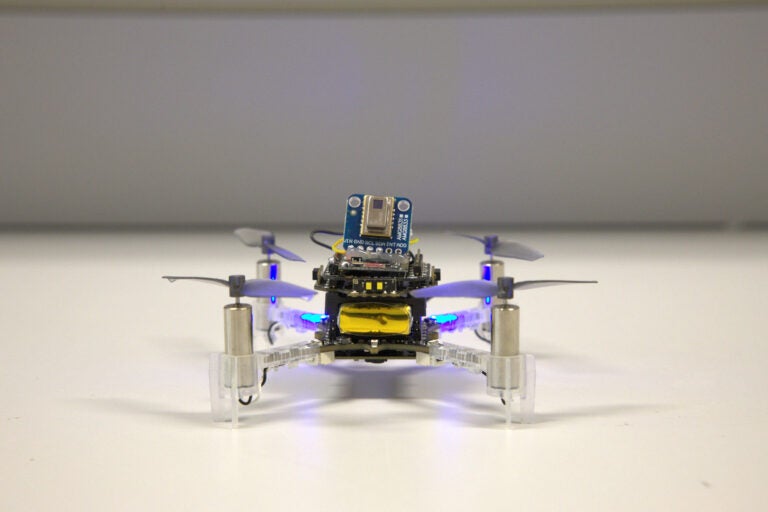
Human Detection in Indoor Spaces Using Nano Heat Sensors
Project Human Detection in Indoor Spaces Using Nano Heat Sensors explores the use of nano drones for autonomous human detection and tracking through thermal sensing. Using a palm-sized Crazyflie 2.1 platform, the system enables indoor human detection, tracking, and obstacle avoidance despite stringent limitations in computation, sensing capabilities, and flight time. The project demonstrates the potential of lightweight autonomous systems for real-world applications and was recognised as one of the winning projects supported by the Espressif Capstone Poster Competition for its innovation and technical excellence.
Department of Mechanical Engineering
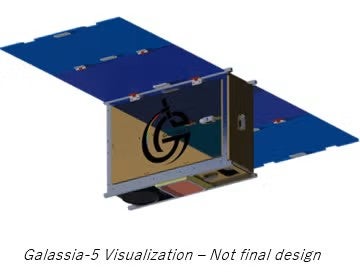
Space Systems Studio: Galassia-5
Space Systems Studio brings together students passionate about space technology to work on real-world space projects and connect with industry professionals. The studio is currently focused on developing Galassia-5, a 6U CubeSat for technology demonstration, featuring an AI-enabled camera and Ku-band radio for on-demand imaging missions. Students work closely with project sponsors and technology partners, gaining valuable experience and exposure to Singapore’s growing space industry.