“This trip is more than just a journey. It’s an opportunity to share our knowledge and skills to help improve Timor-Leste’s healthcare system,” said Samuel Lee Cong, Year 4 Biomedical Engineering student, who was part of the Rheumatic Heart Disease team during the 2025 bGlobal programme at Timor-Leste.
bGlobal is a ten-day immersive programme organised by the Department of Biomedical Engineering, where students spend part of their semester vacation working alongside local healthcare professionals in Timor-Leste. Assistant Professor Andrew Holle (Biomedical Engineering), who led the visit from NUS side, said the aim of the bGlobal Timor-Leste initiative was to have students observe and experience “multiple modalities” of the Timorese healthcare system. Students troubleshoot medical devices, explore healthcare delivery challenges, and contribute to sustainable solutions that can positively impact communities. Beyond technical skills, the programme offers a unique opportunity to engage with a different culture, develop problem-solving abilities, and cultivate empathy in real-world healthcare contexts.
The programme is organised in partnership with Maluk Timor, a Non-Governmental Organisation (NGO) based in Dili that trains and empowers local healthcare workers to strengthen the country’s primary healthcare system. The collaboration ensured that students had meaningful access to hospitals, clinics, and community health teams across Timor-Leste.
The department’s main liaison at Maluk Timor was Lubanji Maseka, Associate Programme Director, who coordinated ground operations and supported the students’ learning experience. She shared: “The staff of Maluk Timor had a fantastic time facilitating the visit of the NUS students who were part of the bGlobal programme. We were able to show them the work we do across our Human Immunodeficiency Virus, Tuberculosis, Maternal and Child Health, Rheumatic Heart Disease and Oral Health programmes. It’s always interesting to help display Timor-Leste's health landscape while demonstrating how Maluk Timor contributes to strengthening the primary health care system!”
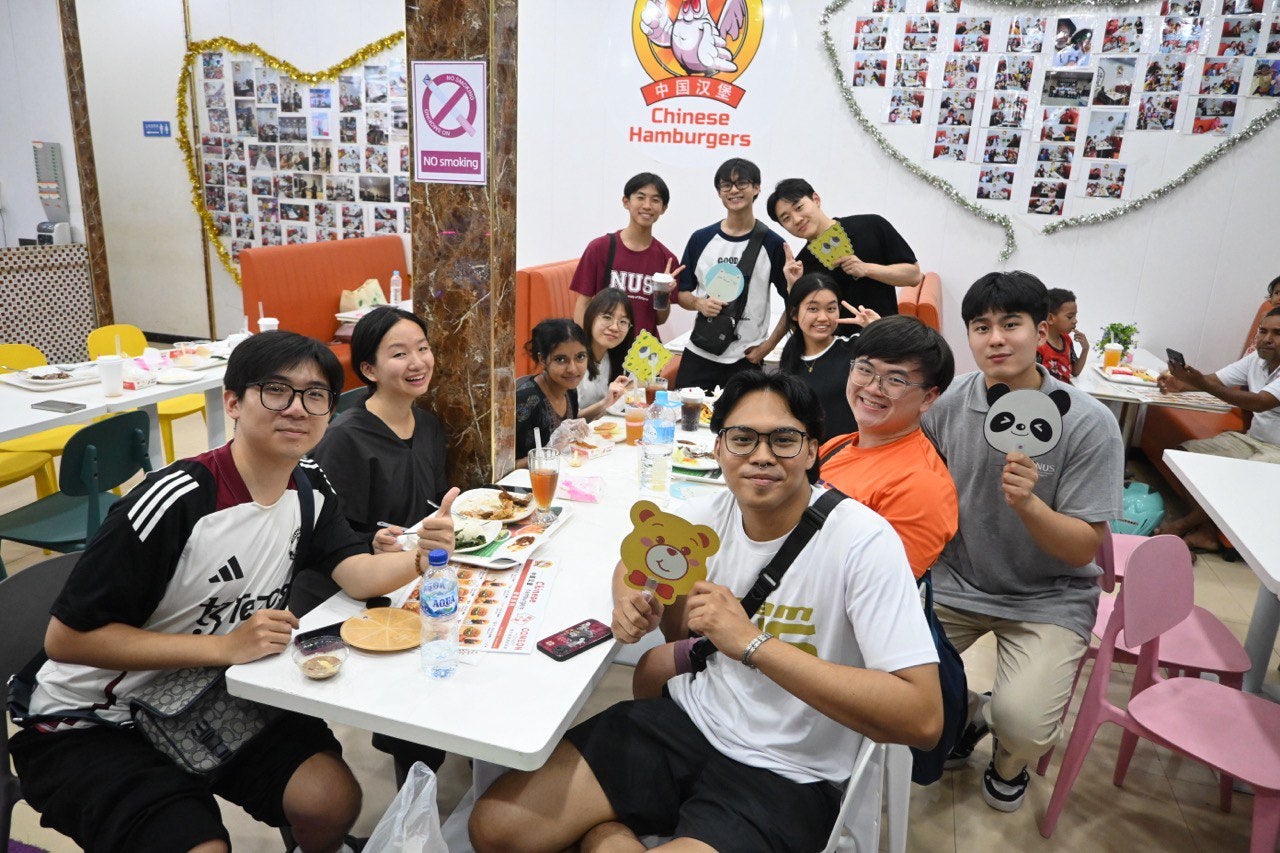
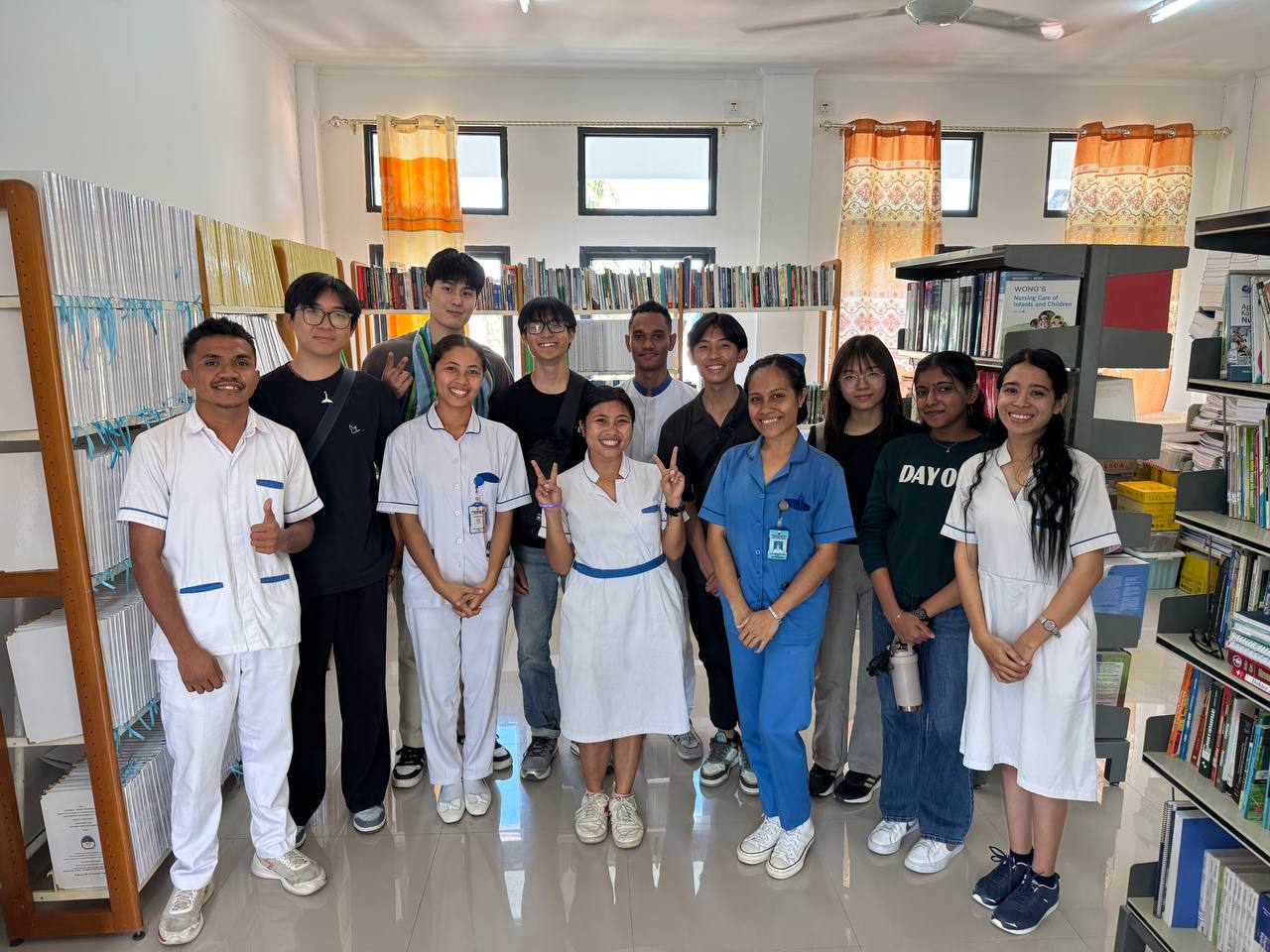
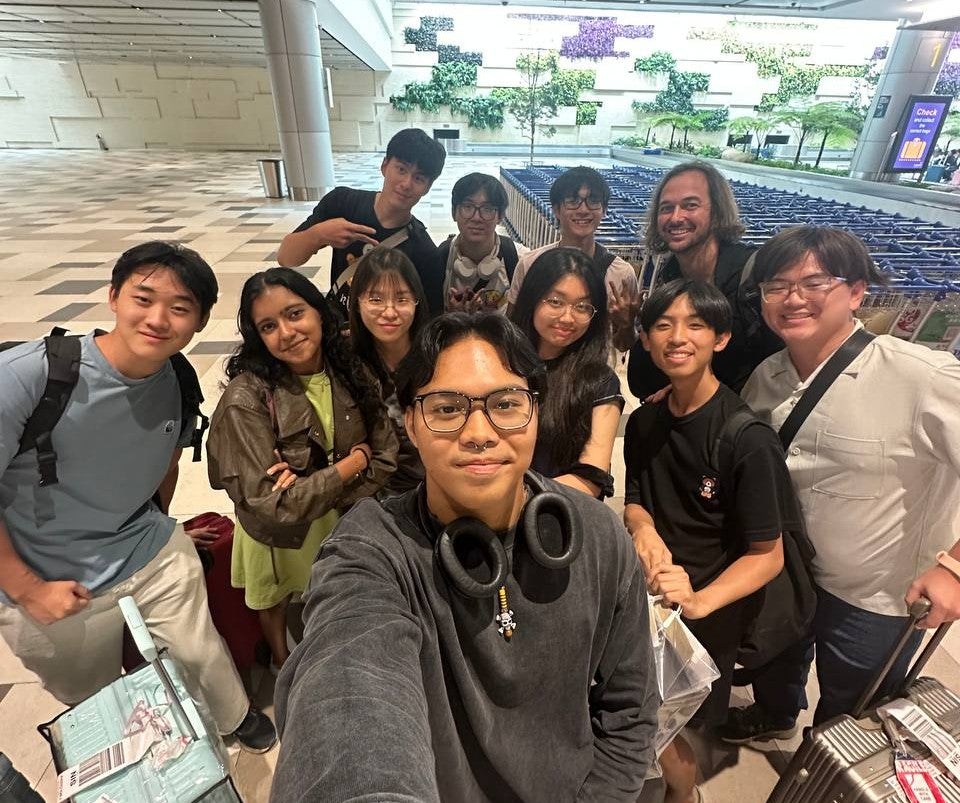
For 11 students this year, the programme spanned the capital of Timor-Leste, Dili, as well as remote mountainous villages and islands, such as Atauro. From the moment they arrived, they experienced the warmth and hospitality of locals. Samuel reflected, “The locals’ genuine smiles and open hospitality left a deep impression on me. It’s clear that while the country still has much room to grow, its people are working hard to build their home with pride and hope.”
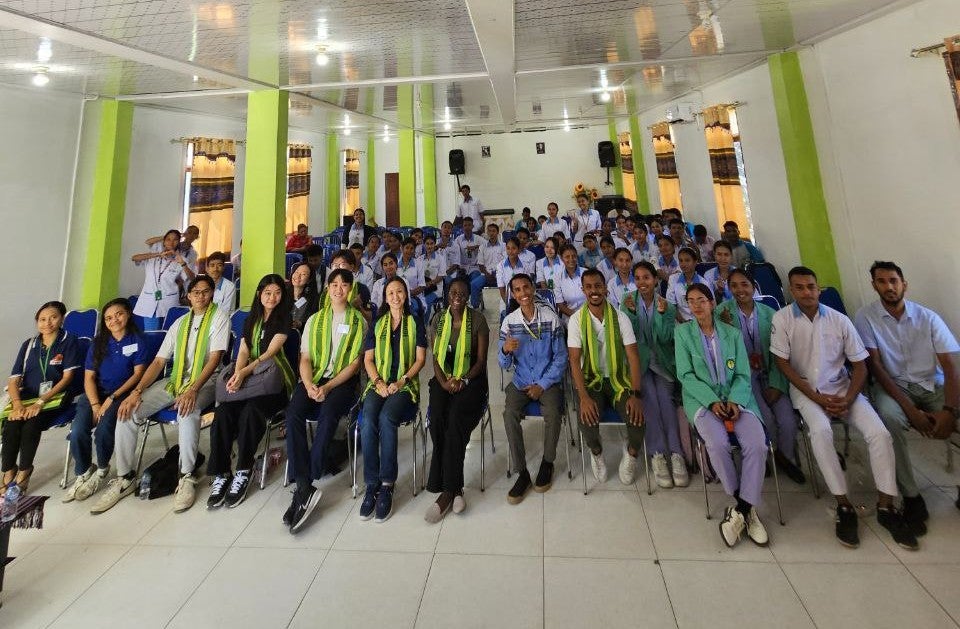
The students were divided into four teams: Rheumatic Heart Disease, Maternal and Child Health, Tuberculosis, and Dental, to explore different facets of healthcare in Timor-Leste. This approach allowed each group to focus on a specific issue, working closely with local healthcare staff and organisations to understand day-to-day challenges and gaps. By learning through different lenses, the students gained a richer understanding of the country’s healthcare landscape. When they later came together to share their experiences, they were able to connect insights across teams and appreciate how different areas of healthcare support one another in improving community wellbeing.
The students’ hands-on work involved hospitals, clinics, and NGOs across Timor-Leste. Yee Jia Ying (Year 3) from the Dental team said, “Some of the medical devices are broken or arrive without manuals, making it hard for staff to use them effectively. Often, these machines sit unused for years before being disposed of.”

Students also witnessed the challenges of healthcare accessibility. Kirby Lee (Year 3), from the Maternal and Child Health team, reflected on a visit to a mountainous village: “I realised how challenging it is to deliver healthcare in mountainous areas; residents may spend hours just to reach a clinic, which shows how crucial mobile clinics and accessible solutions are.” Zhao Chenanxin (Year 4) added, “I kept thinking, how can we, as engineers, use our skills to give these communities more resources and tools? And most importantly, how can we preserve humanity and empathy in a world that’s becoming more self-centred?”
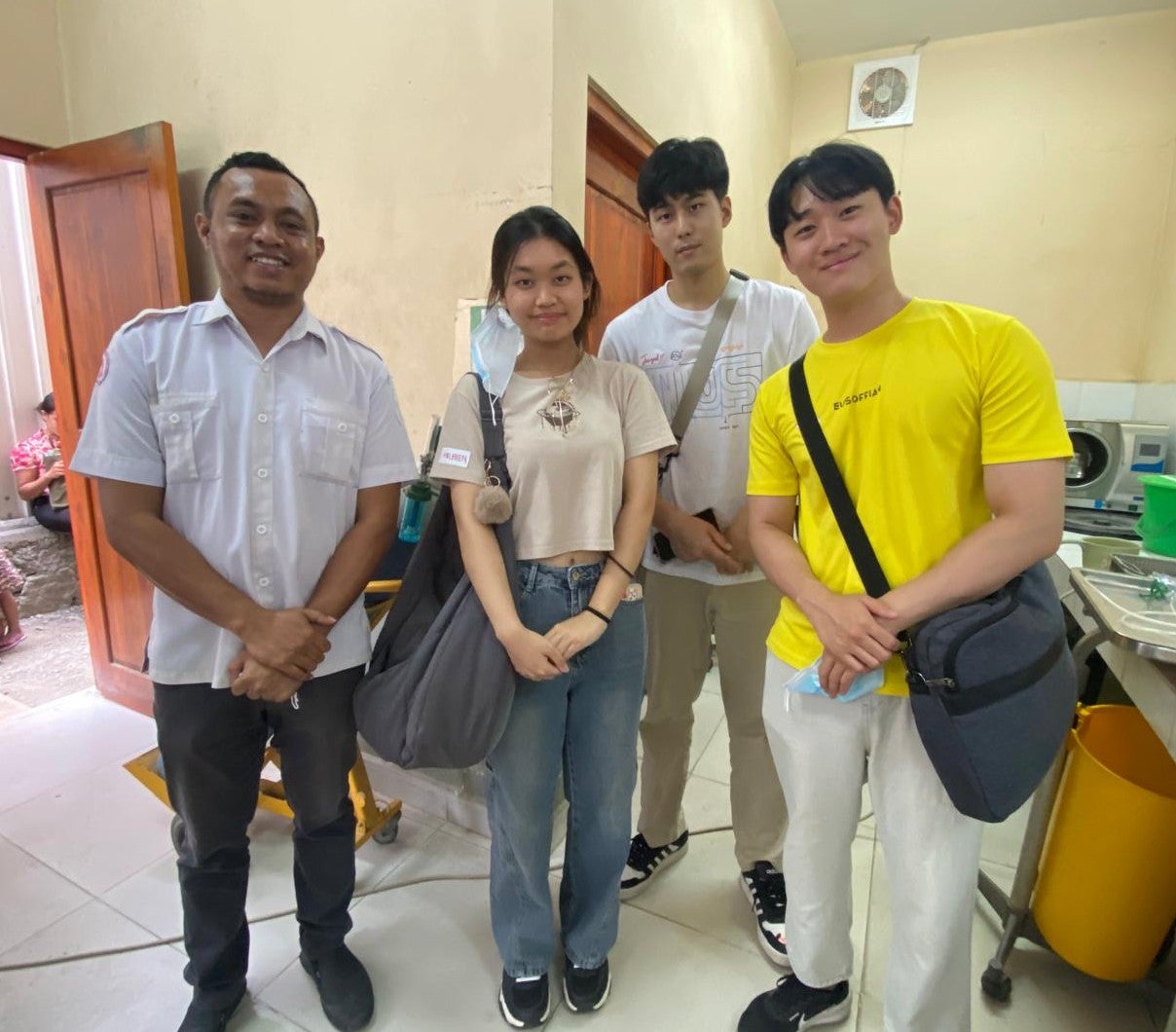
Beyond technical skills, the programme emphasised reflection, teamwork, and cultural understanding. Muhaimin Yunus (Year 3), from the Tuberculosis team, recalled, “These moments of reflection, watching the sunrise, sharing meals, or just talking with friends, reminded me why empathy and understanding are just as crucial as technical skills in global health.” Ng Kai Heng Jackie (Year 2), part of the Rheumatic Heart Disease team, was inspired by the dedication of local staff: “Watching the local healthcare staff adapt to high patient volumes with limited resources was eye-opening. Their resilience and dedication are inspiring.”
Extending bGlobal into Final-Year Projects
This year also marked a new milestone. For the first time, students could extend their bGlobal experience into their individual Final-Year Projects (FYPs). Four students are now developing early-stage prototypes that address healthcare needs observed on the ground.
Muhaimin Yunus, supervised by Assistant Professor Holle, is developing a medical equipment inventory and preventive maintenance system. His project aims to track and maintain hospital equipment efficiently, ensuring that devices in resource-constrained facilities remain functional and can be shared across hospitals. “It can feel overwhelming at times,” he admitted, “but I try to focus on the good that I can do for the people who were so welcoming to us.”
Chelsea Zhao, under Dr Khoo Xiaojuan, is designing a device to stop postpartum bleeding (PPH), directly addressing maternal health risks in rural areas where access to medical care can be limited.
Chen Hui Zhen, supervised by Associate Professor Mark Chong, is developing a blood loss monitoring system. Home births remain common in Timor-Leste, and her system provides a simple, low-resource method to estimate and manage blood loss, helping reduce preventable maternal deaths. Hui Zhen reflected, “Timor-Leste is a developing country, so our ideas can’t depend too much on high-tech solutions. It really made me rethink what ‘innovation’ means.”
Yee Jia Ying, also supervised by Assistant Professor Holle, is developing a CPR training feedback device that attaches to manikins, allowing nursing students to practise life-saving CPR effectively even with limited instructor guidance. “Unlike traditional projects, bGlobal allowed me to engage directly with stakeholders. Seeing their daily challenges firsthand has been incredibly motivating,” she said.
Through these projects, the students are not only applying their biomedical engineering training but also deepening their understanding of empathy-driven, practical innovation that can make a real difference in Timor-Leste’s healthcare system. Previously held only in Timor-Leste, the bGlobal programme will, from next year onwards, rotate between Uganda and Timor-Leste, offering students the opportunity to experience diverse healthcare contexts and continue making a positive impact globally.
As Assistant Professor Holle shared, “I’m really eager to see how bGlobal builds on the foundation we have built over the past three years in Timor-Leste and evolves in a new environment in Uganda. One exciting aspect of this new programme is that our students will work directly with Biomedical Engineering students from Makerere University to co-design new engineering solutions to medical challenges.”
About bGlobal
The bGlobal initiative is a branch of bGood, an initiative of the Department of Biomedical Engineering, that focuses on utilising bioengineering to address problems in developing countries through community-based learning, connecting education with community partners for public benefit.
bGood (Biomedical Engineering for Good) aims to connect education with community partners through a community-based learning approach that enhances students’ learning and engagement. The programme enables aspiring biomedical engineers to work with community partners and disadvantaged individuals to co-design and solve real-world challenges through design and technological innovations, providing solutions for public benefit as part of their coursework.
The Timor-Leste visit forms part of BN2001, an independent study module for Biomedical Engineering undergraduate students.
The 2025 bGlobal programme was jointly organised with Maluk Timor, an NGO based in Dili that works to train and empower local healthcare workers and build a sustainable local healthcare system. Special thanks to Lubanji Maseka (Associate Programme Director), who was the main point of contact and ensured the programme ran smoothly; Juliana Araújo Costa Pereira (Head of HR and Admin Department), who supported logistics and planning; and Dillyana Ximenes (Executive Director), who welcomed the programme under her new leadership.
The visit was partially supported by the NUS Global Relations Office and was officially an NUS Study Trip for Engagement and EnRichment (STEER), which sponsored participating students to defray costs. Kudos to Jasper Tang Tian Da, who facilitated the student applications.
Photos courtesy of students.