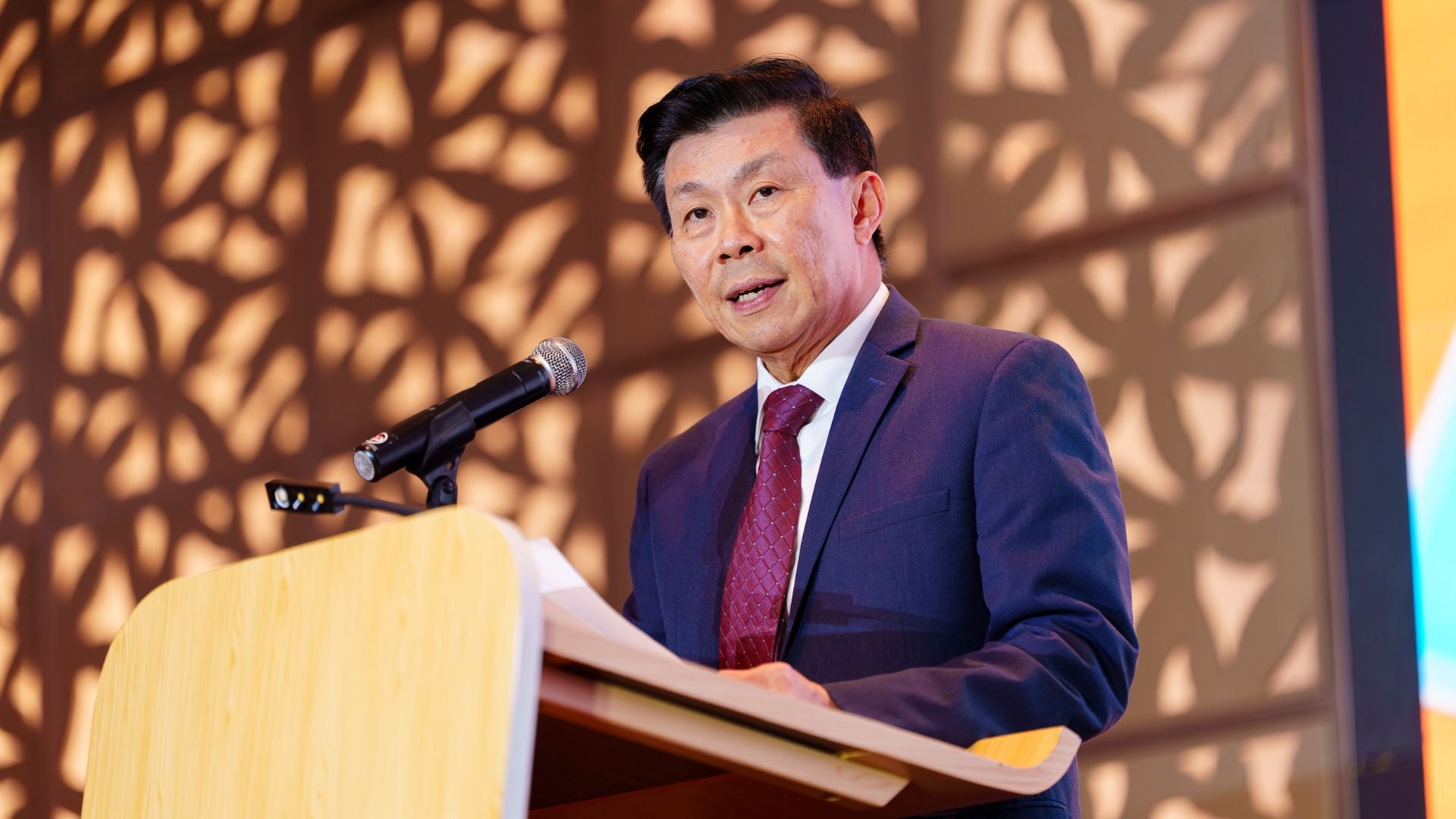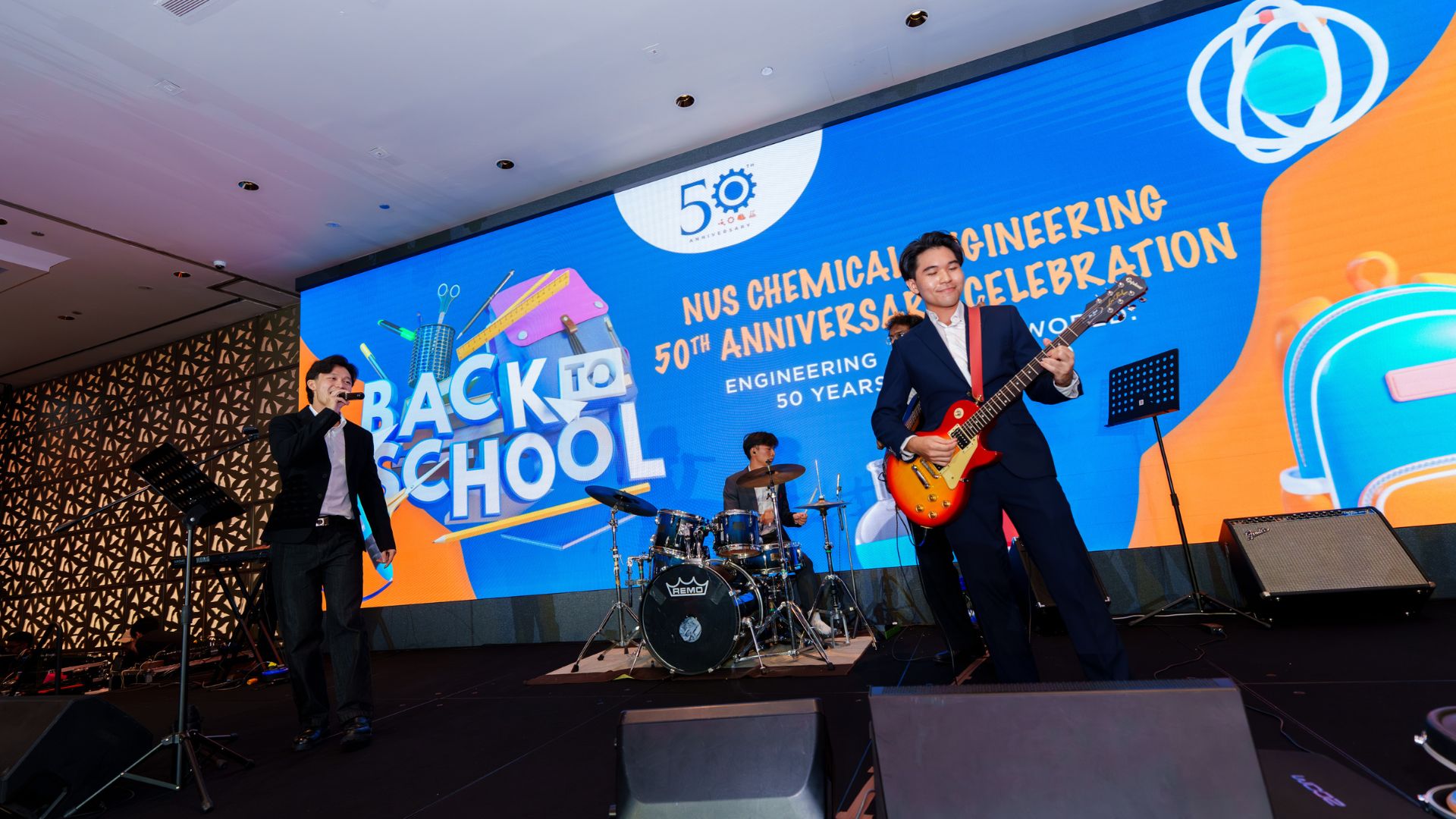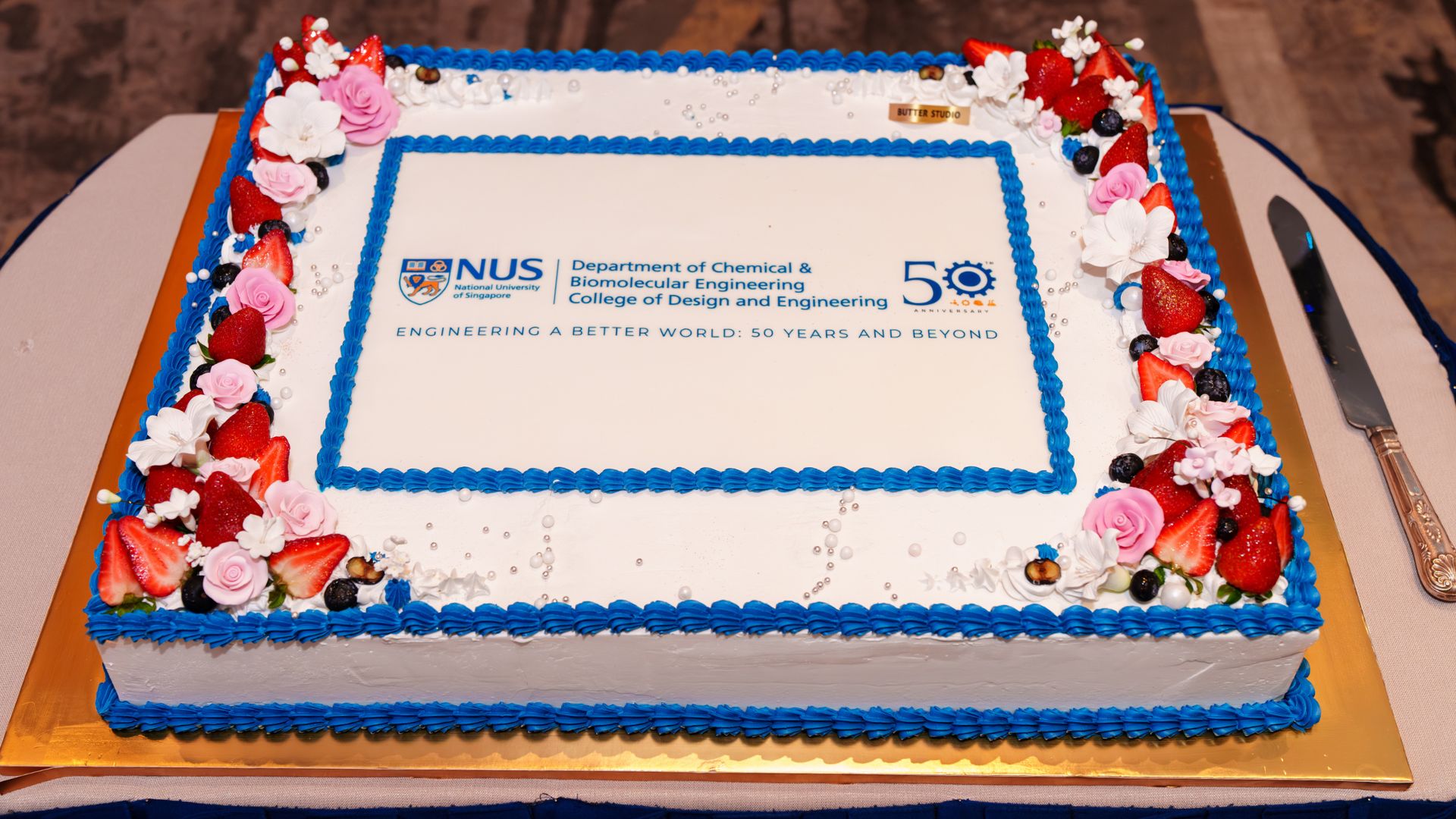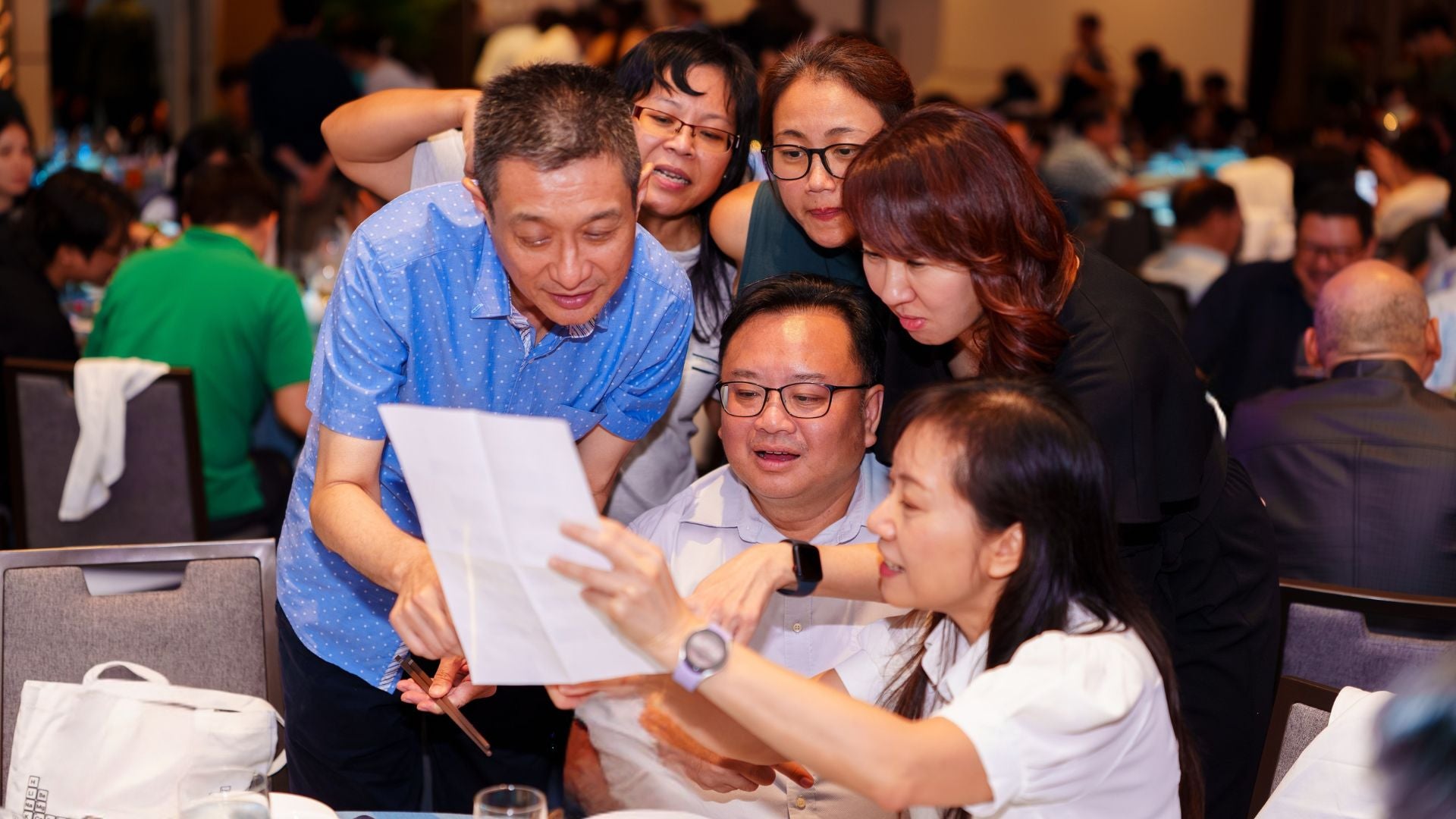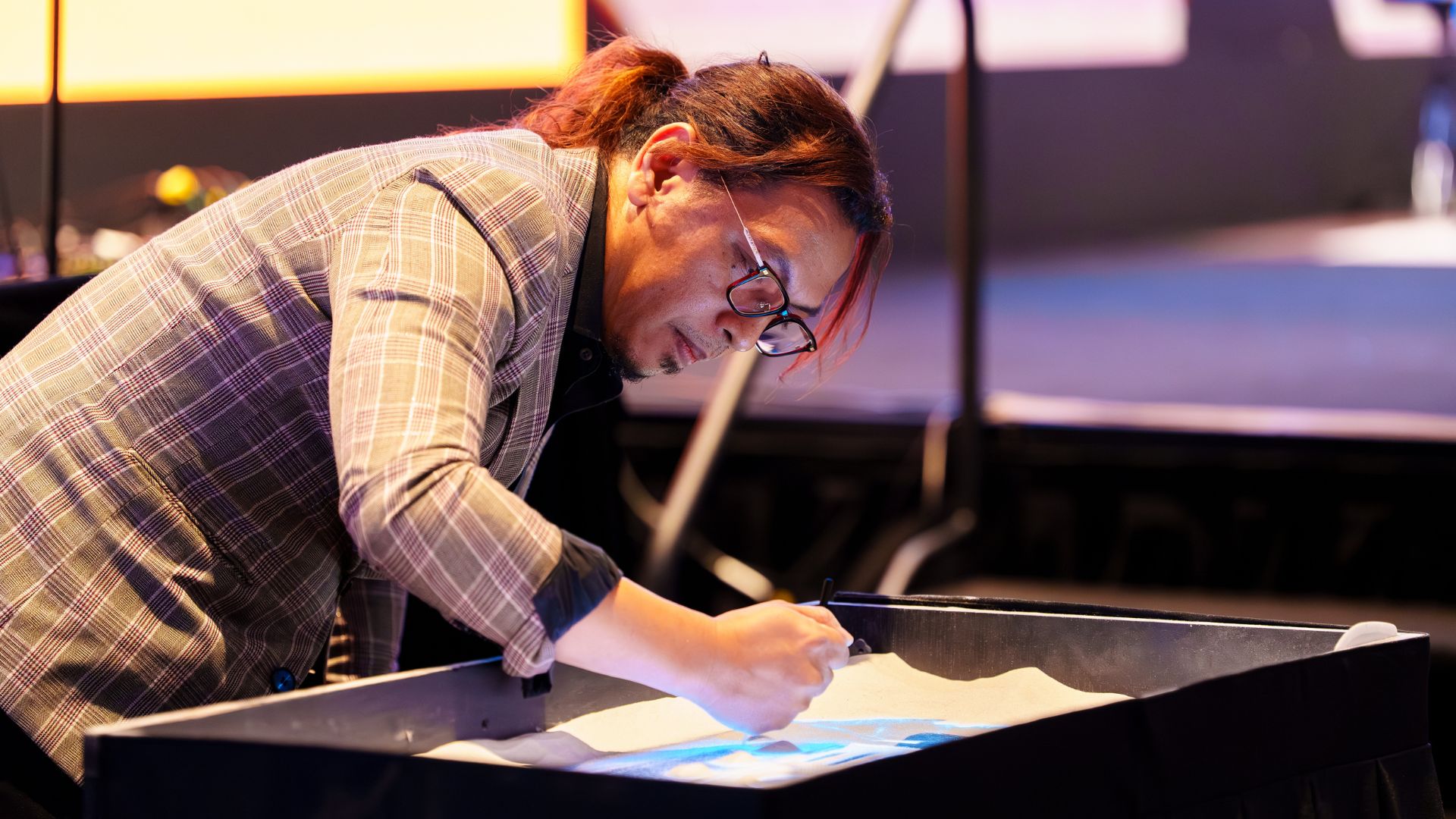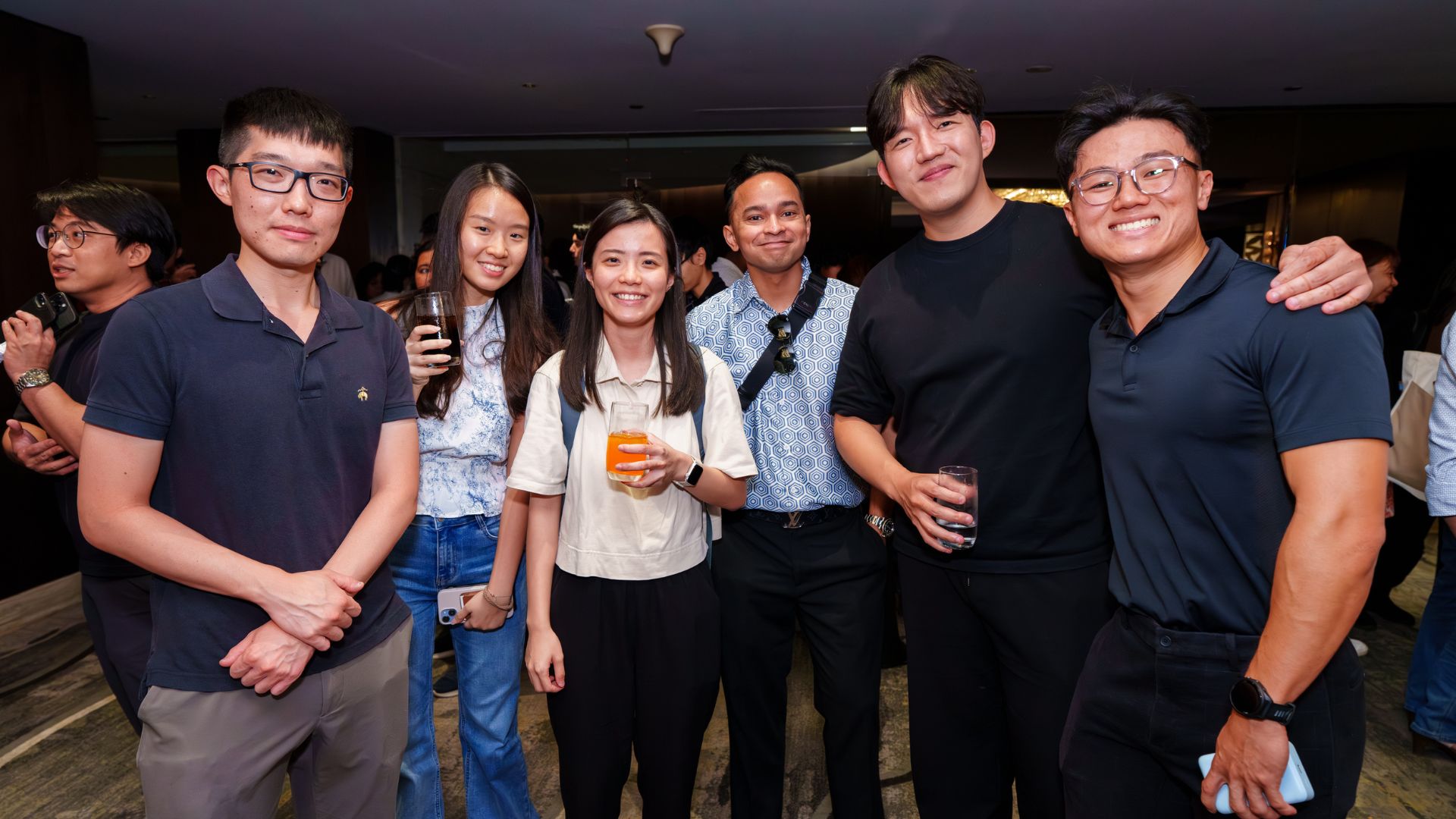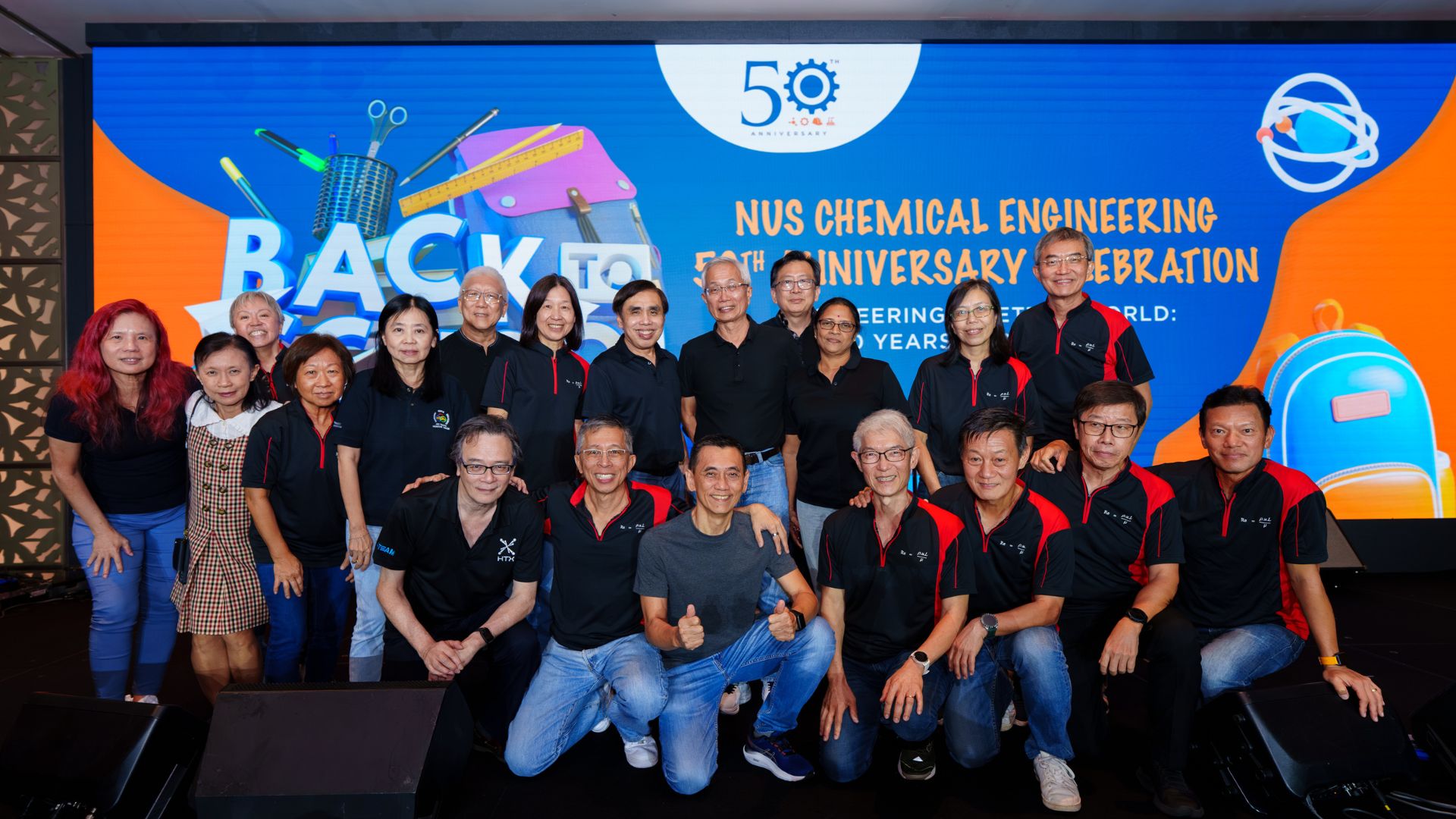
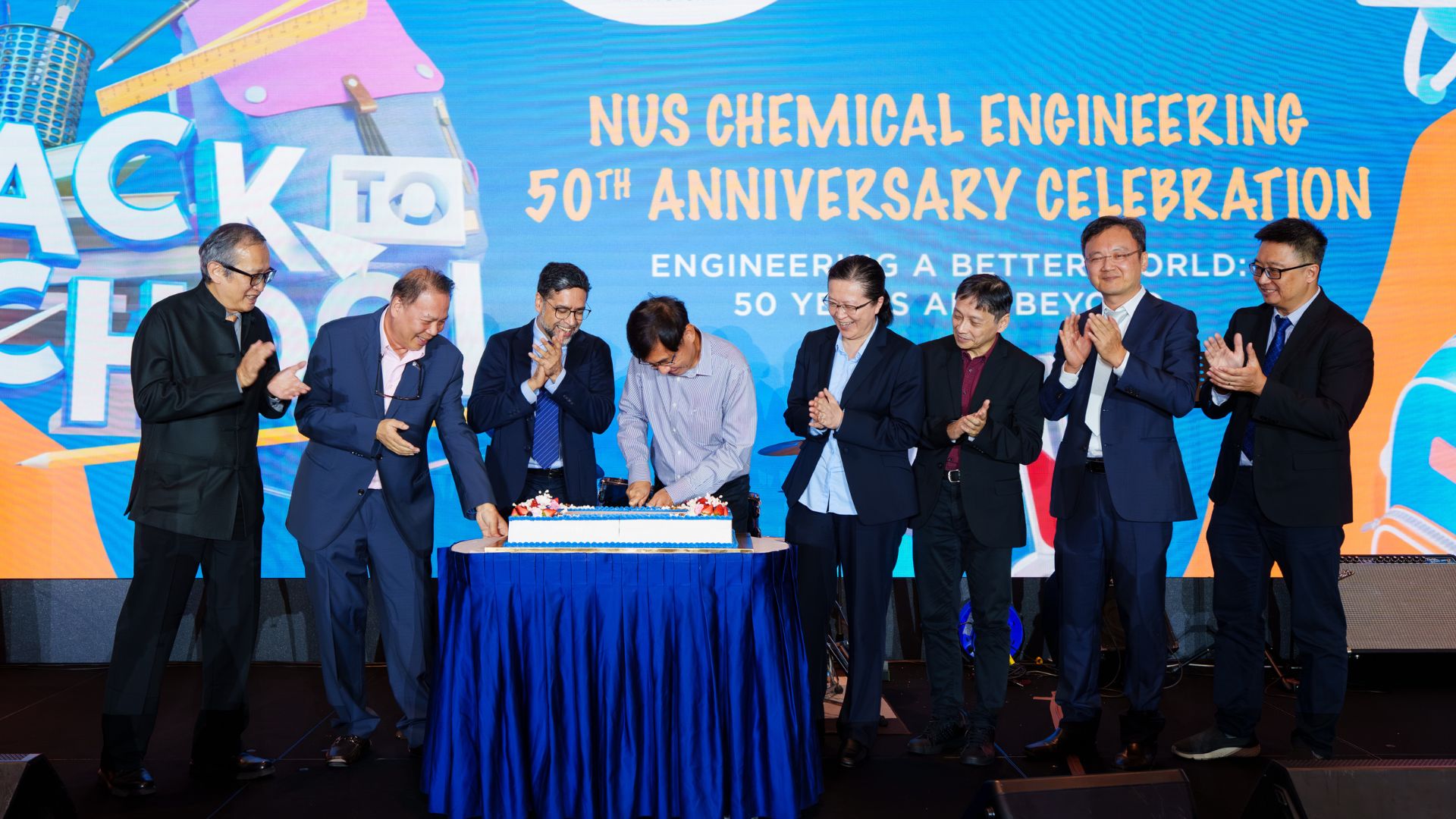
When Mr Lee Yi Shyan first entered NUS in the early 1980s, Fortran was the newest programming language and personal computers were still a novelty. Four decades later, speaking as Guest of Honour at the Department of Chemical and Biomolecular Engineering (ChBE) 50ᵗʰ Anniversary Gala Dinner, he reflected on how those early lessons in logic and systems thinking shaped not only his career but also Singapore’s broader story of progress.
Engineering thinking, national progress
“It is my belief that Singapore is what it is today because we have engineers at every level of leadership and decision-making,” said Mr Lee.
Mr Lee, who graduated from NUS Chemical Engineering in 1983, recalled how his early education trained him to think analytically and approach complex challenges systematically — lessons that would underpin his work in both industry and government.
He began his career at MINDEF, where he applied engineering reasoning to organisational systems. Later, at the Economic Development Board, he worked on the concept of Jurong Island, which merged seven smaller islands into a single integrated chemical complex — a vision that helped shape the world-class chemical and energy ecosystem Singapore has today.
Reflecting on his years in public service, including his tenure as CEO of IE Singapore and later as Senior Minister of State, Mr Lee noted how his NUS education had prepared him for leadership beyond the traditional boundaries of engineering. Courses in economics, sociology, and management, he said, broadened his perspective and reinforced the value of interdisciplinary learning — a principle that continues to guide modern engineering education today.
“Engineering education does more than teach us how to build. It teaches us how to think, adapt and keep learning throughout life,” he shared.
From petrochemicals to biotechnology and beyond
In his address, Professor Saif Khan, Head of Department, reflected on how ChBE’s growth over the past five decades mirrors Singapore’s own transformation. From training engineers who supported the nation’s early petrochemical and manufacturing industries to pioneering advances in biotechnology, water technology, and clean energy, ChBE has remained at the heart of Singapore’s innovation story.
The department’s alumni and faculty have played key roles in establishing major national research institutes, including the A*STAR Bioprocessing Technology Institute and the former Institute of Chemical Engineering Sciences (now ISCE²). Today, ChBE’s research spans molecular engineering, sustainable process design, and digital technologies that are redefining the future of chemical and biomolecular sciences.
Celebrating people and pioneers
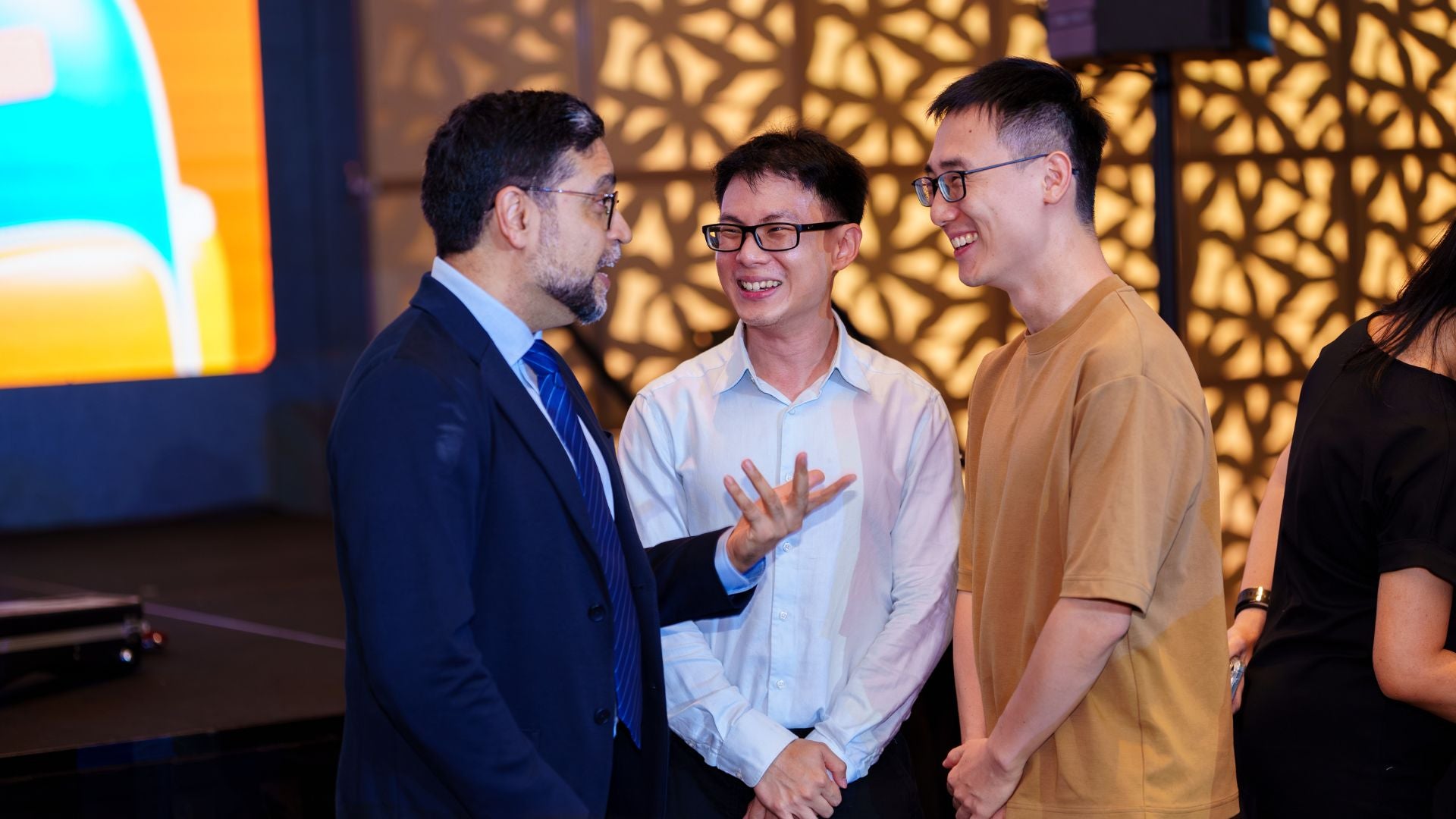
Prof Khan also paid tribute to the community that has shaped the department’s success, particularly its female faculty trailblazers, whose achievements have left a lasting impact on Singapore’s research landscape.
These include Professor Koon Gee Neoh, Professor Liu Bin, and the late Professor Miranda Yap — the first female recipient of the President’s Science and Technology Medal — each of whom broke new ground in research and leadership. Their contributions, Prof Khan said, exemplify ChBE’s inclusive and forward-looking spirit.
“We honour the legacy of those who came before us and look forward to new horizons of discovery, innovation and collaboration,” said Prof Khan.
Charting the next chapter
As ChBE celebrates its golden jubilee, it stands at the intersection of new scientific frontiers — where chemical, biological and digital engineering converge to drive sustainable solutions for the future. With a strong foundation in interdisciplinary research and a global network of over 7,000 alumni, the department continues to nurture engineers who combine technical excellence with creativity, empathy, and purpose.
Here’s to the next 50 years of discovery and impact — and to the generations of engineers who will shape what comes next.