

Cells in our bodies squeeze through dense tissue channels, thread past neighbouring cells and navigate every nook and cranny within the extracellular matrix — the mesh-like network that surrounds and supports cells. How well they do this can shape a wide range of physiological processes, from wound repair to the spread of cancer.
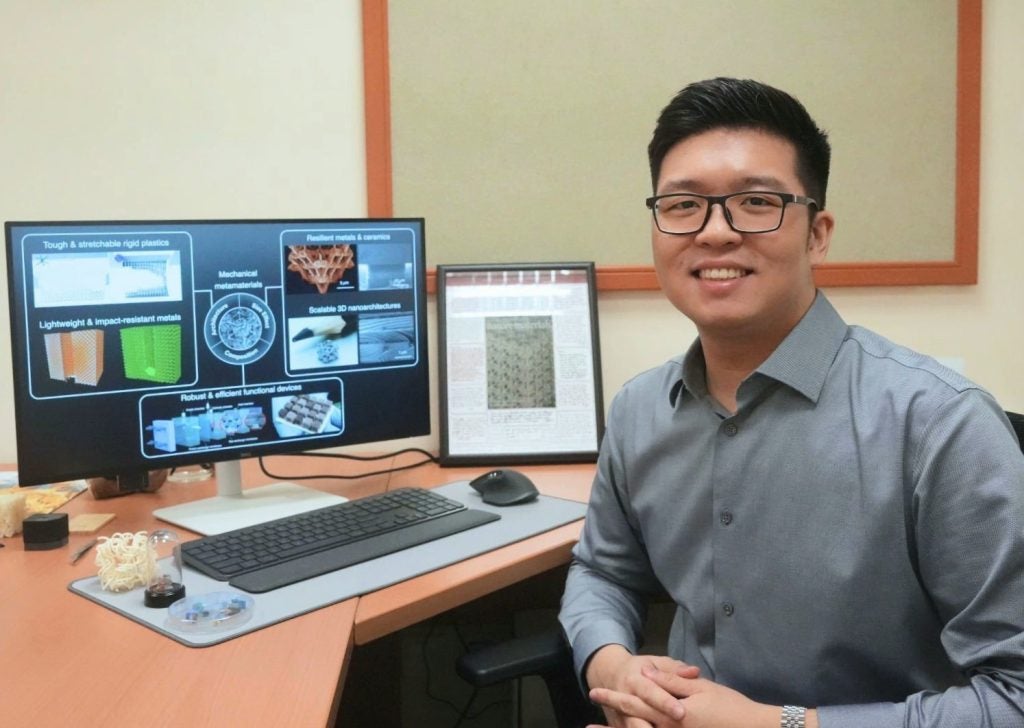
A team led by Assistant Professor Andrew Holle from the Department of Biomedical Engineering at the College of Design and Engineering, National University of Singapore (NUS CDE) has shown that cells can carry a physical memory of the environments they have experienced, and that this memory can influence how efficiently they later move through confined spaces.
Crucially, the team identified NFATC2, a member of the NFAT family of transcription factors, as a key regulator of this process. A transcription factor is a protein that helps control which genes are switched on or off. By linking a cell’s past mechanical environment to changes in gene activity, NFATC2 appears to help encode and maintain this “mechanical memory” — a finding that could help researchers better understand how cells migrate during cancer metastasis, wound healing and tissue regeneration, and inform the design of biomaterials that guide cell behaviour.
The work was published in Cell Reports on 28 April 2026.
A trip down memory lane
The study focuses on a question at the core of mechanobiology: how do cells respond to the physical properties of their surroundings? Cells are known to sense whether their environment is soft or stiff. A cell in soft tissue, for example, can behave differently from one on a rigid surface.
What has been less clear is whether those physical experiences persist after a cell moves elsewhere, and whether they affect later behaviour.
“Cells are usually studied based on where they are at a given moment, but our findings show that where they have been is also important,” said Asst Prof Holle, who holds a joint appointment with the Mechanobiology Institute (MBI) at NUS. “A cell’s physical history can shape how it responds to a new challenge. That gives us another way to think about migration. We can think about it as behaviour influenced by both present conditions and past mechanical experience.”
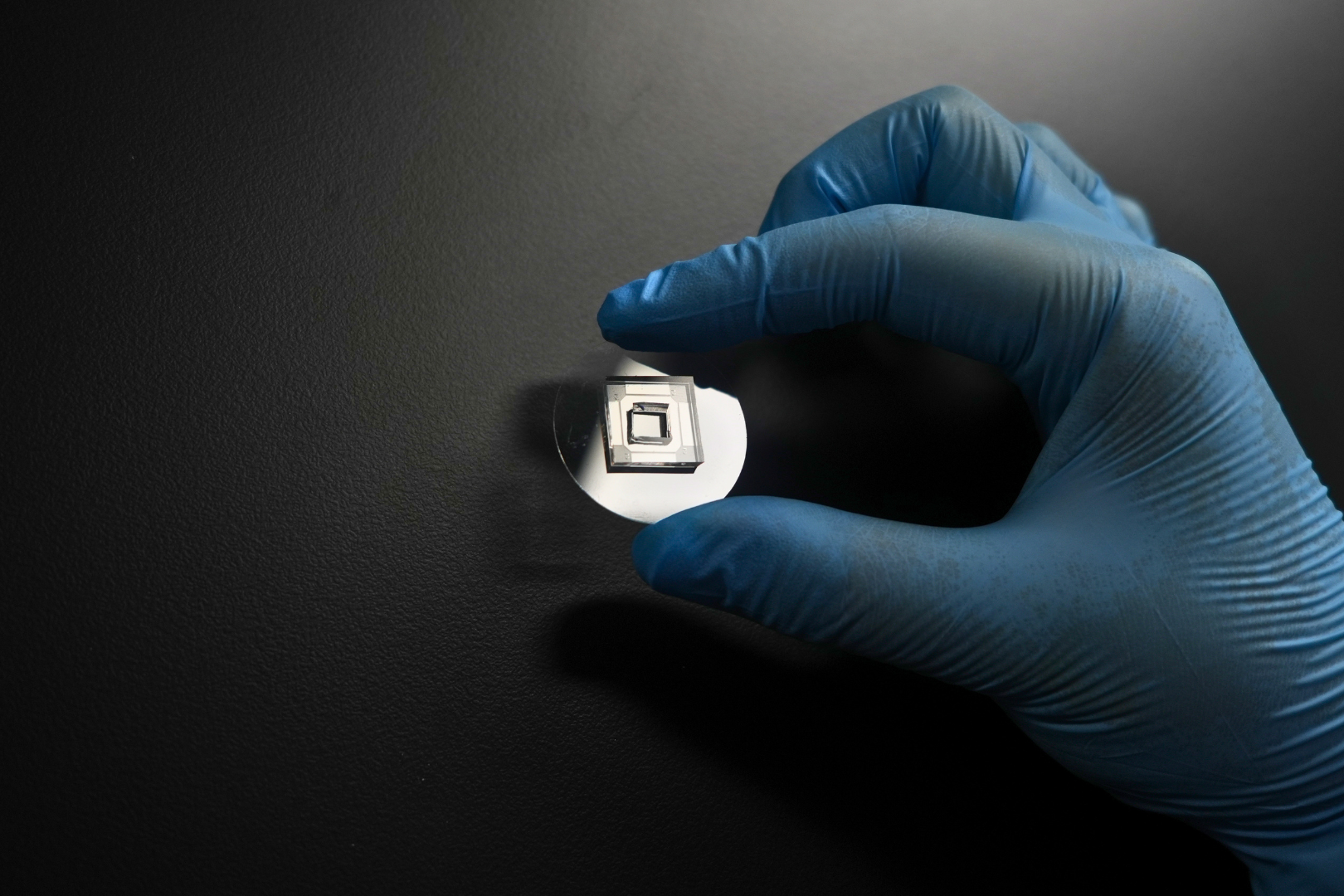
To test this, the researchers grew three types of cells on materials of different stiffness: healthy fibroblasts, fibrosarcoma cells and highly invasive breast cancer cells. The cells were first “primed” for several days on soft or stiff hydrogels, then transferred to a common surface or into microchannel devices that mimic the tight spaces cells encounter in tissues.
Soft environments prime cells for confined migration
The team found that fibroblasts and fibrosarcoma cells that had been primed on soft substrates moved more efficiently through very narrow channels than cells primed on stiffer materials. In some confined settings, soft-primed cells migrated more than 60 per cent faster than stiff-primed cells.
This may seem counterintuitive as stiffer environments are often associated with stronger pulling forces, which can help cells move across flat surfaces. But squeezing through a narrow space is a different challenge. A cell may need to be more deformable and less tightly anchored to reshape itself and pass through small gaps.
By contrast, the highly invasive breast cancer cells behaved differently. Although they could sense differences in stiffness while they were on the original surfaces, they did not retain the same stiffness-dependent behaviour after being moved. This suggests that different cell types may use different strategies: some retain a memory of past environments, while highly invasive cancer cells may prioritise flexibility in rapidly changing surroundings.
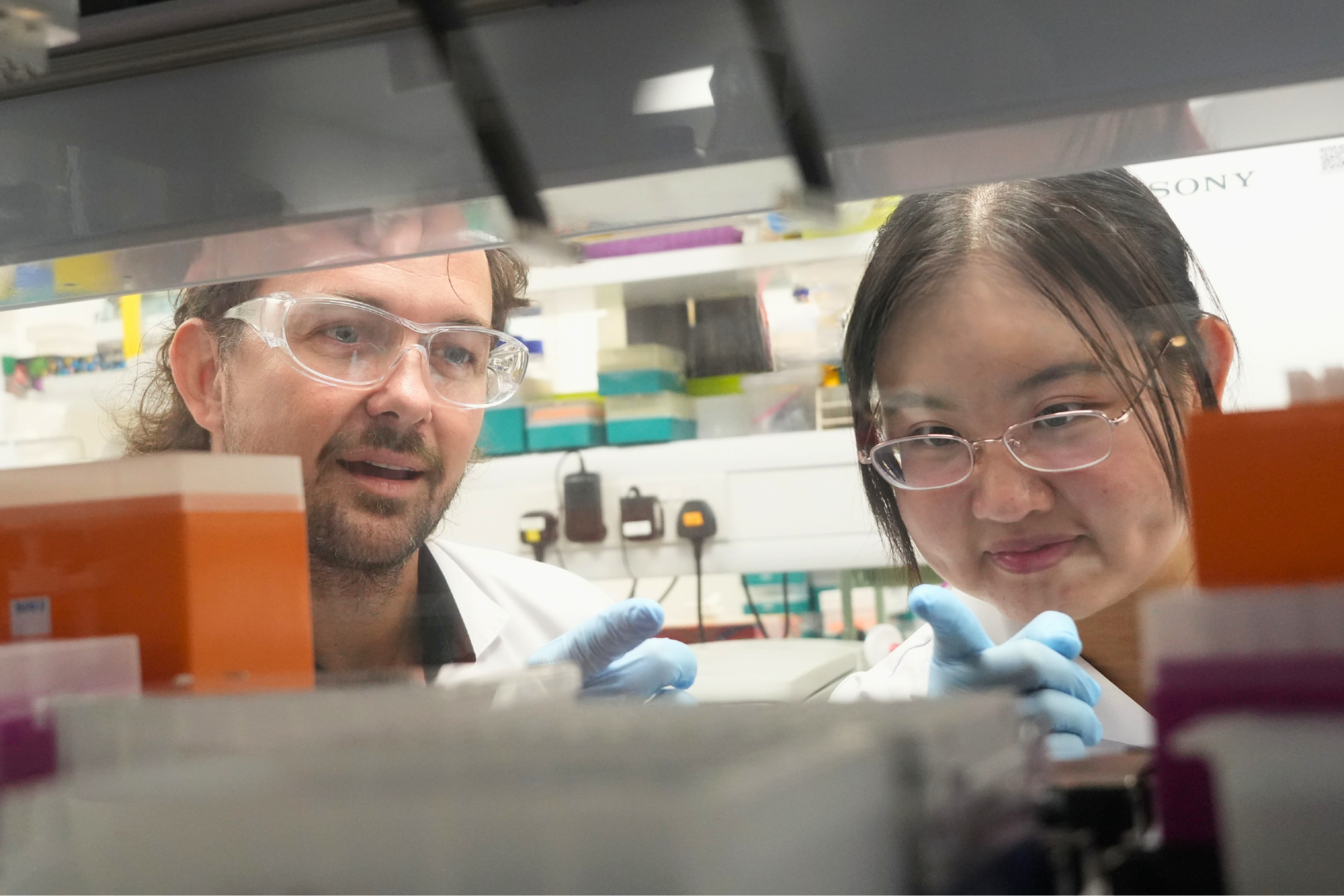
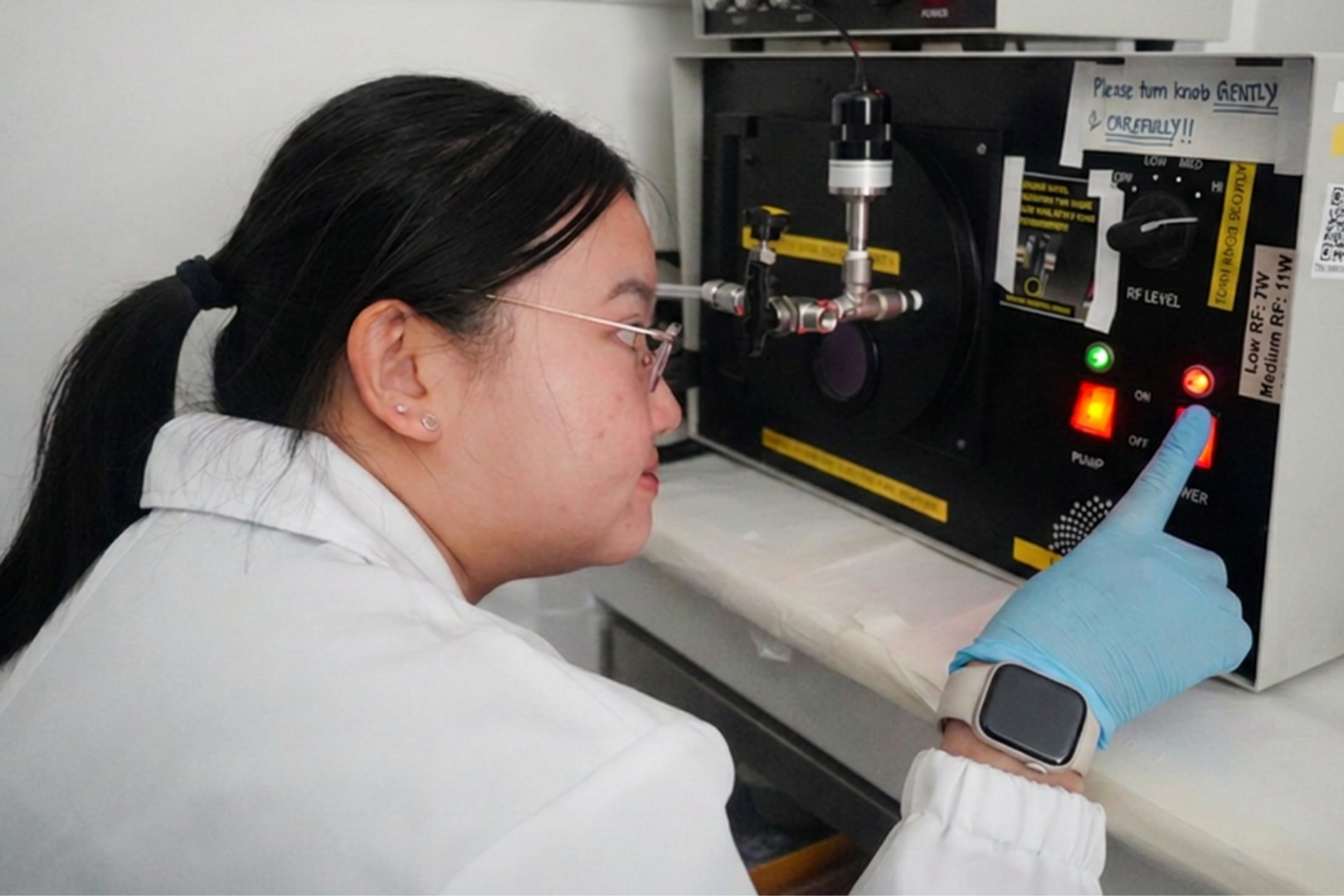
“The microchannels were a way to ask a very direct question: after we remove the cell from its original surface, what does it still remember?” said Nicole Lee Jia Wen, first author of the paper and a PhD student at MBI. “Seeing NFATC2 connect the past mechanical environment to later migration helped us link a physical experience to a molecular program inside the cell.”
A molecular handle on cell movement
To understand how this memory was stored, the team used RNA sequencing to examine gene activity after mechanical priming. NFATC2 stood out in the cells that retained mechanical memory. It was strongly activated after soft priming and moved into the cell nucleus, where transcription factors typically act on gene expression.
When the researchers disrupted NFATC2 activity, the migration advantage seen in soft-primed cells disappeared. This indicates that mechanical memory is not simply a matter of cells becoming physically softer or more flexible. It is also linked to gene regulation.
The finding may have implications for several areas of biomedical research. In cancer, migrating cells often move from stiff tumour environments into tissues with different mechanical properties. In wound healing, fibroblasts travel through changing tissue landscapes as repair progresses. In tissue engineering, scientists design materials to guide how cells grow, move and organise themselves.
Understanding mechanical memory could therefore help researchers better predict how cells behave after leaving one environment for another. It may also support future efforts to design biomaterials that prepare cells for desired functions, or to identify pathways that influence harmful cell migration.
The study was conducted in controlled laboratory systems using established cell lines, hydrogels and engineered microchannels. Further work, including studies in in vivo models, will be needed to determine how these findings extend across different tissues and disease states. Looking ahead, the team also plans to investigate whether confinement itself can leave a lasting mechanical imprint on cells — for example, through changes in nuclear shape, cytoskeletal organisation or chromatin state — and how such effects may intersect with conditions where cells routinely move through tight tissue spaces, such as fibrosis and cancer invasion.