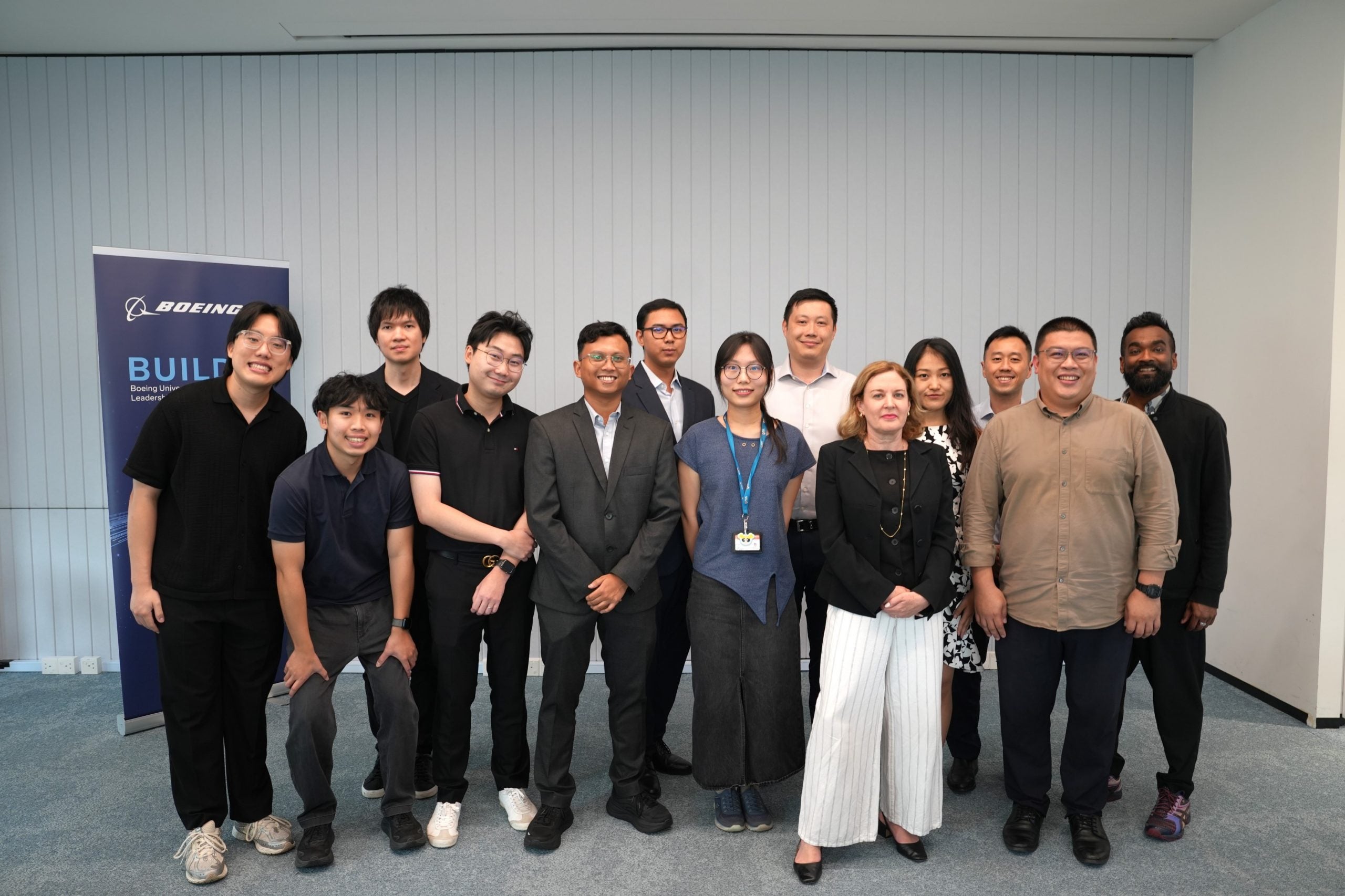
Organised by Boeing in partnership with NUS Enterprise, the BUILD Programme supports innovators tackling real-world challenges in areas such as advanced technology, sustainability, and social and cultural impact. Winners were selected from ten finalist teams after a week-long bootcamp and a demonstration day. The top three teams each received USD 10,000 in funding and three months of incubation support to further develop their ideas.
Team Coolah reimagines protective gear for hot outdoor work
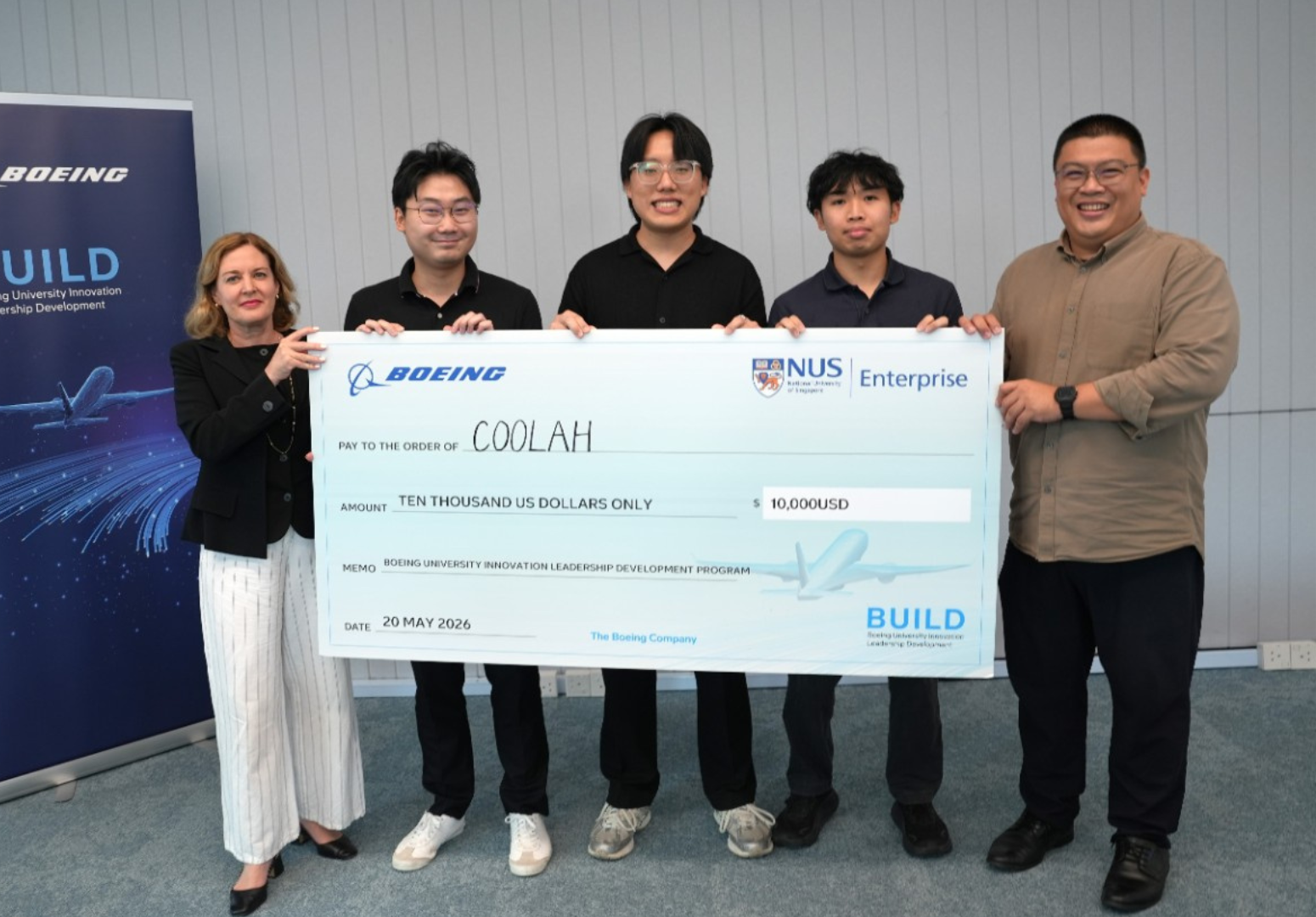
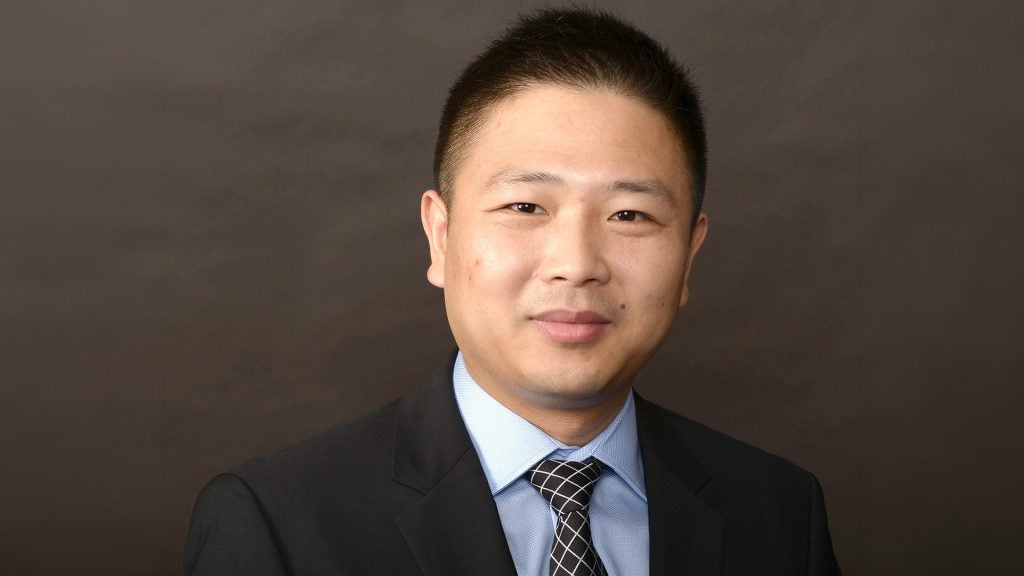
Made up of Class of 2025 Mechanical Engineering graduates Wilson Yeo Si Kai, Lee Chuan Zhe, and Tan Jing Jie Jethro, Team Coolah created a practical solution to improve comfort and safety for outdoor workers in Singapore’s hot and humid climate.
Their innovation transforms personal protective equipment into cooling systems. Their CoolHelmet Attachment clips onto most hard hats and cools the neck area using a Peltier plate and micro-fans, while their CoolVest slots Phase Change Material into a standard safety vest, providing hours of cooling without skin discomfort.
Reflecting on the journey, Wilson currently a PhD student in Materials Science and Engineering and an Associate Scientist at Temasek Laboratories @ NUS, shared: “We started as three guys who thought existing cooling solutions weren't good enough for our outdoor workers and decided to build something better. This recognition from Boeing means a lot — it tells us the problem is real and worth solving and gives us the confidence to keep going.”
He added that the bootcamp helped the team grow beyond its engineering roots. “It was mentors from Boeing and industry who guided us on market sizing, go-to-market strategy, and how to communicate value to procurement decision-makers — all things we hadn’t considered before. We came in with a prototype and some promising test data. We left with a much clearer sense of how to turn that into a viable business.”
Team Maleo transforms alloy scraps into sustainable potential
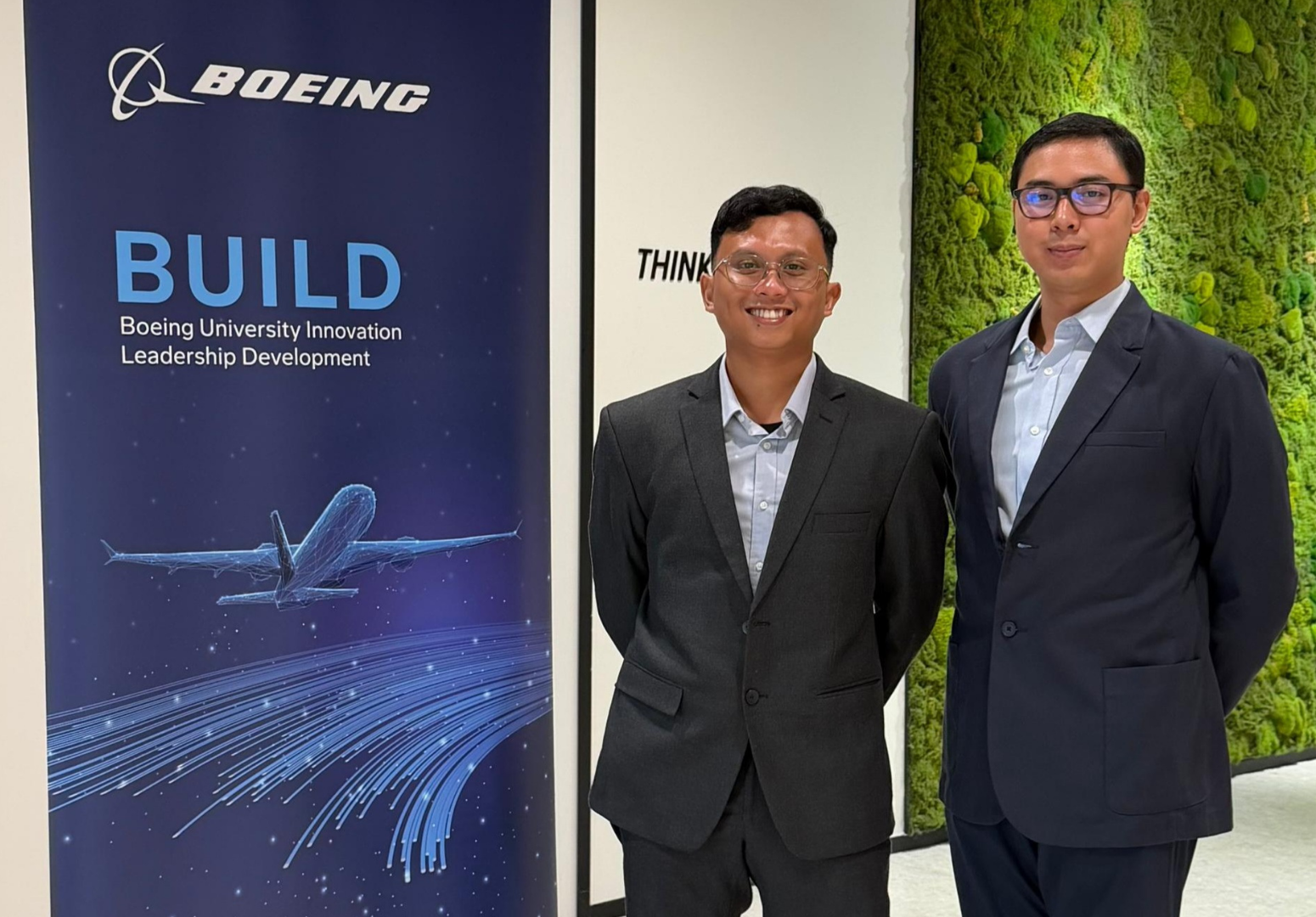
Team Maleo, comprising Master’s students in Mechanical Engineering Christopher Salendu Erwin and Rija Akhal Hilmi, is developing a system that gives aircraft maintenance waste a second life.
Looking to improve aerospace sustainability, the team is building a system that collects, sorts and tracks titanium and aluminium alloy scraps so they can be safely reused instead of discarded. Using smart bins and a cloud platform, the solution creates a digital record of where the materials come from and where they go, making the process more secure and traceable.
By turning scraps into certified materials for new aerospace parts, Team Maleo aims to help the aviation industry move towards a more sustainable supply chain. The team credits their mentor, Ryan Chong, Advanced Technologist in Product Development at Boeing, for helping them refine their value proposition and strengthen their market strategy.
Reflecting on the achievement, Christopher shared, “As engineers with no formal business background, this bootcamp pushed us far outside our comfort zone, but also proved to us what we're able to achieve with effort, audacity, and resilience. Moving forward, we are excited to make full use of the runway and incubation support to transform our idea into a viable, pilot-ready proof of concept.”
Team Urbanflow accelerates sustainable design decisions
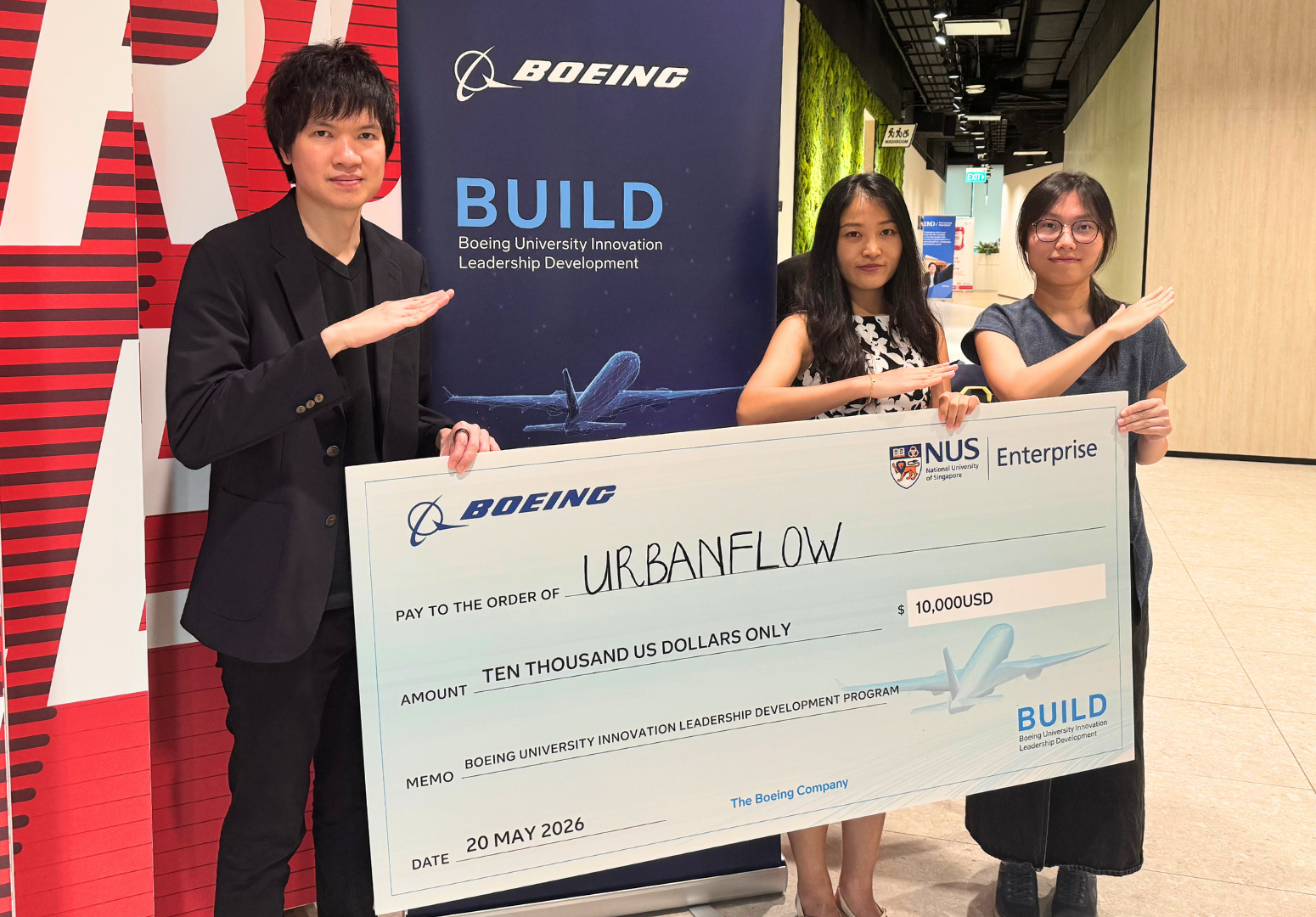
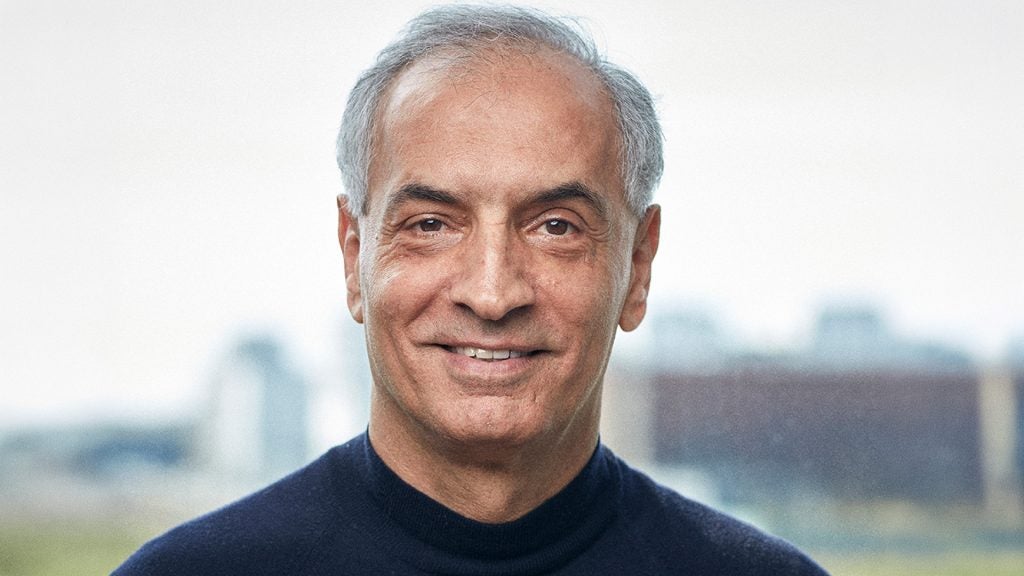
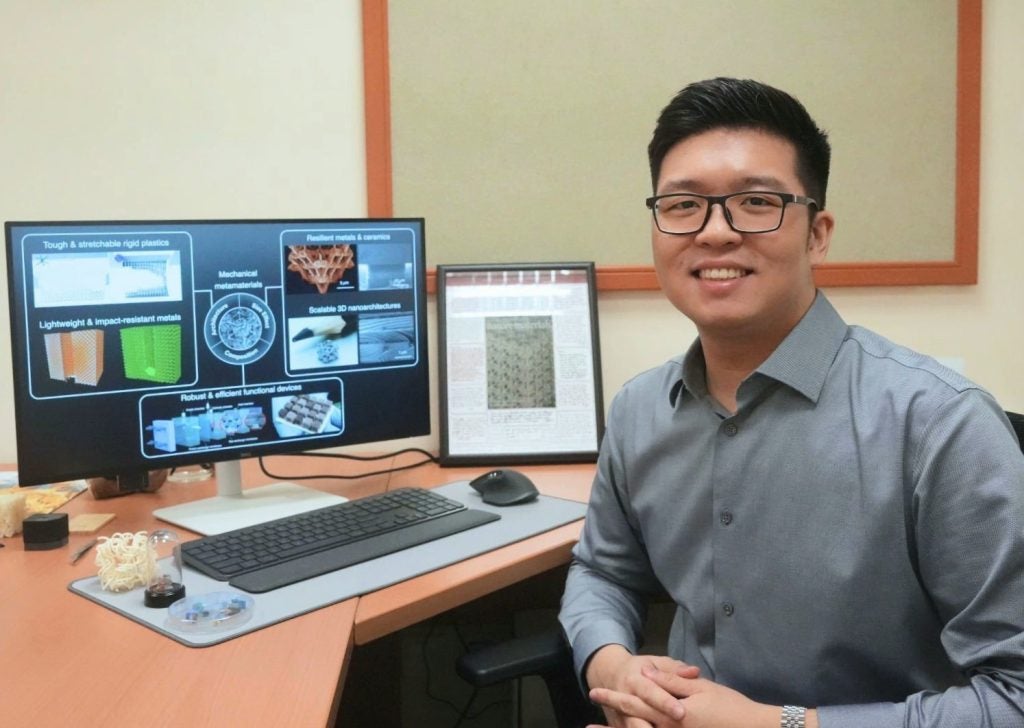
Team Urbanflow, made up of Asst Prof Yu Qian Ang and PhD students Lujia Zhu and Ye Xia from the Department of the Built Environment, is building smarter tools for sustainable urban design.
Urbanflow helps architects and planners compare and improve design choices based on energy use, carbon emissions, cost and climate performance. By combining physics-based simulation, machine learning, geospatial intelligence and autonomous AI agents, it brings fragmented workflows together in one interactive design environment.
With the help of Boeing experts and industry mentors, the team deepened their understanding of aviation and aerospace sustainability and considered Urbanflow’s potential in complex industrial settings.
Ye Xia shared, “We were encouraged to think about how our experience with digital twin research in the built environment could be applied to the aviation sector to support sustainability goals.”
“This win validates Urbanflow’s potential to support smarter, more sustainable design decisions,” Asst Prof Ang reflected, “not just in buildings and cities, but across other industries as well.”