Quantum technologies are set to transform how we compute, communicate, and understand the world. Yet for many, the field of quantum remains abstract and out of reach.
At CDE, quantum technology is one of our key research areas, with faculty from disciplines including electrical, computer, optical, and materials engineering working together to develop secure communication, computing, and sensing systems. This work is advancing technologies such as quantum networks, imaging, and quantum-safe systems, with the potential to reshape how we process information and protect data.
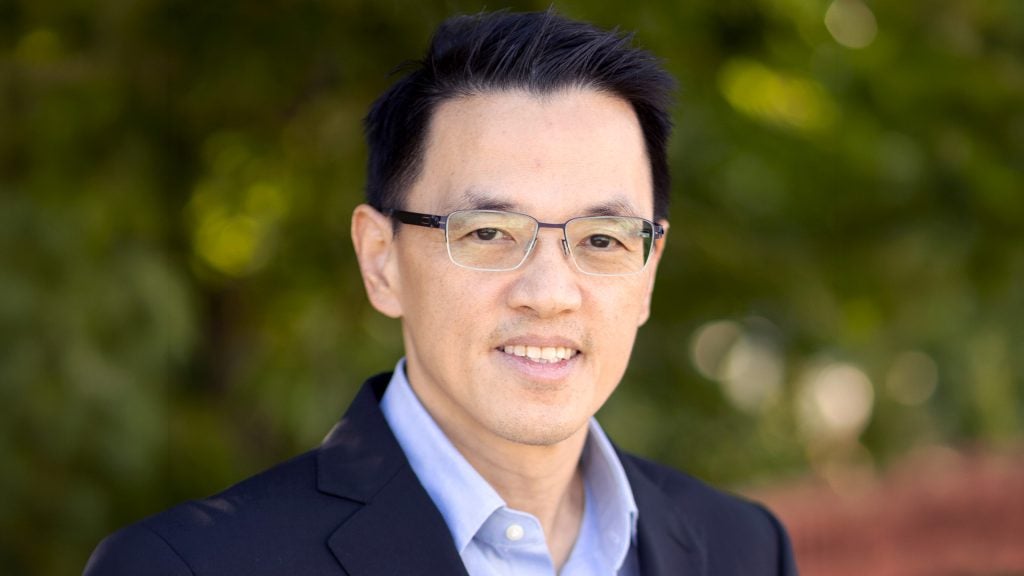
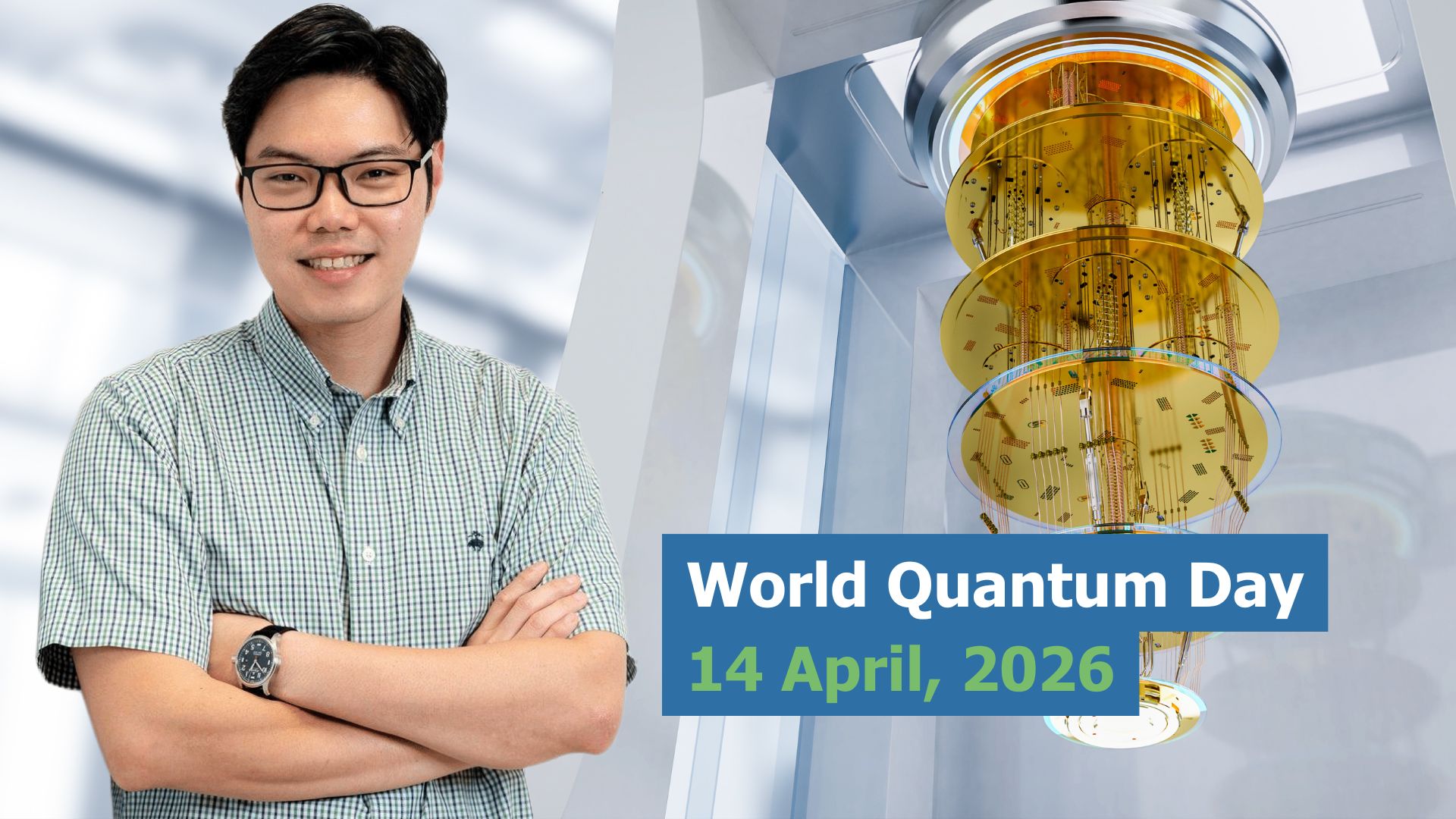
Associate Professor Charles Lim (Electrical and Computer Engineering) is a recognised global expert in quantum communication and next-generation secure networks, with a background in quantum cryptography and information theory.
To mark World Quantum Day on April 14, we speak with him to break down quantum research, why it matters, and how anyone can begin to engage with it.
Q. Quantum science and quantum technology can sound intimidating. If you had to explain your research to someone with no background in the area, how would you describe it?
CL. I study how quantum physics can improve how we process and protect digital information. Unlike regular computing systems that use just 0s and 1s, quantum systems behave in more complex ways that unlock new possibilities. This can lead to things like ultra-secure communication and faster and vastly more powerful computing.
In short, I work on making future technologies safer and more capable using quantum science
Q. What makes quantum so exciting for you? What real-world problems do you hope your research could help solve?
CL. What excites me most about quantum technology is its potential to transform many industries through one fundamental shift in how we handle information. It could completely change how we think about computing and communication, even at the application level. I hope my research contributes to building faster, more secure information systems. Ultimately, though, progress in this field will be a global, collective effort where many people play a role.
Q. What is one common misconception about quantum technology that you often encounter, and how would you explain it?
CL. A common misconception is that quantum technology is too complex and only accessible to a small group of experts. While it is a deep and technical field today, this will change as the technology matures. Over time, the focus will shift from understanding the underlying physics to using quantum tools in practical applications. Just like with air travel and the actual physics of avionics and flying, most people will benefit from it without needing to understand in depth how it works.
Q. What inspired you to work in quantum research, and what keeps you motivated today?
CL. I am an engineer by training, and I see academic research as a platform to understand how deep technologies will shape our future. Quantum technologies are especially interesting because they could fundamentally change how we compute and secure information, particularly as advances in quantum computing may one day challenge the encryption systems we rely on today.
Being part of efforts to develop more secure, quantum-resistant communication systems is a strong motivator for me. I’m also driven by the opportunity to work at the intersection of theory and real-world applications, where new ideas can eventually translate into technologies that people rely on. More broadly, it is the future that keeps me excited, and fundamental research plays a major role in shaping it.
Q. For someone curious about a career in quantum science but unsure where to start, what would you recommend?
CL. If you’re interested in a career in quantum technology, start by exploring how it’s being applied in the real world. Talk to people at quantum startups and attend tech panels or industry events to understand where the field is heading.
It’s also important to see how different roles fit into the bigger picture, understanding where your work sits in the value chain helps you make more informed career choices.