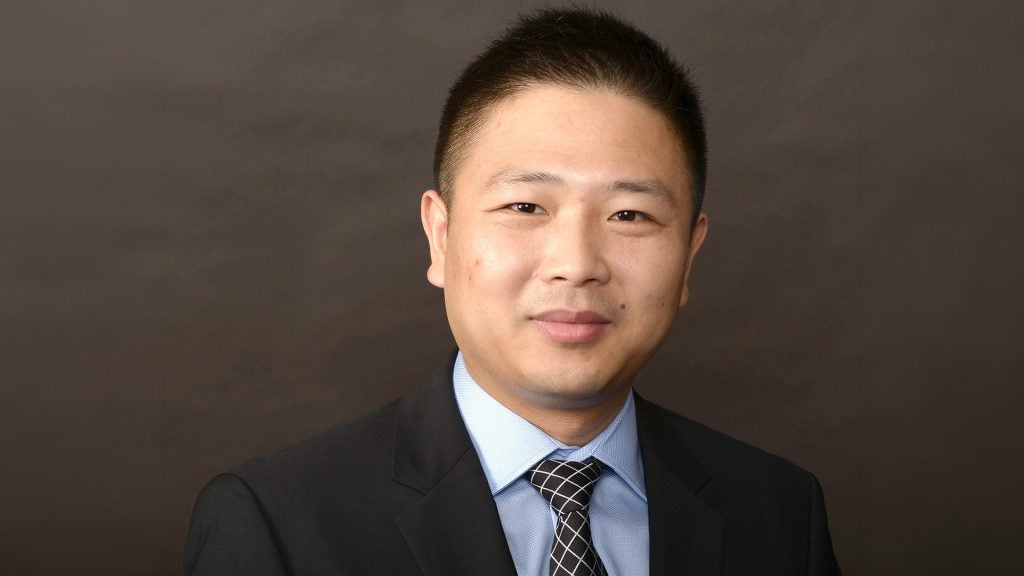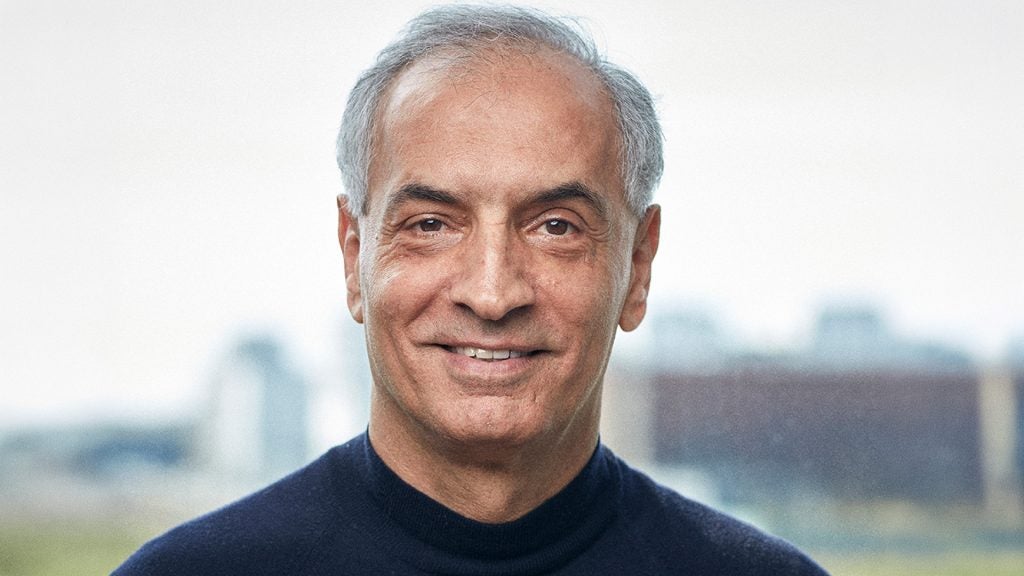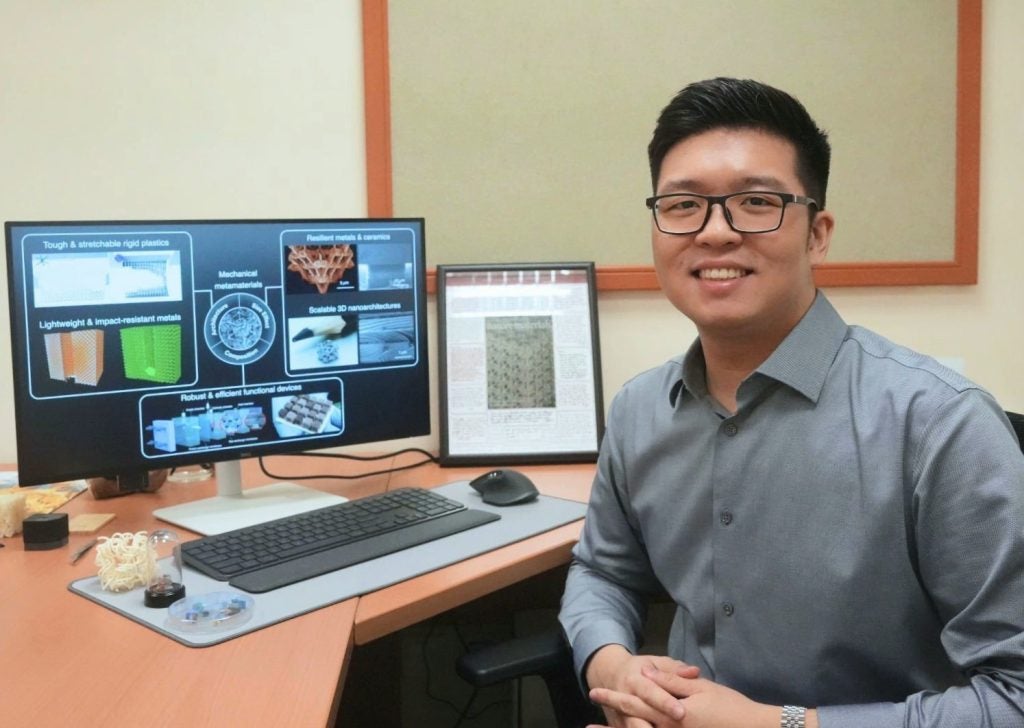
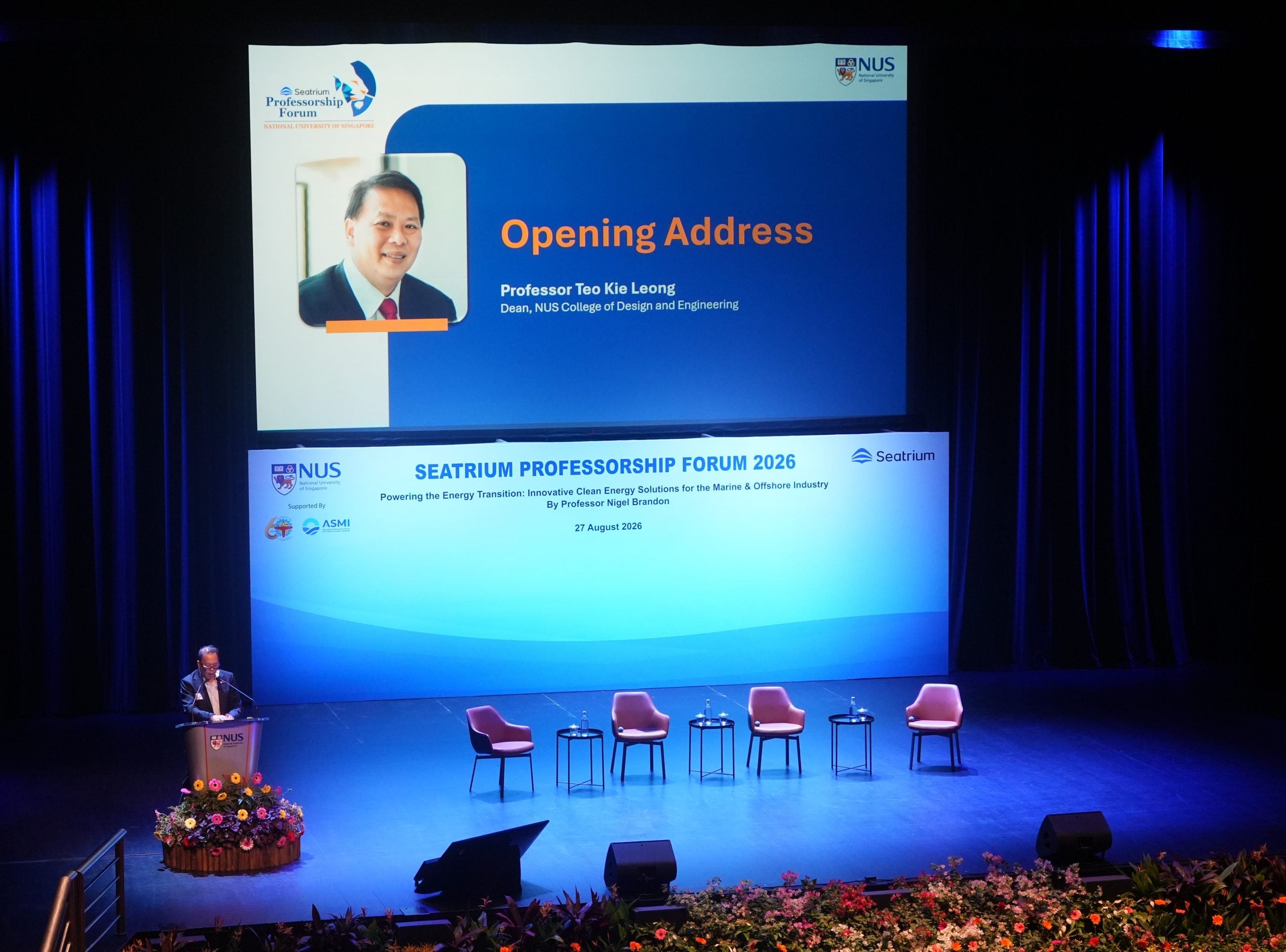
“Our shared aspiration is not merely to study the energy transition but to actively help shape it,” said Professor Teo Kie Leong, Dean of the College of Design and Engineering (CDE) at the National University of Singapore, in his opening address at the Seatrium Professorship Forum 2026.
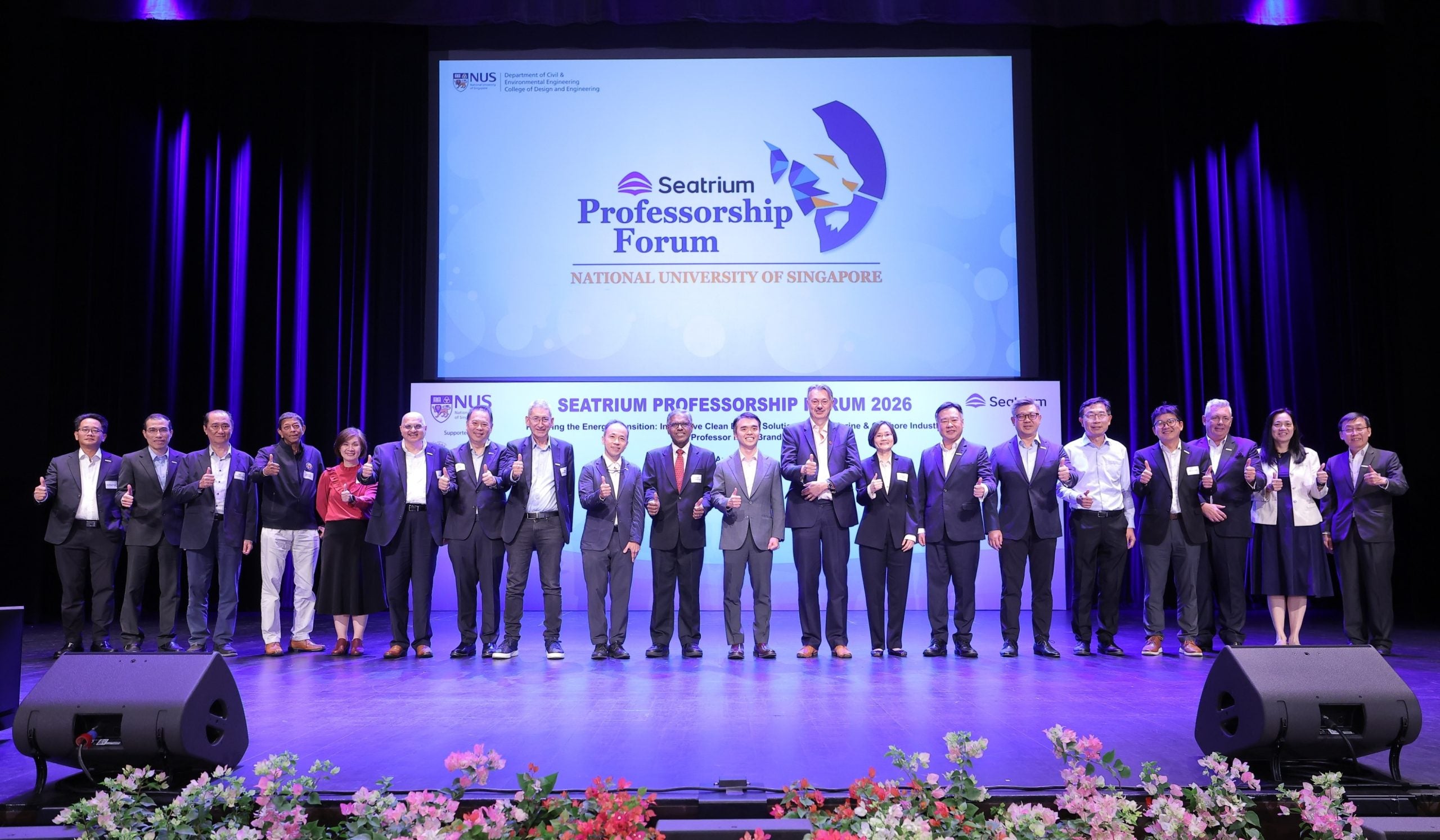
Hosted by CDE on 27 August at the University Cultural Centre, the Forum brought together leaders from academia, industry, and government to explore innovative clean energy solutions for the maritime and offshore industry. The event was graced by Mr Ang Wee Keong, Chief Executive of the Maritime and Port Authority of Singapore, as Guest of Honour, and featured Professor Nigel Brandon, Seatrium Visiting Professor and Dean of the Faculty of Engineering at Imperial College London, as keynote speaker.
Prof Teo added that the discussion was particularly timely: “The maritime and offshore sectors are at an important turning point. The need to reduce emissions is becoming more urgent. Regulations and market expectations are evolving. At the same time, green technologies and advanced materials are opening new possibilities.”
Clean energy solutions for maritime and offshore operations
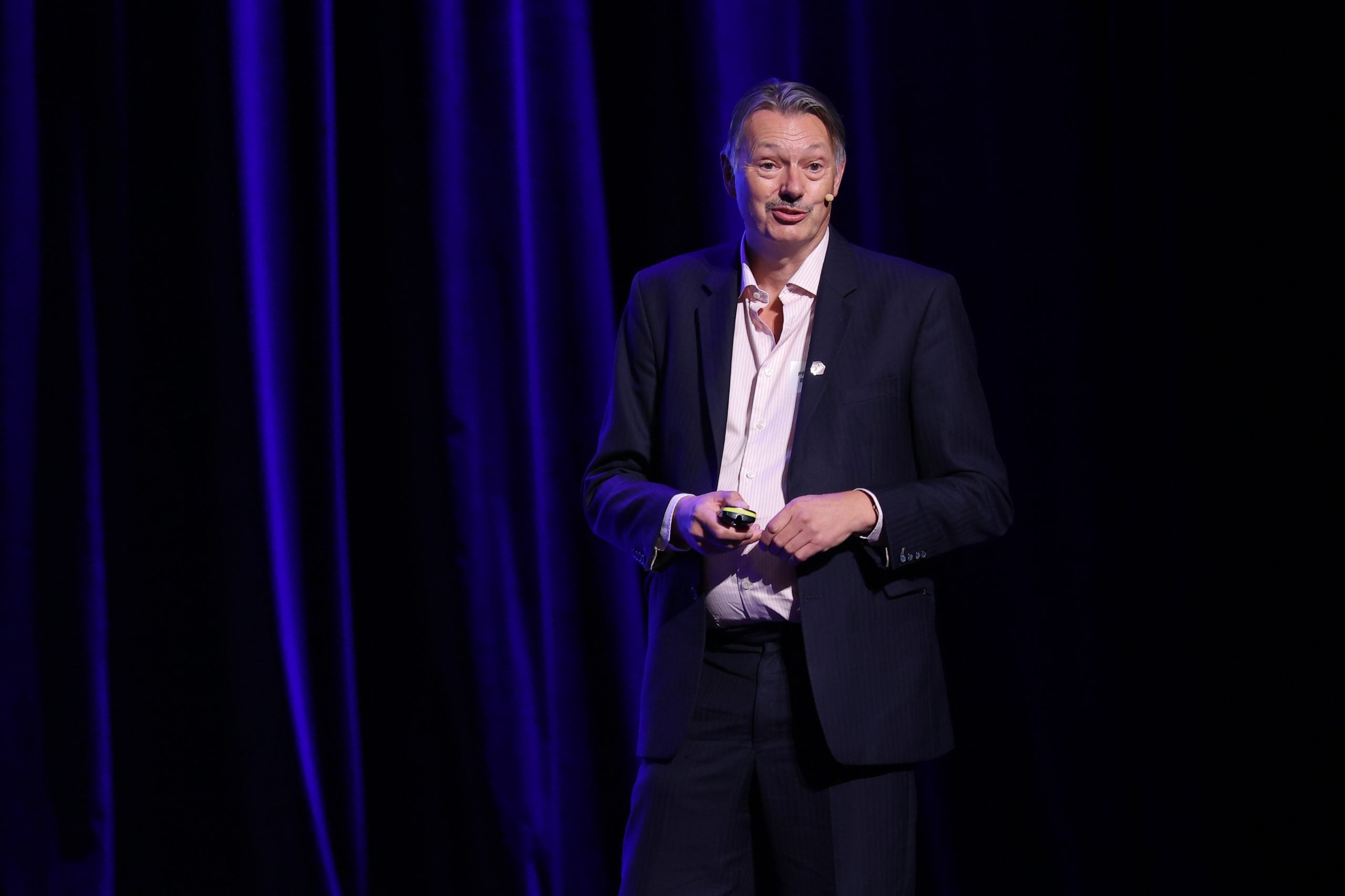
Building on this theme, Prof Brandon’s keynote explored how electrochemical technologies could help move the maritime and offshore sector towards a lower-carbon future. A central theme of his lecture was flexibility: the need for energy solutions that can adapt to different fuels, operating environments, and infrastructure constraints.
“It’s better to have flexibility than to tie yourself to a particular fuel choice at this stage, given the uncertainties,” he said, pointing to the potential of high-temperature solid oxide fuel cells for maritime, offshore, and port applications.
He explained that such fuel cells can run on a range of fuels, including hydrogen, natural gas, methanol and ammonia, while flow batteries could offer long-duration energy storage for ports managing growing electrification and renewable energy inputs. Prof Brandon also discussed new materials for improved cooling and electrolysis, pointing to further opportunities for innovation in both digital infrastructure and green fuel production.
Accelerating the energy transition in maritime and offshore
“That, ultimately, is the real test for all of us: not simply generating good ideas but translating them into solutions that work at the scale our industry demands,” said Mr Mark Gainsborough, Chairman of Seatrium, in his opening remarks.
This was the focus of the panel discussion that followed. Titled “From Ideas to Innovation to Implementation: Accelerating the Energy Transition in Marine and Offshore”, it explored the technological, regulatory, and commercial conditions needed to bring clean energy solutions to scale.
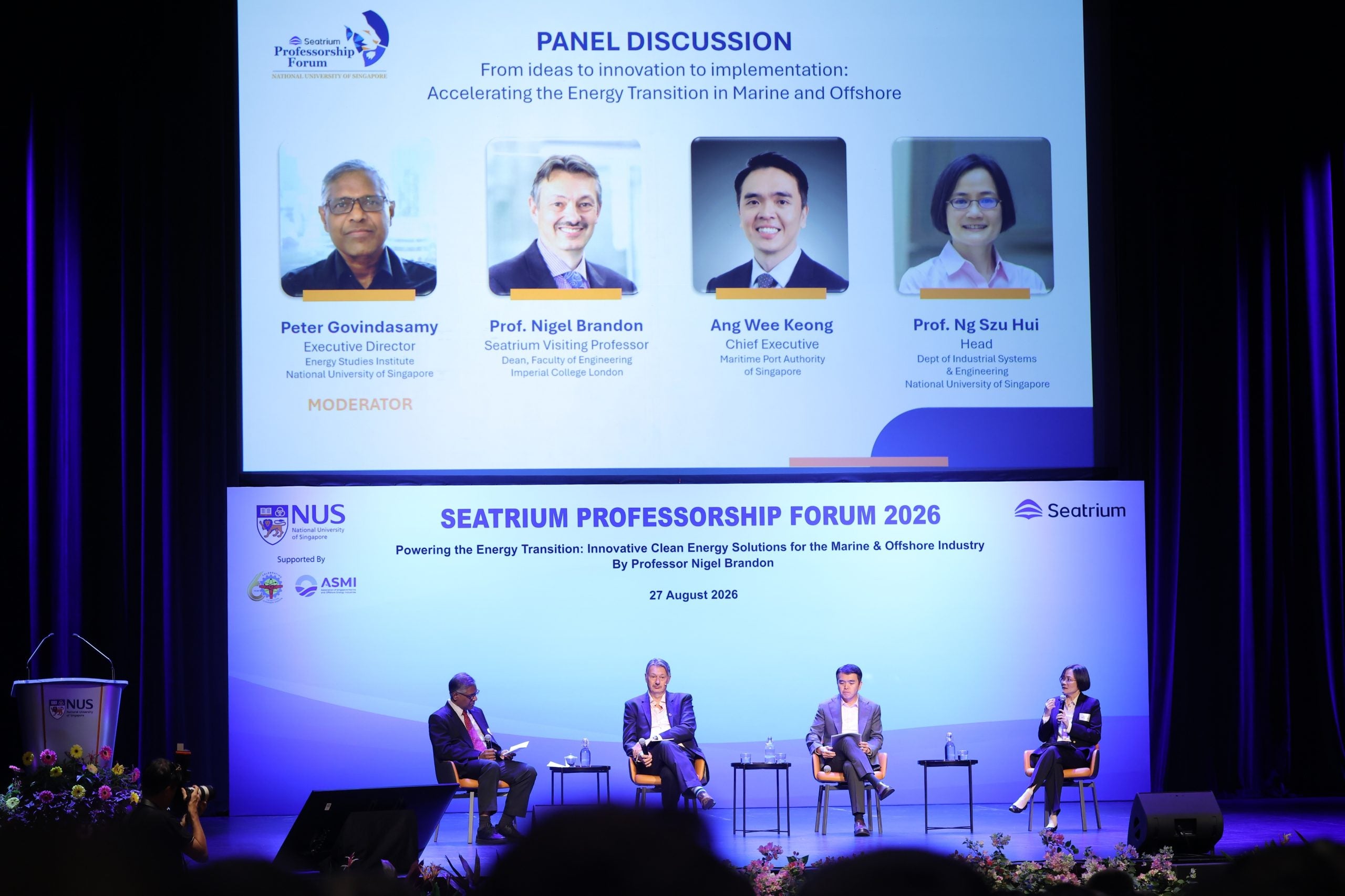
Moderated by Dr Peter Govindasamy, Executive Director of the Energy Studies Institute at NUS, the panel featured Prof Brandon, Mr Ang, and Professor Ng Szu Hui, Head of the Department of Industrial Systems Engineering and Management at NUS CDE.
Prof Brandon pointed to the challenge of moving promising technologies from research into real-world deployment. “How do you get those ideas through the scale-up challenge?” he asked, noting that innovation must be matched by manufacturing scale, investment and industry confidence before new solutions can be adopted more widely.
Mr Ang, meanwhile, spoke about the uncertainty that continues to shape maritime decarbonisation, particularly around future fuels and global standards. But even amid these uncertainties, he stressed that “we don’t just wait”, pointing to Singapore’s phased pilots in methanol and ammonia bunkering as a way to test new pathways, build confidence and create an enabling environment for innovation.
Prof Ng added that the transition is not only a technological challenge, but also an economic one. She noted that while progress has been made in demonstrating that ships can be decarbonised technically, wider adoption will depend on business models and market mechanisms that can make low-carbon solutions commercially viable.
Together, the discussion highlighted the need for close collaboration across academia, industry and government to move innovation towards implementation. Beyond technology, they emphasised the need for engineers and maritime professionals who can think across systems, work with data and AI, and adapt to uncertainty as fuels, regulations and operating models continue to evolve.
By bringing together expertise from academia, industry and government, the Forum reflected the kind of collaboration needed to move the energy transition in maritime and offshore from ambition to implementation.