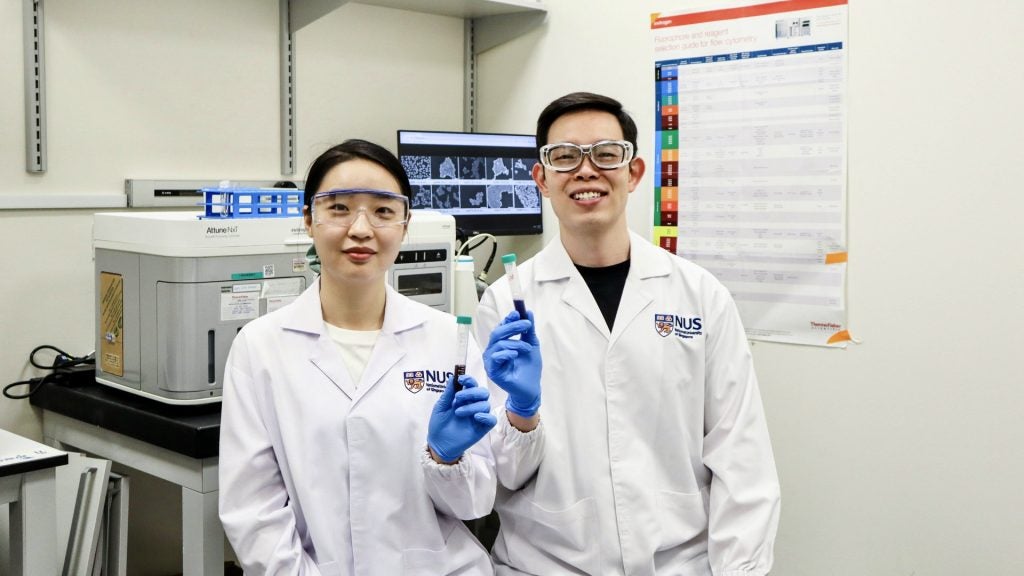
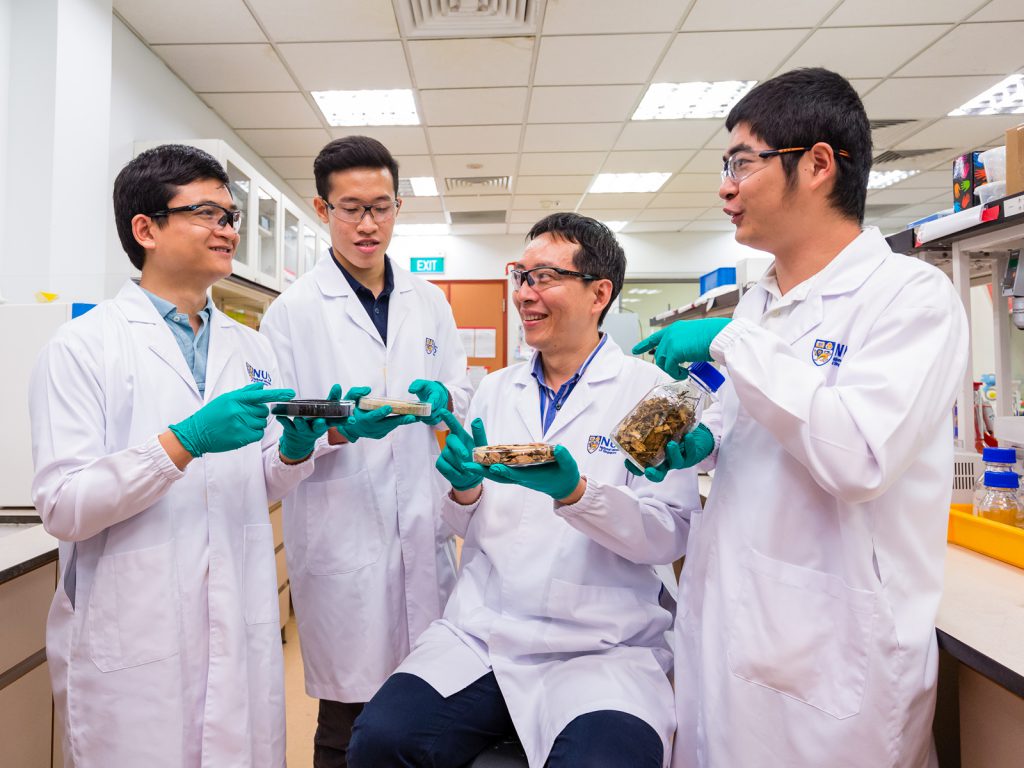
After five years of research, Professor Wang Chi-Hwa and his team from NUS Chemical and Biomolecular Engineering found a way to turn animal waste into synthesis gas (syngas), a mixture of hydrogen and carbon monoxide to produce electricity, and biochar to treat water.
Following a series of tests, it was discovered that 10kg of animal manure can generate 10 kilowatt of electricity through a process known as gasification. In fact, by burning the waste for an hour, one is able to light a 60-watt light bulb for 167 hours! The team also noted that the process produces biochar, a form of charcoal, which can improve soil quality.
Their findings have piqued the interests of the National Parks Board (NParks) and the Agri-Food and Veterinary Authority of Singapore (AVA), and the team is now looking to expand their findings on a larger scale.
Visit fb.com/nus.engineers to read the full article!