

Research
NUS Cities Research aims to be an interdisciplinary and inclusive platform for researchers, academics and practitioners to solve complex urban challenges, and build capacity for the future.
The world is rapidly urbanising with 80% of its population living in cities by 2050. Cities are highly complex adaptive systems and continue to face various existential challenges such as climate change, changing demographics and pandemics. There is a critical need to address them and enhance our understanding of cities. Much of current research done on cities focus on specific aspects of urban problems such as flooding and food security. Leveraging on Singapore’s repertoire of well-documented case studies and urban innovations, NUS Cities seeks to complement current urban research by undertaking urban systems research from foundation to translational, and more importantly, link research to education and the industry.
It will answer the basic question of how cities function as complex adaptive systems and can be made more sustainable, resilient, and liveable through an interdisciplinary holistic approach, aided by a range of methodology grounded by good science and novel methods and tools. It will partner and collaborate with various agencies, IHLs, and the industry to co-create and co-develop ideas for research and implementation. Lastly, it will recommend viable systems solutions that considers social, economic and environmental outcomes through plans and policies. In so doing, it aims to be an inclusive platform for researchers, academics and practitioners to solve complex urban challenges, and build capacity for the future.
Research Strategy
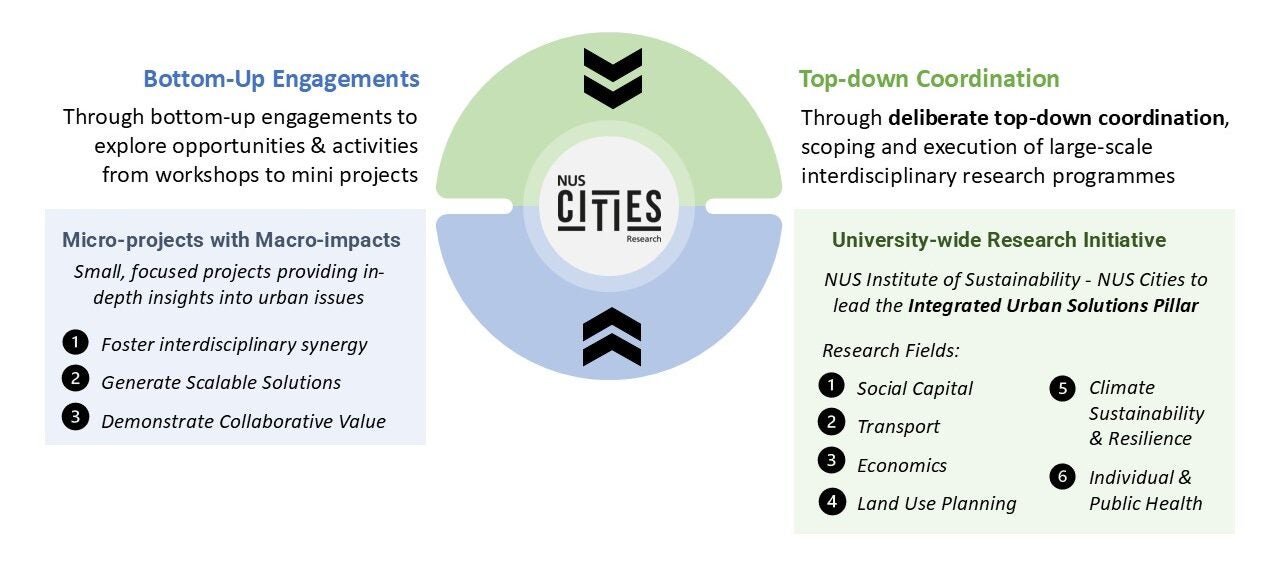
Research Roadmap
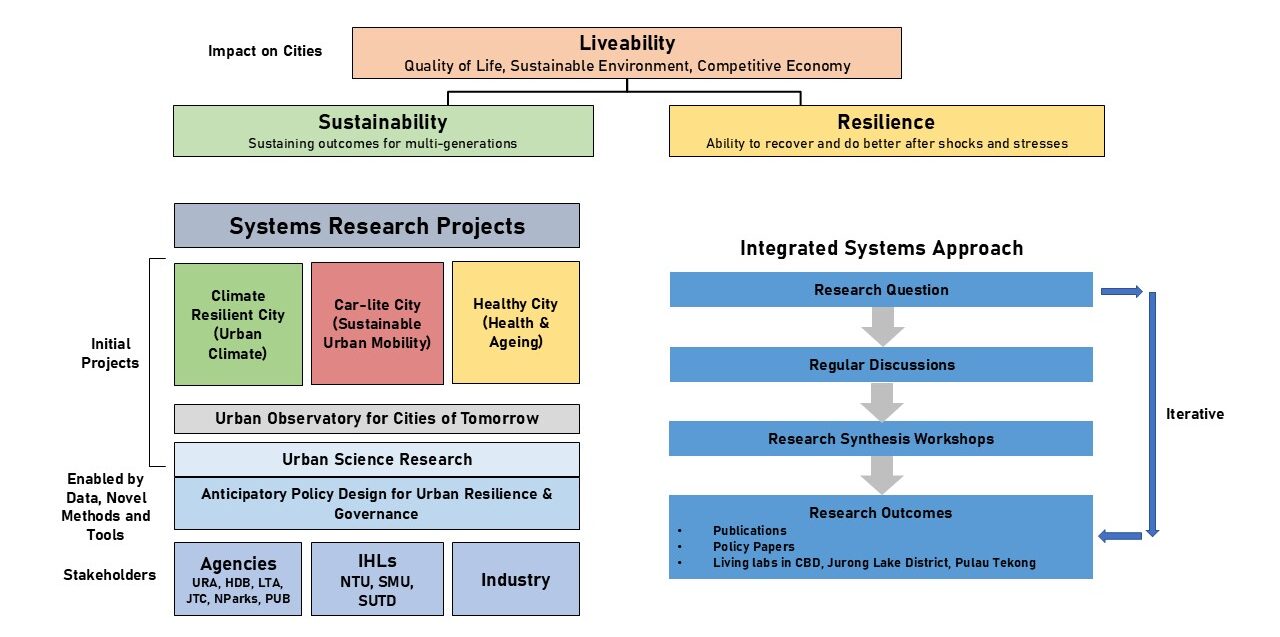
Cities Foresight Lab
The Cities Foresight Lab (CFL) is a growing multi-disciplinary research group at NUS Cities Research operating at the intersection of urban planning, governance and strategic insight. It brings together experts in applying data-driven, computational and participatory methods to investigate emerging urban challenges and uncover pathways towards resilient, inclusive and sustainable urban futures.
CFL's research advances a human-centric approach to urban science, integrating environmental, behavioral, and wellbeing metrics to decode the complex drivers of city life. Utilising AI-driven tools, CFL examines critical dynamics spanning localised economiic diversity and organisational location behaviour, through to health and wellbeing within urban systems. CFL aims to shift the paradigm from simple prediction to actively shaping urban futures, leveraging the interface between data and theory to support urban equity, community health, and resilient local economies.
Research Projects
*Note that specific research projects and scopes are still under refinement.
Climate Resilient City
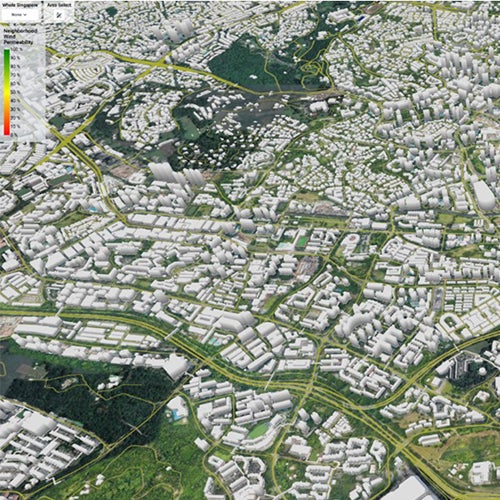
Image source: NUS Urban Climate Design Lab
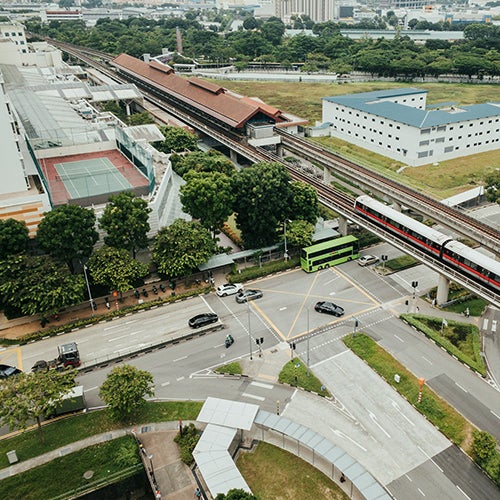
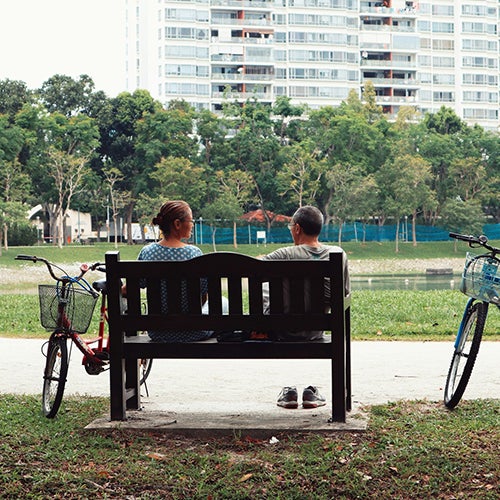
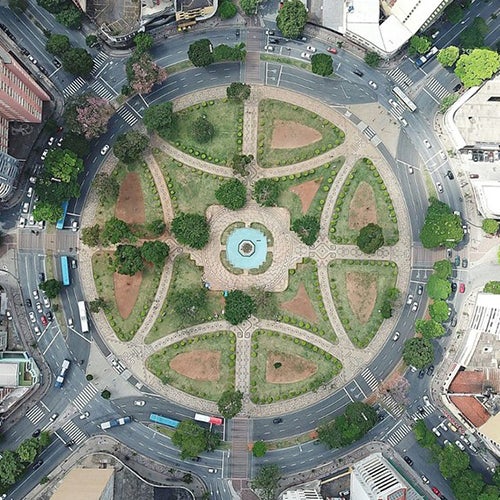
Urban Science Research
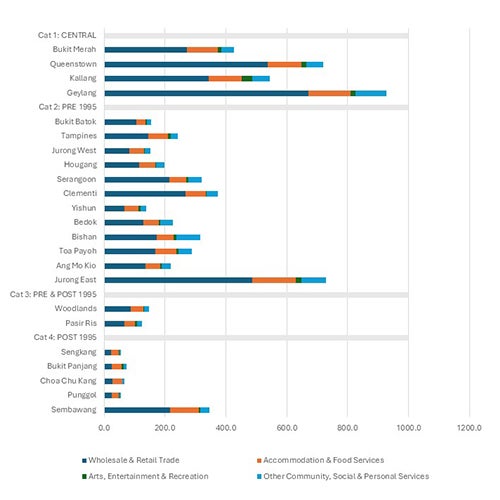
Image source: Dr. Michael McGreevy, NUS Cities
Anticipatory Policy Design
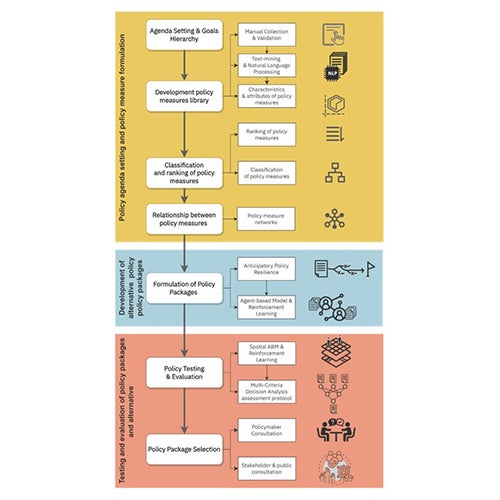
Image Source: Assistant Professor Araz Taeihagh and NUS Cities
**Note that external collaborators and partners are not mentioned for conciseness.