CDE Alumni Spotlight
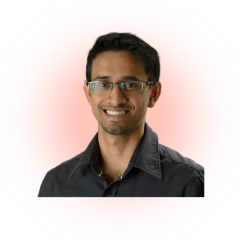
Interview with Mr Prusothman Sina Raja
Q: What are the most important lessons that shaped your entrepreneurial journey?
At NUS, I had the privilege of working with faculty skilled in product development and entrepreneurship. They showed me how scientific knowledge could be translated into real-world technology. One of my undergraduate projects — a handheld spectrophotometer — was based on the simple Beer-Lambert Law but turning that principle into a usable device was exhilarating.
At Stanford Biodesign, I learned the critical importance of identifying real, unmet clinical needs. The program emphasized rigorous need validation: Is the problem real? Well-defined? Deeply understood? In healthcare, where mistakes carry high costs, this foundation is essential.
Q: In your view, what are the biggest opportunities and challenges in Southeast Asia's healthcare industry?
One of the biggest opportunities in Southeast Asia's healthcare industry is the lack of region-specific innovation. Major cities like Singapore, Kuala Lumpur, Bangkok, Jakarta and Ho Chi Minh City have large, growing populations seeking better healthcare, but most innovations are imported and designed for Western populations. In many cases, these solutions aren't a perfect fit for the clinical, cultural or economic context here.
This gap presents a huge opportunity: to build healthcare solutions tailored specifically to Southeast Asia's needs — something few have truly focused on.
Q: How can students break into medical technology after graduation? What mindset helped you, and what is one habit that made the biggest difference in your journey?
Get exposed to Biodesign: Take Related courses, read textbooks, explore Standford Biodesign's online materials, and most importantly, work with strong healthcare startups. That exposure will shape how you think about healthcare innovation.
Take smart risks: I pursued independent projects simply because I was curious, even when they did not count for any academic units. Those uncredited projects made the biggest difference in my career; they led to my selection for the Stanford Biodesign Fellowship, which I even left my job to join. That leap opened new doors — including being accepted into Y Combinator in 2020. Looking back, those early risks built the foundation for everything that came after.
Interview by: Choy Men Kitt (Alumni Relations Student Ambassador)