


RESEARCH NEWS
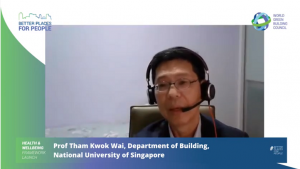
Focus on Indoor Environmental Air Quality at WorldGBC Health and Wellbeing Summit
Organised by the World Green Building Council, the global summit Session 3 on Indoor Environmental Quality sought to explore three components of the new WorldGBC’s Health & Wellbeing Framework – Protect health, prioritise comfort and harmony with nature.
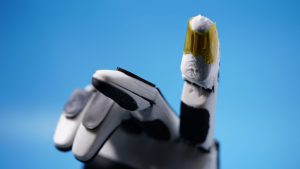
Boosting flexibility and reliability in electronic sensors
Highly flexible material maintains exceptional reliability for health monitoring and robot sensing over long-term use.
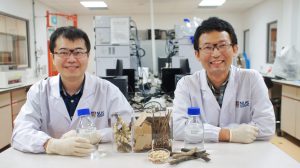
Marrying chemical and biological processes to turn waste into treasure
Researchers say the novel combination used to extract drug components from discarded seafood shells and wood waste could have wide range of applications.
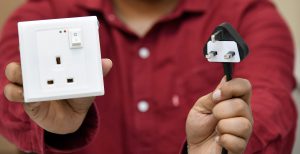
Smart sockets for a smarter nation
Smart electrical infrastructure promises energy savings and electrical safety on a nationwide scale.
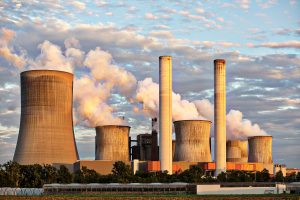
A hybrid approach to turn waste heat into energy
A combination of materials harnesses temperature fluctuations to generate energy four times more efficiently than existing solutions.
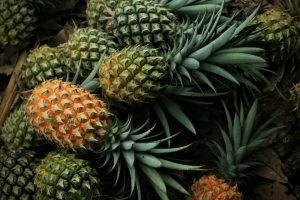
Turning pineapple waste into high value aerogel
Eco-waste transformed into versatile aerogels through a rapid and environmentally-friendly process.
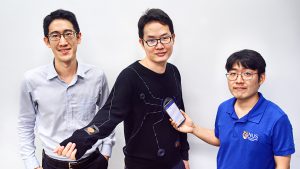
NUS develops smart suit wirelessly powered by a smartphone
The suit can help athletes track physiological data like their posture and temperature, powered and monitored via smartphone.

New $9m research programme for smart city solutions
Partnership between NUS and ST Engineering to begin by developing AI platform and managing urban traffic flow.
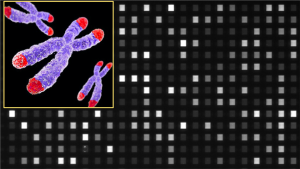
New system to profile telomeres in less than 3 hours
Rapid test to tell whether a cell is aging normally or abnormally will help detect cancers and age-related diseases.

Smart glove redefines gaming experience and more
The InfinityGlove(TM) uses ultrathin microfibre sensors to be lighter and more flexible than existing gaming gloves.
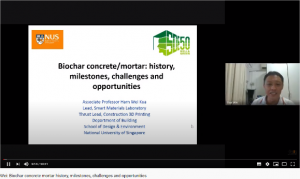
All about Biochar concrete, a sustainable building material
Biochar concrete, a sustainable building material with high potential is in its nascent stage of development.
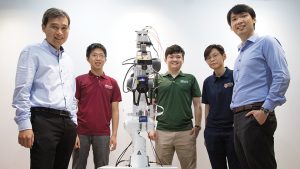
Intelligent sensing abilities for robots to carry out complex tasks
NUS computer scientists and materials engineers combine their expertise to let robots perceive their environment by sight and touch.