

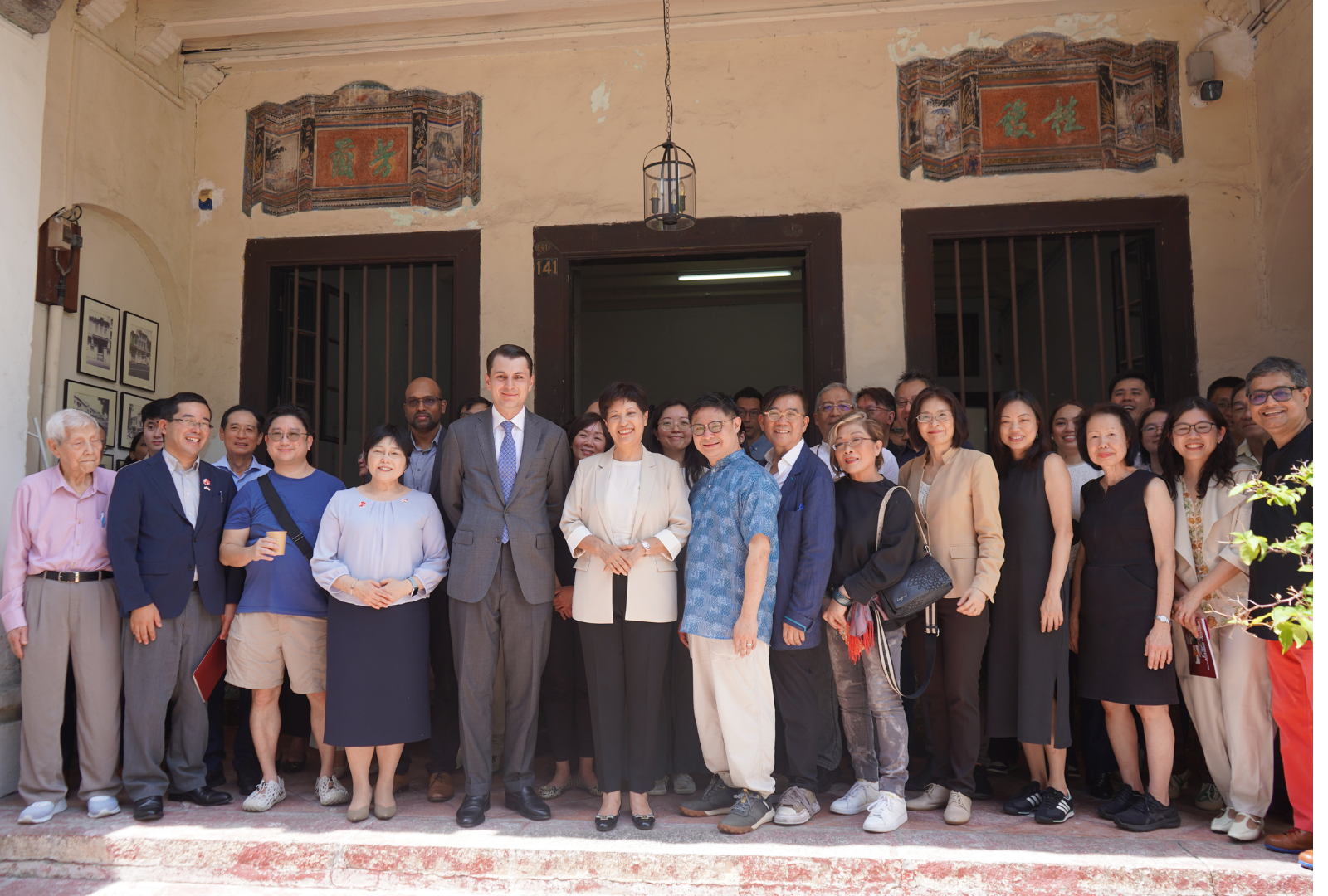
The National University of Singapore’s Architectural Conservation Laboratory (NUS-ArCLab) is embarking on a landmark conservation project that could help reshape how heritage buildings are renewed in Singapore.
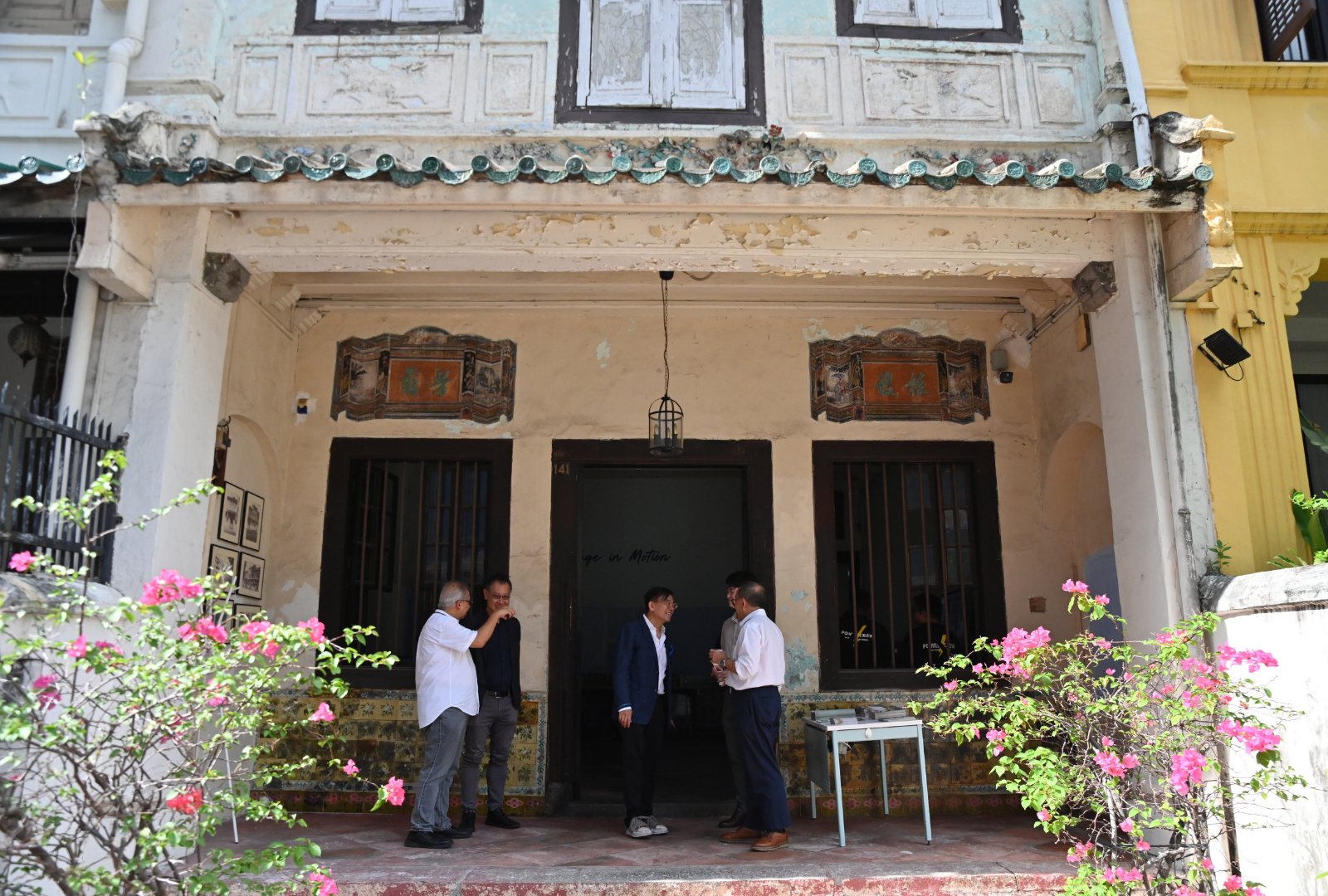
Located at 141 Neil Road, the conserved townhouse that houses NUS-ArCLab will undergo repair and upgrading works to transform it into Singapore’s first historic building retrofitted to achieve net-zero retrofit and operational energy. The project is also targeting BCA Green Mark Platinum Zero Energy certification, making it a significant test case for how older buildings can be conserved while meeting the demands of a lower-carbon future.
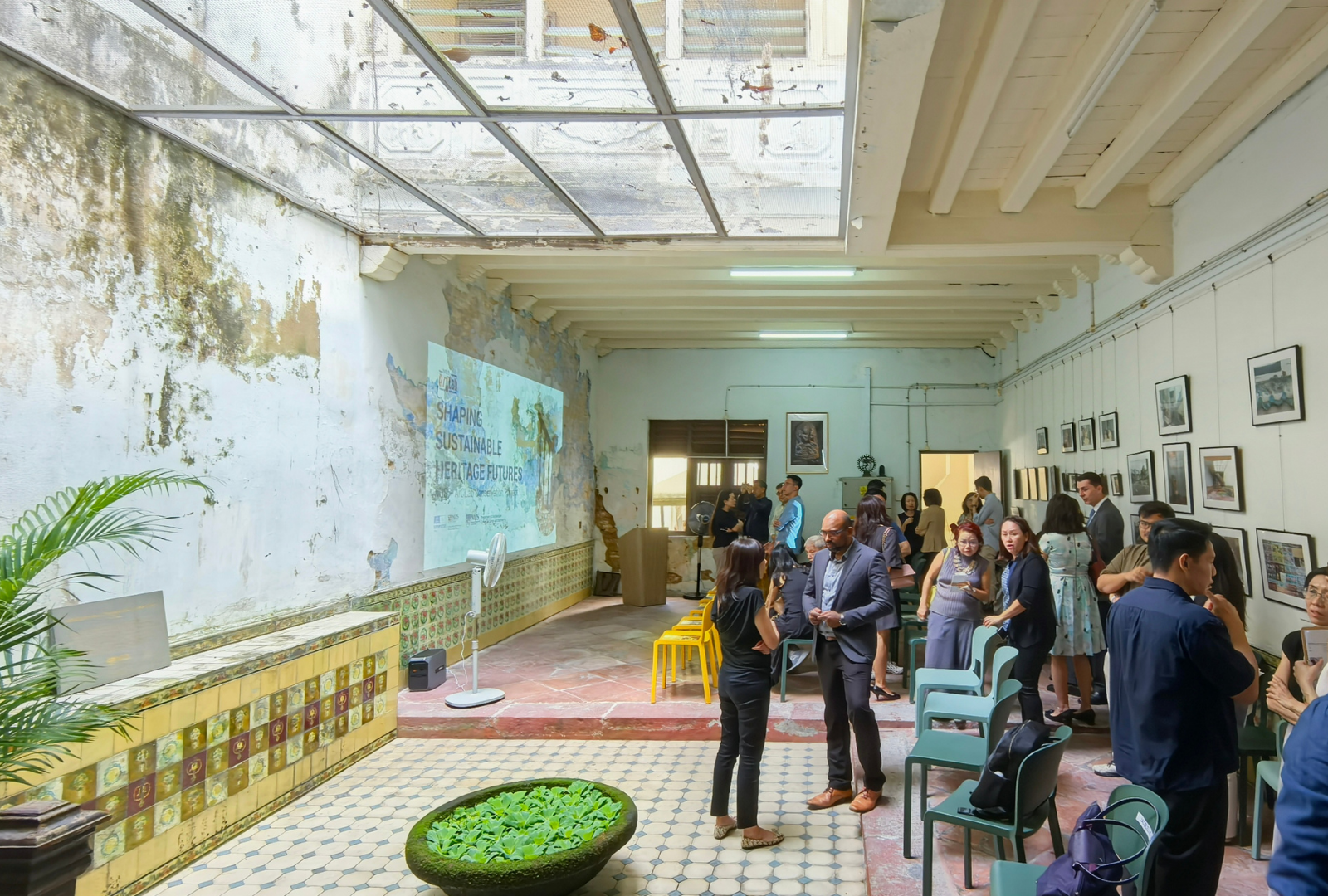
The project was launched at the NUS-ArCLab: Shaping Sustainable Heritage Futures event, graced by Ms Indranee Rajah, Minister in the Prime Minister’s Office, Second Minister for Finance and Second Minister for National Development, as Guest of Honour. Mr Foo Cexiang, Member of Parliament for Tanjong Pagar GRC, attended as a special guest.
Works are slated to start in May 2026 and run until the end of 2027, supported by a gift from the Portabella family, who donated the house to the University in 2022.
A historic building with a future-facing purpose
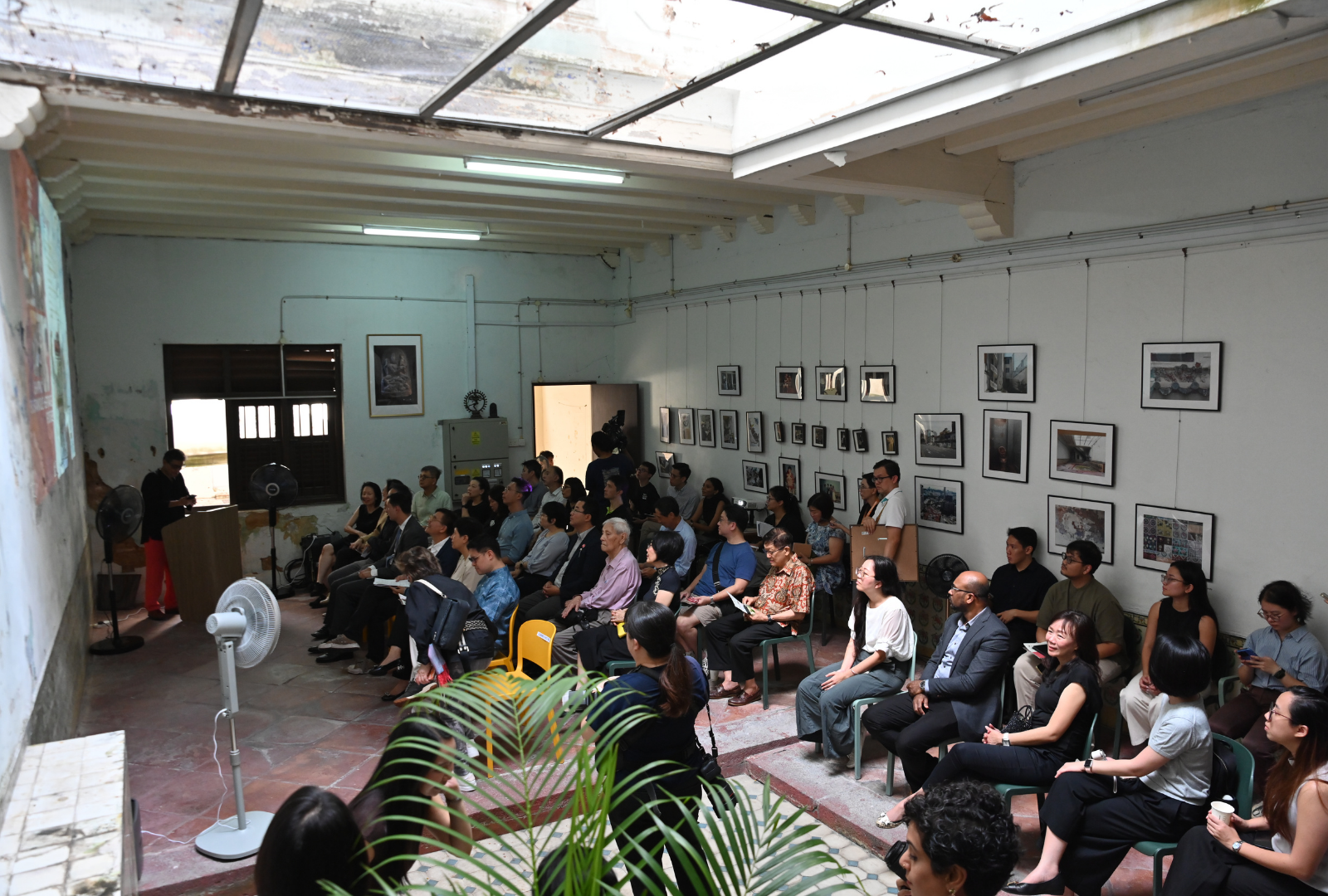
Built in the 1880s and situated within the Blair Plain Conservation Area, the townhouse represents a building type that is deeply embedded in Singapore’s urban history. But beyond preserving a single property, the project is intended to address a broader challenge: how to improve the environmental performance of ageing buildings while retaining the material, spatial and cultural qualities that give them significance.
For NUS-ArCLab, the retrofit is both a conservation effort and a research platform. The project will bring together traditional repair methods and contemporary building science to test practical strategies that could eventually be adapted for other conserved shophouses, townhouses and heritage buildings across Singapore.
That wider intellectual and regional framing is part of what drew conservation professionals such as Sharmila Ashokan (Architectural Conservation ‘25) to the lab’s work. “As a Master’s student, I was particularly drawn to the research being undertaken there. Much of the mainstream discourse on architectural conservation tends to be Eurocentric, whereas NUS-ArCLab’s work actively bridges the gap between Western and Eastern perspectives, making the conversation far more Asia-centric and contextually relevant,” she said.
Dr Nikhil Joshi (Architecture), Principal Investigator at NUS-ArCLab, said, “As Singapore continues to evolve rapidly under pressures of redevelopment, climate change and technological transformation, NUS-ArCLab’s repair and upgrading works aim to demonstrate best practices for climate-resilient conservation.”
He added that the project is intended to be practical and replicable, whether for public agencies overseeing national monuments or homeowners living in historic properties. By combining time-tested materials and techniques with modern technologies, the team hopes to show that sustainable conservation can be both accessible and scalable.
Combining traditional materials and new technology
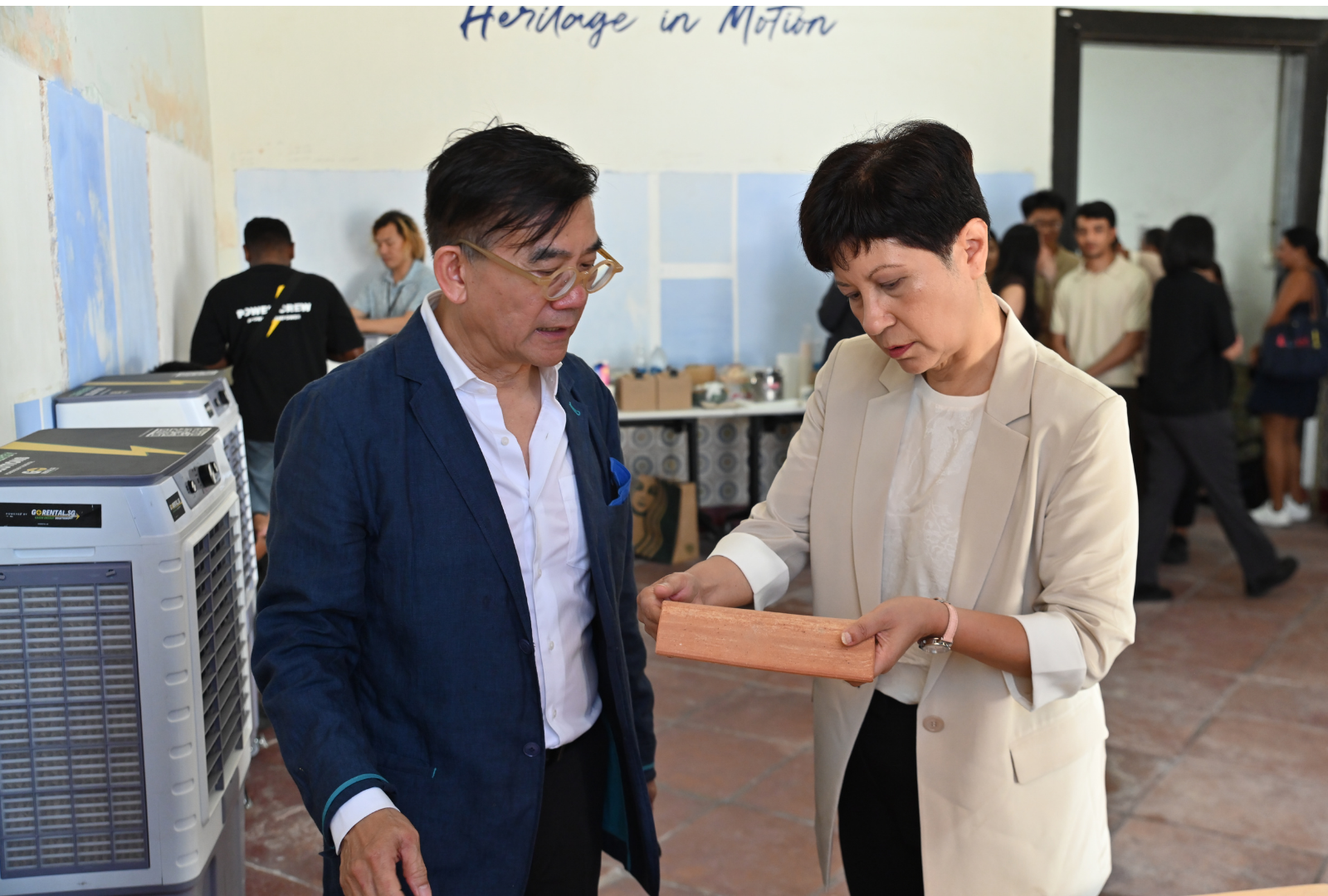
Among the key interventions are newly developed porous roof tiles inspired by historic handmade V-shaped clay tiles, designed to trap rainwater for evaporation, thereby improving passive cooling and thermal comfort in a tropical climate. Traditional lime-based materials will also be used in the restoration works, reflecting long-standing building practices that remain well-suited to breathable and compatible repairs.
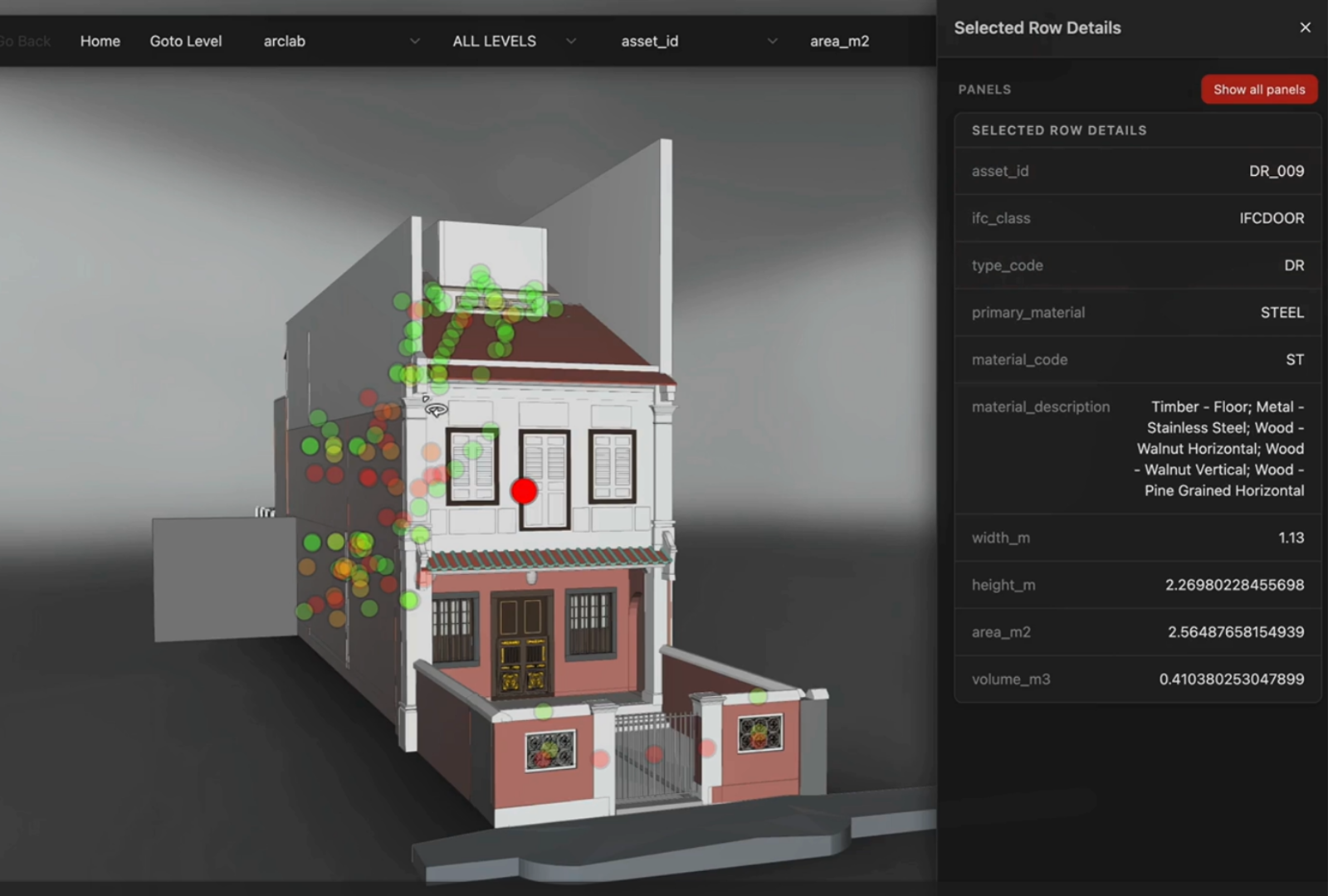
Supporting these interventions will be a digital twin of the building powered by artificial intelligence, which will help the team monitor performance, guide maintenance decisions, and better understand how heritage buildings behave over time. Over the past two and a half years, the team has carried out experiments, documentation and environmental recordings to inform the retrofit strategy and build confidence in the building's performance.
The project is also designed to rely as much as possible on passive and low-energy strategies. Most spaces will remain naturally ventilated, with ceiling fans used to support air movement, while only two upper rooms will be air-conditioned for spaces expected to see the most sustained use. Based on simulations, sensor data and airflow studies, the team expects the building to achieve a comfortable working environment of around 25°C while staying true to the way historic buildings were originally designed to function.
Setting new standards for conservation
As NUS-ArCLab advances the project, it is also helping to shape a broader conversation about how small historic buildings should be assessed within contemporary sustainability frameworks.
Dr Joshi noted that in Singapore, there are still limited standards and benchmarks for projects of this kind, which means the team has had to work closely with agencies to develop a clearer basis for evaluation and future guidance.
“We are working on this building, but we are actually setting the standard as well,” he said.
This process has made the project significant beyond 141 Neil Road. By demonstrating how a conserved townhouse can pursue high environmental performance, NUS-ArCLab could help create a clearer pathway for similar projects in future, including other heritage properties and national monuments.
Dr Joshi also drew a distinction between net-zero operational energy and broader green building certification. While net-zero focuses specifically on energy performance, certification frameworks often assess a wider set of criteria that may be harder to apply directly to smaller, existing heritage buildings. NUS-ArCLab’s experience is therefore helping to show how these frameworks might be interpreted more meaningfully for the conservation context.
A building designed to give back
Energy performance is central to the project. The building will be fully solar powered, and the team expects it to generate more energy than it consumes. In practical terms, that means the project is designed not only to meet its own operational needs, but potentially to contribute surplus energy beyond the site.
For Dr Joshi, this is an important way of challenging assumptions about what older buildings can achieve. Rather than seeing historic buildings as energy-intensive, he believes projects like NUS-ArCLab can demonstrate that, with the right understanding and interventions, they can be both environmentally responsible and highly functional.
NUS-ArCLab will also turn the ongoing restoration into a hands-on learning environment for students in the Master of Arts in Architectural Conservation (MAArC) programme, embedding site-based experience within the curriculum. There are also plans to hold public programmes during the repair works to build wider awareness and help develop specialist expertise, supporting capacity building across Singapore’s built environment sector.
For Sharmila, the collaborative environment has been one of the most rewarding aspects of being involved with the lab. “I think the most meaningful part has been the opportunity to work collaboratively with planners, policymakers, designers, and conservation professionals, engaging in a truly multidisciplinary dialogue. Being part of a platform that is at the forefront of collaborative heritage research in the Asian region has been deeply enriching,” she said.
Elizabeth Yang (Architectural Conservation ‘22) also reflected on how her experience with MAArC and NUS-ArCLab has shaped her sense of optimism about the future of conservation in Singapore. “NUS-ArCLab's focus on scalable innovations with the intent of island-wide implementation shows what I think is a form of optimism. We talk a lot about heritage for the future, and how to manage and maintain historic buildings. Now that the innovations will be used on ArCLab itself, we're looking forward to how things will proceed from there.”
Rethinking conservation and sustainability
The project also reflects a wider shift in how historic buildings are understood. Rather than treating conservation and sustainability as competing priorities, NUS-ArCLab’s work starts from the premise that many older buildings were already designed with climate-responsive features suited to their environment. Natural ventilation, shading and material adaptability were often part of their original logic. The task today is to reinterpret and strengthen those qualities using current knowledge and technologies, setting a benchmark for sustainable conservation.
The project is also intended to show that historic buildings are not simply decorative remnants of the past, but a form of living heritage that can continue to serve contemporary needs if they are properly maintained and thoughtfully adapted. Buildings like 141 Neil Road, Dr Joshi noted, have already demonstrated remarkable longevity. The challenge now is to ensure that they remain useful, comfortable and relevant for generations to come.
The retrofit could offer a practical model for greening conserved buildings across Singapore. In a city with thousands of heritage properties, the project points to a future in which conservation is not only about protecting the past, but also about ensuring that historic buildings remain resilient, useful and capable of contributing to a more sustainable built environment.