
STUDENT ACHIEVEMENTS & STUDENT LIFE
Opening new perspectives on design and engineering
On 3 September 2026, CDE in collaboration with the NUS Office of Admissions (OAM), hosted a campus visit for MOE International Scholars. The event drew over 300 attendees from 19 institutions, comprising mainly JC1 students.
At the exhibition, students explored 15 CDE programme and student booths, each featuring games, demonstrations or hands-on activities. From building molecular models to seeing robots in action, the interactive activities brought the different design and engineering disciplines to life. Students also spoke directly with CDE students, who shared their experiences and answered questions about their respective programmes.
Participants responded positively to the experience. One shared, "I am able to appreciate the scope of this field, and have a clearer understanding of how I can relate this field to relevant courses in NUS to best explore my university options." Another reflected, "I love how the facilitators were very friendly and insightful. They really opened my eyes to a new discipline that I had not really thought or heard about."
Exploring future pathways at the annual CDE Career Fair
At this year’s CDE Career Fair, every conversation pointed to a new possibility. Over two days, CDE students dove into conversations with representatives from more than 60 employers from across the public and private sectors, spanning industries from information and communications technology to semiconductors and the built environment.
Ahead of the fair, students got a head start through a networking practice session with Micron Technology and Jacobs, along with résumé clinics led by career advisers from the NUS Centre for Future-ready Graduates, so they could put their best foot forward.
Employers also shared practical advice at the fair. Wenchao Gao, Senior Robotic Engineer at dConstruct Robotics, shared that robotics roles require a high degree of practicality, hands-on design and coding, and the ability to ensure robots perform robustly in real-life situations. These insights aided students such as Anvi Shah (Electrical Engineering) who is exploring full-time opportunities in robotics and mechatronics.
For Kenneth Yeo (Engineering Science), speaking with government agencies such as the Building and Construction Authority Singapore (BCA) and the National Environment Agency (NEA) opened up fresh perspectives on careers in energy systems and built infrastructure, especially the role of policy in shaping the sectors.
Industry panel discussions brought the future of work into focus. In a session on agility in an AI-driven world, Loe Hauw Sheong, Deputy Executive Vice President of Seatrium Energy (Fixed Platforms), and Benedict Lee, Manufacturing Intelligence Manager at HP, shared how AI is reshaping workflows. Hauw Sheong advised students to use AI for repetitive low-level tasks so they can focus on higher-value decisions, while Benedict urged them to “challenge the status quo” and approach existing processes with curiosity.
Meanwhile, Argoon Chuang, Digital Consulting Lead of AECOM’s Asia region, and David Ng, Strategic Program Office Head of Applied Materials South East Asia, discussed how graduates can pair AI capabilities with their own human strengths. For David, while AI serves as a tool for speed and analytics, human ownership is what creates value, and he highlighted the importance of accountability and the “grittiness” needed to navigate layers of digital transformation. Argoon pointed out how aside from the necessary technical expertise, human elements like interpersonal skills and proactive collaboration are becoming increasingly more valuable as they are harder for AI to replicate.
From discovering new paths to making meaningful connections, CDE students made the most of the Career Fair, and left with renewed ambition and greater confidence to take the next step in their careers.
Back-to-back champions: CDE retains the IFG trophy!
The Inter-Faculty Games (IFG) Trophy is coming home to CDE! For the second year in a row, CDE has been crowned IFG overall champion after clinching seven golds, four silvers and six bronzes.
Table Tennis came out on top, finishing 1st overall. Reflecting on the team’s achievement, Captain Zhang Ruiyuan (Electrical Engineering) shared, “The most challenging part of our journey was adapting to different play styles. What made our journey special was the commitment and friendship within our team. Everyone made an effort to attend training and matches. Our biggest takeaway is that championships are not achieved through skill alone, but through teamwork, commitment, resilience, and belief in one another.”
Captain’s Ball followed with another 1st-place finish, with Captains Keira Tan (Biomedical Engineering) and Kaylen Zelcy Lim (Chemical Engineering) sharing what made it possible: “Everyone stayed focused, trusted one another and gave their best. I think what helped us excel was the strong team chemistry we built at the right time.”
Women’s Football also secured 1st place, adding another gold to CDE’s tally. Captain Gayle Peh (Electrical Engineering) shared, “We trained hard, played our best, and stayed positive through it all. This was all thanks to the fun we shared both on and off the field and our love for the sport.”
Alongside these three golds, Tchoukball, Men’s Swimming, Men’s Track and Valorant also finished 1st.
International Chess came in 2nd, with Captain Kush Borkar (Mechanical Engineering) reflecting on the team’s run: “The most challenging part of the tournament was the mental endurance required in the round-robin format. What helped us through the pressure was our team synergy and the trust we had in one another, and we even managed to draw against the defending champions.”
Ultimate Frisbee, Men’s Basketball and Women’s Volleyball also took 2nd, while Touch Football, Dodgeball, Men’s Volleyball, Women’s Swimming, Reversi and League of Legends finished 3rd.
Well done to our CDE athletes for their achievements!
Landscape Architecture students reimagine the NUS Ridge through a biocultural lens
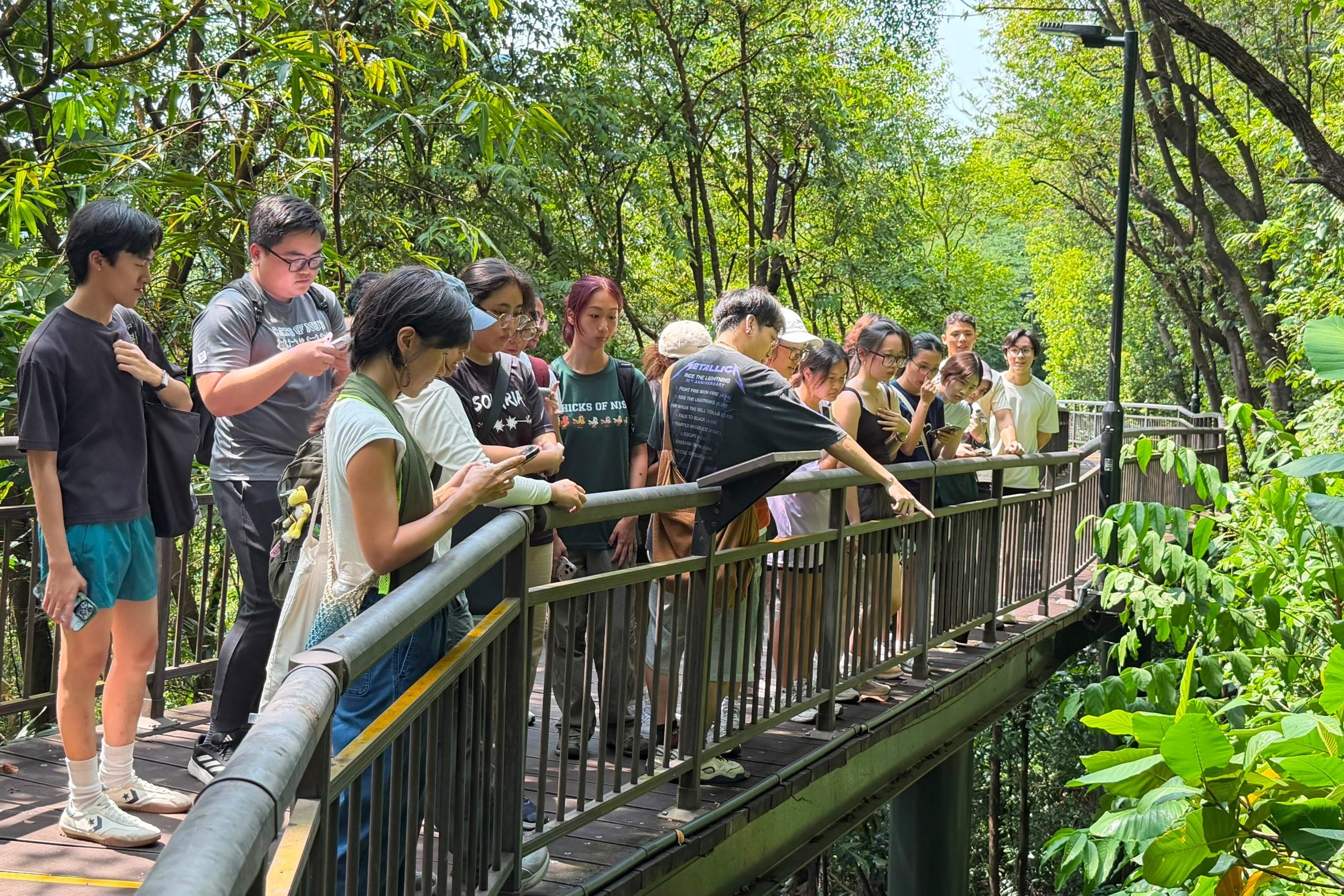
The Bachelor of Landscape Architecture (BLA) Year 3 students have successfully wrapped up Project 1: "Narrating the Ridge through the Lens of Biocultural Heritage." This is the first in a three-part studio series designed to advance students' abilities to document, analyse, and critically engage with Singapore’s evolving urban landscapes, focusing specifically on the Ridge. The site spans both the western portion managed by NUS and the eastern portion managed by the National Parks Board (NParks), together forming a key segment of the Southern Ridges park corridor.
The studio approaches the Ridge as a living biocultural archive, encouraging students to critically examine three concepts central to landscape architecture: heritage, forest, and park. In their final project, students are challenged to design a "Ridge Park," repositioning the NUS Ridge from an academic enclave into a landscape of expanded socio-ecological value. Their proposals aim to seamlessly serve both the university community and the broader public, contributing meaningfully to Singapore’s vision of a City in Nature.
Architecture students examine the relationship between the architectural canon and everyday life through drawing
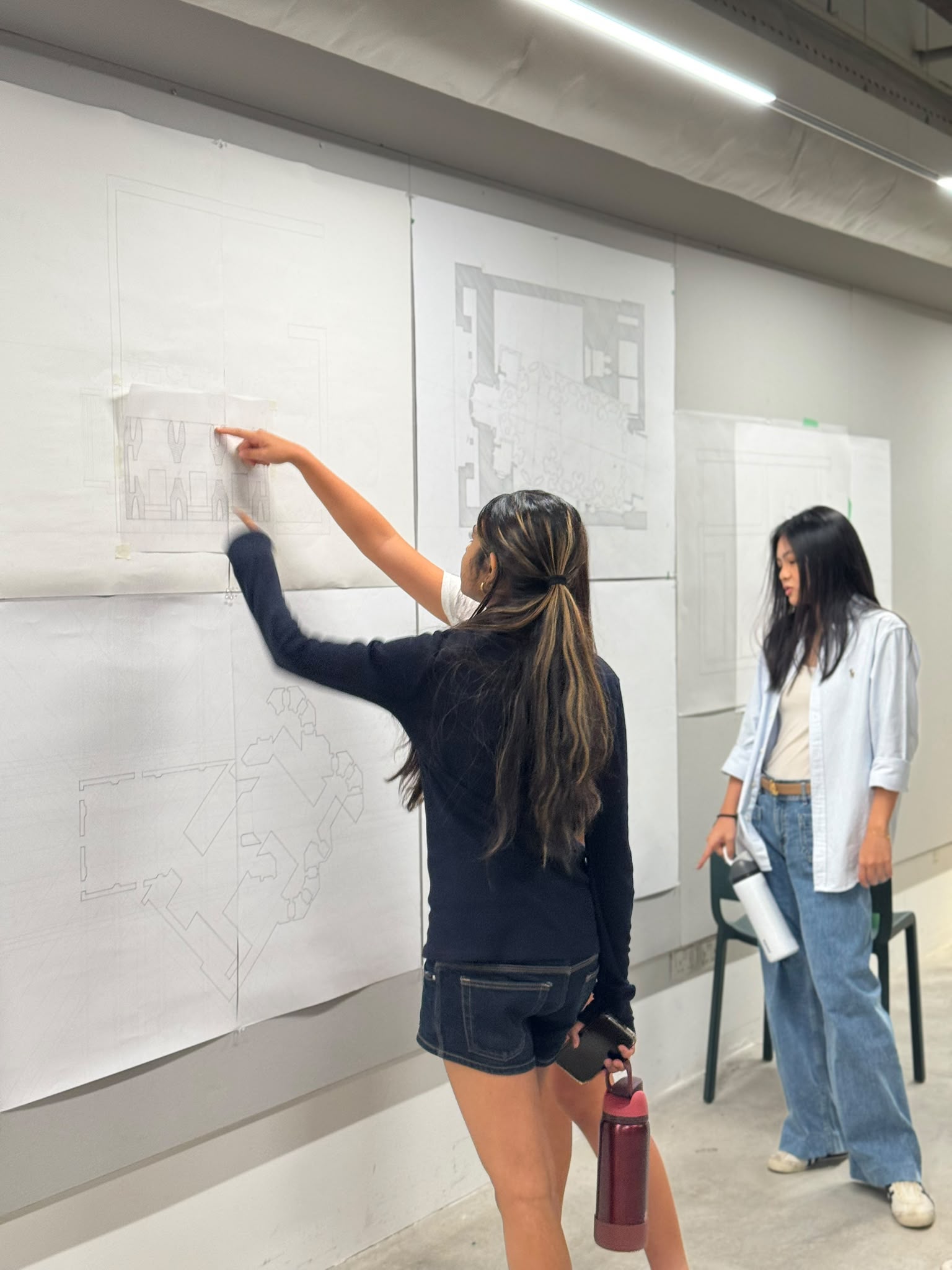
Just ahead of recess week, the Design 1 (D1) Collective Pin-Up saw first-year Bachelor of Arts in Architecture students transform the studio staircase gallery across two floors into an inspiring exhibition of work. Focused on the reciprocal relationship between the architectural canon and the everyday, the studio emphasised thinking and making through analogue drawings.
Reflecting on the studio session, D1 Year Lead Associate Professor Christo Meyer shared, “When you spend six hours drawing a single plan, something extraordinary begins to happen. Drawing slows you down. And slowing down is often the beginning of understanding.”
SoDL exhibition "Position Open: [____]" explores the evolving role of the social designer
The Social Design Lab (SoDL) exhibition “Position Open: [____]” invited conversations about the future of work and the evolving role of social designers. Featuring projects from the NUS Department of Architecture (DOA), NUS Department of Design, LASALLE College of the Arts, and The Hong Kong Polytechnic University School of Design (PolyU Design), the exhibition highlighted hands-on engagement with local communities and explored new approaches to education and collaboration in addressing social challenges.
In his opening address, SoDL director and Deputy Head (External Relations) at DOA Associate Professor Thomas Kong framed the exhibition as a provocation that “invites reflection on what designers can contribute beyond buildings, landscapes, and products”. Head of DOA Professor Jeffrey Hou, as well as SoDL collaborators, PolyU Design lecturer Kam-Fai Chan and co-founder of urban research lab Islanders Kit Chan, emphasised the need for education to teach resilience and adaptability, and for interdisciplinary collaboration to create greater social impact.
Against this backdrop, the following NUS projects show how social design takes shape in practice:
In “Amanah: Between Faith and Health”, Syafiq Bin Rahim (Master's of Arts in Industrial Design) explores how kidney health awareness can be communicated meaningfully to the Malay-Muslim community. Through dialogues with mosques and organisations, Syafiq uncovered how health information is shaped by trust, beliefs and generational differences in how support is sought. Supervised by Associate Professor Patrick Chia and Assistant Professor Janghee Cho, the project shows how culturally grounded engagement can inform community-sensitive health initiatives.
“Once Again, Ubin! Education Through Heritage, Heritage Through Living” by Ramela Joey Delen Bunag and Laura Lim (Master of Architecture) reimagines Pulau Ubin as a place of learning where its cultural memory is carried through residents, stories, and landscapes. Guided by Associate Professor Beng Kiang Tan and informed by island residents and educator groups, the project centres education in heritage preservation through a masterplan of R&D sites and heritage trails that create new ways to experience Ubin while protecting its biodiversity.
In “Threads of Limbang”, Justin Chew, Yi Ting Estella, Heng Jun Kai, Jade Lee, and Elvina Lee (Bachelor of Landscape Architecture) explore how everyday spaces and routines shape community life in Limbang. Through conversations with residents, the work uncovers stories of change, maps lived realities and imagines community aspirations. Supervised by Assistant Professor Janice Tung and Adjunct Assistant Professor Larry Yeung, the project recognises residents not only as users of space, but as collaborators in shaping the commons.
As Syafiq shared, “Social design starts with understanding people and their everyday lives, to create a future where they have a voice in the things that affect them.”
Learn more about The Social Design Lab and its work here.
Grit, growth, and guidance: CDE students share key takeaways from industry internships
Across industries such as biotechnology, robotics, and the built environment, these Year 4 students reflect on how their third-year internships brought classroom theories to life and deepened their understanding of industry and research.
At Woh Hup Group, Civil Engineering student Ng Yi Jiat supported their P015 Punggol Extension project as a technical and production team intern. His work involved checking and coordinating drawings, assisting with instrumentation and monitoring reports, and supporting regulatory paperwork. For Yi Jiat, what was most fulfilling was seeing the team work together to resolve design and site issues without disrupting the project timeline or costs. Observing their coordination reinforced the importance of staying organised and level-headed under pressure and gave him confidence in adapting to unfamiliar situations.
Drawn by his interest in biomaterials and tissue explants, Biomedical Engineering student Ian Ng joined A*STAR's Bioprocessing Technology Institute (BTI) as a research intern. There, he worked on their cultivated meat project, helping develop low-cost functional coatings and plant-based scaffolds to optimise cellular growth. The experience gave him a better grasp of what research involves, from literature reviews and planning experiments to working through challenges along the way. Reflecting on the work, Ian shared, “While results don’t show overnight, careful prep work will always pay off in experiments and trials.”
Computer Engineering student Siyu Chen followed his passion for automation and robotics at HOPE Technik. As a software intern, he built a full-stack inventory management system and contributed to robotics projects such as integrating mapping and navigation stacks and a visual tracking pipeline on a robot dog. When a robot computer experienced severe lagging during the testing of a new mapping system, he learned to troubleshoot more systematically. Siyu said, “Various hands-on projects sharpened my technical skills and gave me a clearer understanding of software engineering specialisations and their prospects.”
CDE students tackle real-world urban challenges for "Singapore 2050"
At the Built Environment Case Competition (BECC) 2026, the theme “Singapore 2050: Designing Inclusive and Smart Living Futures” pushed students to reimagine more welcoming, safer, and human-centred everyday spaces.
Supported this year by the Building and Construction Authority Singapore (BCA) and the Real Estate Developers' Association of Singapore (REDAS), this annual competition by the NUS Civil Engineering Club challenges tertiary students to tackle real-world built environment issues.
Out of the 92 proposals submitted, faculty from the Department of Civil and Environmental Engineering, NUS Cities, and the Department of Real Estate from NUS Business School selected the top 15 teams. On competition day, teams ranked 7th to 15th showcased their prototypes and concepts at exhibition booths. Meanwhile, the top six finalists were paired with industry mentors to further refine their proposals before delivering final pitches to a panel of industry experts.
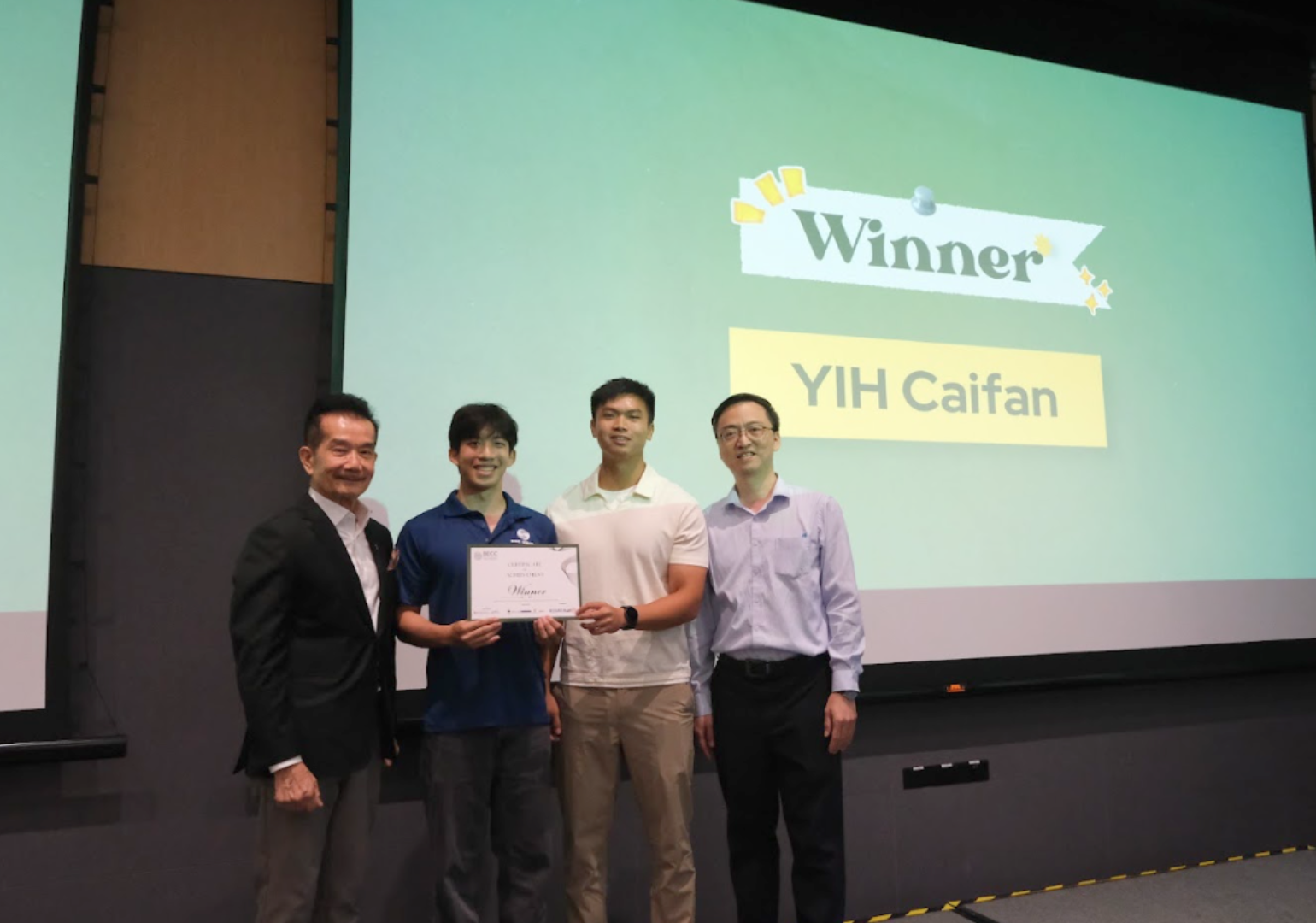
Clinching first place was Team YIH Caifan, comprising Civil Engineering students Wong Yijie Lucas and Ong Yee Heng. Their winning concept, Lumipath, is a smart LED pedestrian crossing system designed for elderly pedestrians who may have poorer judgement, vision, and reaction time. Modular LED tiles are embedded along uncontrolled crossings to provide clearer visual cues when it is safe to cross. The team shared that preparing for the Q&A proved challenging due to the judges’ strong industry knowledge, but they received valuable input from their industry mentor, Tan Zi Ling, Building Engineer at Obayashi Singapore Pte Ltd. Reflecting on the win, Yee Heng shared, “Winning was rewarding, but the biggest takeaway was learning from other finalists and the judges’ feedback.”
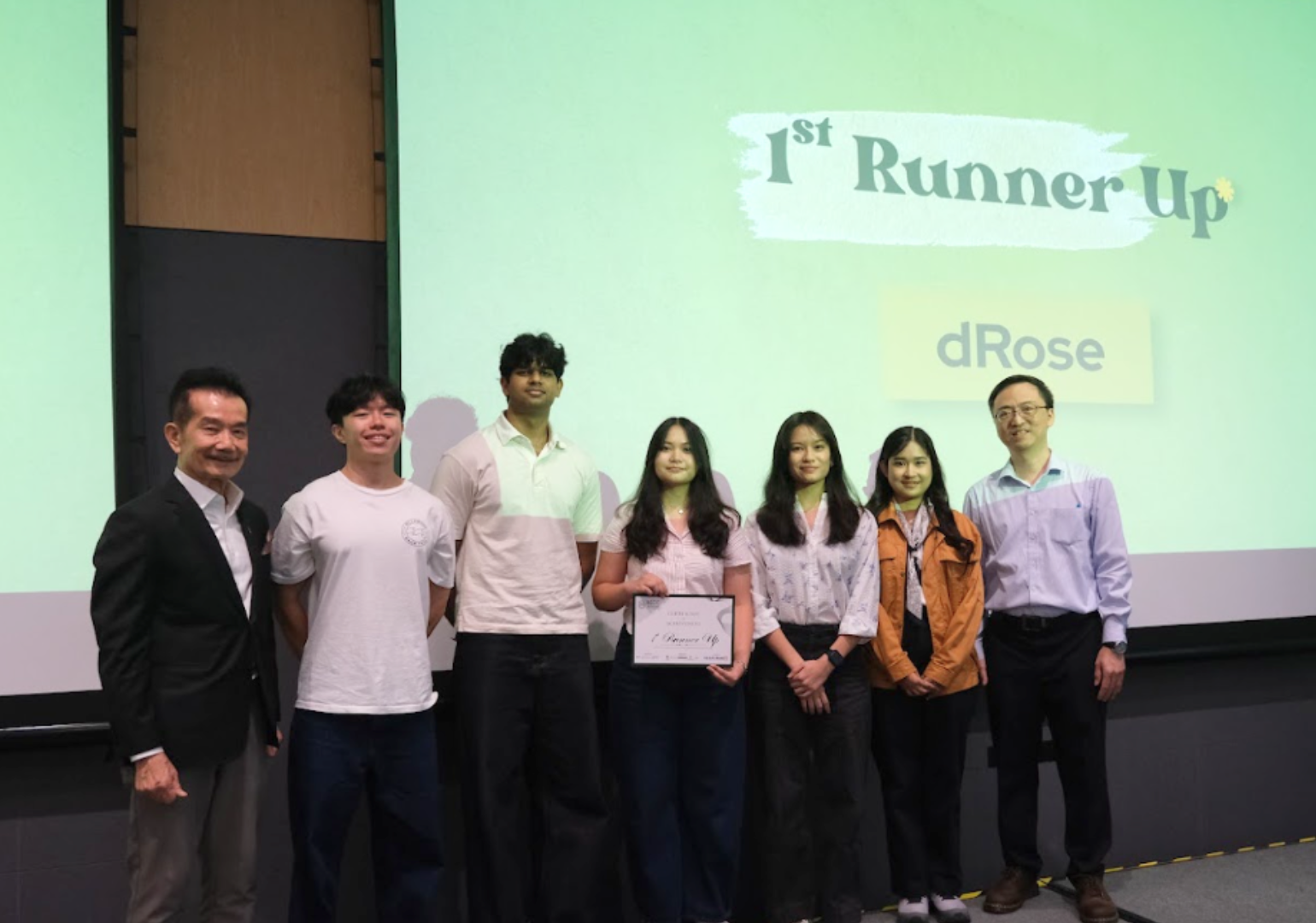
Emerging first runner-up was Team dRose, comprising Civil Engineering students Kate Lovelace Layba Agpaoa, Samuel Chan Guan Xu, Praveen Senthilkumar, and Sophia Muhammad Ishak. Their solution Living Linkways transforms sheltered pathways into age-friendly community spaces by including a passive wayfinding system for seniors; modular vertical planters cared for by youth-senior buddies; and “Micro-Plaza Cooling Nodes” that provide rest stops with misting systems and ergonomic seating. By retrofitting existing sheltered walkways, the solution is designed to keep costs low. Guided by industry mentor Sebal Oo, Planning Engineer at Obayashi Singapore Pte Ltd, the team reached a more viable engineering solution and considered a broader range of walkway users, thereby strengthening their final proposal.
Beyond the finalist teams, students from the Infrastructure and Project Management (IPM) programme also took part in BECC 2026. Team Synclusive, comprising senior IPM students, received the People’s Choice Award for its concept of modular community pods in HDB estates, which sought to create more inclusive spaces for residents within their neighbourhoods.
The competition also saw participation from Team Testing 1234, a team of IPM freshmen who came together even before the start of their first semester at NUS. Their proposal explored how existing support schemes could be made more accessible to senior citizens, reflecting the competition’s focus on creating more inclusive and human-centred living environments.
BECC 2026 Co-Chairperson Fransiska Halim Santoso (Civil Engineering) shared, “Through BECC 2026, we hope participants gained valuable experience in creative thinking, collaboration, and learning from industry experts.”

PhD student team receives two awards at FOMLIG 2026
A PhD student team from Assistant Professor Zhang Pin’s research group received two awards at the 4th Future of Machine Learning in Geotechnics (FOMLIG 2026) international competition. The team, comprising Zhang Yushuo, Wang Shuchen, Yang Ningyu and Ding Kailin, received an Honourable Mention in Challenge 1 and the Encouragement Award in Challenge 2 of the KAJIMA-FOMLIG AI Challenge.
The competition brings together researchers and practitioners working at the intersection of geotechnical engineering and artificial intelligence. The challenges gave participants opportunities to apply machine learning and data-driven techniques to practical geotechnical engineering problems.
Challenge 1: The TBM Motion Prediction Challenge focused on developing predictive models for the yaw and pitch of tunnel boring machines (TBMs), using simulation-based datasets generated by Shimizu Corporation. Participants were tasked with developing robust prediction models using advanced machine learning and data-driven approaches.
Challenge 2: The KAJIMA-FOMLIG AI Challenge focused more broadly on developing practical AI-based solutions for geotechnical engineering applications, providing students with hands-on experience in applying AI techniques to engineering challenges.
The two awards recognise the team’s work in developing AI-enabled and data-driven approaches for geotechnical engineering.
Research on location privacy in direct-to-cell LEO satellite networks receives distinguished paper award at USENIX Security ’26

Research by Electrical and Computer Engineering PhD student Shi Quan, under the supervision of Professor Biplab Sikdar (Electrical and Computer Engineering), has received a Distinguished Paper Award at the 35th USENIX Security Symposium (USENIX Security ’26) for the paper “LPG: Raise Your Location Privacy Game in Direct-to-Cell LEO Satellite Networks.”
Shi Quan is the first author of the paper, which was co-authored with Prof Sikdar and other research collaborators. The work investigates location privacy risks in emerging Direct-to-Cell Low-Earth-Orbit (LEO) satellite networks and introduces a framework designed to strengthen user privacy while maintaining network performance.
Read more here.
ECE students win second prize at Intel Cup 2026 with on-device AI assistant for visually impaired users
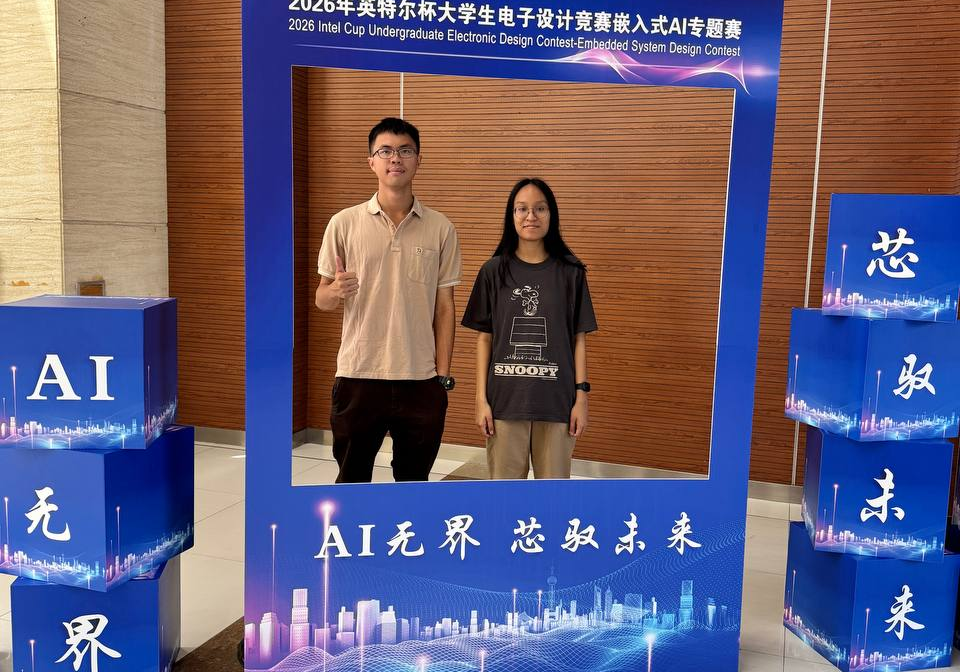
A team of NUS students has won Second Prize at the Intel Cup 2026 Undergraduate Embedded System Design Competition, held in Shanghai in July 2026, for their project EdgeSight, an on-device visual-language assistant designed to support visually impaired users. The team comprises Badrinath Sandhya (Electrical Engineering), Chan Zun Mun Terence (Computer Engineering), and Hsu Myat Noe (Computer Science). The project was supervised by Dr Rajesh Panicker from the Department of Electrical and Computer Engineering (ECE).
The Intel Cup Undergraduate Electronic Design Contest – Embedded System Design Contest is an international undergraduate competition focused on embedded system design and innovation. The 2026 edition brought together teams from universities across multiple countries and regions, with the appraisal conducted in Shanghai on 21 and 22 July 2026.
EdgeSight was developed around a simple but important challenge: everyday indoor environments can change in small ways that may be difficult for visually impaired users to detect. A chair may be moved, an object may be left in a walkway, or another person may enter the user’s path.
While cloud-based visual assistance systems can help interpret such environments, they may introduce concerns around privacy, latency and connectivity. EdgeSight addresses these challenges by performing the visual processing locally on the device. Built on Intel’s DK-2500 development board, the system uses an ESP32 camera to continuously capture the surrounding environment. A local vision-language model then generates descriptions of the scene, while a reasoning agent analyses the information to identify potential hazards and respond to users’ spoken questions. The system adopts a speech-first interaction model, allowing users to interact with the assistant through voice. Importantly, the visual and reasoning processes are performed entirely on-device, so the captured data does not need to be transmitted to external cloud services.
The team evaluated EdgeSight across a range of scenarios, including general scene description, spatial awareness and hazard detection. They also incorporated warning-suppression logic to reduce unnecessary alerts, helping the system distinguish between situations that require user attention and those that do not. Through this combination of embedded hardware, computer vision, vision-language models and intelligent reasoning, EdgeSight demonstrates how edge AI can be applied to develop more private, responsive and accessible assistive technologies.
The project also highlights the value of interdisciplinary student learning, bringing together knowledge in electrical engineering, computer engineering, computer science and embedded system design to address a real-world accessibility challenge.
CDE ECE research on spatial reasoning named ECCV 2026 Award Candidate
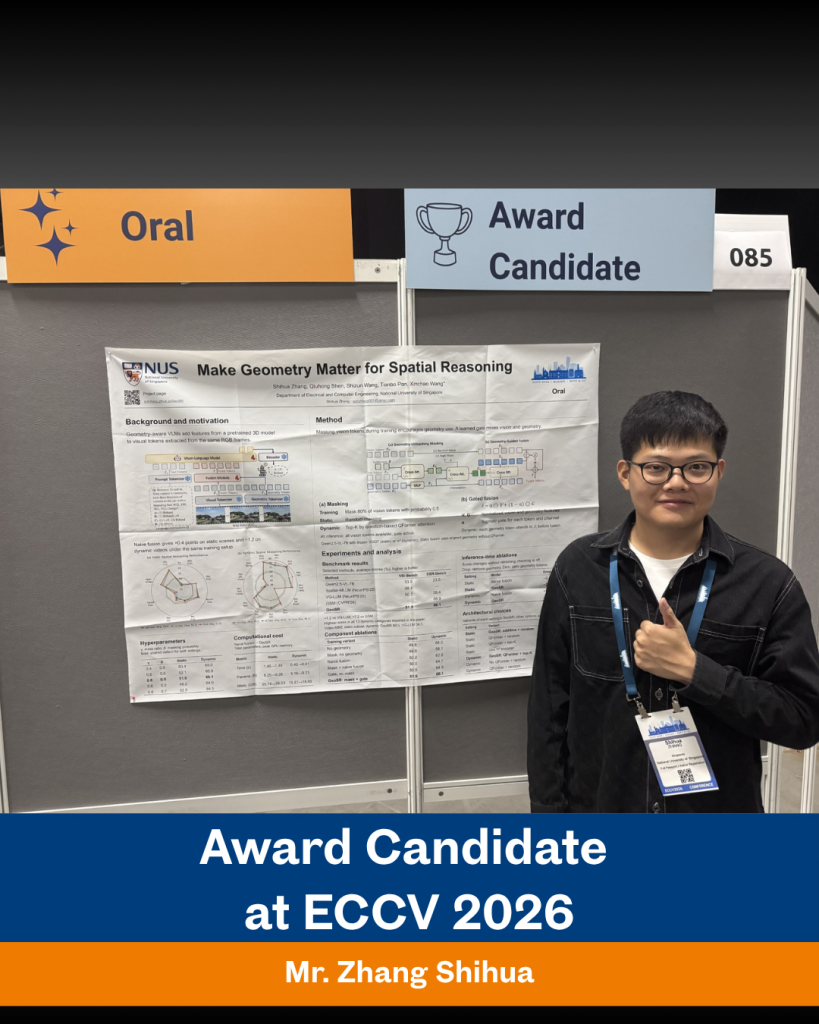
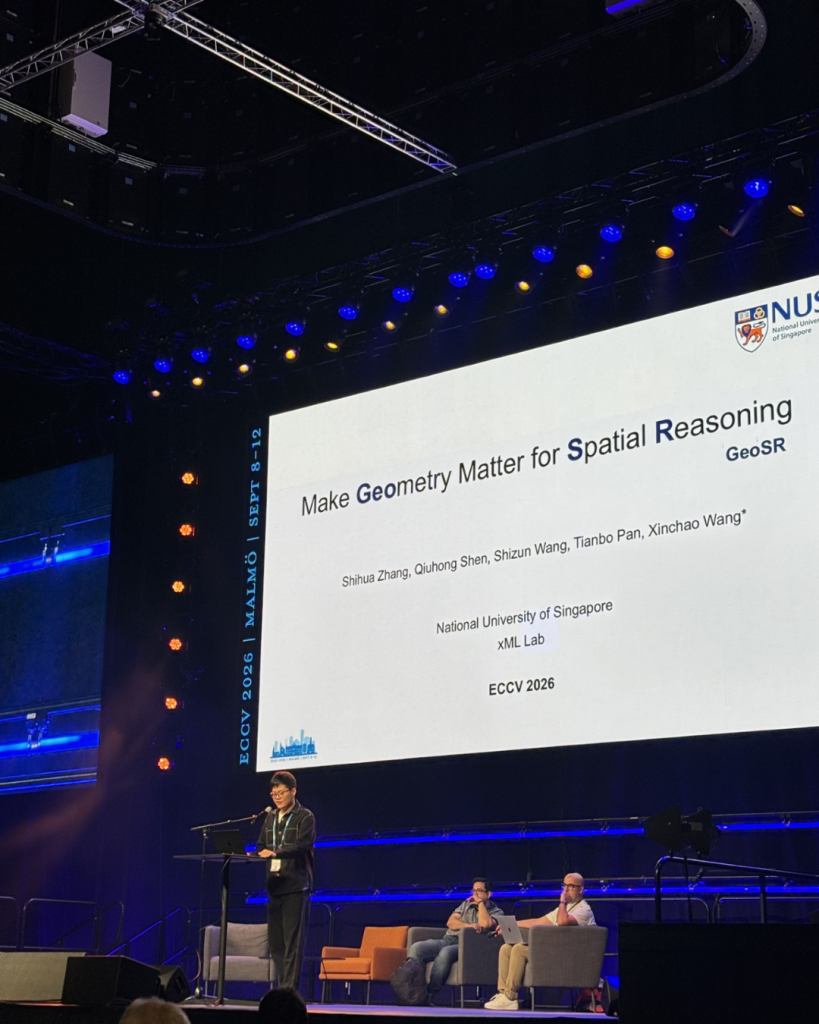
Electrical and Computer Engineering PhD student Zhang Shihua and his co-authors' paper, “Make Geometry Matter for Spatial Reasoning,” was selected as one of 10 Award Candidates at the 19th European Conference on Computer Vision (ECCV 2026). The paper was also accepted as an ECCV 2026 Long Oral Presentation. Zhang Shihua is supervised by Associate Professor Wang Xinchao. The paper was co-authored by Shihua Zhang, Qiuhong Shen, Shizun Wang, Tianbo Pan and Xinchao Wang (Electrical and Computer Engineering).
Vision-language models (VLMs) have made significant advances in understanding images and videos, but accurately reasoning about spatial relationships remains challenging. In particular, models may rely heavily on visual appearance while underutilising important geometric information.
The paper introduces GeoSR, a framework designed to encourage VLMs to make better use of geometric information for spatial reasoning in both static images and dynamic videos. GeoSR incorporates two key techniques. Geometry-Unleashing Masking strategically masks portions of 2D visual information during training, encouraging the model to rely more on geometric cues. Geometry-Guided Fusion then uses a learned gating mechanism to adaptively strengthen geometric information where it is most relevant. Through these approaches, GeoSR enables VLMs to more effectively leverage 3D geometric cues when reasoning about spatial relationships. Experiments on static and dynamic spatial reasoning benchmarks demonstrated consistent improvements over existing geometry-aware approaches, establishing new state-of-the-art performance on the reported benchmarks.
The research highlights how incorporating geometric understanding can strengthen the ability of AI systems to reason about the physical world, with potential applications in areas such as embodied AI, robotics and intelligent systems.
NUS STAR pilot initiative enables student-led near-space satellite missions
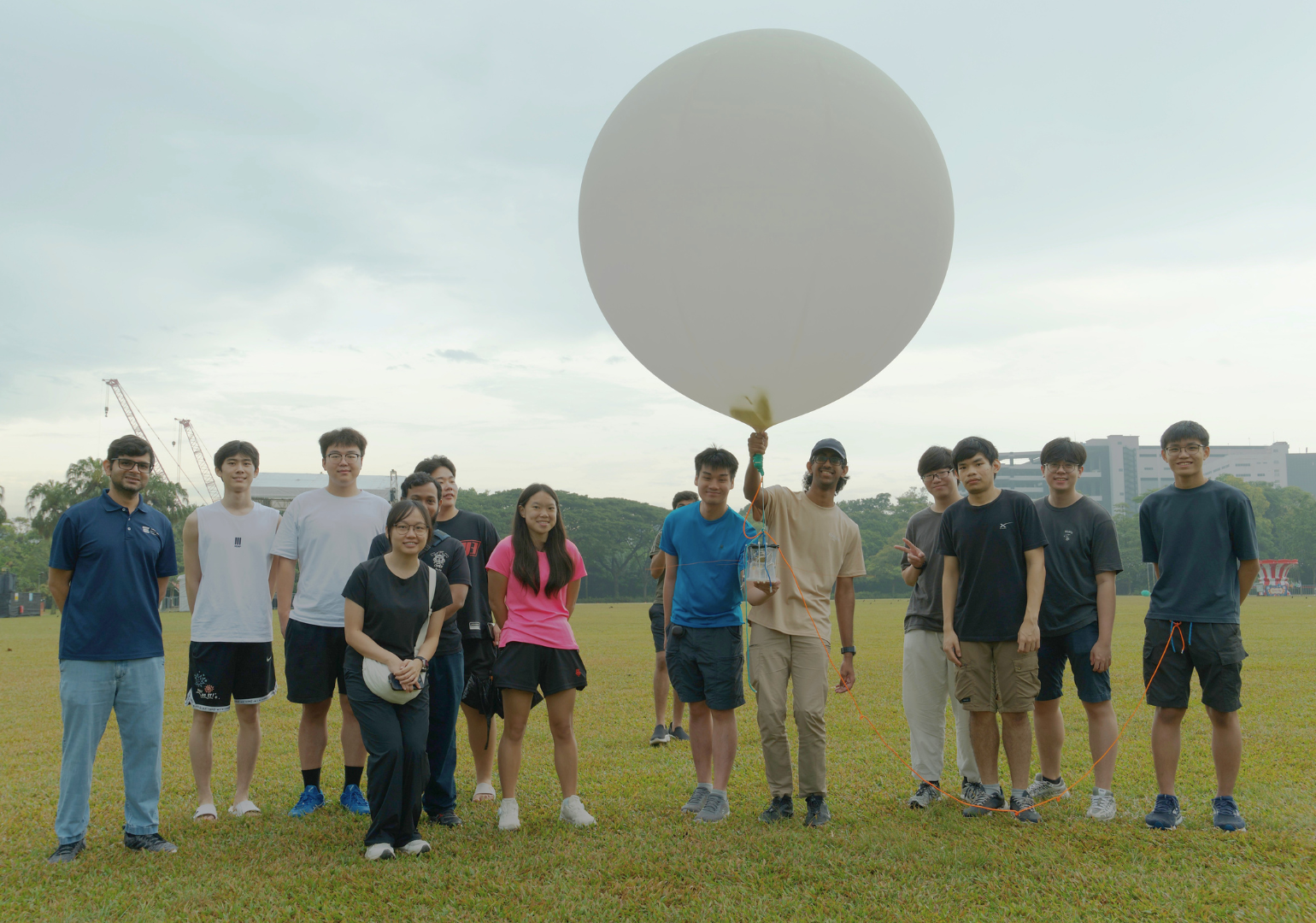
Satellite missions are no longer out of reach for students building, testing and launching payloads for near-space flight.
Students from the Department of Electrical and Computer Engineering (ECE) took part in Project TEH HALIA (Telemetry Experiments for High-altitude Hardware, Atmospheric Learning, Imaging, and Analysis), a pilot initiative by NUS’s Satellite Technology and Research Centre (STAR) to enable near-space access for undergraduate students.
The team comprises Electrical Engineering students Sai Wai Phyo, Sharan Balaji Manickamoorthy, Alvin Tan, Jacob George, Cheah Tian Ler, Yongzhi Guan and Goh You Yi; and Computer Engineering students Nathan Bong and Gabrielle Lim.
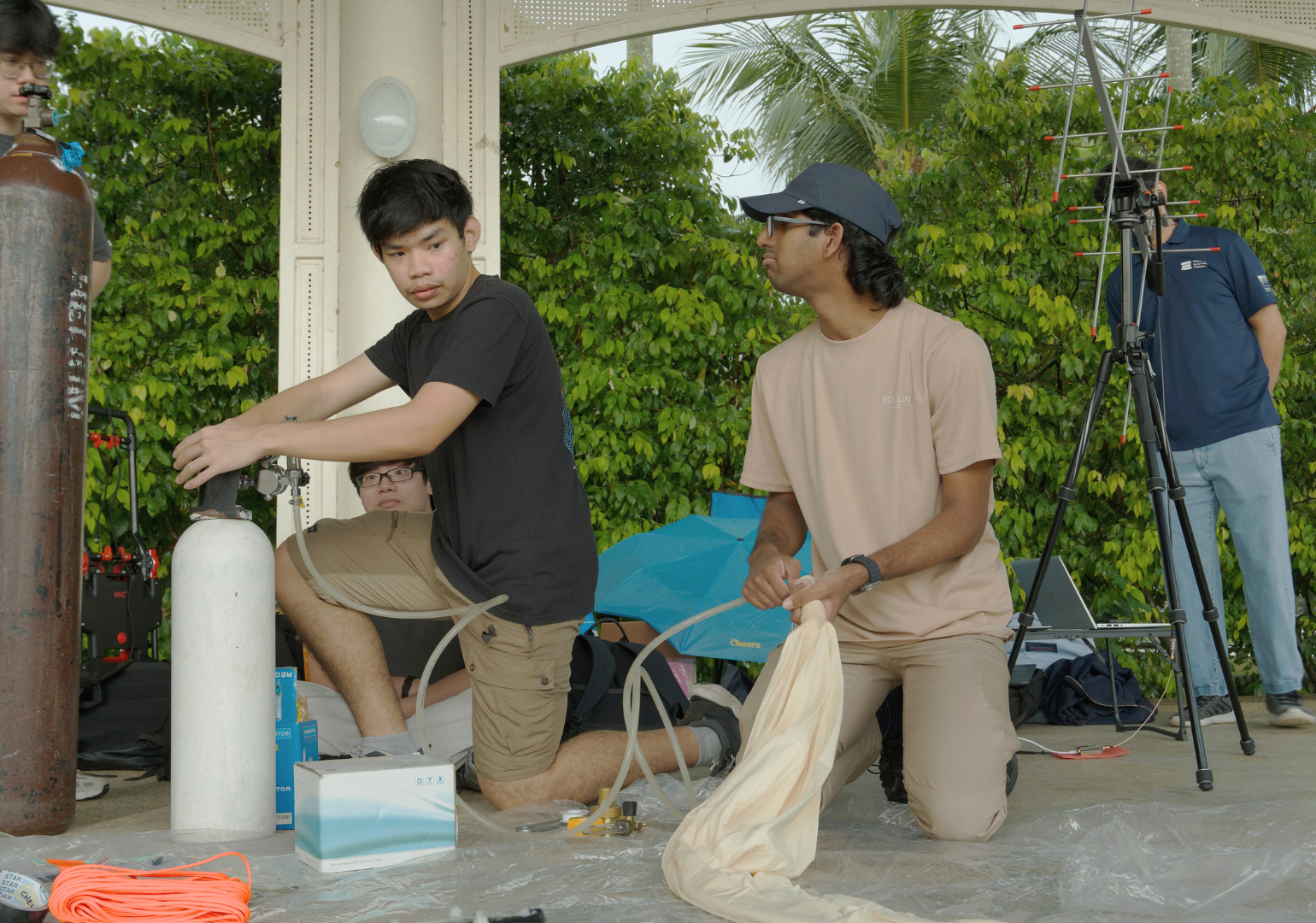
For the project, students are tasked with developing experimental payloads for weather balloon flights, which offer a more accessible way to gain practical experience in key aspects of satellite engineering than satellite missions. As the balloon ascends beyond cellular coverage, the team designed and tested a telemetry payload to transmit key data such as temperature, speed, and location. Supervised by STAR research staff, the team developed electronics from scratch, including a battery heater, a high-altitude GPS unit, and a custom power converter.
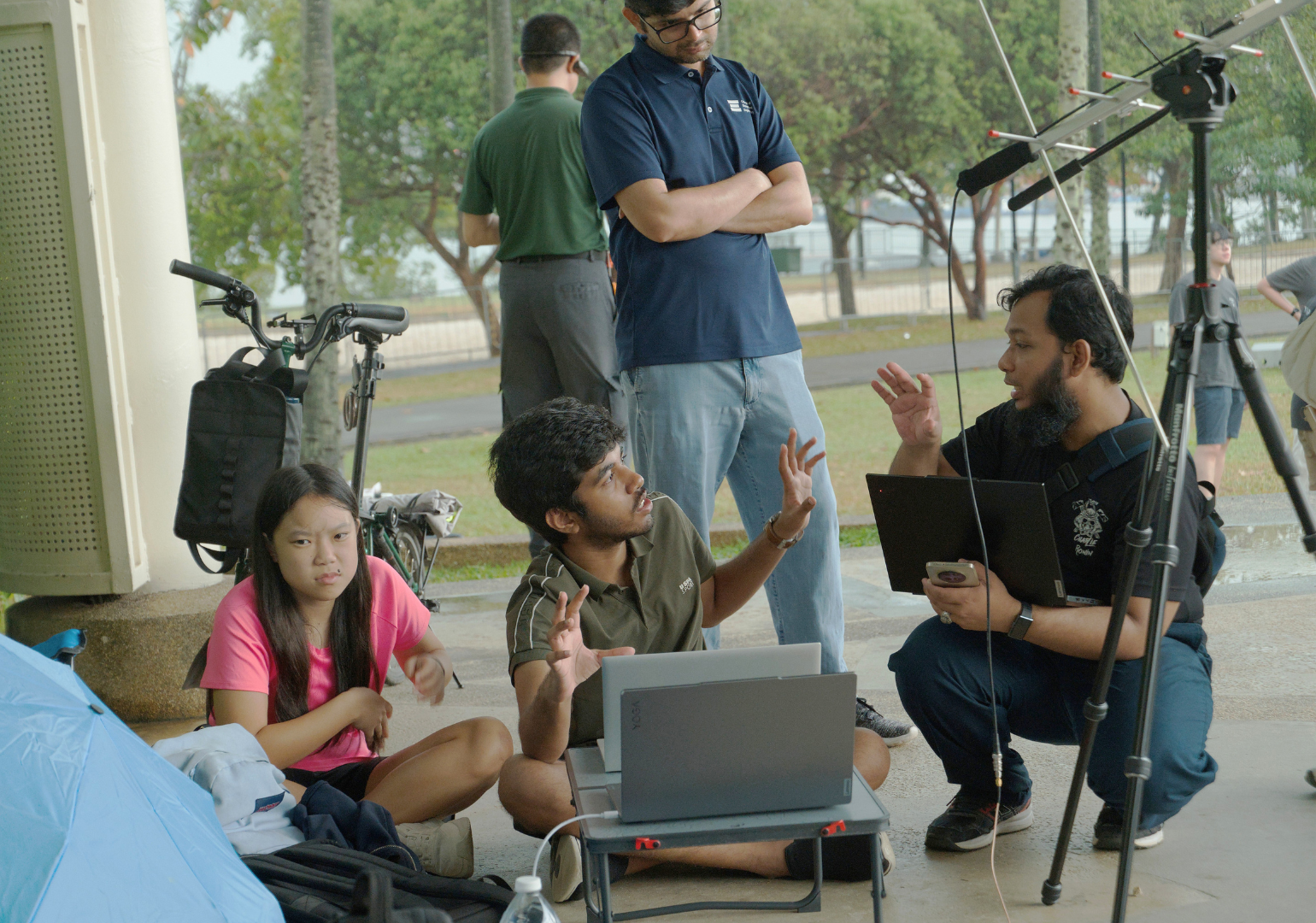
Along the way, the team had to ensure that the various systems ran together smoothly and that the payload could be reliably tracked. Singapore’s Balloon Experiments with Amateur Radio (BEAR), a group of licensed amateur radio operators with extensive weather balloon experience, also supported the team with regulatory approvals, on-site preparations and operations. Overall, the pilot successfully showed that the team could build a flexible, modular system that worked reliably in flight, including long-range communication, low-cost sensors, and coordinated data collection from multiple ground stations.
For Programme Director at STAR Assistant Professor Ankit Srivastava (ECE) and Dr Goh Shu Ting (ECE), the project marks another step towards expanding experiential space technology education beyond the classroom. They also shared that STAR hopes to take Project TEH HALIA beyond Singapore through upcoming regional collaborations.
For the students involved, the experience was equally meaningful. Team lead Jacob said, “Although the project’s open-ended nature was daunting at first, it gave us the freedom to push LoRa (Long Range) communication beyond its usual use and explore live image capture from the payload. I also came to enjoy having full ownership of the project’s direction.”
The benefits of this flight may extend beyond this team too. Another team lead and current BEAR member Wai Phyo added, “I hope what we have built, including open-sourced power and communication boards, can help students with similar stratospheric endeavours to hone their applied engineering skills.”
Building skills through real-world experience
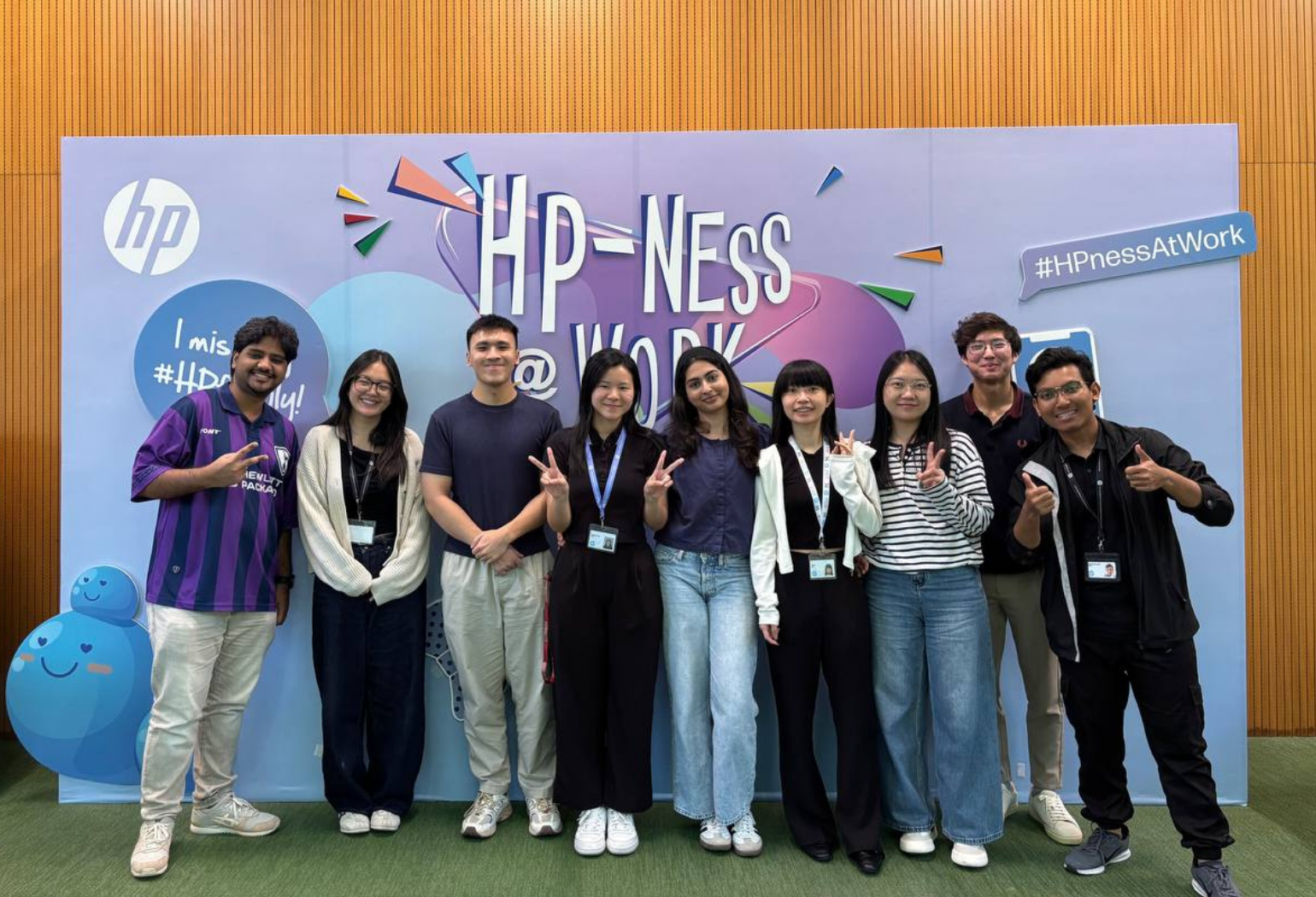
Some lessons can only be learned on the job. Three students share what their internships taught them — from technical skills to communication, perseverance and adaptability in real-world settings.
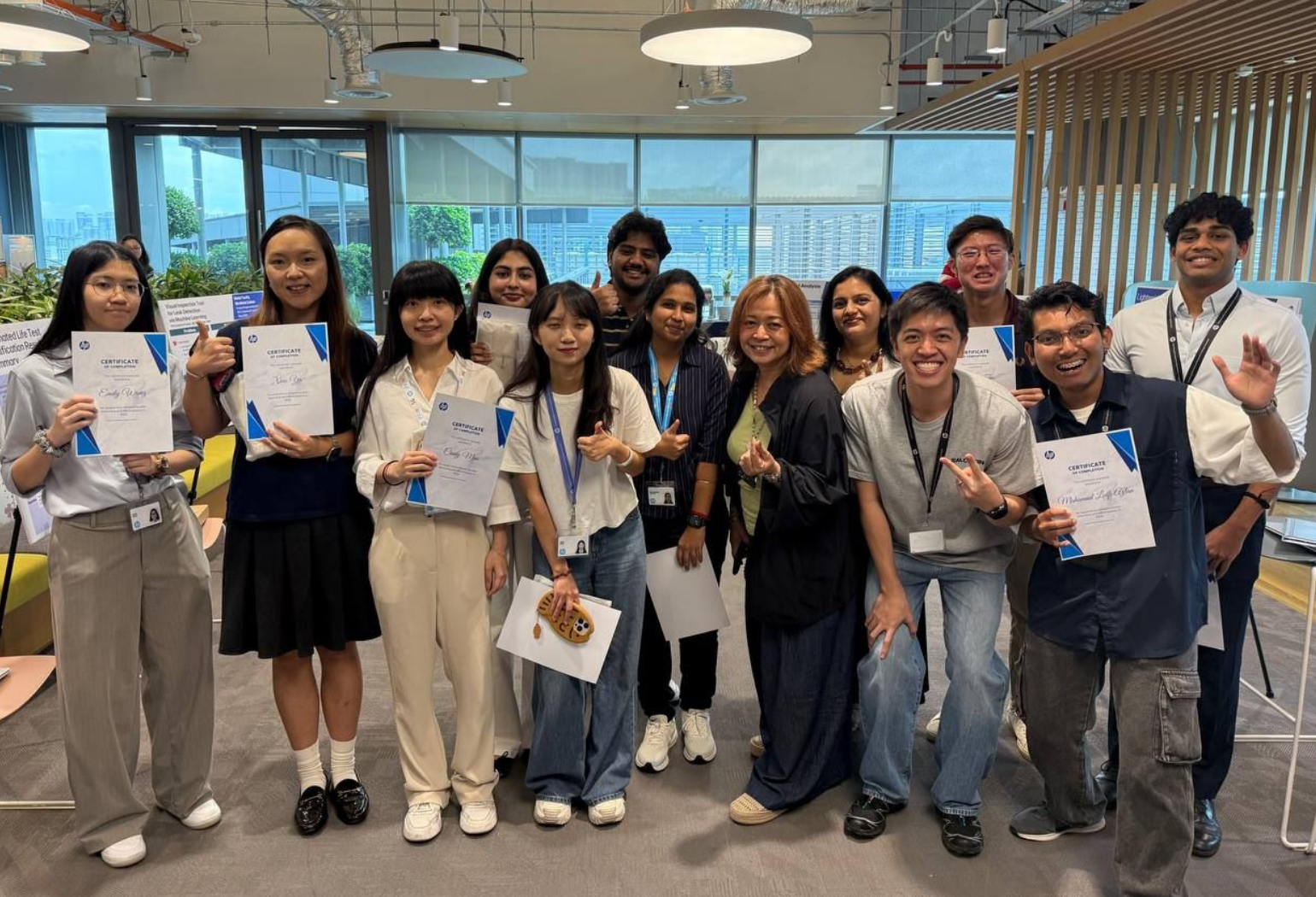
Electrical Engineering student Muhamad Lutfi Bin Azlan joined HP in his third year as a Hardware Systems Electrical Intern, where he worked on a reusable control panel board for printers, that allow the firmware team to start development without waiting for a separate prototype board each time. For Lutfi, the internship provided a rare end-to-end view of hardware development in industry, from understanding system architecture to working on a printed circuit board (PCB) through multiple review iterations. He shared, “Mentorship moments over those weeks showed that technical skills may open the door, but communication and independence are what help you stay and grow.”
In his second year, Computer Engineering student Ryan Koh Jun Hao joined DSO National Laboratories as an intern in the Guided Systems Division, where he worked on software for high-speed data transfers between a host processor and a field-programmable gate array (FPGA). He adapted an existing driver to work on systems compatible with DSO’s drone platforms and built an FPGA component to test performance. Having little experience with these systems, Ryan had to learn everything from scratch. “Things kept breaking and I just had to keep trying; not giving up is really important in this line of work.” That determination has since earned him the DSO Merit Scholarship, and he will be joining DSO’s Guided Systems Division after graduation.
Interested in seeing how technology supports healthcare at scale, Electrical Engineering student Pei Hong Chua interned at Synapxe’s Infrastructure Cluster team in his third year. There, he coordinated and executed IT-related projects and deployment activities across healthcare institutions, including the transition to a new IT Service request workflow, as well as PC lifecycle management and device tracking. A highlight for Pei Hong was supporting a healthcare system go-live on site. “It showed me that delivering a technical project is more than making the technology work — it’s also about careful planning, collaboration, and communication across different teams.”
Maritime Technology and Management students explore Singapore’s maritime heritage and sustainability efforts
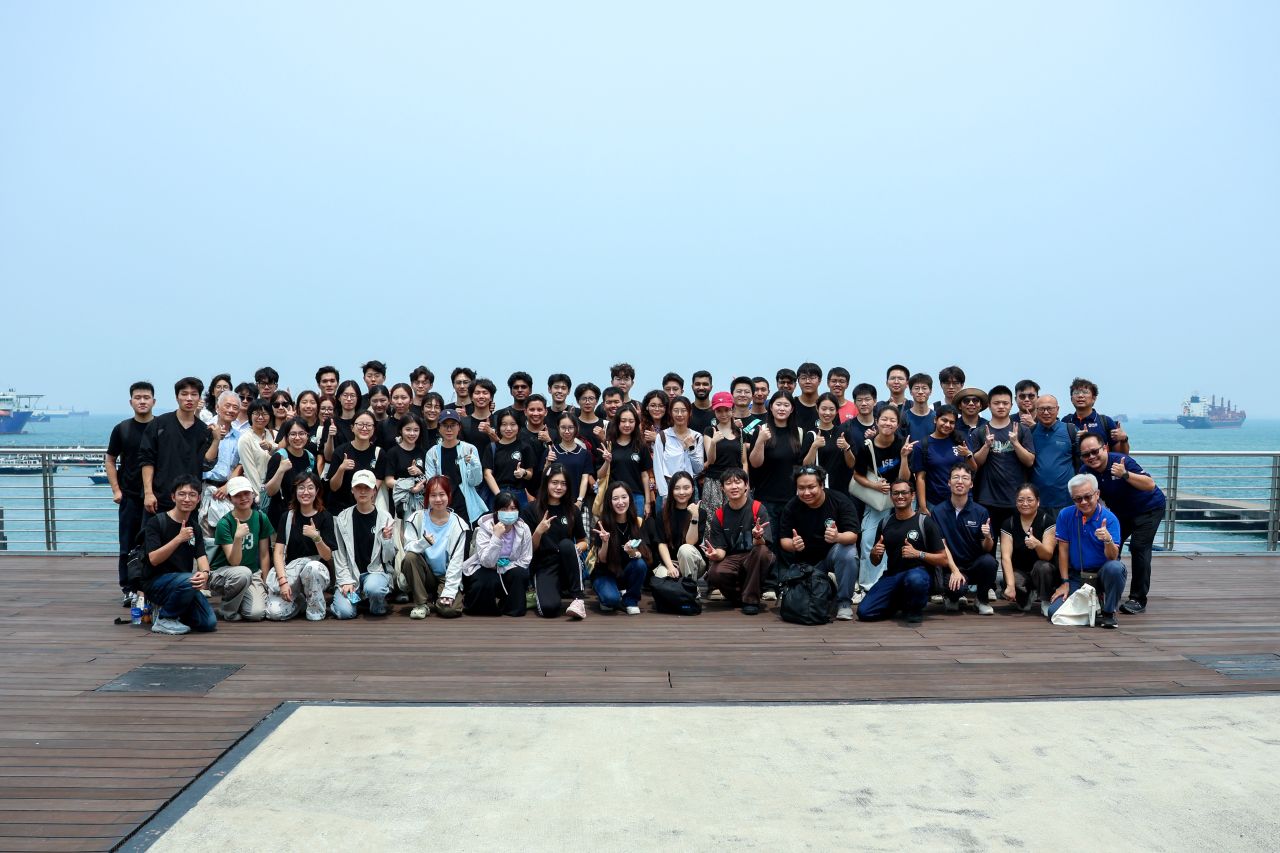
The Master of Science (MSc) in Maritime Technology and Management (MTM) cohort recently took part in a learning journey to the Singapore Maritime Gallery, followed by an exciting Sea Exploration experience that brought Singapore’s maritime heritage, sustainability efforts, and marine environment to life. This year, registration was also opened to students from other postgraduate programmes in the Department of Industrial Systems Engineering and Management, resulting in 22 additional sign-ups.
At the Singapore Maritime Gallery, the students learned more about Singapore’s deep maritime roots and its development into a leading global maritime hub. They had the opportunity to view a range of valuable exhibits, including historical ship registration records and other maritime artefacts. One of the highlights was seeing the actual size of a 20-foot container, which gave the students a more intuitive understanding of something they often encounter only through textbooks and figures. The students also learned about Singapore’s efforts to support maritime decarbonisation, including the development and use of alternative fuels such as ammonia, hydrogen, and methanol. Beyond maritime topics, they also gained insights into Singapore’s four national sources of water and how the country manages its limited natural resources.
After the gallery visit, the students travelled by ferry to a nearby island. Throughout the journey, they were able to spot various types of large commercial vessels, including container ships and tankers, giving them a closer look at the busy maritime activity surrounding Singapore. On the island, they visited a seawater desalination facility and encountered a variety of tropical plants and wildlife. This experience connected maritime knowledge with sustainability, technology, and the natural environment.
This learning journey allowed the students to experience Singapore’s maritime world from many different perspectives — from maritime history and alternative fuels to ships, desalination, and tropical ecosystems.
CDE students showcase their craft at Makers’ Alley
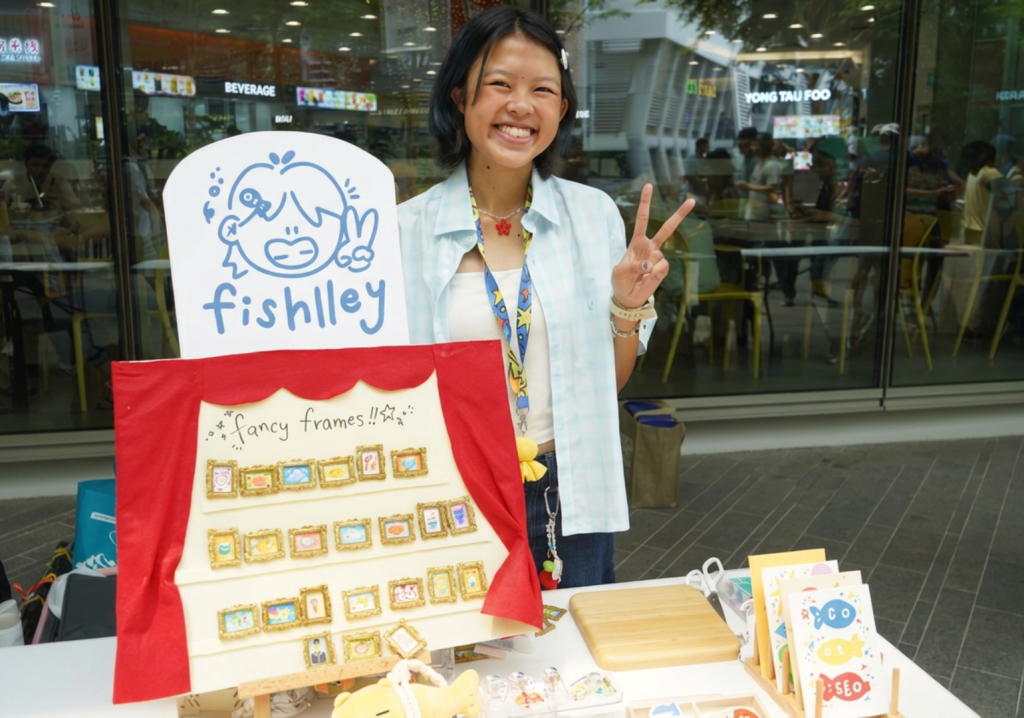
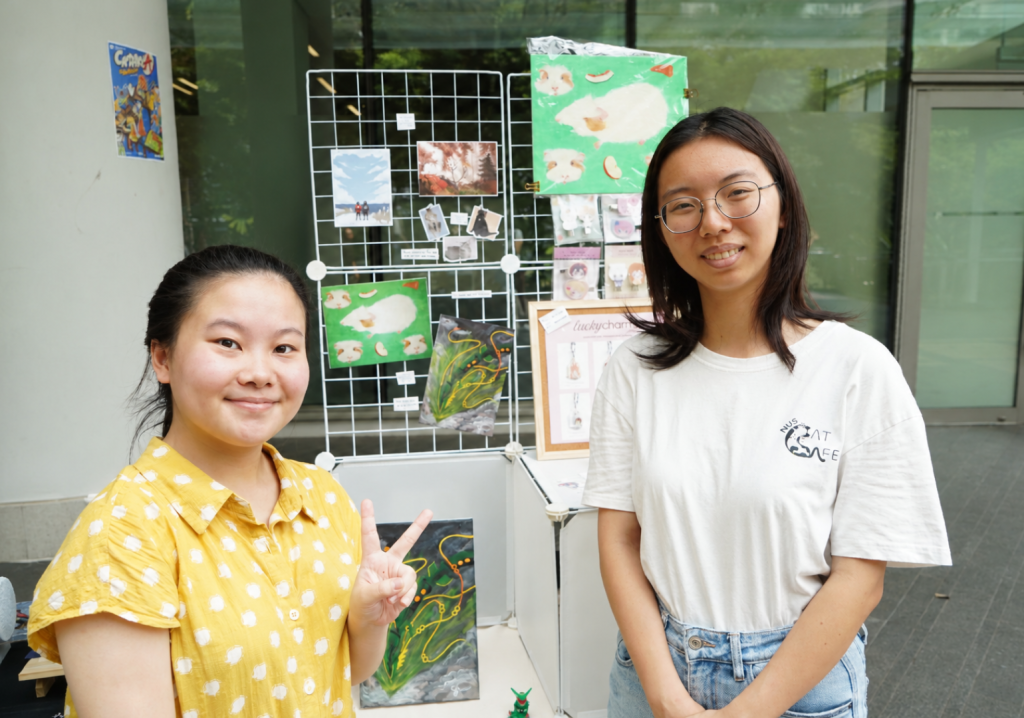
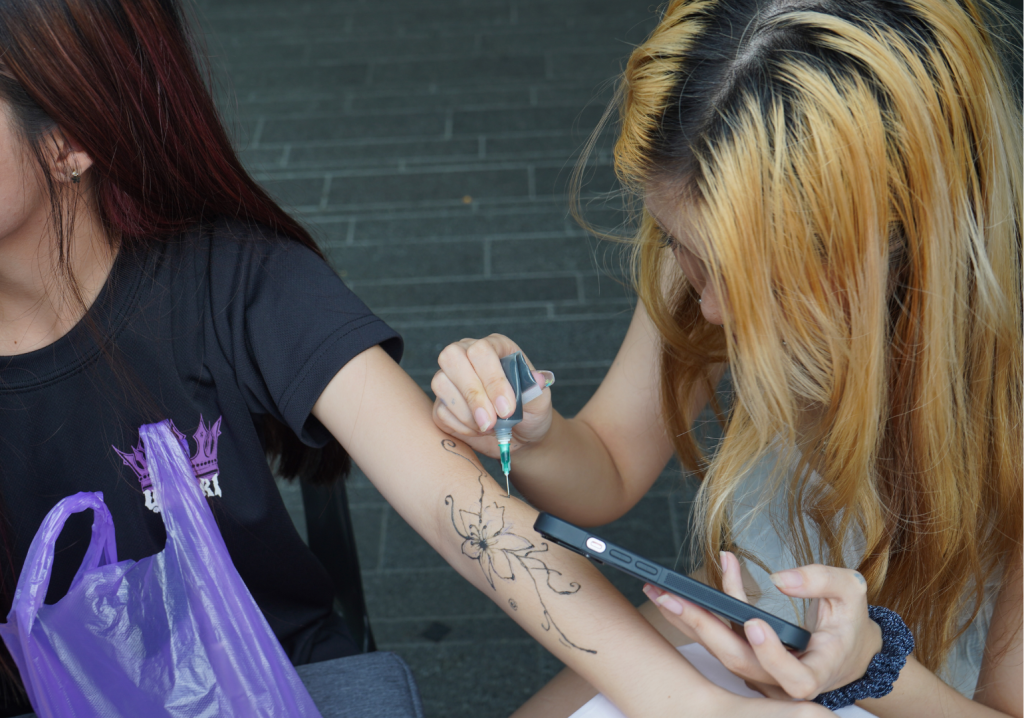
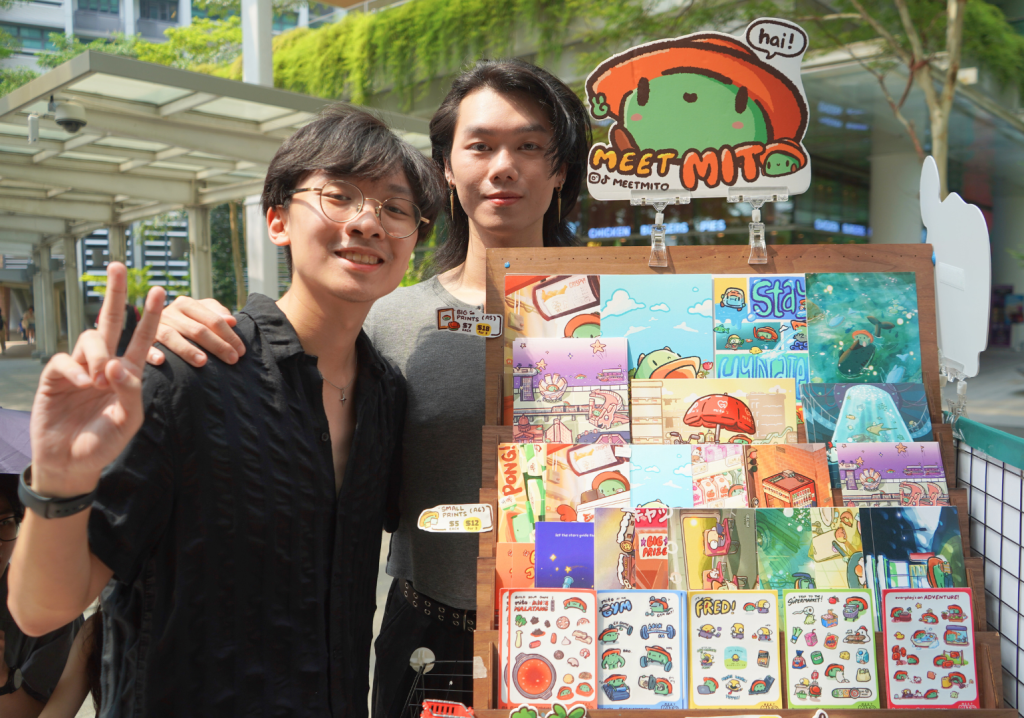
Art prints, figurines, press-on nails, jagua tattoos and more — CDE students put their creative skills to work at NUS Makers’ Alley’s Grade A Market, turning their ideas into creations to share with others.
Ashley Madeline Ng (Biomedical Engineering), behind @fishlley, brought badges, stickers, prints and keychains to Makers’ Alley. Inspired by the art she encounters around her, Ashley creates her work to share and connect with art lovers. “The biggest takeaway is being able to do something I love while sharing it with others. It’s extremely fun to be part of the maker community because it’s so supportive to see everyone coming together to share their creations,” she shared.
Running @birbies_atelier, Shirlene Zhu (Industrial and Systems Engineering) brought her paintings and prints to Makers’ Alley, including works featuring subjects that are personally significant to her, such as her guinea pig, Xiao Bai. She shared, “I wanted to paint stuff that is significant to me. I always liked to draw and wanted to spend my free time meaningfully while on exchange, so I joined the Art Club and started painting.”
Samantha Bay (Architecture) runs @samssidequest.zip, offering jagua tattoo services and press-on nails. She draws inspiration from Pinterest, tattoo shops, movies, shows, scenery and colour palettes, with etchwork being her favourite tattoo style to incorporate into her jagua designs.
At @meetmito, Koh Qi Jie, a recent graduate of Biomedical Engineering (Class of 2026), creates figurines and hanging keychains featuring Mito, a character brought to life through a mix of 3D printing, resin and clay. “I picked up a lot of modelling and fabrication from my time as a student. I started getting into 3D modelling and supplementing it with clay for greater precision in my own hobbies,” Qi Jie shared.
CDE students unwind with creativity at tote bag painting session
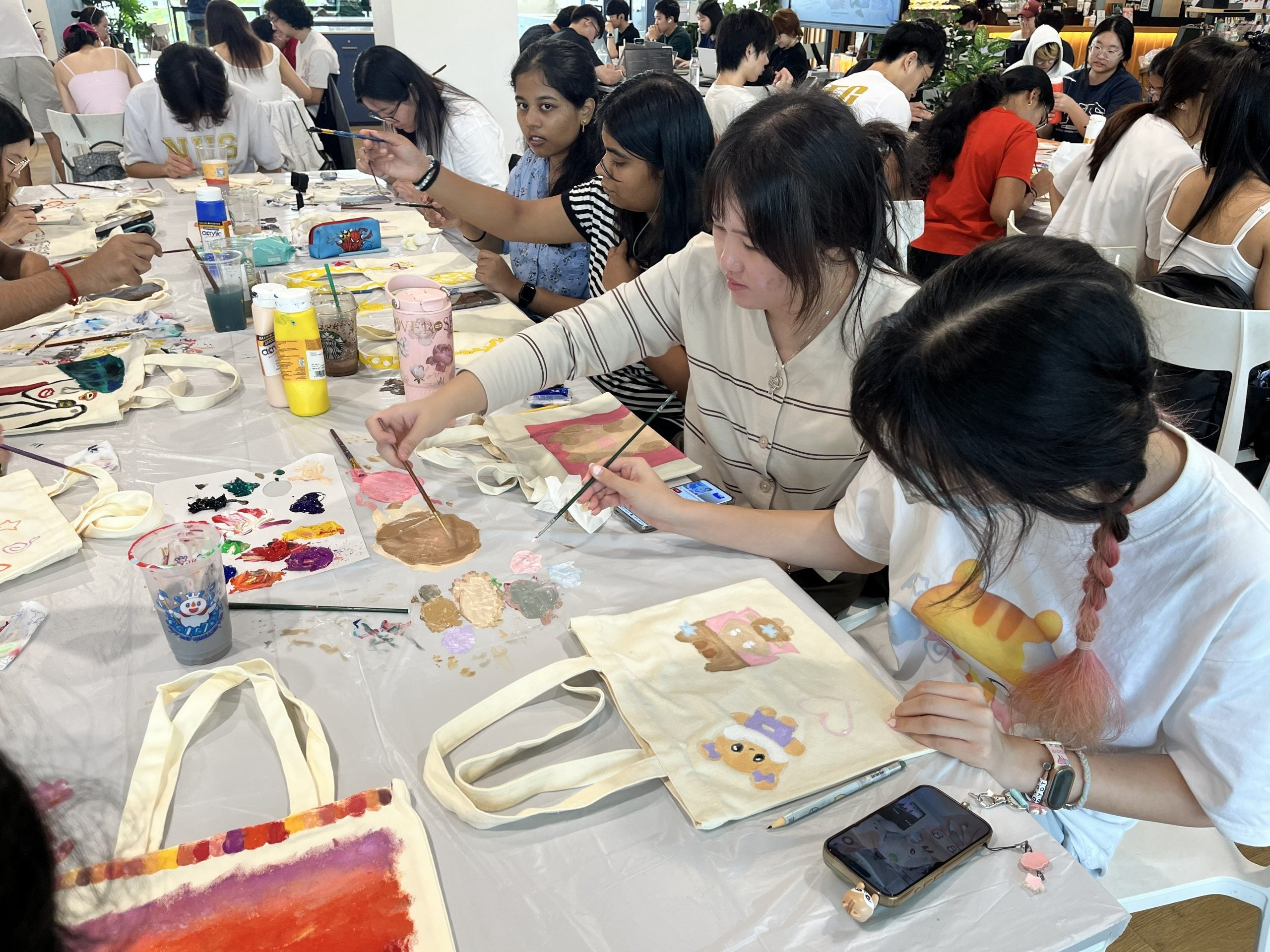
CDE students took a break from their academic routines at a Tote Bag Painting Session organised by the Office of Student Life and the Wellness Ambassadors.
The session brought together 29 students for an afternoon of creativity and relaxation, with participants designing and painting their own canvas tote bags. From intricate illustrations to bold, colourful patterns, the activity offered students a relaxed, low-pressure environment to explore their creative side while connecting with their peers.
The session was part of CDE’s ongoing efforts to support student wellbeing and provide opportunities for students to unwind and recharge beyond the classroom.