
RESEARCH
NUS CDE researchers uncover how cells remember their surroundings to move through tight spaces
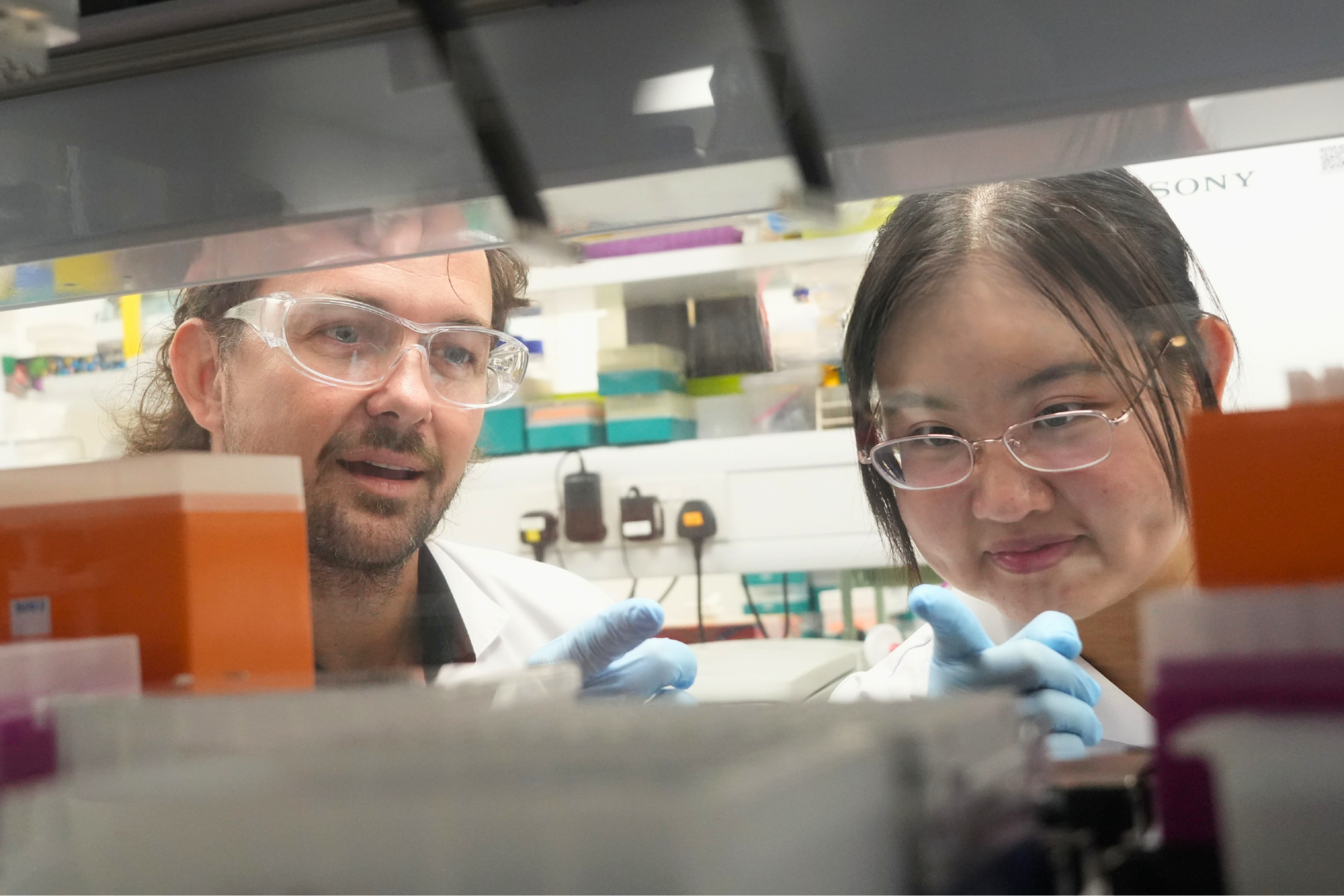
Cells in our bodies squeeze through dense tissue channels, thread past neighbouring cells and navigate every nook and cranny within the extracellular matrix — the mesh-like network that surrounds and supports cells. How well they do this can shape a wide range of physiological processes, from wound repair to the spread of cancer.
A team led by Assistant Professor Andrew Holle(opens in new tab)(opens in new tab) has shown that cells can carry a physical memory of the environments they have experienced, and that this memory can influence how efficiently they later move through confined spaces.
Crucially, the team identified NFATC2, a member of the NFAT family of transcription factors, as a key regulator of this process. A transcription factor is a protein that helps control which genes are switched on or off. By linking a cell’s past mechanical environment to changes in gene activity, NFATC2 appears to help encode and maintain this “mechanical memory” — a finding that could help researchers better understand how cells migrate during cancer metastasis, wound healing and tissue regeneration, and inform the design of biomaterials that guide cell behaviour.
Read more here
NUS CDE team unveils electronic skin that lets users “see” touch instantly
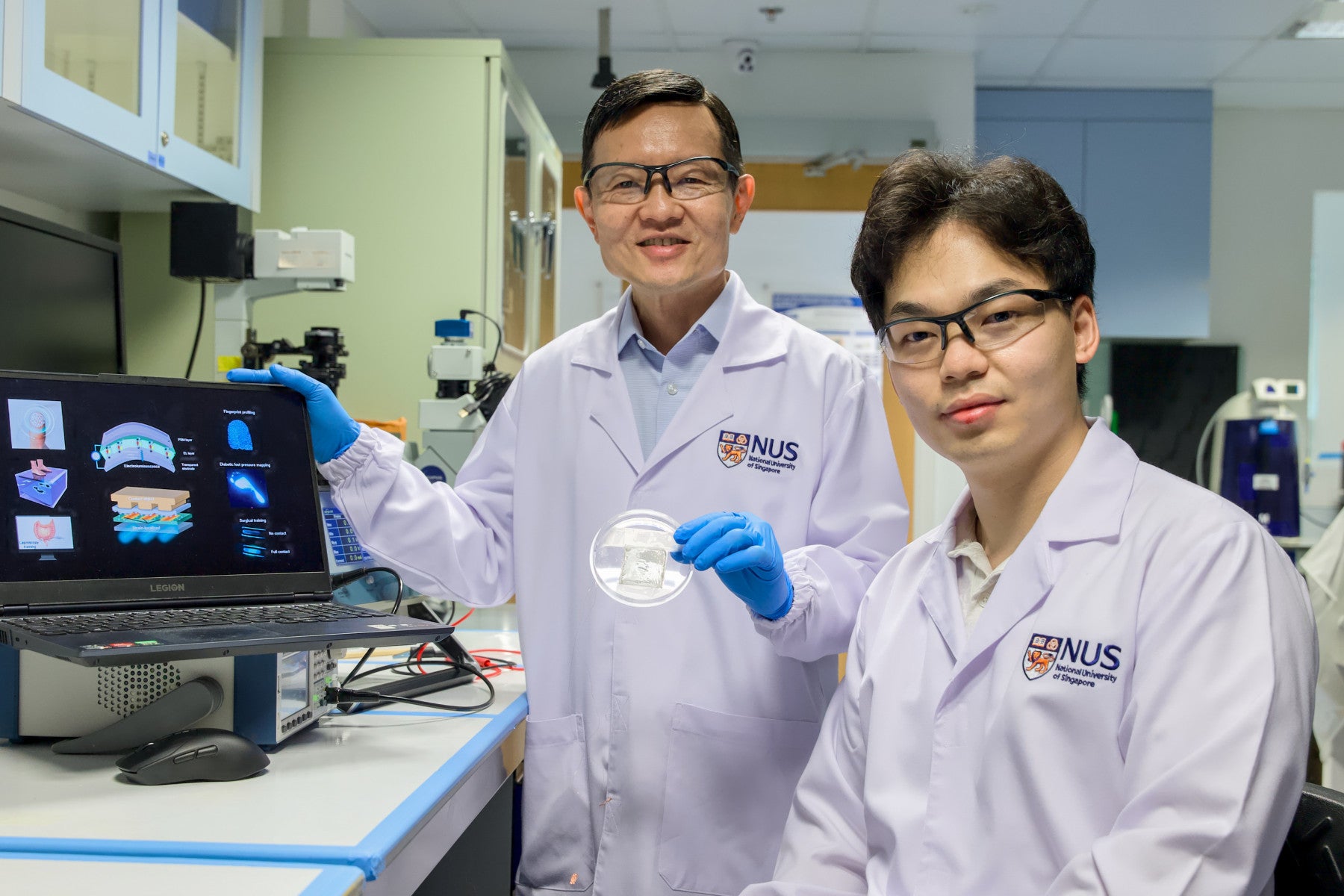
What if you could see how much pressure you are applying through touch? NUS researchers have made that possible with the eLuminator, an ultrathin electronic skin that lights up under pressure, revealing the shape and distribution of touch in real time. Besides being highly sensitive, it is also remarkably precise, capturing fine pressure details, including individual fingerprint ridges!
This ability to make pressure visible could have important applications in healthcare. For people with diabetes, for example, mapping pressure across the foot could help identify high-pressure areas that are at greater risk of developing foot ulcers.
Led by Professor Lim Chwee Teck from the Department of Biomedical Engineering and iHealthtech, the team also demonstrated potential applications in surgical training, with further possibilities in robotics and prosthetics.
Read more here(opens in new tab).
Making virtual labs more effective for scientific learning
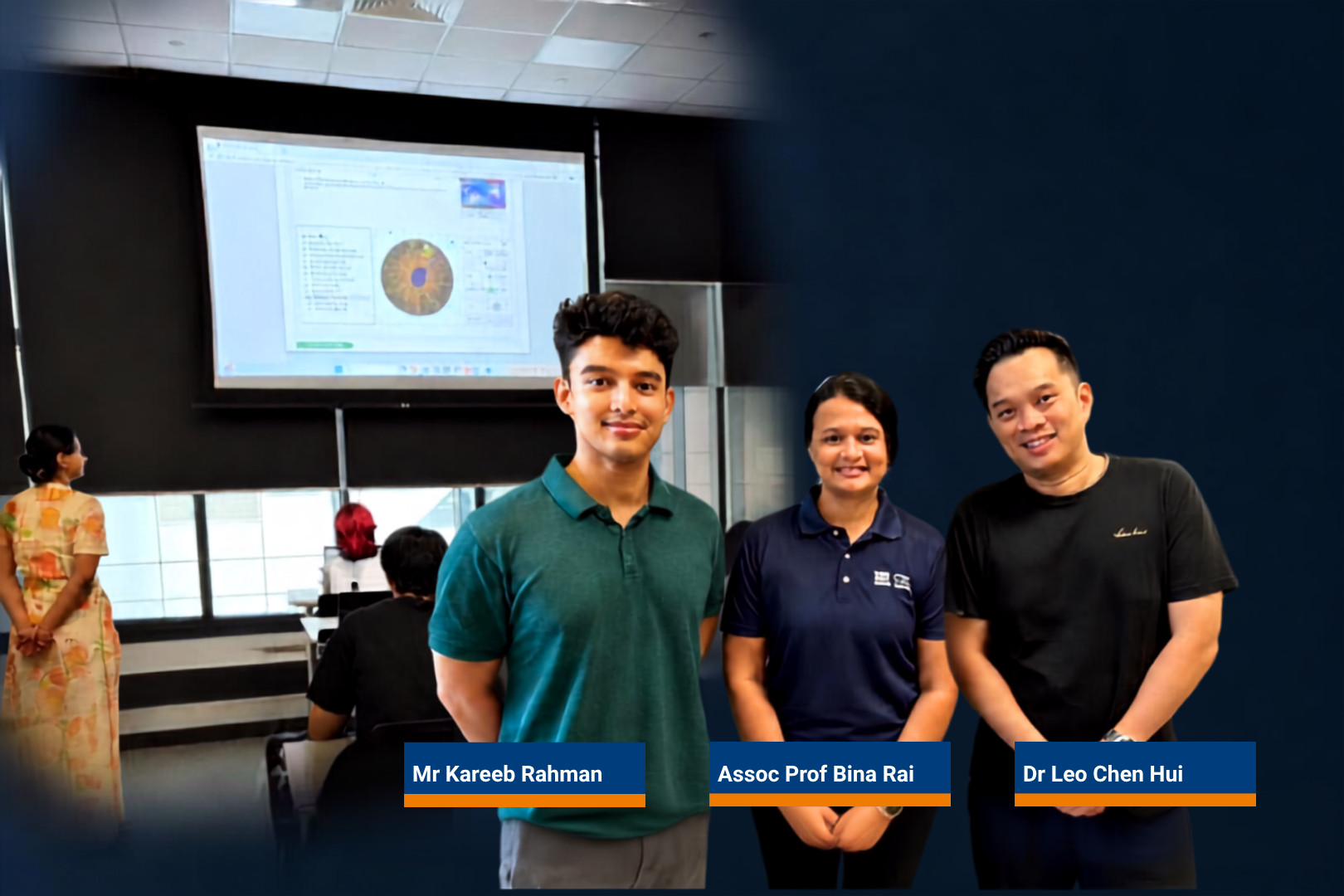
Virtual labs are a great tool for overcoming resource constraints in education, but are they enough to teach deep scientific thinking? As stated by Associate Professor Bina Rai, “Technology can enable virtual experimentation, but it's pedagogy in practice that unlocks higher-order scientific thinking."
It is this philosophy that guided the work of the research team consisting of Assoc Prof Rai, Dr Chen Huei Leo and Mr Kareeb Rahman, all from the Department of Biomedical Engineering(opens in new tab), who set out to explore the potential and limitations of virtual labs as teaching tools.
Their approach was grounded in the Technological Pedagogical Content Knowledge (TPACK) framework and was tested to teach experimental design and scientific thinking using cell cycle regulation as the content for a postgraduate biomedical engineering module.
The results? Students could successfully perform the virtual experiment, but some still struggled to interpret the results and to build a strong scientific argument.
This highlights that the technology itself is only half the story.
The key is intentional, guided pedagogy that scaffolds the development of higher-order thinking. Without it, students would only be scratching the surface.
Future iterations could explore the use of AI-powered agents to generate novel experimental scenarios, provide scalable, personalised scaffolding both inside and outside the classroom, and support data analytics to enhance engagement and performance.
Read more here(opens in new tab).(opens in new tab)
Pushing the boundaries of biomedical imaging
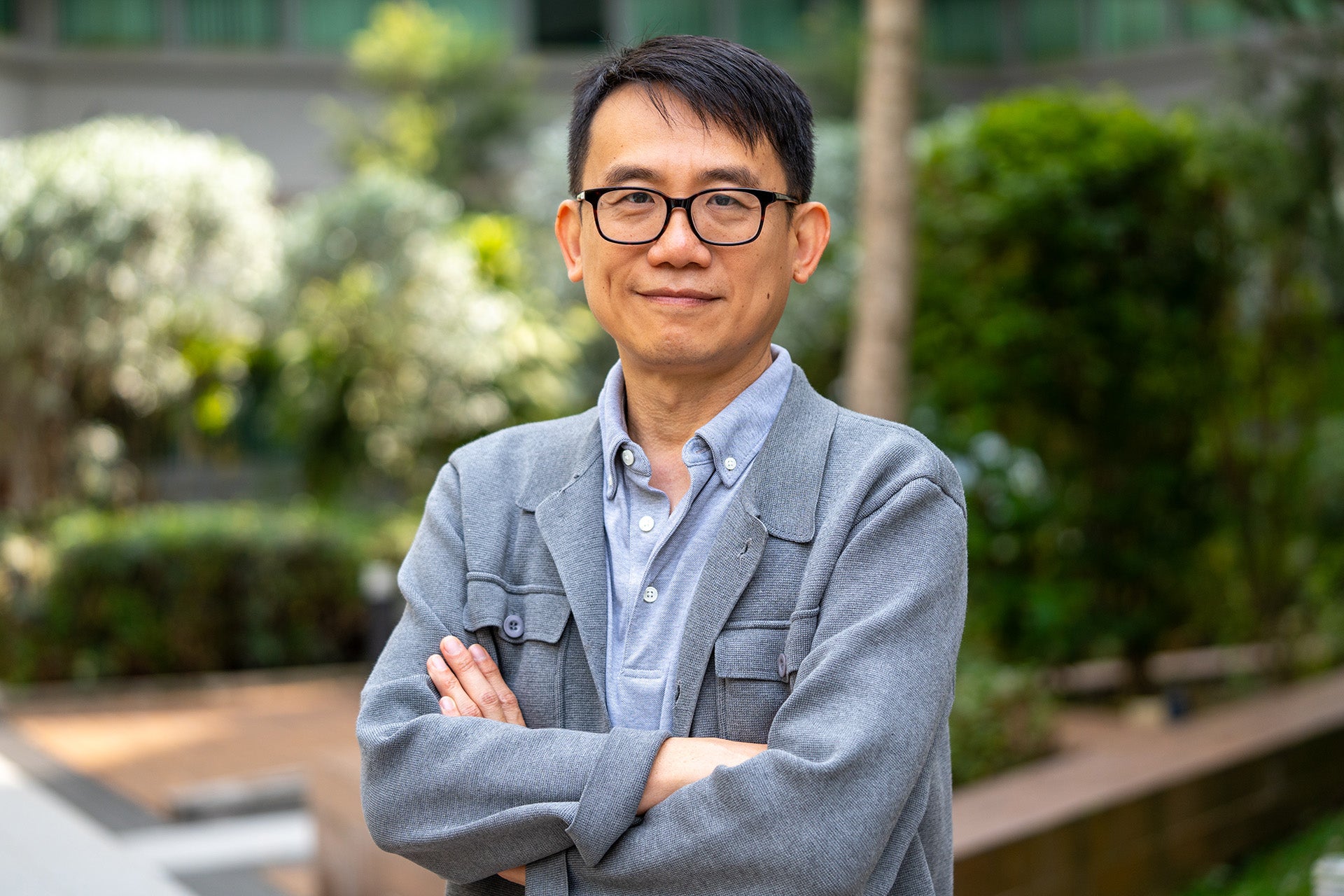
From diagnosing disease to understanding how cells behave, much of biomedical science depends on our ability to see biological structures in ever greater detail. Professor Yang Changhuei (Electrical and Computer Engineering, Biomedical Engineering) has spent his career pushing the limits of what conventional imaging can reveal.
A pioneer in biomedical optics and computational imaging, Prof Yang has developed new ways of combining light, advanced optical systems and computation. His research has driven new approaches to microscopy, produced technologies adopted by industry, and opened new possibilities for imaging and controlling light inside biological tissue.
After more than two decades at the California Institute of Technology (Caltech), where he was the Thomas G. Myers Professor of Electrical Engineering, Bioengineering and Medical Engineering, Prof Yang has returned to Singapore to join NUS, with support from the National Research Foundation’s Returning Singaporean Scientists Scheme (RSSS).
He left Singapore after National Service to study at MIT before building his academic career in the US.
“Throughout my years away from Singapore, I’ve always been grateful for how well it prepared me for my academic career,” he says.
Read more here.
NUS CDE researchers design AI hardware that filters out irrelevant visual data
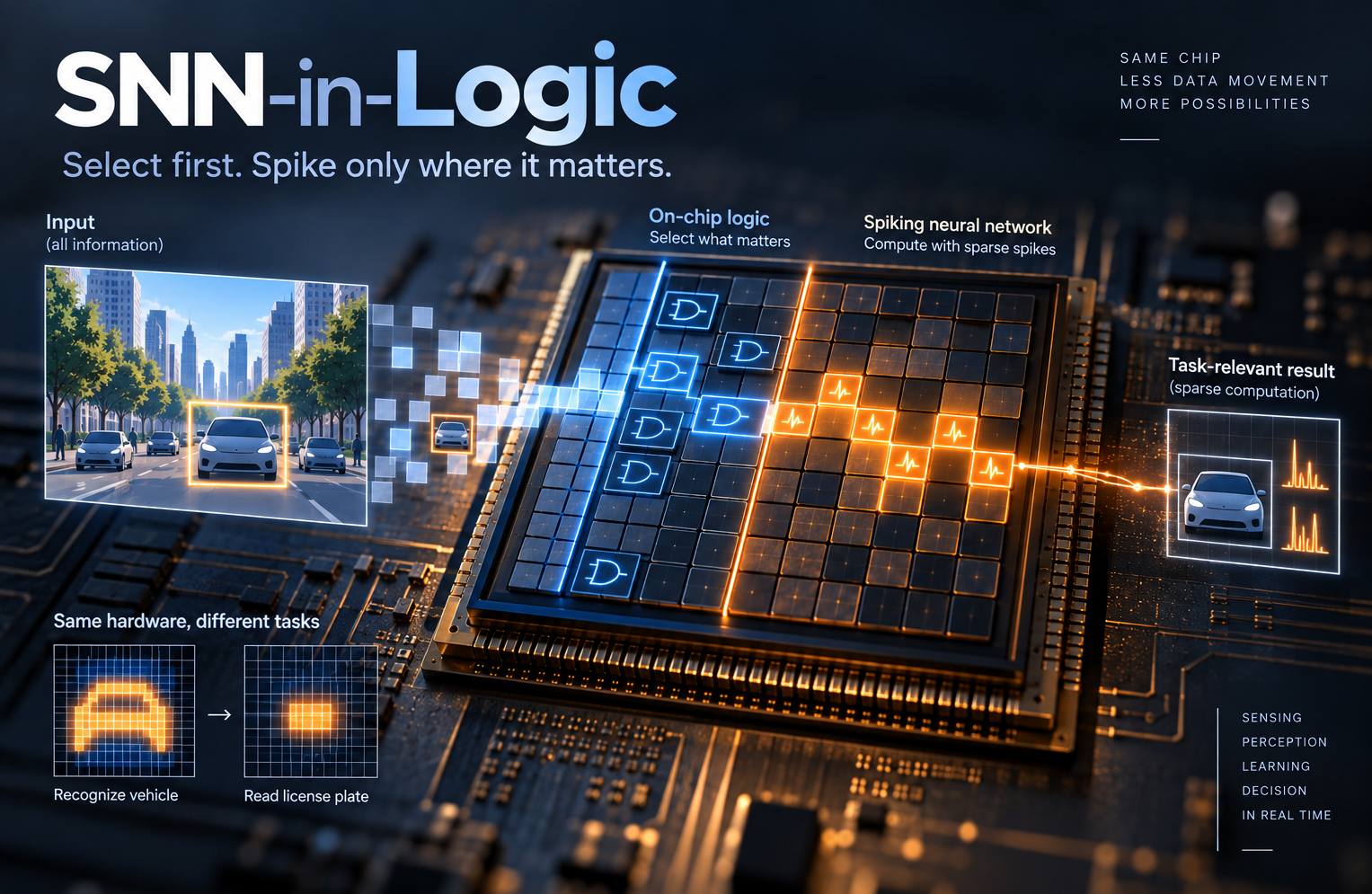
When we look at a car’s number plate, we naturally focus on the letters and numbers rather than everything else in view. AI systems, however, may still process all that surrounding visual information, using energy on data that may not be relevant to the task.
A team of researchers led by Professor Ang Kah Wee (Department of Electrical and Computer Engineering) has developed a reconfigurable transistor that can switch between filtering image data and performing functions within an AI network. Using this device, they designed a system that passes only selected image regions to the network for analysis.
“Our approach could make it easier to run several visual tasks on devices with limited power,” said Prof Ang. “The hardware can allocate its resources according to what each task needs, giving us more flexibility to balance recognition accuracy against energy consumption.”
The team’s design uses a spiking neural network, a form of AI inspired by how nerve cells communicate. To reduce unnecessary activity, the team placed rule-based circuits, known as logic circuits, before the neural network. Control signals specify which image regions to keep, and the circuits pass on those pixels while blocking the rest. Only the selected data are then converted into spikes for the network to process. The researchers call this arrangement a “spiking neural network-in-logic” architecture.
“We fabricated the transistors using processes compatible with mainstream chip manufacturing,” said Professor Lance Li (Department of Materials Science and Engineering). “This combination of material quality and wafer-scale uniformity is critical for ensuring that large numbers of devices perform consistently, which is essential for practical AI hardware and other large-scale integrated applications.”
Moving forward, the team plans to develop AI accelerator chiplets, small chips that work together to speed up AI computations.
Read more here(opens in new tab).
From electron interactions to radiation detection: new insights into twisted bilayer graphene
In quantum materials, electrons can behave in unexpected ways. Rather than moving independently, they may interact strongly with one another, giving rise to unusual metallic, insulating and superconducting states. Understanding how these interactions shape the flow of electrical current remains one of the central challenges in quantum materials research.
Twisted bilayer graphene (TBG) offers an unusually tunable platform for exploring this physics. When two sheets of graphene are stacked with a small relative rotation, a moiré pattern forms and dramatically reshapes the electronic structure. By choosing the twist angle and tuning the carrier density, researchers can control both the strength of electronic interactions and the way electrons move through the material.
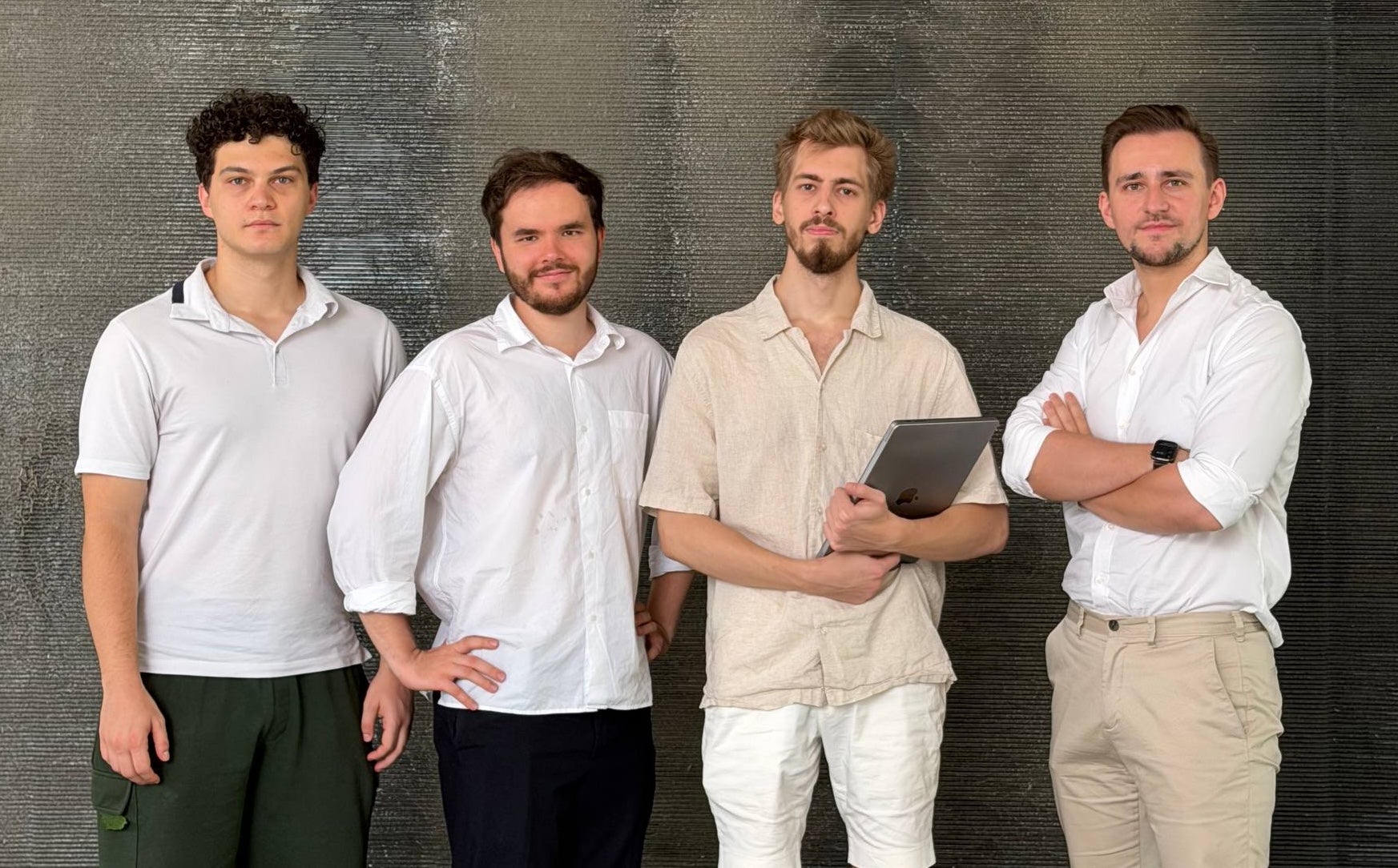
In two recent Nature Communications studies, a research team led by Assistant Professor Denis Bandurin showed how selectively heating the electrons, while leaving the atomic lattice nearly cold, can reveal the microscopic origins of electrical resistance and, at the same time, enable a new approach to highly sensitive long-wavelength radiation detection.
In the first study, “Interaction-limited conductivity of twisted bilayer graphene revealed by giant terahertz photoresistance,” the researchers addressed a deceptively simple question: what causes the resistance of metallic TBG to increase with temperature?
Normally, heating raises the temperature of both the electrons and the atomic lattice, making it difficult to separate electron-electron scattering from scattering with lattice vibrations, known as phonons.
Using low-energy terahertz radiation to selectively heat the electrons in devices with different twist angles, the team found that the resistance still increased strongly even while the lattice remained nearly cold. The result showed that electron-electron interactions themselves make an important contribution to limiting electrical current, helping to disentangle the electronic and phononic origins of temperature-dependent resistance in TBG.
The second study, “Correlated insulator moiré bolometer,” examined a very different regime of the same material. Near the so-called magic angle, interactions between electrons become so strong that they can stabilise a correlated insulating state, in which electrical conduction is strongly suppressed.
Here, heating the electrons produced the opposite response. Far-infrared radiation destabilised the fragile insulating state, pushing the system back towards a metallic state and causing its resistance to fall sharply. The researchers then turned this large resistance contrast into a detection mechanism. Even extremely weak radiation produced a pronounced electrical response, opening a route towards ultrasensitive detectors for the millimetre-wave and far-infrared ranges — spectral regions that remain challenging to detect efficiently but are important for applications including observational astronomy, security imaging and remote sensing.
Together, the two studies reveal a common picture across very different regimes of twisted graphene: electron-electron interactions are central to its transport properties, from limiting current in the metallic state to creating a fragile correlated insulator near the magic angle. By controlling the electronic temperature independently of the lattice, the researchers were able not only to expose this interaction-driven physics, but also to harness it for highly sensitive radiation detection.
Read more:
https://www.nature.com/articles/s41467-026-76554-9(opens in new tab)
https://www.nature.com/articles/s41467-026-76389-4(opens in new tab)
Building an AI Foundry to transform materials discovery

Joining NUS CDE under the Returning Singaporean Scientists Scheme, Professor Ong Shyue Ping is building a connected system of AI, scientific data and automated experiments to change how new materials are discovered.
Prof Ong hopes the AI Foundry can compress discovery cycles for new materials from months or years to weeks.
Prof Ong wants AI to do more than predict whether a material might work. His vision is a discovery system that can propose new materials for a specific purpose, identify the most useful experiments to run, learn from every result and help scientists understand why a material behaves as it does.
This is the idea behind the AI Foundry he is establishing at NUS.
The timing, he believes, is right. AI models can now explore millions of possible materials, while advances in automation allow promising candidates to be synthesised and tested more quickly. Connecting these capabilities could turn materials discovery from a slow, fragmented process into a continuous cycle of prediction, experimentation and learning.
Read more here.
NUS CDE researchers unlock dexterous soft-robot motion from a single artificial muscle

Taking inspiration from the octopus’s neural connections, NUS CDE researchers have developed a way to produce dexterous soft-robot motion from a single artificial muscle.
Using strategically placed electrical contacts, the continuous artificial muscle can bend at multiple, precisely controlled points - an approach that could enable more compact soft robots to navigate, inspect and operate in confined spaces.
The research was led by Prof Cecilia Laschi from the Department of Mechanical Engineering, Director of the NUS Advanced Robotics Centre and the Soft Robotics Lab based in CDE. The findings were published in Science Advances on 23 September 2026.
“Many robots are built around many individual joints, so they face some of the same movement constraints as animals with skeletons,” said Dr Xin Wenci, the paper’s first author, a former PhD student at the Soft Robotics Lab. “That motivated us to look at the octopus and how it controls movement along a continuous arm.”
The researchers see potential for similar arms to operate in confined spaces. An example in industry is vehicle or aircraft assembly. By bending different sections in different directions, the arm could guide a tool around surrounding components to reach parts that would otherwise be difficult to access.
“The next challenge is to find out how this approach scales to different sizes, shapes and types of artificial muscle,” added Prof Laschi. “A smaller version could be explored for endoscopy, using slender instruments to look inside the body, while a larger, stronger arm could inspect beneath debris during search and rescue operations.”
Read more here(opens in new tab).
An explainable AI framework for scientific discovery and high-stakes applications
Artificial intelligence (AI) may have more to offer science than accurate predictions. The patterns it learns could point researchers towards new, testable explanations of how complex systems function.
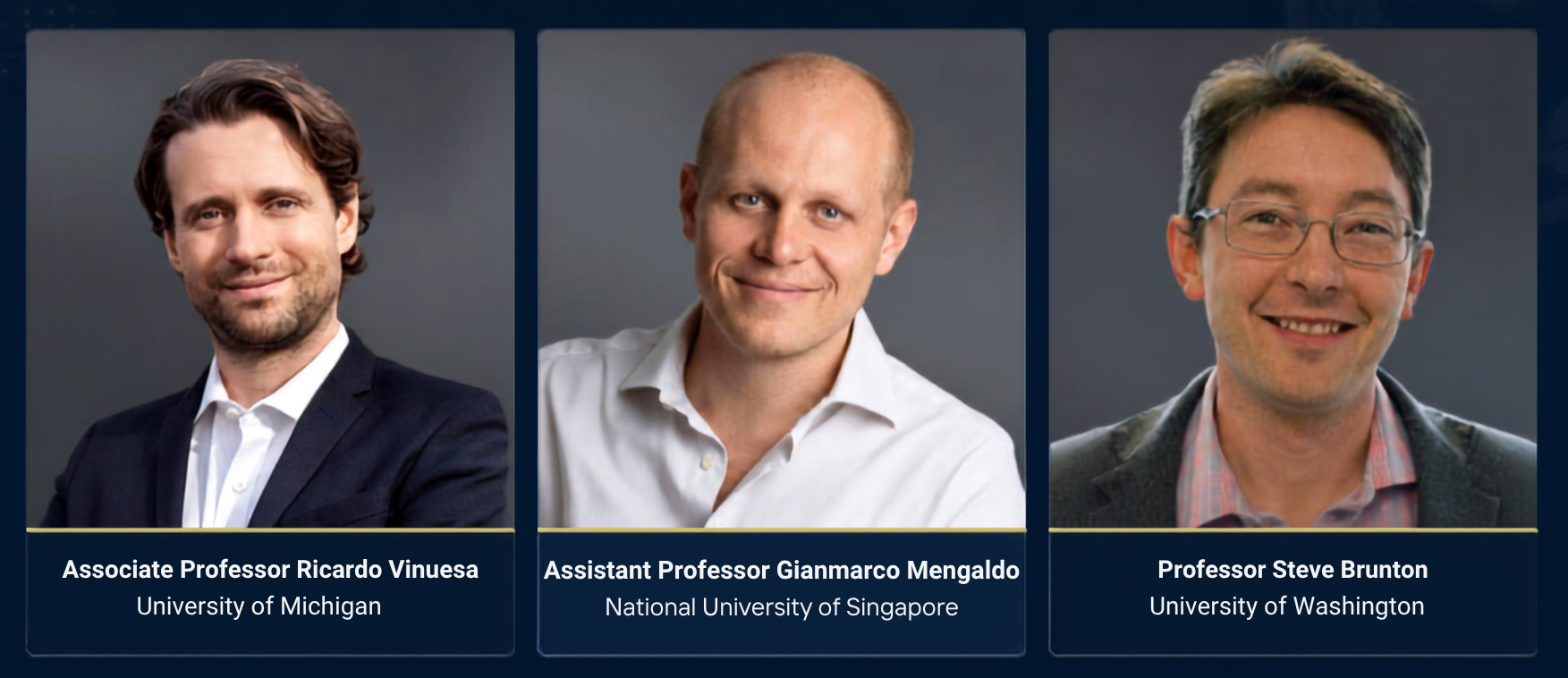
A new Perspective co-authored by Assistant Professor Gianmarco Mengaldo(opens in new tab) (Mechanical Engineering(opens in new tab)) sets out how explainable AI, or XAI, could bring those patterns to light. In particular, researchers would identify what drove an AI prediction, turn that clue into a hypothesis and test it through experiments, simulations or established scientific principles. Only then could it support a conclusion about the real world.
This process could unearth relationships buried in complex data, guide engineering design and help assess AI used in safety-critical fields such as healthcare, aviation, energy and infrastructure. The Perspective connects existing approaches into a proposed framework rather than reporting a newly tested system.
Published in Nature Communications(opens in new tab) on 6 August 2026, the work was carried out in collaboration with Associate Professor Ricardo Vinuesa from the University of Michigan and Professor Steve Brunton from the University of Washington.
Read more here.
Assoc Prof Yan Wentao publishes new book on additive manufacturing
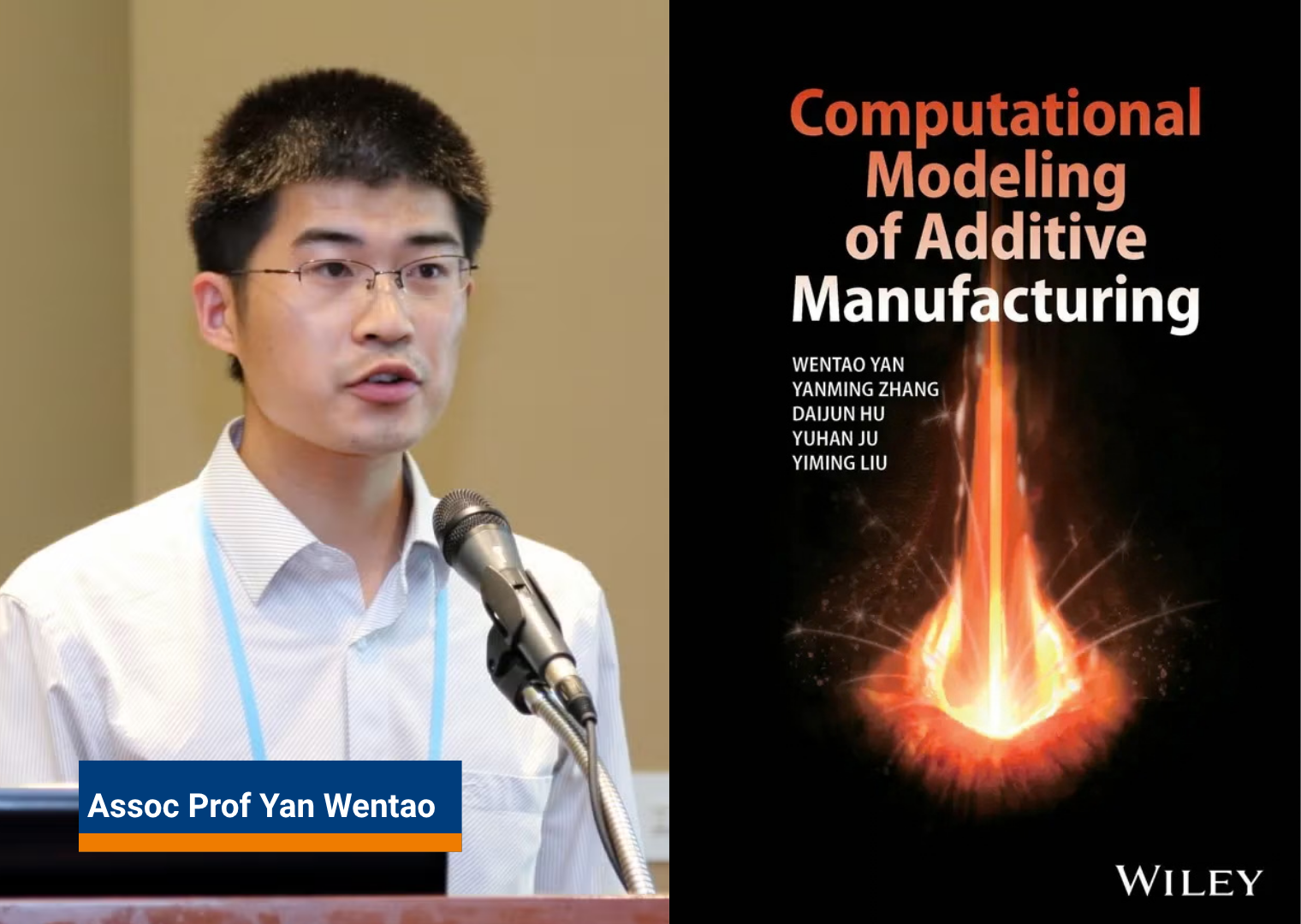
Associate Professor Yan Wentao from the Department of Mechanical Engineering(opens in new tab) has published Computational Modeling of Additive Manufacturing, a new book bringing together computational approaches for understanding the underlying physical mechanisms of additive manufacturing.
The book takes readers from fundamental physics and governing equations through model implementation and experimental validation, before examining what simulations can reveal about process–structure–property relationships in additive manufacturing.
It covers processes including laser and electron beam powder bed fusion, and directed energy deposition, with topics spanning powder and molten-pool dynamics, heat transfer, microstructure evolution, residual stresses and mechanical properties. It also explores data-driven modelling, uncertainty quantification and optimisation, digital twins, smart diagnostics and control.
Reflecting on the motivation for bringing these areas together, Assoc Prof Yan said:
“Writing this book was an opportunity to bring together the different scales, physics and modelling approaches that underpin additive manufacturing. In doing so, I was also able to reflect on how these methods connect, and how modelling, experiments and data can work together to help us better understand and improve additive manufacturing processes.”
By connecting foundational theory with modelling practice and emerging computational approaches, the book provides a reference for students and researchers working across additive manufacturing, materials, mechanics and computational engineering.
Read more here(opens in new tab).
Major Grants Awarded
The major grants (start date in September 2026) with total project value > $1M.
| Hosting Unit | Project Title | Funding Programme (Source of Funding) |
Principal Investigator | Co-Investigator |
|
ChBE |
AI-Driven Operando Interfacial Diagnose by Electrochemical Impedance Spectroscopy for Sustainable Catalysis |
ACRF Tier 2 Grant – 2026 / MOE |
Wang Lei |
Wu Zhe |
|
CEE |
MAPS - Modelling Microplastic Pollutant Transport and Fate in the Tropical Coastal Environments |
ACRF Tier 2 Grant – 2026 / MOE |
Li Yuzhu, Pearl |
Gin Yew-Hoong, Karina |
|
i-FIM |
Hydrotronics in Novel Materials: Unlocking the Potential of Interacting Electron Fluids Driven Out of Equilibrium |
ACRF Tier 2 Grant – 2026 / MOE |
Denis Bandurin |
|
|
ECE;DBE |
From DER Flexibility to Feeder Resilience: Online Estimation, Feeder-Aware Aggregation, and Quantum-Accelerated Coordination |
Energy Programme: EMA-KETEP Joint Grant – 2025 / NRF |
|
Hu Maomao; Dipti Srinivasan; Chong Zhun Min Adrian; Ang Yu Qian |
|
ETP |
iTexel: Intelligent Textures driven heterogeneous micro transfer printing for Ultra-power efficient AI hardware |
NRF Central Gap Fund – 2025 / NRF |
Tee Chee Keong, Benjamin |
|
|
MBI |
Ovarian Ageing and Rejuvenation: Exploring and Exploiting the Role of the Tissue Environment |
MOE ACRF Tier 3 Programme – 2025 / MOE |
|
Jennifer Lauren Young |
|
ME |
Strategic Tokamak Research for Industrial Deployment, and Energy (STRIDE) |
A*STAR Manufacturing, Trade and Connectivity (MTC) - STRIDE – 2026 /A*STAR |
|
Zhai Wei |