From Complexity to Domesticity: Key Insights from DOA Graduate Research Symposium 2025
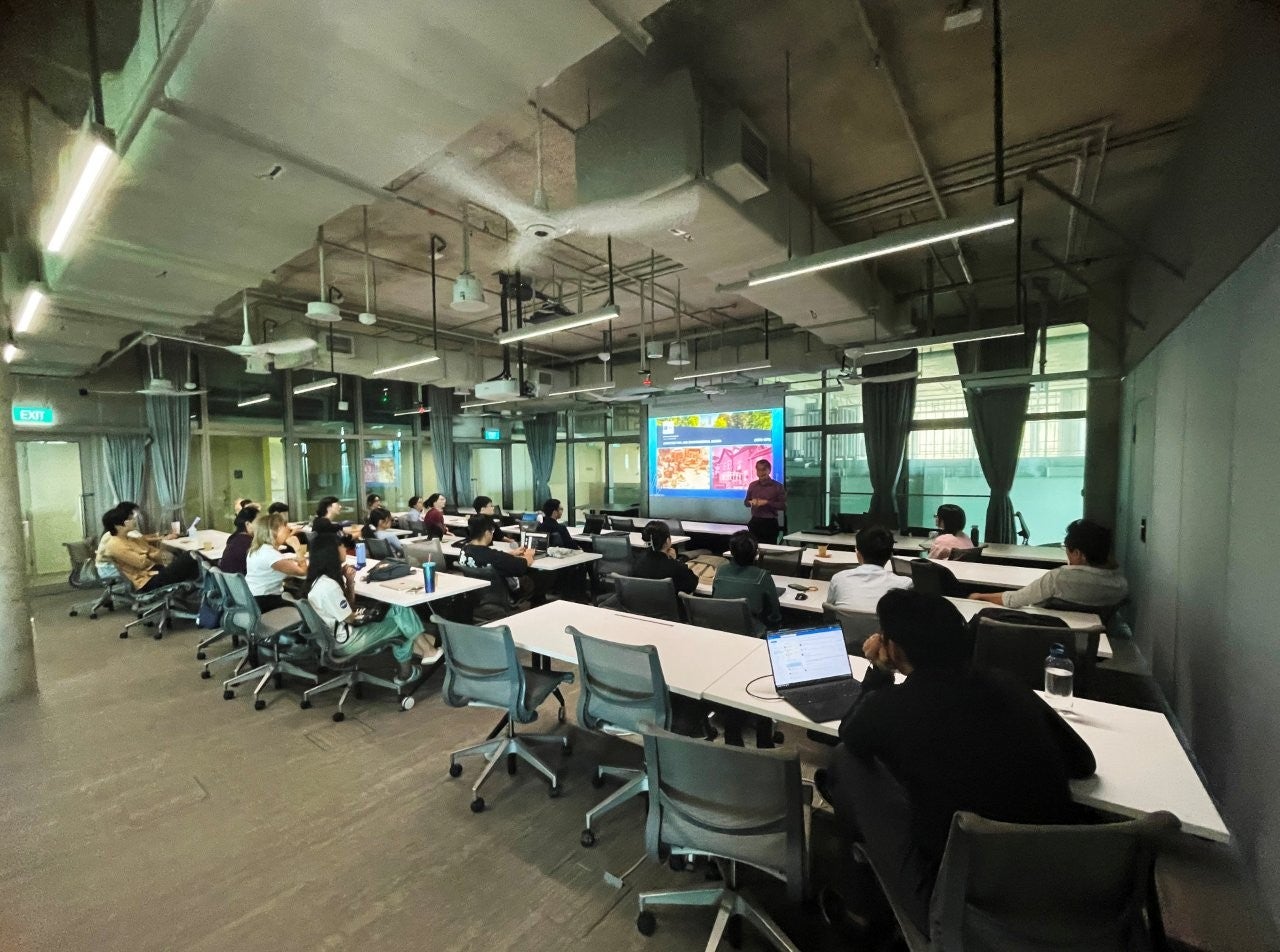
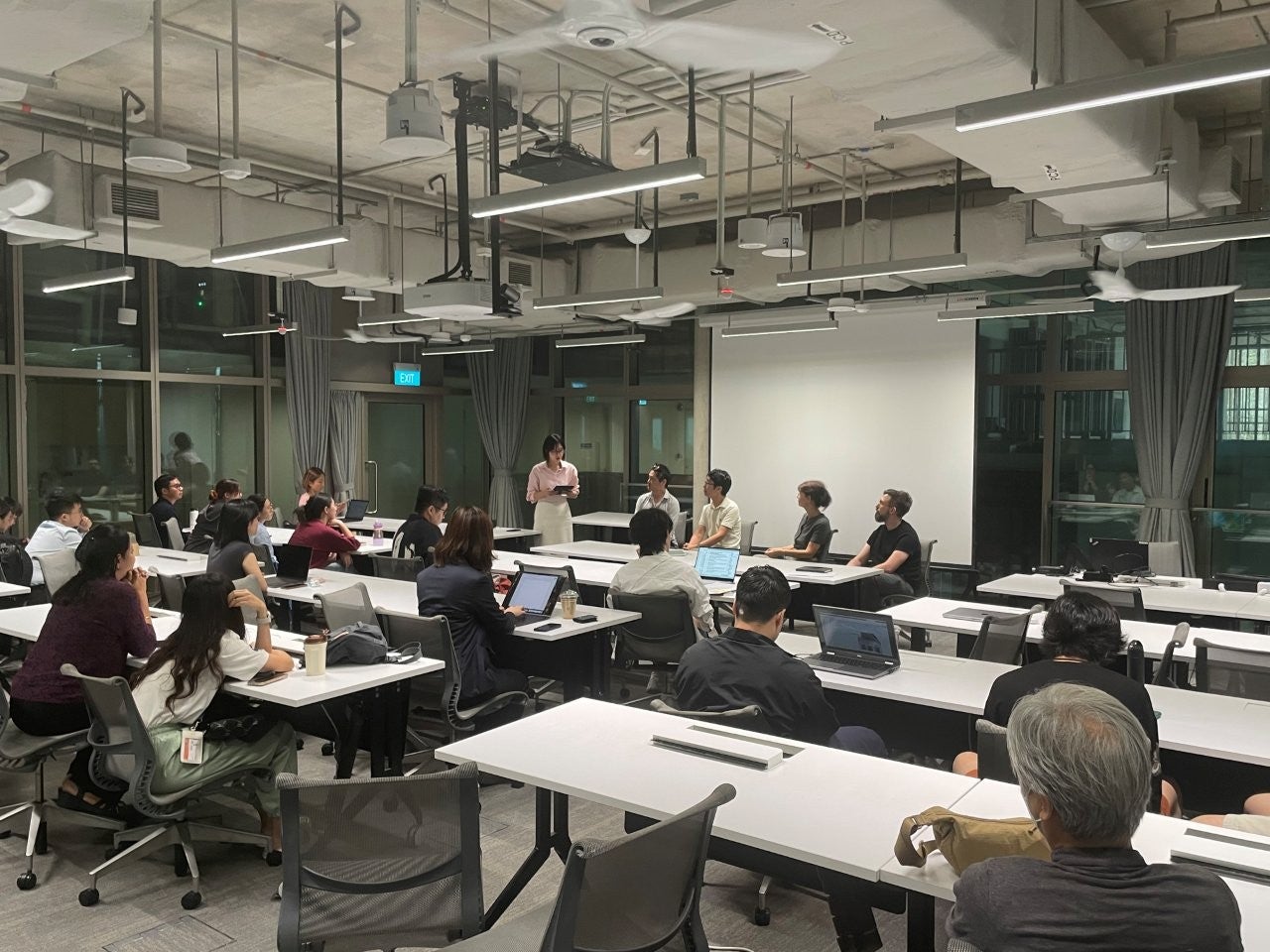
On 14 November 2025, the Department of Architecture at the National University of Singapore hosted the Graduate Research Symposium 2025, a full-day, student-organised gathering that brought together PhD candidates, faculty, and researchers to discuss ongoing work in architecture, urban studies, and other related fields. Rather than showcasing polished research projects, the symposium foregrounded ongoing explorations and tentative questions, giving early-stage doctoral researchers a chance to rehearse their arguments, test methods, and meet colleagues working on adjacent issues.
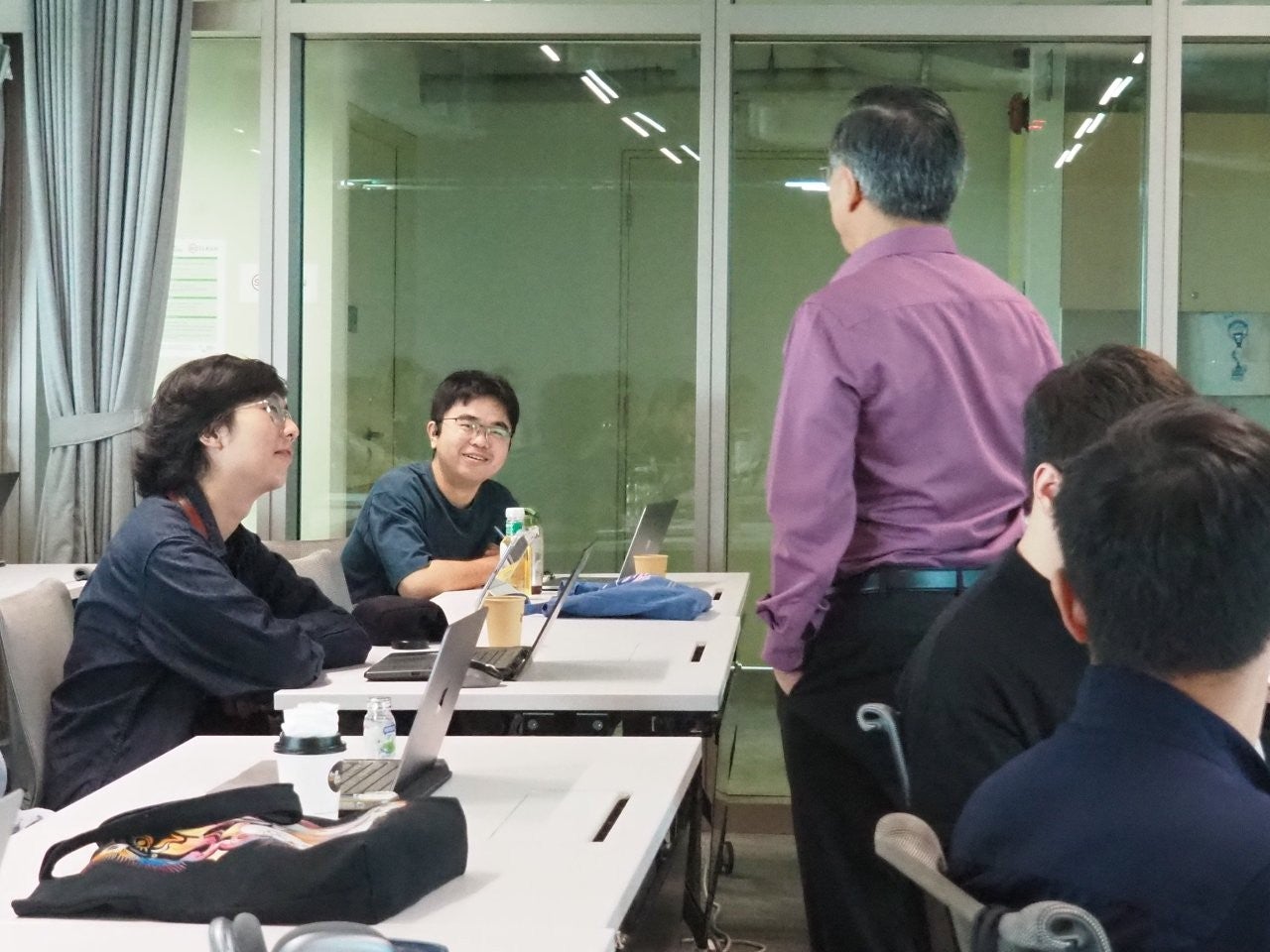
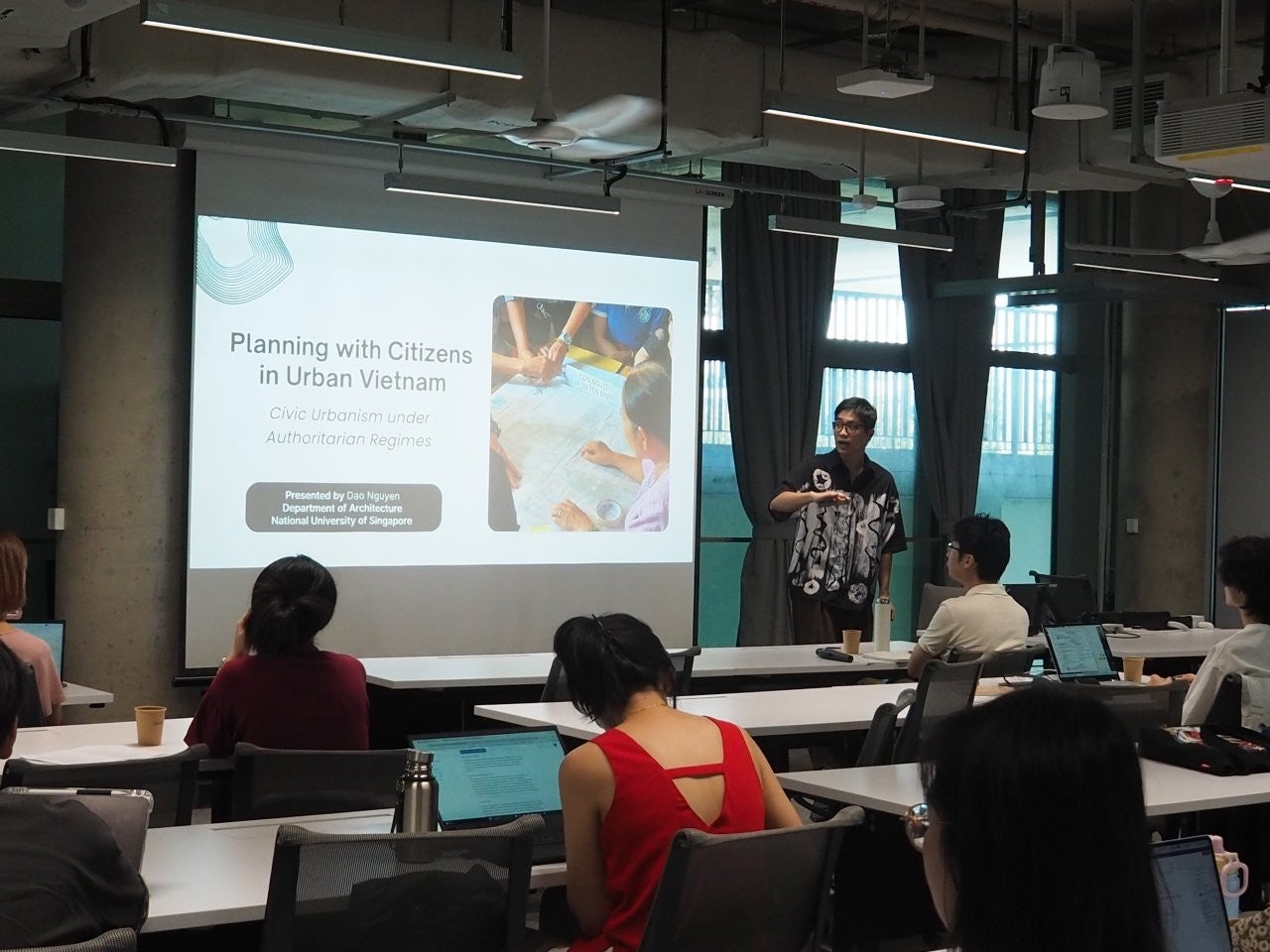
The day opened with a keynote lecture by Prof Lam Khee Poh, titled “RE-Search in an Age of Complexity.” Drawing on decades of experience in health and performance-centred design, Prof Lam reflected on how research in the built environment can respond to overlapping environmental, social, and technological crises by working across scales and sectors while holding clear guiding principles on human well-being and sustainability. Audience members were especially engaged by his reflections on navigating complexity and the guiding principles behind his projects, as evidenced in the lively exchange that went beyond the allocated time. The morning then broke into two different panels. Under the moderation of Dr Li Shengxiao Alex, the Social Inclusion & Space panel focused on questions of ageing, care, and everyday life in dense urban environments. Topics included older adults living alone and hybrid online–offline food spaces, civic urbanism, flexible learning environments, and the lived experience of displacement in public housing. Next door, Dr Linjun Xie moderated the panel on Climate & Infrastructure, which covered disaster histories, planning under uncertainty, and multi-level governance shape infrastructural and metropolitan futures.
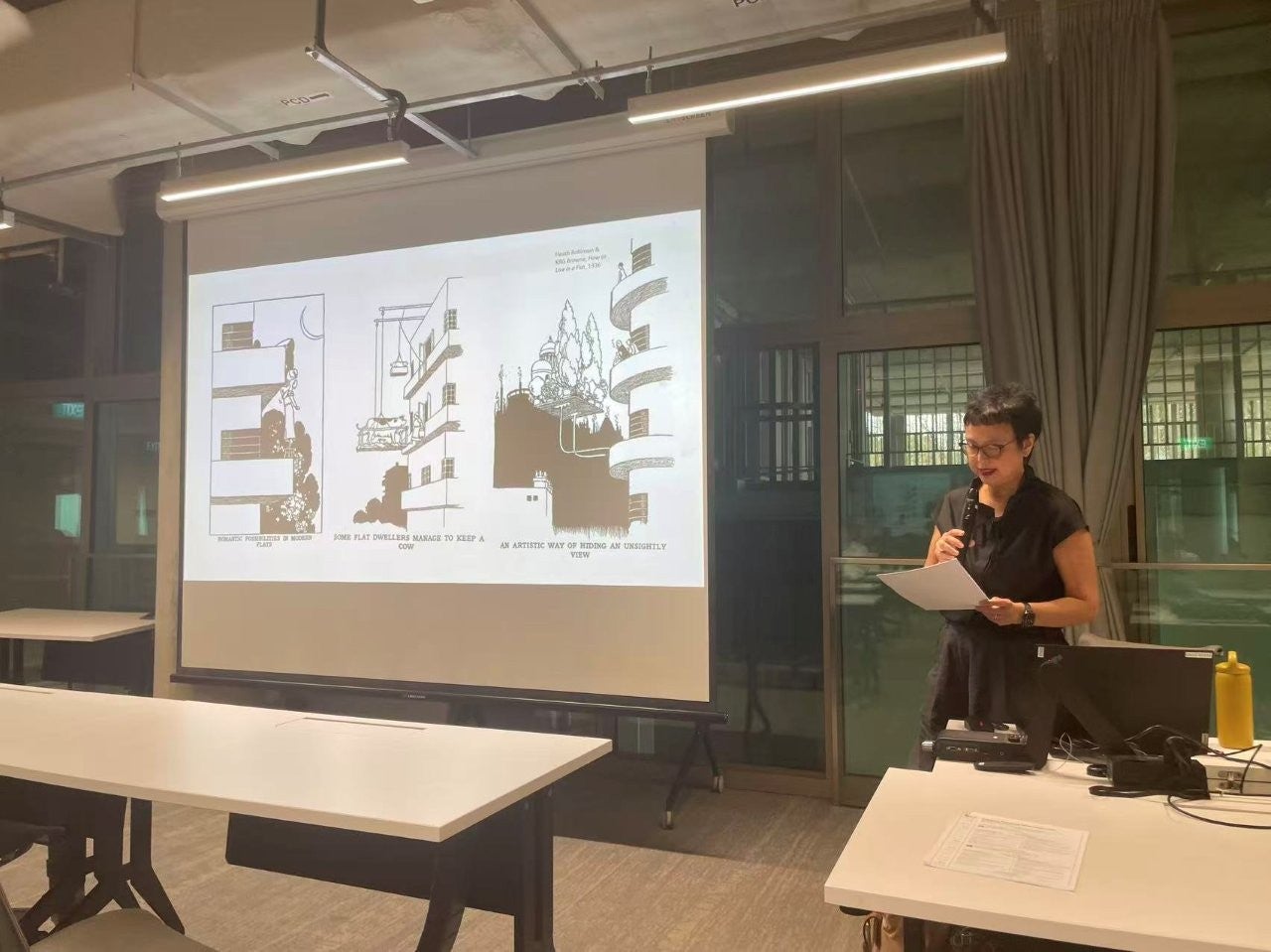
In the afternoon, after a lively, conversation-filled lunch break session, Prof Lilian Chee delivered the second keynote, “From Flat to Field: Domesticity through Creative Practice Research.” Her lecture showed how creative and design-based research can open up new ways of understanding everyday domestic environments. Later, discussions moved into two further thematic panels. Materiality & Technology, moderated by Dr Pieter Herthogs, brought together work on computational readings of shophouse heritage, urban vegetation metrics, machine-learning approaches to pedestrian thermal comfort, theories of new materialism in historical research, and the use of bio-based preservatives in mass engineered timber. In another panel, Urban Systems & Informality, moderated by Dr Ruzica Bozovic-Stamenovic, turned the attention to urban informality and everyday life. Students shared their projects that ranged from street-based informal practices in Singapore, mini-apartments in Hanoi, food networks linking Cameron Highlands to Singapore, and the prospects of game theory for understanding everyday urban experience.
The symposium concluded with a closing session featuring Dr Lee Kah-Wee, Dr Li Shengxiao Alex, Dr Pieter Herthogs, Dr Ruzica Bozovic-Stamenovic, and all presenters from the day’s panels. The session revisited key insights, invited reflections on each panel’s presentations, and addressed recurring questions faced by new Ph.D. students, particularly around questions like “what is a good research question”. The event reaffirmed the department’s commitment to nurturing critical, impactful research and to supporting emerging scholars as they engage with pressing challenges in architecture, urban planning and other fields. We extend our heartfelt thanks to everyone who took part and look forward to next year’s symposium, which we expect to be even more enriching and filled with stimulating intellectual exchange.
Programme details can be found here.