Master of Urban Planning
CAREER PERSPECTIVES
With a degree from one of the leading world’s universities, the career prospects of NUS MUP graduates are numerous. Many MUP graduates join government agencies and planning institutes in Singapore and abroad. In Singapore, the MUP programme established close collaboration with Urban Redevelopment Authority {URA), Housing Development Board (HOB), Jurong Town Corporation (JTC) and Land Transportation Authority (LTA), as well as other government agencies, where many of our alumni found their jobs. While some MUP alumni work as planning professionals in various local and global urban planning, urban design, architecture and real estate practices, such as AECOM, ARUP, Morrow, Surbana Jurong, or WATG, to name a few, others find their interest in research (e.g., Centre for Liveable Cities) or pursuing further academic career and PhD.
Every year, MUP students participate in organising the Planning Futures event, which brings together urban planning and urban design practitioners, government agencies, students, alumni and faculty members, to network and discuss the importance of interdisciplinary thinking and collaboration, as well as the challenges of the job market. The event provides students unique opportunity to talk to local planners and plan their internship in Singapore (and abroad) or consider working in Singapore after graduation.
OUR GRADUATES
We are proud of our graduates. See what some recent graduates said about their experiences at NUS MUP.
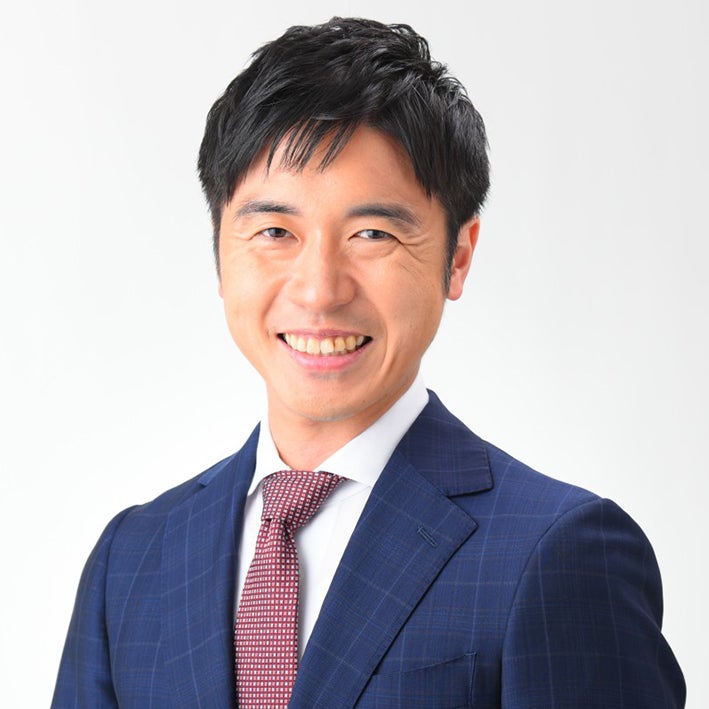 |
Keisuke Ozaki, MUP 2025
Current position: Senior Manager, Asia-Pacific Business Unit, Investment Management Business Department, Mitsubishi Estate Co., Ltd., Tokyo, Japan
Profile: LinkedIn
“The MUP programme was a transformative experience that broadened both my professional perspective and personal values toward urban development. Coming from an economics background, I initially viewed cities mainly through the lens of development profitability. However, the programme’s integrated approach challenged me to think beyond economic analysis and consider the broader social responsibilities embedded in urban development.
One of the most valuable aspects of the programme was its interdisciplinary structure. Through planning theory, urban analytics, studio work, and lectures from other courses, I explored cities from diverse perspectives simultaneously. Rather than treating urban issues as isolated problems, the programme emphasized understanding cities as interconnected systems shaped by communities, industries, nature, and human behaviour. This comprehensive perspective remains one of the most important lessons I carry with me today.
Moreover, the phrase that stayed with me most was ‘Every building has a social responsibility.’ It fundamentally changed how I approach urban development, reminding me that buildings are not merely financial assets, but part of people’s daily lives and communities. Since returning to the industry, I have become more conscious of reflecting on business viability with long-term social value creation and community-oriented development.”
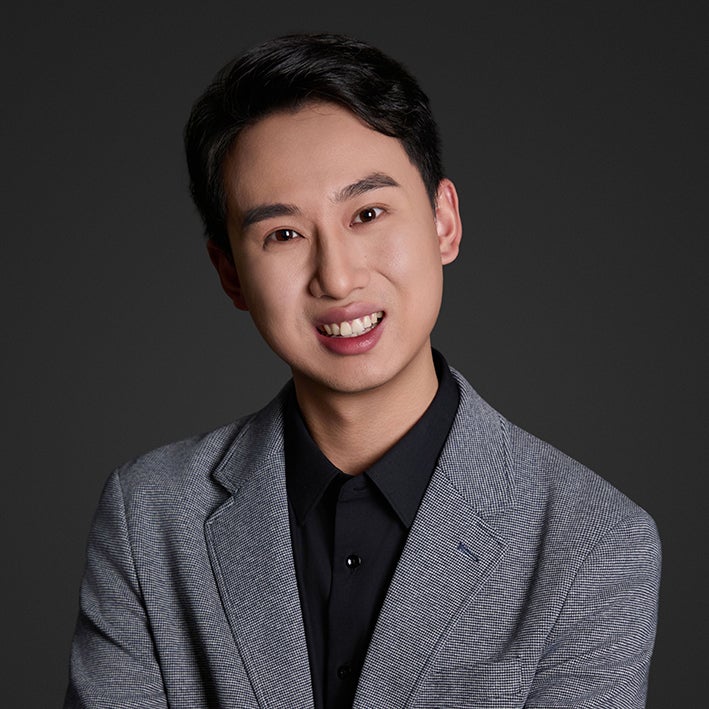 |
Xia Junbo, MUP 2025
Current position: PhD Candidate (since 2025), Marie Skłodowska-Curie Doctoral Researcher, Technical University of Denmark, Copenhagen, Denmark
Profiles: LinkedIn
“My experience in the NUS Master of Urban Planning programme has been deeply formative in shaping how I understand cities, planning, and my own academic path. Being based in Singapore, one of Asia’s most advanced urban environments and a remarkable living laboratory, allowed me to learn not only from the classroom, but also from the city itself, its planning system, infrastructure, public spaces, and everyday urban life.
One of the most memorable parts of the programme was the four-semester workshop sequence. Through studios addressing different urban issues and scales, I gradually learned to see the city not as a set of separate components, but as an interconnected system in which land use, mobility, housing, infrastructure, and environment continuously shape one another. Working in diverse and international teams was also a valuable part of this experience. My classmates came from different countries, disciplines, and professional backgrounds, and our collaboration exposed me to multiple ways of understanding urban challenges and planning approaches.
The programme also provided strong technical, research, and professional training. Courses in GIS, quantitative methods, and planning technologies introduced me to emerging methods that can support more informed planning decisions. Through my dissertation, I further developed my research capacity and had the opportunity to engage with leading scholars, visiting academics, and learn from and collaborate with world-class urban research labs. Looking back, NUS MUP not only broadened my professional vision, but also laid a solid foundation for my current PhD research on sustainable urban mobility and transformation.”
 |
Kris Lian, MUP 2023
Current position: Policy Planner, Auckland Council, Auckland, New Zealand
Profile: LinkedIn
“Over the course of the NUS Master of Urban Planning programme, the studio experience remains one of my strongest memories. Working closely with the same team throughout the final year was incredibly rewarding – not only academically, but personally. We spent countless hours developing ideas together, navigating challenges, and building friendships that extended far beyond the classroom. Even after graduation, many of my classmates have flown to New Zealand for reunions, which speaks volumes about the connections formed during the programme.”
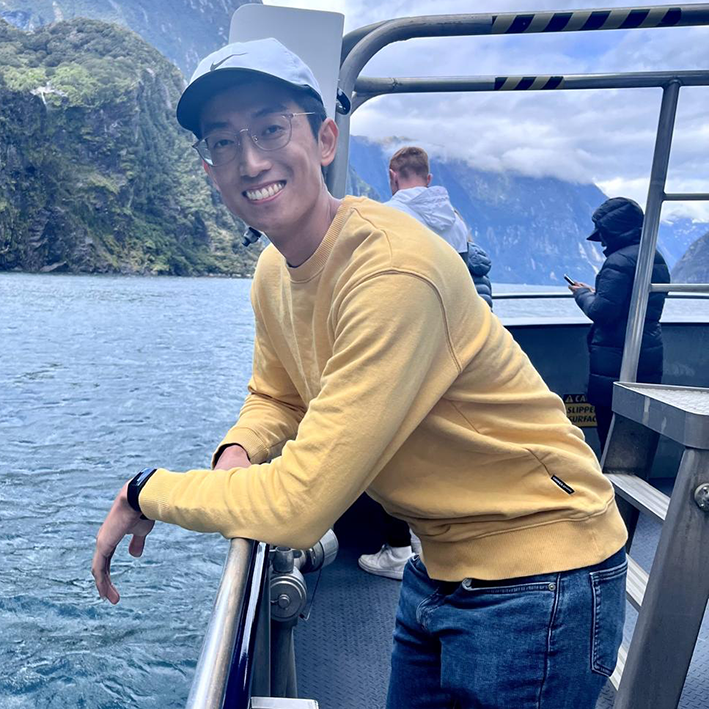 |
Alex Yeung, MUP 2022
Executive Planner, Urban Redevelopment Authority (URA), Singapore
Profile: LinkedIn
“The studio practice remains the most memorable aspect of the MUP programme – it was almost a simulation of how planners work in the real world. Our teams brought together diverse expertise, with members focused on GIS, planning, architecture, and real estate. Though intense from time to time, having practitioners and professors guide us through complex urban challenges was very helpful. The collaborative process taught us to work across disciplines and forged long-term friendships that continue today. This experience fundamentally shaped how I approach planning work and emphasised the importance of interdisciplinary collaboration.”
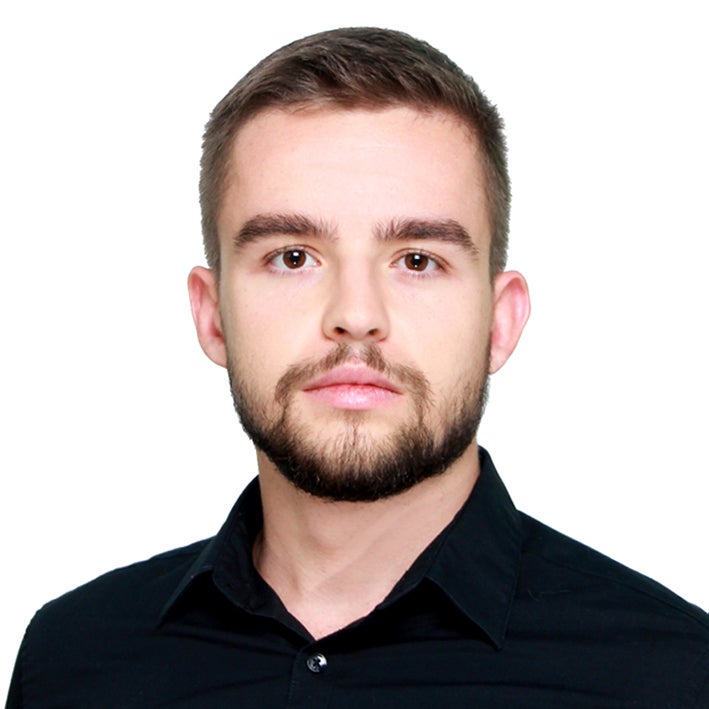 |
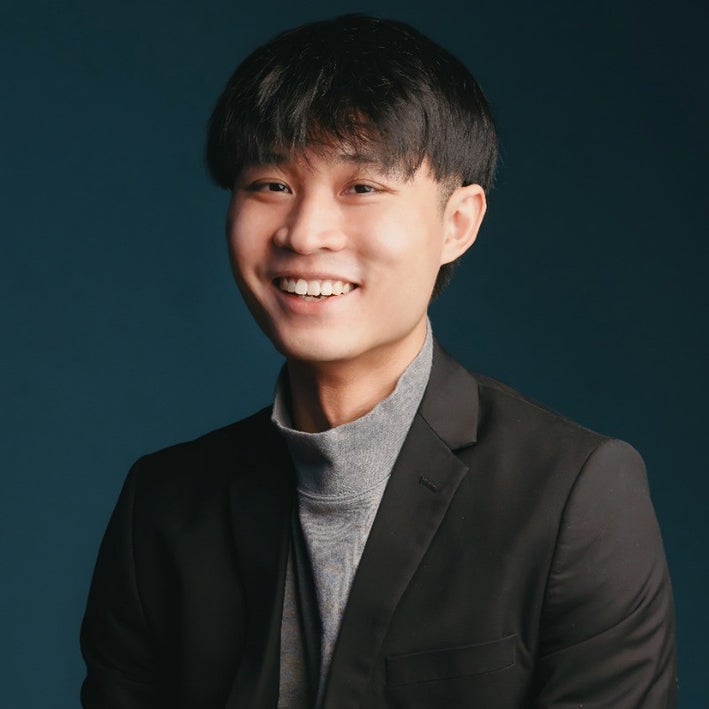
Ovidiu-Stefan Stoian, MUP 2019
CEO and Founder, Stoian Co
Profile: LinkedIn
“My path to NUS started in Bucharest, where I trained as an urbanist, but Singapore became the deliberate next chapter. The MUP program provided a rigorous planner’s discipline while offering the flexibility to study in the Geography Department. It was there that I learned how to truly maximize the potential of GIS in urban planning, turning it into my core specialism. Between an immersive industry internship and a diverse, global cohort that taught me how to view the same city from multiple perspectives, NUS gave me a problem-solving framework I still use every day.
That connection to NUS remains strong. I was later honoured to return as an instructor, teaching GIS to MUP students and bridging the gap between academic theory and professional practice. The foundation I built in Singapore ultimately propelled my global career across Southeast Asia and the Middle East. It led me to found Stoian Co in Dubai in 2025, where we deliver AI-assisted geospatial solutions and parametric modelling for urban planning clients around the world.”
 |
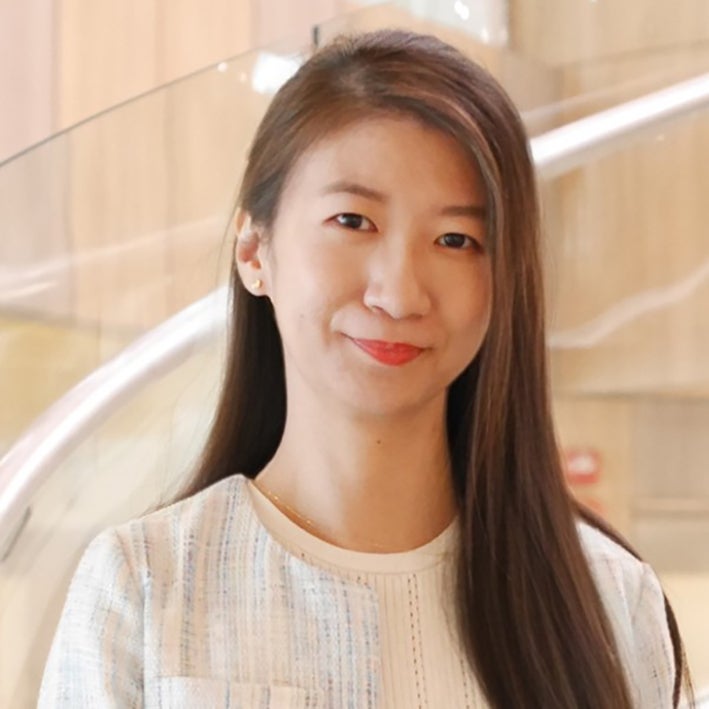
Winston Yap, MUP 2018
PhD in Urban Analytics, DOA, CDE, NUS (2025)
Current Position: Ezra Systems Postdoctoral Associate, Cornell University, New York, USA
Profiles: LinkedIn; Website
“The Master of Urban Planning programme at National University of Singapore left a lasting impression on me not only because of its strong academic foundation, but also because of how deeply it connected urban theory with real-world practice and research. The design and studio curriculum provided a rigorous and holistic understanding of cities, while the programme’s emphasis on both quantitative and qualitative urban research methods opened pathways for me to pursue applied urban research as a career.
What remains especially memorable were the opportunities to engage beyond Singapore through initiatives such as the Asian Masters of Urbanism programme at The University of Tokyo, where we learned about cutting-edge smart city technologies and urban infrastructure while interacting with leading overseas research labs. Annual field trips to cities such as Melbourne and Tokyo further enriched the experience by exposing us to diverse planning contexts and real-world stakeholders. I still vividly remember visiting the studios of renowned architect Hiroshi Hara and engaging directly with planners and practitioners to better understand the complexities of urban development challenges.
More than anything, these experiences broadened my worldview, built longstanding professional connections, and ultimately shaped my pathway into academia and interdisciplinary urban research.”
 |
Ivy Ma Yankan, MUP 2017
Assistant Manager, Energy Transitions, Surbana Jurong Infrastructure Pte. Ltd, Singapore
Profile: LinkedIn
“Reflecting on my time in the NUS Master of Urban Planning (MUP) programme, what stands out most is how the curriculum balances the “science” and the “art” of planning. It isn’t just about policy or design in isolation; it is a rigorous, data-driven discipline that simultaneously demands creative, spatial problem-solving.
The heart of this experience was undoubtedly the planning studio. Being immersed in an environment alongside classmates from vastly different disciplines, ranging from geography and architecture to engineering, was incredibly enriching. What truly stays in my memory is the vibrant, late-night studio culture. Those midnight hours spent in intense, interdisciplinary brainstorming sessions, challenging each other’s perspectives, and collectively pushing the boundaries of our master plans built a unique camaraderie. This classroom intensity was perfectly complemented by immersive site visits and fieldwork, which brought urban theories to life right on the ground.
A true highlight of my journey was the overseas field trips and the Asian Master of Urbanism (AMU) certificate programme. Spending time at the University of Tokyo and participating in overseas field trips to both Japan and Australia completely re-framed my worldview. It exposed me firsthand to contrasting urban development models, from the hyper-dense, transit-oriented efficiency and community resilience of Tokyo to the low-density, expansive frameworks and environmental management strategies in Australia. This cross-border exposure taught me that urban frameworks cannot simply be copy-pasted; they must be deeply adapted to local geographic, social, and economic realities.
Today, as I navigate complex projects in the energy transition and built environment sectors, the fingerprints of the MUP programme are everywhere in my work. The programme fundamentally shaped my career pathway in three distinct ways:
Strategic, Macro-Level Thinking: It trained me to look at cities as interconnected ecosystems, understanding how industrial value chains, infrastructure, and urban frameworks interact.
Bridging Technical and Sustainability Goals: MUP gave me the foundational vocabulary and analytical framework needed to seamlessly align commercial and engineering realities with ambitious net-zero, climate resilient targets.
Leadership and Stakeholder Management: The rigorous experience of defending complex studio projects to panels of academics and industry experts served as the perfect rehearsal for real-world client management and leading multidisciplinary teams.
For anyone looking to not just witness, but actively design the future of sustainable, resilient Asian cities, the NUS MUP programme is an unmatched launchpad.”
ALUMNI NETWORK
Dear alumni, we are establishing MUP Alumni Network to better serve and connect our graduates, foster lifelong professional relationships, and supports the continued development of the programme.
As an integral part of the NUS MUP community, our alumni contribute to the continued growth and excellence of the programme through professional engagement, research collaboration, student mentorship, studio participation, and industry partnerships. Together, through academic, professional, social, and cultural activities, we seek to promote excellence in planning practice and advance innovative, sustainable, inclusive, and resilient urban development in Singapore, Asia, and beyond.
We warmly invite all MUP graduates to update their contact details and reconnect with the NUS MUP community through the NUS MUP LinkedIn Group.