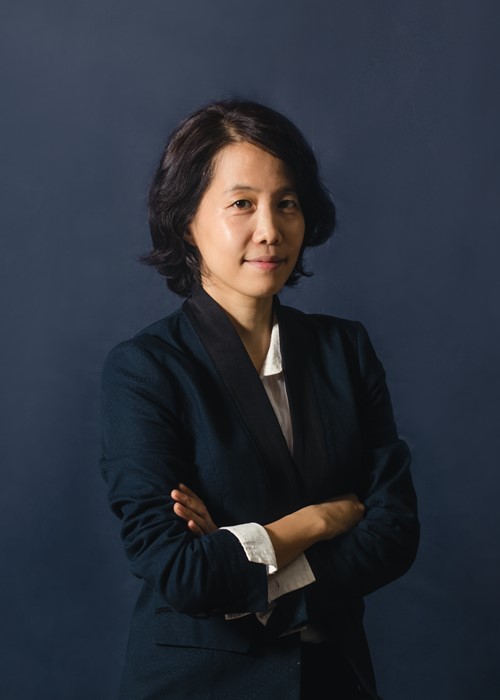
HWANG Yun Hye
Associate Professor (Practice Track)
Department of Architecture, College of Design and Engineering, National University of Singapore, 4 Architecture Drive, Singapore 117566.
- TEL:
- 6516 3521
- EMAIL:
- akiyhh@nus.edu.sg
Yun Hye Hwang is an accredited landscape architect and Associate Professor in the Landscape Architecture program, where she was the founding Director of the Bachelor of Landscape Architecture (BLA) and currently serves as Co-Leader of Landscape Studies Cluster. Her research addresses evolving landscape demands in Asian equatorial environments, focusing on Multispecies Urbanism. This work advances nature-based landscape management, ecological design strategies, circular landscape practices specifically tailored for high-density urban contexts.
Yun Hye holds an MLAII from Harvard University and an MLA with distinction from Seoul National University. Previously, she served as a design director for public housing landscape projects in Korea, where she was awarded as the 6th designer of next generation in Korea Institution of Design Promotion (KIDP) and multiple landscape accolades from private and public agencies. Her applied research and built work have received prestigious honors, including SILA, Landscape Institute (LI), and IFLA Asia-Pacific award. Widely published, she collaborates with various stakeholder groups such as NParks, HDB, and the Nature Society Singapore to contribute to national landscape planning and management frameworks.
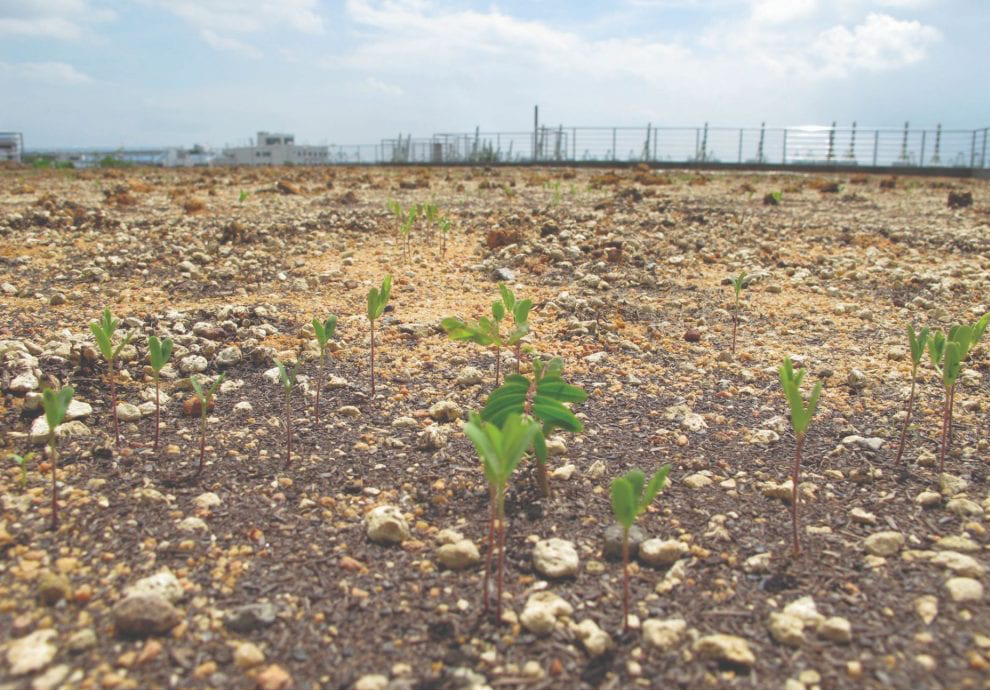
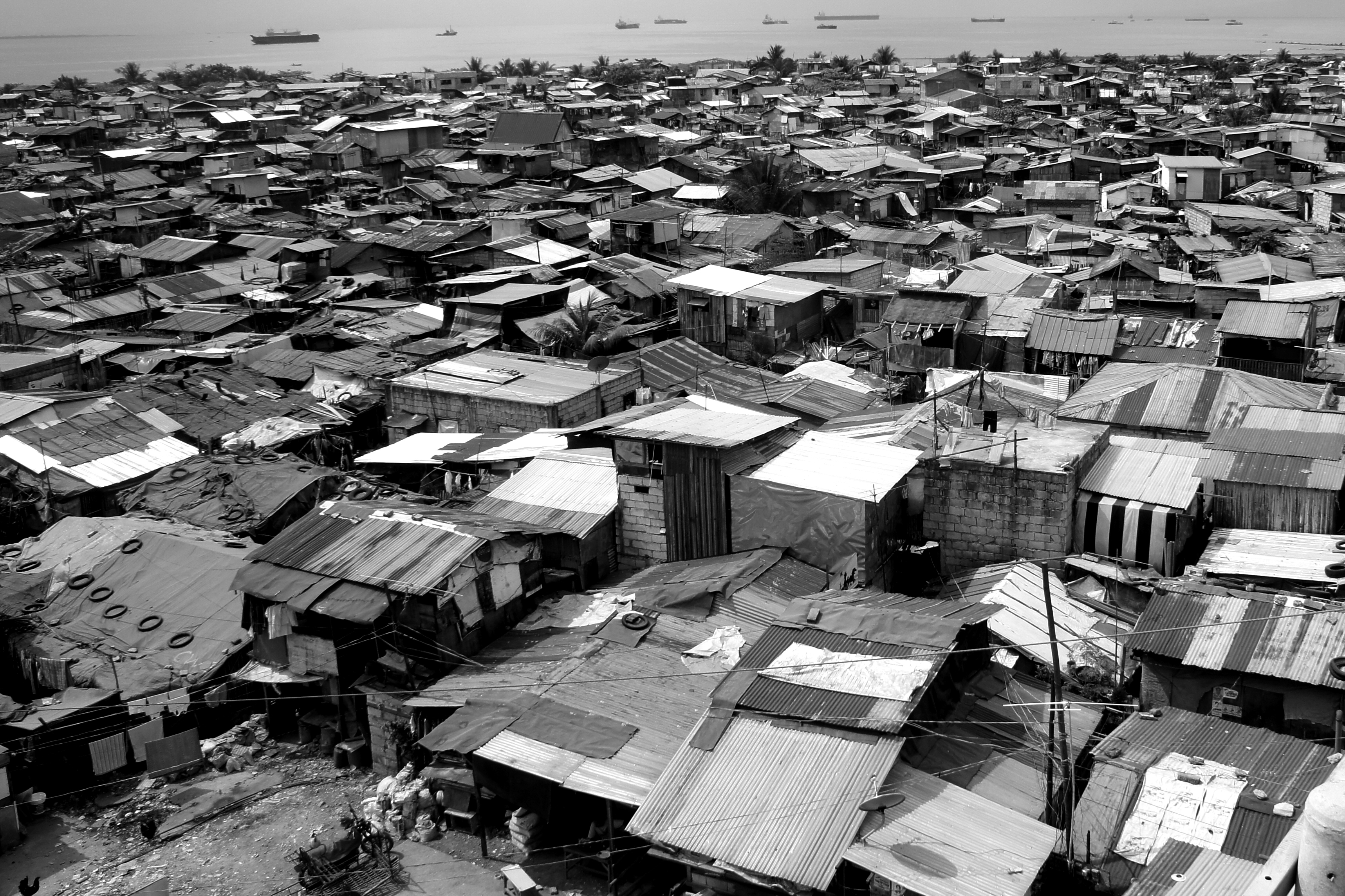
Three topics in the research area ‘multi-functional everyday landscapes’ using on-site measurement, longitudinal studies, spatial pattern analysis, and social studies are; microclimate responsive landscapes; landscape as a livelihood for the low-income community; and ecosystem services in high-dense neighborhood landscapes.