Johannes WIDODO (Dr)
Associate Professor (Tenure Track)

Department of Architecture, College of Design and Engineering, National University of Singapore, 4 Architecture Drive, Singapore 117566.
- TEL:
- 6516 8862
- EMAIL:
- jwidodo@nus.edu.sg
Dr Johannes WIDODO (陳國林, ウィドド・ヨハネス) is Associate Professor in the Department of Architecture, College of Design and Engineering, National University of Singapore. He is the founding Director of the NUS Master of Arts in Architectural Conservation (MAArC), launched in 2021. He also directs the Tun Tan Cheng Lock Centre for Asian Architectural and Urban Heritage in Melaka.
He is a cultural systems architect whose work links heritage conservation, urban sustainability and community-centred development. His scholarship draws on cultural mapping, spatial governance and heritage economics to show how cultural systems help societies become resilient, inclusive and ready for the future. He advises governments, NGOs, corporations and educational institutions, turning research into policy, strategic frameworks and capacity-building programmes. That advice extends to responsible development and ESG strategy, where he brings cultural and place-based insight to decisions. Throughout, he treats cultural heritage as a living foundation for fair growth, identity and lasting public value.
He has built and led many of the region's heritage networks:
Founder of mAAN (modern Asian Architecture Network)
Founder and Chair of iNTA (International Network for Tropical Architecture)
Founder and Board Director of SEACHA (South East Asian Cultural Heritage Alliance)
Founding executive of the ICOMOS national committees of Indonesia and Singapore
Founding board member of Docomomo Macao and Docomomo Singapore
He has served on the jury of the UNESCO Asia-Pacific Awards for Cultural Heritage Conservation since 2002. He also served on the Preservation of Sites and Monuments Advisory Board of Singapore's National Heritage Board (2014–2019). His current roles include:
Voting Member of the ICOMOS International Scientific Committee and member of the ICOMOS International Training Committee (CIF)
Executive Committee member of the Asian Academy for Heritage Management
Executive Board member of the UHC-HEI Network (Urban-rural Heritage Conservation in Higher Education Institutions)
Member of the Board of Advisors of Doh Eain
Associate Member of the Singapore Institute of Architects
Member of the Urban Housing Society (Japan), the Preserving Legacy – Climate Adapt! Network, and the KU Leuven Alumni Regional Council for Southeast Asia
His research interests include architectural and urban history, heritage conservation and management, and tropical sustainable architecture. He also works on climate change and resilience, Chinese diaspora studies, Southeast Asian studies, and education in architecture, urbanism and cultural heritage management.
He received his professional degree in architecture (Ir.) from Parahyangan Catholic University, Bandung (1984). He then earned a Master of Architectural Engineering from Katholieke Universiteit Leuven (1988) and a PhD in Architecture from the University of Tokyo (1996).

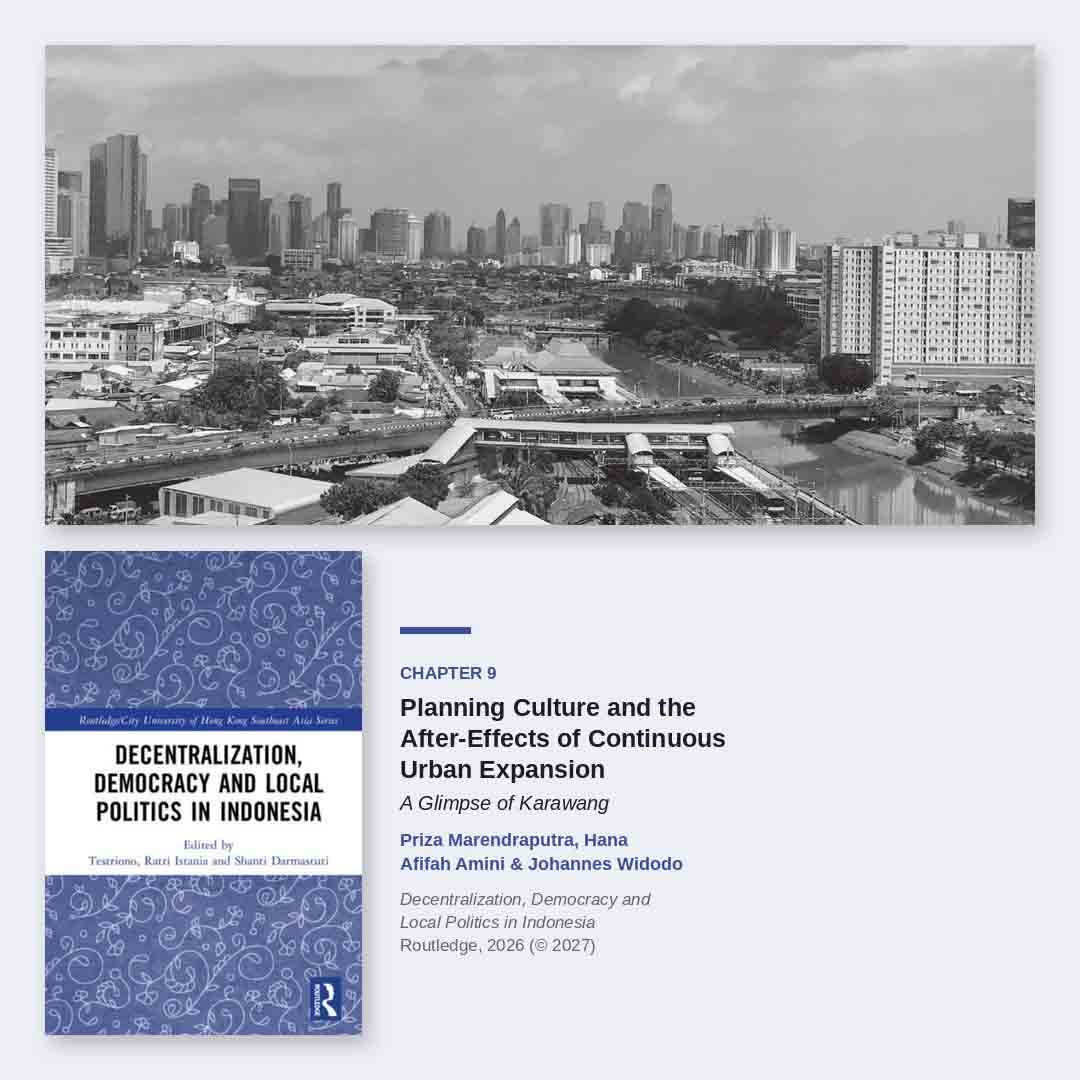
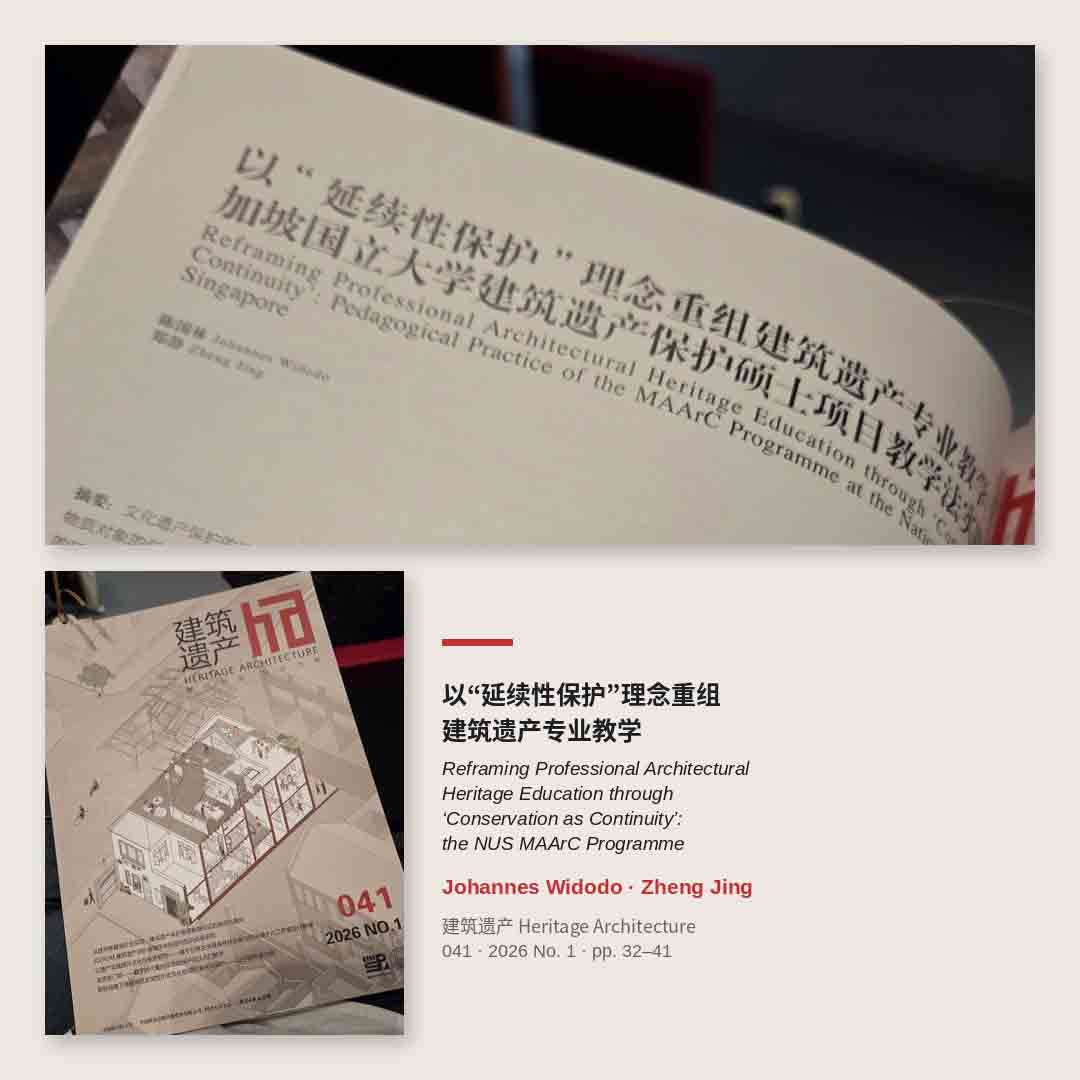
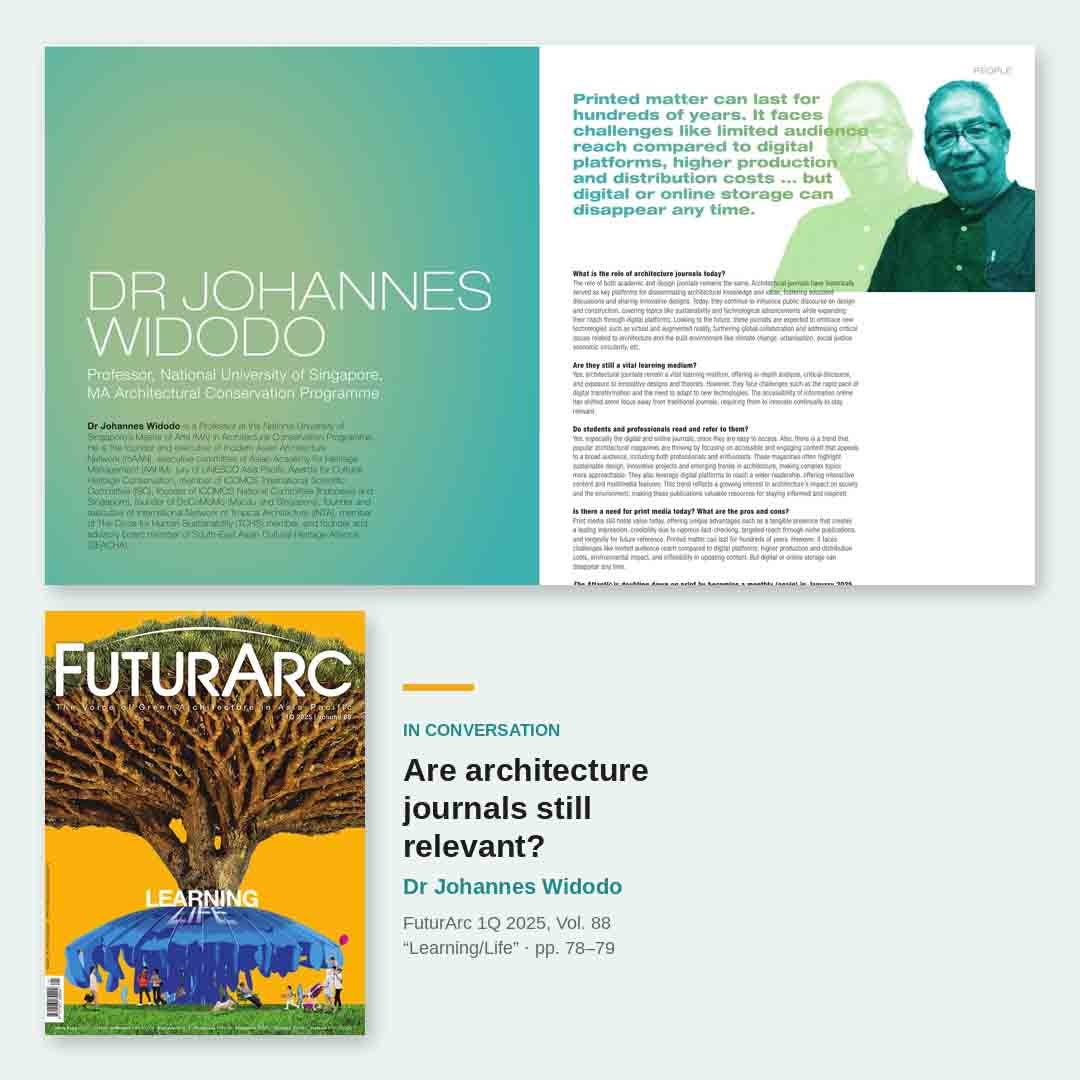
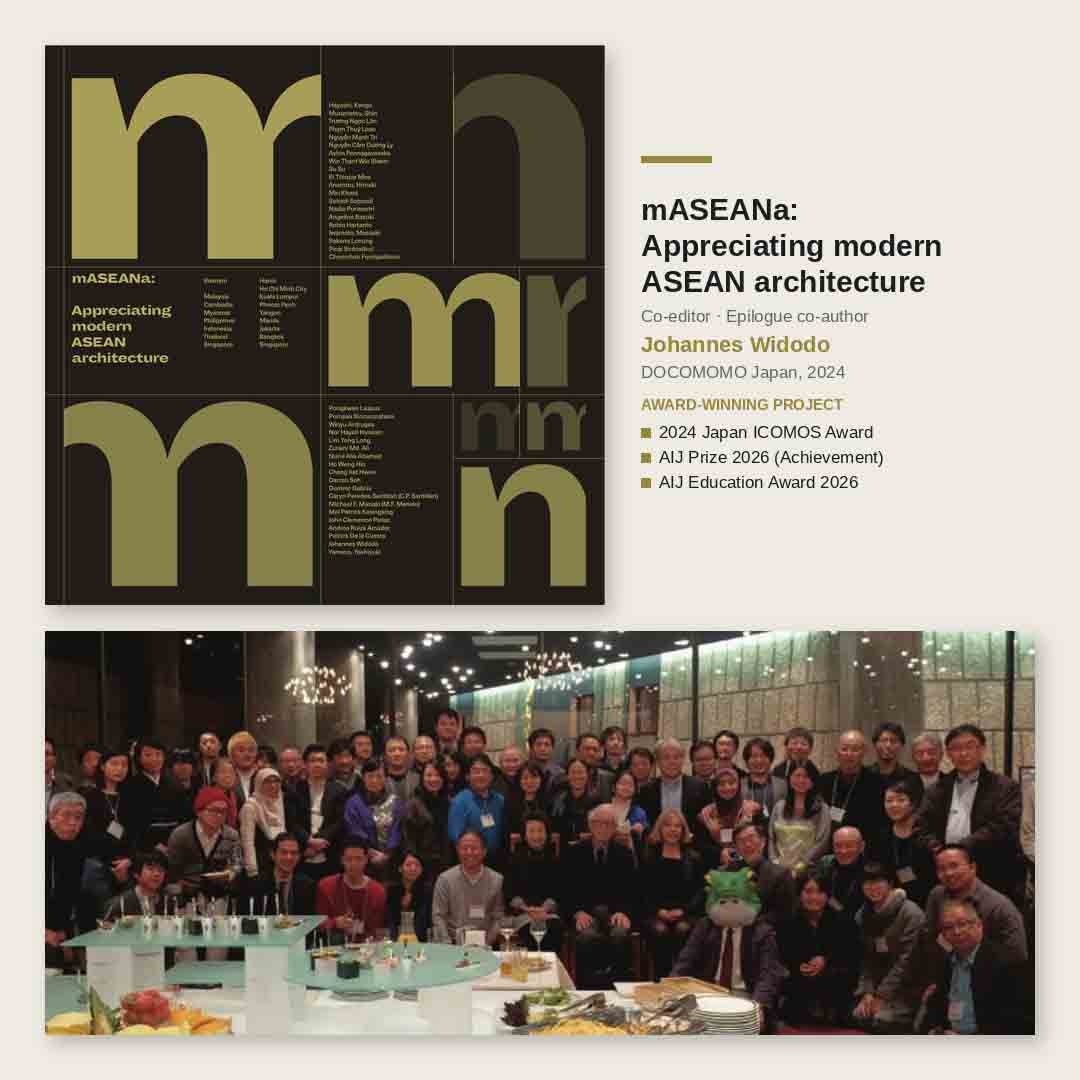
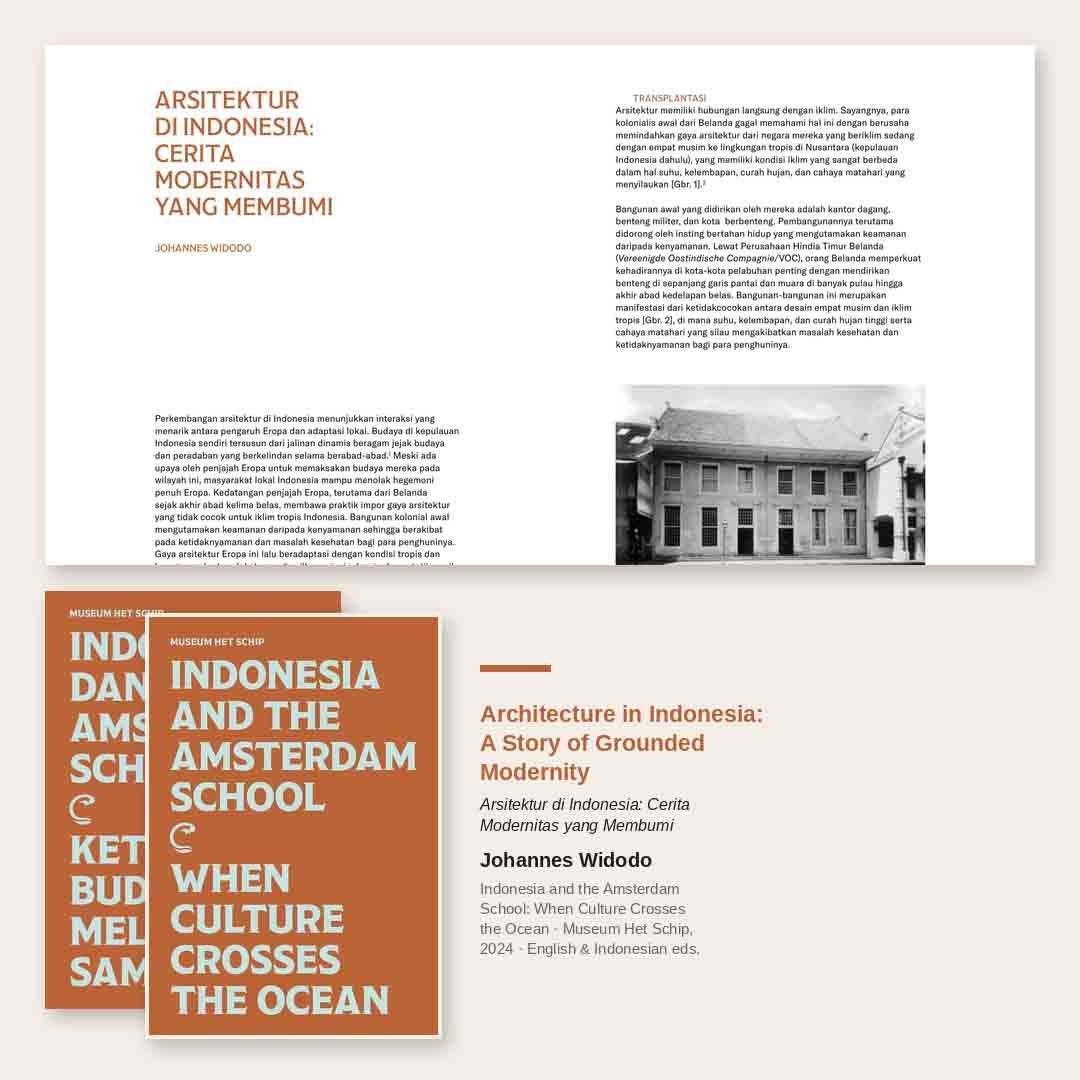
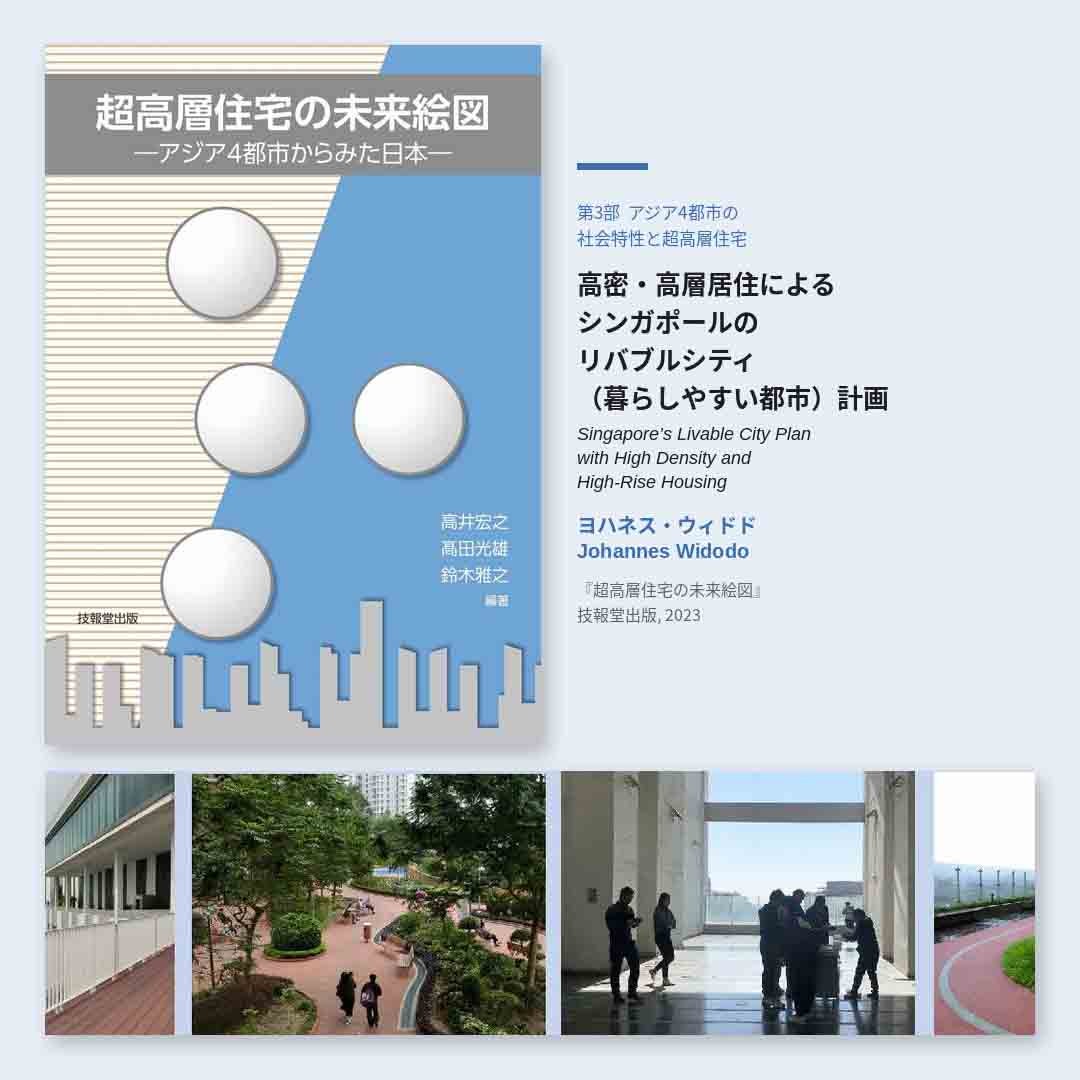
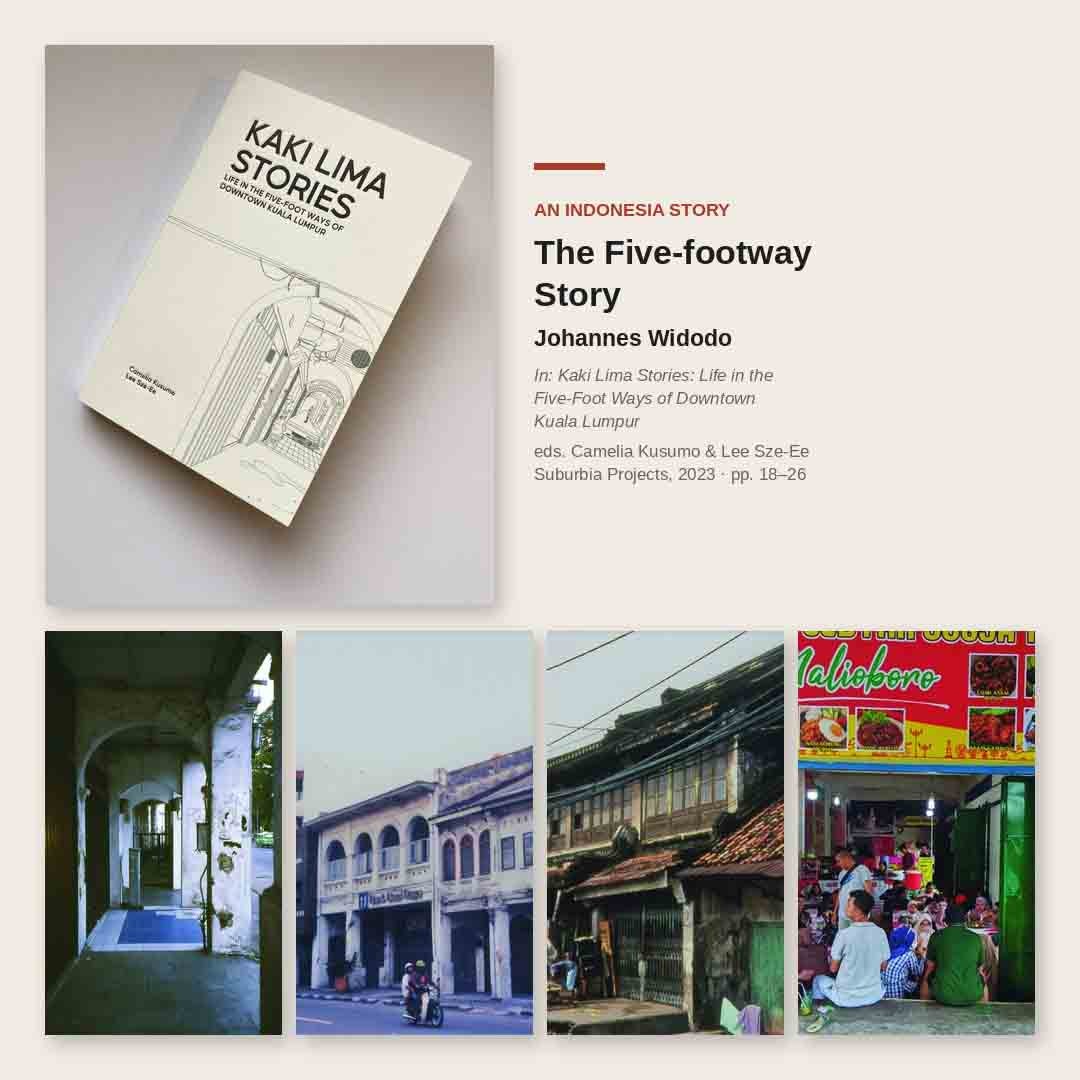
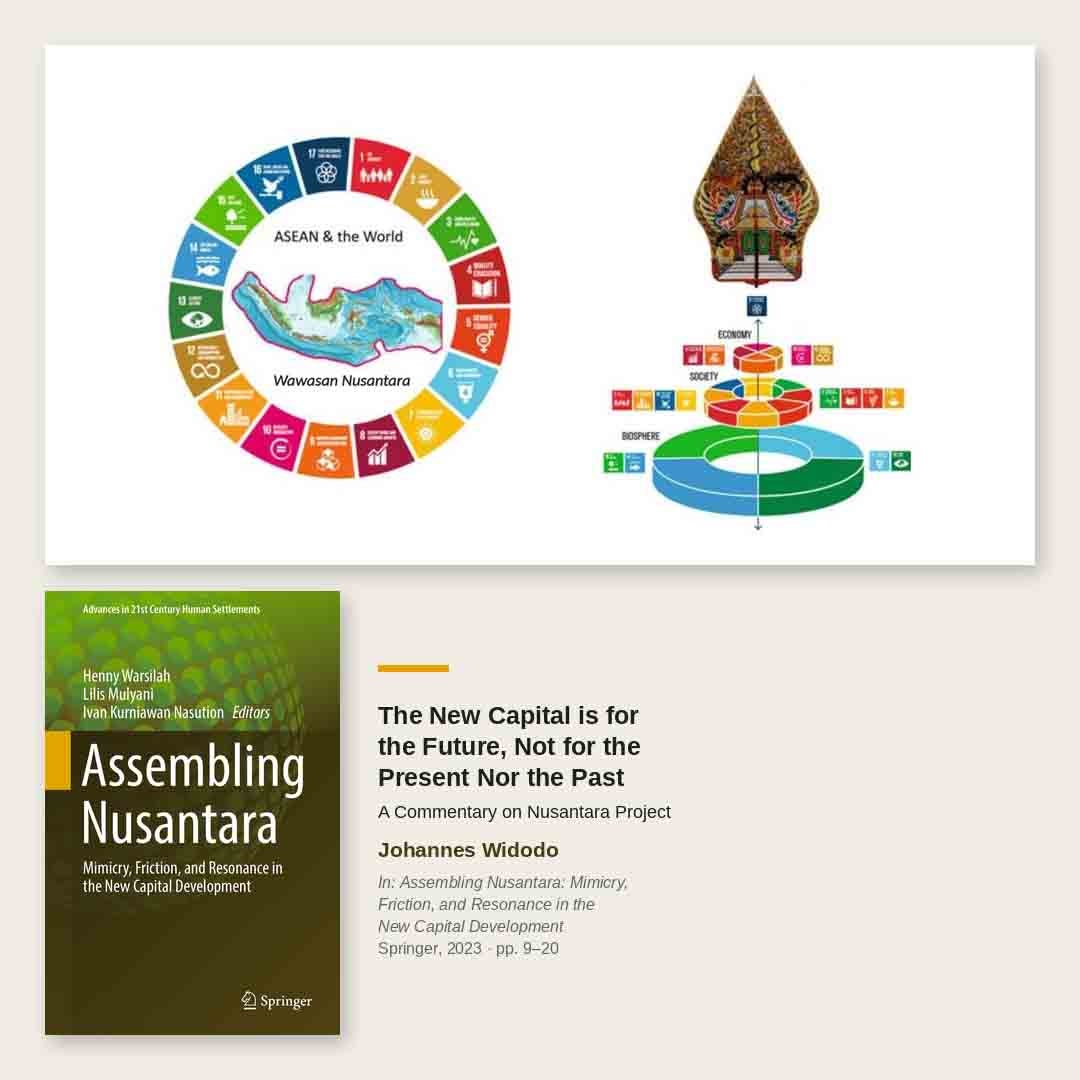
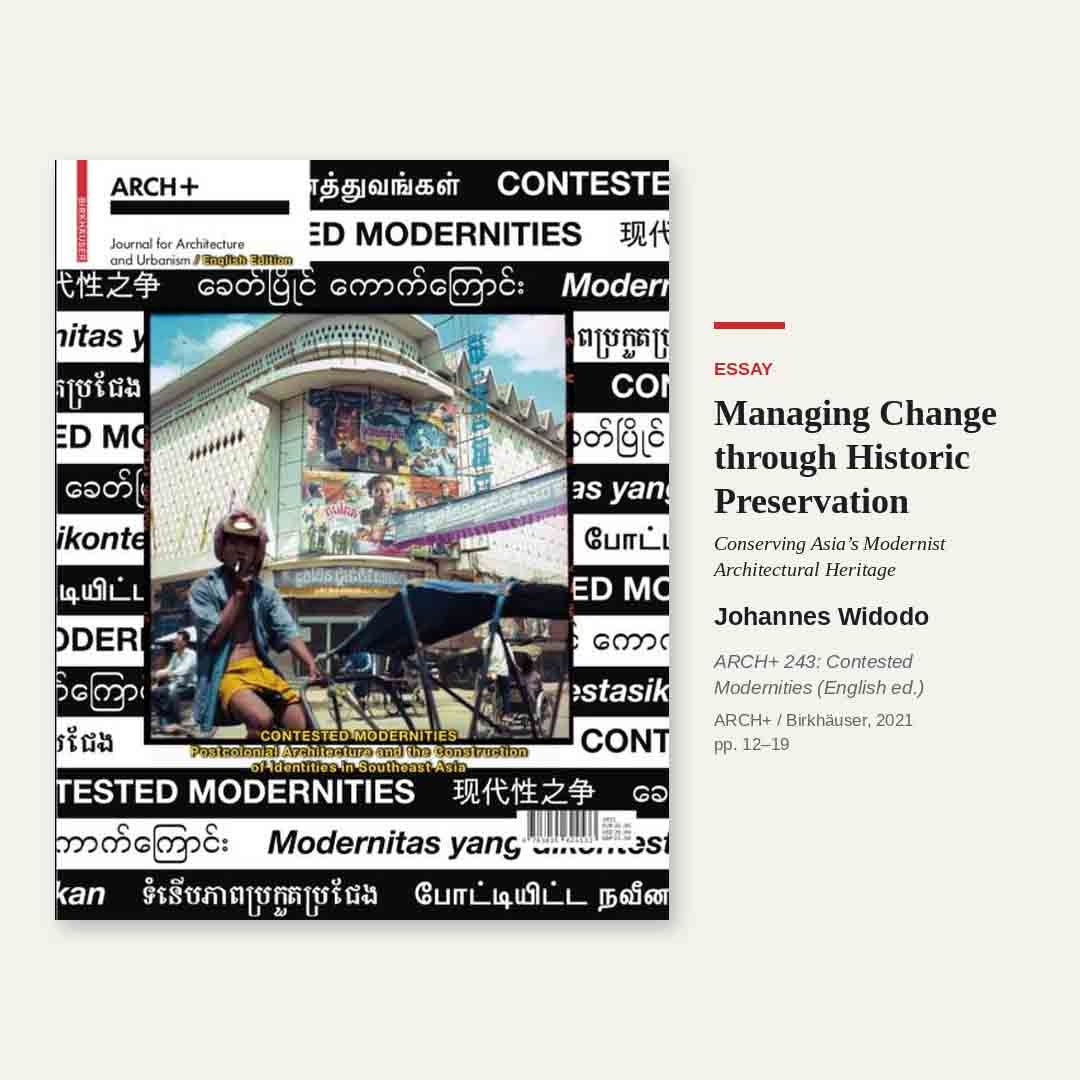
Essay in ARCH+ 243, “Contested Modernities: Postcolonial Architecture and the Construction of Identities in Southeast Asia” (April 2021) · English edition with Birkhäuser; German edition: “Denkmalpflege als Transformationsbewältigung – Die Bewahrung des architektonischen Erbes der Moderne in Asien"
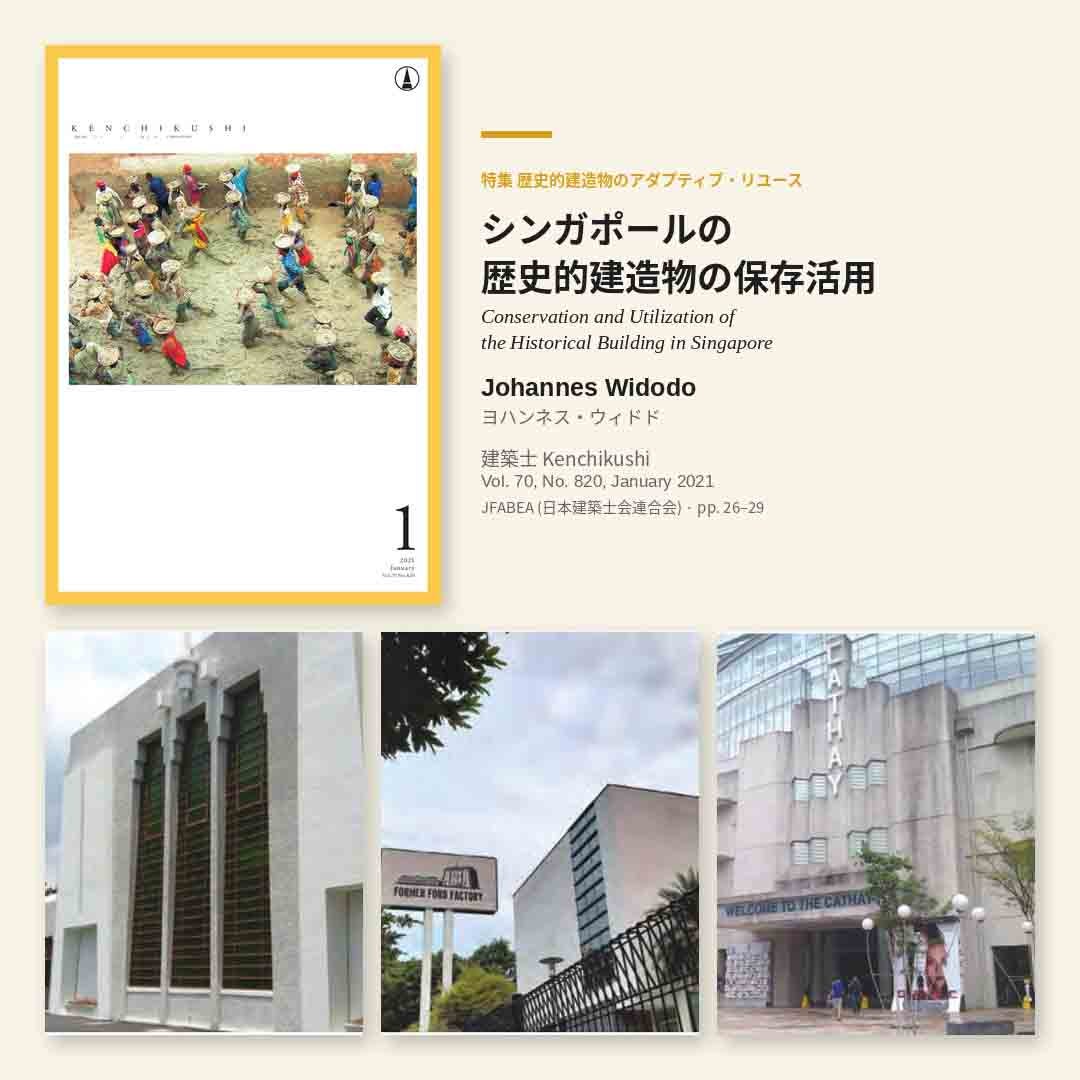
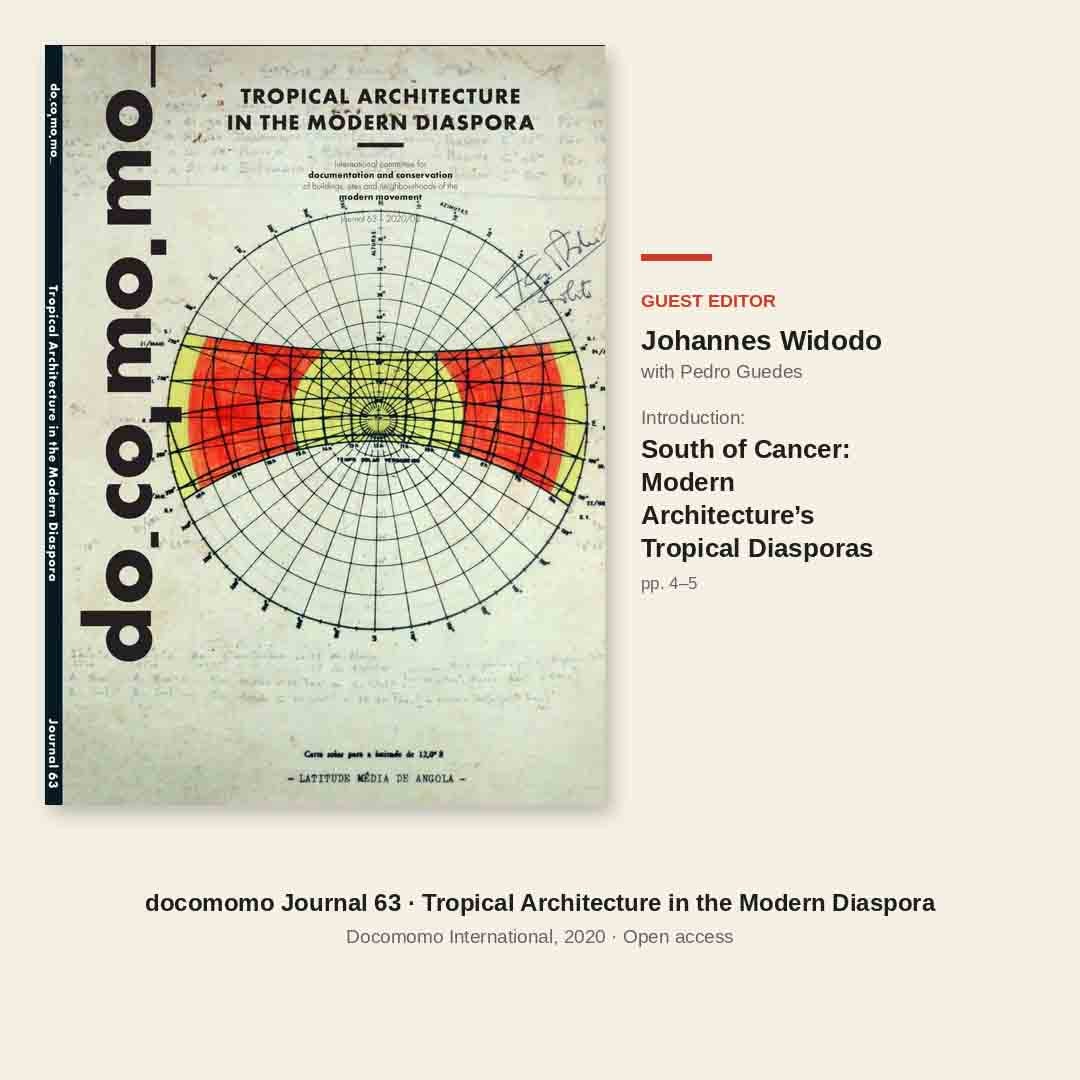
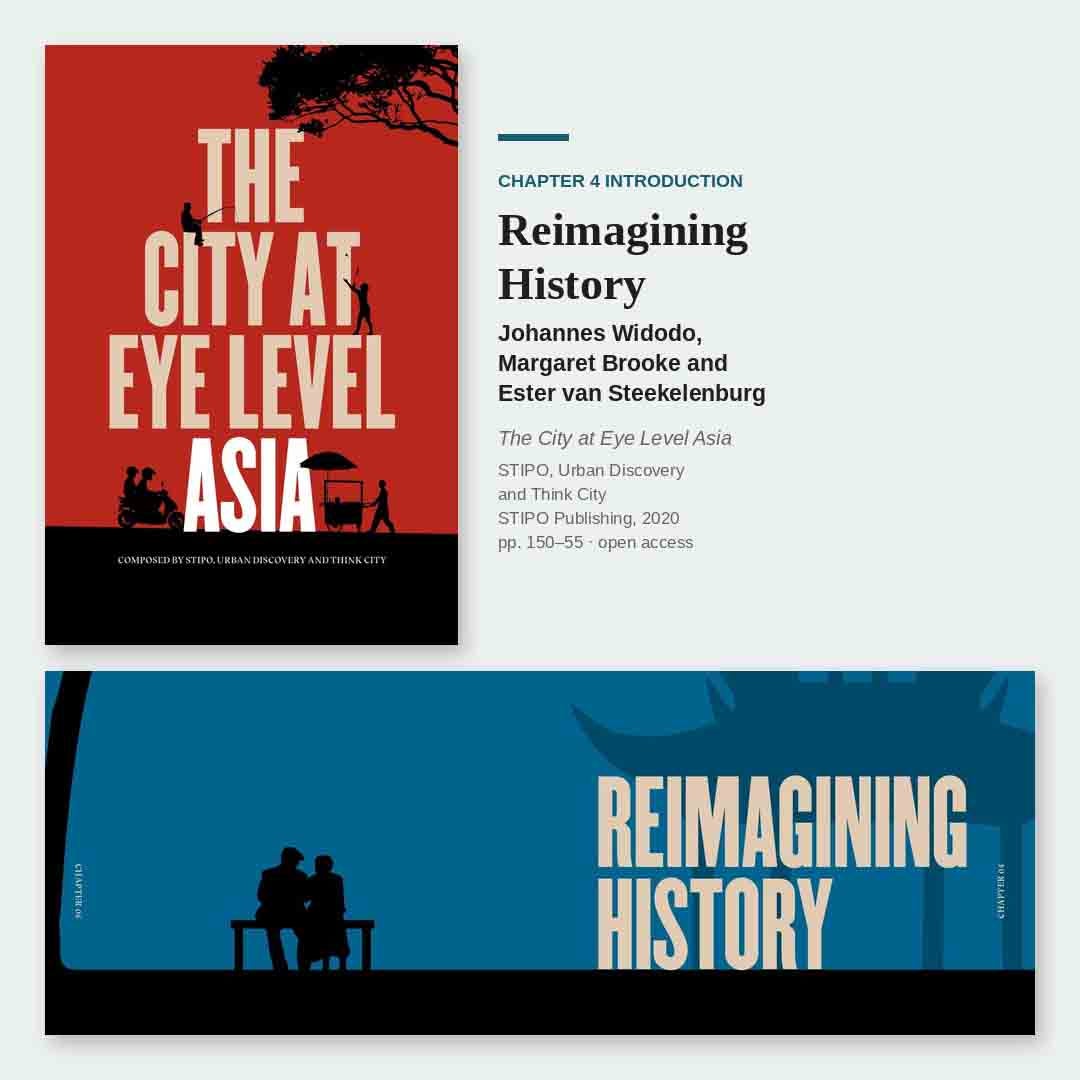
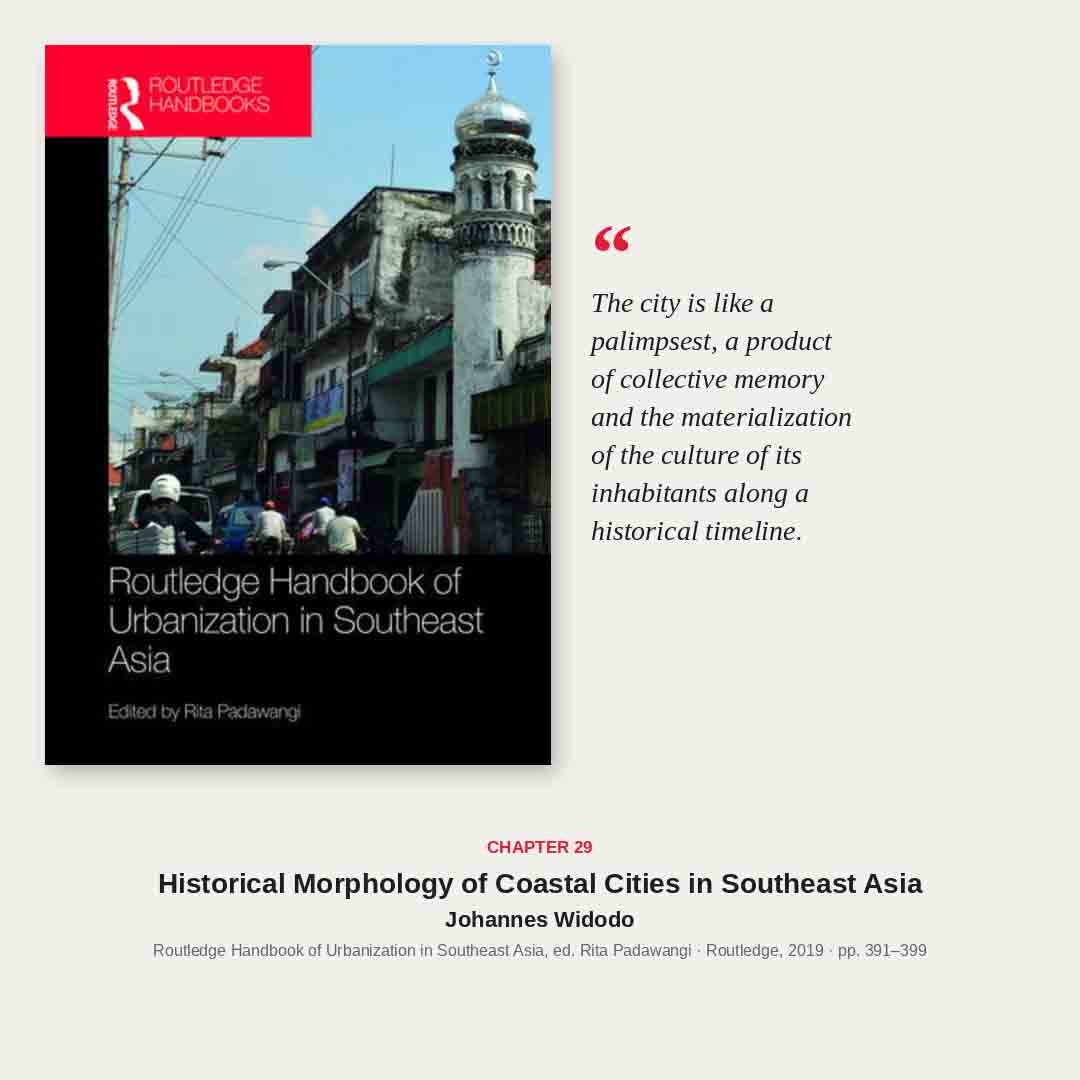
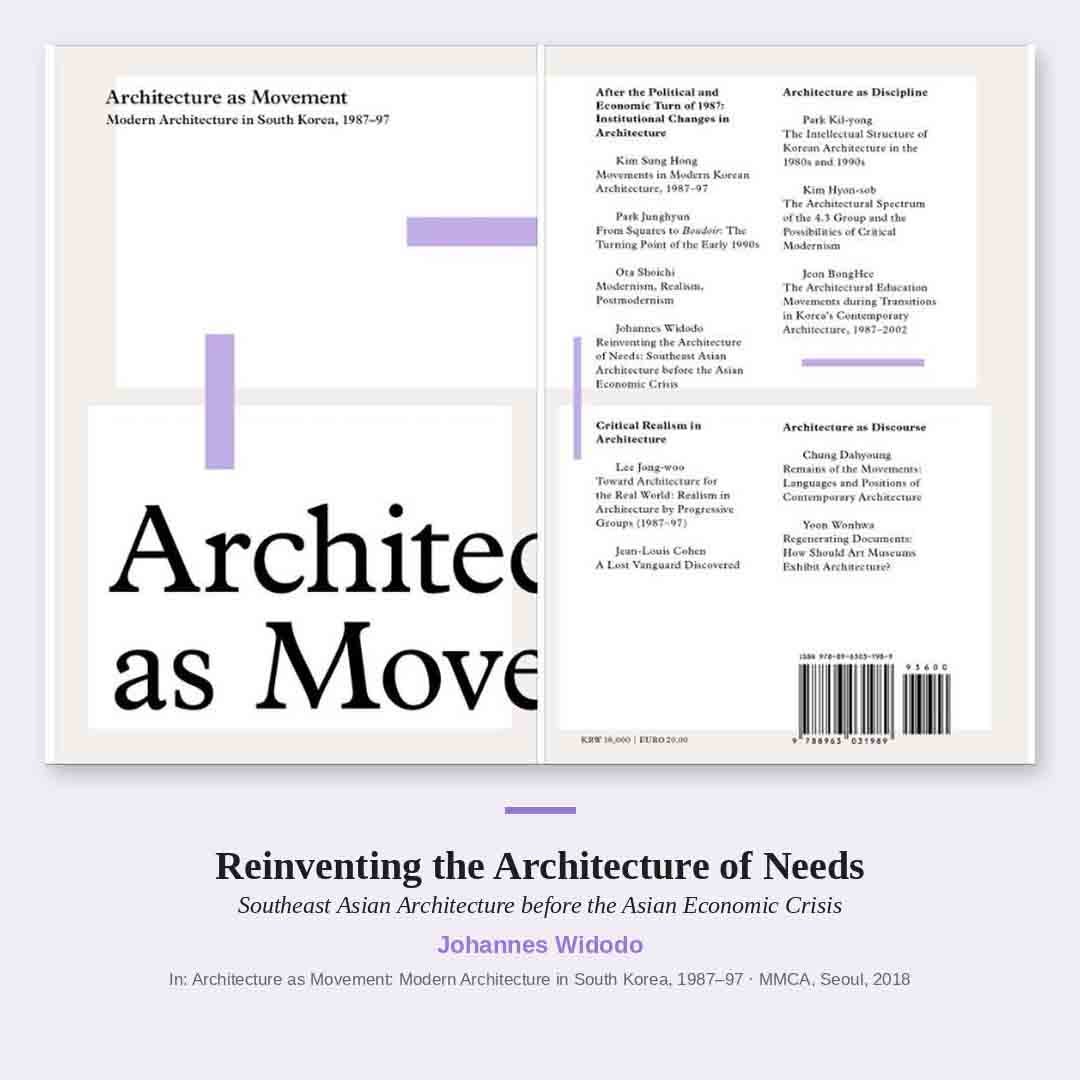
In Architecture as Movement: Modern Architecture in South Korea, 1987–97 (MMCA, 2018)
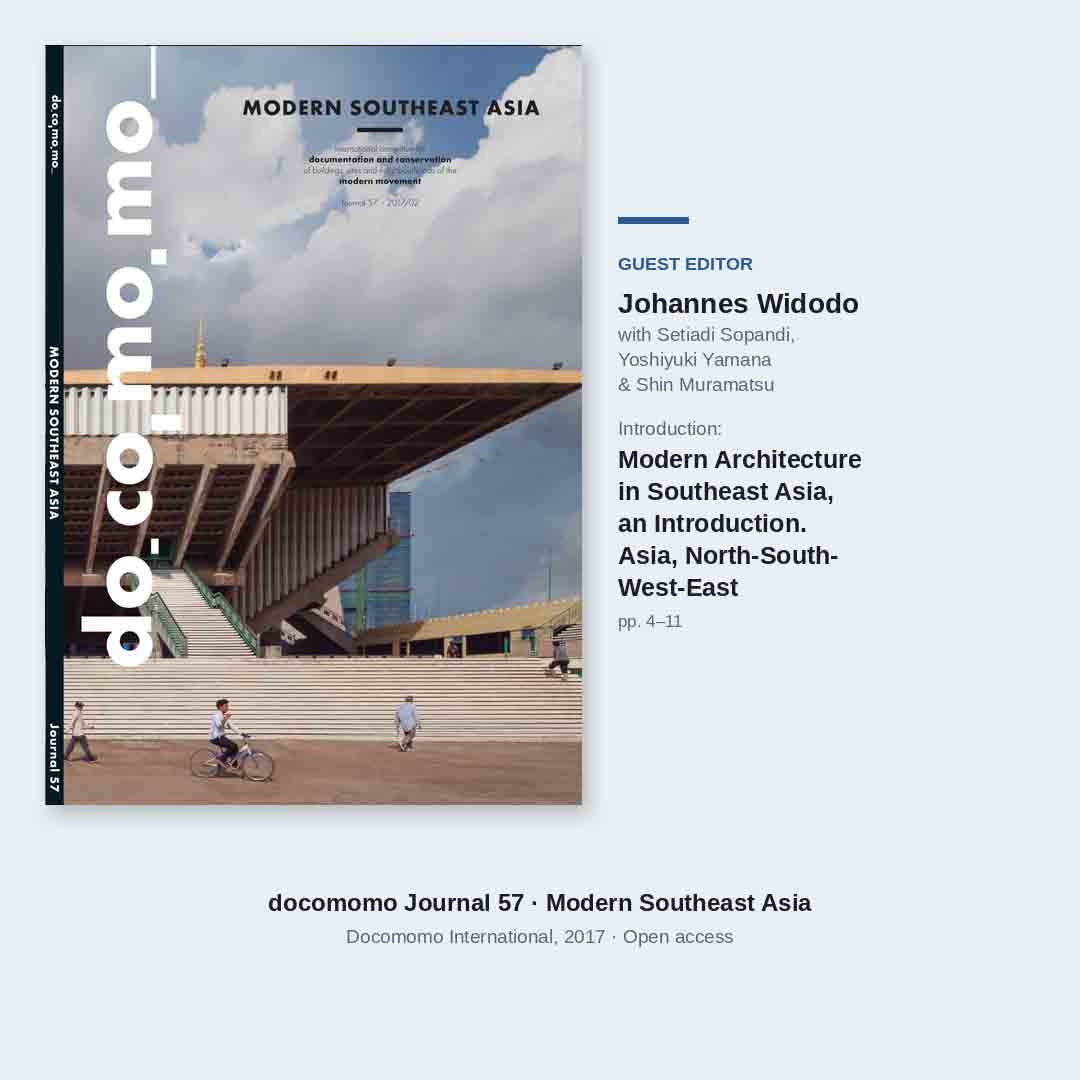
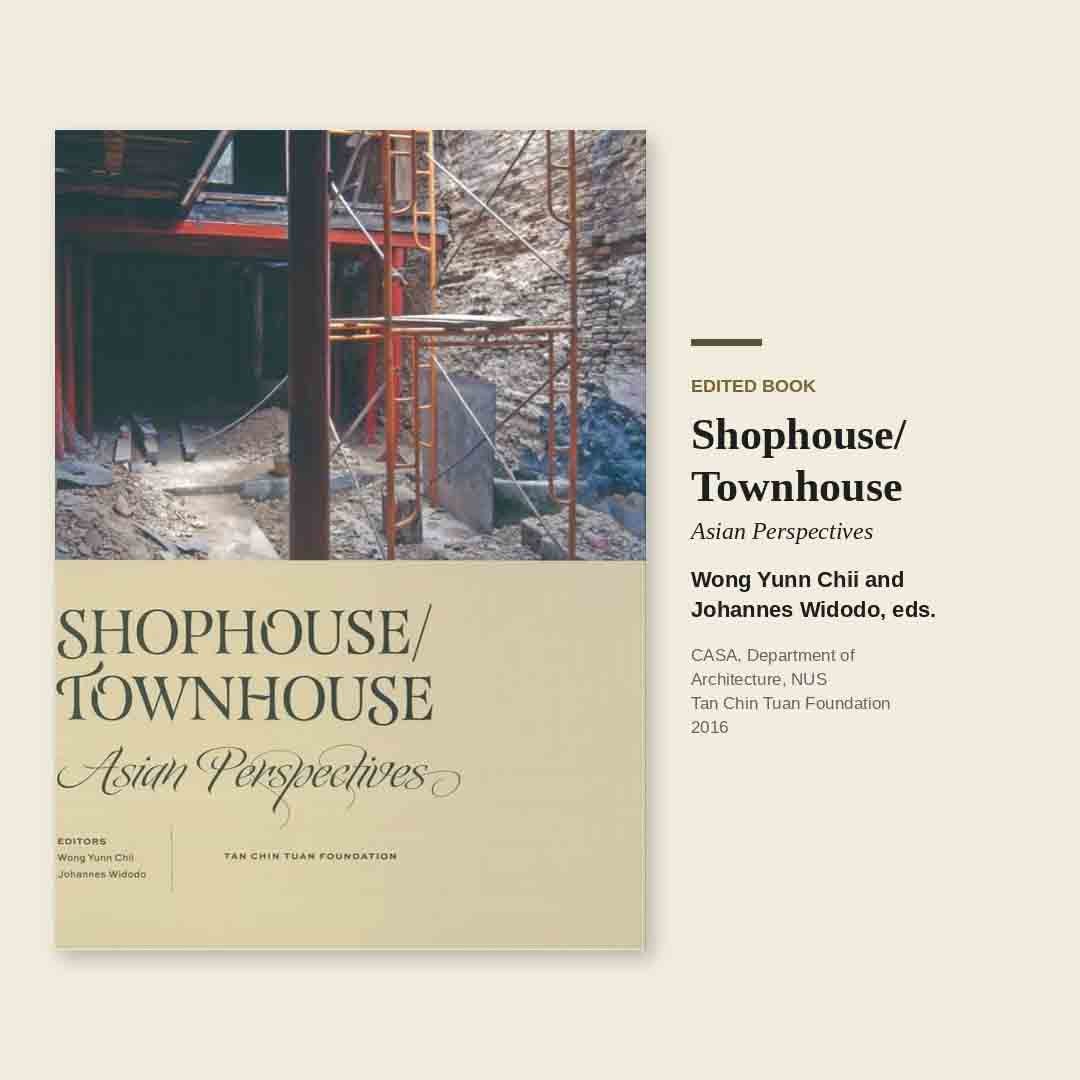
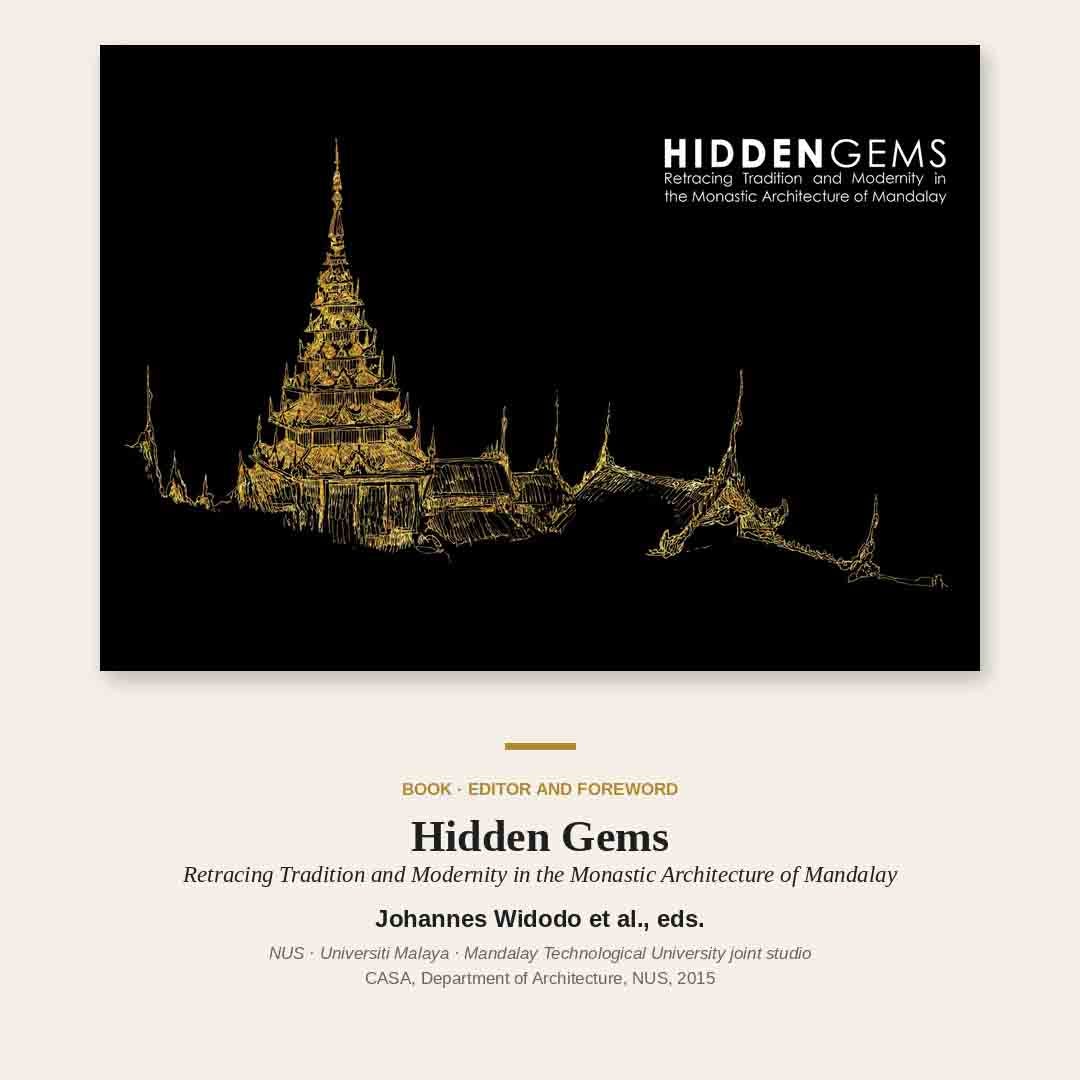
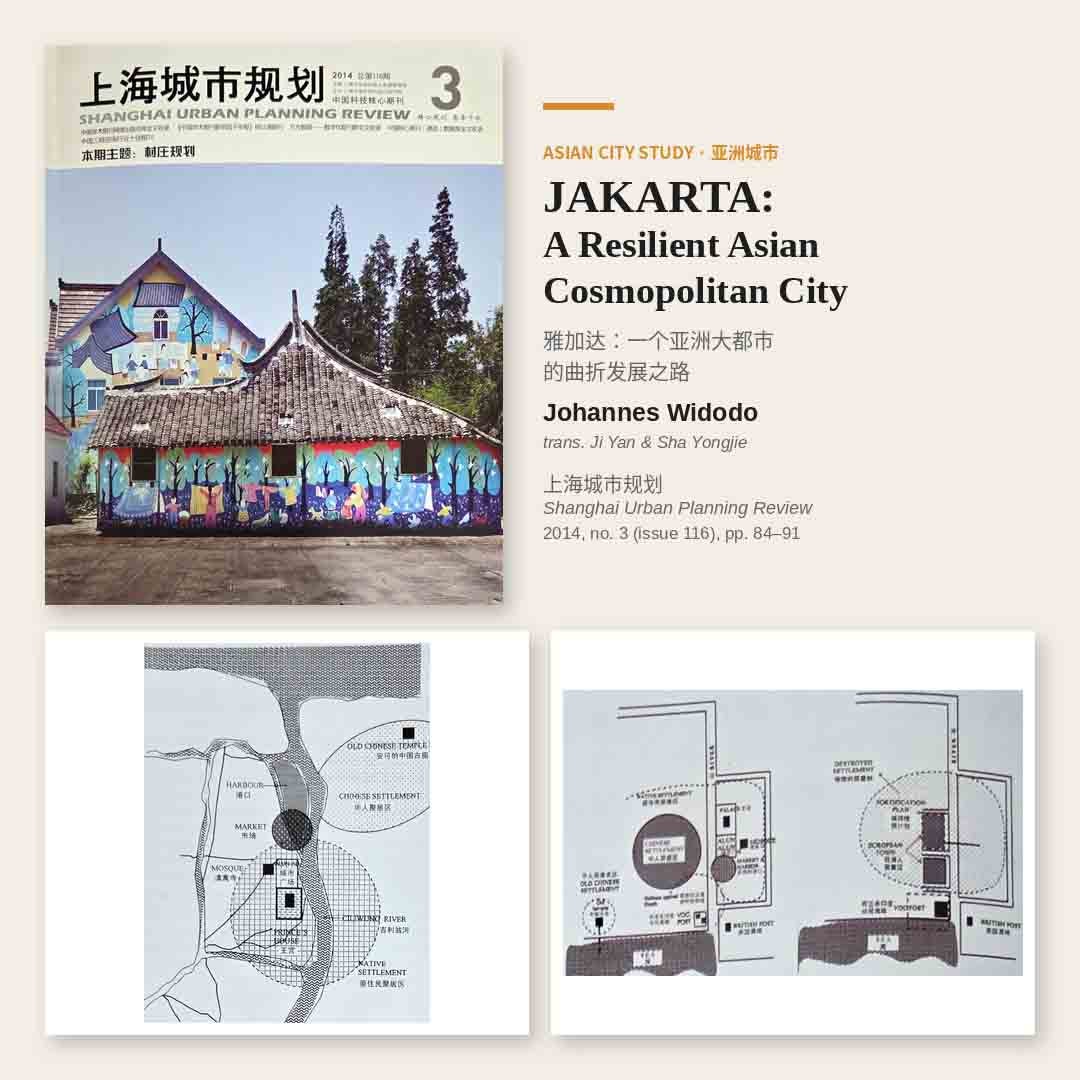
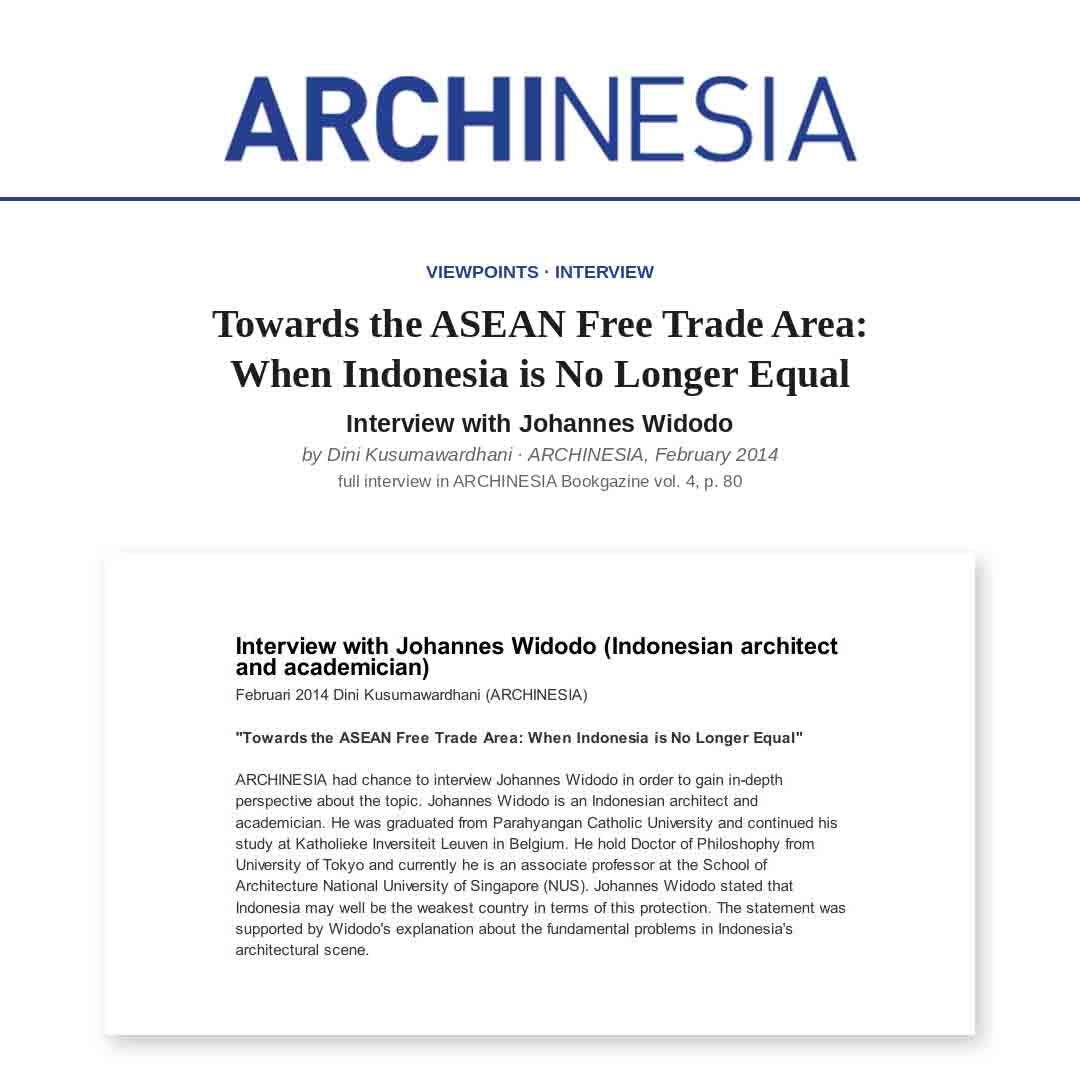
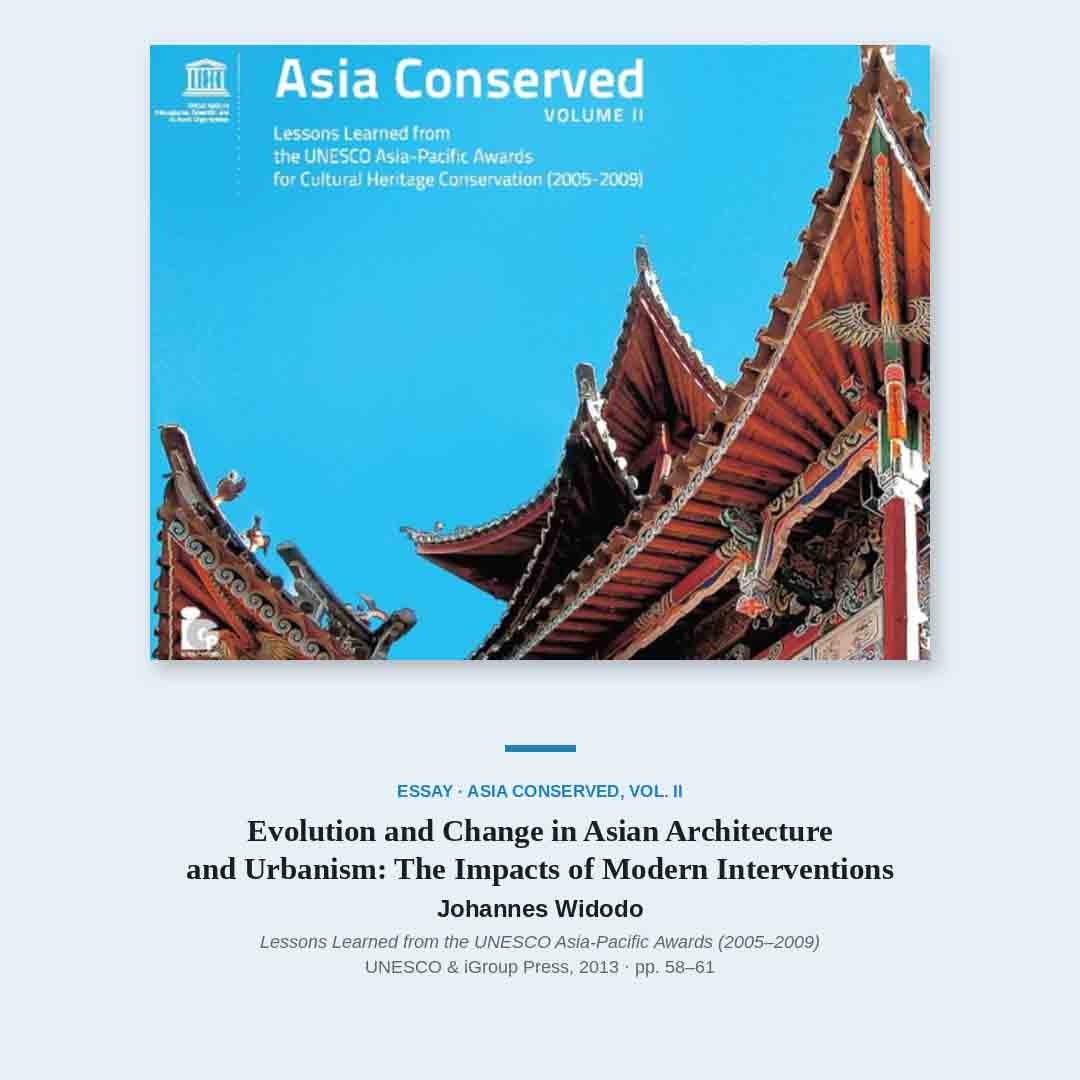
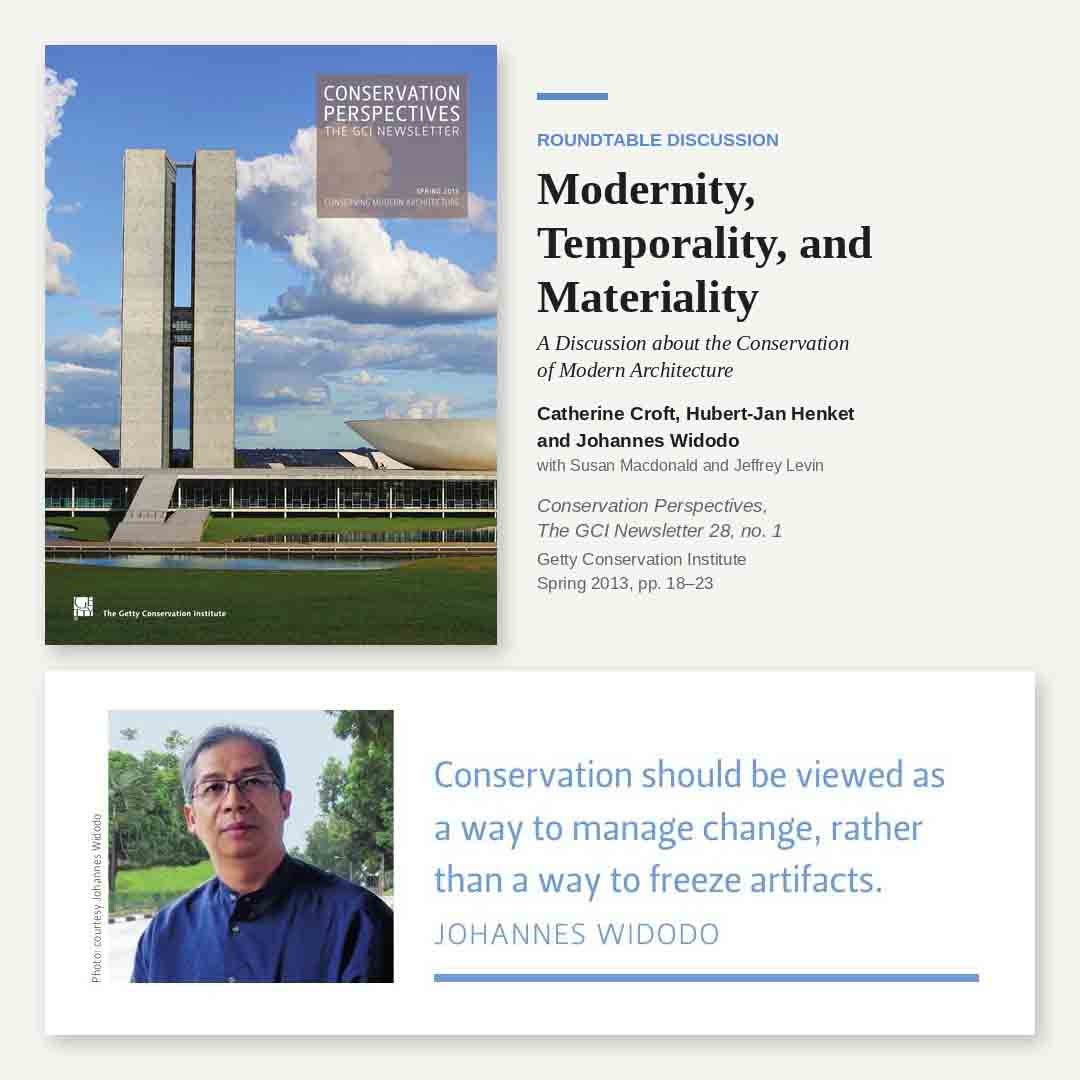
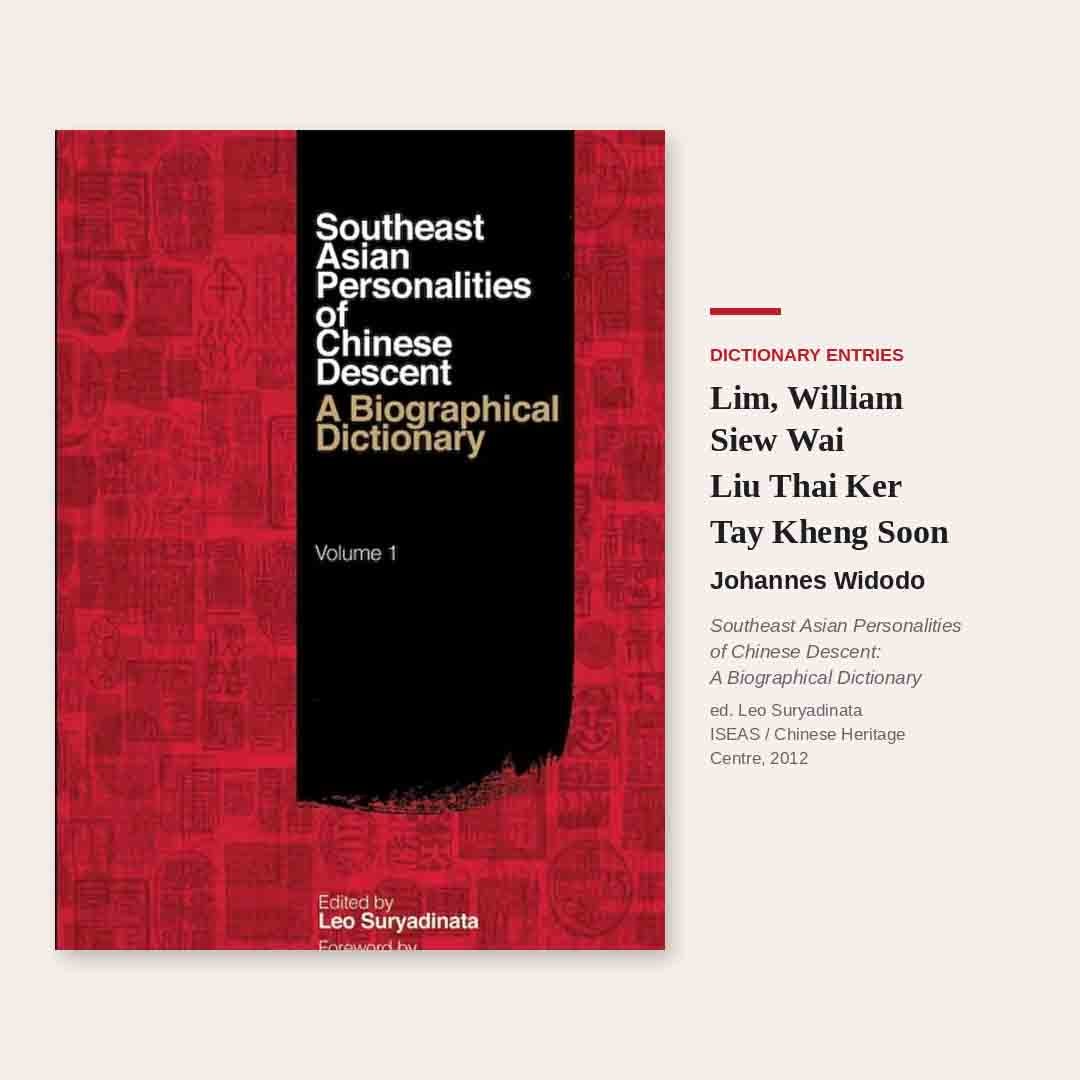
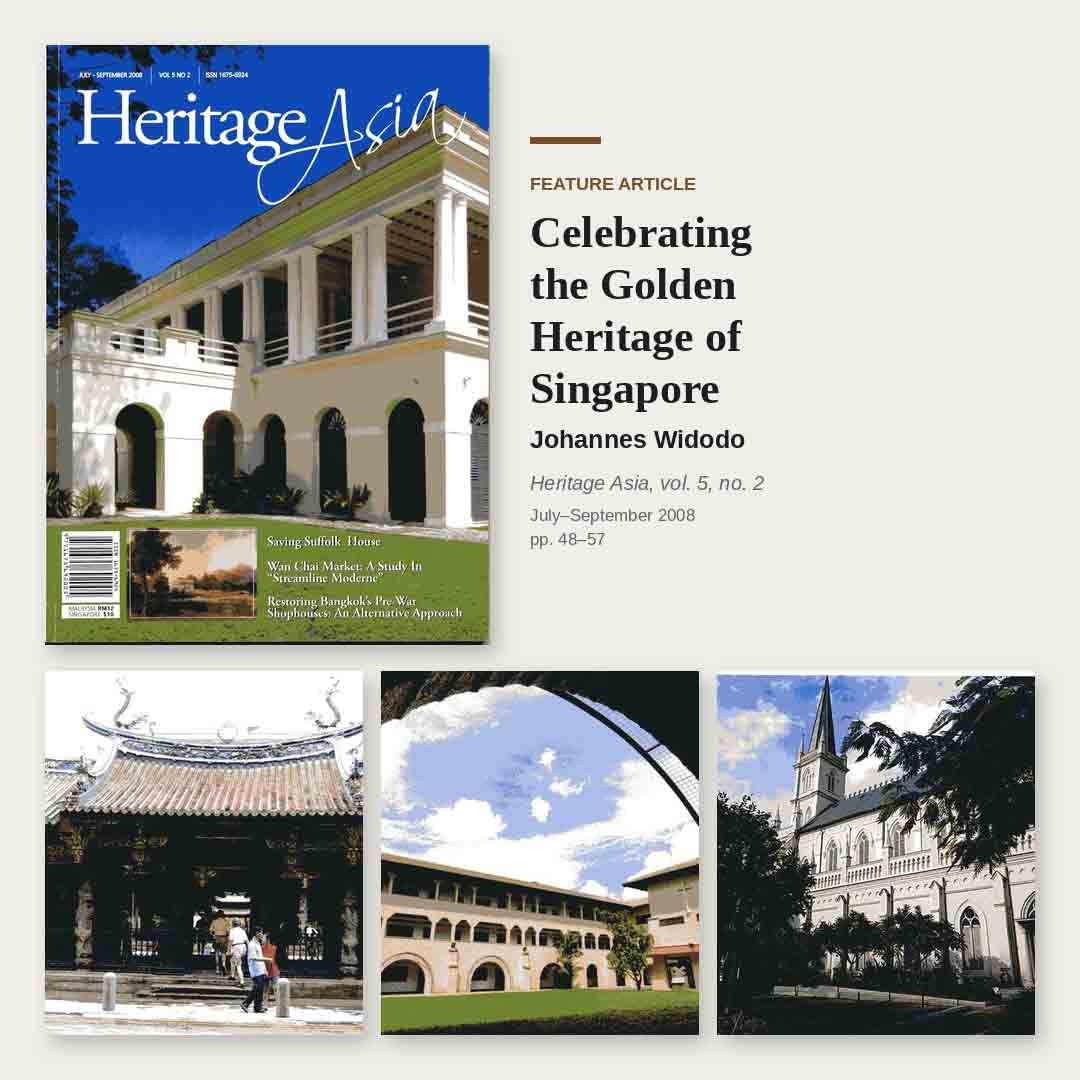
Feature article in Heritage Asia, vol. 5, no. 2 (July–September 2008) · on Singapore’s UNESCO Asia-Pacific Heritage Award winners: Thian Hock Keng Temple, CHIJMES (Convent of the Holy Infant Jesus) and Old St Andrew’s School
The Singapore Architecture Literacy (SALTY) Network is a digital initiative that aims to index and consolidate public memories and data on Singapore's architectural heritage as a "middle platform" for a multi-stakeholders urban conservation and development management system. The development of SALTY is supported by the National Heritage Board Heritage's Project Grant "Singapore Architecture Literacy (SALty): Digital Platform for Heritage Architecture & Cultural Heritage" (2019-2022, TPV: S$113,600, PI: Johannes Widodo). SALTY provides a crowd-sourced database that can spotlight sites and spaces still underrepresented in Singapore's architectural heritage landscape by collecting and presenting original contributions by interested public members alongside original research. The flexible nature of SALTY's design allows for a range of potential applications such as usage in higher education modules exploring Singapore's urban histories, in CCA programmes for students undergoing primary and secondary education that can inculcate a critical appreciation for local history and spaces, aid spatially engaged cultural mapping initiatives by NGOs and civil society, developing cultural tourism destinations and itineraries, or eventually in the implementation of UNESCO-led Historic Urban Landscape (HUL) instruments and urban conservation management plans. SALTY Platform URL: bit.ly/SALTYnet – SALTY Contribution bit.ly/SALTYentry
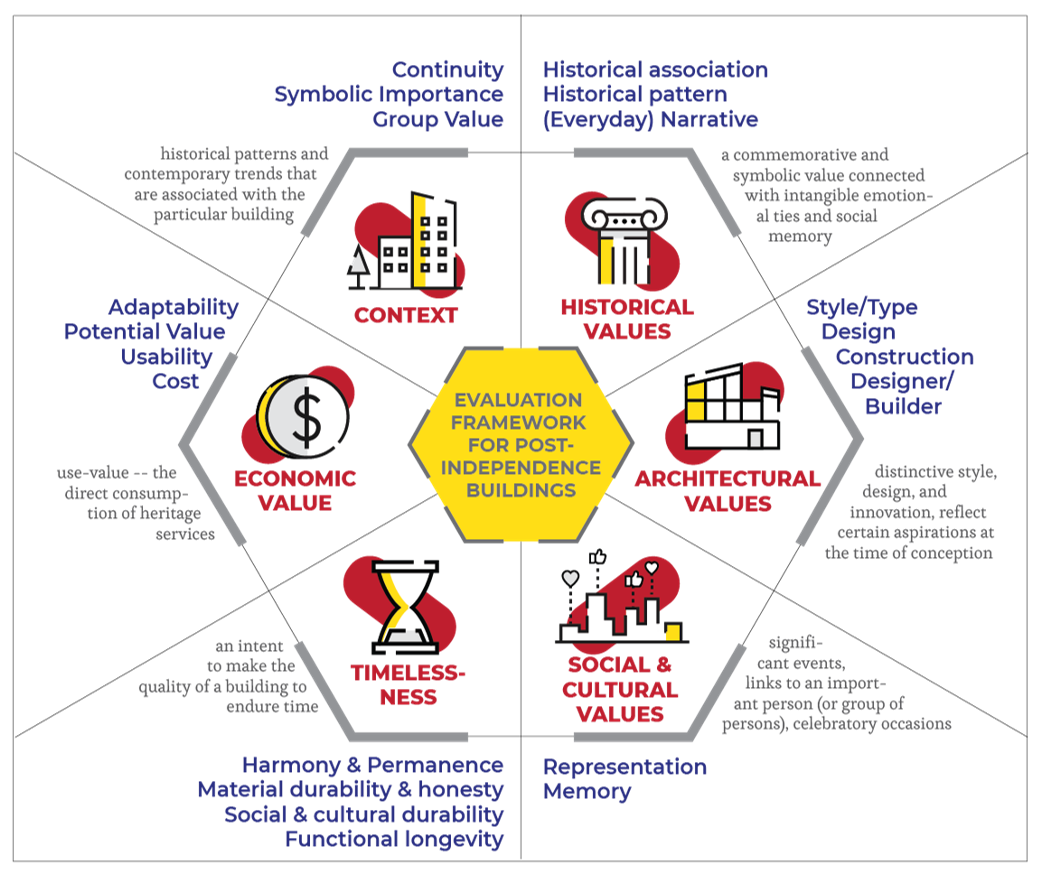
The research applies a multi-prong approach to develop a decision support system that incorporates: (1) an assessment framework that allows for a comprehensive, transparent, and critical assessment of the historical, social-cultural, and architectural significance of post-independence buildings; (2) an economic evaluation tool that assesses these buildings in light of current market imperatives, taking into account economic costs, long-term viability, functionality, and sustainability; and (3) a critical understanding of the prevailing sentiments, contemporary values, and attitudes toward post-independence buildings. Research team: Principal Investigator: Johannes Widodo (Department of Architecture, NUS), Co-Investigator: Fu Yuming (Department of Real Estate, NUS); Ho Weng Hin (Studio Lapis): Special Advisor, Former PI: Malone-Lee Lai Choo, Research Assistants: Quyen Duong, and Ivan Nasution.