MLA Options Studio Field Report: LA4702/LAD4010 | MLA Studio City/ Design 8: Computational Waters: Restoration of the Headwaters in West Java through a Computational Volumetric Water Benefit Accounting Framework
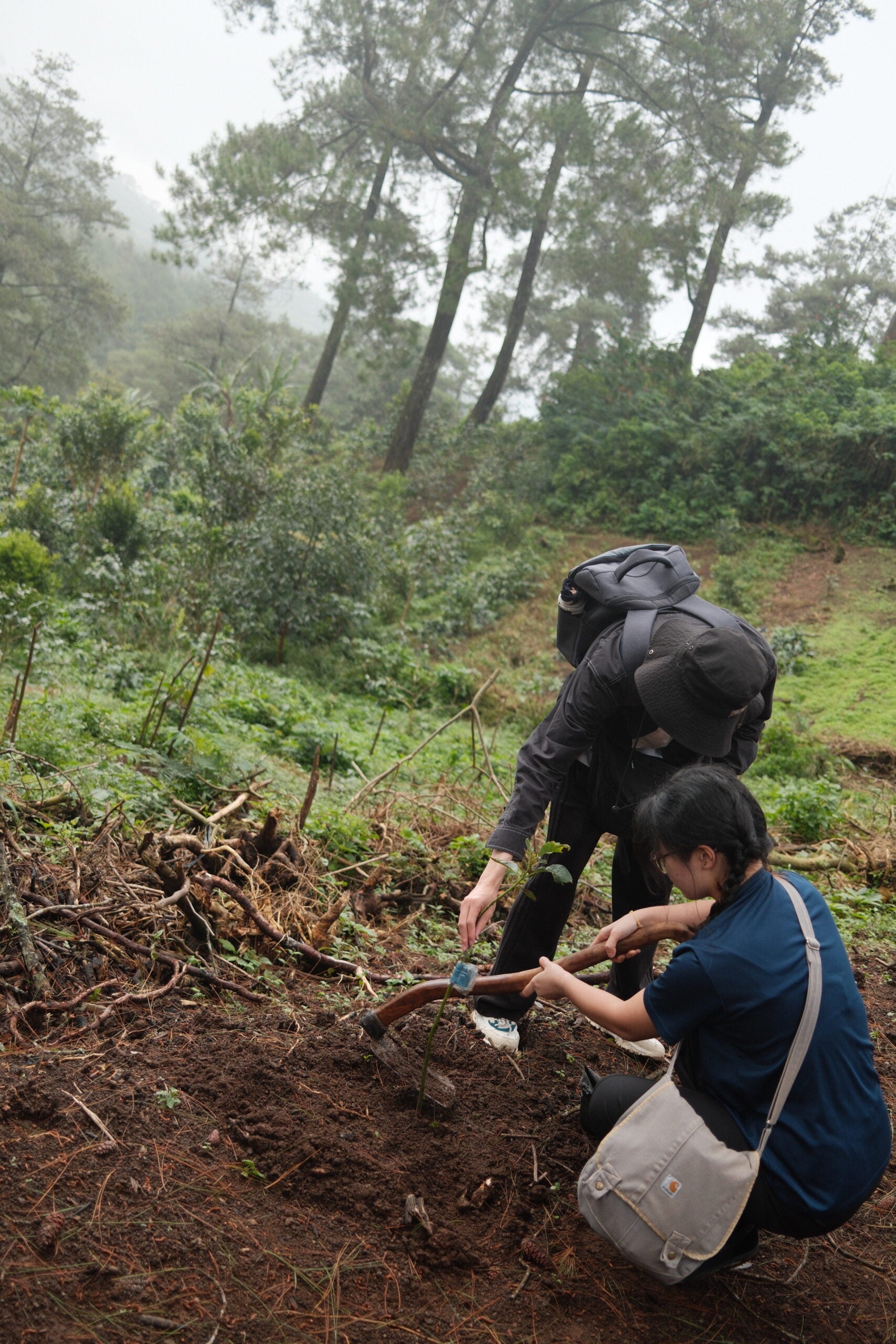
From 2 to 6 February 2026, the Computational Waters Option studio conducted fieldwork led by tutor Ervine Lin. The studio, formed in collaboration with Conservation International (CI) and Konservasi Indonesia (KI), focuses on an attempt to adapt the Volumetric Water Benefit Accounting (VWBA) Framework to landscape architectural practice, specifically focused on the upstream landscapes of West Java, Indonesia. This framework hypothetically uses water as a common denominator in evaluating potential improvements.
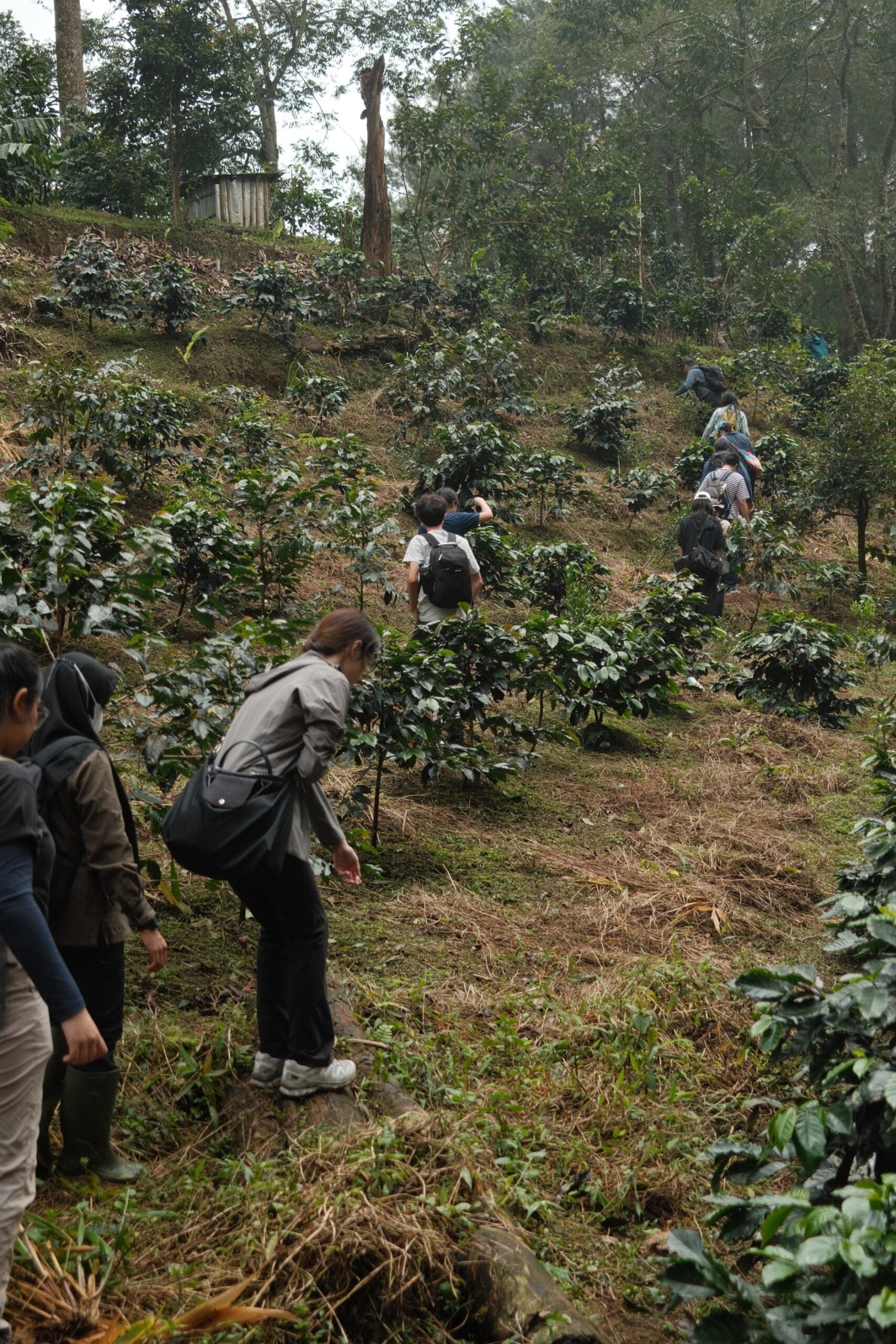
The fieldwork centered on both previously restored sites in Ambarjaya and prospective restoration areas in Ciloto and Munjul. The students encountered site conditions that challenged map-based assumptions, including extreme weather variations, difficult terrain, unclear land boundaries and language barriers. These experiences bridged the gap between abstract data and lived realities.
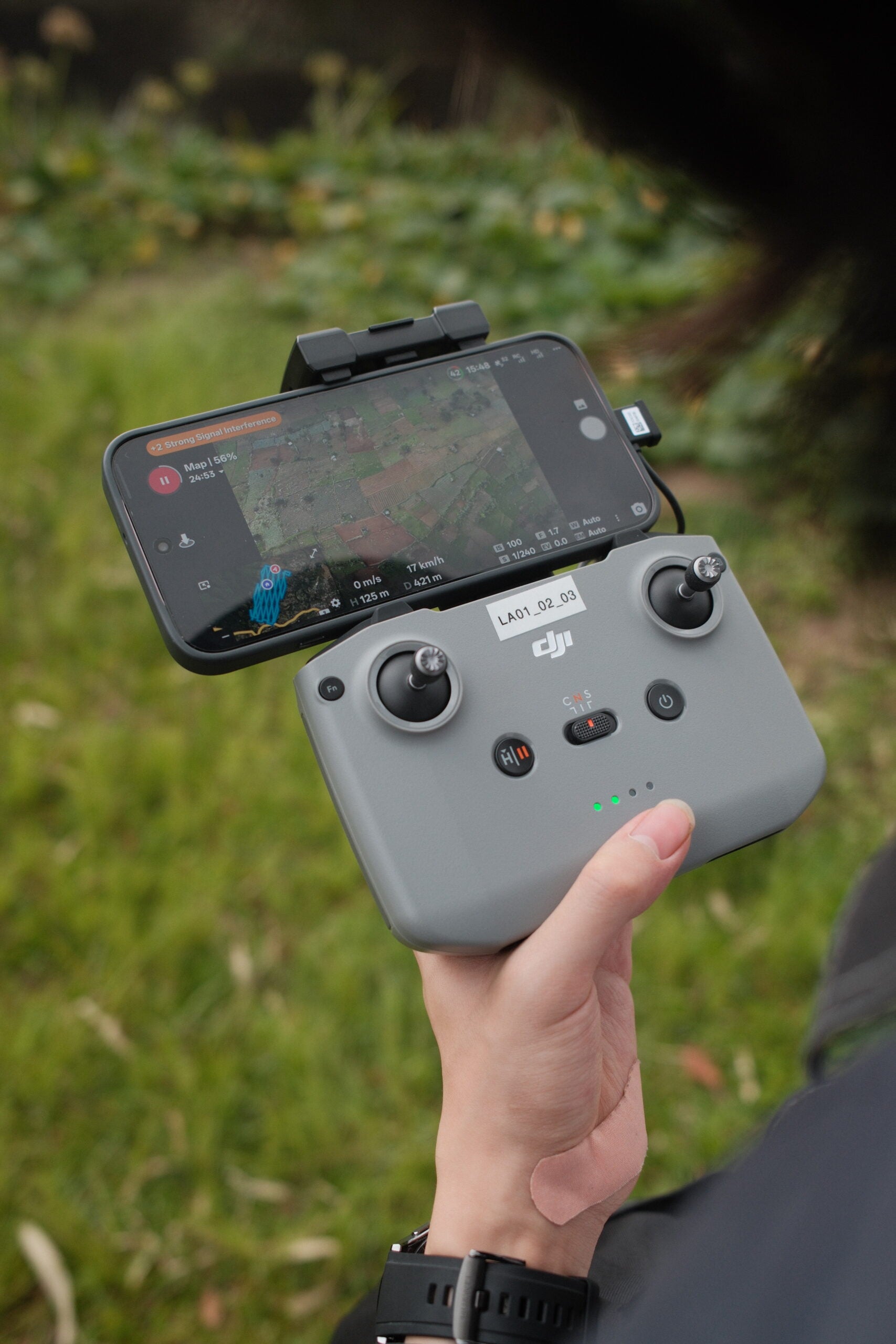
Despite these constraints, the students employed mini drones to capture high-resolution spatial data across multiple sites, including areas up to 200 hectares in a single session. This allowed the group to have critical information in forms of orthographic imagery, digital terrain and surface models and 3D point clouds.
The field trip offered firsthand insight into the challenges of landscape restoration at scale and reinforced the role of landscape architects in integrating computational tools with grounded, site-based knowledge to support more precise and adaptive environmental interventions.
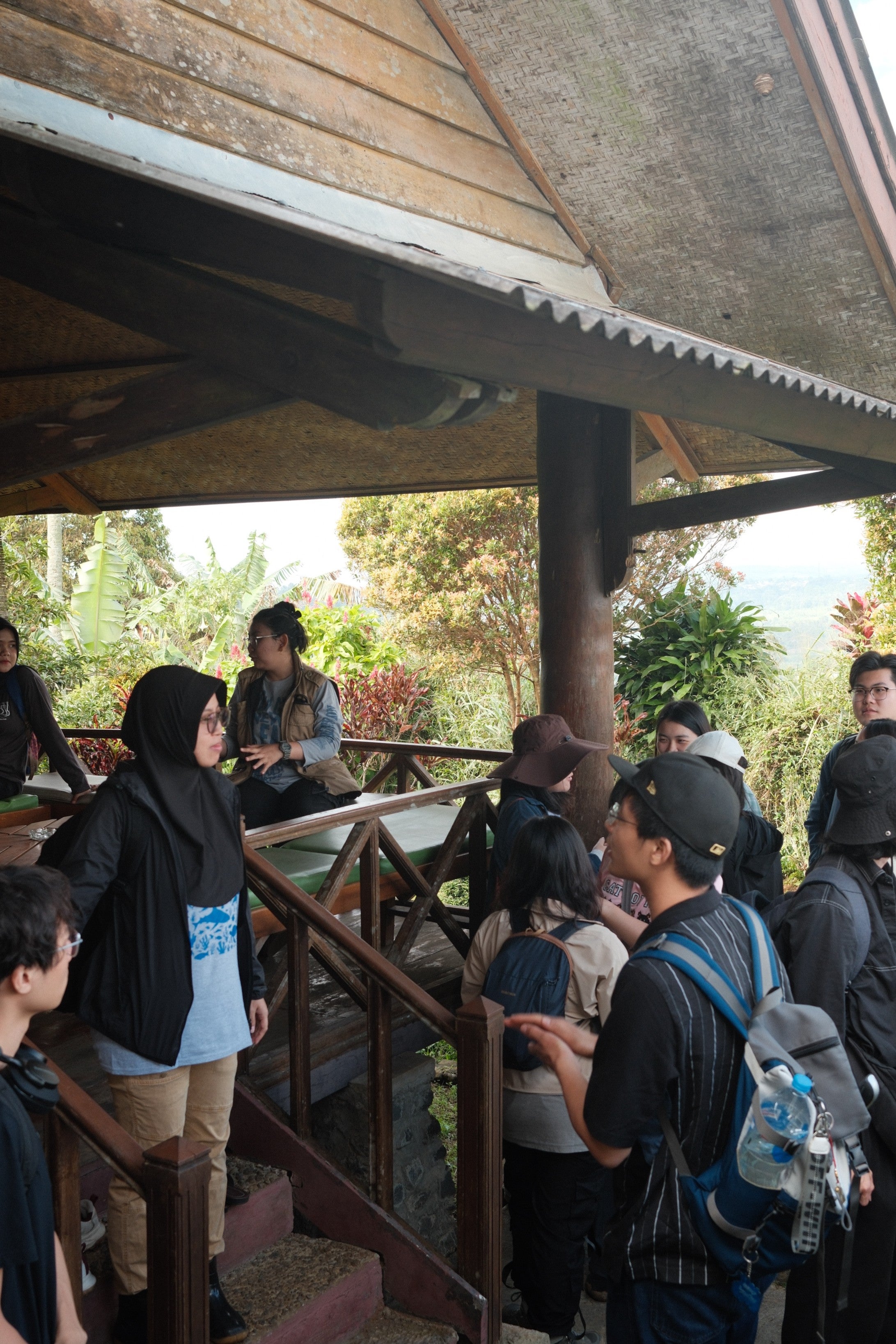
The students will present their final projects on 22 April 2026 at NUS.