NUS DOA Research Contributes To Award-Winning Physical AI Innovation In China
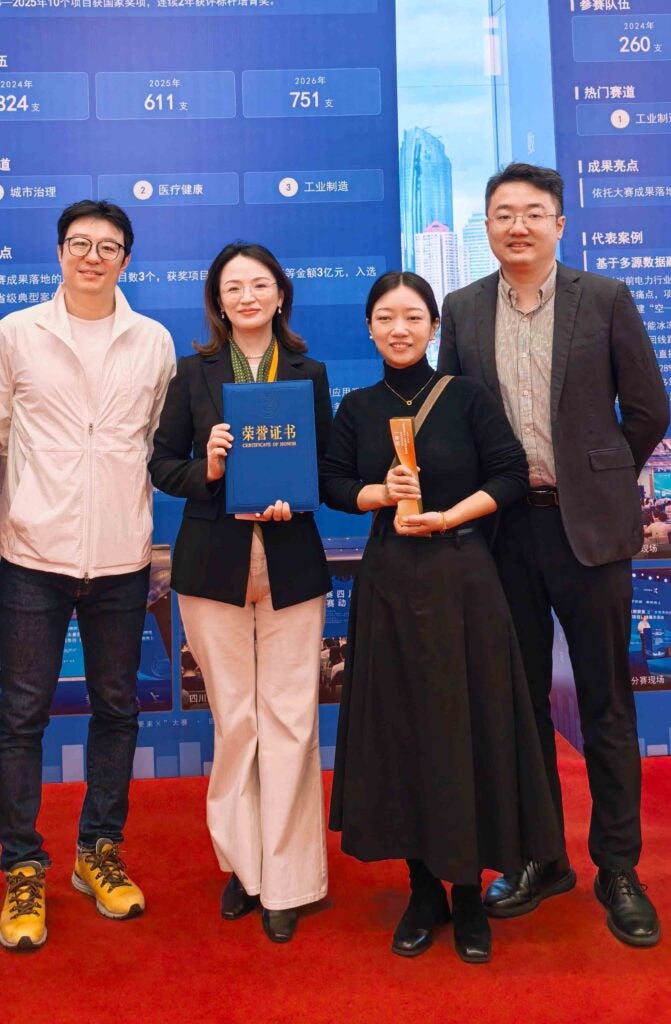
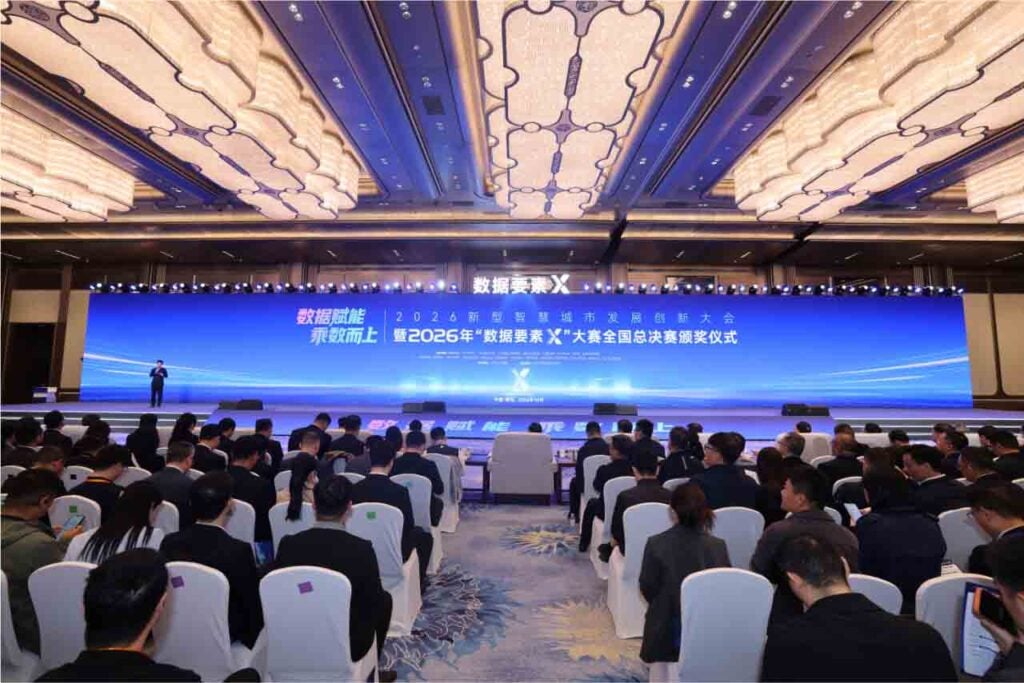
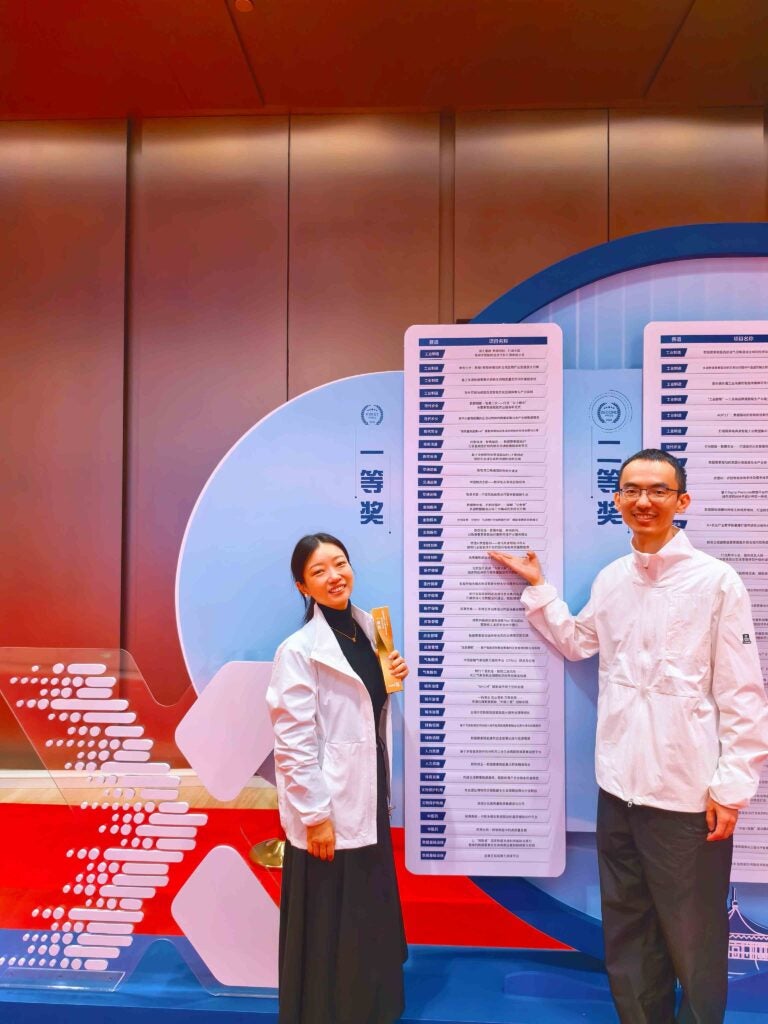
PhD candidate Cao Qian co-led the Xingzhu Qingchuan Cloud Alliance to secure First Prize in the National Science and Technology Innovation Track of the 2026 “Data Elements×” Competition in China(opens in new tab). Their award-winning project, “Physical AI Data Foundation: Spatial Intelligent High-Quality Dataset for Embodied Intelligence Training and Intelligent Agent Development in the Construction Industry,” was recognised for its innovative contribution to advancing artificial intelligence for the built environment.
As a representative of the alliance, Cao Qian presented the project during the competition. The award-winning submission emerged from a major research and development initiative administered by China State Construction Engineering Corporation Limited and led by the China Southwest Architectural Design and Research Institute Corp., Ltd. Project partners include the National University of Singapore (NUS), Shenzhen General Institute of Architectural Design and Research Co., Ltd., and Tsinghua University. The project, titled “Development of a Spatial Intelligence Database and Generative Models for Robot Simulation Training Environments,” explores how large-scale built environment data can be transformed into training resources for physical AI systems.
“When we entered the “Data Elements ×” Competition, we hoped to turn research that began during my PhD into a practical response to an AI data bottleneck. As AI moves into physical spaces, robots need more than images and motion data: they must understand how spaces connect, what engineering rules allow, and how actions change their surroundings.”
- Cao Qian (NUS PhD Candidate)
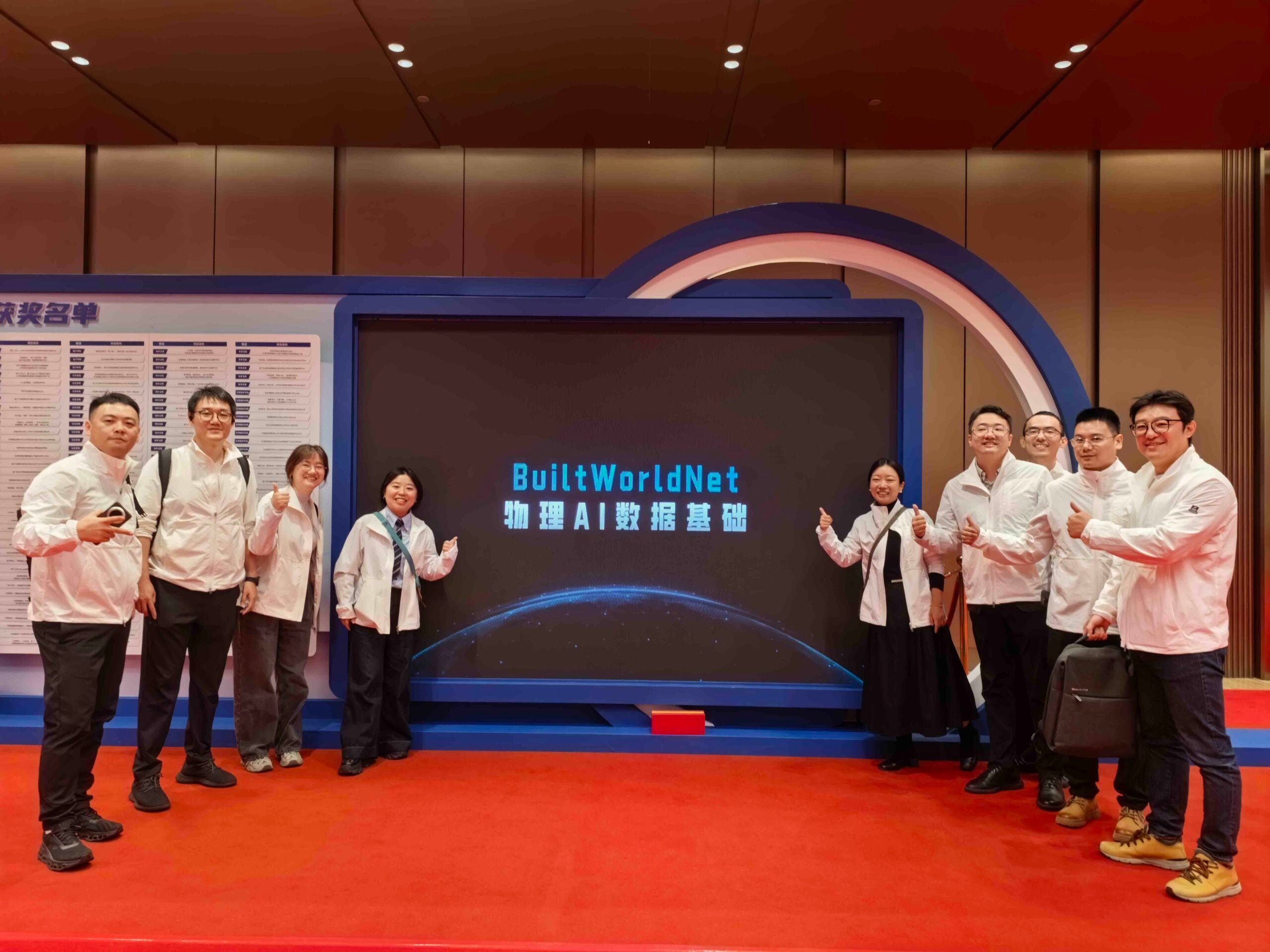
Drawing on data from more than 20,000 engineering projects accumulated by China State Construction, the research team established robust processes to verify data rights, remove sensitive information and structure engineering knowledge into BuiltWorldNet, a high-quality spatial intelligence dataset. This dataset was subsequently used to train a world-state data generation model capable of creating simulation environments and task datasets that adhere to engineering principles and physical constraints. The resulting framework serves as a foundational knowledge base for training and evaluating embodied AI systems in the built environment.
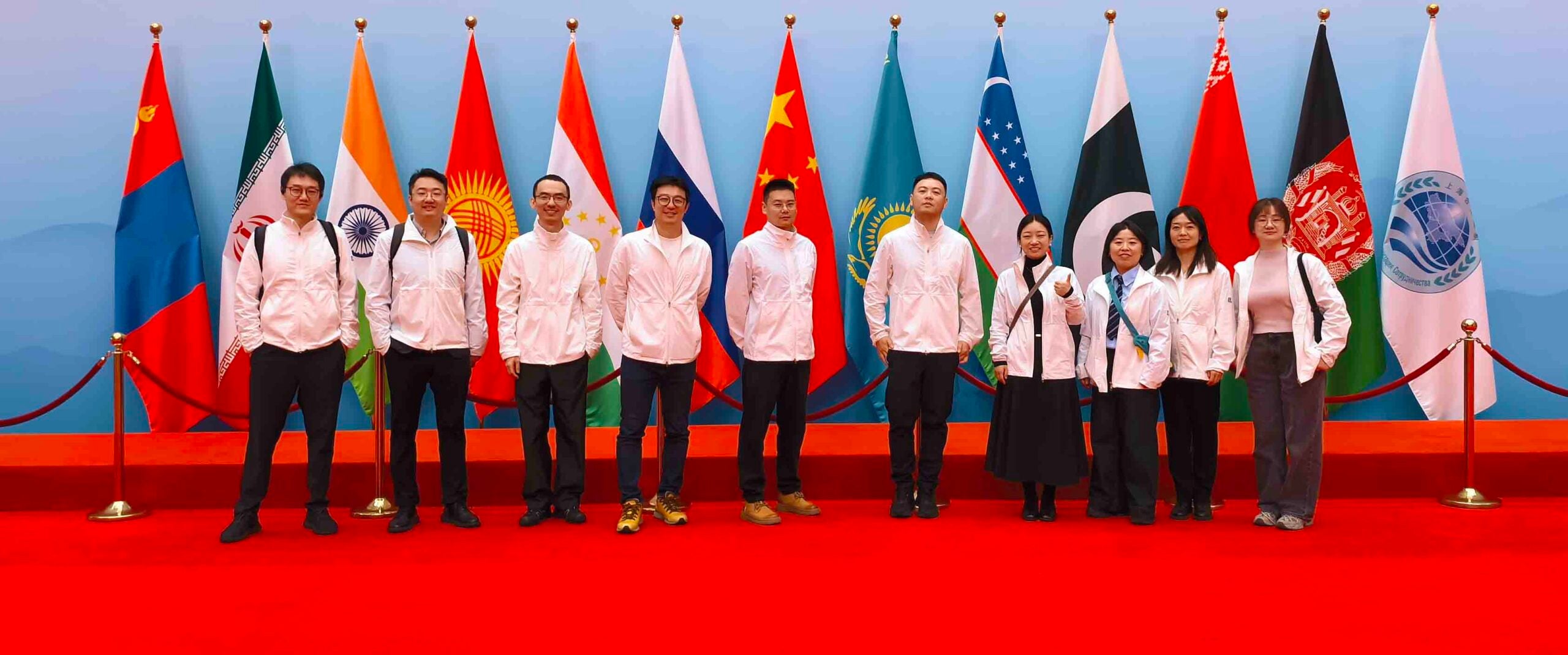 CAO QIAN (FOURTH FROM RIGHT) AND FELLOW TEAM MEMBERS, INCLUDING LI YANG (THIRD FROM LEFT), AT THE 2026 “DATA ELEMENTS×” COMPETITION IN CHINA
Reflecting on the journey to the national finals, Cao Qian noted that the team's preparation centred on a series of fundamental questions: Where does the data come from? How can engineering expertise be translated into machine-readable knowledge? How can the realism and usefulness of AI-generated environments be assessed? Bringing together expertise from architecture, engineering, data science and artificial intelligence, the team continuously challenged assumptions, refined methodologies and strengthened the project's practical relevance. Their collaborative research experience at NUS played a significant role in integrating these diverse perspectives into a coherent and impactful approach.
The national finals underscored the importance of demonstrating not only technical innovation, but also real-world value, scalability and practical applicability. Cao Qian expressed gratitude for the interdisciplinary research environment at NUS and the support of her supervisor, Associate Professor Rudi Stouffs, whose guidance in research methodology and scholarly communication helped shape the work. Together with collaborators from China State Construction, the team transformed knowledge embedded in engineering drawings, models and construction data into training resources that enable machines to better understand and interact with the physical world.
In addition to Cao Qian and Assoc Prof Rudi Stouffs, several NUS alumni and former PhD researchers contributed to the scientific team behind the Xingzhu Qingchuan Cloud Alliance, including Chen Jielin (Cambridge Centre for Advanced Research and Education in Singapore), Li Yang (China Construction Southwest Research Institute), Abraham Wu (Tsinghua University) and Pei Wanyu (NUS Department of the Built Environment). Their contributions reflect the strength of NUS's global research network and its continued impact on advancing innovation at the intersection of the built environment, data science and artificial intelligence.
About the Competition
The 2026 "Data Elements ×" Competition is one of China's premier national innovation platforms and was jointly organised by 20 government agencies, including the National Data Administration, the Cyberspace Administration of China, and the Ministry of Industry and Information Technology of China. The Xingzhu Qingchuan Cloud Alliance comprises leading academic and industry partners, including the China Construction Southwest Research Institute, Beijing Galaxy General Robotics, Tsinghua University, the Sichuan Construction Science and Technology Development and Information Center, and China Electronics Cloud Computing Technology Co., Ltd.