

LOW CARBON ENERGY CONVERSION
The MSE department is at the forefront of sustainable technology, developing groundbreaking materials and devices to address critical global energy and environmental issues. Our research covers a broad range of topics, including the development of hybrid solar cells that surpass the performance of traditional silicon-based technologies in both efficiency and cost-effectiveness. We are also pioneering new catalysts and fuel cells for green energy production, as well as creating polymer thermoelectric materials for energy harvesting. These efforts are grounded in core materials science principles and advanced characterisation techniques, allowing for a comprehensive study of material properties and behaviours. By fostering cross-disciplinary collaboration, the department not only drives scientific innovation but also shapes the future workforce, training materials scientists and engineers equipped to tackle sustainability challenges ahead.
Andrew B. Wong(opens in new tab)
Daniel Chua(opens in new tab)
Nano Materials For Water Splitting

Ding Jun(opens in new tab)
Nanomaterials Fabrication and Their Applications

Fu Xianbiao(opens in new tab)
Dynamic Catalysis and Electrosynthesis

He Qian(opens in new tab)
Atomic Structure of Nanomaterials at Their Working Environment
Liang Feng(opens in new tab)
Materials and Mechanisms for Critical Energy Systems
Mao Xianwen(opens in new tab)
Operando Imaging-guided Materials Design for Sustainability and Healthcare
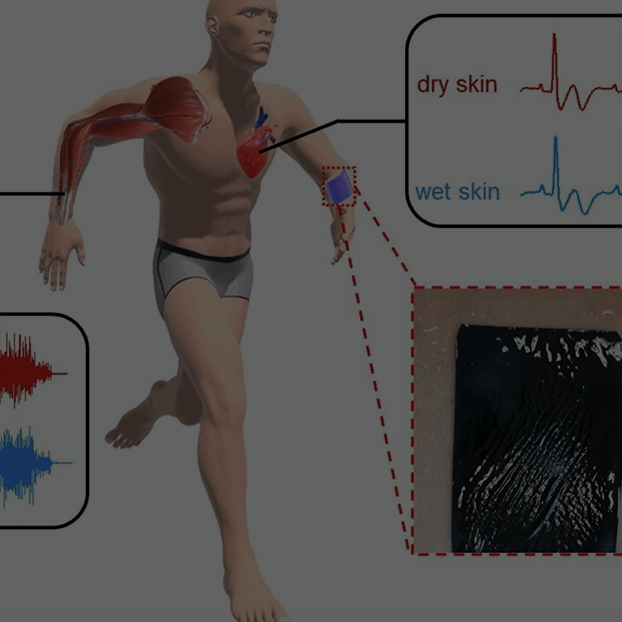
Ouyang Jianyong(opens in new tab)
Organic and Nano Electronics (ONE) Lab
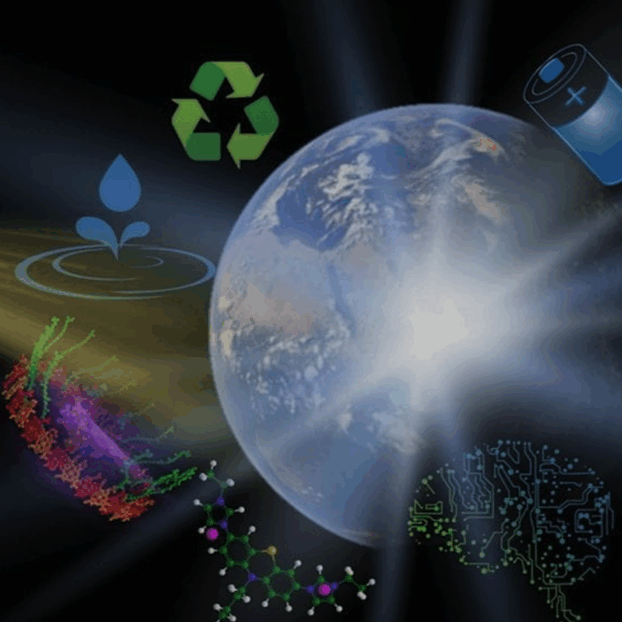
Tan Swee Ching(opens in new tab)
Sustainability in Water, Energy and Electronics
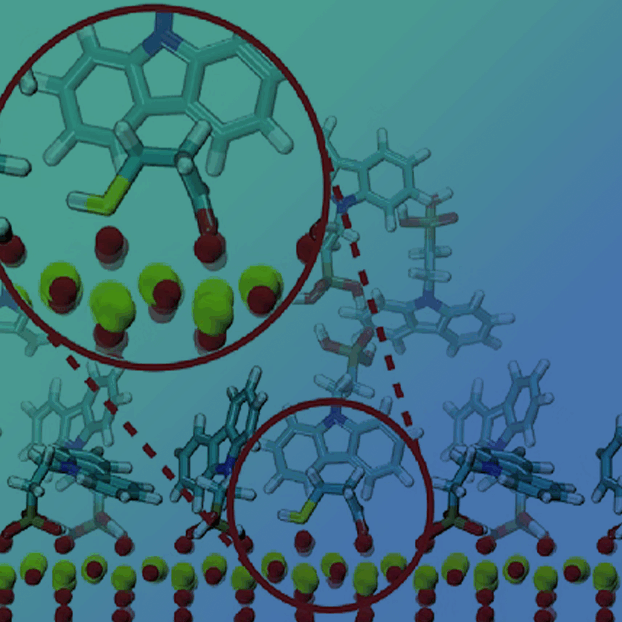
Wei Mingyang(opens in new tab)
Organic-Inorganic Materials for Solar Energy Applications
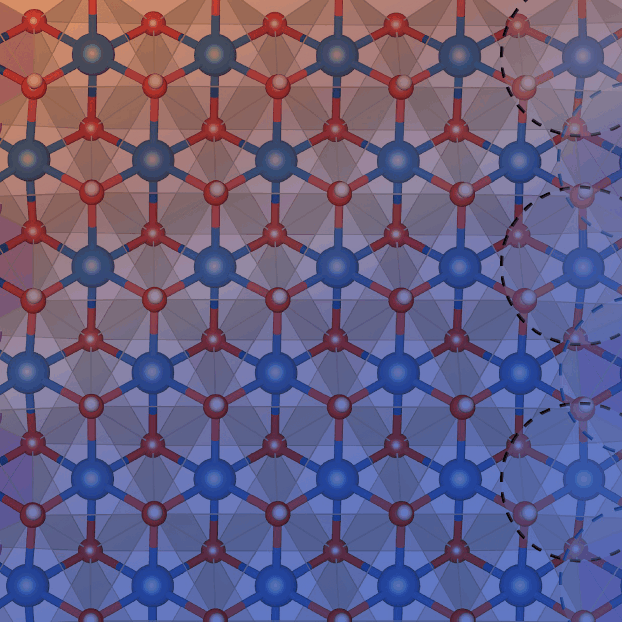
Xue Jun Min(opens in new tab)
Nano Materials For Electrochemical Water Splitting
Zhao Ming(opens in new tab)
Nanomaterials, Chemical Imaging, Electrocatalysis, Energy