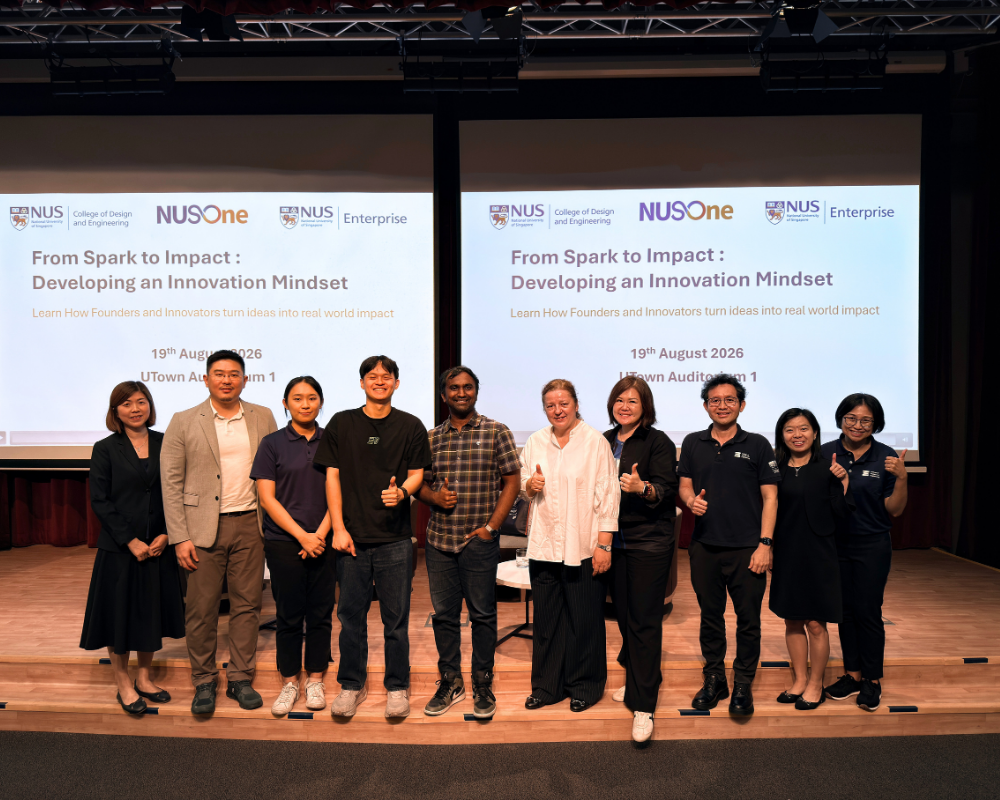

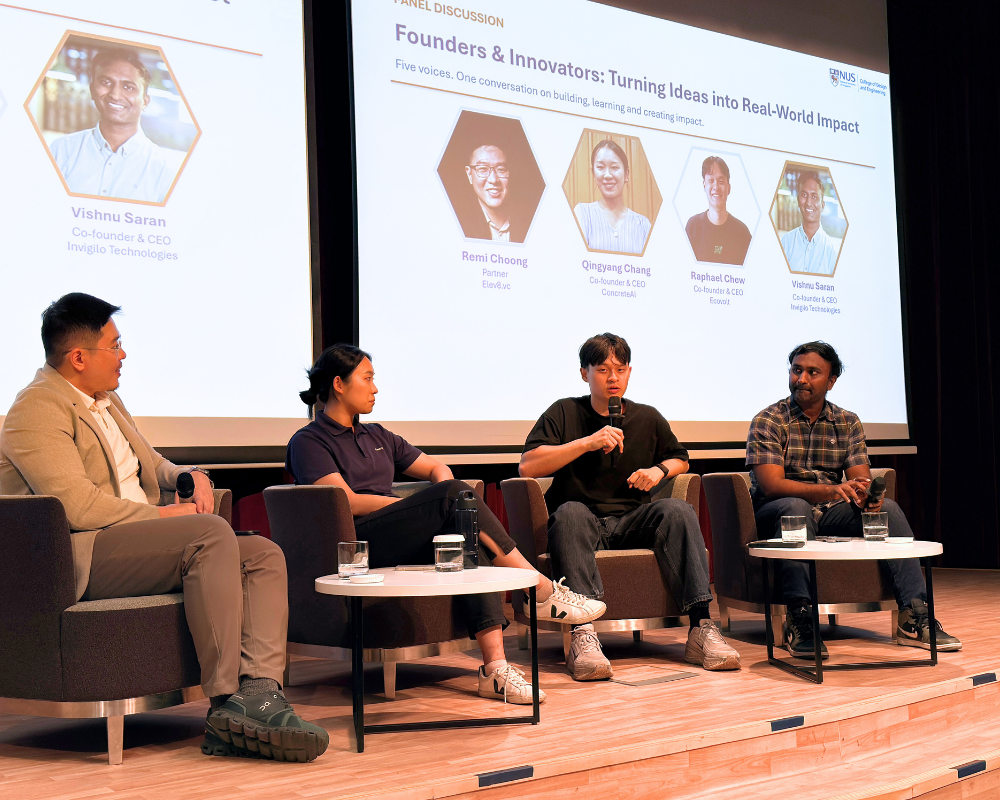
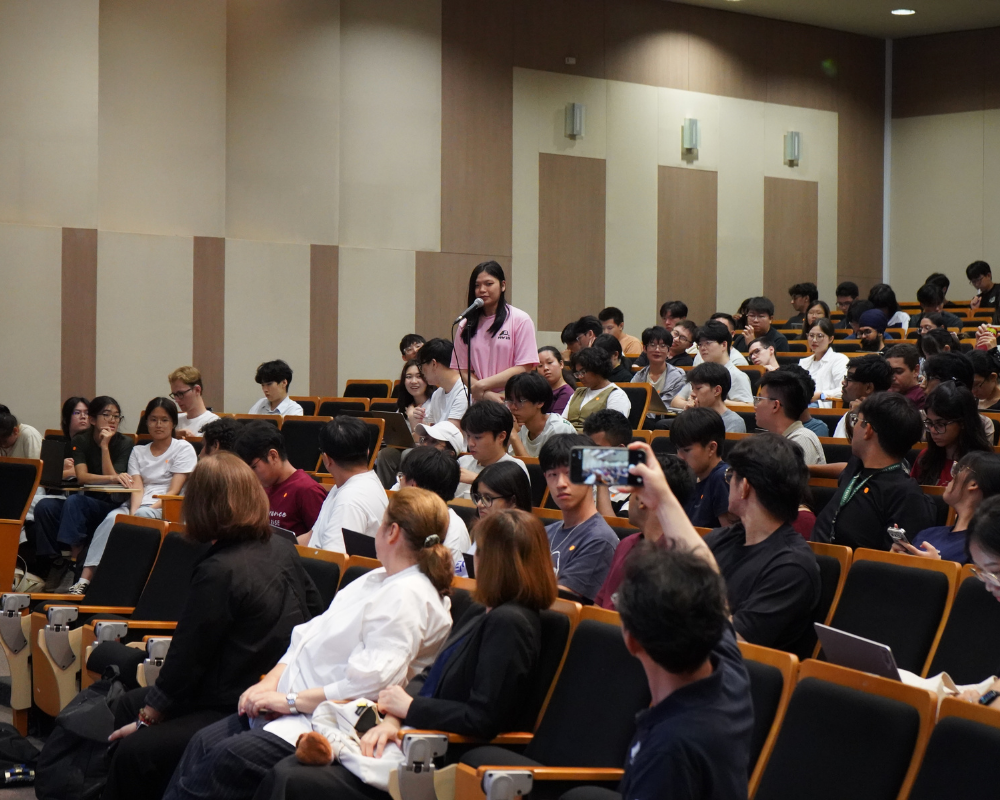
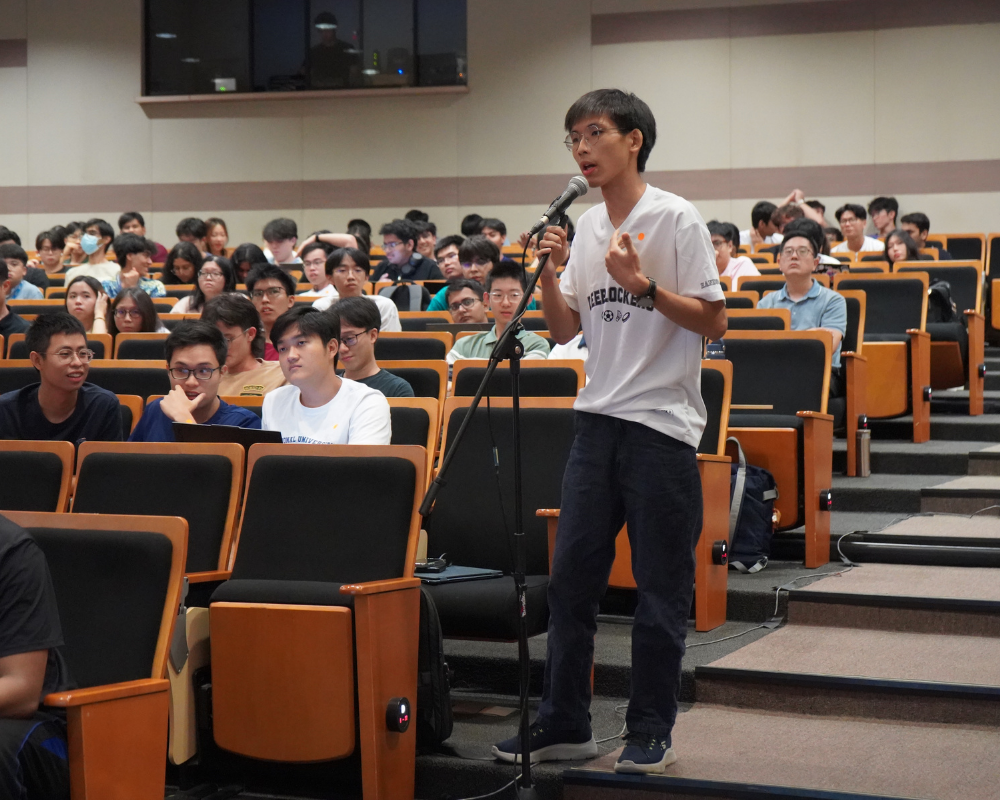
At the Innovation Mindset Workshop on 19 August — co-organised by CDE, NUSOne and NUS Enterprise as part of the lead-up to CDE Innovation Day on 21 October — students heard from alumni on the realities of entrepreneurship: from finding customers and co-founders to navigating rejection, raising funds and building credibility in traditional industries. Moderated by Remi Choong from Elev8.vc, the panel speakers were:
- Qingyang Chang (Civil and Environmental Engineering ‘21) – ConcreteAI co-founder and CEO
- Raphael Chew (Business Administration ‘26) – co-founder and CEO of Ecovolt, developed through the Innovation & Design Programme (iDP) at CDE
- Vishnu Saran (Materials Science and Engineering ‘19) – Invigilo co-founder and CEO
Building credibility, one step at a time
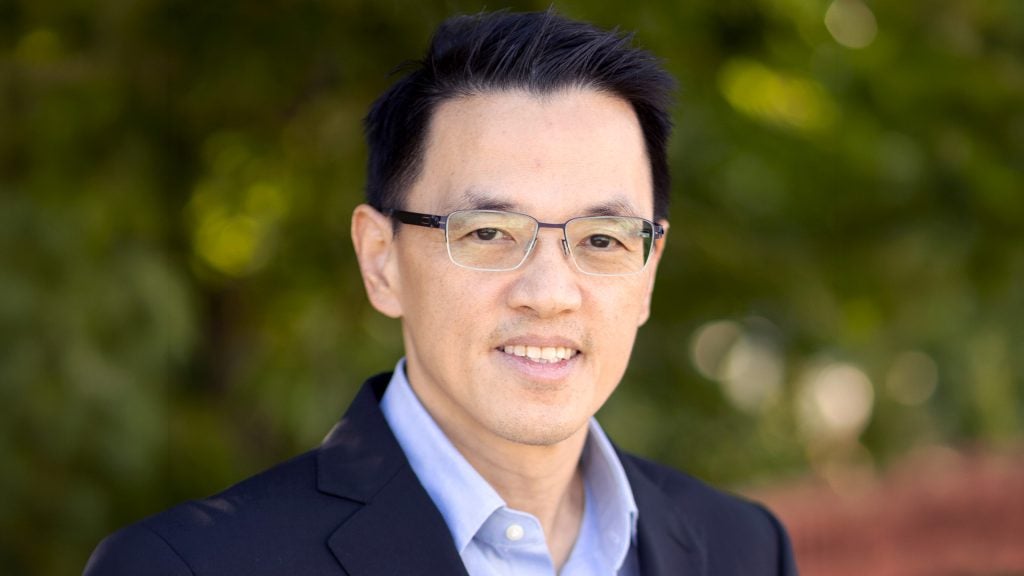
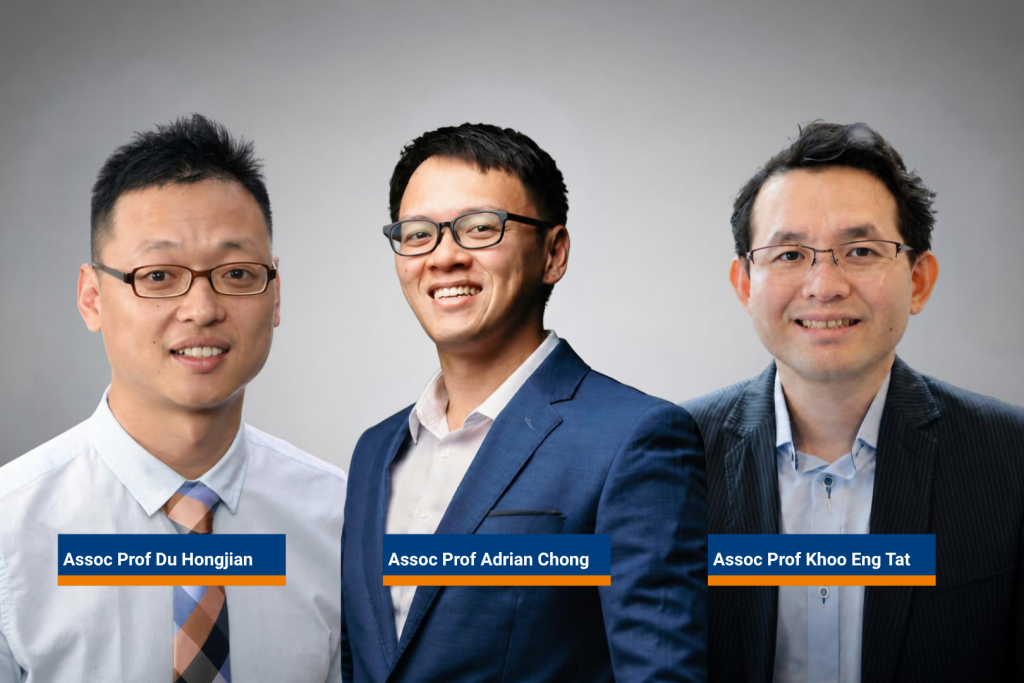
In his opening talk, Assoc Prof Khoo Eng Tat, Assistant Dean (Research and Technology), said that entrepreneurship is not about doing the hardest things first, but about testing the riskiest assumptions first.
For young founders entering established industries, one recurring theme was credibility. Several panellists spoke about the difficulty of being taken seriously in sectors where experience, track record and relationships matter deeply.
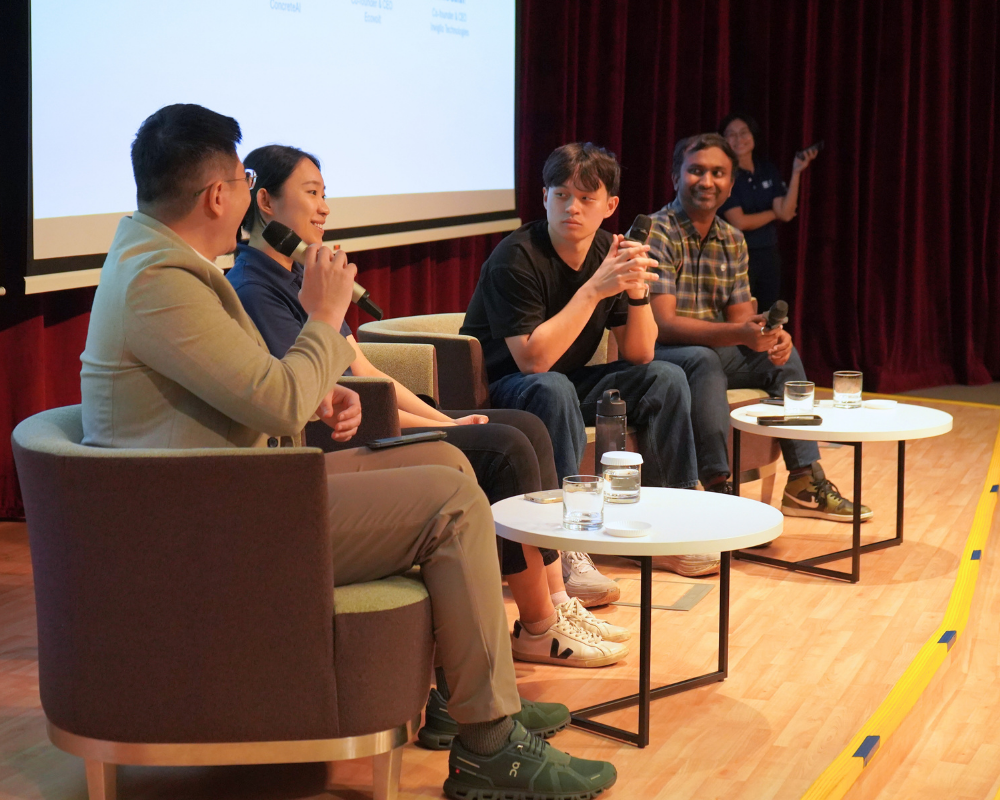
Qingyang shared how early rejections were often not personal, but part of working in a legacy industry where trust takes time to build. “The trust will compound,” she said, noting that people who were hesitant in the first year sometimes returned in the third or fourth year after seeing the company’s progress.
The discussion also touched on navigating unconscious bias in traditional industries. Qingyang shared that while being underestimated can be frustrating, it can also be reframed as an opportunity to exceed expectations and open conversations. She added that being initially overlooked can create a “surprise factor” when others come to recognise the depth of her technical and business expertise.
Learning through the market
The panellists also spoke candidly about the need to adapt. Early assumptions, whether about product specifications, customers or business models, often change once founders begin working directly with users.
Rather than waiting for the perfect plan, students were encouraged to test ideas, speak to customers and build through iteration. “NUS is a great place to start your entrepreneurship journey. Being a student is when you can get away with anything, so why not try everything?” said Vishnu.
Finding the right people to build with
Choosing co-founders and early teammates was another major focus of the discussion. The speakers stressed that skills matter, but attitude, work ethic and shared goals matter just as much.
Raphael said, “The best way to find the best co-founder is to first be the kind of co-founder that people would want to partner with. When you embody that, other like-minded people will gravitate to you.”
Qingyang also shared a practical lesson in resourcefulness: when she wanted to meet a potential customer, she deliberately attended a conference where the person was speaking and found an opportunity to approach them directly. Her point to students was clear: founders cannot always wait for opportunities to appear; they need to be proactive in creating chances to meet the right people.
Building on this, moderator Remi Choong offered students a simple but memorable tip for networking events: position yourself at the start or end of the buffet line. “It creates a natural opening to say hello, especially when people are looking for where to go next. What starts as a casual greeting could turn into a meaningful 30-minute conversation,” he said.
Students were encouraged to use university projects, hackathons and long-term collaborations as opportunities to test working relationships early.
Beyond the practical lessons on building ventures, the session also offered a more personal reminder of what sustains founders through uncertainty. In a heartwarming moment, the panellists reflected on the role their families played in their entrepreneurial journeys, with all sharing how their parents’ support and influence helped them keep pushing forward.
A shift in perspective for students
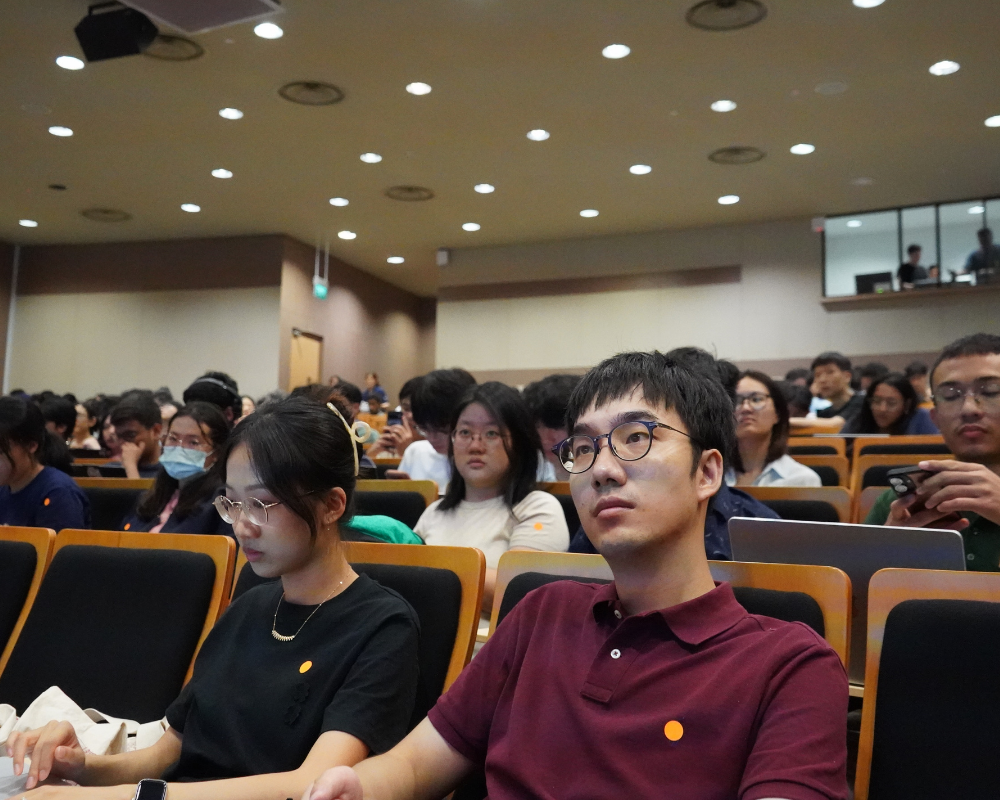
For many students, the workshop helped make entrepreneurship feel more concrete and accessible.
Students said the session was inspiring and practical, offering a clearer view of entrepreneurship from both founder and investor perspectives. They were motivated by seeing NUS student-founders secure funding and launch businesses, and valued the chance to understand how investors assess companies and how founders define their ambitions. The workshop also helped turn interest into momentum by making entrepreneurship feel more structured and achievable, while highlighting that innovation does not always need to start from scratch but can come from improving existing ideas with passion and persistence.
From workshop to Innovation Day
The Innovation Mindset Workshop showed students that the entrepreneurial journey is not a straight path, but one shaped by persistence, relationships, experimentation and learning from the market.
As CDE builds towards Innovation Day, this workshop highlighted the mindset behind innovation: start with a real problem, test what matters most, and keep moving ideas closer to impact.