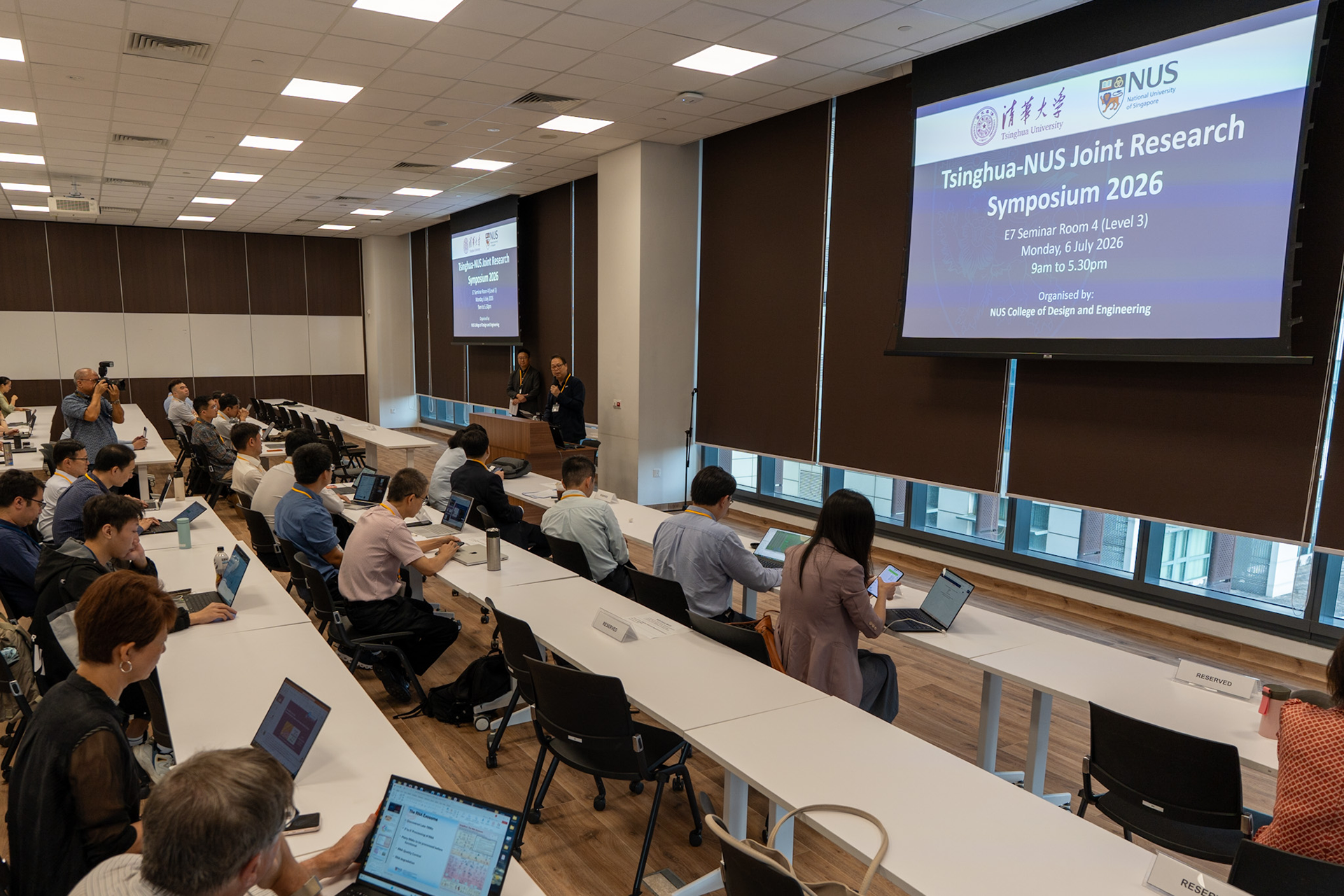
Spanning fields from AI and urban planning to advanced manufacturing and materials innovation, researchers from NUS and China’s Tsinghua University came together to share progress from projects supported under the two universities’ first joint funding call.
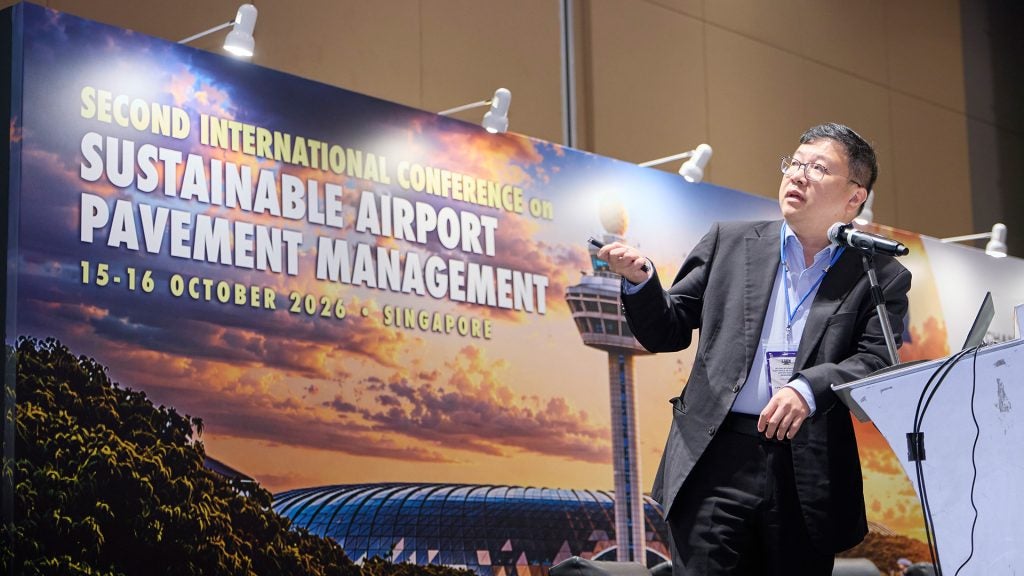
Held on 6 July 2026, the Tsinghua-NUS Joint Research Symposium was organised by CDE and brought together researchers and students from CDE, NUS School of Computing, Yong Loo Lin School of Medicine and Faculty of Science alongside a delegation from Tsinghua University.
Opening the symposium, CDE Dean Professor Teo Kie Leong said the event reflected the growing breadth and impact of research collaboration between the two universities.
“The research presented today spans a wide range of important and timely areas,” he said, noting that each of the 14 projects being presented “combines complementary strength, capability and know-how from both institutions to address complex problems more effectively than either group alone.”
“This is precisely the spirit of collaboration that the joint call was designed to foster.”
Established in 2024, the Tsinghua-NUS Joint Research Initiative Fund supports collaborative research between the two institutions in areas of mutual strategic interest. The inaugural call focused on four themes: advanced manufacturing, artificial intelligence, biomedical research for healthcare, and materials innovation for carbon neutrality.
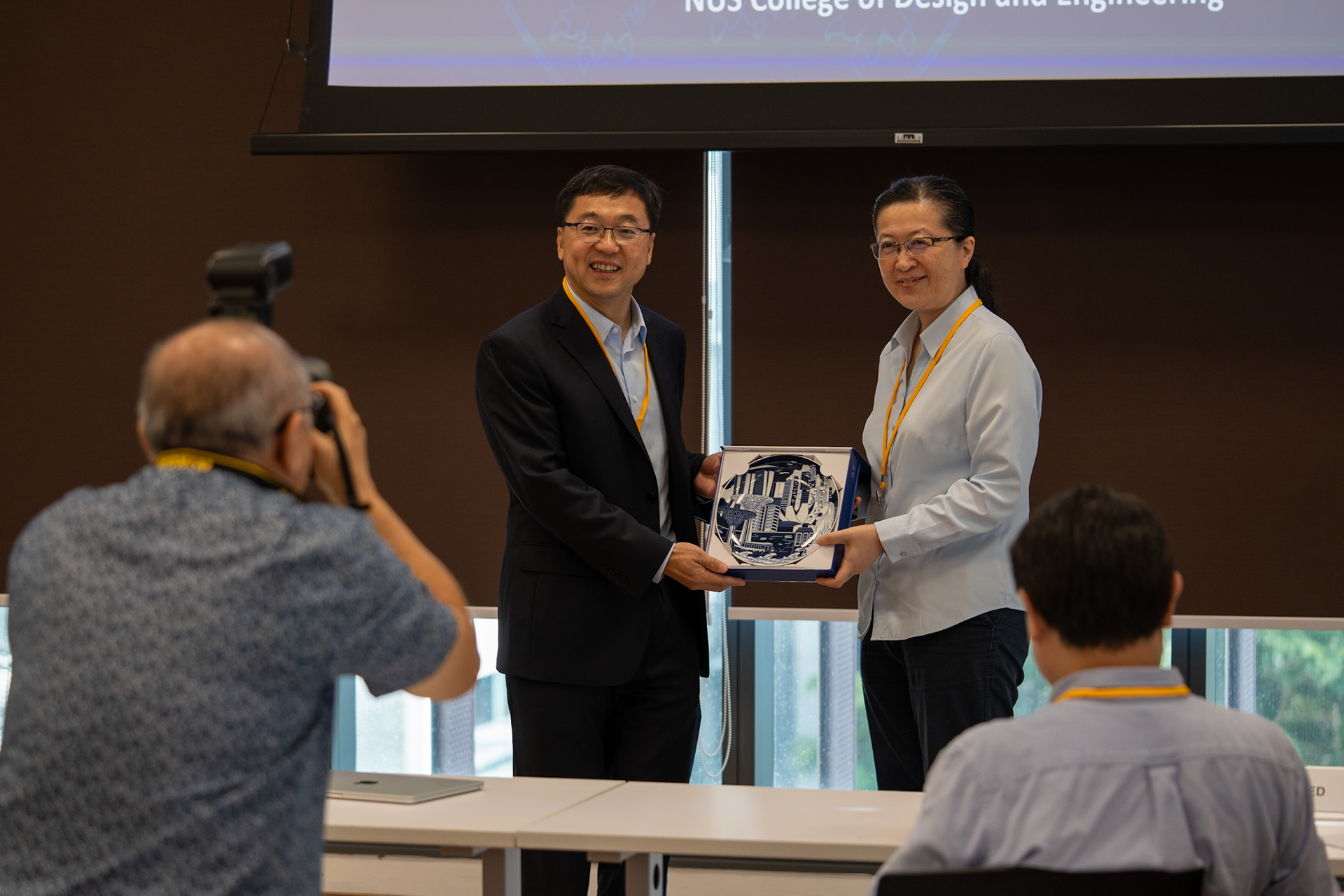
Professor Wu Huaqiang, Vice President of Tsinghua University, said the gathering was “far more than a summary of past work, it is a new starting line”, and an opportunity “to kick off the next chapter of our joint research journey”.
“As we look ahead, I have full confidence that our faculty will continue to break disciplinary boundaries, deliver more impactful research outcomes, and deepen the unbreakable friendship between Tsinghua and NUS,” he said.
Nine of the 14 projects presented at the symposium included faculty from CDE, with contributions from Architecture, Biomedical Engineering, Chemical and Biomolecular Engineering, Civil and Environmental Engineering, Industrial Systems Engineering and Management, and Materials Science and Engineering.
Among the CDE-involved projects:
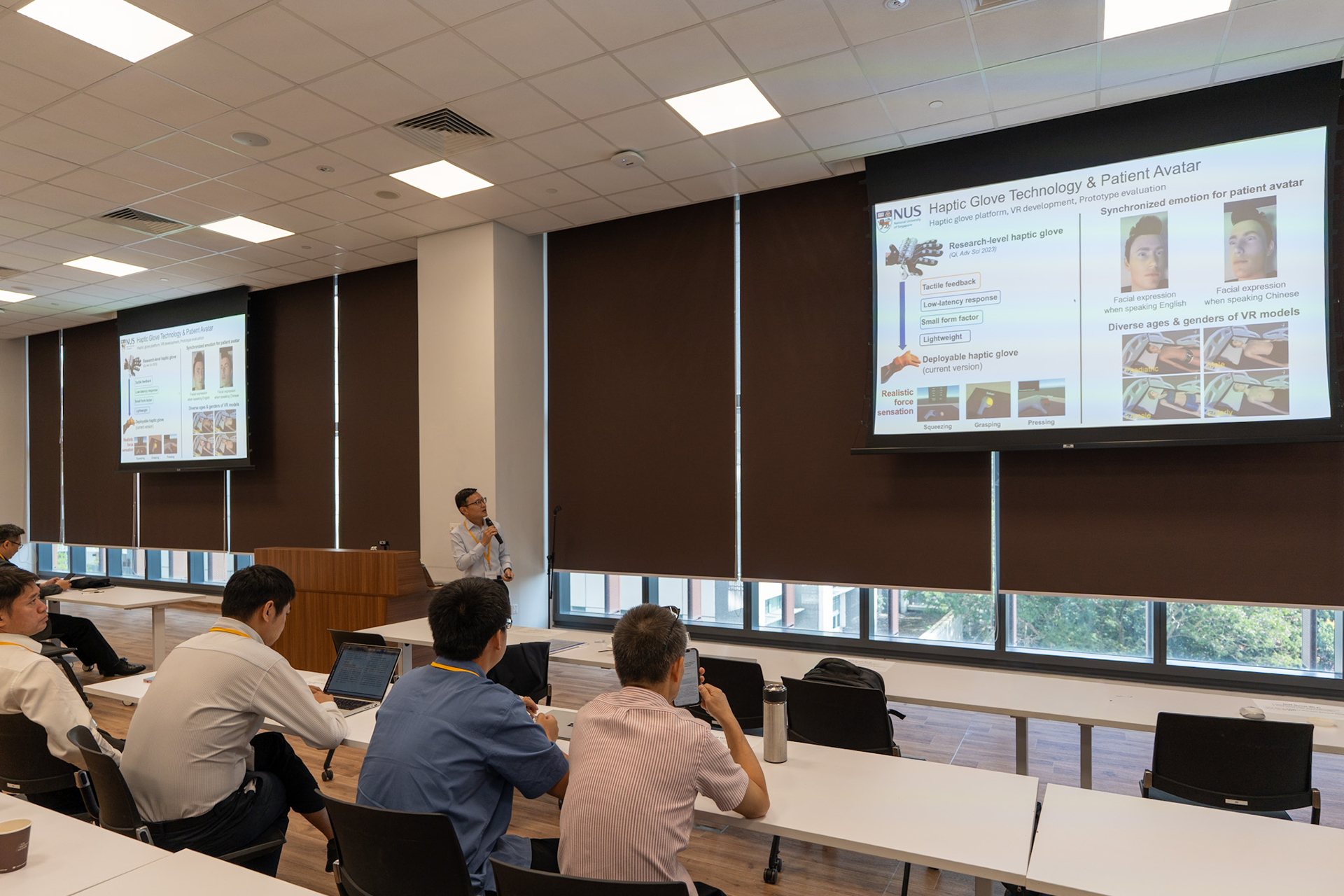
- Professor Lim Chwee Teck (Department of Biomedical Engineering) presented work with collaborators from the NUS Yong Loo Lin School of Medicine on smart haptics and AI agents for immersive healthcare metaverse applications. The project combines wearable haptic hardware, tactile sensing and large language model-enabled avatars to support more realistic virtual medical training, including palpation training in augmented reality environments.
- In urban systems, Professor Heng Chye Kiang’s (Department of Architecture) team presented work on human-centred AI for decision-making in urban planning and management, studying how AI can support more inclusive, equitable and sustainable urban environments.
- Associate Professor Chen Nan’s (Department of Industrial Systems Engineering and Management) project addressed advanced quality control for semiconductor manufacturing, using industrial big data to improve anomaly detection, causal understanding and process control in complex multi-stage production systems.
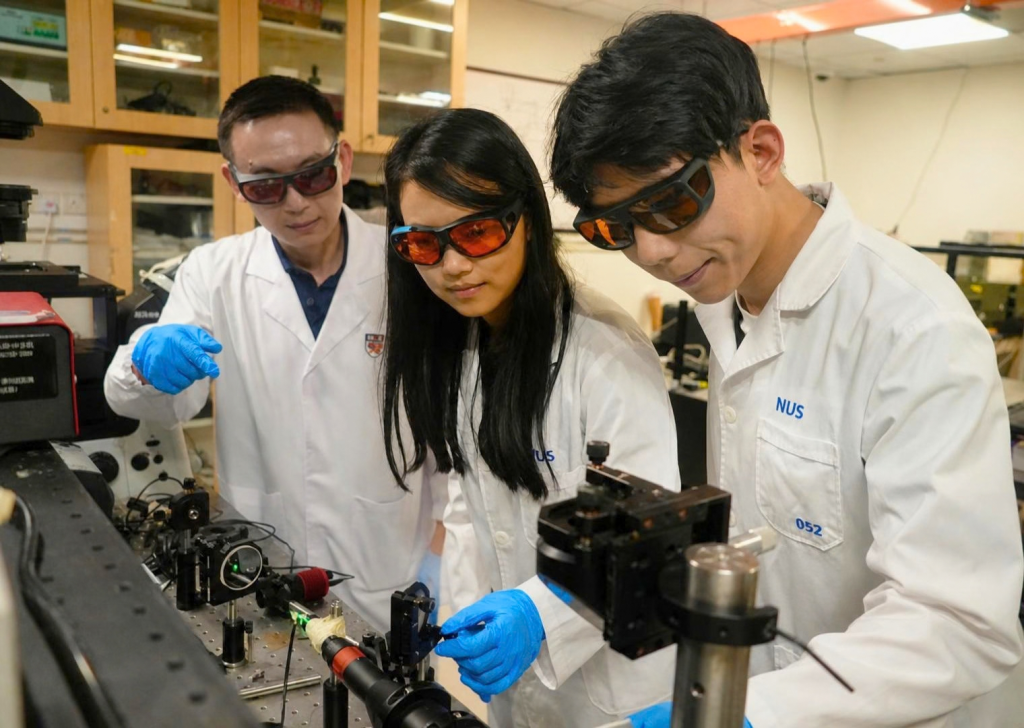
- Assistant Professor Liu Yuxin’s (Department of Biomedical Engineering) project focused on a wireless thermoelectric device for bidirectional neural modulation, using controlled heating and cooling to regulate neural activity. The work points to a compact and reversible approach that could complement conventional electrical and optical stimulation methods.
Speaking at the symposium, Professor Liu Bin, NUS Deputy President (Research and Technology), said the joint research initiative was designed not only to provide seed funding to bring researchers together, but also to create a pathway for collaboration to continue and deepen over time.
The collaboration between NUS and Tsinghua had “reached a new level”, she said, adding that she hoped to see it expand “to much broader areas and to much broader possibilities”.
For Prof Teo the projects presented at the symposium marked an important step in building research relationships that could continue well beyond the first funding call.
“We are confident that the grants provided will seed partnerships that extend beyond the projects themselves and open the door to many more collaborations between NUS and Tsinghua researchers in the years ahead.”