

STUDENT ACHIEVEMENTS & STUDENT LIFE
MAUD x MUP x MSc ISD Joint Gradshow: Shaping cities for change
The future of cities took centre stage at the inaugural joint graduate show of Master of Arts in Urban Design (MAUD), Master of Urban Planning (MUP), and Master of Science in Integrated Sustainable Design (MSc ISD) programmes.
In his opening address, CDE Deputy Dean, Prof Chye Kiang Heng, noted that “across the projects, there is a clear commitment to addressing urban issues not only with technical skill, but with care for communities and the environment.” Arne De Backer (Year 1, MSc Integrated Sustainable Design) shared, “You learn to work across cultures, disciplines, and scales, while being exposed to experts with different perspectives. It is intense but rewarding.”
The programmes’ interdisciplinary and global outlook came through in student proposals addressing urban challenges across Singapore and Asia. The three programmes were directed by Assoc Prof Asma Annie Khawatmi (MAUD), Assoc Prof Zdravko Trivic (MUP), and Assoc Prof Nirmal Kishnani (MSc ISD).
Some project highlights include:
[MAUD] Living Corridors by Yu Lewen, Hinal Mehta, Joanne Joseph, Advent Indrajaya, Yang Qi, Liu Anqi, Wang Zichen
A vision to reconnect fragmented housing and industrial estates in Sungei Whampoa through wetlands, pollinator paths, greener streets, and new mobility networks.
[MAUD] Si Udom Coalescence Habitat by Vaibhavi Tolamatti, Izwan Ismail, Shubhangi Kumar, Varun Athotra, Zhang Zhiyuan, Sarvika Venu, Advent Indrajaya, Zhou Shixian, Chen Zaixun, He Mengxinyu, Kshitij Sethi
A greener, more connected, transit-oriented district in South Sukhumvit, Bangkok, shaped by ecological infrastructure, productive landscapes, and mixed-use community nodes.
[MUP] Rising against Risk: Smart Climate Adaptation for Ho Chi Minh City by Xinyi He, Zhang Xian
A data-driven climate resilience framework combining hazard mapping, adaptive defence systems, and real-time sensors for long-term urban resilience.
[MUP] Urban Interface Toolkit: Cluster–Connect–Resilience–Empower by Shivangi Abrol, Jiewen Liu, Sophia Rita Jayaraman
A flexible approach to neighbourhood upgrading in South Sukhumvit, Bangkok, through better mobility, shared public spaces, support for informal economies, flood resilience, and collaborative governance.
[MSc ISD] Design Research on Industrial Land-Use and Typologies by Arne De Backer, Li Zheyuan, Isha Mahajani
A rethink of industrial planning for enhanced adaptability of built form, innovative leasing options, and deep ecological integration.
[MSc ISD] Planning for Carbon & Urban Resilience: Singapore’s Greater Southern Waterfront by Andrei Florendo Balanag, Abhinav Prakash Karennavar, Liu Ruichao, Sangeetha Devarajan, Zhou Shumeng, Ziyan Yuan, Zhu Hanjie, Zhou Yan
A future-forward vision that accommodates new programmes (including a World Expo site), increases blue-green carbon, improves ecosystem services, generates food, energy, and water onsite.
What can design do in the face of social isolation, inequality, and invisibility?
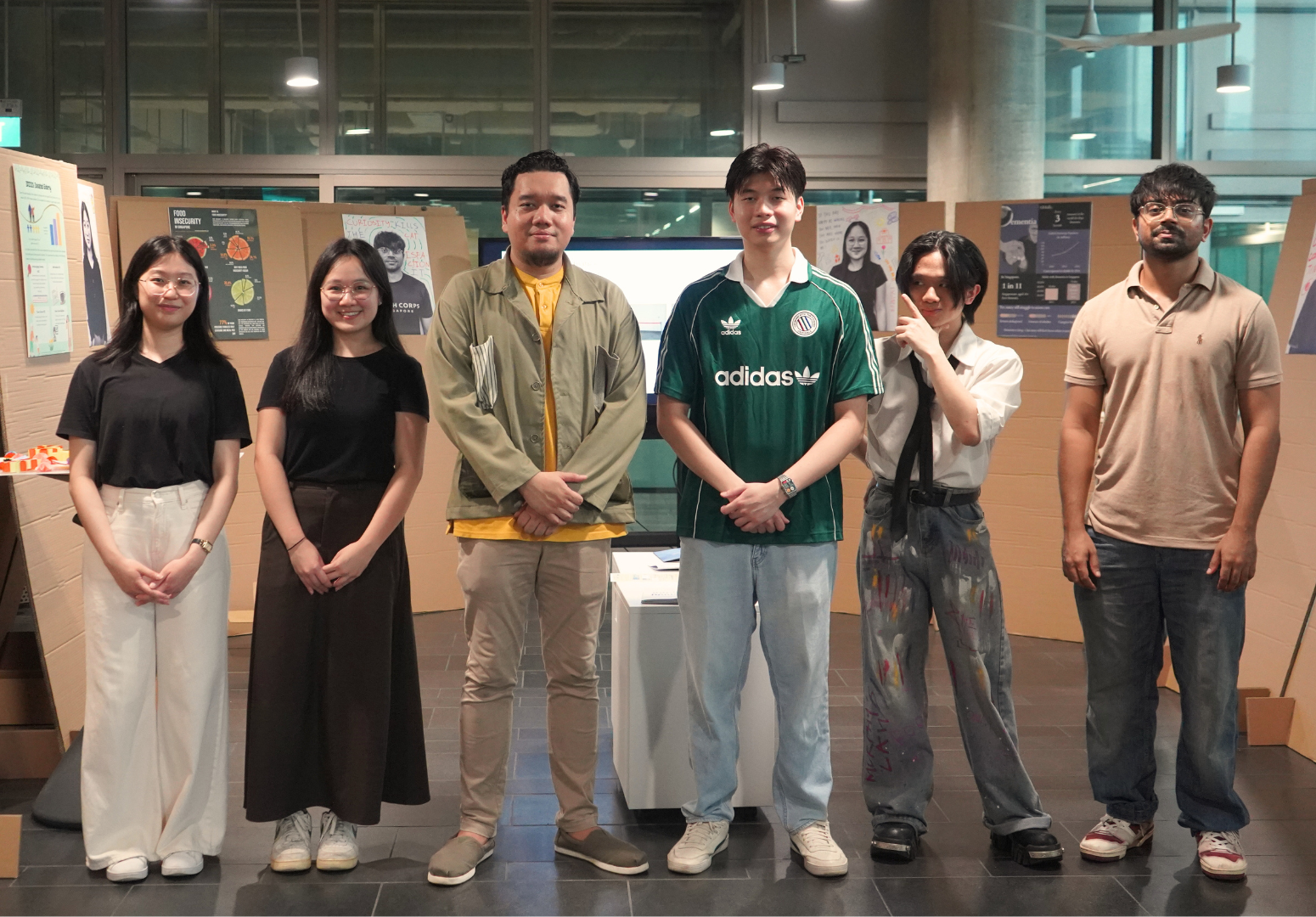
As lead of the newly launched Social Design course, Fauzi Azman from the NUS Division of Industrial Design shared, “Design principles and facilitation exist to serve the community. This course empowers students to discover the social impact that design can create.”
At the closing exhibition, students across disciplines presented projects developed with community and industry partners through frameworks such as systems thinking.
The Red Dot — Lim Gia Zhun (Year 1, Architecture)
Exploring the psychological risks of emotional reliance on AI chatbots, Gia draws on interviews with first responders and mental health patients, and presents his findings in an infographic and an architectural model of rehabilitation spaces.
Food Insecurity in Singapore — Pranav Rajesh Kanna (Year 3, Architecture)
Examining food insecurity in Singapore and the barriers faced by those seeking assistance, Pranav designed an infographic with data from The Hunger Report 2020, highlights the need for food support.
Making Dementia Care Visible — Amelia Ong (Year 4, Biomedical Engineering, 2nd Major in Innovation & Design)
Through Care Community Services Society (CCSS), Amelia learnt that families often encounter dementia support later, through doctor referrals. She designed an informational pamphlet that points users to community support services.
Isolated Elderly — Ooi Jie Min (Year 4, Biomedical Engineering, 2nd Major in Innovation & Design)
Working with Care Community Services Society (CCSS), Jie Min designed a campus tour for seniors, and through coffee chats and craft activities, encouraged isolated elderly participants to step out confidently.
Integrated Equity: Bridging the Empathy Gap — Alex Ong (Year 3, Industrial Design)
Examining the employment barriers faced by Persons with Disabilities (PwDs), Alex consulted social enterprise Wildness Organic Chocolate to create a map of sustainable business models and an app that makes navigating support systems easier
Visible Margins: Singapore’s Women on the Fringe — Wang Xuechun (Year 3, Landscape Architecture)
Through insights from women’s organisations, Xuechun illustrated the structural barriers faced by marginalised women in an infographic, and in a zine, explored how participatory design can support empowerment and community-building.
BME FYP Showcase: Engineering better healthcare
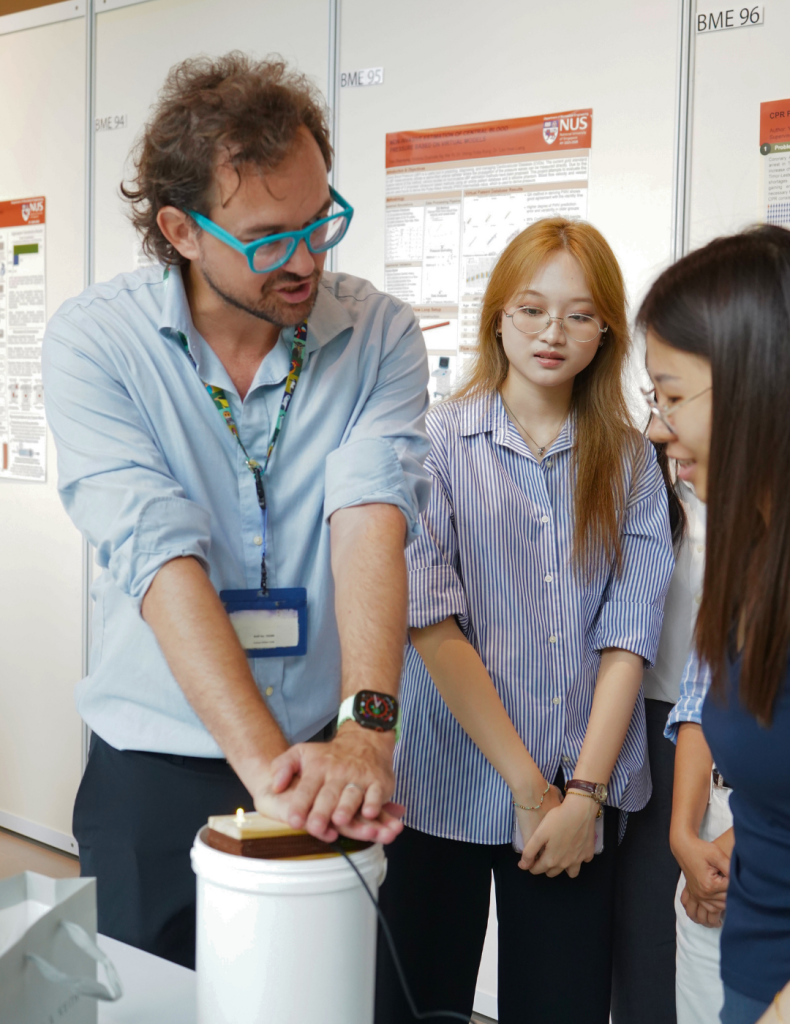
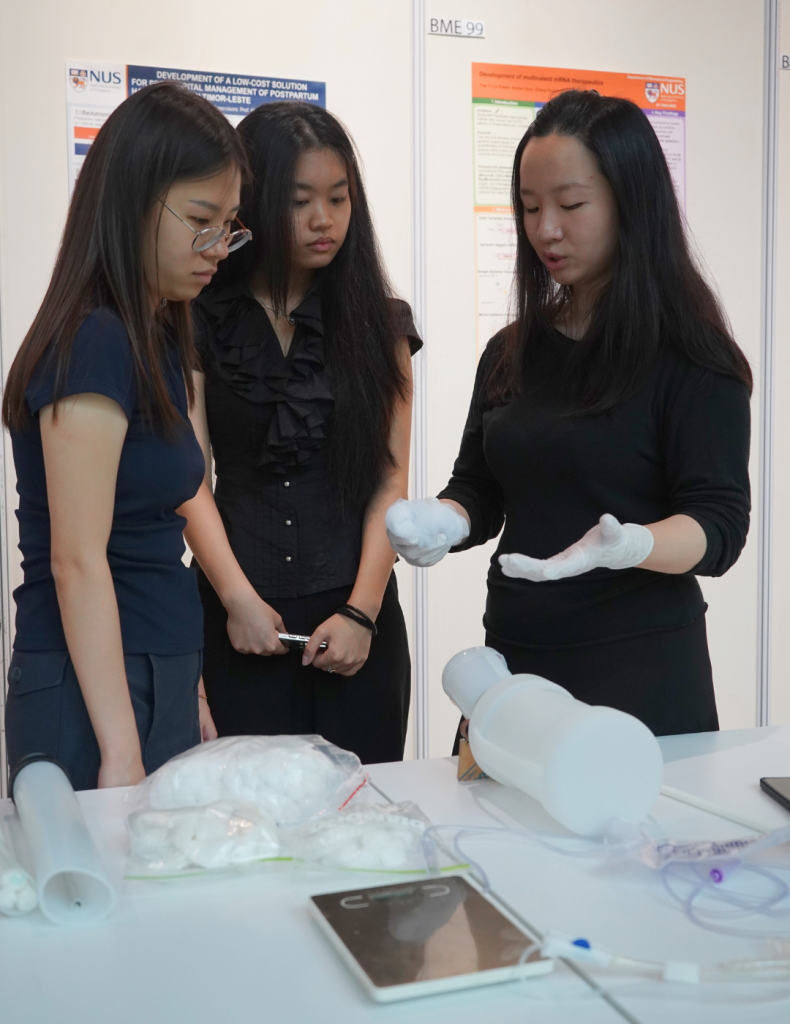
How can engineering help detect disease earlier, model the heart faster, or improve care for newborns? At the Biomedical Engineering FYP Showcase 2026, Year 4 Biomedical Engineering students presented final year projects that tackled real healthcare challenges through engineering, design, and data-driven innovation.
Assessing the various projects, Assoc Prof Bina Rai (Associate Head, FYP) from the Department of Biomedical Engineering, shared, “This year’s projects reflect not only the depth of our students’ technical and scientific abilities, but also their commitment to addressing meaningful real-world challenges in healthcare. These projects are made possible by a supportive academic and research community, and this showcase is a celebration of that shared effort.”
Awards were given out for the most innovative projects:
1st Prize — The Egglet: A Hydrogel System to Study How Cells Respond to Their Surroundings
By Srishti Ramakrishnan
Developed as a soft gel-based platform, The Egglet enables researchers to study how layers of cells respond to different surface shapes and stiffness. By observing changes in cell shape and force, the work offers useful insights into tissue behaviour, healing, and regenerative medicine.
2nd Prize — Circulating Protein Biomarkers for Ischaemic Stroke Diagnosis
By Alrick Kok
This study examined whether proteins in blood could support earlier detection of ischaemic stroke, even before brain scans are available. Combining medical knowledge with data analysis, it highlights the potential for a faster and more practical approach to stroke diagnosis.
3rd Prize — Geometry-Informed ECG Surrogate Model for Efficient Cardiac Digital Twin
By Cang Dongcheng
Using a patient’s heart geometry, this AI-powered model simulates heart activity and ECG signals more efficiently. The work brings researchers closer to real-time cardiac digital twins that could one day help clinicians assess risk and plan treatment more effectively.
Commendable Poster Awards
Projects recognised this year also included:
- a detachable eye assessment device to support earlier disease detection
- a sensor platform for monitoring organoid metabolism in real time
- an improved lab method for identifying treatable forms of hypertension
- a virtual reality firefighting scenario to study decision-making under pressure
- an image-based screening tool for neonatal jaundice designed for safer home monitoring
Exploring biomedical innovation through BN2112 poster projects
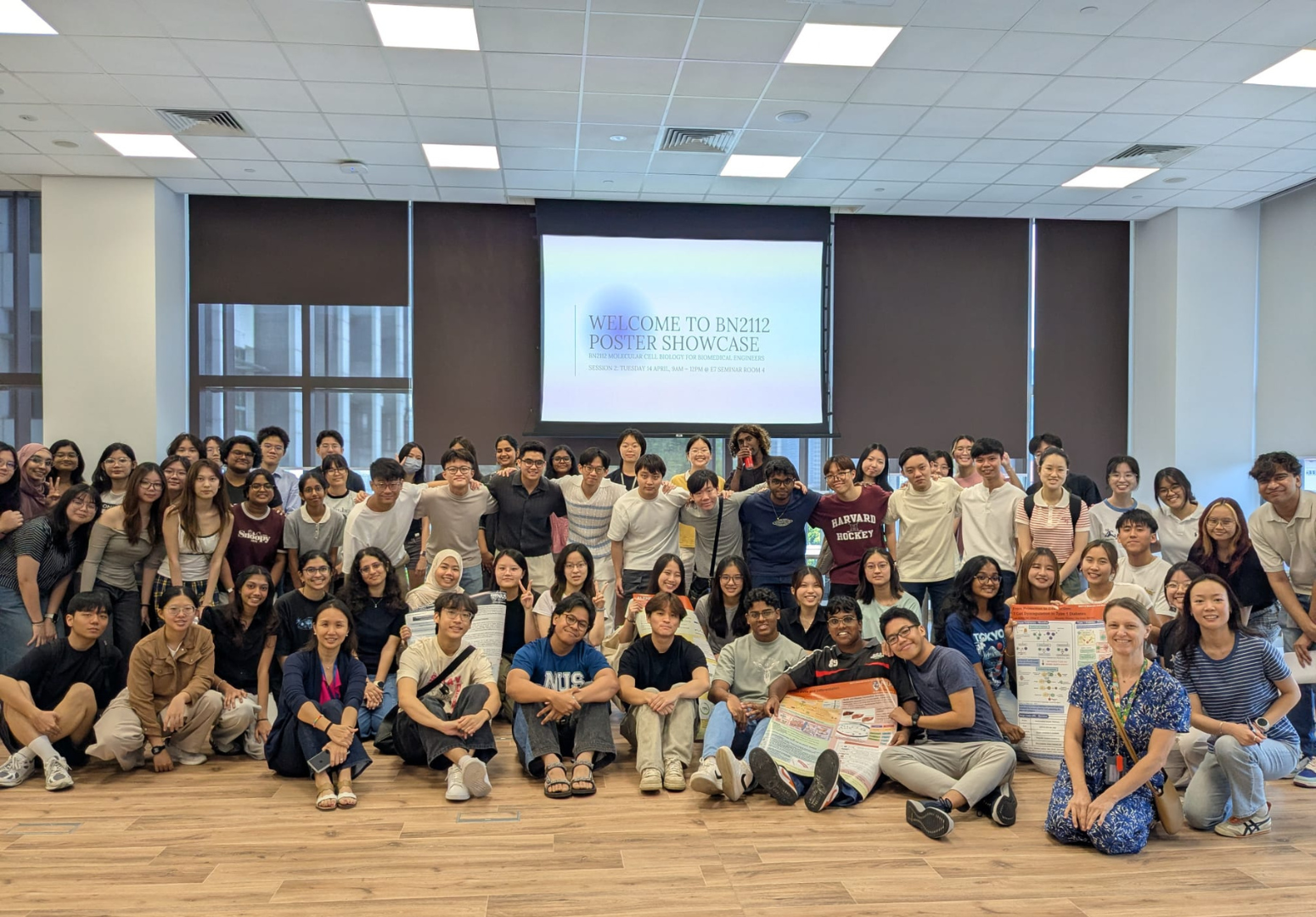
For Year 1 Biomedical Engineering students, learning goes beyond theory. At the BN2112 poster showcase, they explored biomedical challenges with clear real-world relevance. From disease mechanisms to emerging technologies, each group connected cell biology concepts to healthcare applications. A highlight was the Audience Choice Award, with one poster from each lab section selected through peer voting
Here are the winners:
B1 Group 4 — Spinal Muscular Atrophy: Role of SMN Protein in mRNA Splicing
Members: Renita Anbuthamizh, Kayla Chang, Clara Chee, Sanjanaa Seenivasan
Focusing on spinal muscular atrophy (SMA), a genetic disease that causes muscle weakness, the group examined how mutated survival motor neuron (SMN) proteins can disrupt important cellular processes and weaken nerve cells that control movement. The group highlighted Nusinersen, a therapy that helps patients produce working SMN protein
B2 Group 6 — Alzheimer’s Disease
Members: Adeline Tan, Sarah Tan, Darrell Ang, Wayne Tan
Looking at Alzheimer’s disease, the group explored how mutations in the amyloid precursor protein (APP) can lead to harmful build-up in the brain, affecting communication between brain cells. They also considered how machine learning can identify patterns in patient data to support earlier monitoring.
B3 Group 10 — Photobiomodulation Therapy for Mitochondrial Dysfunction in Parkinson’s Disease
Members: Beatrice Tan, Geraldine Choo, Ang Yi Teck, Cheng Xi Jodi
Focusing on Parkinson’s disease, the group explored how changes in the PINK1 gene can contribute to loss of brain cells involved in movement. They also introduced photobiomodulation, a non-invasive light-based therapy, and examined how a wearable device could stimulate these cells and ease symptoms.
B4 Group 3 — Defective Receptor-Mediated Endocytosis in Familial Hypercholesterolemia
Members: Tan Yong Zen, Wong Jingwen, Hannah Binte Mohamad Yusof, Low Wan Ting
Looking at familial hypercholesterolemia, an inherited condition that leads to high cholesterol levels, the group explored how the body clears bad cholesterol from the blood and how mutations in the PCSK9 gene can interfere with this process. They also considered the potential of gene editing as a way to improve cholesterol control.
Driven by innovation: NUS FSAE heads to Michigan 2026
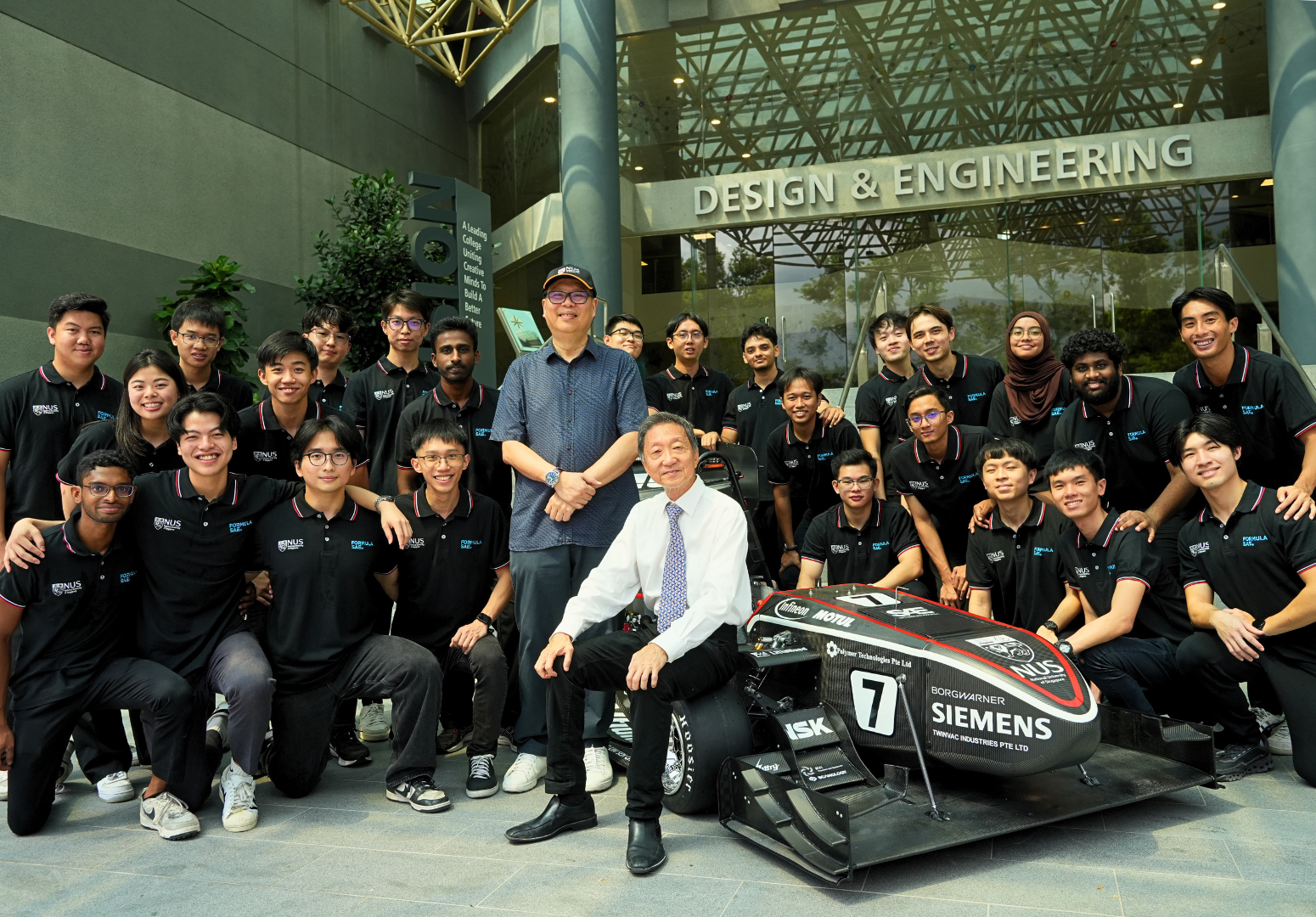
“The fastest car doesn’t always win the race. Victory comes from a team united by purpose, driven by discipline, collaboration, and character.”
Team Captain Xu Zhen shared his vision of victory, as NUS FSAE was flagged off by Professor Teo Kie Leong, Dean of CDE, and their advisor, Emeritus Professor Seah Kar Heng for their 2026 Formula SAE (FSAE) Electric competition in Michigan, which takes place from 16 to 20 June.
Held at the Michigan International Speedway, Formula SAE is an international collegiate design competition organised by SAE International. It challenges student teams from universities worldwide to design, build, and compete in Formula-style open wheeled race cars.
NUS FSAE comprises 26 students across Mechanical Engineering, Electrical Engineering, and Engineering Science, all enrolled in the Innovation & Design Programme. To make up for the lack of home-ground advantage, the team will fly to Michigan on 2 June to gain a head start on competition preparations.
The R26e electric race car features a new motor controller for improved performance, newly added side pods for better cooling, and lightened suspension for enhanced handling and responsiveness — features that could give the team an edge in the upcoming competition. After clinching seventh place last year, their highest-ever finish, Team NUS FSAE now heads into this year’s competition determined to build on that momentum.
DID Postgraduate Showcase 2026 spotlights design for an inclusive, resilient future
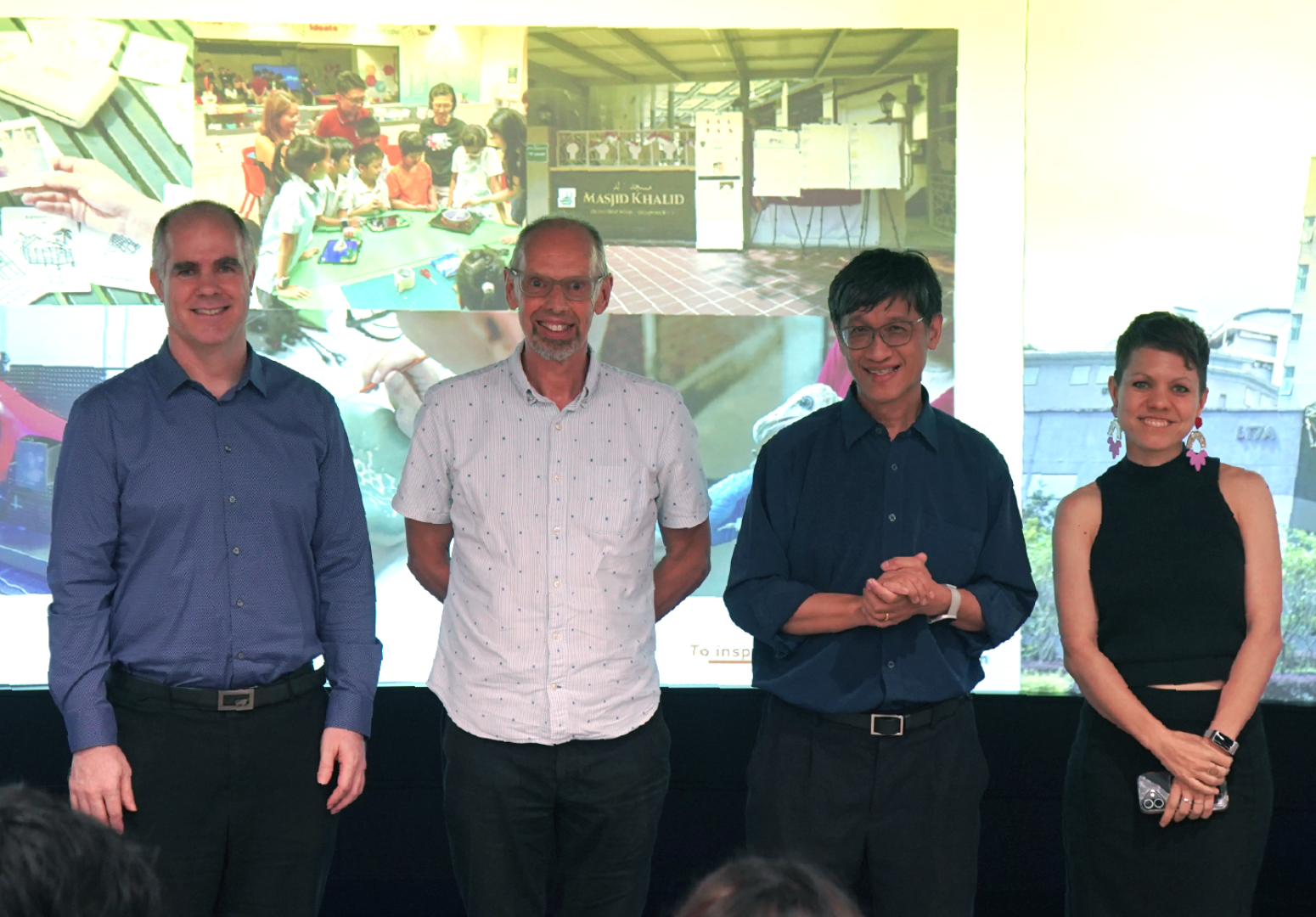
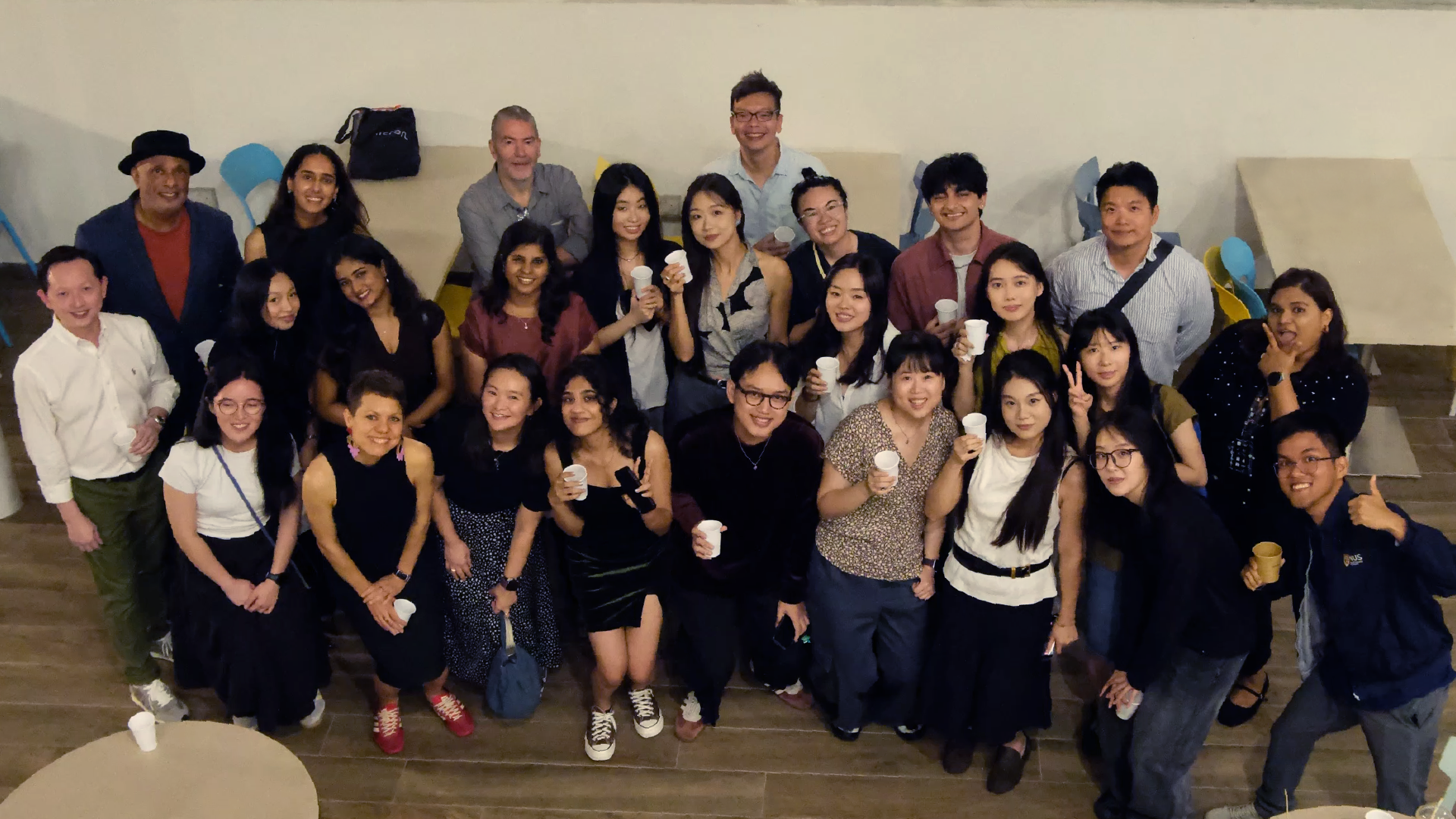
The Division of Industrial Design (DID) recently celebrated a landmark achievement with its inaugural Postgraduate Showcase 2026. Held at the newly opened space, The Lodge at Techno Edge, the event was attended by the Guest of Honour, Deputy Dean of CDE, Associate Professor Martin Buist.
More than an exhibition, the showcase reflected the evolving role of design today. In his opening remarks, Associate Professor R Brian Stone observed that design has moved beyond the creation of objects to become a discipline grounded in strategy, research, and systems thinking. Head of the Division, Dr. Cees de Bont, reinforced this, positioning the showcase as a statement of NUS Design's identity, one that integrates artistic and humanistic perspectives with scientific and technological expertise to address pressing societal challenges, including ageing, human-centred AI, and sustainable design.
The MDes programme, introduced just two years ago, showcased projects addressing diverse and pressing challenges and close collaboration with partners from industry. Programme Lead Karin Aue reflected on the programme’s success, from an inaugural cohort of 15 students to over 500 applicants for the upcoming intake, underscoring the increasing demand for designers to work collaboratively while navigating complexity.
Complementing this, the MA and PhD programmes, introduced by Associate Professor and Deputy Head (Research) Dr. Yen Ching-Chiuan, demonstrated research spanning human-systems interaction, healthcare, reflective design, emerging technologies, and more, organised around three clusters: Inclusive Care and Systemic Wellbeing; Human-Centred AI and Interactive Experience; and Computational Design and Fabrication Ecology.
The exhibition also highlighted the work of eight specialized Research Labs and two associated centres (CUTE Center and AM.NUS), covering diverse domains such as Aging with Dignity, Soft Technologies, and Service Design. These labs demonstrated DID’s ability to integrate artistic perspectives with scientific expertise to address complex societal challenges.
The evening concluded by honouring student achievements with the Integrated Design Excellence Award and the Ang Chin Moh Foundation Student Prize. Through interactive exhibits and live demonstrations of cutting-edge tools, the showcase affirmed DID’s commitment to shaping an inclusive, resilient future by bridging the gap between human-centred design and technological advancement.
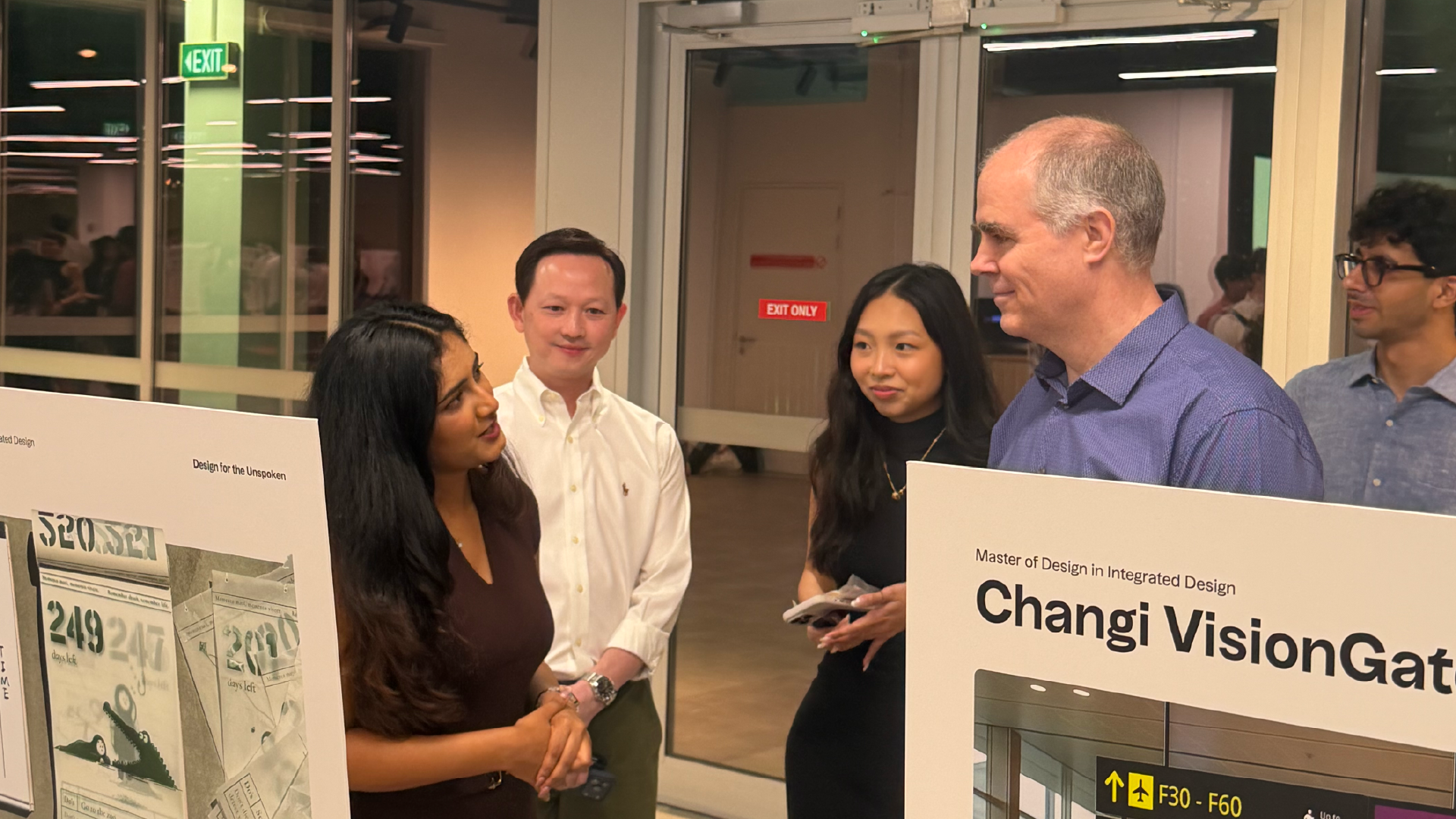
Visual Communication Award to commemorate Dr Reppard and Dorothy Stone 2026 recipient
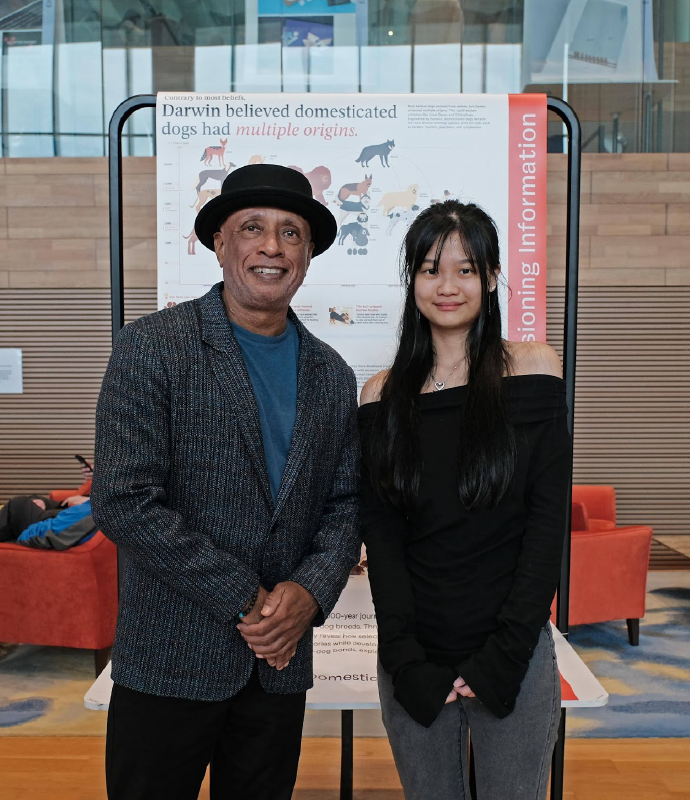
Ng Jing Wen (Class of 2027) has been named as the recipient of The Reppard and Dorothy Stone Communication Merit Award 2026.
The review committee was impressed with the range and quality of Jing Wen’s design work, and in their deliberations, shared,
"We noted her concise articulation when presenting her selected works, delivered in a straightforward and well-packaged manner. The overall execution reflects a strong sense of structure and purpose as a communication designer, with information organised to enhance understanding while maintaining visual coherence."
Established in 2022 in dedication to the parents of Associate Professor R Brian Stone, the Communication Merit Award recognises excellence in visual communication. This annual cash award of $500 recognises a 3rd year student in the Division of Industrial Design who demonstrates outstanding work in visual communication alongside high academic performance.
Dr Reppard Stone and Dorothy Stone of Baltimore, Maryland USA, were devoted advocates of education, the arts and community service. Dr Stone was a distinguished educator, performer and composer, while Dorothy Stone was a reading specialist, mentor, and master teacher for Early Childhood Development who also contributed to the Baltimore Symphony Orchestra.
Together, their legacy continues to inspire commitment to learning, creativity and community impact.
From garden to table at Planting Day 12.0
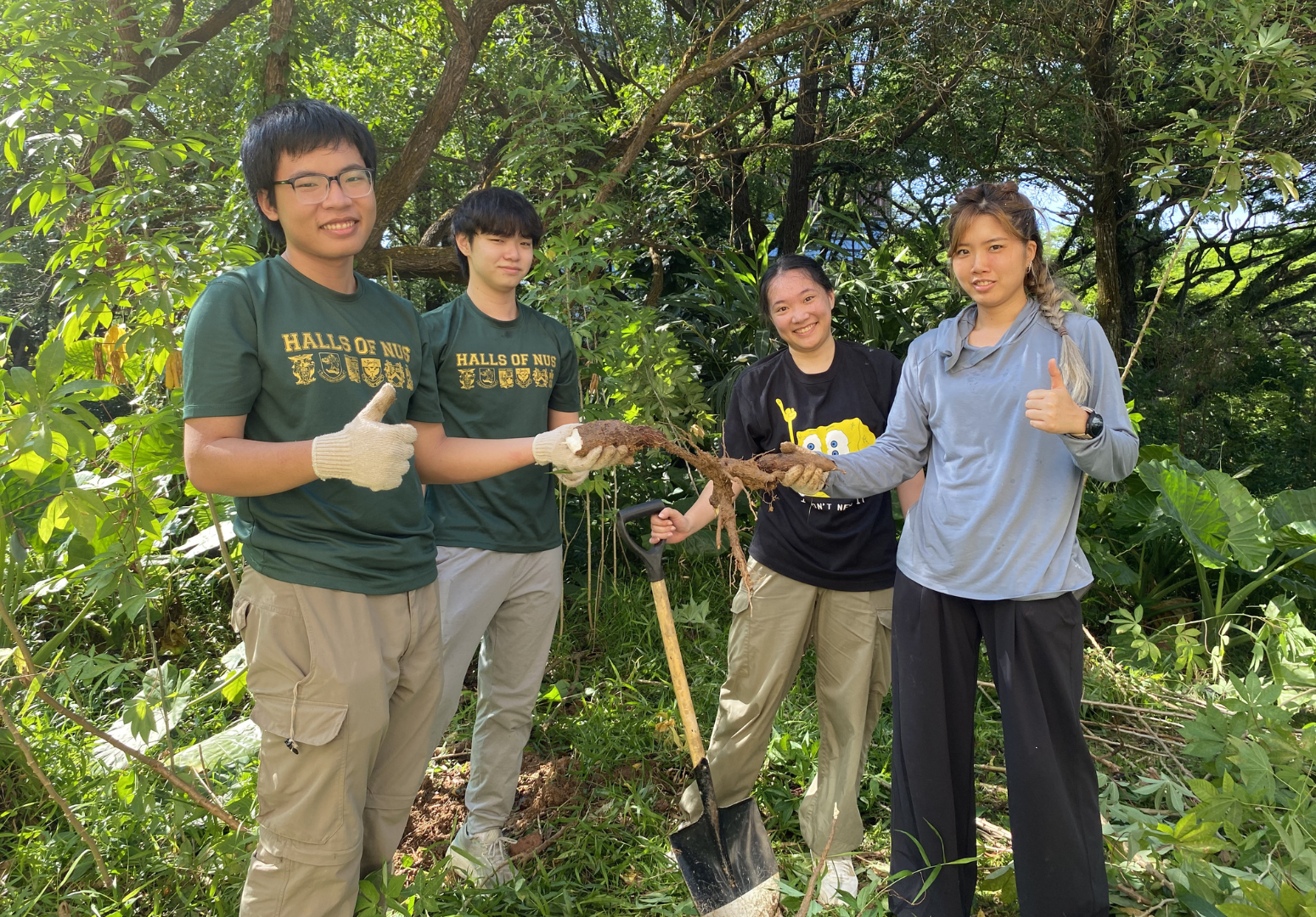
Imagine unearthing so much cassava in CDE that the harvest stretches across an entire wall!
That was one of the highlights of Planting Day 12.0, held at the Nasi Ulam Forest Garden. Home to over 30 edible plant species, such as cekur and lobi-lobi, the garden brought together returning attendees, research staff, alumni, and others from across the CDE community.
Located outside Architecture Drive, the Nasi Ulam Forest Garden serves as a “living lab” where edible plants are grown under community stewardship. First launched in 2021 by the Landscape Architecture Collective (LAC), Planting Day began as a garden maintenance initiative and has since evolved into a recurring event that invites the NUS community to reconnect with food, biodiversity, and one another.
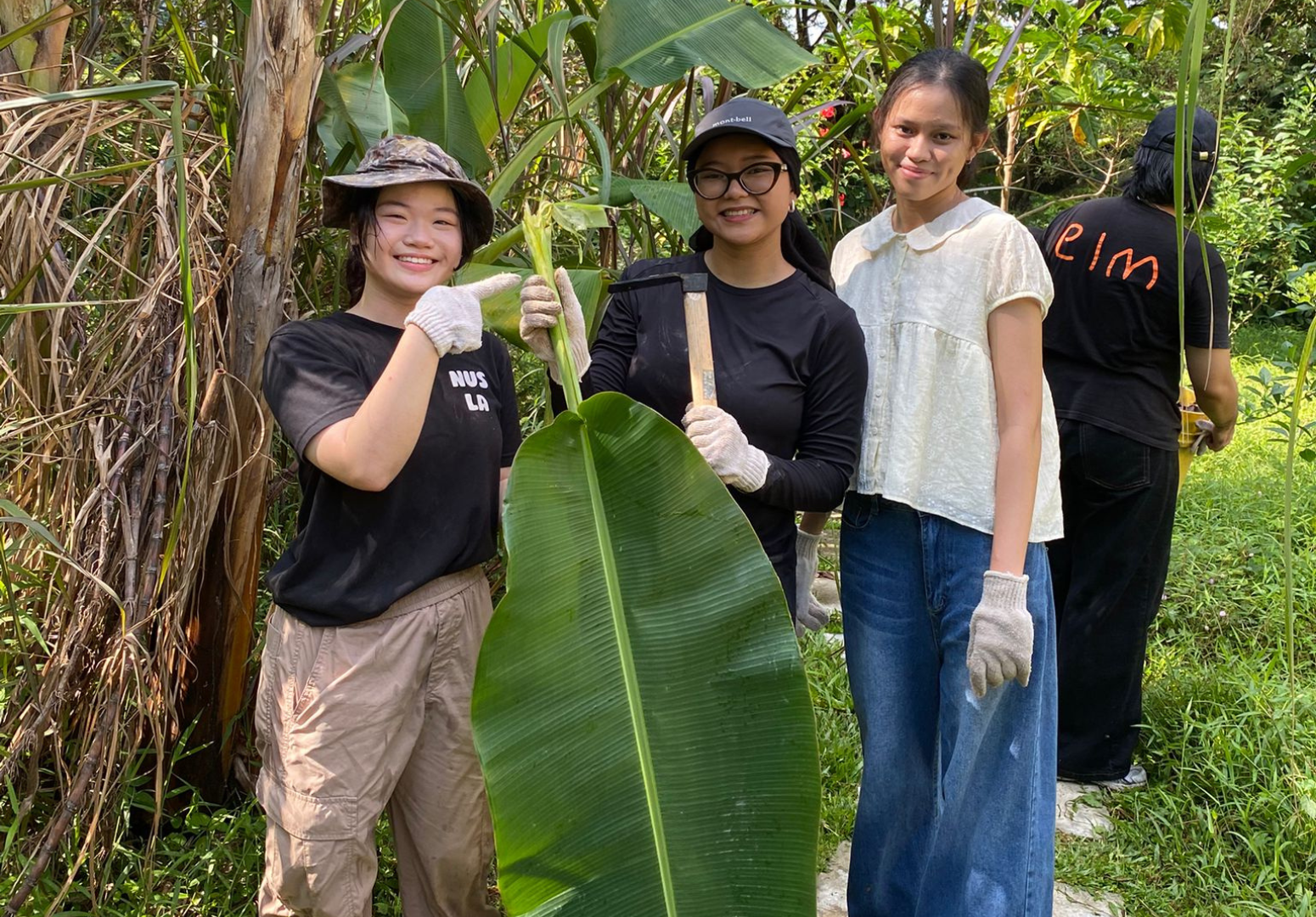
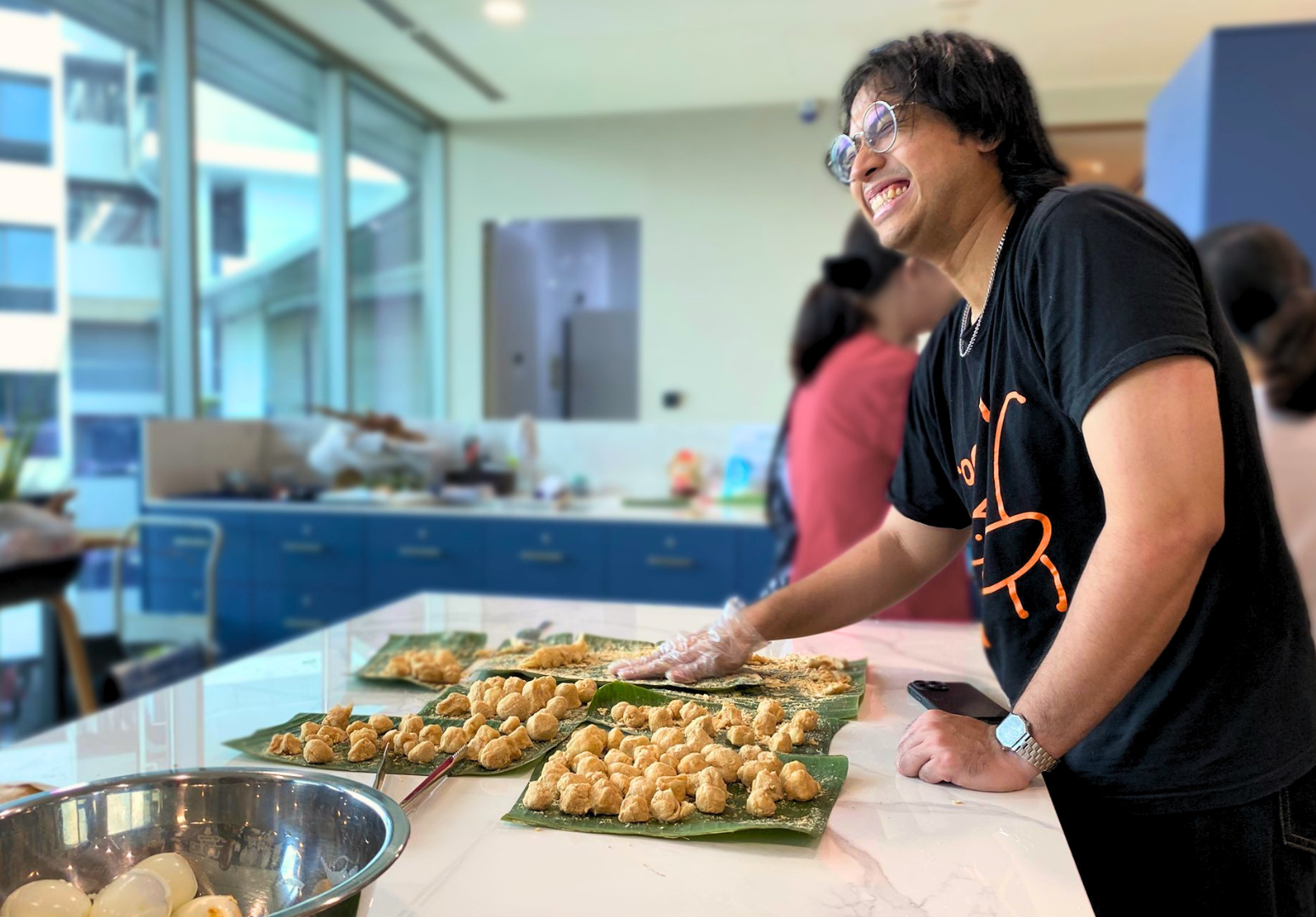
At this 12th edition, participants were guided through harvesting, composting, and propagation before heading to the BuZZy Kitchen at Techno Edge to prepare Nasi Ulam, lobi-lobi jam with bread, and cassava cake using ingredients from the garden. The cooking session was led by Assoc Prof Hwang Yun Hye (Department of Architecture).
Reflecting on the experience, Van Trang Dang (Year 4, Landscape Architecture) shared, “Events like this remind us that landscapes need care, stewardship, and community. Making Nasi Ulam together also reminded me that our food sources can be much closer to home than we think.”
Bringing hands-on easter fun
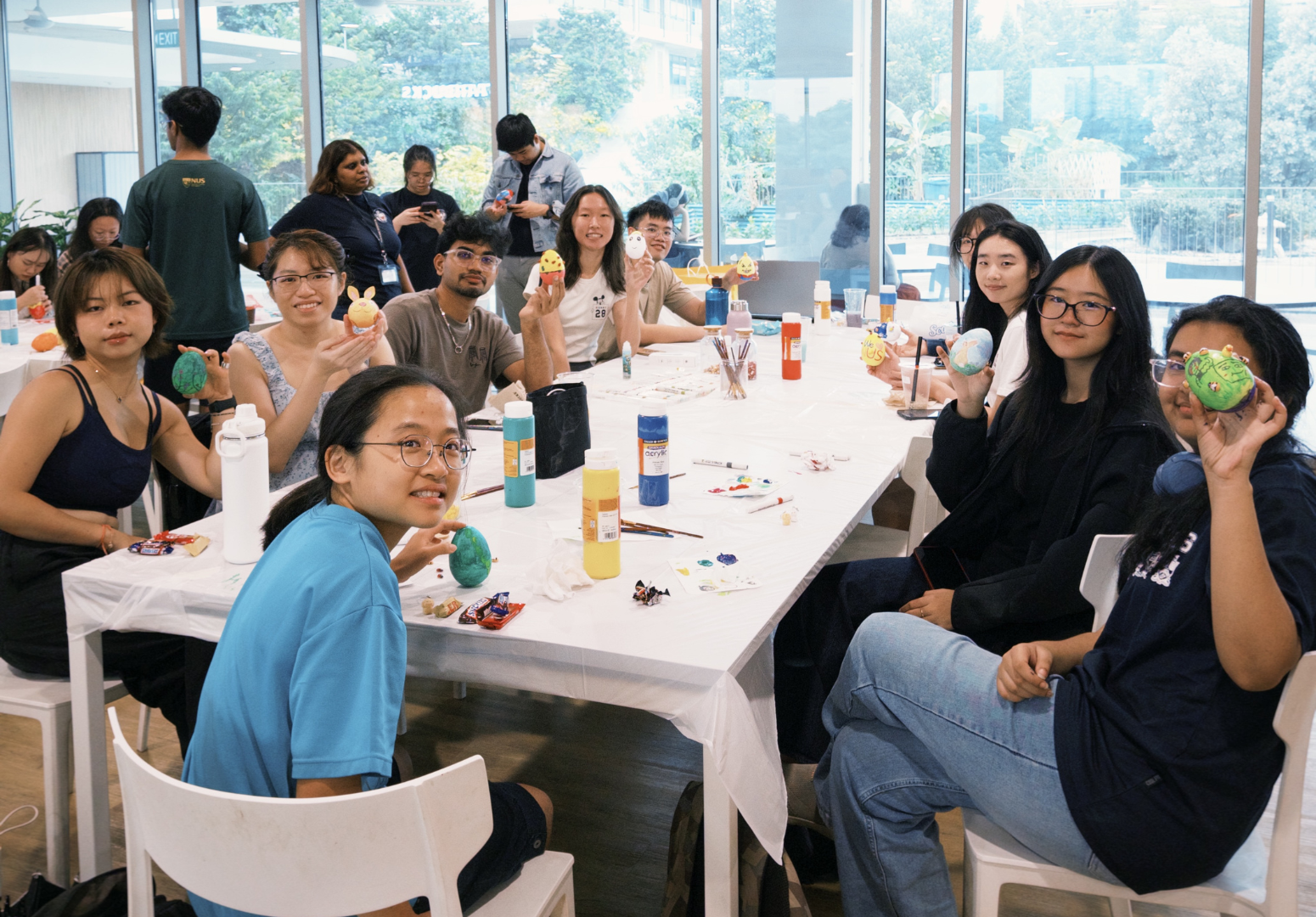
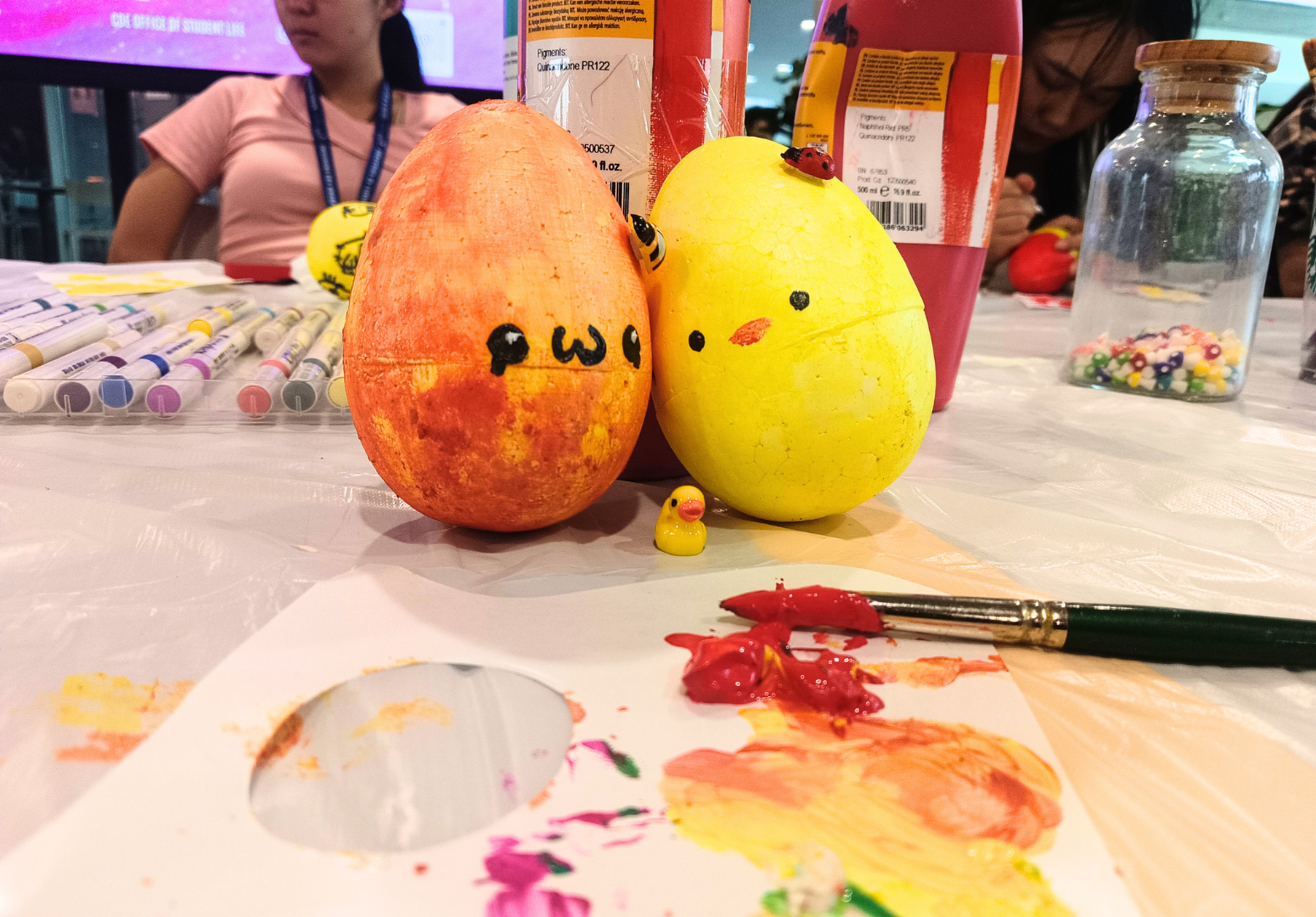
Amid the late-semester rush of deadlines, CDE Wellness Ambassadors brought a moment of rest and play to the To-Gather space with a cheerful Easter-themed event, "Hop into Easter Eggscape". Participants painted their own foam eggs in bright, creative designs before setting off on a small Easter hunt for hidden keychains.
The two-hour session offered students a welcome chance to unwind, laugh, and connect with friends, all while enjoying a dose of hands-on fun. As participant Chakraborty Shrabasti (Computer Engineering) put it, “The event was fun and provided some rest and relaxation for two hours during Week 12. My friend and I enjoyed painting the eggs as well as hunting for keychains together.”
CDE student leaders grow through Leadership Camp
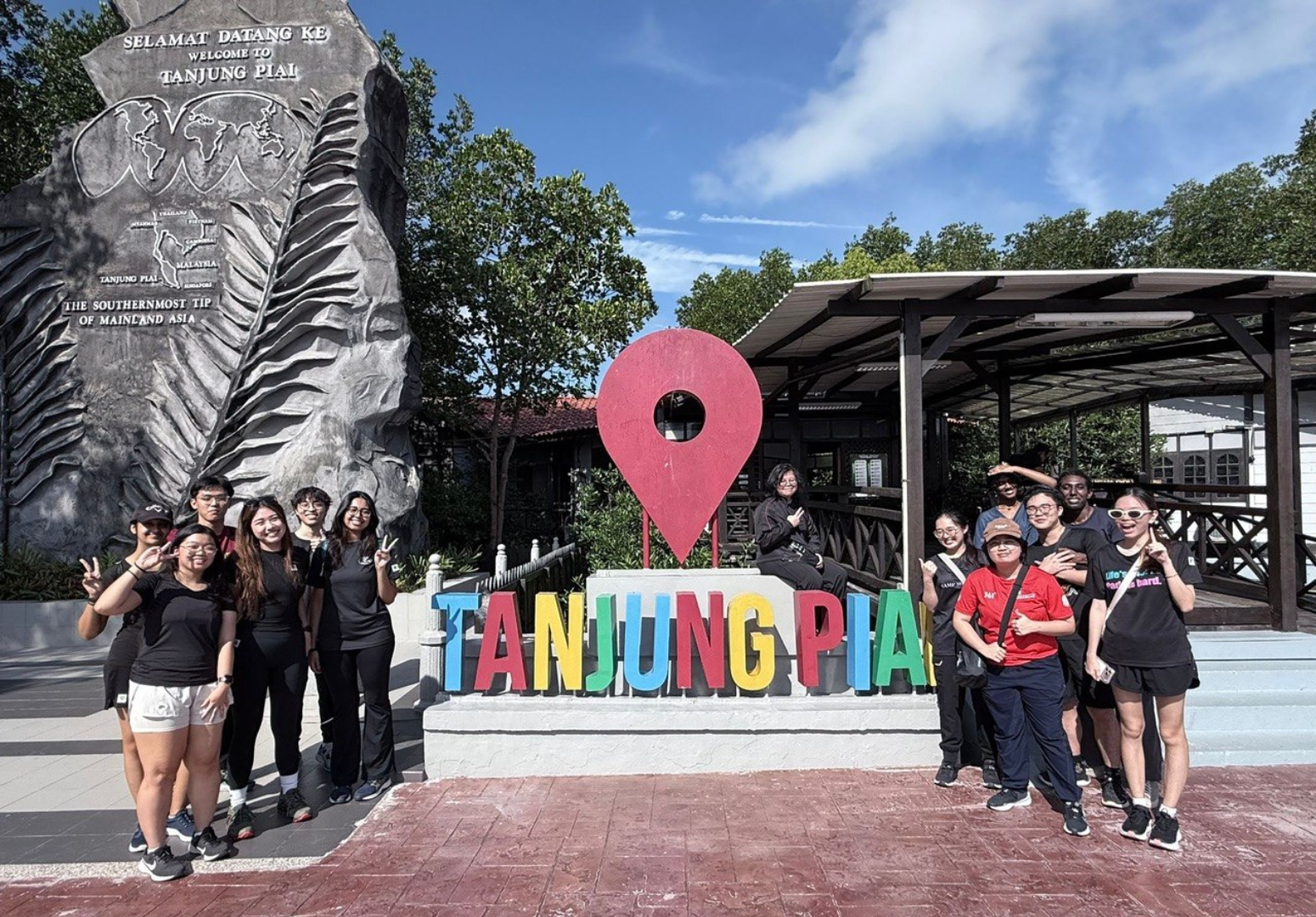
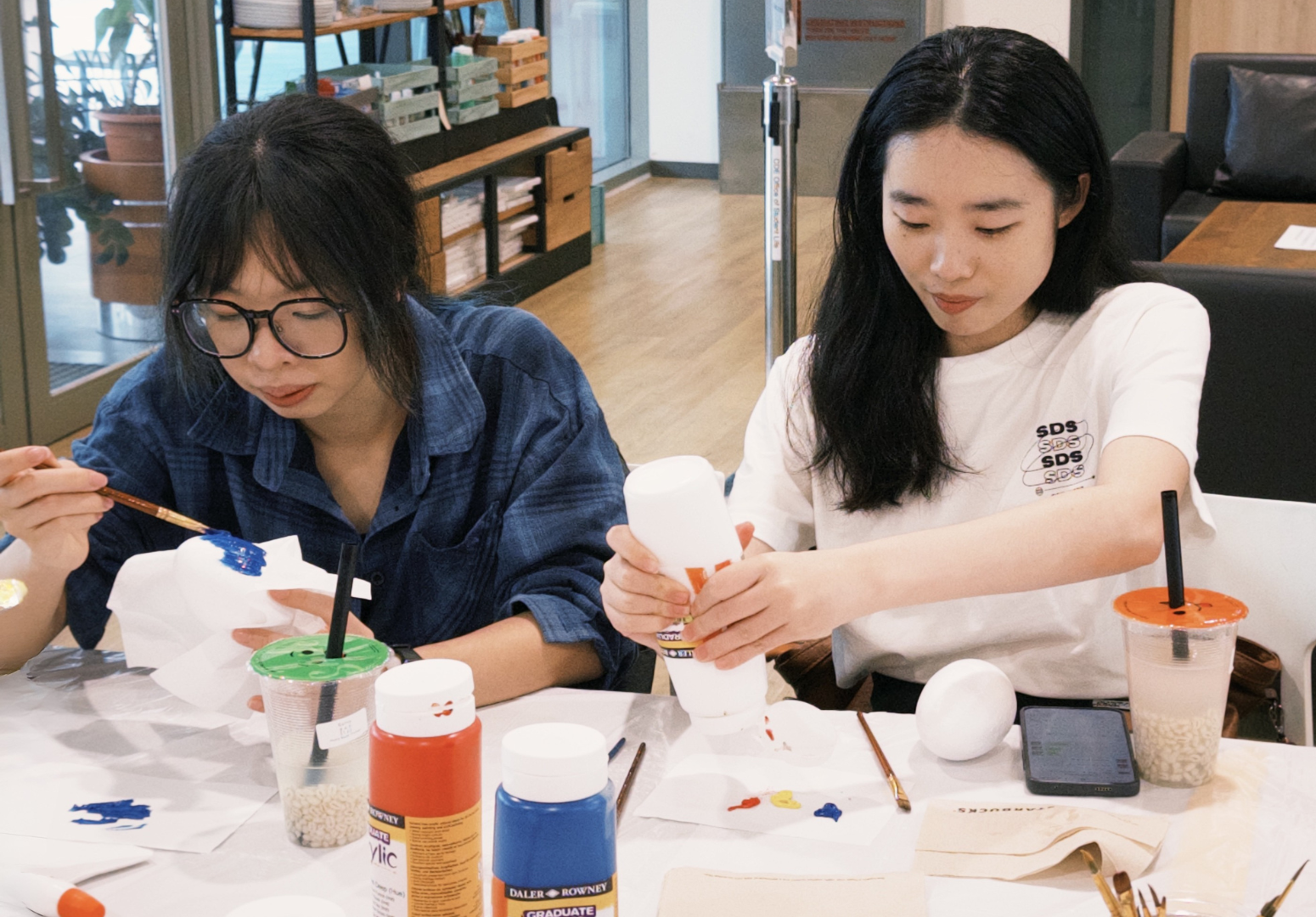
CDE student leaders attended a two-day Student Leadership Camp aimed at moving leadership beyond titles and into everyday action. Focused on self-awareness, relationships, and responsibility, the camp provided a safe environment for students to explore their identities and envision the community they want to create.
Three returning leaders acted as peer role models, supporting group processes and embodying values learned in earlier training.
The programme combined high-energy challenges with guided reflection. In team-based activities, students practised clear communication, collaboration under pressure, and negotiation of differing viewpoints. Many realised that effective leadership involves listening, making space for quieter voices, and being attentive to group dynamics.
Participants recognised themselves as developing leaders, committed to reflection and growth. As the camp concluded, they understood that true leadership would unfold back on campus, using the shared experiences and commitments formed there to influence their communities with kindness and openness, while continuing to refine their skills through service. Meanwhile, returning leaders continued to practise and refine their skills through ongoing service to their peers.