
INDUSTRY & INNOVATION
Sustainable Tropical Data Centre Testbed (STDCT)
STDCT 2.0 signs MOU with Eaton to validate tropicalised data centre power architectures

The Sustainable Tropical Data Centre Testbed 2.0 (STDCT 2.0) is expanding its collaboration with Eaton, which has committed about S$3 million across Phase 1 and Phase 2 of the programme. The partnership will support the validation of AI-driven, high-density data centre power architectures optimised for tropical operating conditions.
Since participating at the inception of STDCT 1.0 in 2022, Eaton has contributed equipment and engineering expertise to the testbed’s ongoing trials. For STDCT 2.0, the collaboration will deepen further, moving towards integrated, modular power solutions designed for GPU-powered workloads and next-generation deployments.
Read more here.
Architecture
NUS-ArCLab’s “living laboratory” aims to conserve the past while designing for a net-zero future
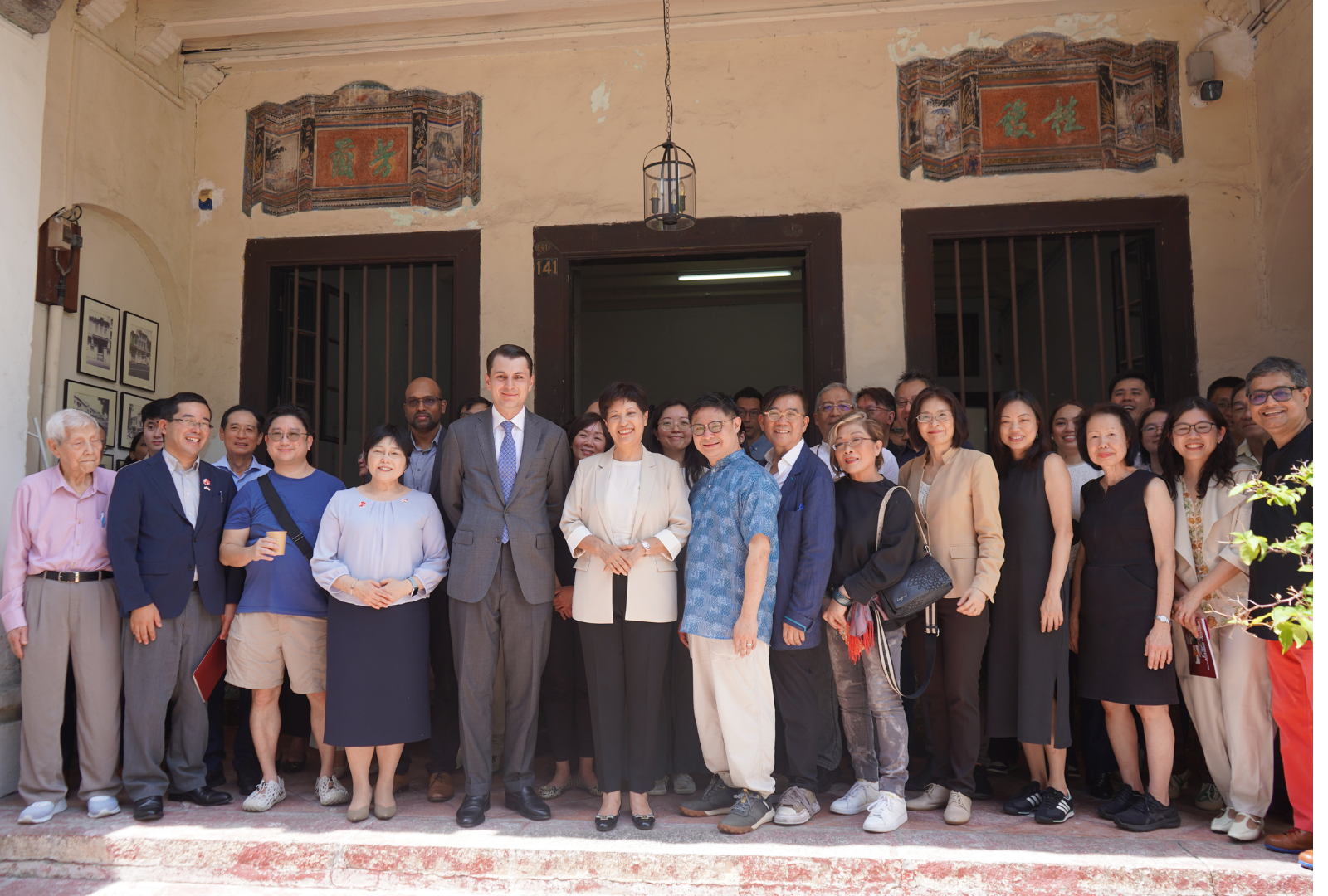
NUS-ArCLab is embarking on a landmark conservation project at 141 Neil Road to explore how heritage buildings can be adapted for a lower-carbon future without compromising their heritage value.
Housed in a conserved townhouse in the Blair Plain Conservation Area, NUS-ArCLab will transform the building into Singapore’s first historic building retrofitted to achieve net-zero retrofit and operational energy, while also targeting BCA Green Mark Platinum Zero Energy certification. More than a restoration project, it will serve as a living laboratory for research into sustainable conservation.
Read more here.
Musim Mas Workshop brings global experts together on biomass and sustainability
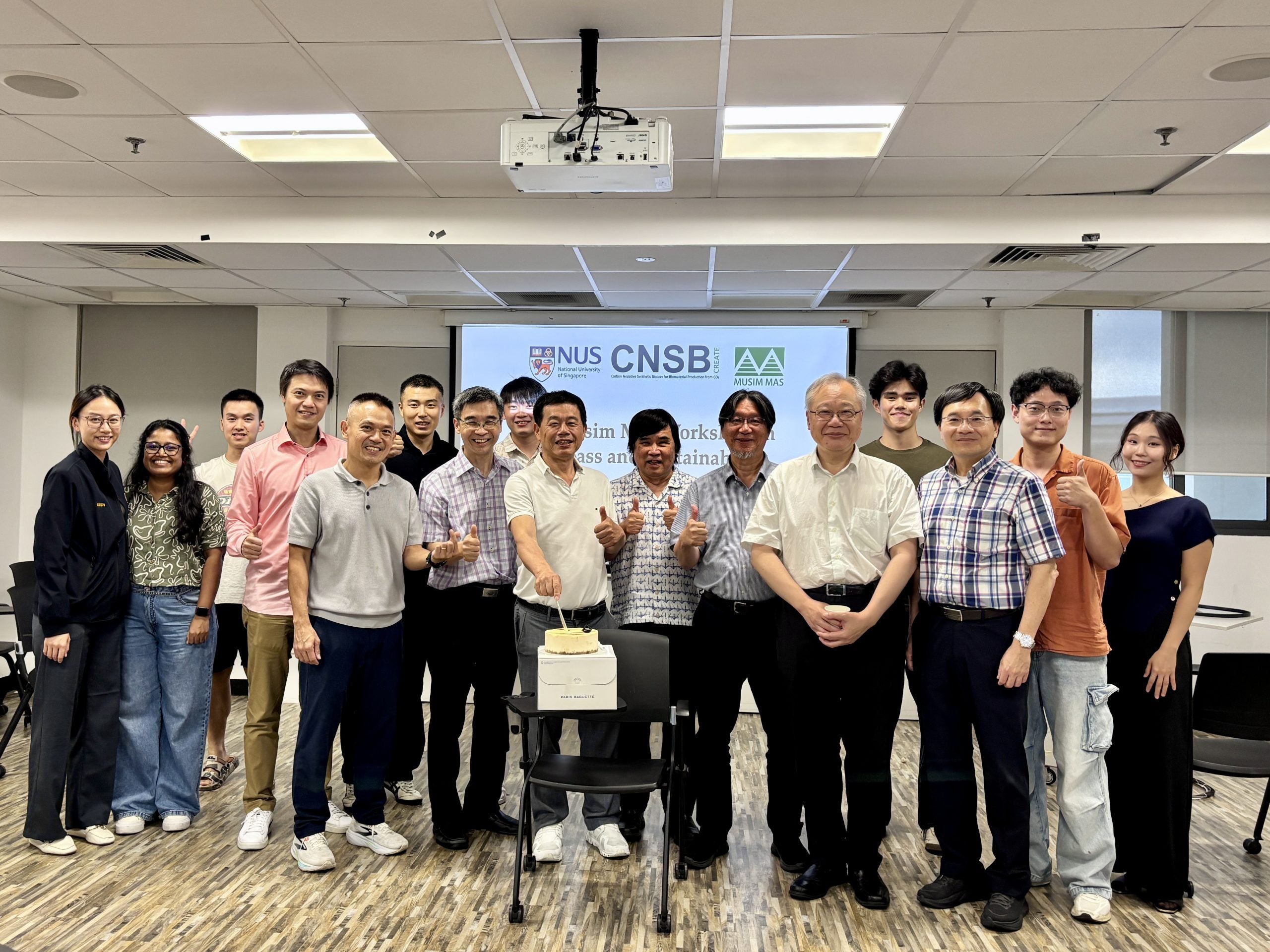
The Musim Mas Workshop in Biomass and Sustainability was organised under the Musim Mas Professorship in Sustainability, and reflects the Professorship's wider mission: to contribute positively to emerging sustainability topics through a broad range of cross-disciplinary lessons and research. Supported by Musim Mas, the Professorship enables CDE to bring together expertise across disciplines and to strengthen Singapore’s role as a regional hub for sustainability research. Awarded to Prof Tong, the Professorship also supports research that can advance sustainability efforts in the palm oil industry and related sectors.
The programme opened with an overview of CDE research in biomass and sustainability, featuring presentations by Assoc Prof David Leong, Assoc Prof Yang Kun-Lin, Assoc Prof Lanry Yung, and Asst Prof Zhang Yamin from the Department of Chemical and Biomolecular Engineering.
Read more here.
Seatrium deepens support for NUS CDE Professorship to drive offshore and energy innovation
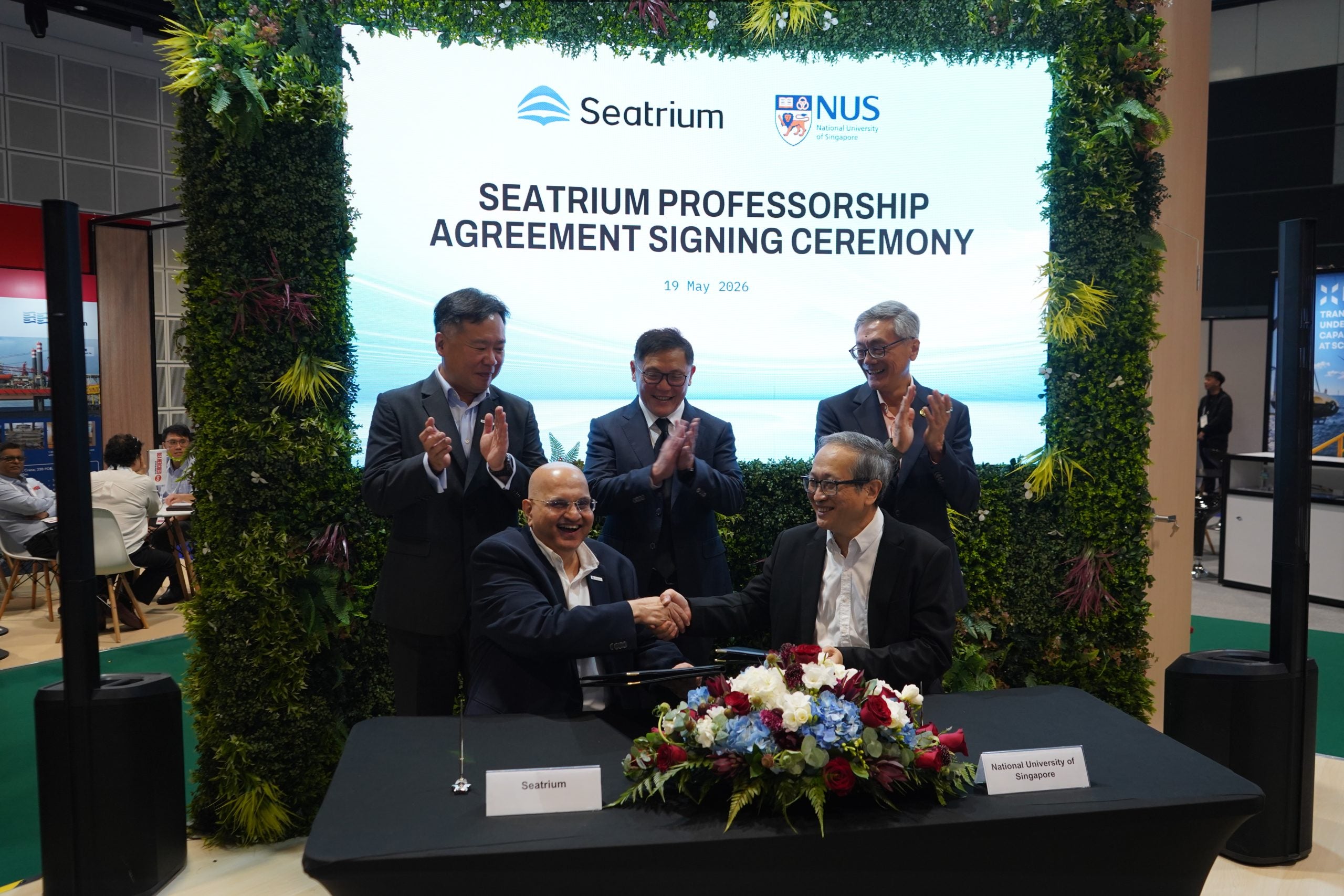
The Seatrium Professorship at NUS CDE first started as a long-standing academic–industry partnership that began over two decades ago, and was renewed in 2023 to reflect a shared commitment to advance research, talent development and innovation in areas shaping the future of the offshore, marine and energy sectors.
We’re pleased to announce that Seatrium has further strengthened their commitment to Professorship activities and collaborations with NUS CDE at the RECHARGE Wind Power Summit 2026 Asia-Pacific on 19 May 2026. This aims to not only advance research in offshore infrastructure, sustainability, and engineering solutions, but also continue existing initiatives such as the NUS Seatrium Public Lecture, which brought together academia and industry to exchange perspectives on emerging developments and challenges in the sector.
Learn more here.
Ecosperity panel spotlights collaboration on low-carbon materials in the built environment

The “Building Bolder: Aligning Innovation, Adoption, and Commitment” panel held on 22 May 2026 during Ecosperity Week 2026 and the Climate Group Asia Action Summit 2026 focused on how South and Southeast Asia can accelerate the adoption of low-carbon materials in the built environment?
Hosted at CDE, the session brought together voices from across academia, industry and sustainability advocacy across the region to examine how the built environment sector can move from isolated innovation to coordinated action on decarbonisation. The discussion centred on limestone calcined clay cement (LC3) and how low-carbon materials can gain stronger traction across South and Southeast Asia.
Read more here.
Electrical and Computer Engineering
LearnKata founders build AI platform to make learning more structured and meaningful
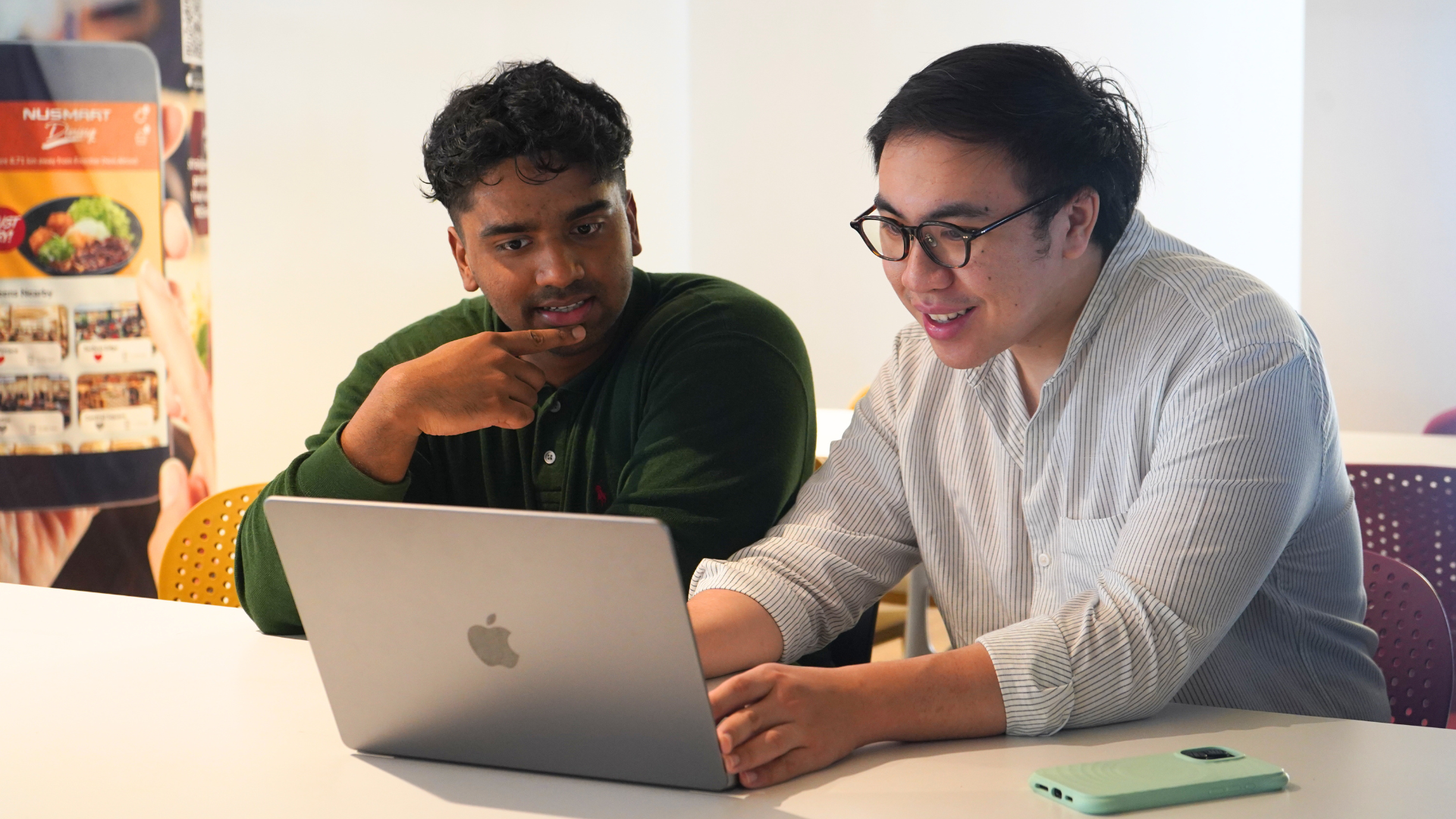
From tutoring students to building a platform used by more than 40,000 learners, Ryan Loh Yong Rui (Year 4, NUS Department of Electrical and Computer Engineering) and Alfred Ben (Year 4, NUS Computing) are rethinking how AI can support education.
As co-founders of LearnKata, the pair set out to address a gap they had seen firsthand: while many AI tools can provide answers quickly, they are not always designed to help students truly understand what they are learning. Their solution was to create a platform that guides students through concepts in a more structured and grounded way, using students’ own study materials.
Read more here.