STUDENT ACHIEVEMENTS & STUDENT LIFE
Team Calibur heads to RoboMasters University League 2026
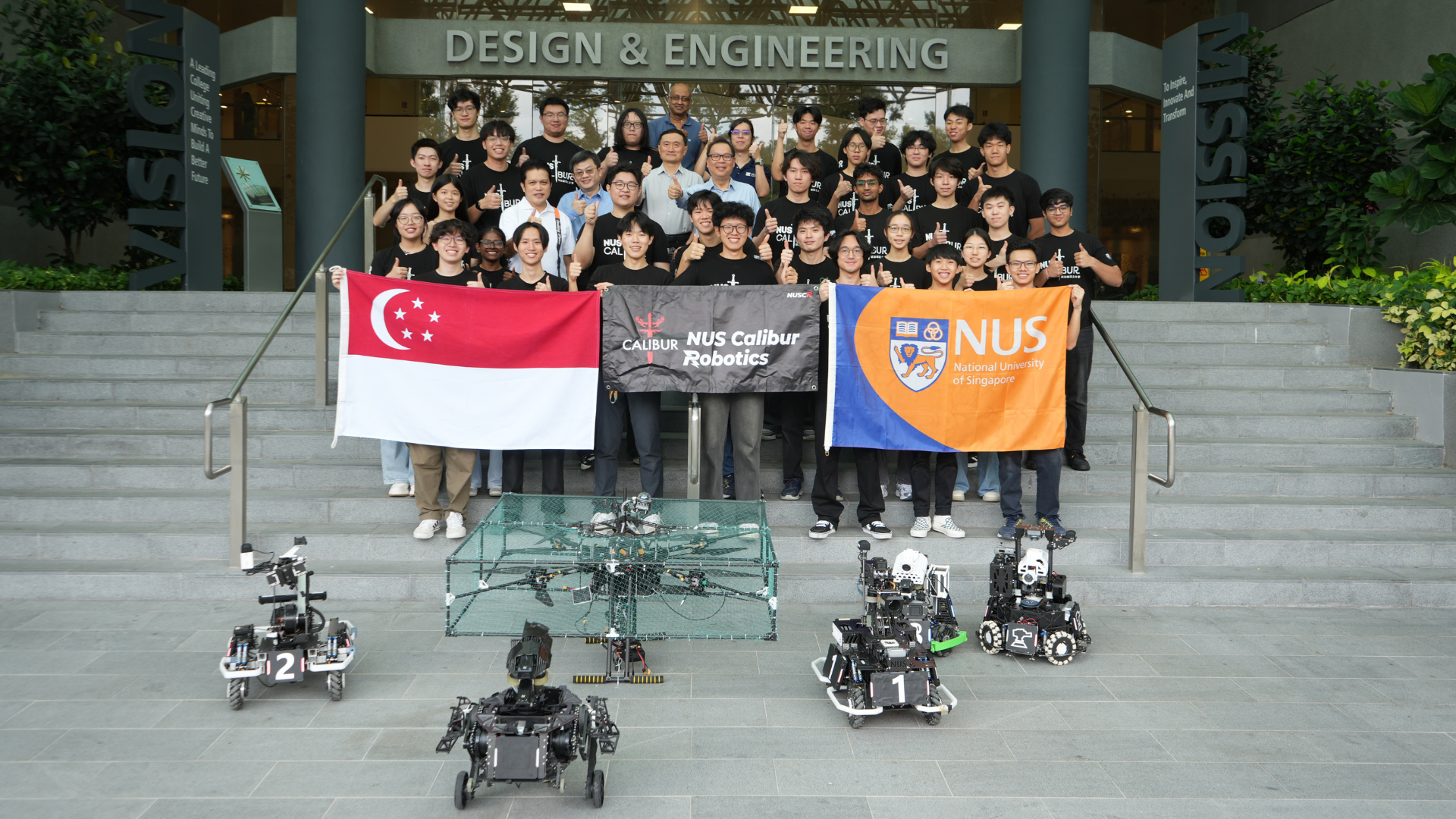
Coming off a strong 2025 season, 1st place in the Engineering Challenge (their debut), Team Calibur Robotics returns to compete this year as the only Southeast Asian team in RoboMasters University League (RMUL) 2026!
This year brings new challenges, including step platforms that require robots to navigate elevation changes without ramps, pushing the limits of robot mobility and control.
In response to these new challenges:
- Mecanum-Wheel Hero Robot now integrates projectiles within the chassis, lowering the centre of gravity, reducing the load on the gimbal, and improving responsiveness.
- Bipedal Balancing Robot features enhanced stability, with self-recovery capabilities when toppled.
- Engineering Robot has a redesigned manipulation system in accordance with competition regulations, shifting from a suction-based mechanism to a gripper for improved adaptability and task execution.
The team comprises 34 students across Computer Engineering, Electrical Engineering, Mechanical Engineering, Robotics and Machine Intelligence, Biomedical Engineering, and Computer Science, including several Master’s students. Team Calibur represents the strength of interdisciplinary collaboration at CDE.
The team was flagged off by Professor Teo Kie Leong, Dean of CDE, ahead of the competition. Also present at the flag-off were Professor Biplab Sikdar, Head of Department of Electrical and Computer Engineering, Associate Professor Soh Wee Seng, Deputy Head of Electrical and Computer Engineering, Instructor Nicholas Chew from Engineering Design and Innovation Centre, and other supporters.
“Calibur is united by a shared passion for robotics and driven to challenge ourselves against the very best,” shares Team Captain Barry Wu (Year 4, Electrical Engineering).
CDE students bring Biomedical Engineering to life in rural healthcare
How can we bridge the gap between academic theory and real-world impact?
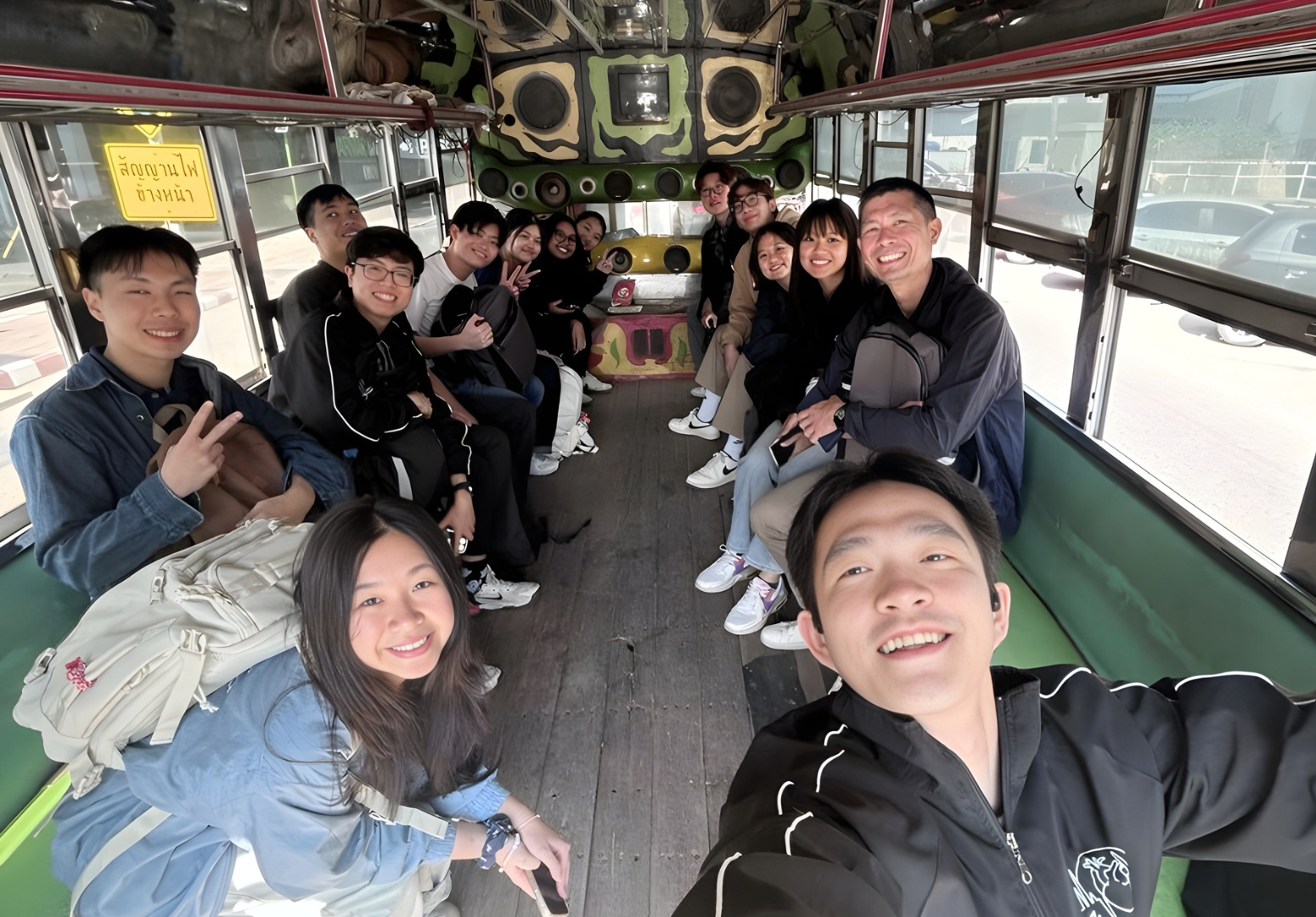
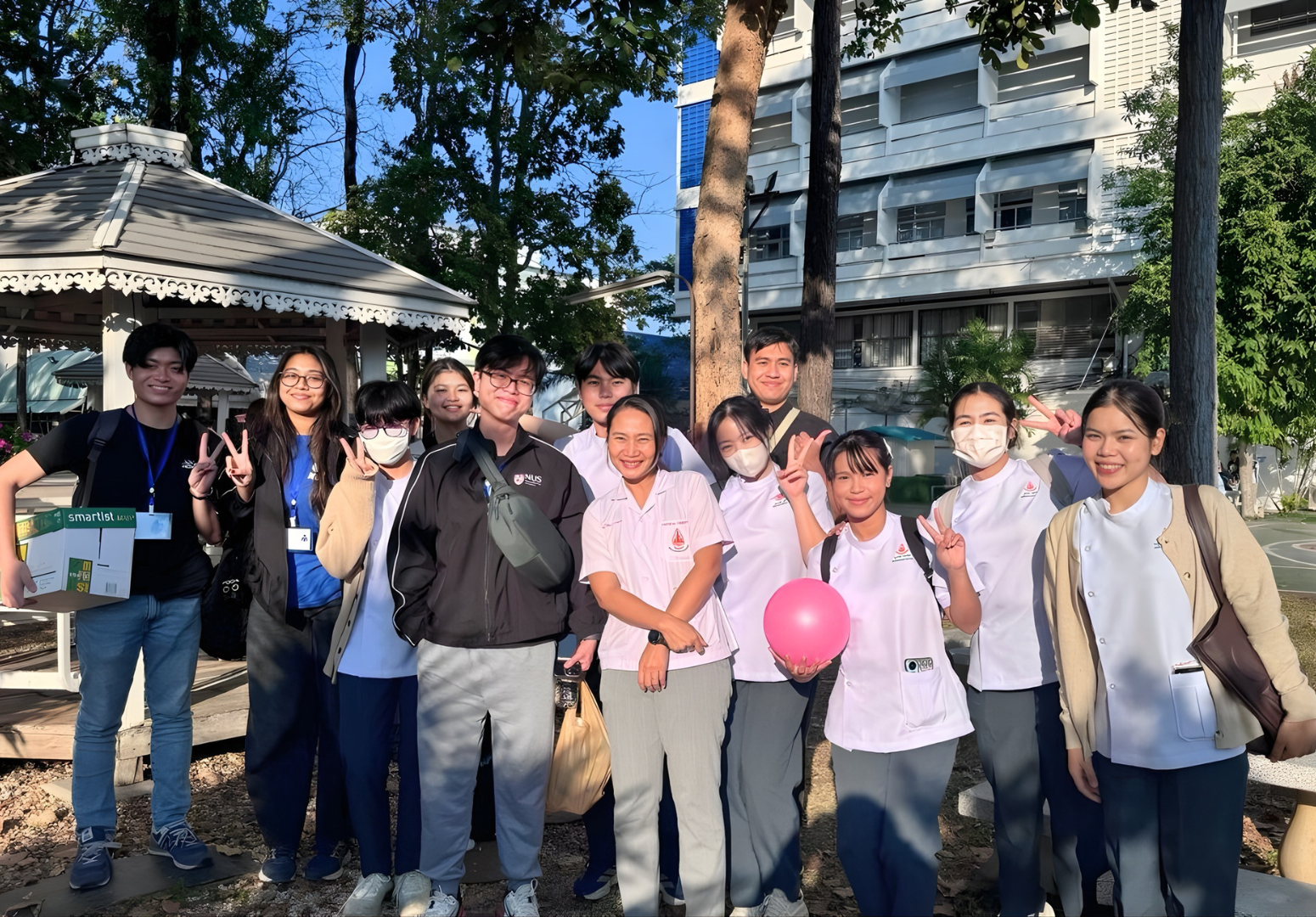
A recent community-based learning project for 15 BN4102 students in rural Thailand did just that. Tasked with innovating healthcare solutions for seniors in a resource-limited environment, our students developed not only practical skills but also a profound sense of purpose.
As part of the course, the STEER (Study Trips for Engagement and Enrichment) programme was integrated into their curriculum, offering a seven-day immersive experience. Students worked closely with the School of Associated Medical Sciences at Khon Kaen University, visiting nursing homes, hospitals, and even patients’ homes in rural communities. They followed students from the Physical Therapy programme during sessions, observed challenges firsthand, and were tasked with identifying problems and proposing potential solutions to improve elderly care.
“I enjoyed interacting with the locals there. Their warm welcome gave me the courage to ask more questions,” shared Heng Letong, a Year 2 Biomedical Engineering student. “Even when there were language barriers, we found ways to communicate. Sometimes, body language was enough.”
Beyond technical learning, the experience also highlighted the importance of teamwork. What began as hesitant discussions gradually grew into open idea-sharing, as students learned to collaborate across perspectives.
Reflecting on the programme, Associate Professor James Kah from the Department of Biomedical Engineering, who leads BN4102, said, “This experience adds depth to community-based learning by providing the added dimension of community healthcare in the rural areas of Thailand, where our students could interact with seniors and innovate solutions to improve their health and well-being when resources are limited. Such a learning experience truly brings in new perspectives and empathy that make learning in BN4102 come alive outside of our campus and Singapore.”
DBE student wins Best Poster Award at Singapore Scientific Conference

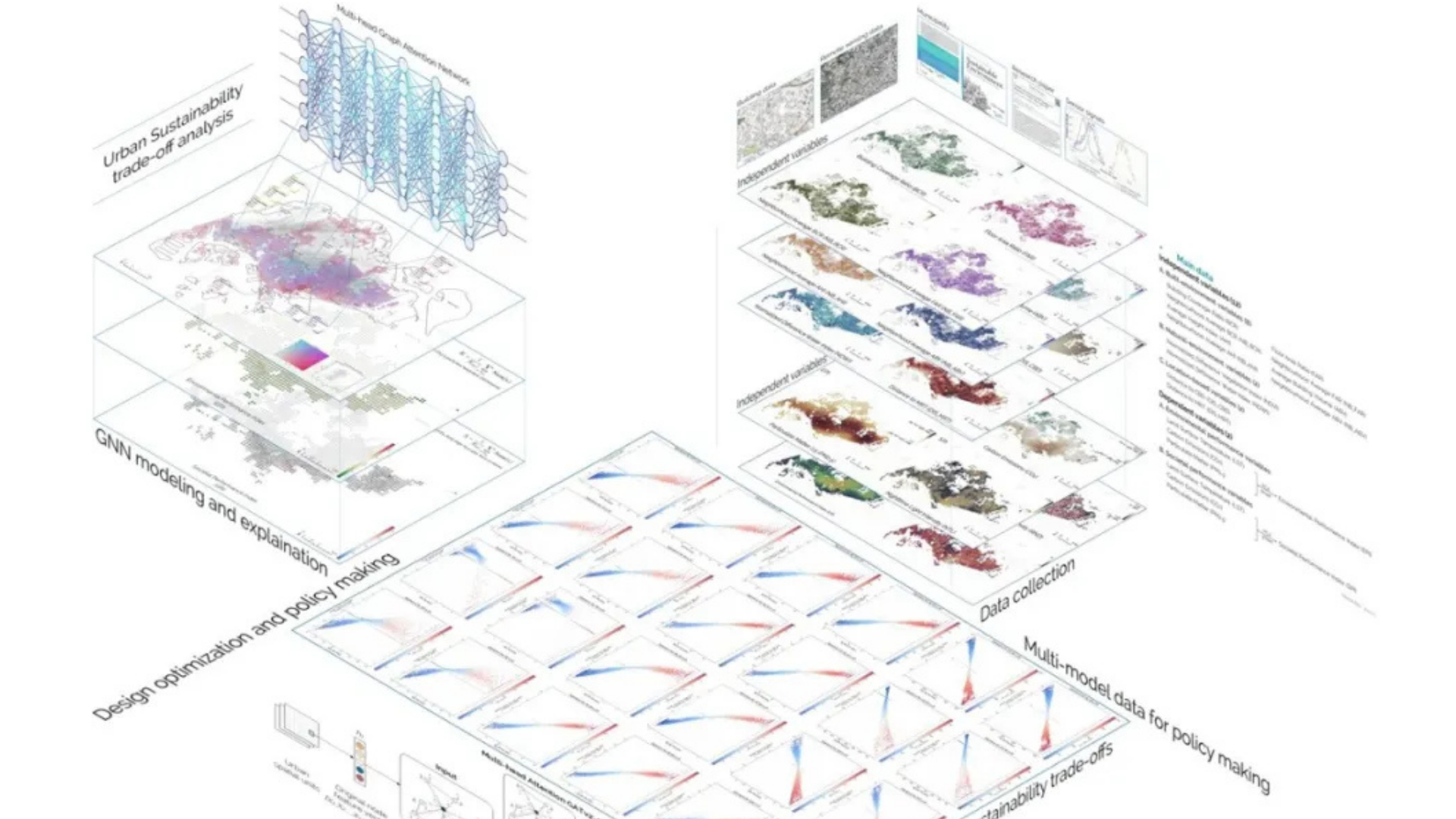
Xia Ye, a PhD student under the supervision of Assistant Professor Ang Yu Qian, presents the poster “Explainable AI for Urban Sustainability Trade-offs – A Singapore Case Study,” which won the Best Poster Award at the Singapore Scientific Conference 2025.
The work introduces a Graph Neural Network (GNN) framework to examine how urban morphology influences both environmental and societal performance in Singapore. By integrating spatial graph structures with explainable AI techniques, the study identifies key drivers, such as green plot ratio, building height, and density, that shape sustainability trade-offs.
Through Pareto analysis and “Super Node” modelling, the research highlights high-impact urban typologies and proposes actionable optimisation strategies. The findings provide interpretable, data-driven insights to support planners and policymakers in enhancing environmental and societal outcomes, contributing to more sustainable urban development.
Civil Engineering students recognised at SUCCEED 2026

Civil Engineering students took home three Company Choice Awards at SUCCEED (Singapore Universities Combined Civil Engineering Engagement Day) 2026. The event brought together 160 students from NUS, NTU, SIT and Singapore Polytechnic to compete in the Floating Tower Challenge, a hands-on test of engineering design, collaboration and industry engagement.
Teams had 90 minutes to design and build a floating structure using limited materials such as ice cream sticks, bottles and rubber bands. The towers were tested under simulated waves and weighted loads, and evaluated on structural efficiency, stability, height, sustainability (using fewer materials) and creativity.
Supported by industry partners, eight companies were present to evaluate the projects and select teams for the Company Choice Awards based on the performance and ingenuity of their designs.
Out of 12 awards, our students clinched three Company Choice Awards:
Door & Rose – selected by Chuan Lim Construction Pte Ltd
Team members: Samuel Chan Guan Xu, Senthilkumar Praveen, Kate Lovelace Layba Agpaoa, Sophia Muhammad Ishak, Clarissa Joyceline Edi Surya
“We chose a triangular base to distribute loads more efficiently, allowing us to use fewer materials while maintaining stability under waves,” Samuel reflected.
Bolts of Duty – selected by Utracon Structural Systems Pte Ltd
Team members: Kaung Khant Zaw, Lin Sheng Hui, Tan Jia Xuan Constance, Tan Yong Yew, Cadence Heah Kai Ru
“We knew height earns points, but stability wins in real-world engineering. So we prioritised strength to ensure our tower stayed afloat under load,” Cadence shared.
Pookie – selected by CPG Corporation
Team members: Tin Chong, Shermaine Kong, Joseph Chai, Joon Hian Lim
“One of our main challenges was achieving stability under both loading and wave simulations while keeping the tower lightweight,” the team shared. “We used a triangular base inspired by the SUCCEED logo to distribute forces efficiently, reinforced critical edges to control sway, and strengthened the top platform for weight placement. Clear role-splitting and quick stability checks throughout the build helped us stay on track under tight time constraints.”
Assoc Prof Ghim Ping Raymond Ong, Deputy Head (Research) in the Department of Civil and Environmental Engineering, who attended the event, added: “There was lots of fun and engagement with the students who have displayed passion in civil engineering, and with their creativity in preparing their floating structures in the ultimate test of water and waves.”
Meet ELExAI: A chatbot built by students, for students
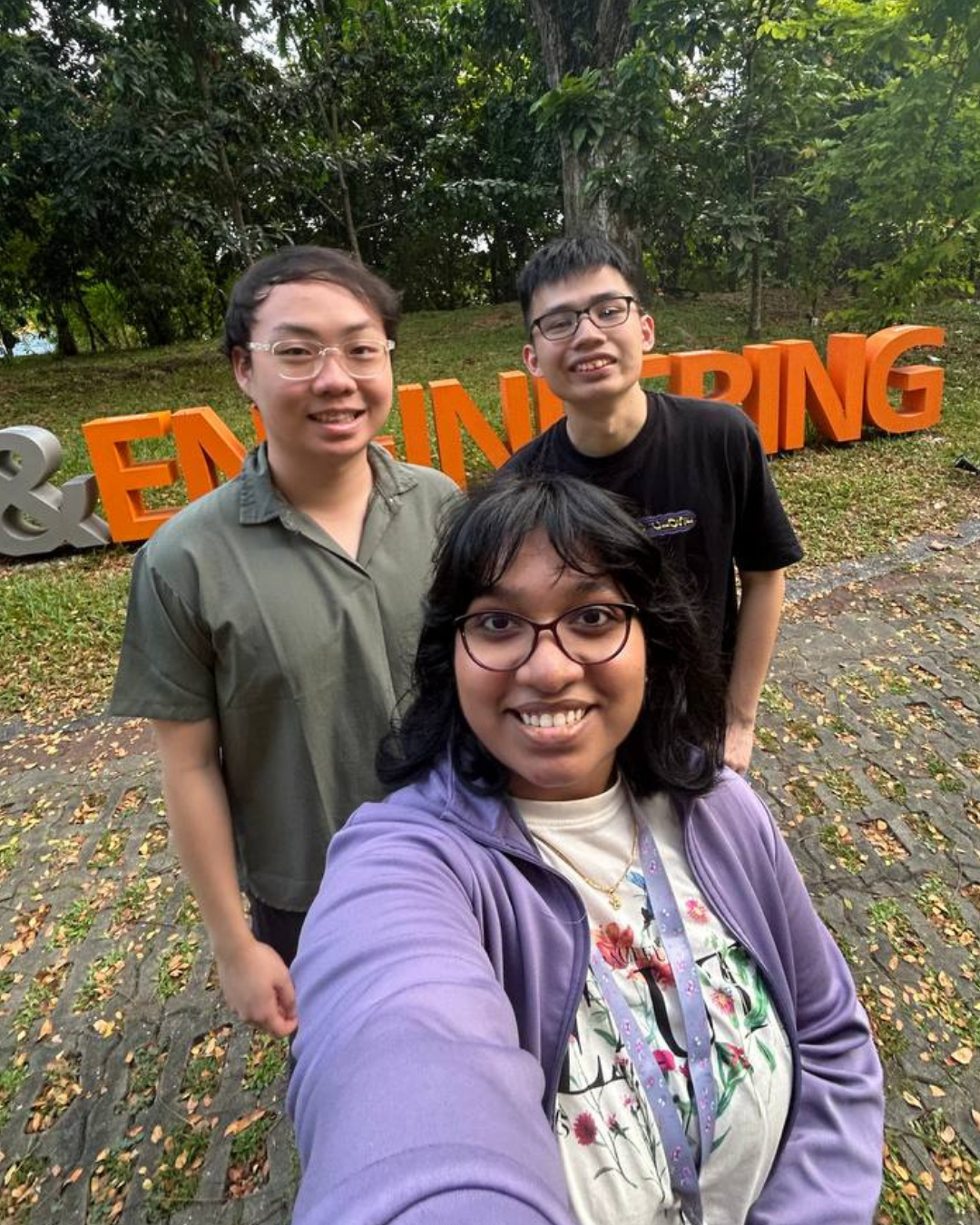
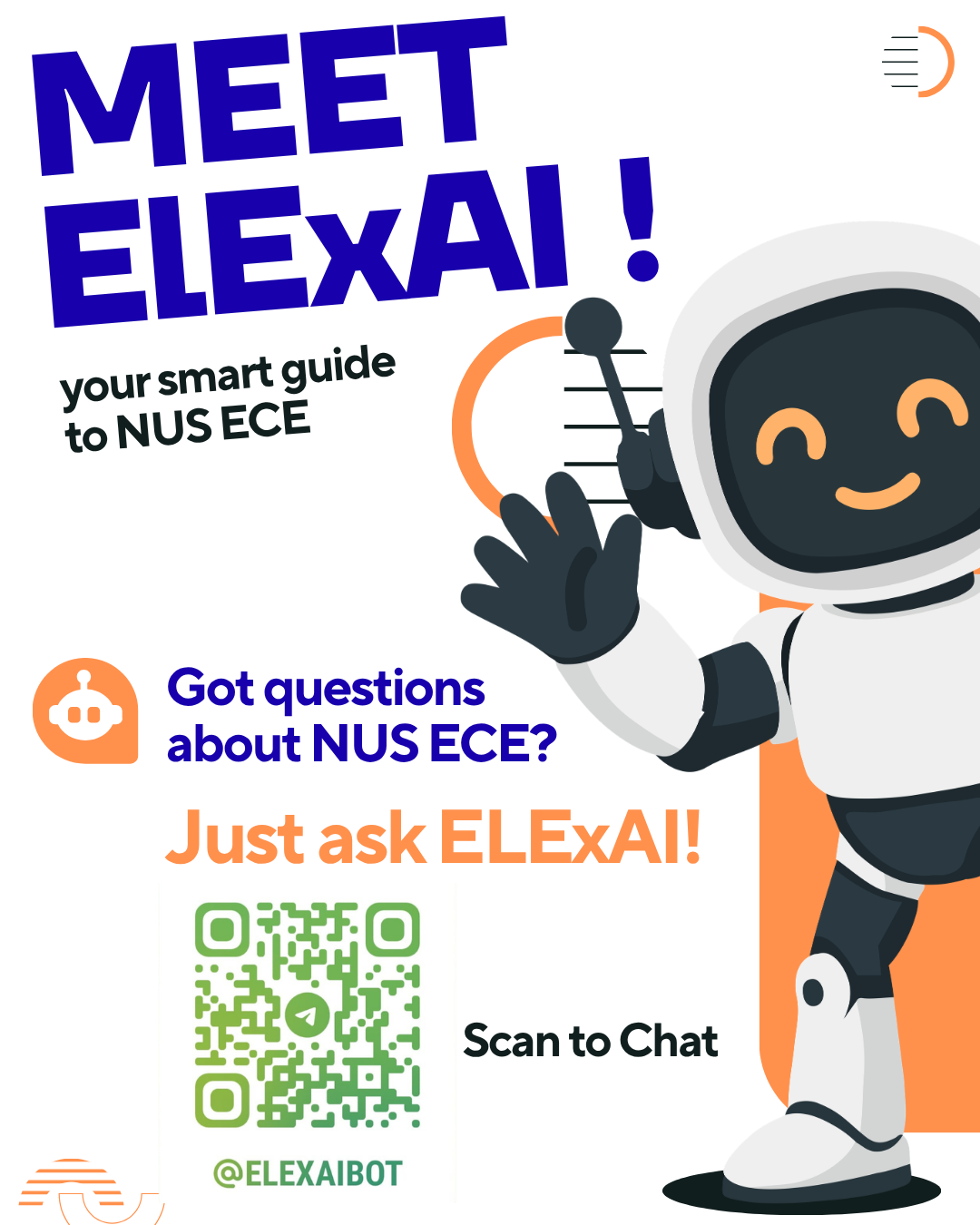
What if your questions about CDE’s Department of Electrical and Computer Engineering (ECE) could be answered instantly by a chatbot built by students themselves?
When Dr Rajesh Panicker, Deputy Head (External Relations & Outreach), put out a call for volunteers to develop such a bot for the Department, Tay Guang Sheng, Goh Eng Hui Jeremy and Badrinath Sandhya took up the challenge, building ELExAI, a student-developed chatbot housed on Telegram, to support prospective students.
From December 2025 to March 2026, the team worked through ideation, development, and refinement, building the system on Amazon Web Services (AWS). One of their biggest challenges was ensuring the chatbot gave accurate and reliable responses, which meant spending time testing, refining prompts, and strengthening the knowledge base. Along the way, courses like CS2113: Software Engineering & Object-Oriented Programming helped them structure the project and collaborate effectively as a team.
The team shared, “We hope it makes it easier for prospective students to make informed choices, and further fuel their interest in the field!”
Meet the team (from left to right)
Tay Guang Sheng: Year 3, Computer Engineering, Minor in Statistics
Badrinath Sandhya: Year 2, Electrical Engineering, Second Major in Computing (Design and Engineering), Minor in Quantitative Finance
Goh Eng Hui, Jeremy: Year 3, Computer Engineering
Celebrating Pi Day with a student-built interactive website
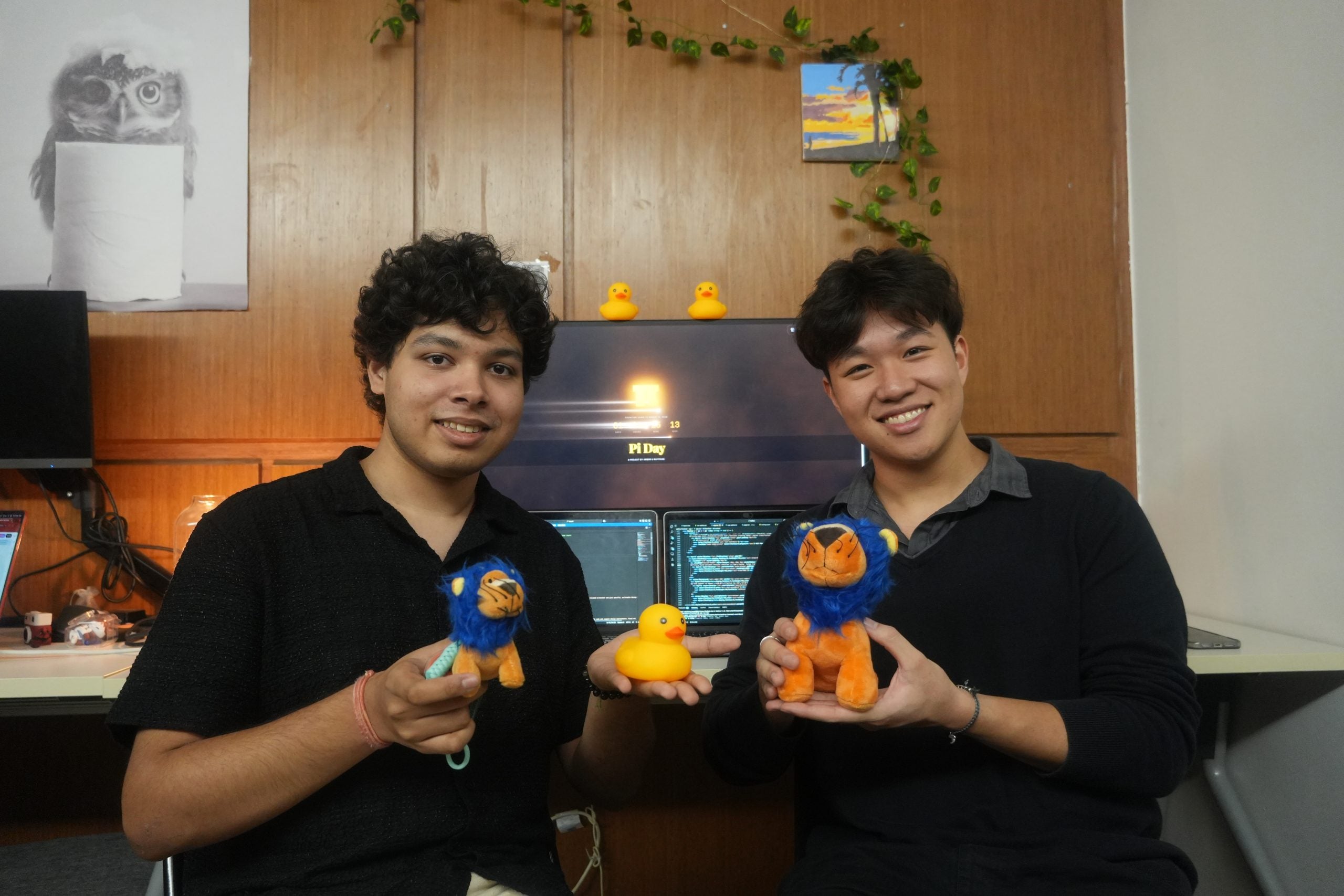
Pi Day is celebrated around the world by mathematicians, engineers, and curious minds alike.
At NUS, two students have marked the occasion by building a light-hearted and interactive website that invites people to explore the famous digits of π in creative ways.
The site allows users to search for their name within the digits of π, experiment with coding challenges to print digits of π, and take part in a leaderboard designed to encourage friendly experimentation with mathematics and programming.
The project was built by Ambar, a Year 1 Computer Engineering student pursuing a second major in Mathematics and a minor in Physics, and Matthias, a Year 1 student with a double major in Computer Science and Quantitative Finance.
The duo met as neighbours at Residential College 4, and despite coming from different academic paths, they teamed up over a shared love of mathematics and problem-solving. What started as a spontaneous idea between friends quickly grew into an online space where others can play with maths and discover new connections.
Although they come from different academic paths, the two collaborated around a shared interest in mathematics, curiosity, and problem-solving. What began as a spontaneous idea between friends quickly became a small online space where others could play with mathematics and discover new connections.
Sometimes learning begins not in the classroom, but with a simple question and the curiosity to build something new.
Explore the project here
Manasi’s journey: Mentorship, growth and giving back to industry
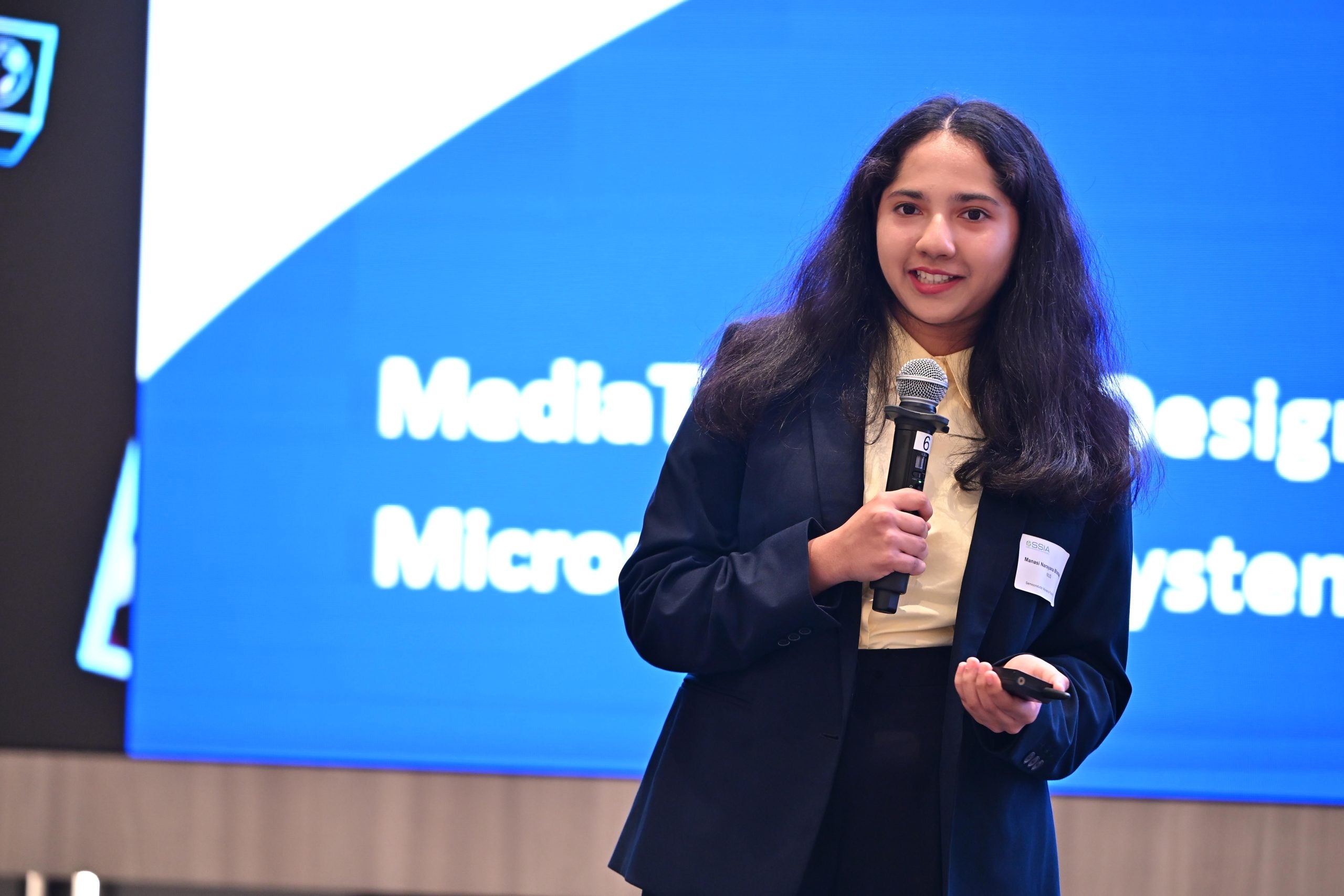
What does it mean to “give to gain” in the semiconductor industry?
For Narayanan Bharadwaj Manasi, a Year 3 Electrical Engineering student, it meant gaining mentorship, patience, and the confidence to navigate the field, and in turn, giving back her perspective to help the industry better support the next generation of engineers.
As part of her journey as a Semiconductor Active Youth (SAY) Ambassador with the Singapore Semiconductor Industry Association (SSIA), Manasi was invited to speak at the Semiconductor Women’s Forum 2026, where conversations centred on the theme “Give to Gain”, as one of two student voices among industry leaders.
Drawing from her own experiences, she spoke about the role mentorship and patience have played in her growth. “Mentorship gave me direction, and patience gave me the space to grow,” she shared.
With guidance from professors, career advisors, internship supervisors, and industry mentors, she gained not only technical knowledge but also clarity and confidence to find her place in the industry.
At the forum, she also offered a student perspective on how the industry can better support future talent through earlier exposure, intentional guidance, and opportunities for students to take ownership of real work.
In doing so, what she gained from the industry comes full circle, shaping how future engineers can be nurtured and how the industry continues to grow its talent pipeline.
“This was a meaningful experience for me. Being able to share my journey and learn alongside people who are shaping the industry. It’s something I’ll carry with me as I continue growing in this space,” Manasi reflected.
From classroom to industry: Business Analytics Case Competition (BACC) 2026
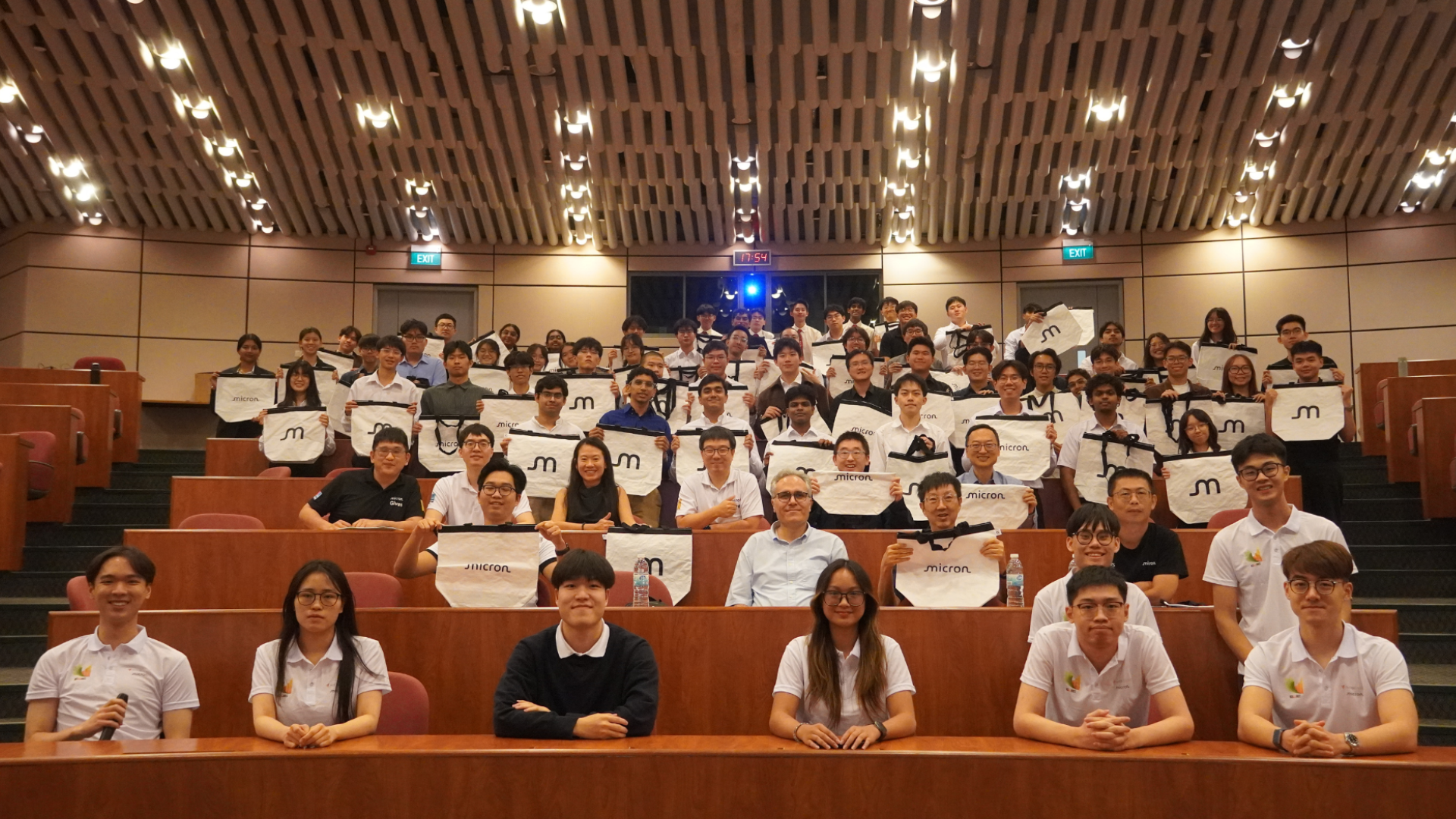
The NUS ISE x Micron Technology Business Analytics Case Competition (BACC) 2026 is a large-scale outreach competition aimed at exposing pre-university and NUS undergraduate students to real-world industry problem-solving.
Established in 2012, BACC attracts around 100+ teams annually, with 133 teams participated in 2026. In partnership with Micron, participants will tackle a data-driven case challenge modelled after authentic industry scenarios, culminating in a Presentation Day where finalists present to a panel of judges. The competition seeks to cultivate systems thinking, analytical rigour, and a data-driven mindset while strengthening industry-academia collaboration.
Inaugural RMI cohort wins at RoboRoarZ
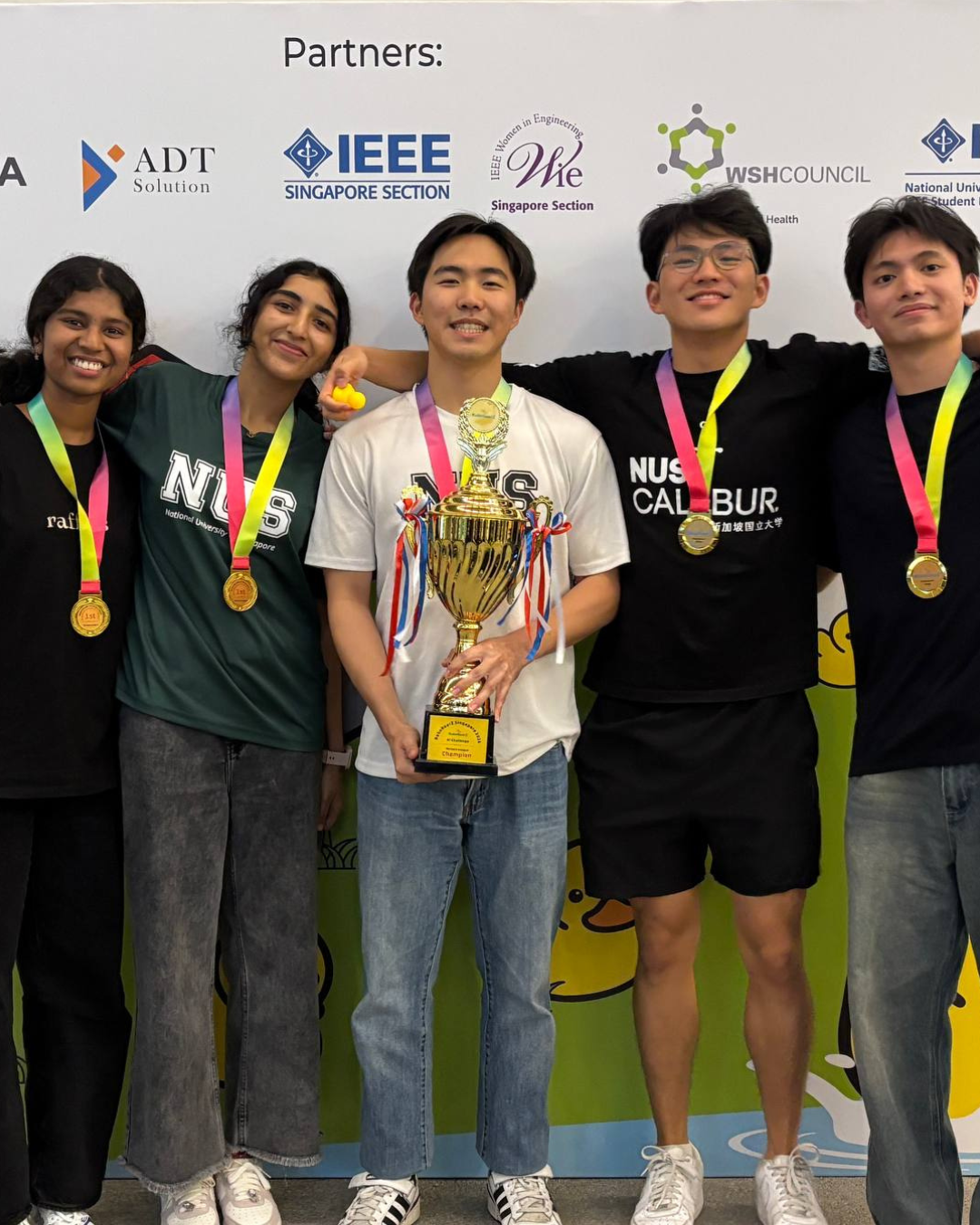

Two teams from the very first cohort of Robotics and Machine Intelligence (RMI) programme, under the Department of Mechanical Engineering, recently clinched top honours at RoboRoarZ, winning in two of the three competition categories: the AI Challenge and the Physical Challenge.
RoboRoarZ is a design-centred, reconfigurable robotics competition that fosters creativity, innovation, and collaboration. Competing against 438 participants from 78 educational institutions, our two RMI teams emerged as champions in their respective categories.
AI / Simulation Challenge
The team built an AI-powered website to support hotel housekeeping checks. Housekeepers could upload photos of a prepared room, and the system would assess whether it met predefined housekeeping standards across key criteria.
Gayatri reflected, “One of the biggest challenges was working under tight time constraints while ensuring our AI model was reliable under simulated real-world conditions.“
Physical Challenge
The second team programmed shape-changing robots to compete in a five-minute match to clear rubber ducks from their side and send them into the opponent’s territory. Working within a clearly marked arena, the team had to make their robots navigate reliably and react quickly under time pressure.
Wan Ruoyu shared, “We realised we didn’t need to understand every line of code to make progress, breaking complex systems into manageable pieces and focusing on core logic allowed us to move quickly and adapt under pressure.”
As Head of Mechanical Engineering, Professor Lee noted, “These wins are a strong signal: our inaugural RMI cohort has both the fundamentals and the grit, from systems thinking and logic control, to rapid prototyping, debugging, and teamwork.”
Equipping student leaders for meaningful peer support


On 25 February 2026, 30 students from the CDE Club, Sub-Clubs, Peer Student Support Group and Wellness Ambassadors came together for a mental health and facilitation skills training workshop. The session strengthened students’ understanding of holistic mental wellbeing while equipping them with practical strategies to build stress resilience, support peers, and navigate challenging conversations with confidence and care
The workshop combined informative sharing with guided discussions, role-play scenarios and short videos featuring the lived experiences of individuals with mental health challenges. These activities deepened students' empathy and equipped them with key takeaways, such as spotting early signs of escalating stress, creating a wellness plan to manage stress, and broadening their perspectives on mental health stigma. Students also enhanced their communication skills by learning techniques such as active listening and de-escalation to apply across various settings.
As one participant shared, "I learned how to empathise with my peers and understood more about mental health challenges, as well as how to handle various challenging conversations." Thank you to all participants for your active engagement and contributions to a fruitful session!
A pawsitive mental health break for students
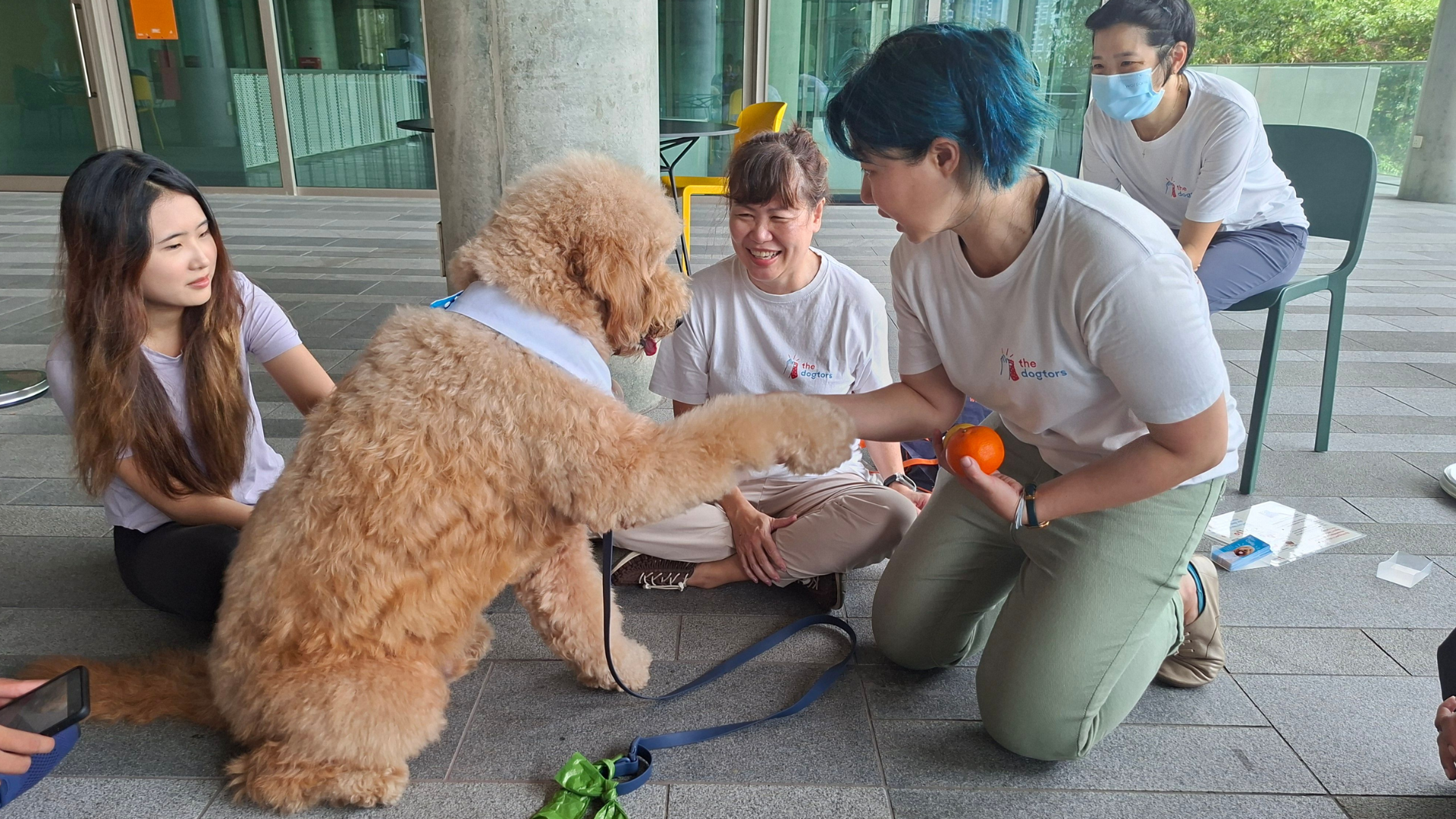
Once the furry friends arrived, students eagerly engaged with them through a variety of heartwarming activities–from feeding treats and encouraging tricks like paw shakes to simply enjoying moments of quiet interaction.
Overall, the session served as a much-needed respite and as participant Gregory Neow (Year 2 Biomedical Engineering), beautifully put it, “The dogs were truly remarkable. Their unconditional affection and playful energy made it incredibly easy to step away from academic pressures, offering a perfect, furry reminder of how vital mental health breaks are.”
Fastest fingers first: CDE students connect through trivia challenge