
Keppel Sustainable Futures Symposium 2026
When it comes to tackling climate change, air quality, and urban growth, real breakthroughs rarely happen in isolation. This core idea was front and centre at the Engineering Auditorium during the Inaugural Keppel Sustainable Futures Symposium, hosted by the Department of Civil and Environmental Engineering at the NUS College of Design and Engineering.
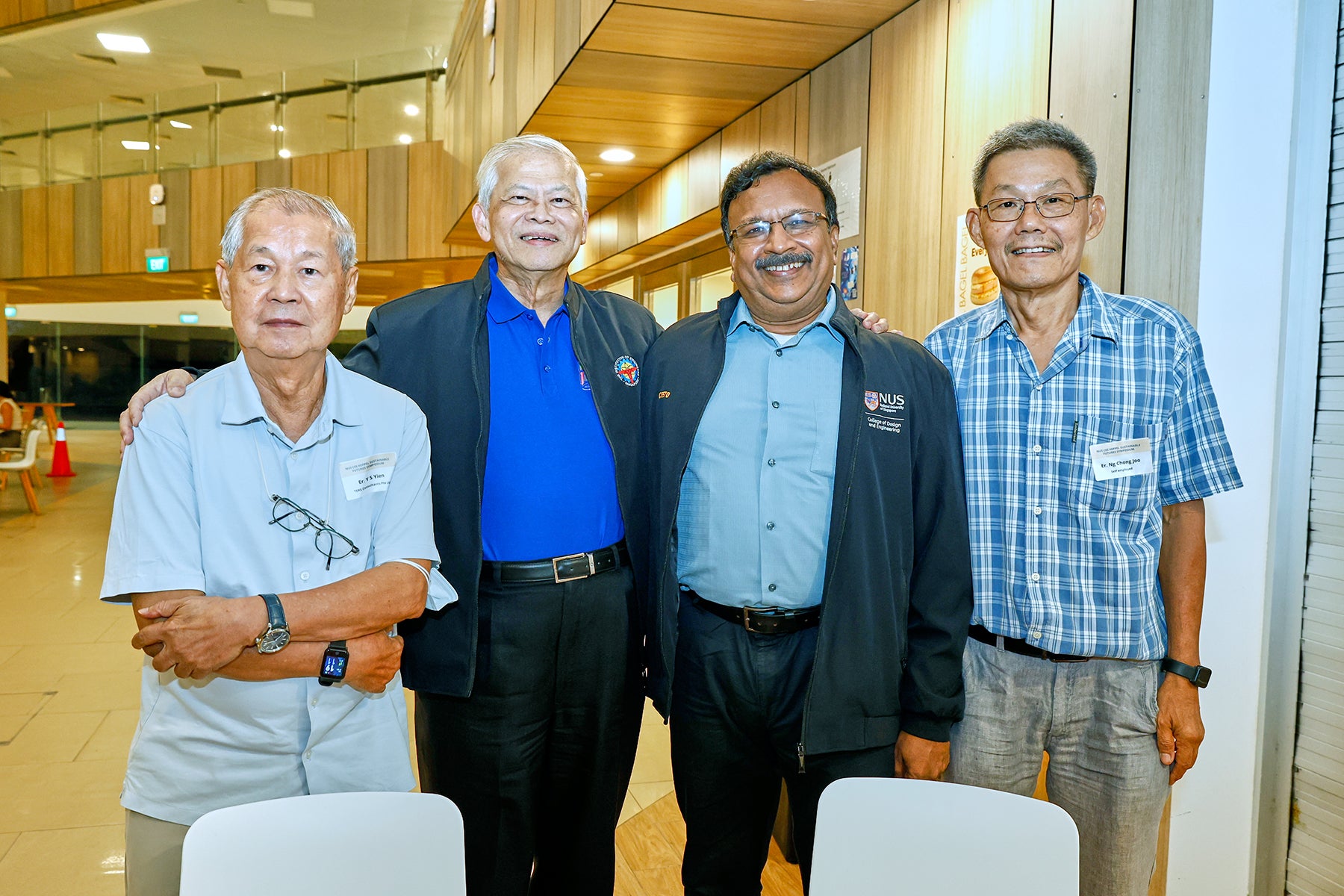
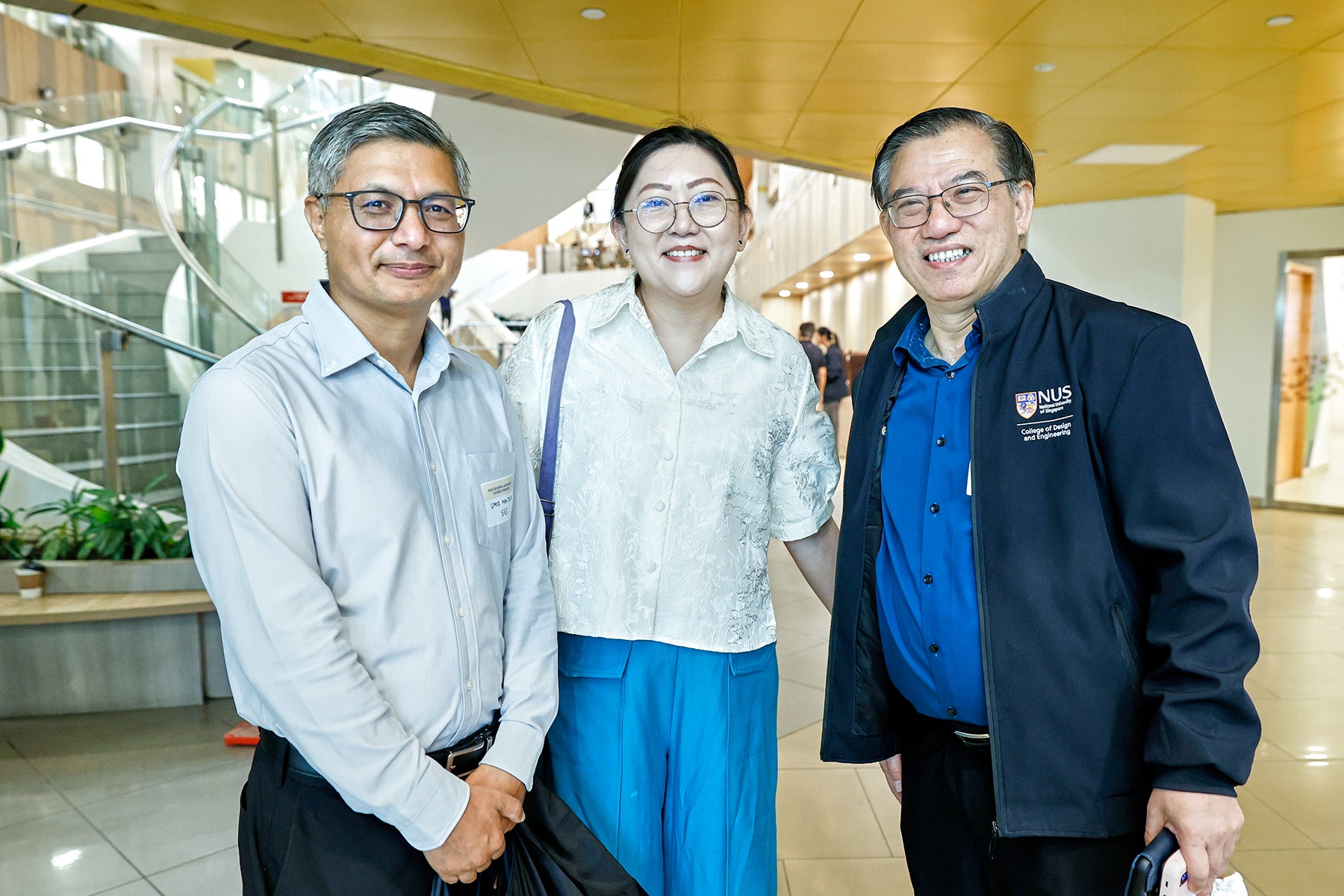
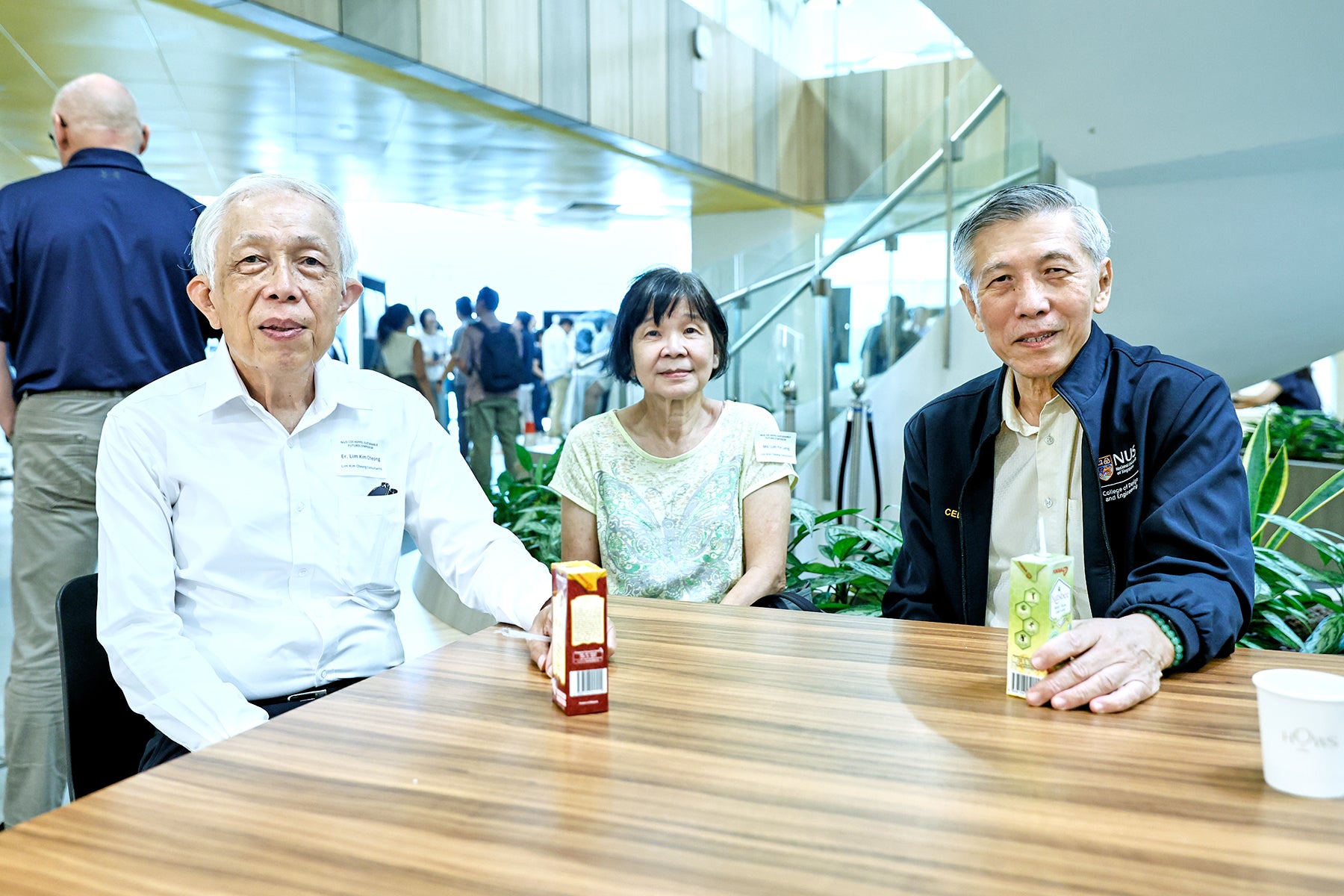
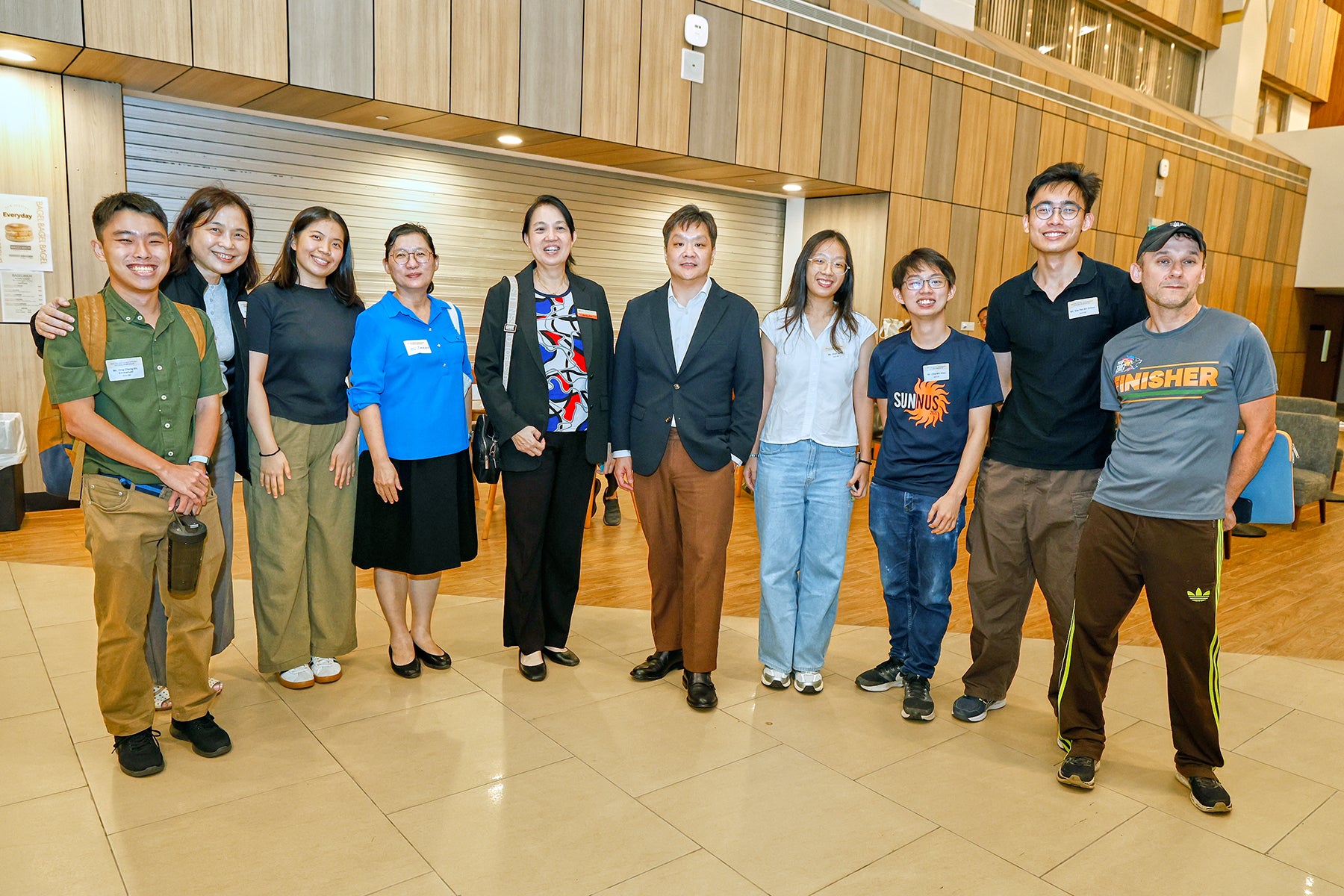
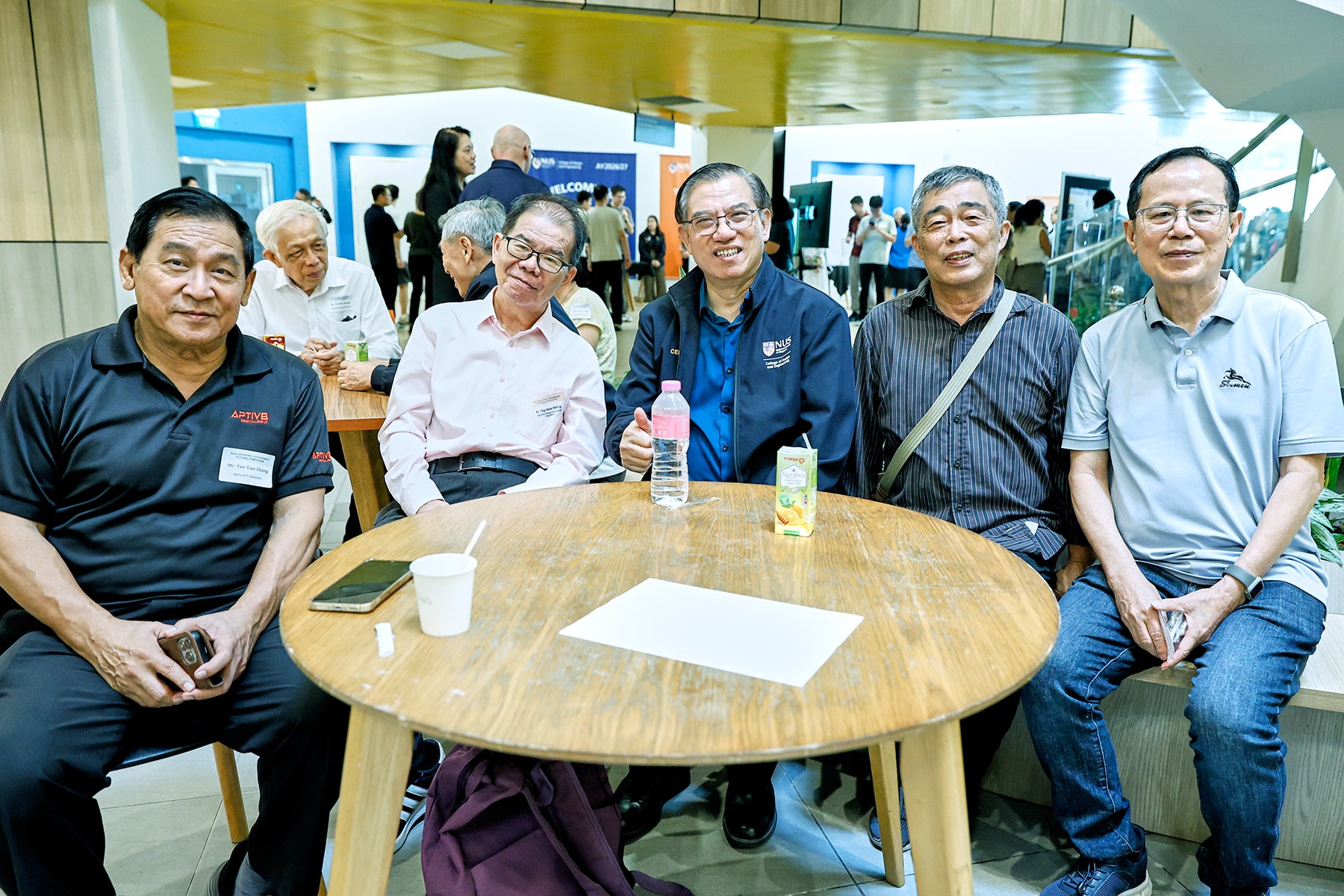
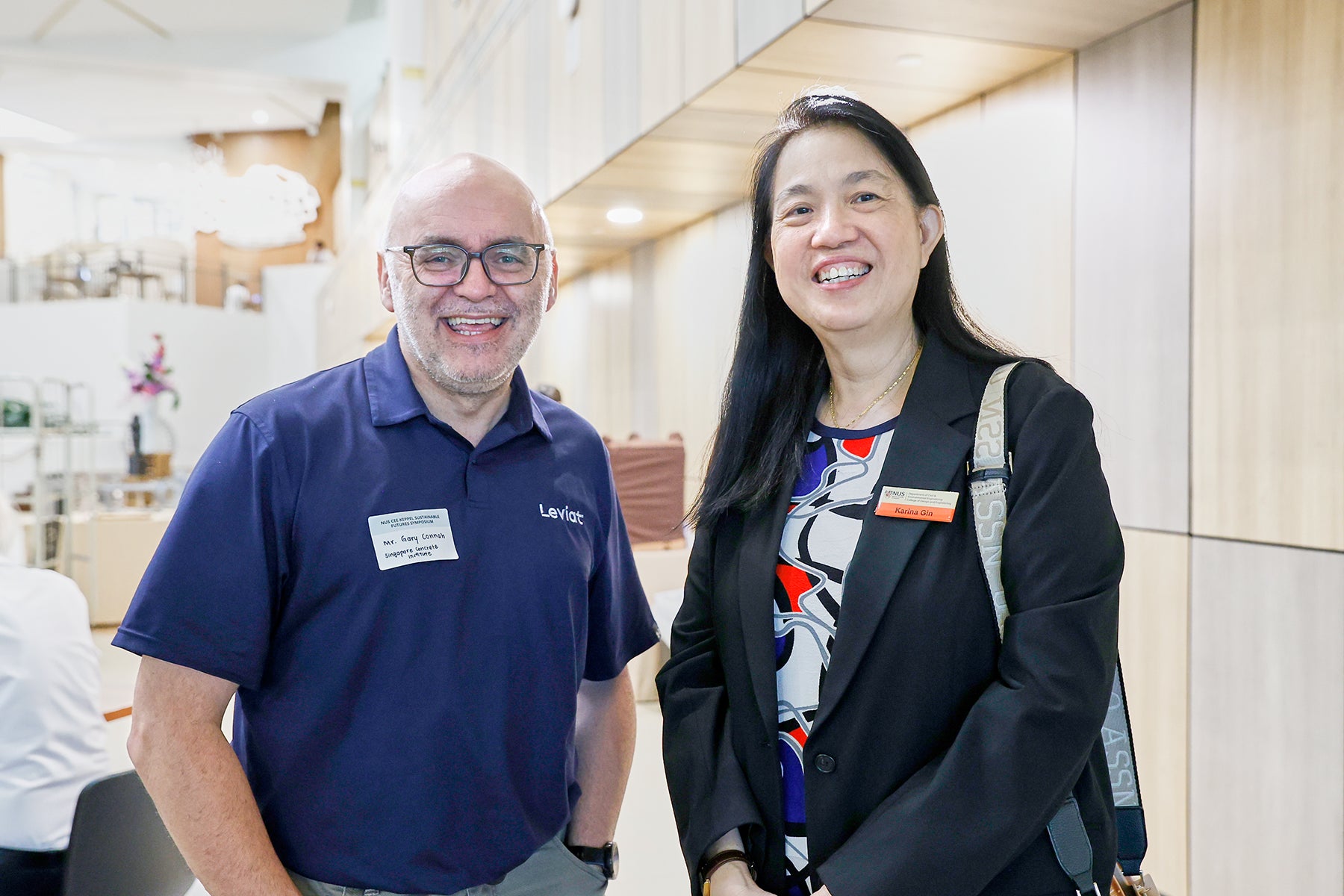
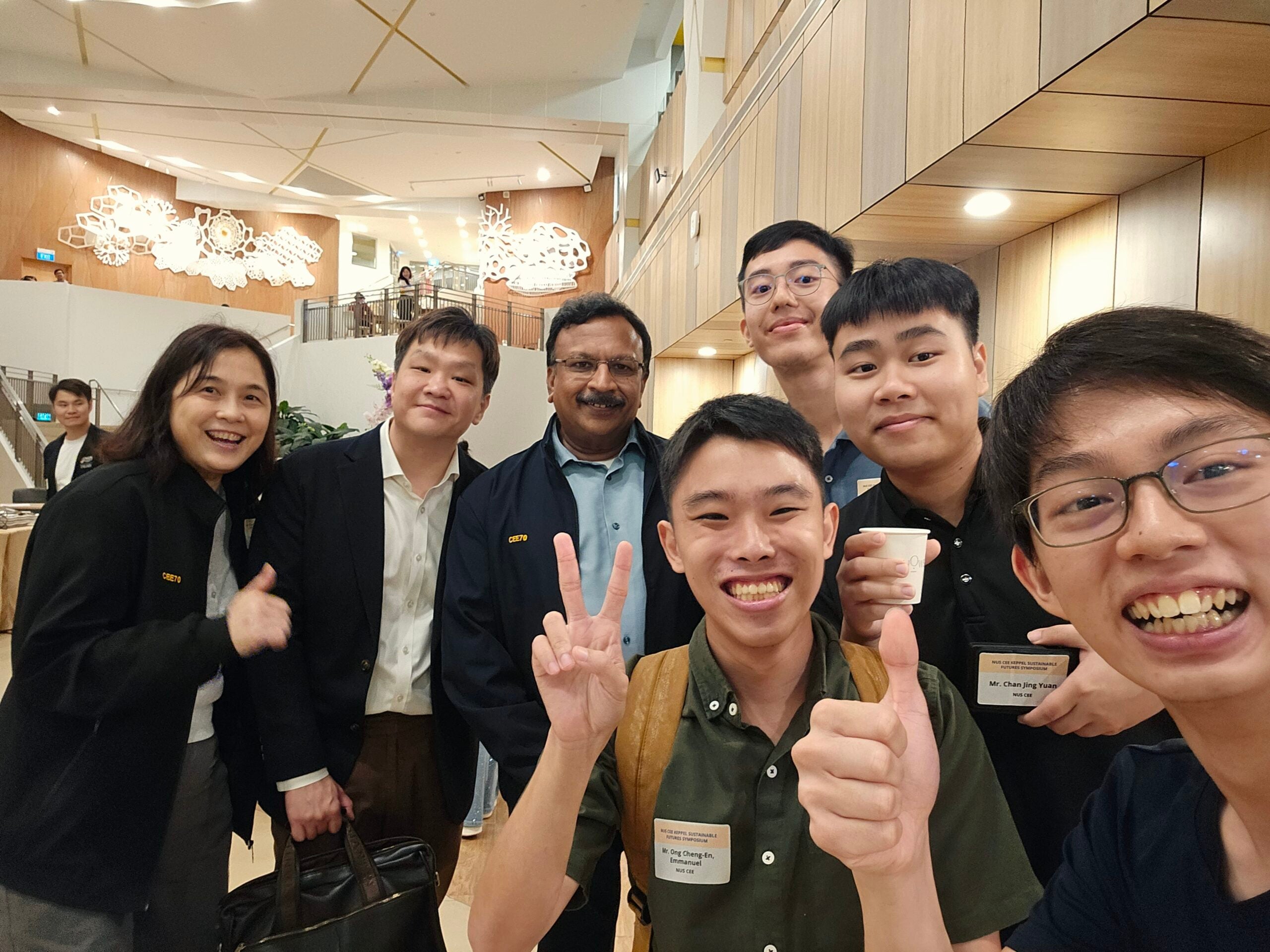
The event brought together close to 200 researchers, industry partners, and invited guests for an afternoon dedicated to turning sustainability science into practical, real-world impact.
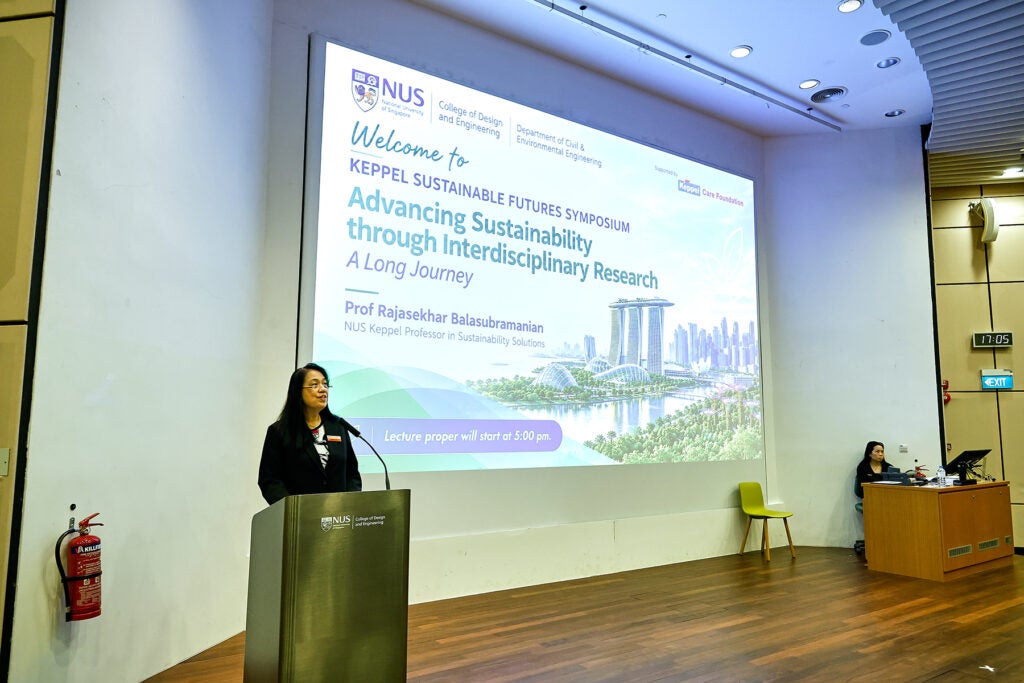 Acting Head of the Department of Civil and Environmental Engineering, Prof Karina Gin, giving the opening speech
Sparking Ideas and Industry Connections
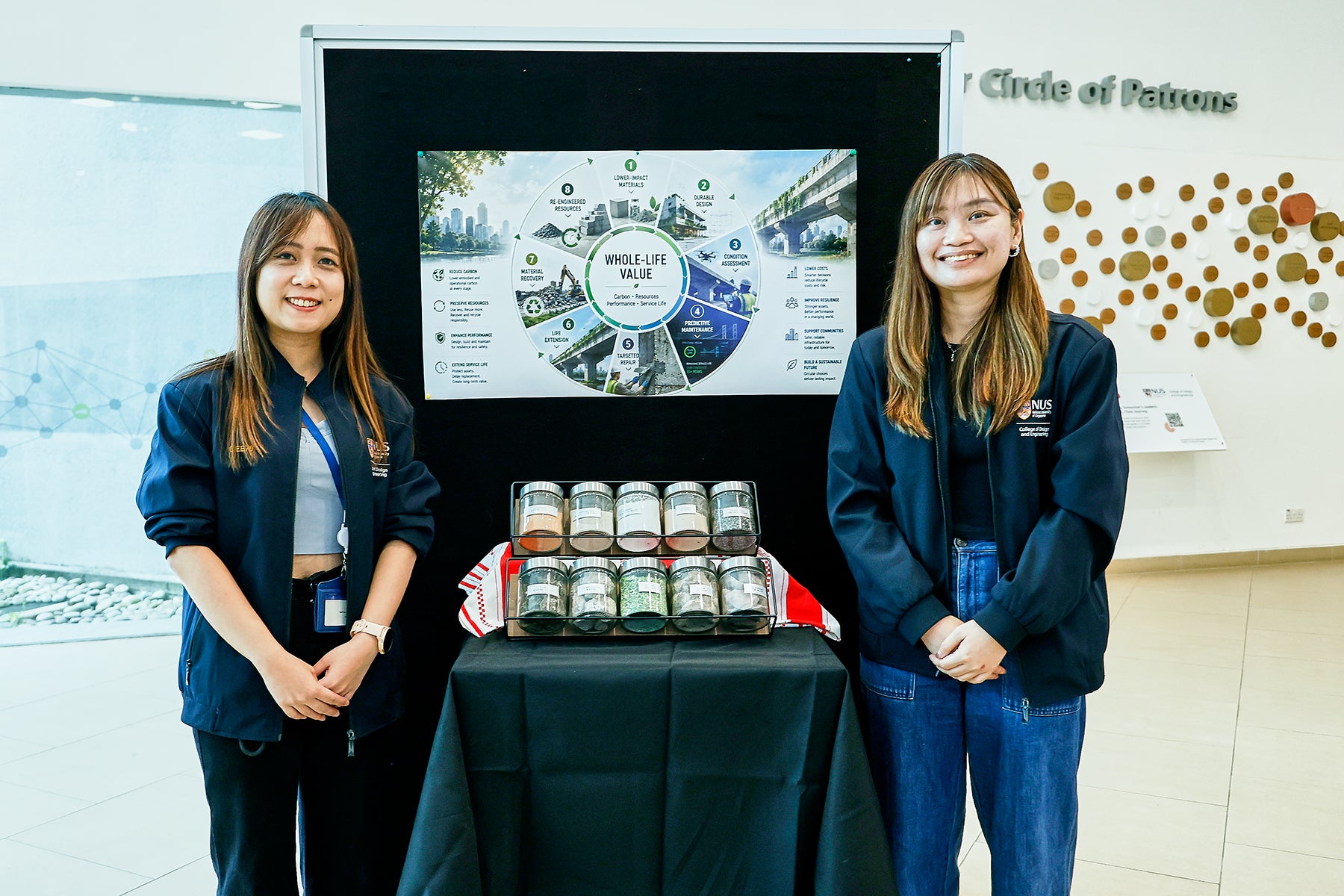
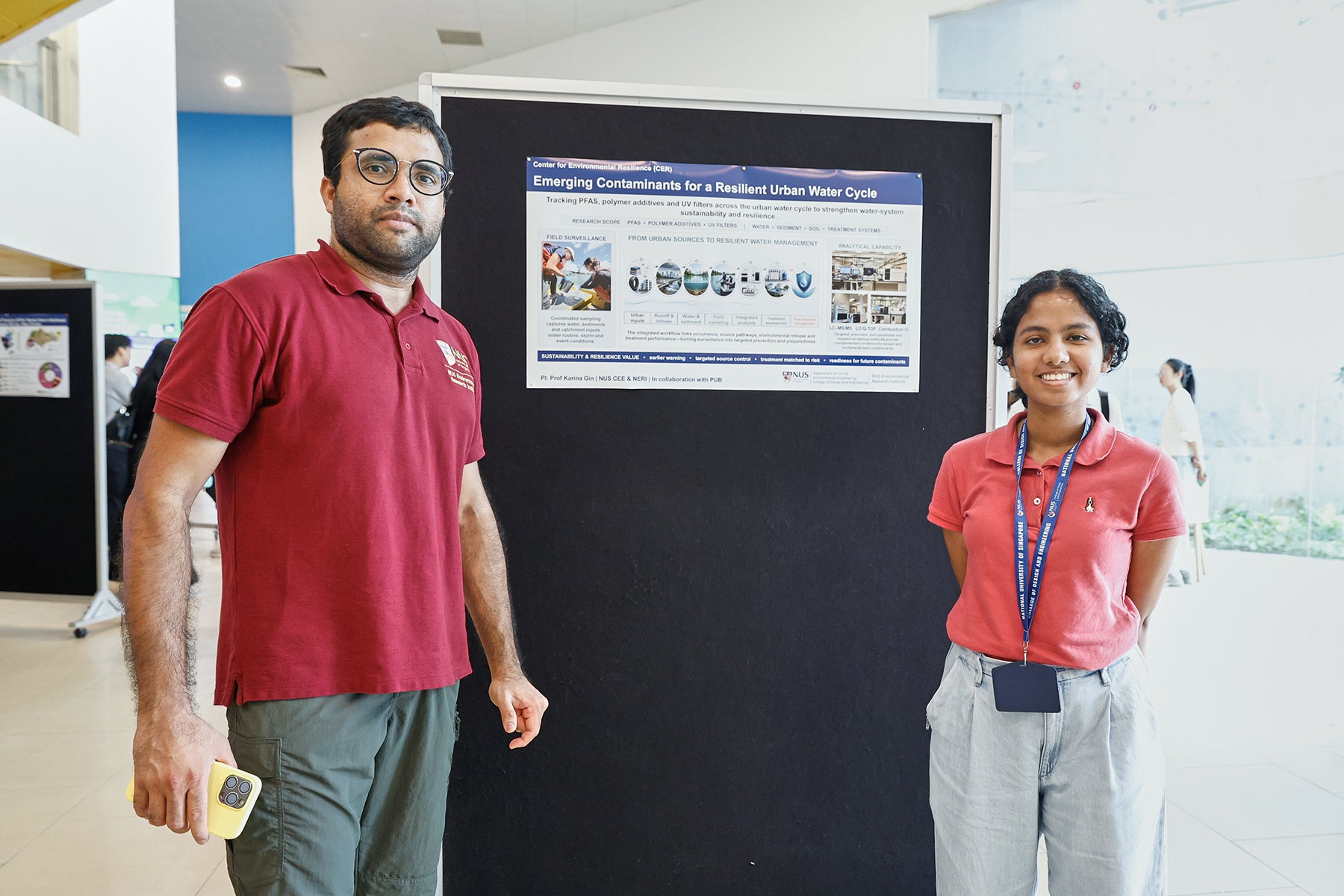
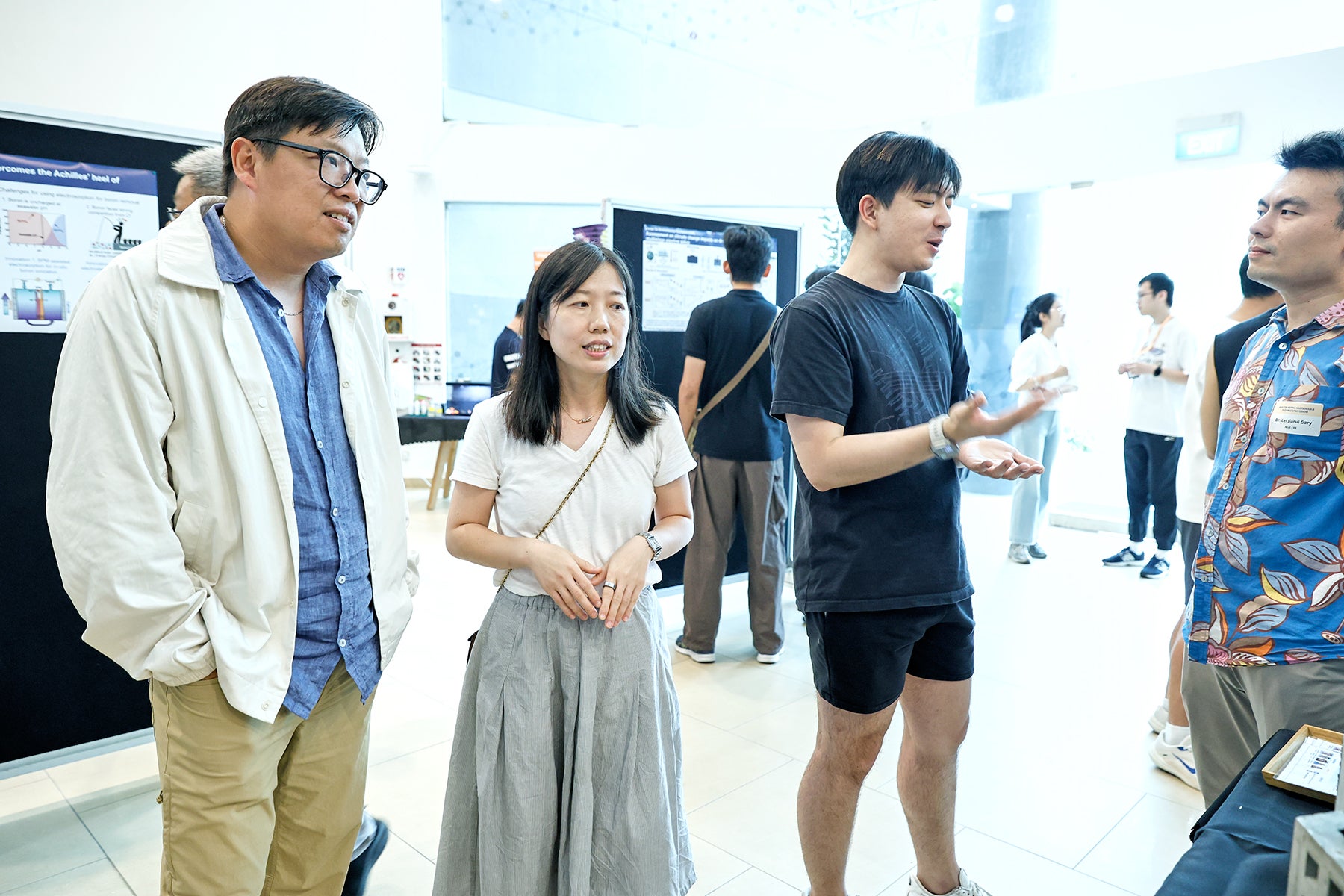
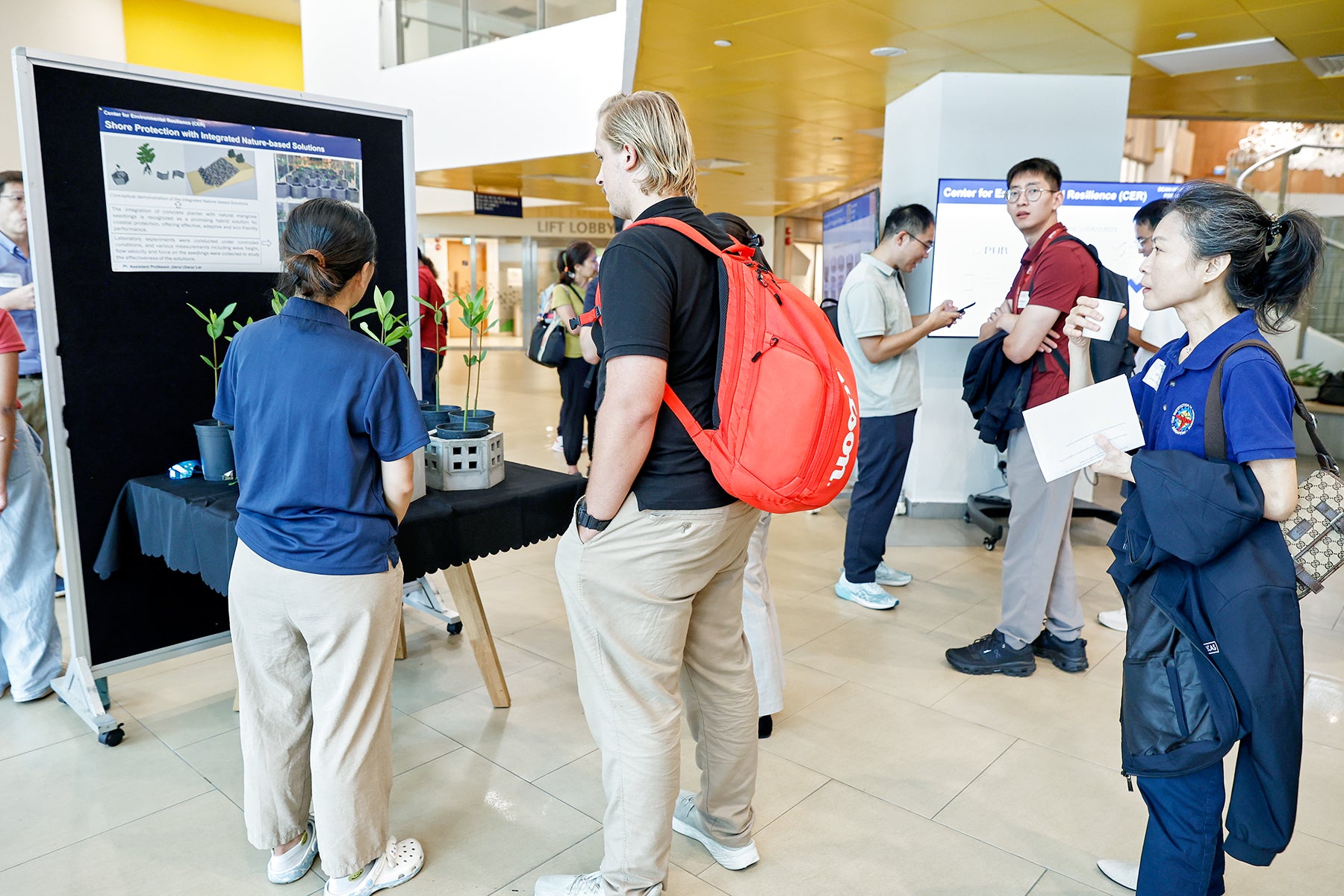
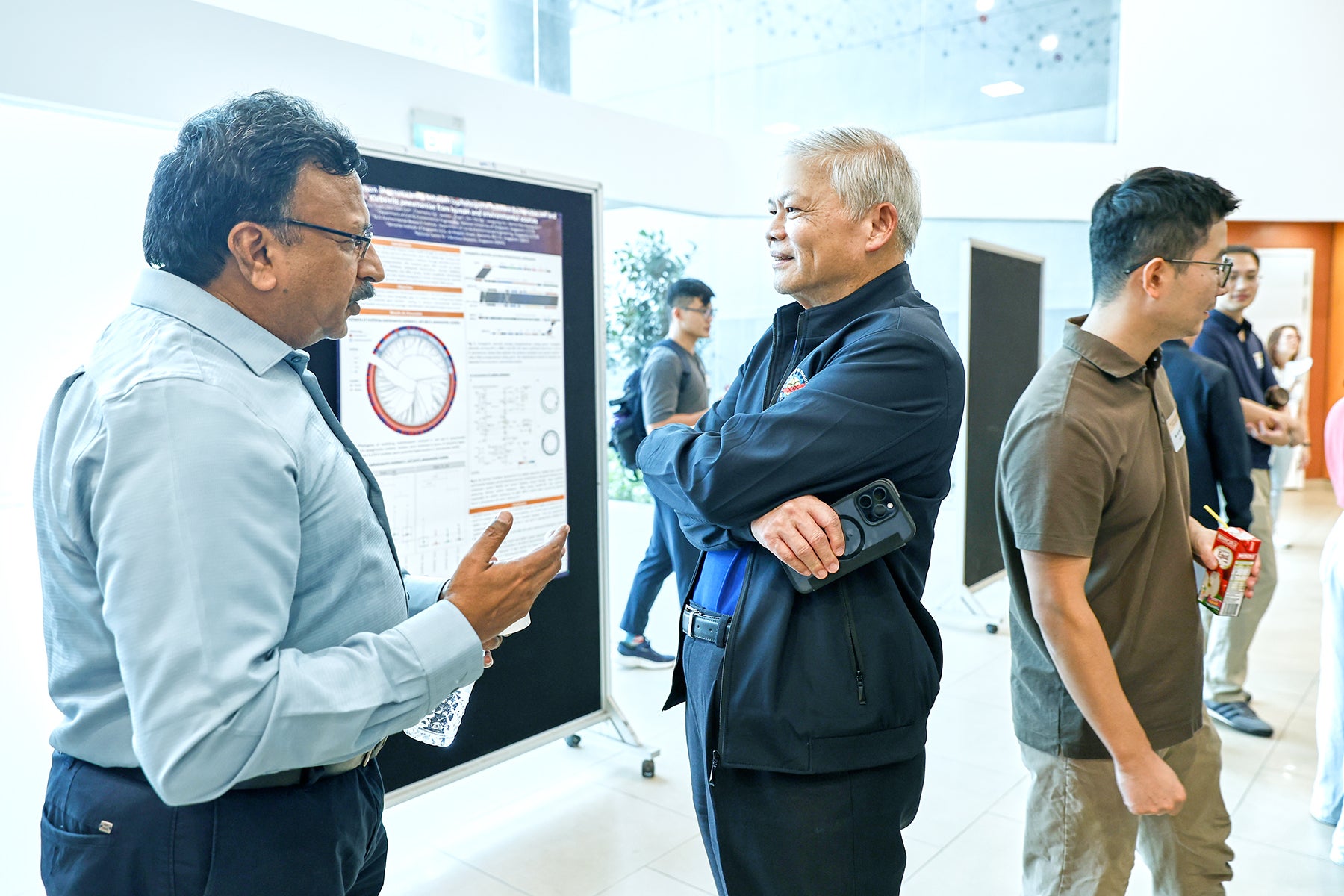
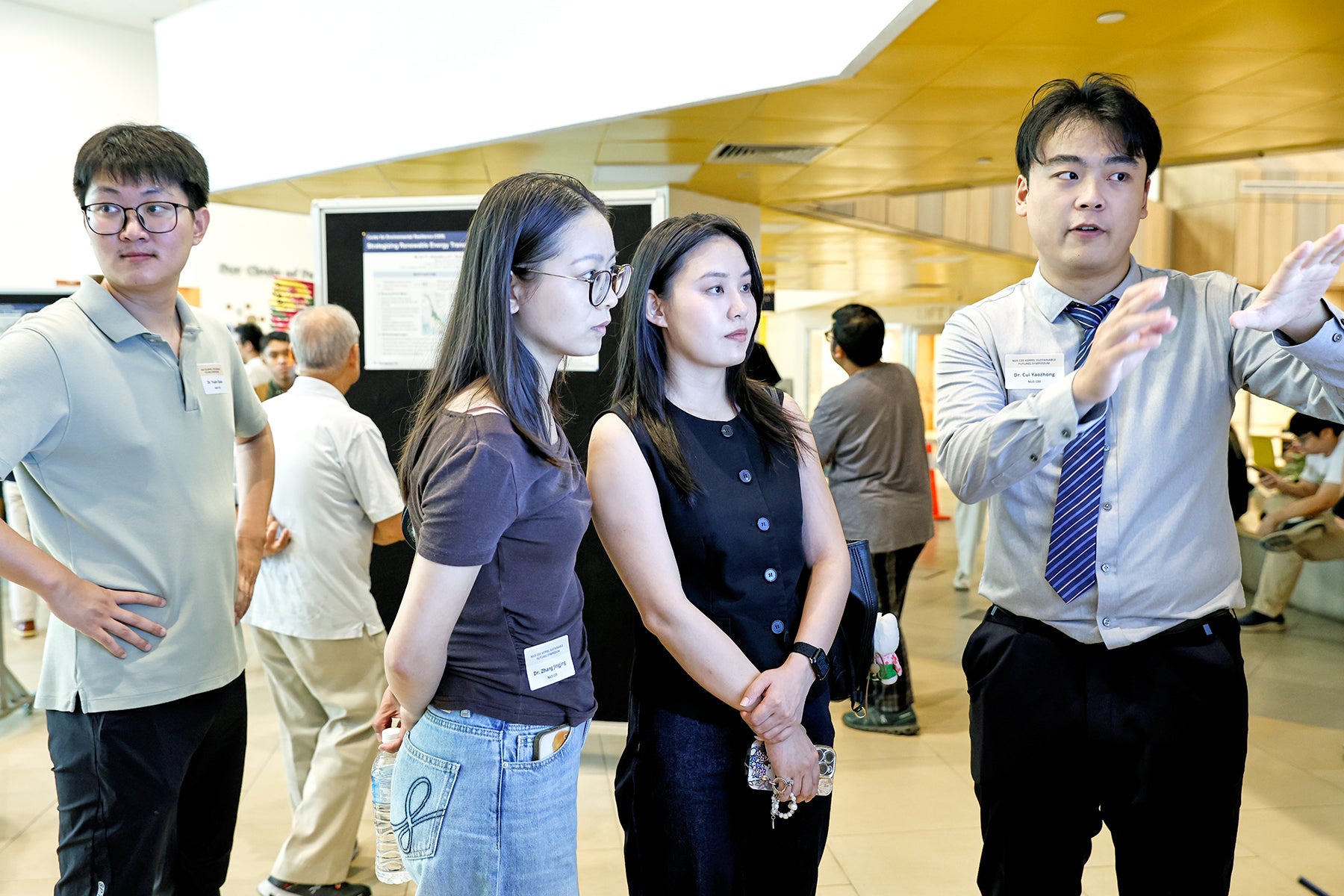
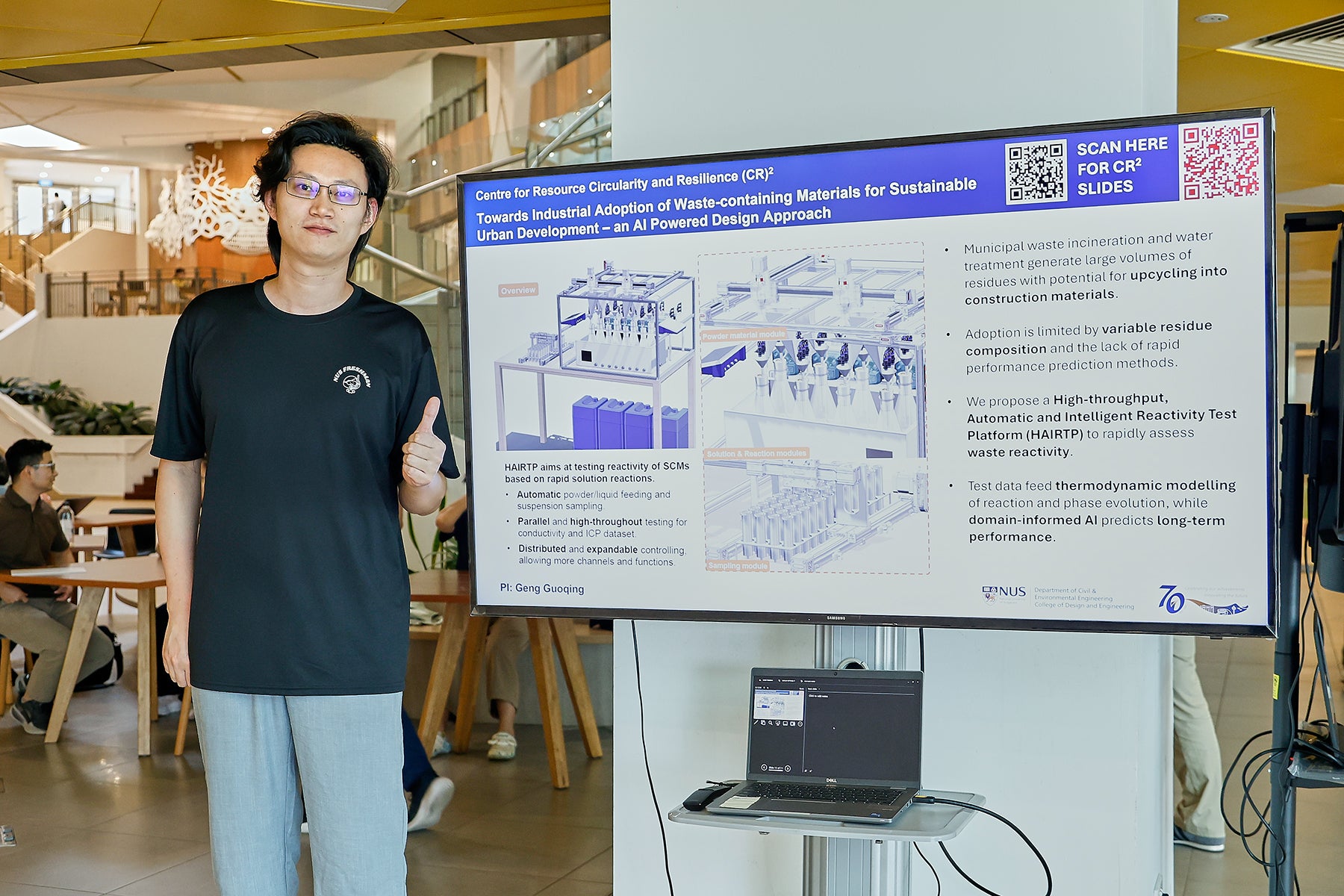
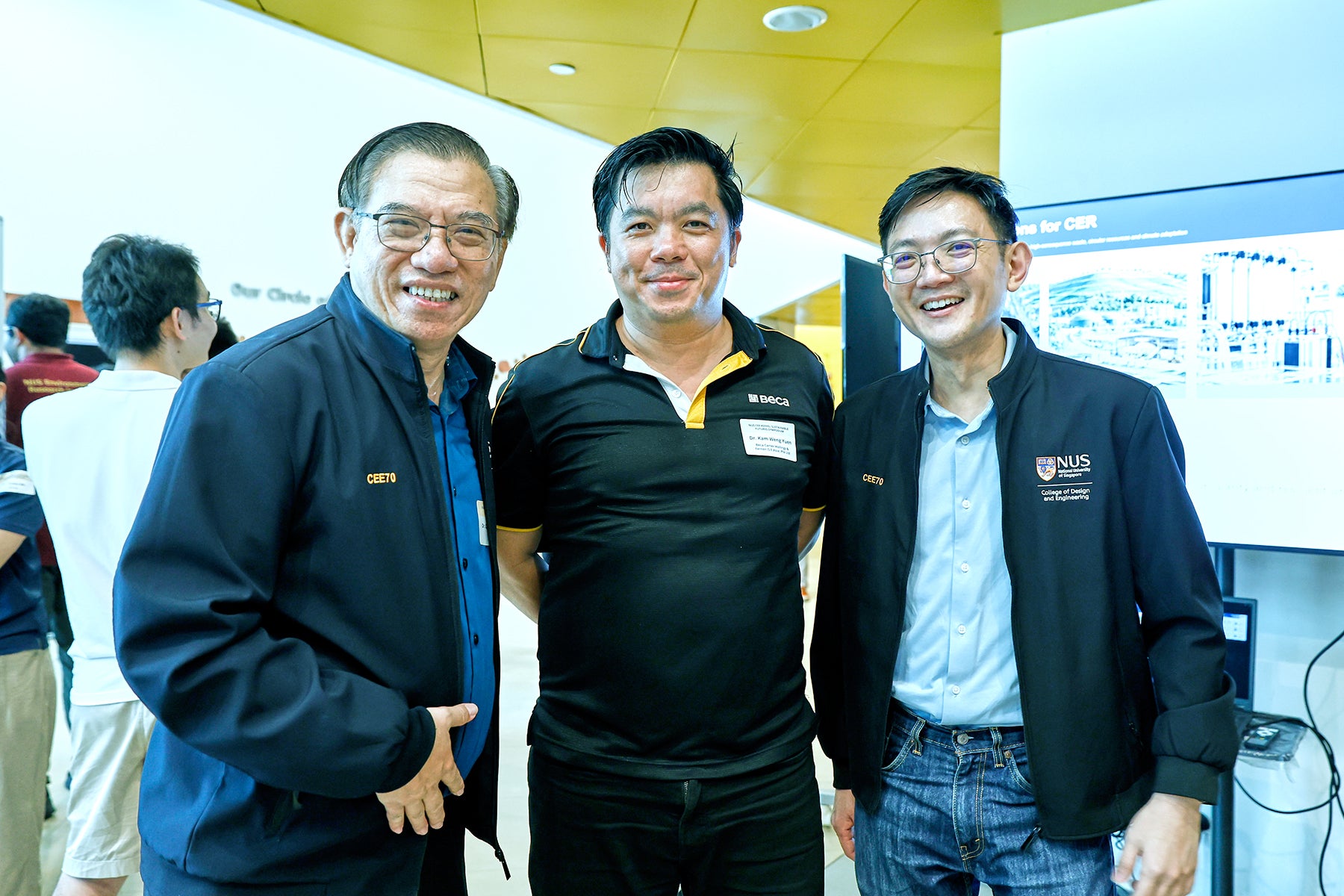
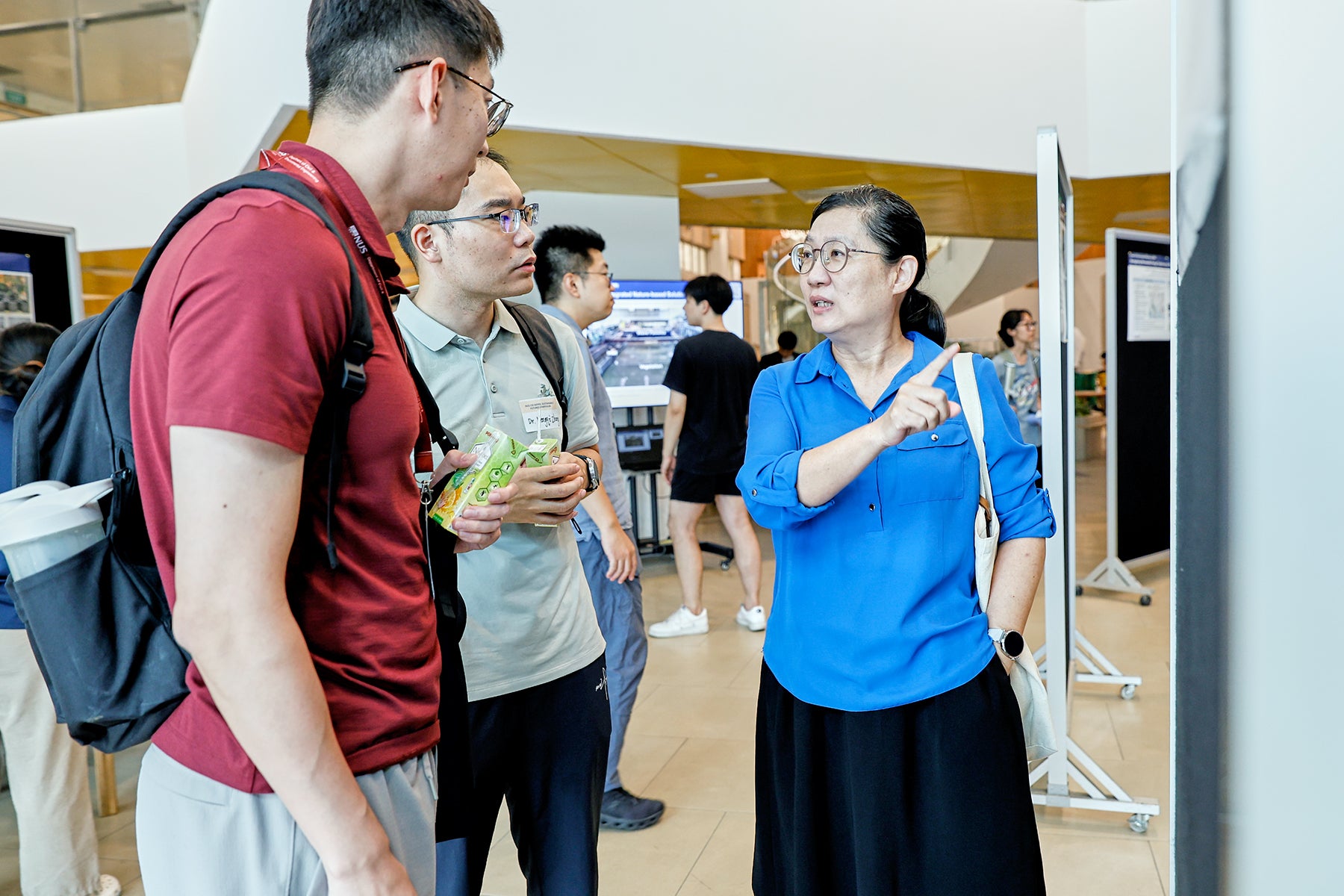
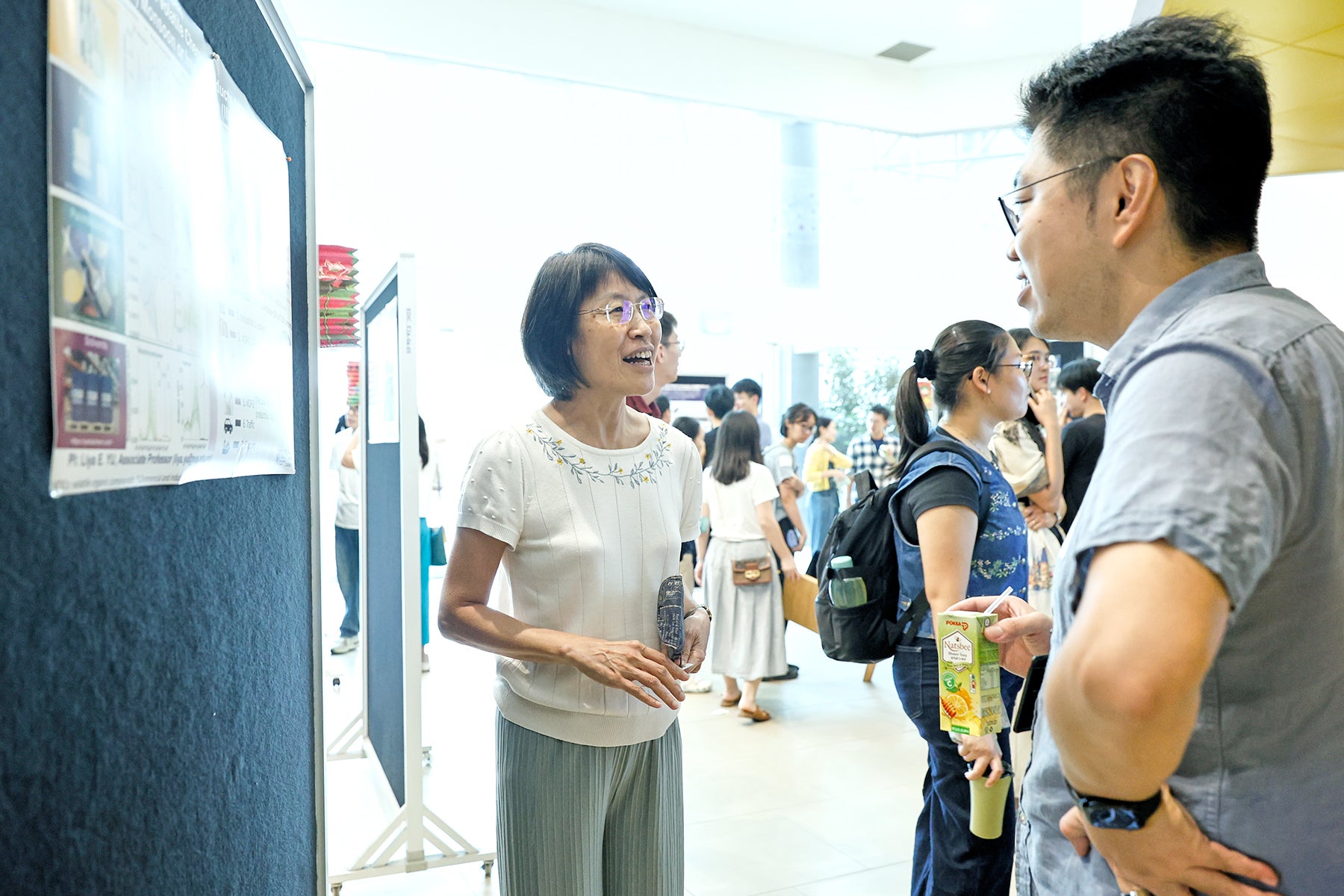
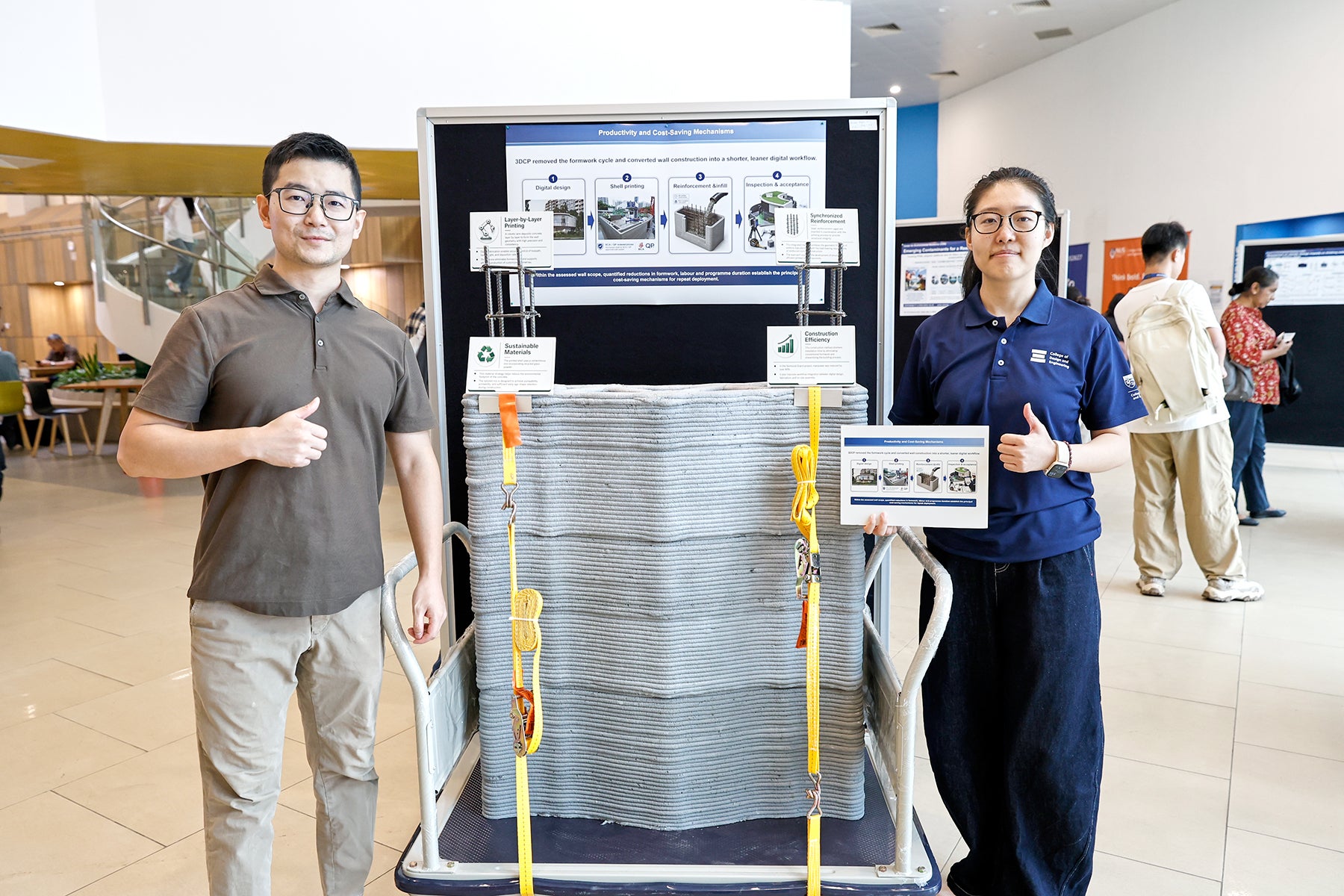
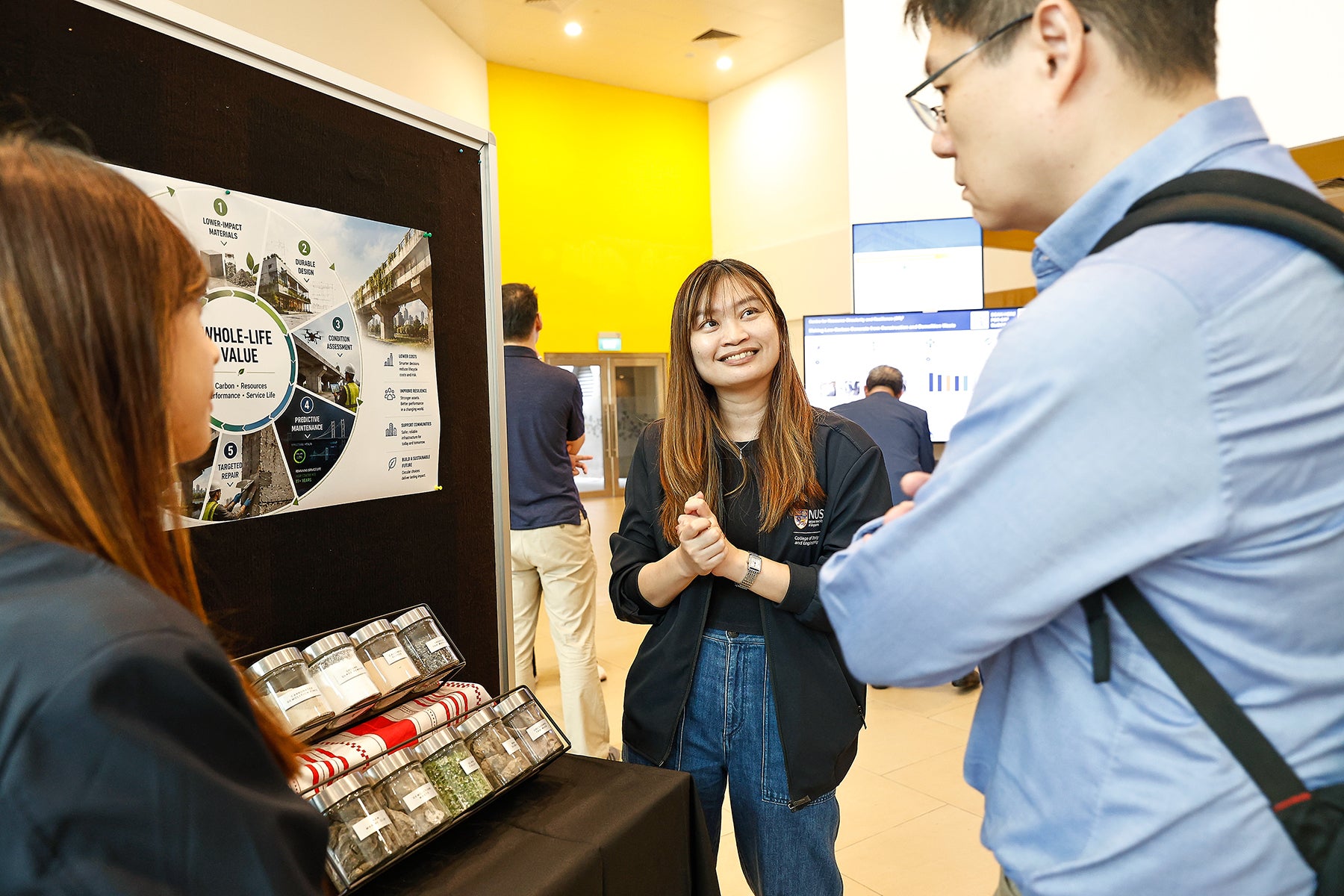
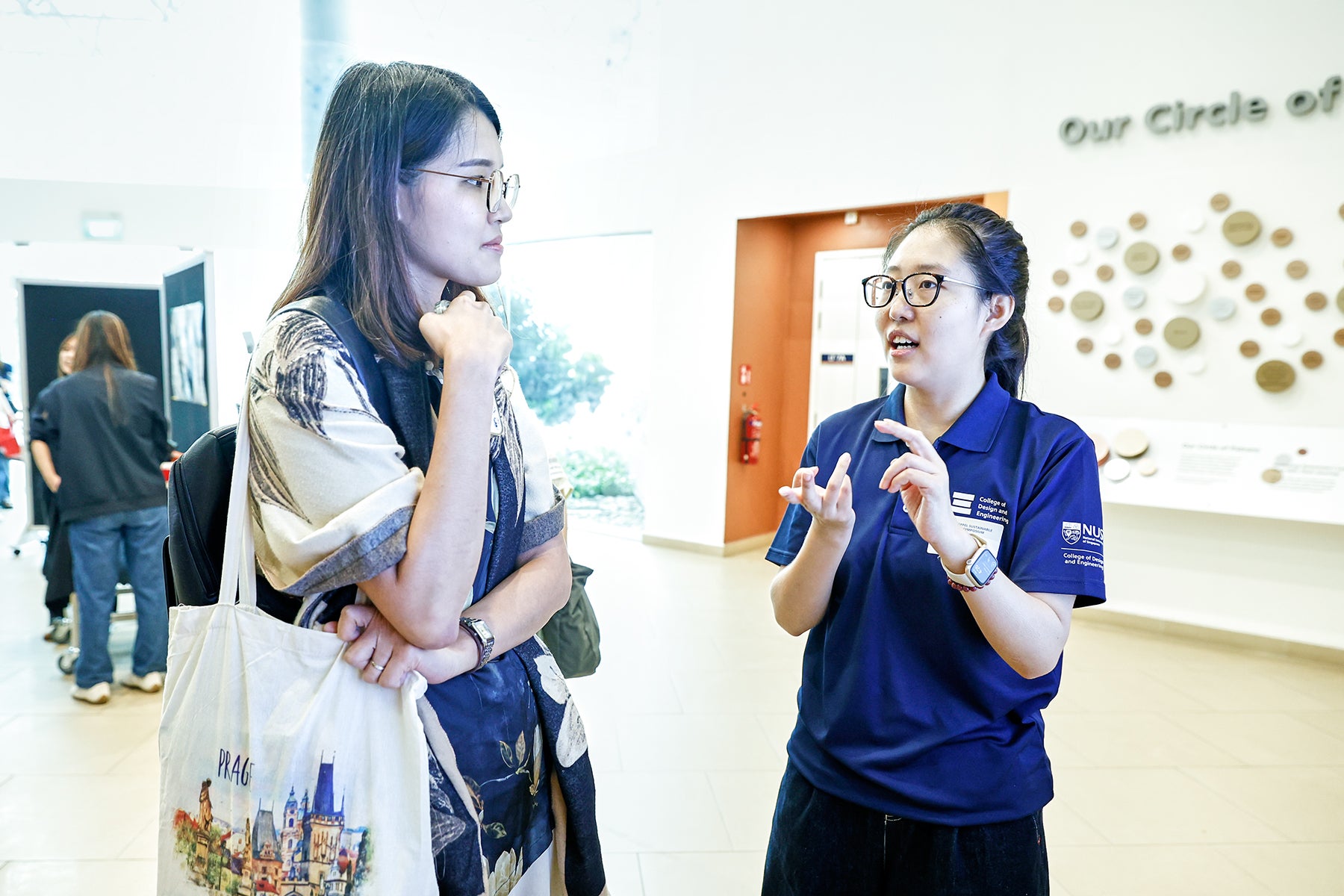
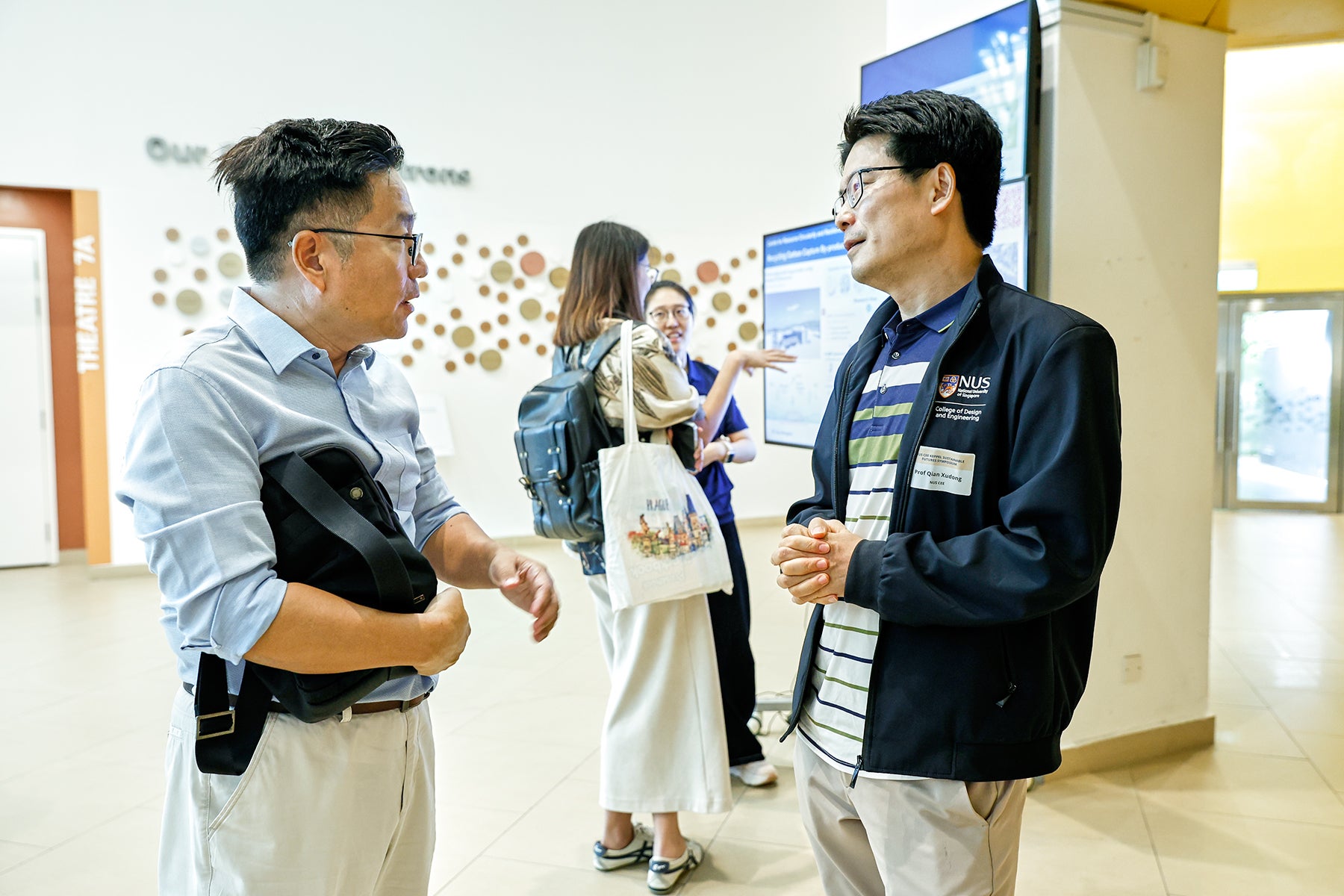
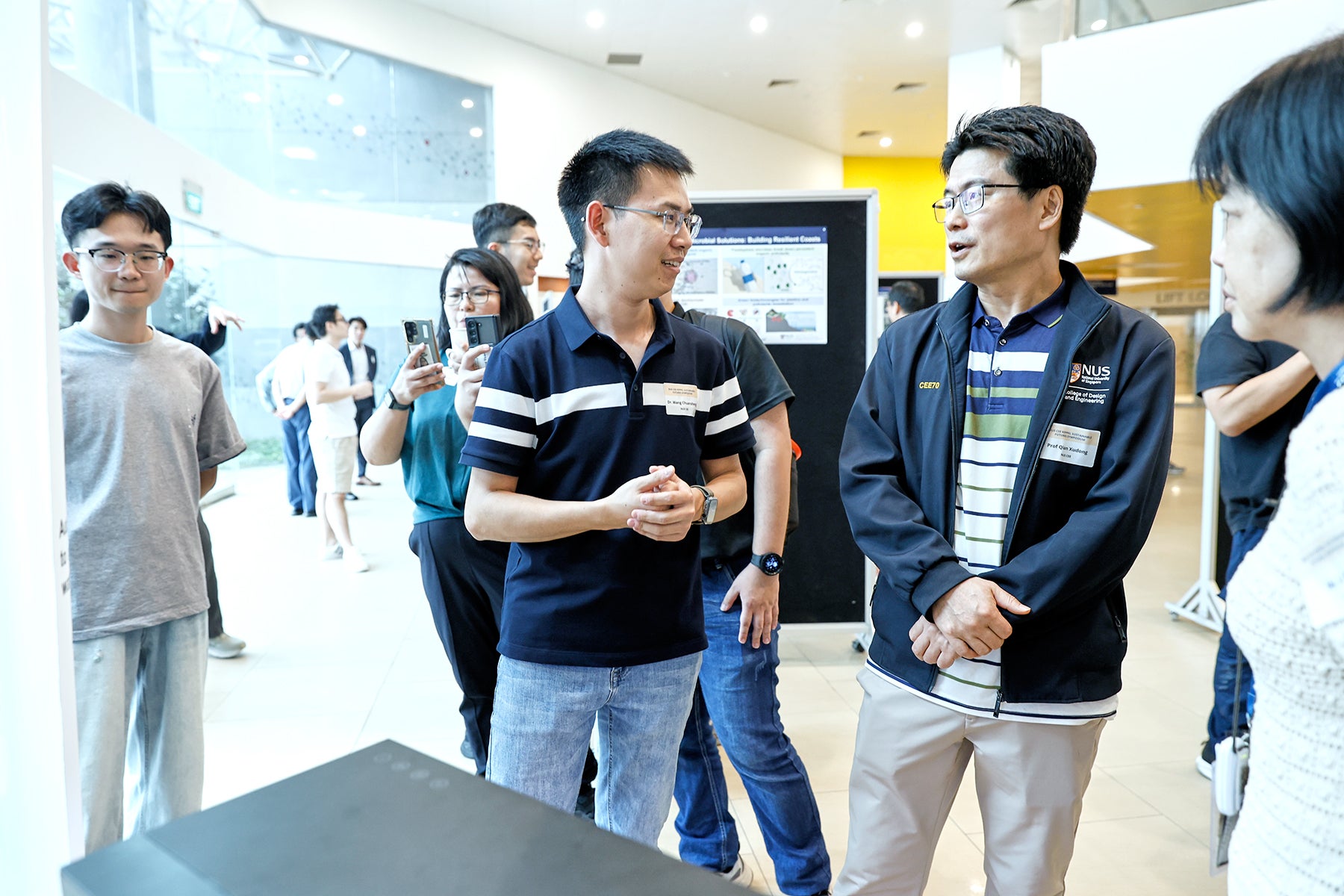
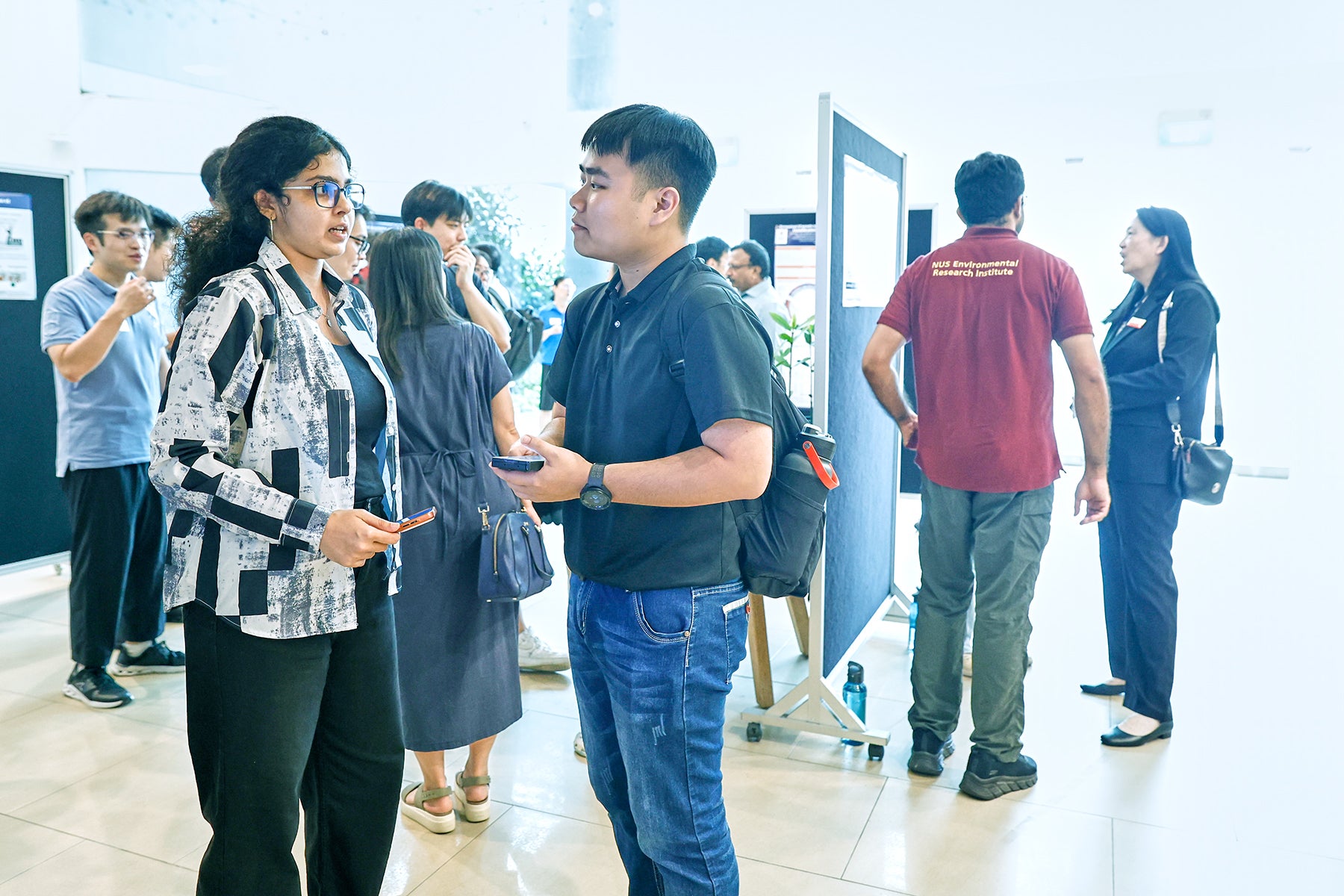
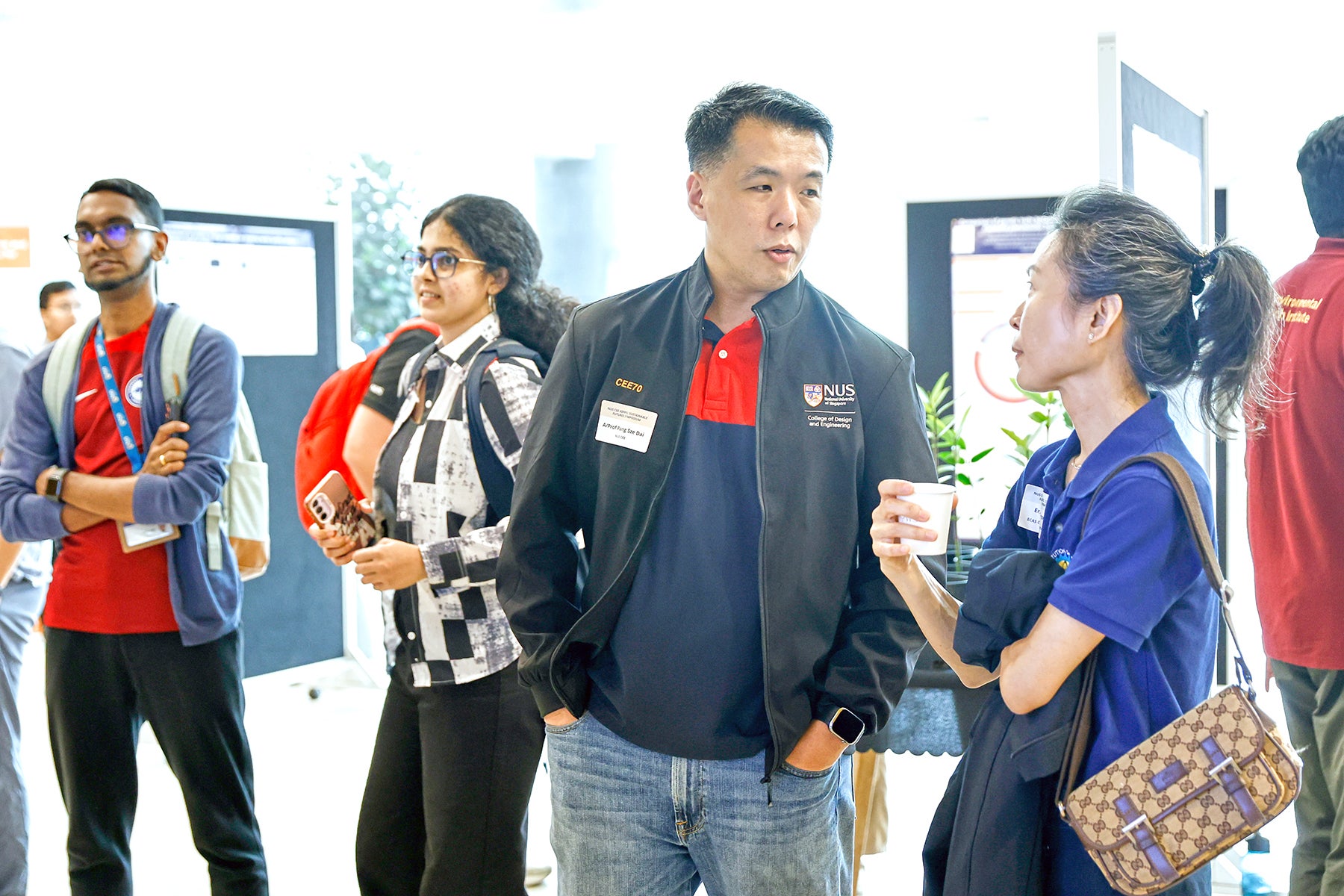
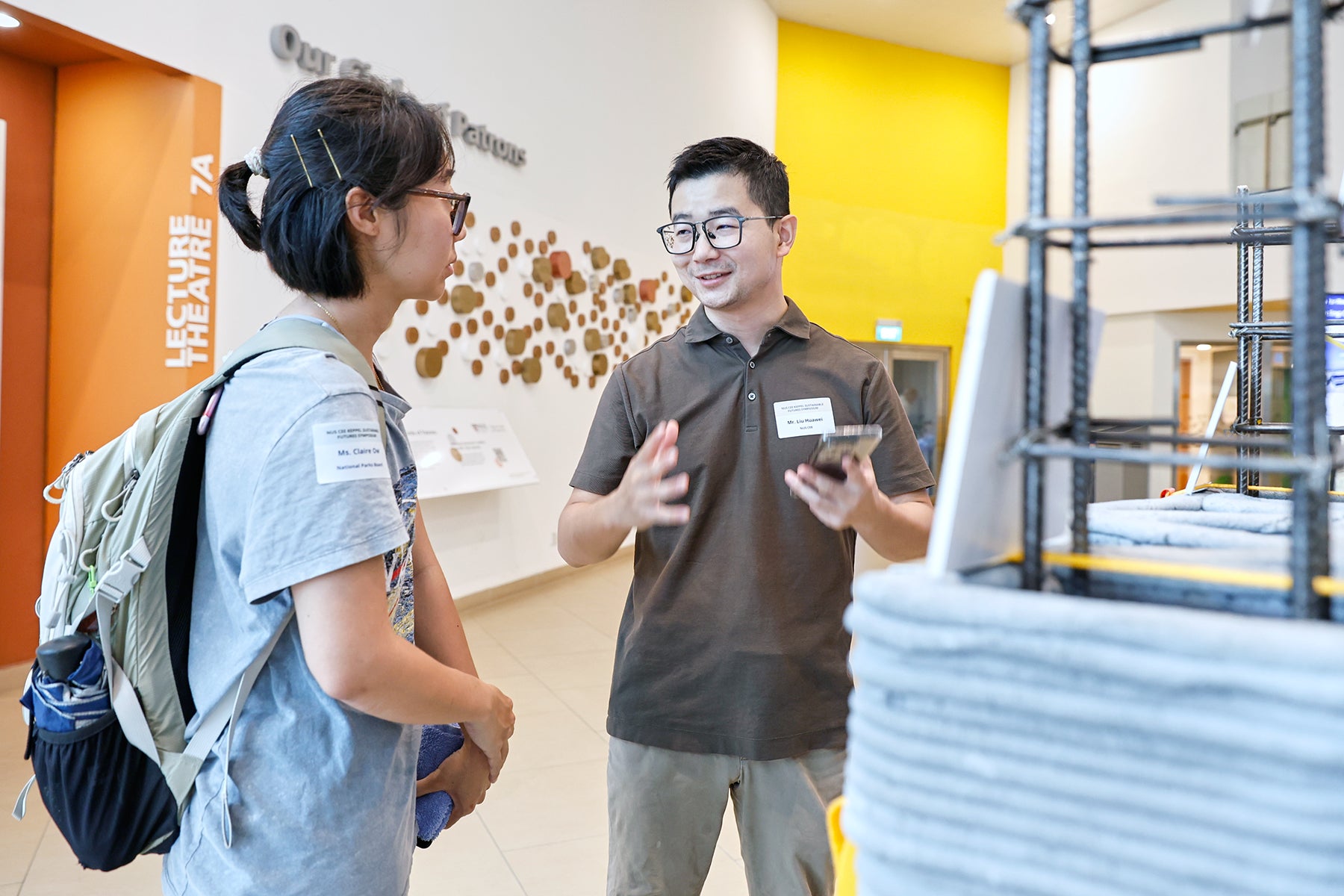
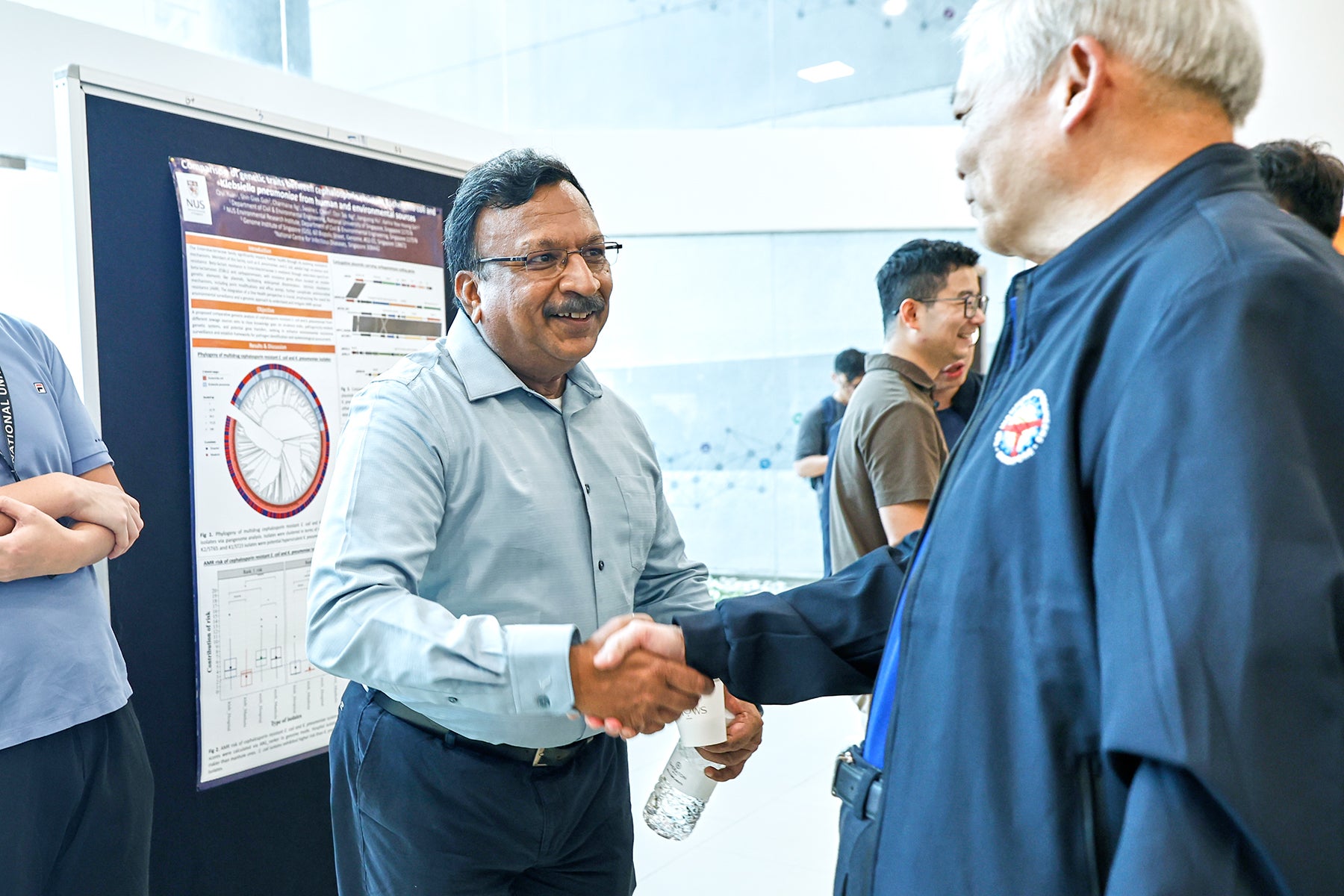
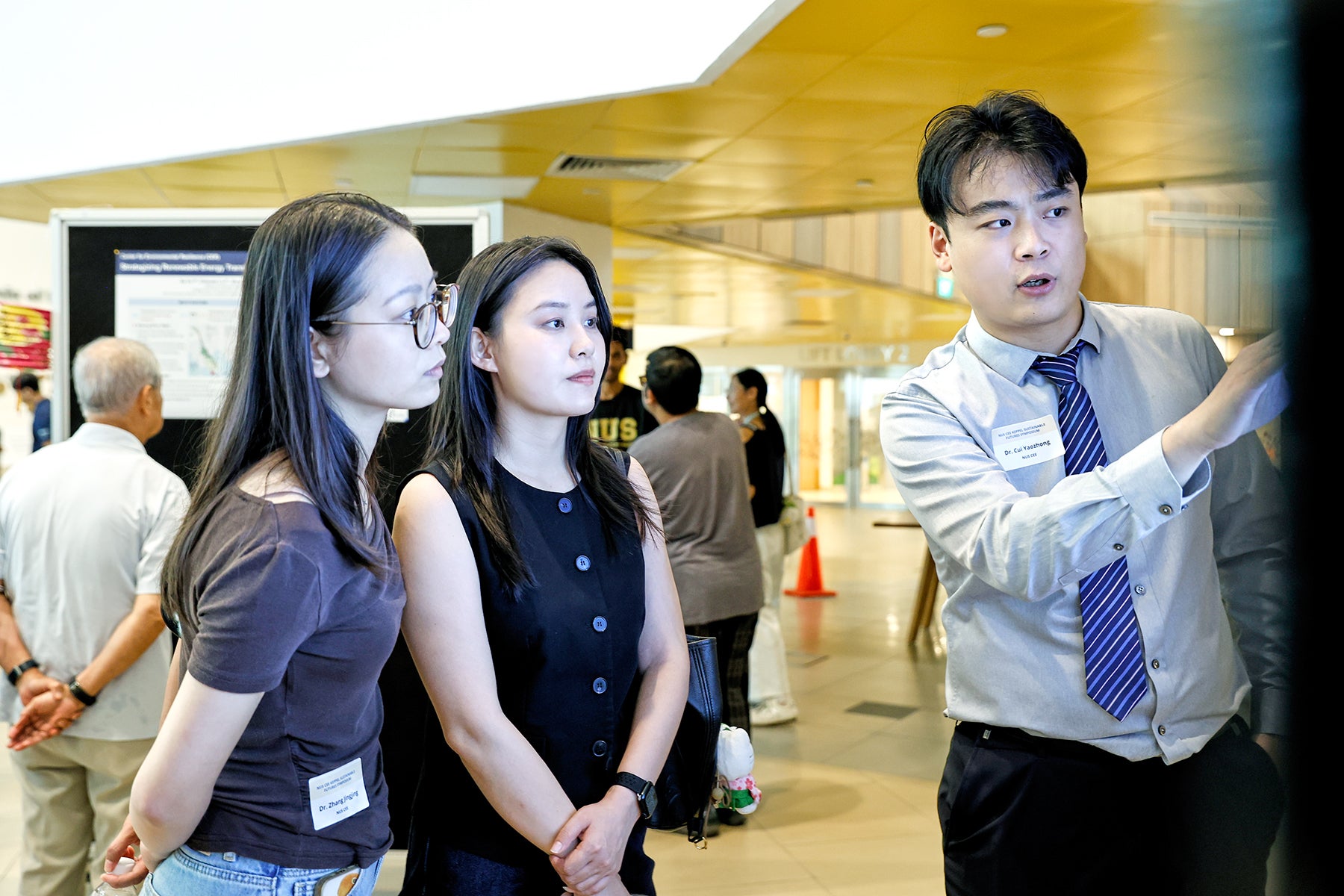
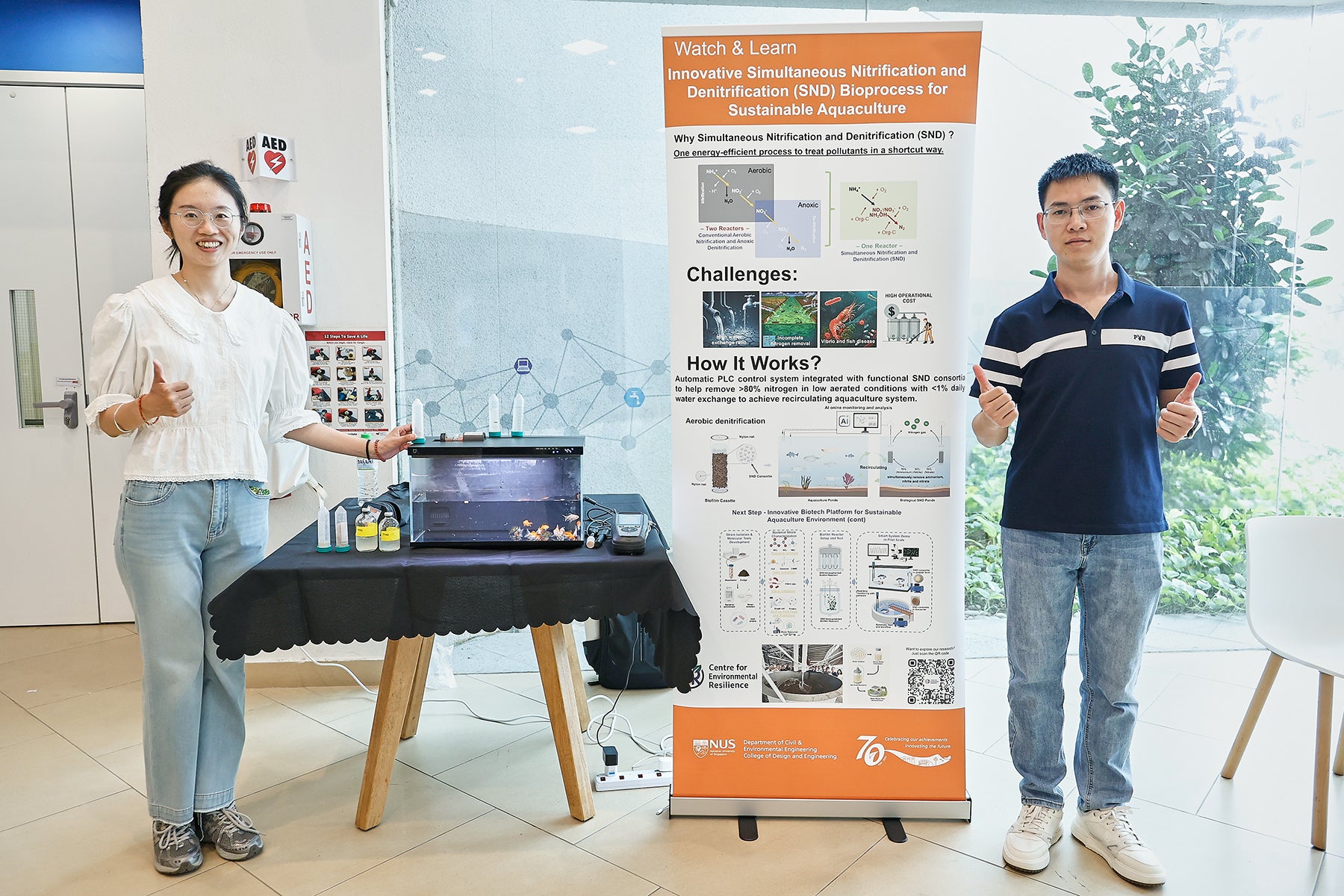
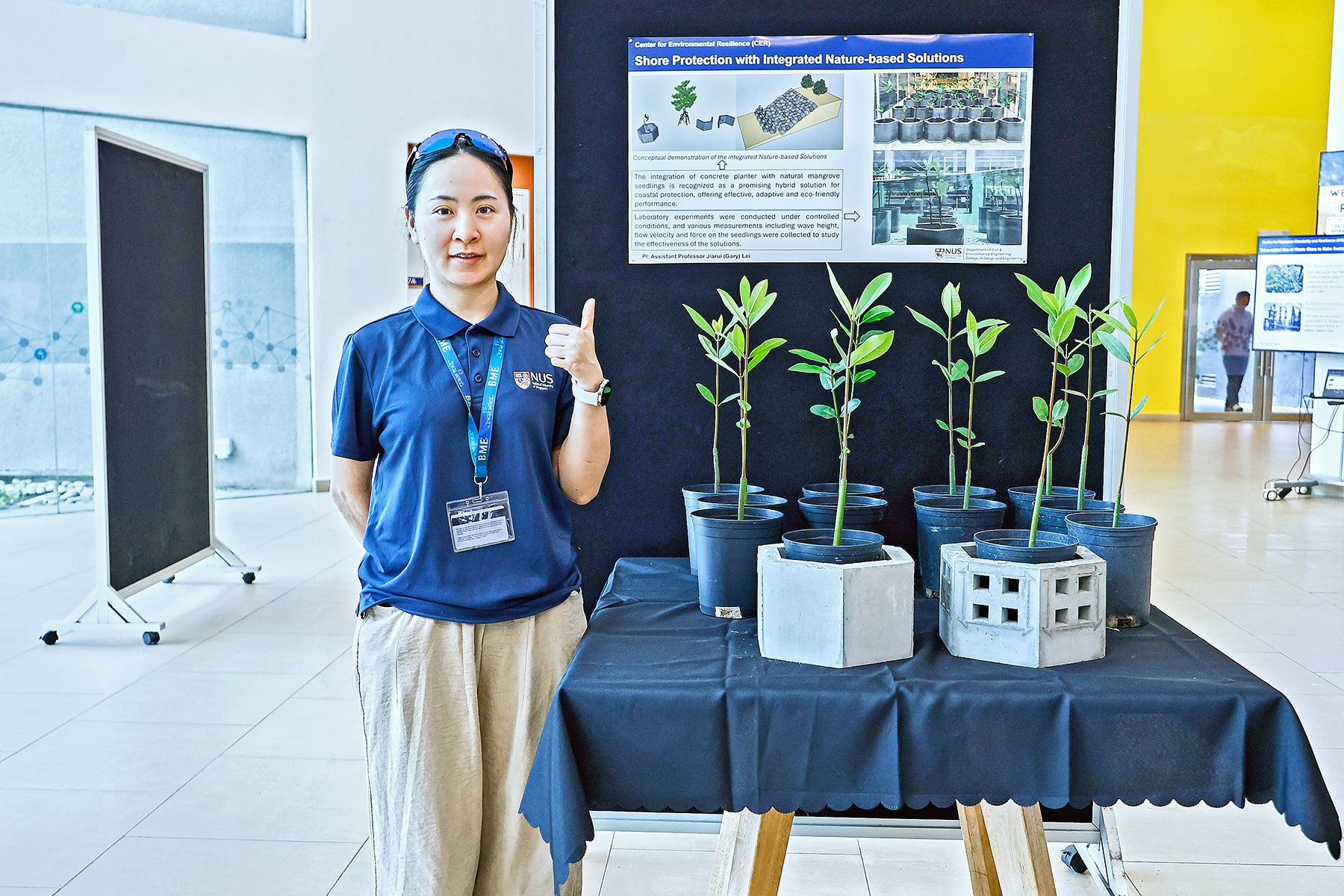
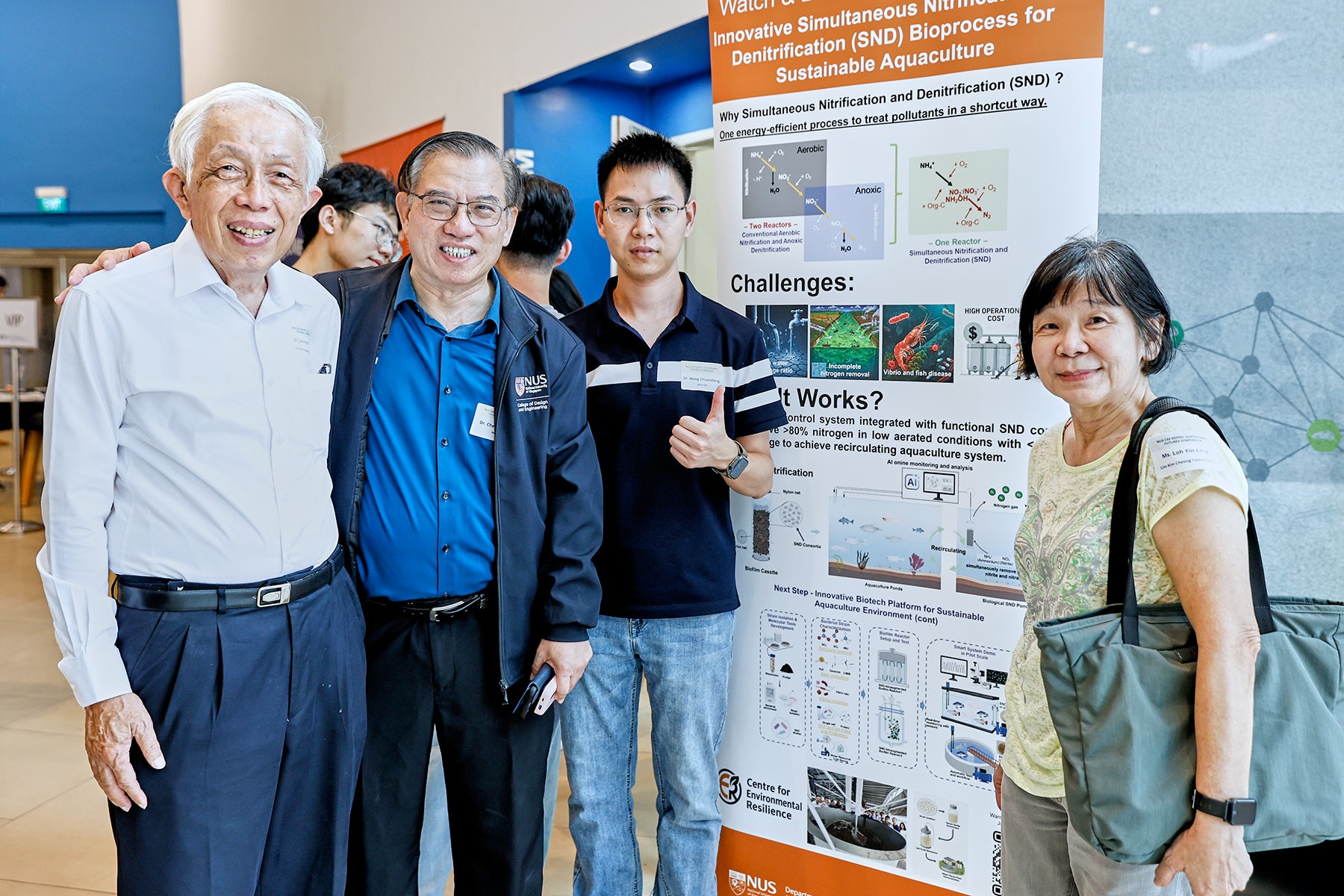
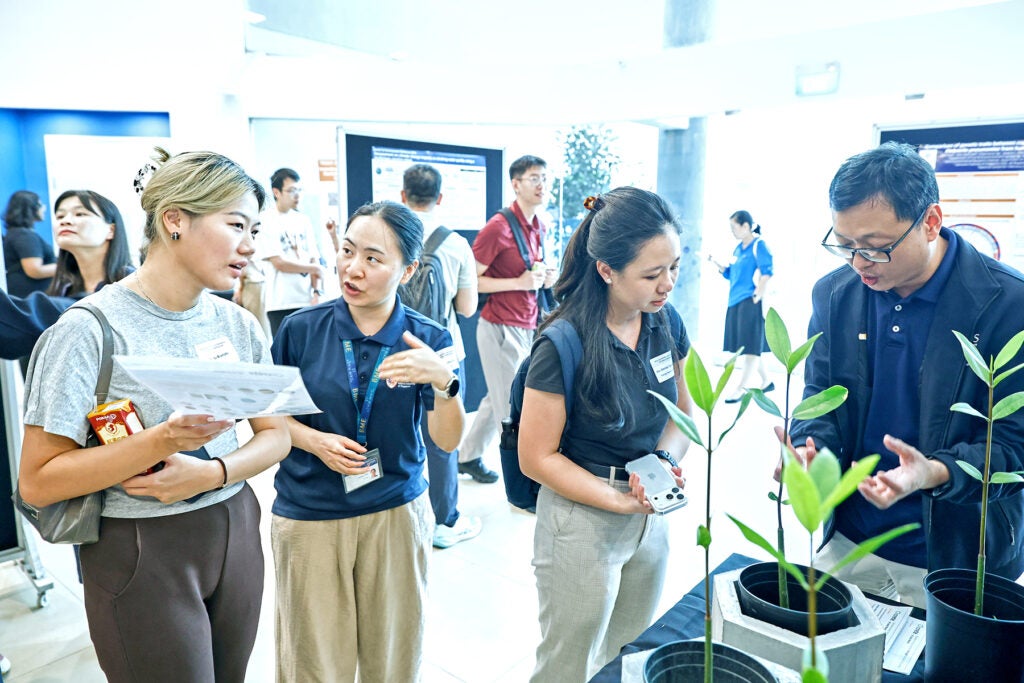
The symposium kicked off with an engaging Research Showcase & Special Exhibits, setting an energetic tone for the afternoon. Guests gathered outside the auditorium to explore cutting-edge work from two of the department’s key research entities:
- Centre for Environmental Resilience (CER)(opens in new tab)
- Centre for Resource Circularity and Resilience (CR)²(opens in new tab)
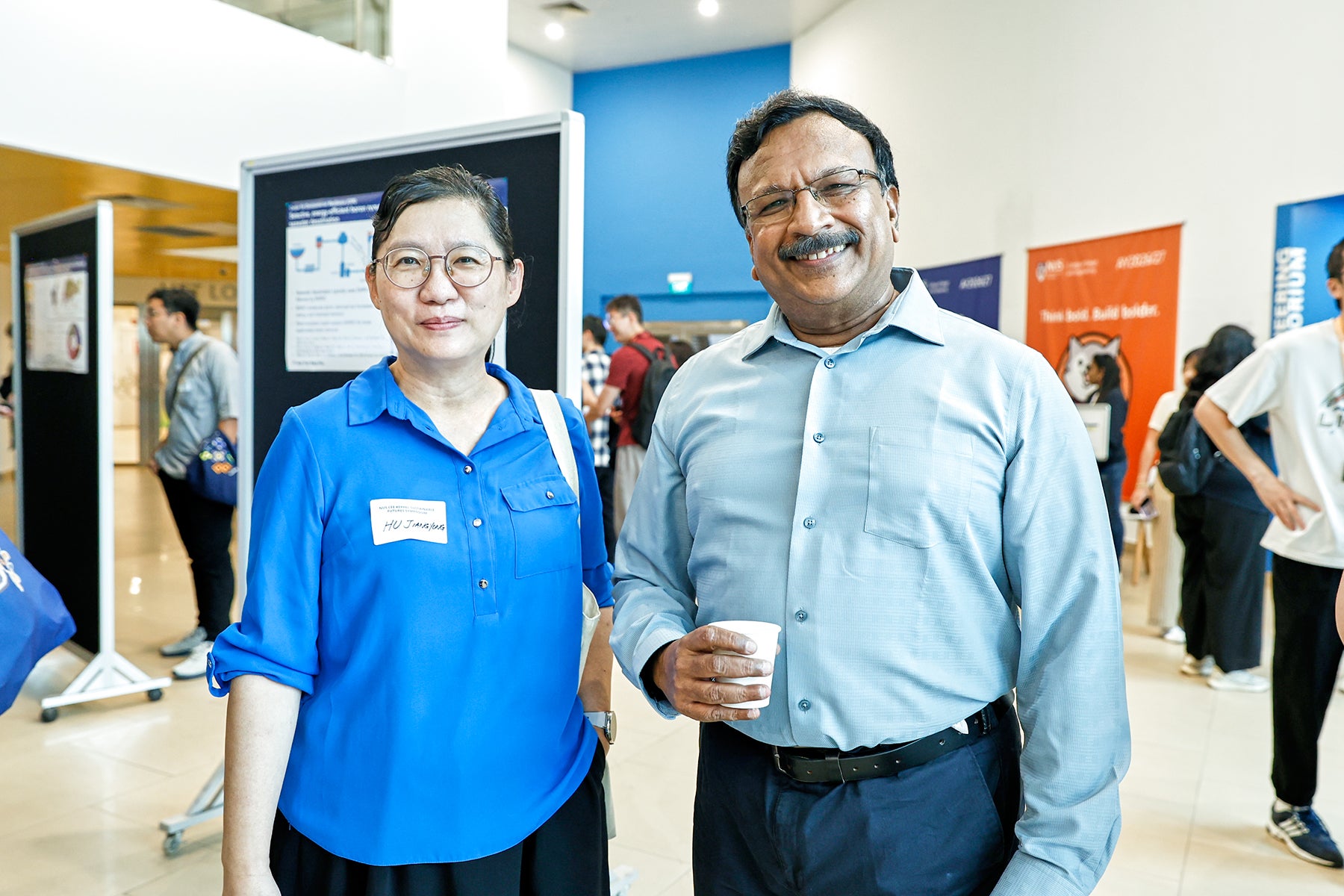
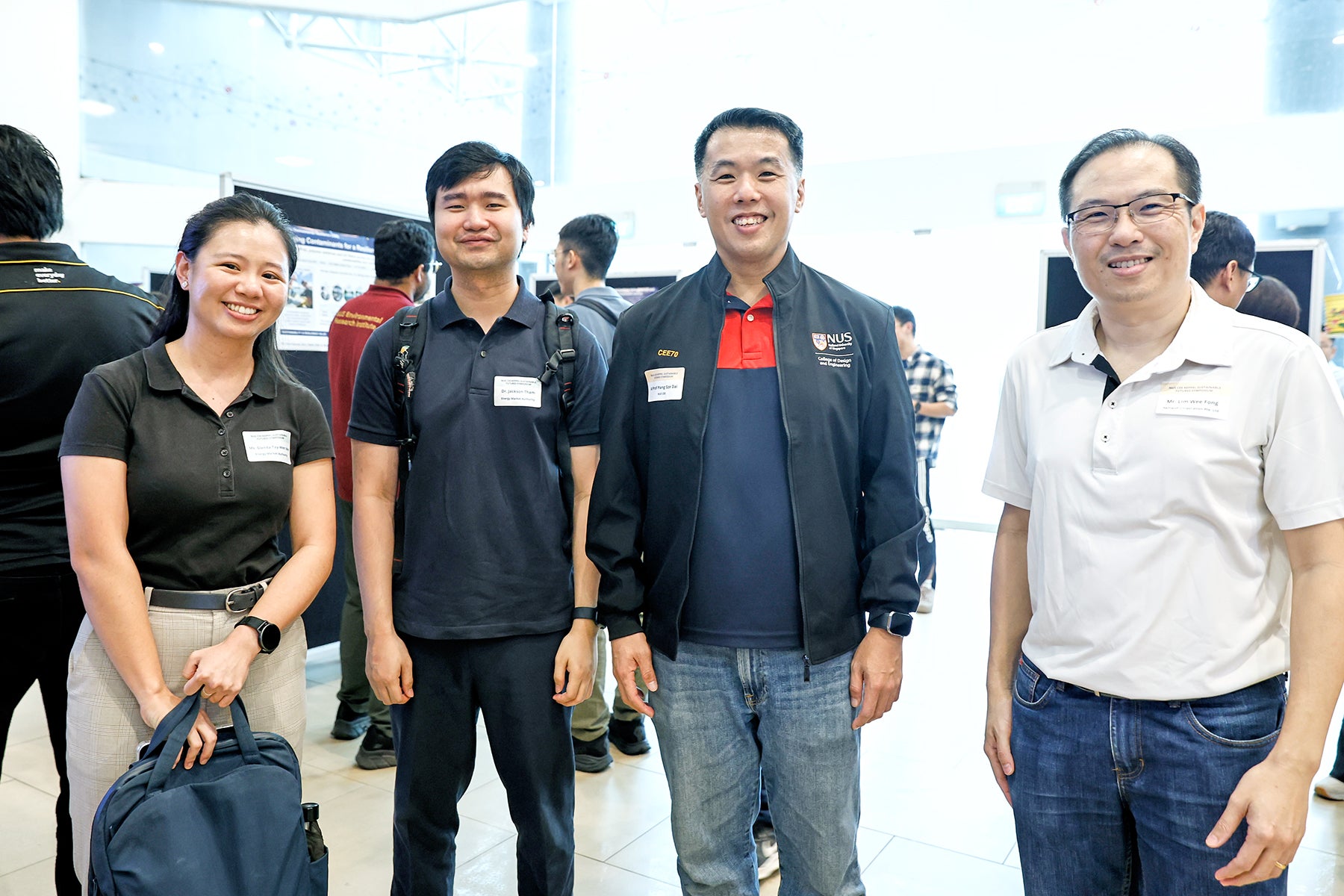
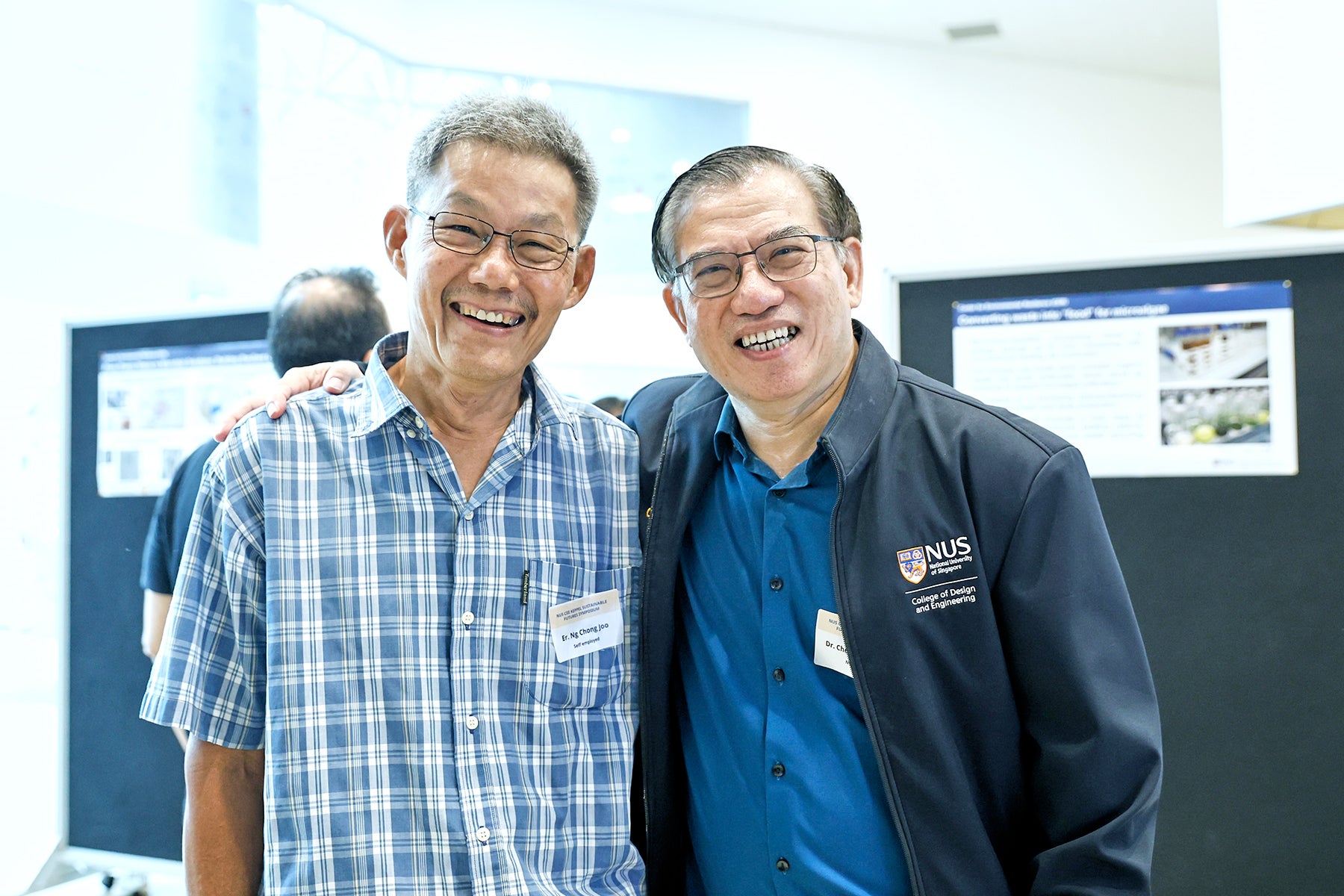
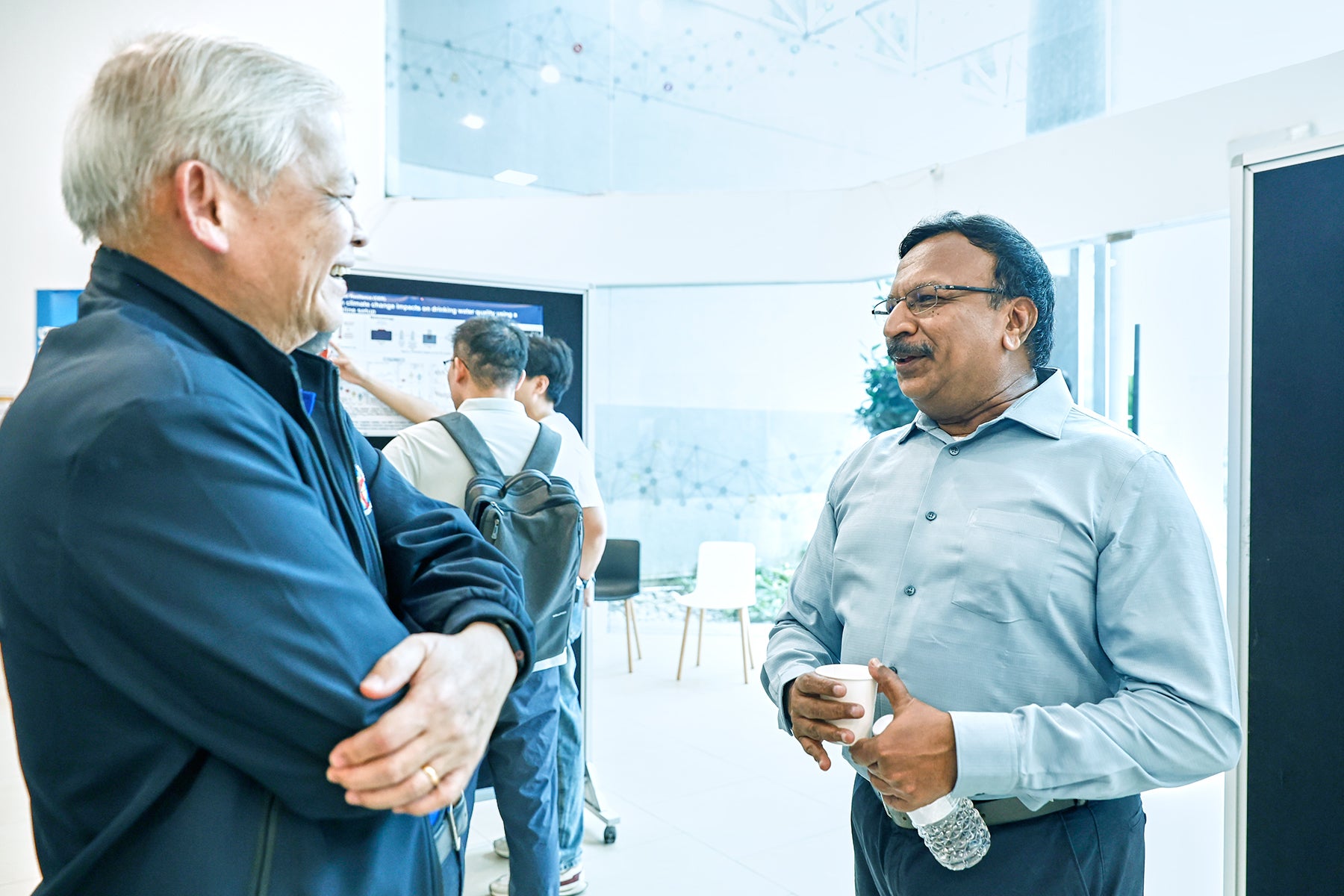
The pre-lecture exhibition gave our researchers a valuable platform to step out of the lab and share their work directly with industry partners and guests. From discussing circular economy applications to exchanging ideas on climate resilience, these interactions sparked lively conversations, shared insights, and laid the foundation for future cross-sector collaborations.
A 30-Year Journey in Interdisciplinary Research
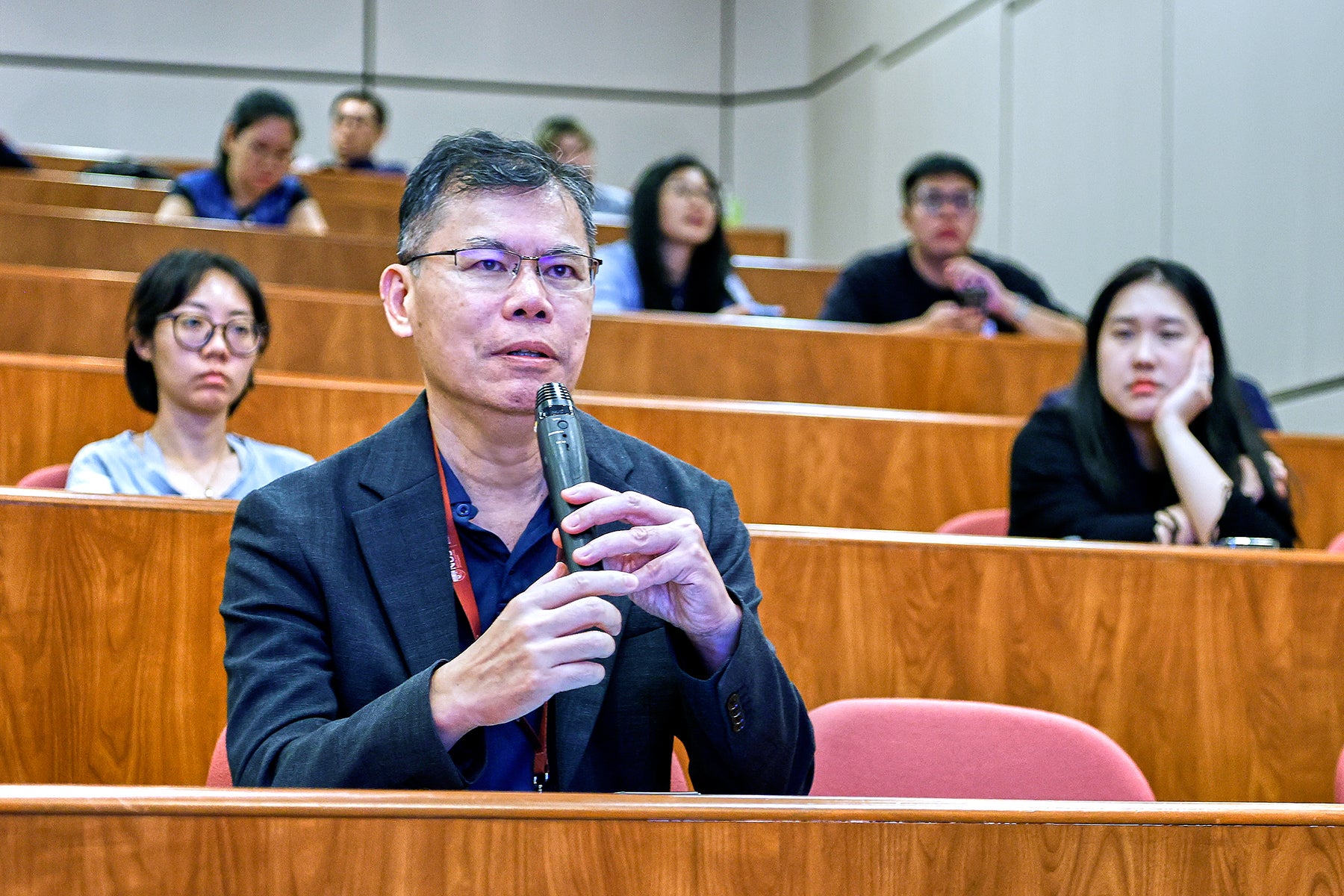
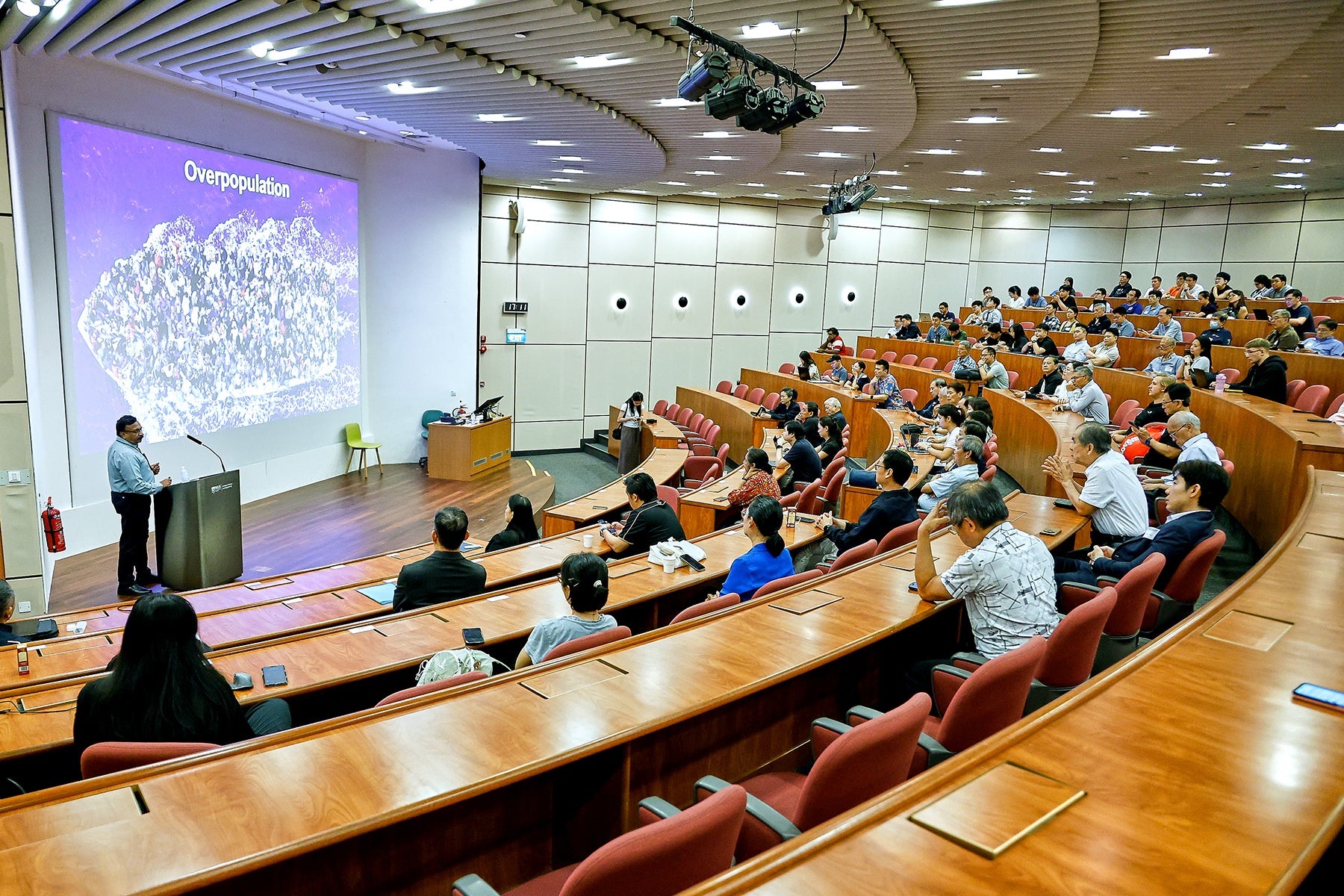
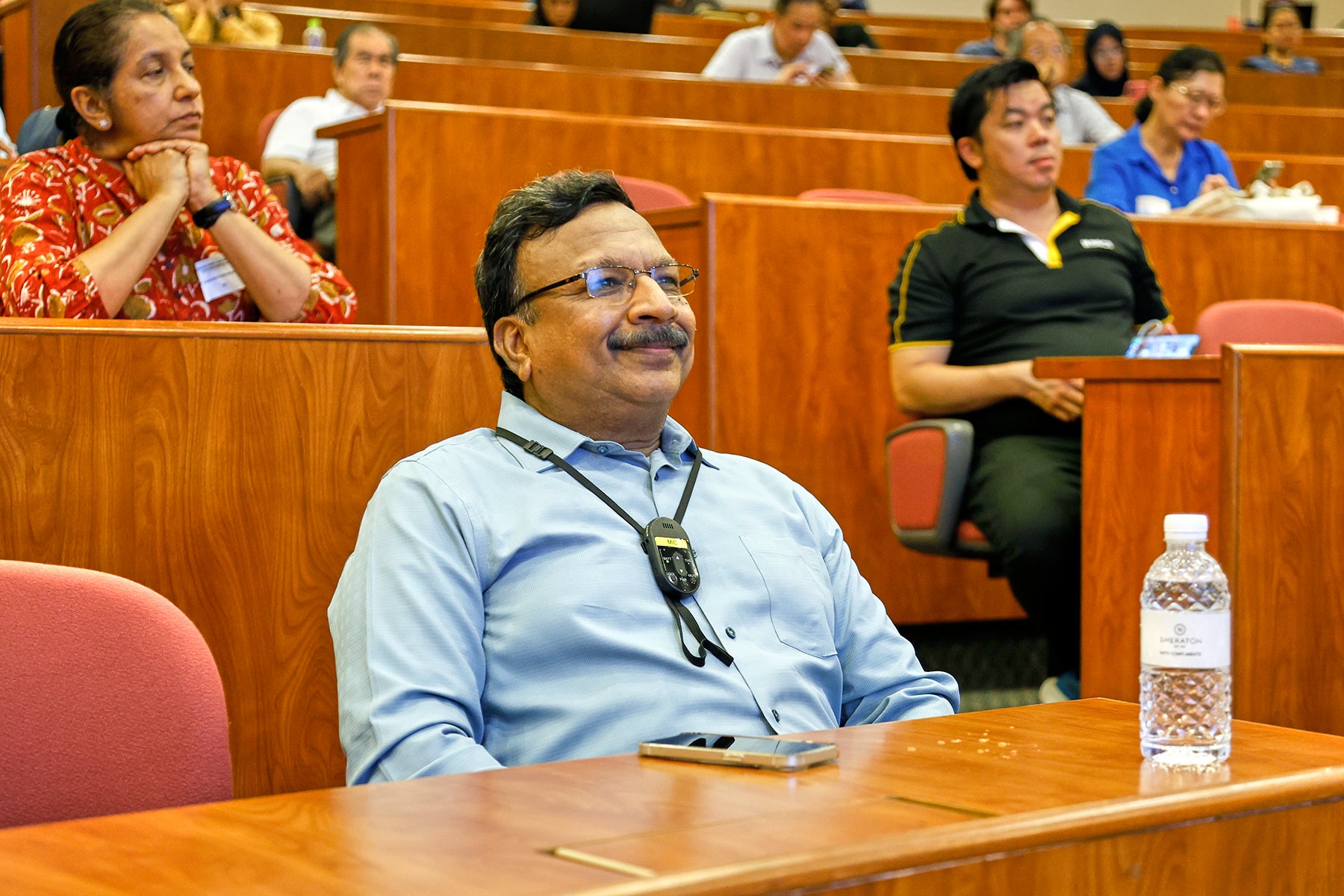
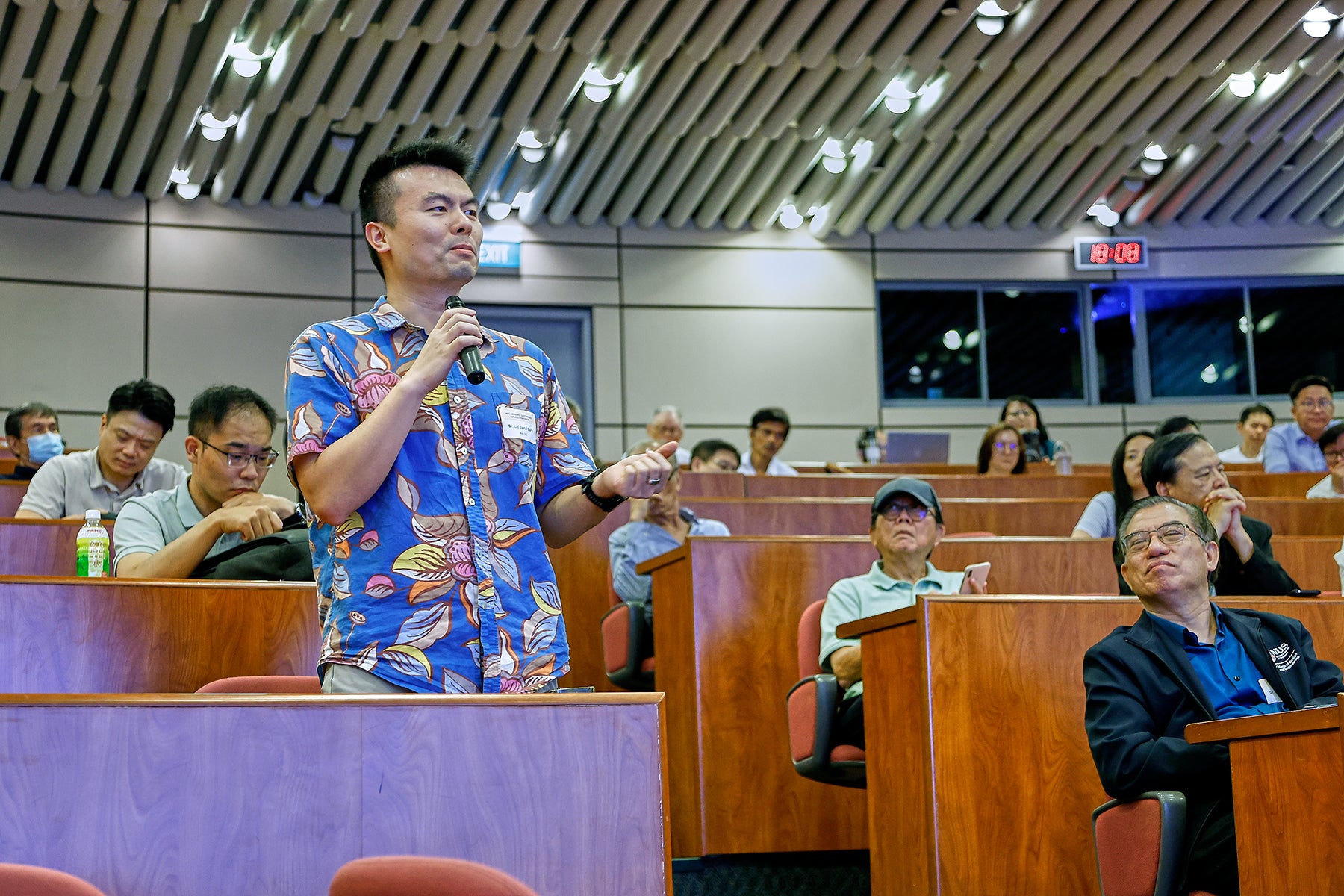
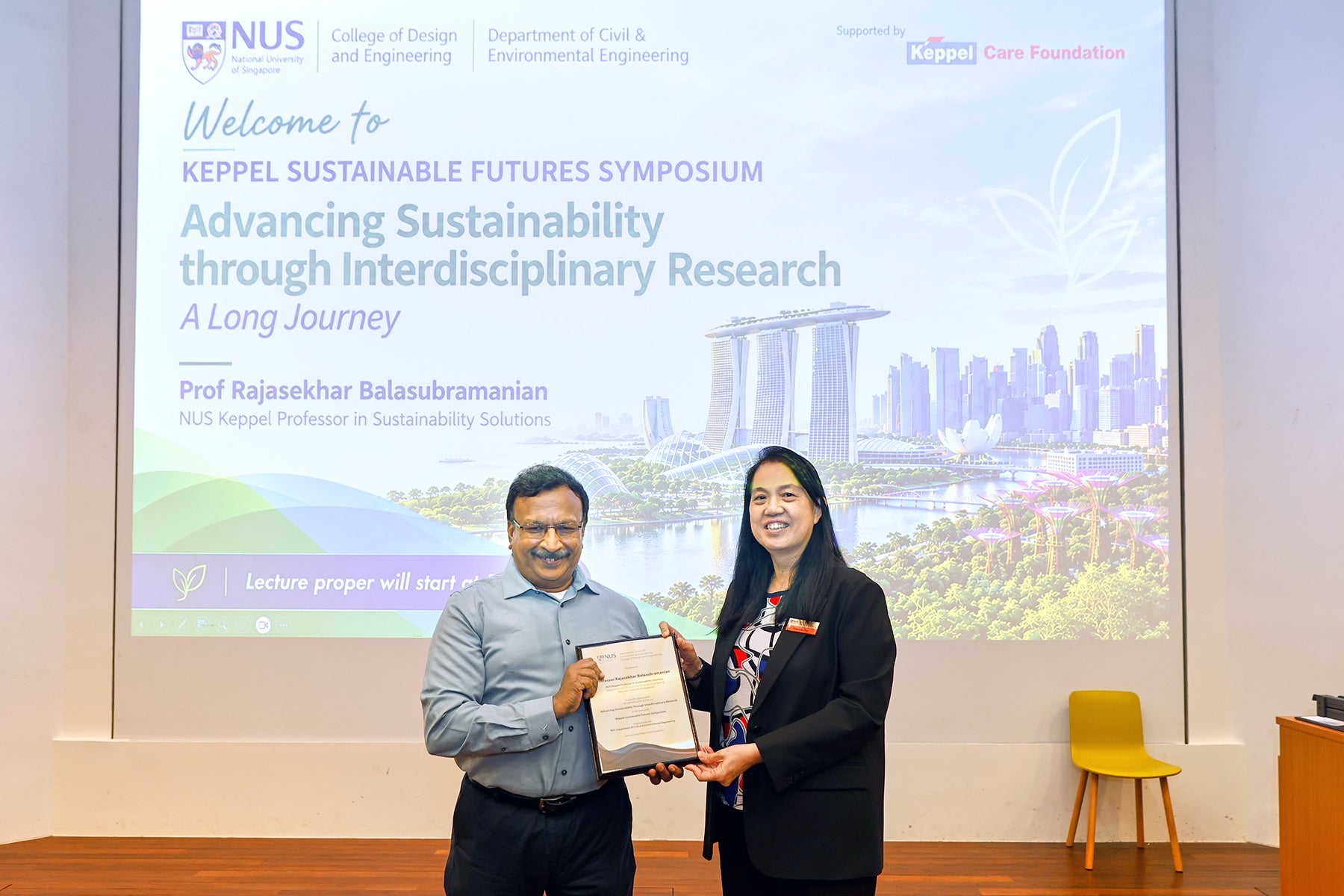
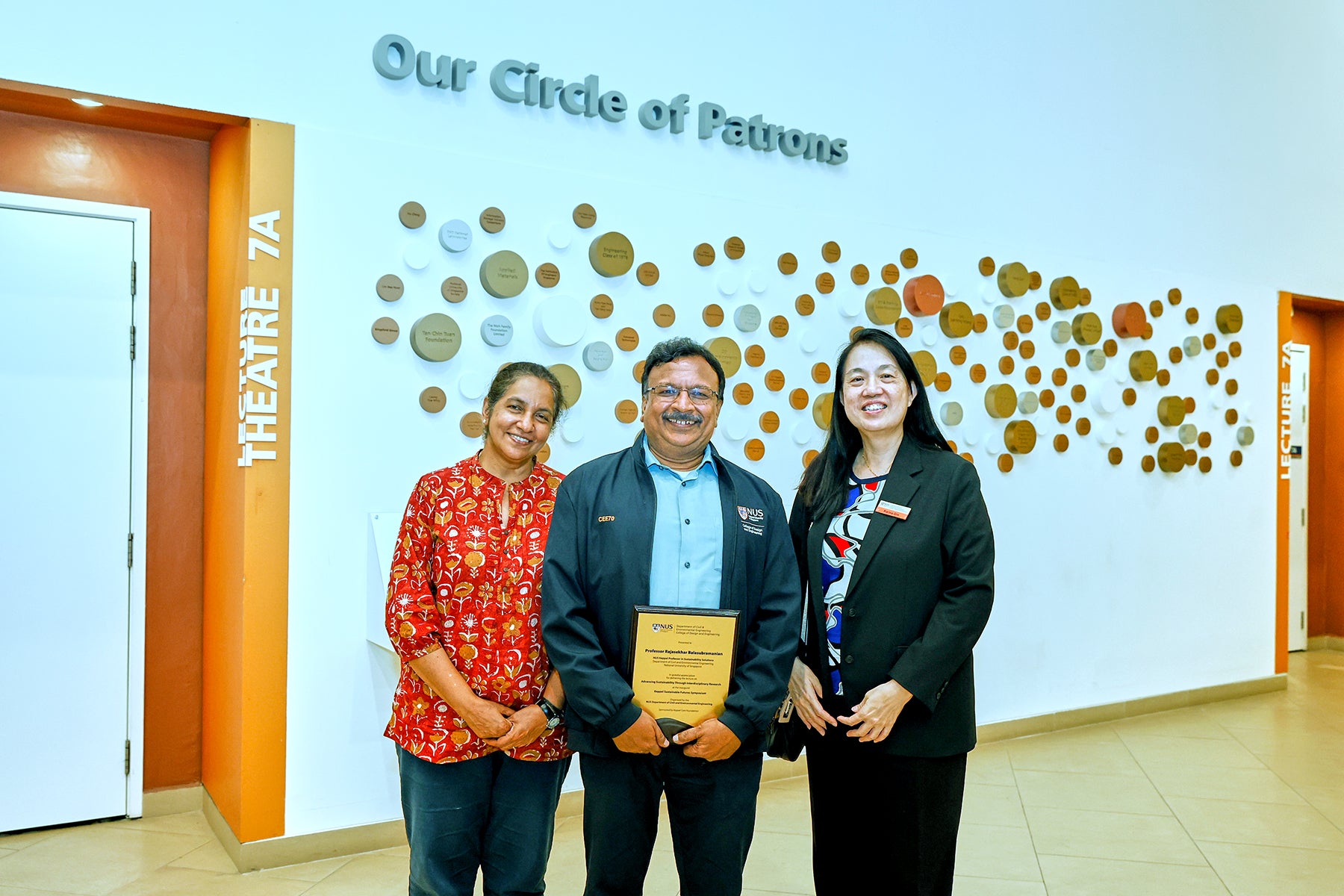
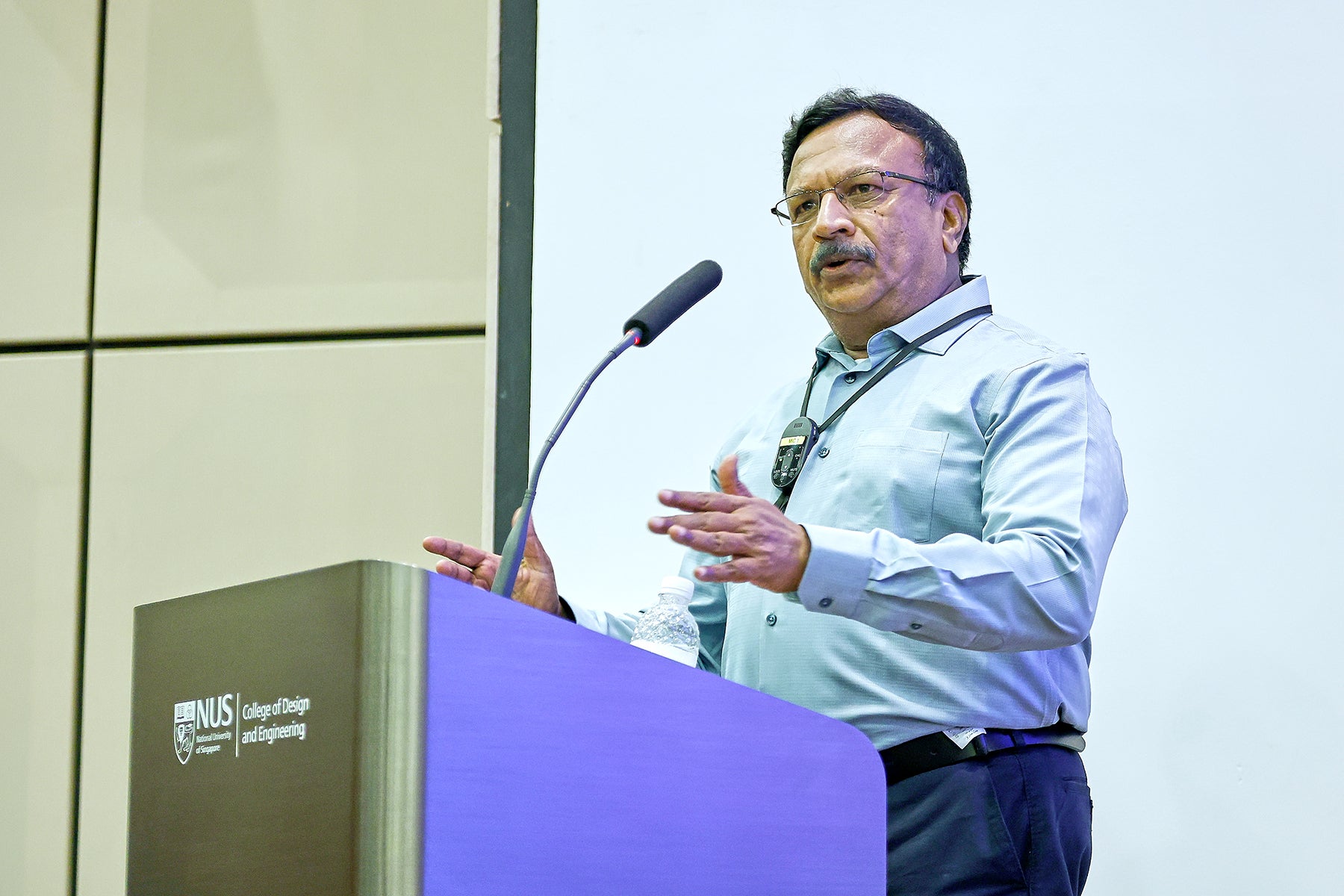
Following the showcase, attendees gathered inside the auditorium for the centrepiece of the afternoon: a keynote presentation by Professor Rajasekhar Balasubramanian (Bala), inaugural NUS Keppel Professor in Sustainability Solutions.
Titled "Advancing Sustainability through Interdisciplinary Research: A Long Journey," Prof. Bala took the audience through three decades of collaborative research across Asia, Europe, and beyond. Reflecting on his work at the intersection of atmospheric science, environmental engineering, and urban systems, he emphasised that the most persistent environmental challenges cannot be solved within a single academic discipline.
Through concrete case studies, Prof. Bala illustrated how combining environmental science, data analytics, and policy turns complex environmental data into actionable, low-carbon solutions for healthier cities. He concluded with reflections on what makes interdisciplinary partnerships work, calling on funding bodies, research institutions, and early-career scientists to help accelerate the transition toward a sustainable future.
Looking Ahead
The inaugural symposium was more than just a showcase of research. It was a reminder of what is possible when academia and industry come together around shared goals.
Thank you to everyone who joined us, shared their ideas, and contributed to a memorable afternoon!
Read more here.
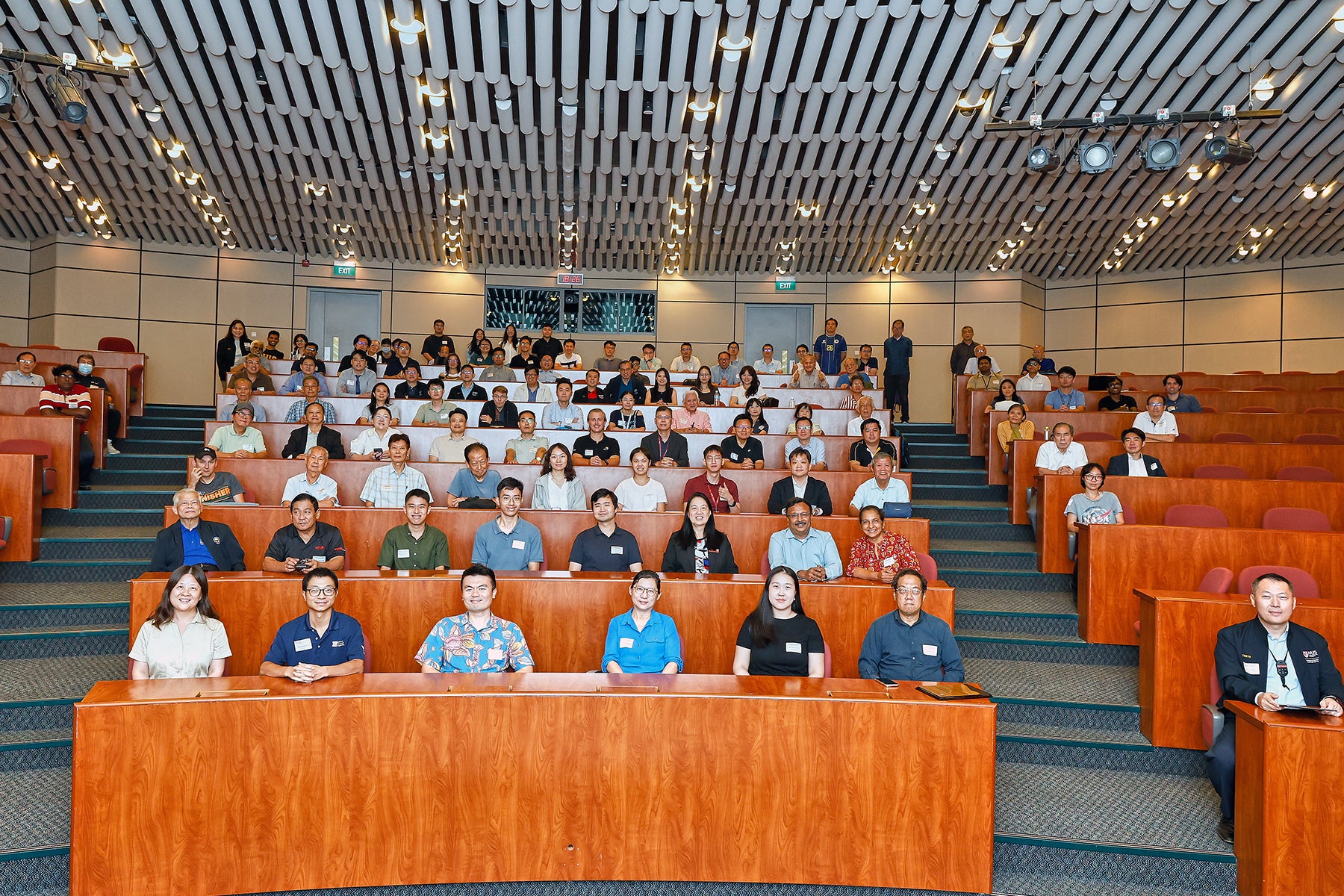
Photo Gallery