
STUDENT ACHIEVEMENTS & STUDENT LIFE
Student makers shine at NUS Makers’ Alley
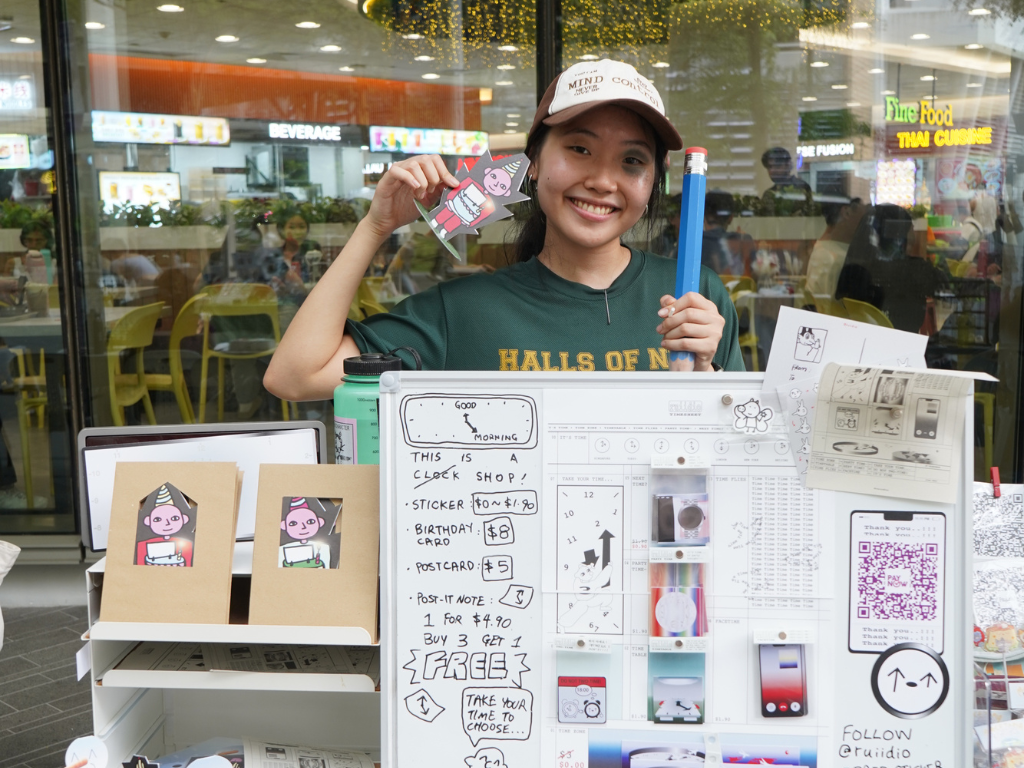
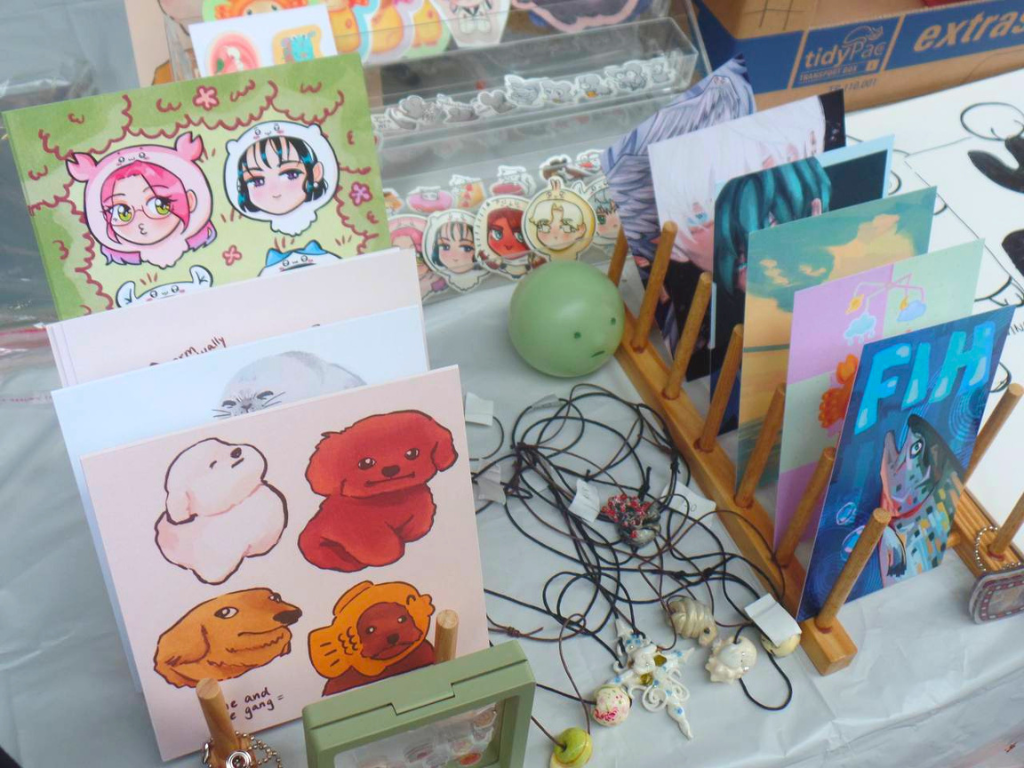
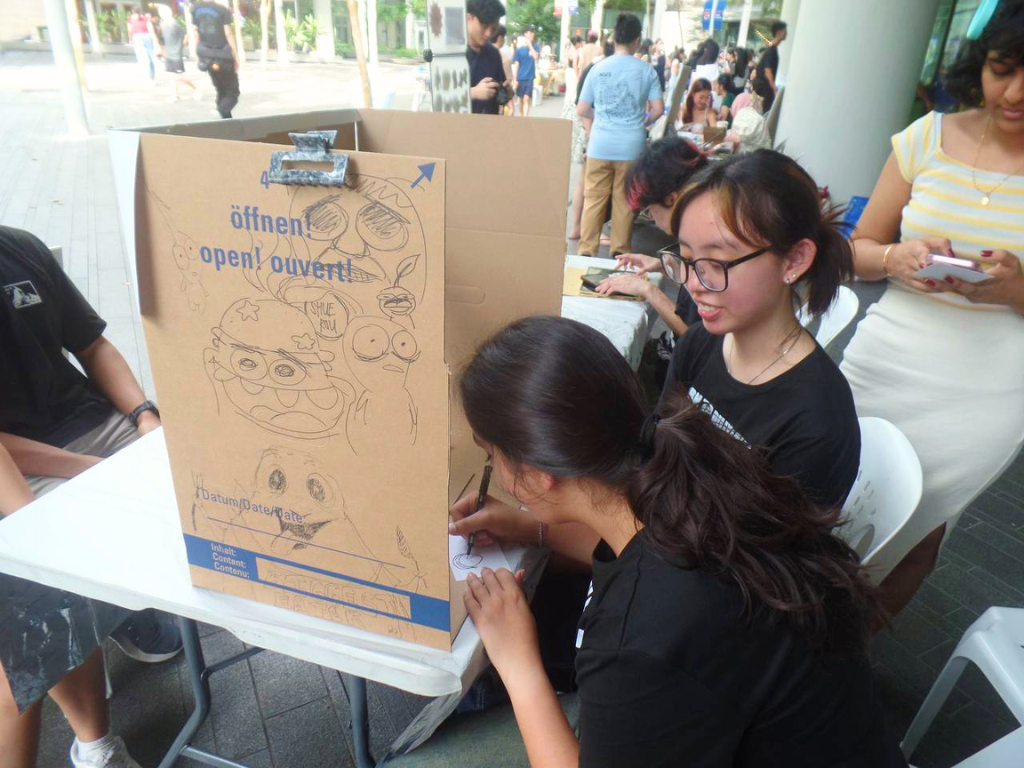
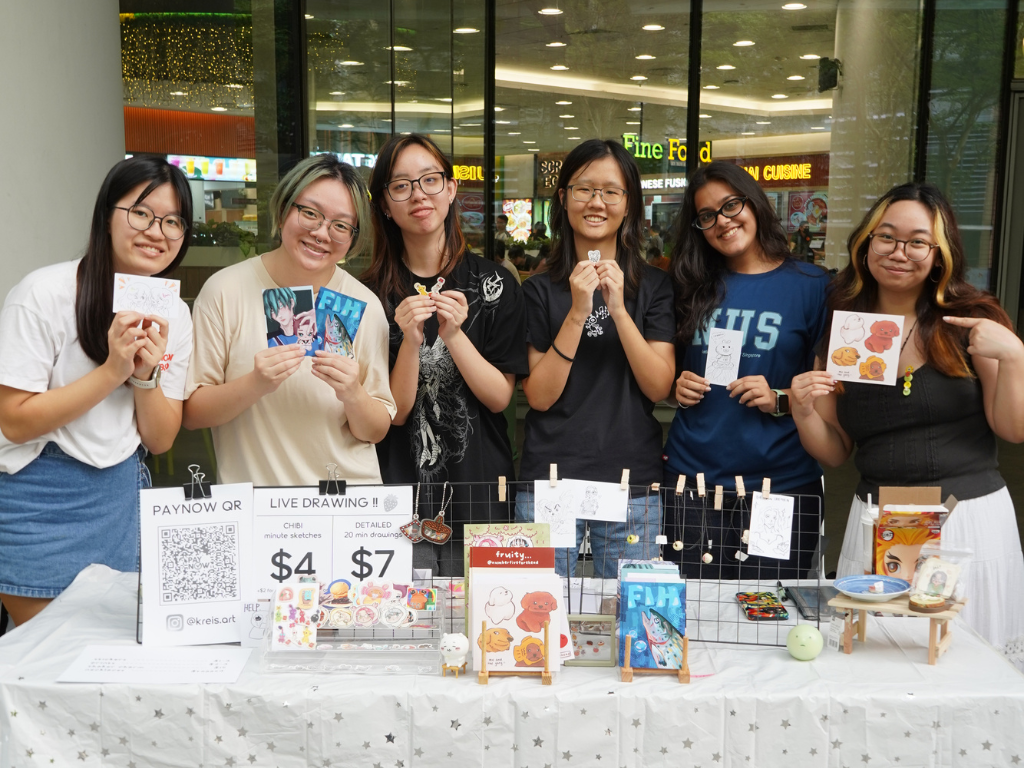
Many were on the hunt for their next perfect trinket or art piece at UTown, as NUS Makers’ Alley — a student-run market — returned to give student makers a platform to showcase and sell their creations. Our students brought their creative and entrepreneurial A-game, drawing a crowd eager to explore their stalls and support their work.
Fusing their creative energies was a group of Year 1 Industrial Design students: Amber Paige Lee Jia En, Bhoomika Manot, Danica Paige Aleta Canlas, Chua Rui Ling Evine, Nathan, Phillicia Lim Pei Xian, Wong Shue Rou. The creations ranged widely, from stickers, keychains, and art prints to live-drawings and “ugly” portraits. Danica shared, “I really appreciated that we all came together to share a booth despite our busy schedules. I’m happy to be surrounded by like-minded, creative individuals!”
Johnathan Na, a Year 4 Architecture student, crafts unique pottery pieces using self-crafted glazes that lend his pieces a rich depth of colour. Reflecting on his time at the wheel, Johnathan shared, “I took up pottery as a hobby, not to excel as quickly as possible, but to slow down and be present with the process.”
Lau Rui Xuan, a recent Industrial Design graduate (Class of 2025), returned to share her work, presenting six different artworks centred on the concept of “time”. Her booth also featured popular works from previous pop-ups, including 3D birthday cards and snowmen.
BME students tackle healthcare challenges through NUH clinical immersion
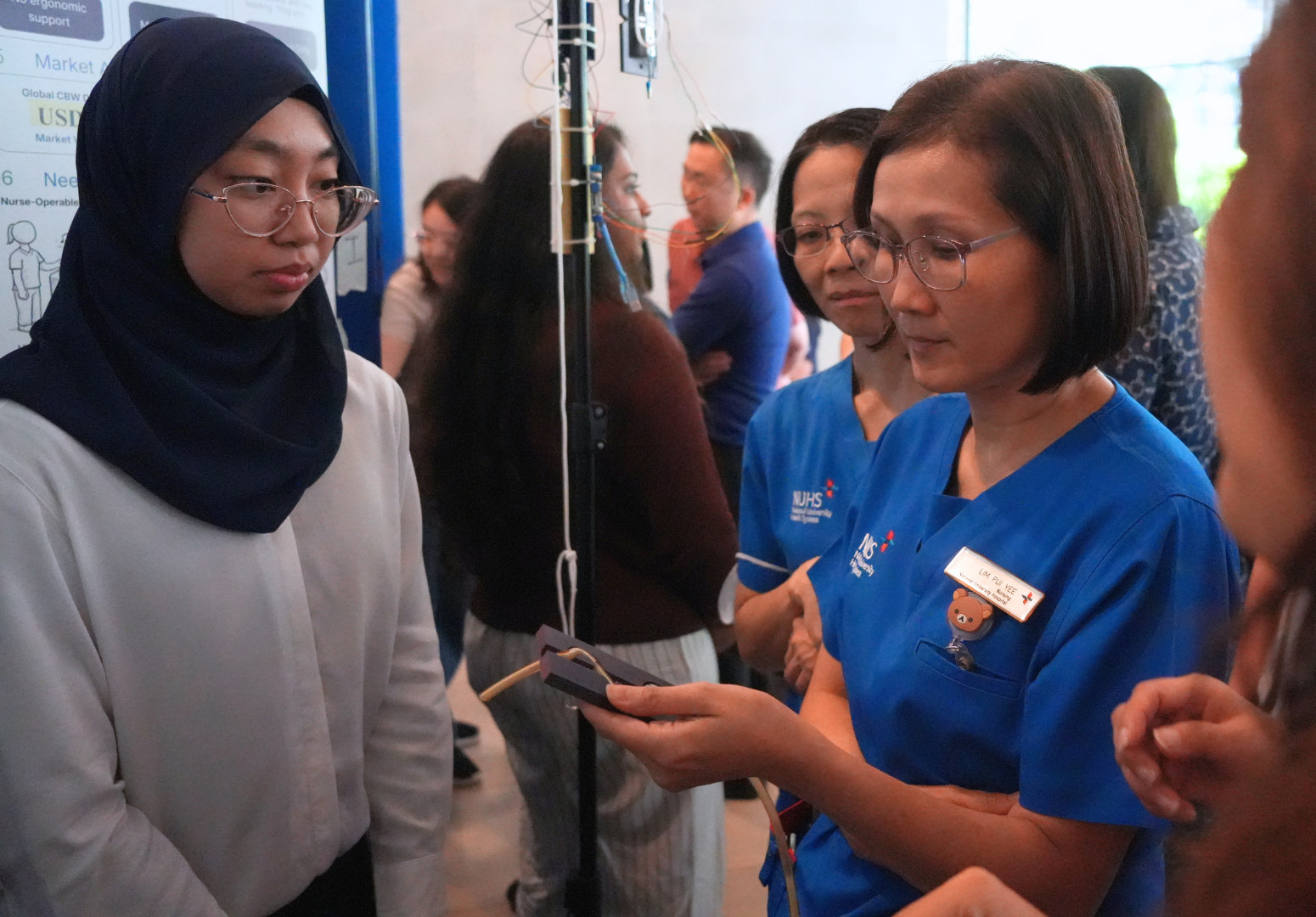
Biomedical Engineering (BME) students took their ideas into the hospital!
Over 13 weeks, they worked alongside clinicians from the National University Hospital (NUH) to uncover real-world healthcare challenges and develop early-stage solutions.
“Our students moved from observing care delivery to framing needs and identifying innovation opportunities using the Biodesign framework,” said Associate Professor Mark Chong from the Department of Biomedical Engineering at the BN3101B Clinical Immersion and HealthTech Innovation showcase.
Adjunct Professor Mark Puhaindran, Chairman, Medical Board, NUH, added, “Engineers and clinicians see problems differently. By combining these viewpoints, we can create more meaningful solutions.”
At the showcase, 13 student projects were evaluated by clinicians and faculty based on clinical understanding, innovation, feasibility, and potential for real-world implementation.
By Gregory Neow and Kieran Chan (Year 2 Biomedical Engineering)
Mentors: Assoc Prof Mark Chong, Dr Jin Xi Lim, Dr Lim Zhixue
Addressing surgeon strain and coordination challenges in arthroscopy, ArthroLock is a precise camera-holding device that improves surgical workflow efficiency. “As we observed procedures, we saw how strain and coordination challenges could affect surgery time,” shared Gregory.
Read more here.
Competing on the global stage: Calibur’s strong showing at RoboMaster
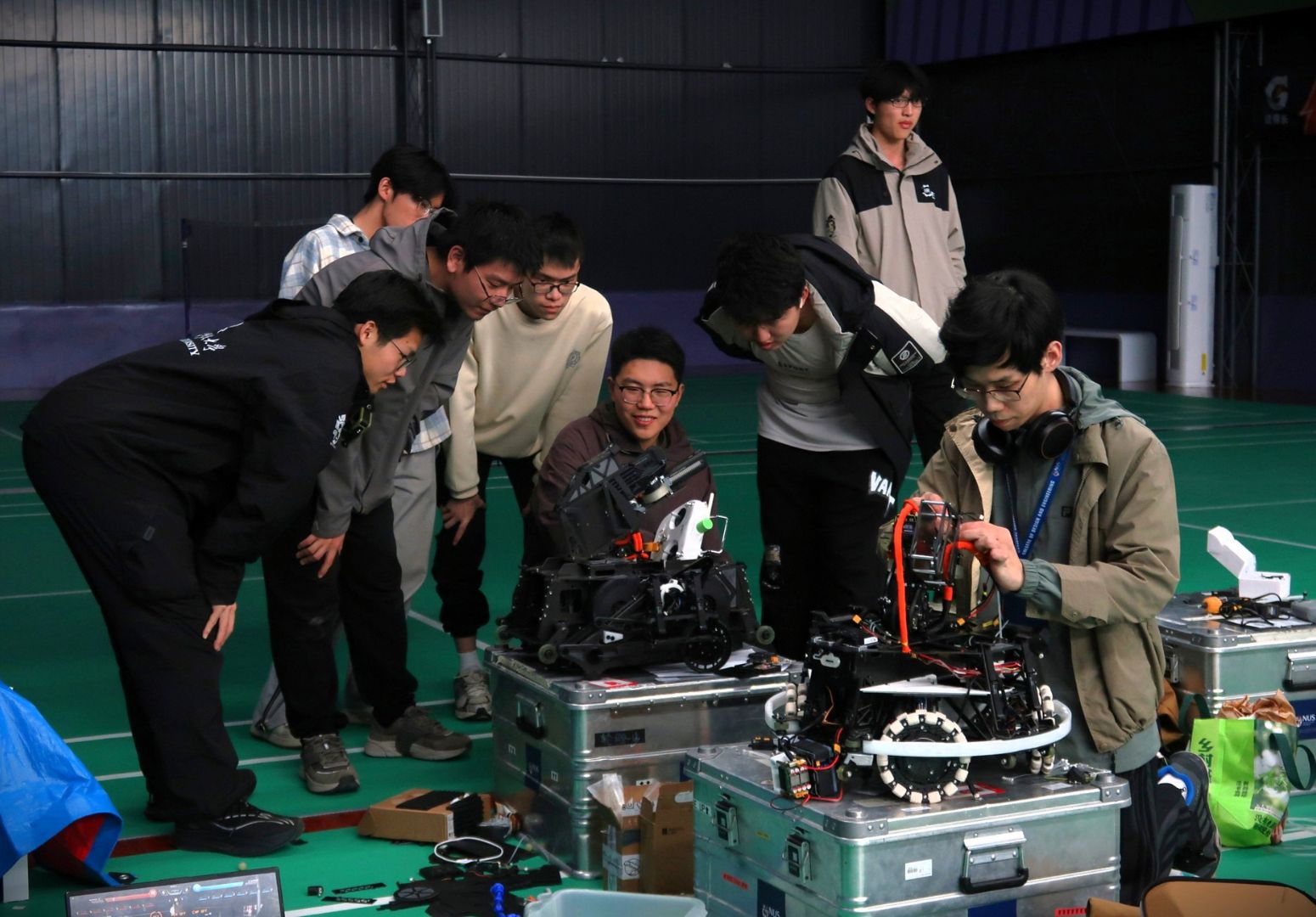
A round of applause for Team Calibur Robotics for attaining Second Place in the Engineer Challenge at RMUL 2026!
An international collegiate robotics competition, this year’s RoboMaster University League (RMUL) was held in Chongqing, China, where NUS Calibur Robotics stood as the sole international team. The team competed across three categories: 3v3 Robot Combat, 1v1 Infantry Robot Competition, and the Engineering Challenge.
One obstacle the team faced throughout the competition was the language barrier, as it was their first time competing in China. Fortunately, bilingual members stepped up to take on translation responsibilities, helping the team adapt more effectively on the ground.
Despite such difficulties, the team delivered a strong performance and clinched Second Place in the task-based Engineering Challenge, which evaluates engineering design and system integration. Team Calibur’s robots were required to complete structured objectives such as navigation and interaction tasks. Their new lineup of robots rose to the occasion, as the team made key improvements such as redesigning the manipulation system from a suction-based mechanism to a gripper.
While the team excelled in the Engineering Challenge, they felt the heat in other categories. An unexpected problem arose during the final match of the 3v3 Robot Combat category, when the team encountered an electronics issue with their autonomous robot. At this crucial moment, some members jumped into diagnostic mode while others coordinated a backup plan by adapting an alternative robot. Working in tandem, the team finalised their lineup in time to pass inspection and proceed with the match.
Critical moments like these saw team members stepping beyond their individual roles to support one another. Technical members managing robots across different categories collaborated closely to resolve issues, from last-minute wiring fixes to repairing damage between matches. While the team responded swiftly, they reflected that this experience reinforced the importance of minimising last-minute adjustments and planning further ahead, as unexpected issues can occur under competition conditions.
Dr Yen Shih-Cheng, Director of NUS Engineering Design and Innovation Centre, offered the team a note of encouragement: “The students faced setbacks head-on and gave their very best. We hope this year’s trip remains a valuable learning experience and motivates them to do better next year!”
Designing the future of ocean exploration at OceanX
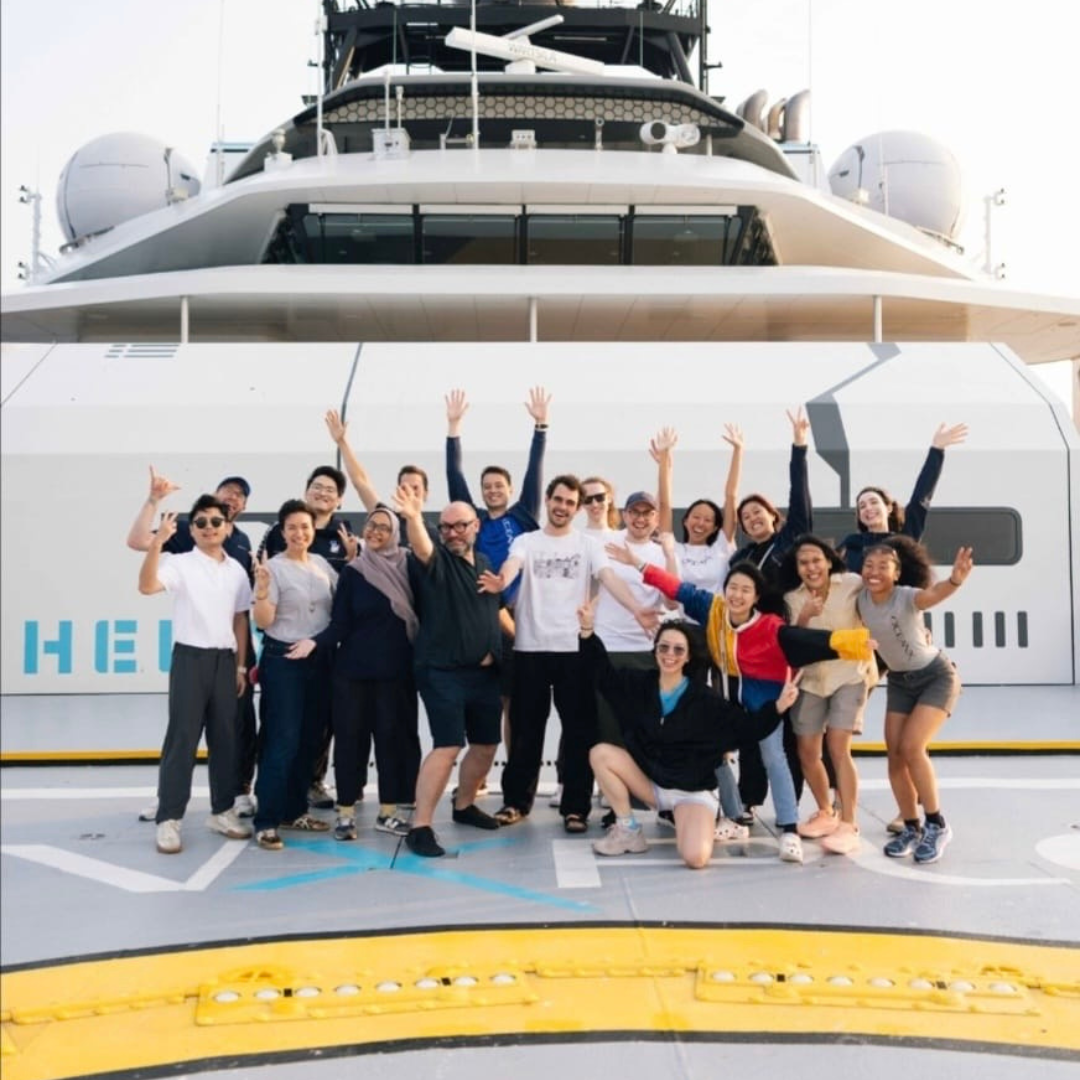
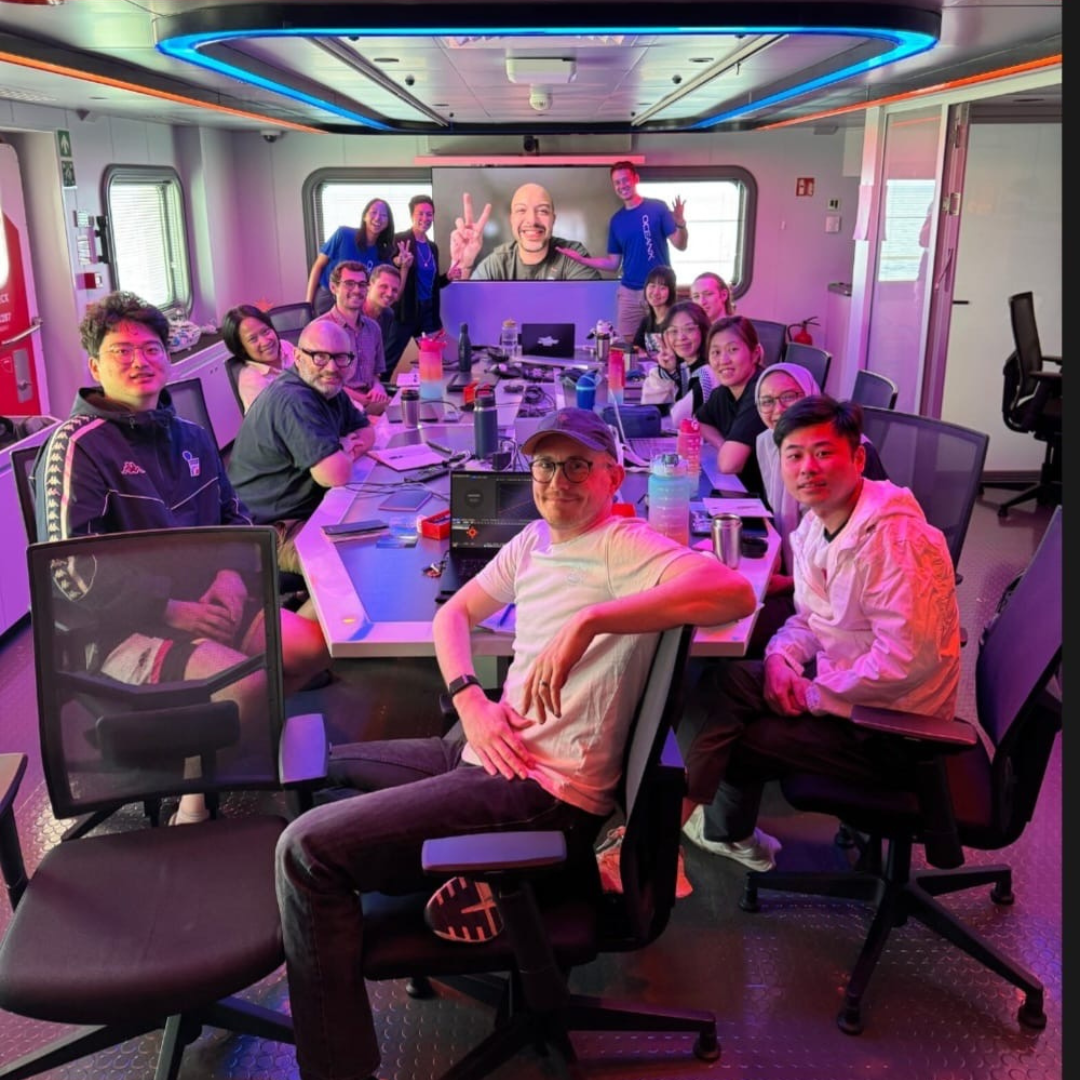
Jasmine Nurul Izza Bachtiar (Year 2 Engineering Science Programme) and Chong Hui Hsuen Nicole (Year 4 Biomedical Engineering) from the Innovation and Design Programme (iDP), together with NUS mentor Dr Cai Shaoyu, were aboard the OceanXplorer, sailing from Singapore to Hong Kong.
Onboard, they worked with a group of scientists, engineers, creative technologists and media artists to explore how VR/AR, multimodal interfaces and AI-driven storytelling can make deep-sea exploration more immersive and accessible. This was part of the year-long design project CDE3301 offered under the Innovation and Design Programme.
OceanX is a non-profit organisation on a mission to unlock the ocean’s sustainable potential through science, education, and media. They were there for the week-long OceanX Hackathon, as part of OceanX Education. This hackathon brings together scientists, engineers, technologists, storytellers and artists to rethink how we understand and protect our oceans. The challenge statement is:
How might we use AI-powered creative technologies to transform ocean science into something more human—something people can experience, relate to, and feel part of?
As shared by Jasmine, “Being on the ship felt like living inside a moving creative lab. Every day, we shared ideas, explored possibilities, questioned assumptions, and imagined how stories, media, and technology could turn ocean science into something truly immersive, something people actually care about. Listening to other people’s stories, how they think, what they care about, and how we worked together to create something meaningful really widened my perspective. It was such an eye-opening experience, and I’m truly grateful for it. And somewhere in between all that, I also learned how to sleep while the boat moves up and down. I know I don’t want this to be just a one-time experience. I hope it can grow into something more, not just for me, but for OceanX, for NUS, and for the people I met and worked with. And maybe one day, something I can bring back home to Indonesia, something that helps more people truly care about and understand our ocean.”
IPM student’s research selected for 54th IEEE Photovoltaic Specialists Conference oral presentation
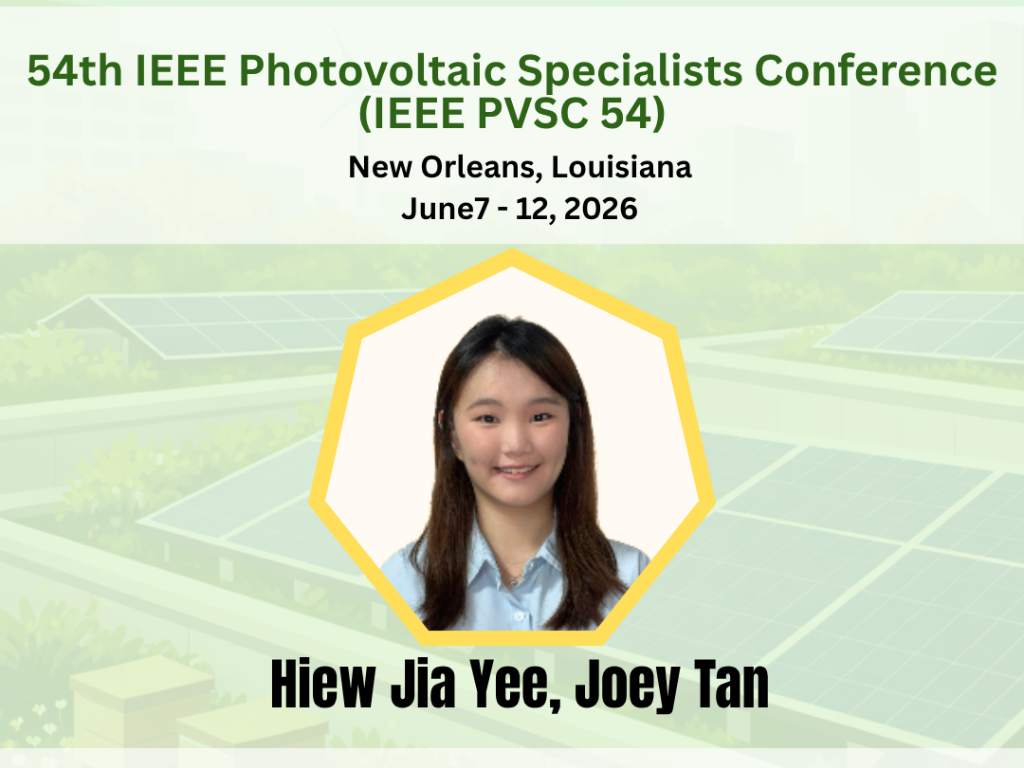
Hiew Jia Yee, Joey Tan (Year 1 Infrastructure and Project Management) had her dissertation titled “Performance Degradation of Photovoltaic Systems on Vegetated and Concrete Roofs in a Tropical Climate” selected for oral presentation at the 54th IEEE Photovoltaic Specialists Conference (IEEE PVSC) 2026, following a review by an international panel of expert reviewers.
The IEEE PVSC 2026 features a world-class technical programme across twelve topical areas, including a new area on industrial development. Attendees will hear from leading keynote, plenary, and invited speakers who will share the latest breakthroughs in PV science, engineering, manufacturing, and policy.
Joey's research was conducted in collaboration with the KAJIMA Technical Research Institute Singapore (KaTRIS). The findings reveal that the co-location of PV and greenery reduces degradation across different PV technologies. Congrats Joey!
ECE team wins champion title at SAFMC 2026 High-Speed Drone Flock Challenge
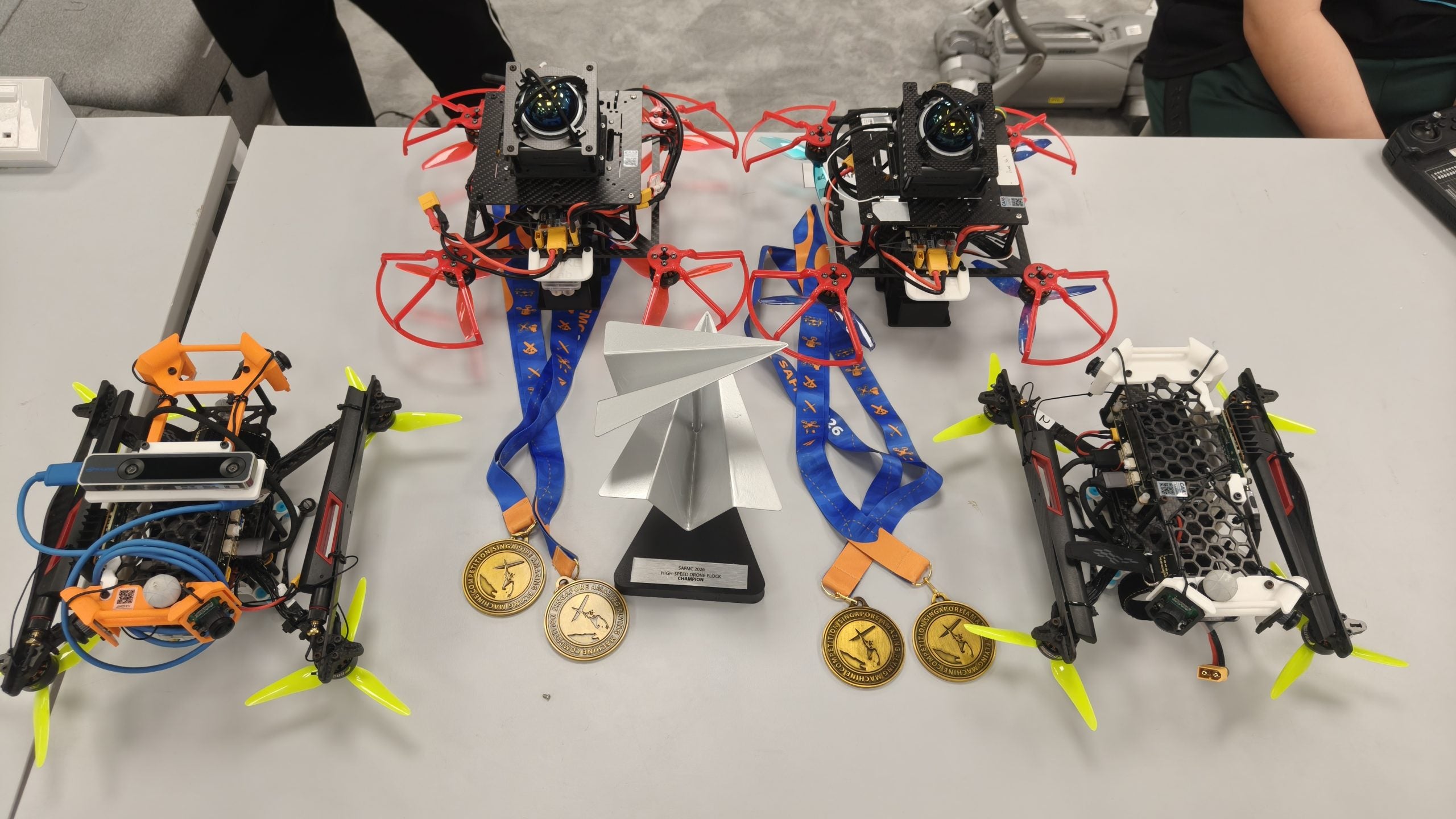
A team of students from the Department of Electrical and Computer Engineering at the National University of Singapore (NUS), led by Dr Zhao Lin, has clinched the championship title for the High-Speed Drone Flock Challenge at the 2026 Singapore Amazing Flying Machine Competition (SAFMC).
Held on 8–9 April 2026, the competition challenges participants to transform their creative ideas into real flying machines. For the Speed Drone Flock Challenge, teams were tasked to design and deploy 2–3 autonomous drones capable of flying as a coordinated group through a sequence of gates in an indoor arena. Teams were evaluated based on speed, accuracy, inter-drone coordination, and technical presentation. The award ceremony took place at the Singapore Expo on 11 April 2026.
Competing under the team name NUS Aero Intelligence, the group comprises undergraduate, master’s, and PhD students from Dr Zhao’s research lab. Their winning solution demonstrated strong capabilities in robust perception, fast planning, and multi-agent control, enabling high-speed navigation while maintaining precise formation under real-world constraints. The team was awarded a cash prize of SGD 15,000.
Team members include:
- Nicholas Tan Yun Yu (Year 4 Computer Engineering)
- Thum Weng Chuen (Year 3 Electrical Engineering)
- Pinhong Chen (MSc Electrical Engineering)
- Ajay Shanker (MSc Computer Engineering)
- Yichao Gao (Year 1 PhD, ECE)
- Shenao Wang (Year 1 PhD, ECE)
- Gerdpratoom Nuthasith (Year 1 PhD, ECE)
Read more here.
Soumyadeep Dhar’s research accepted at GECCO 2026
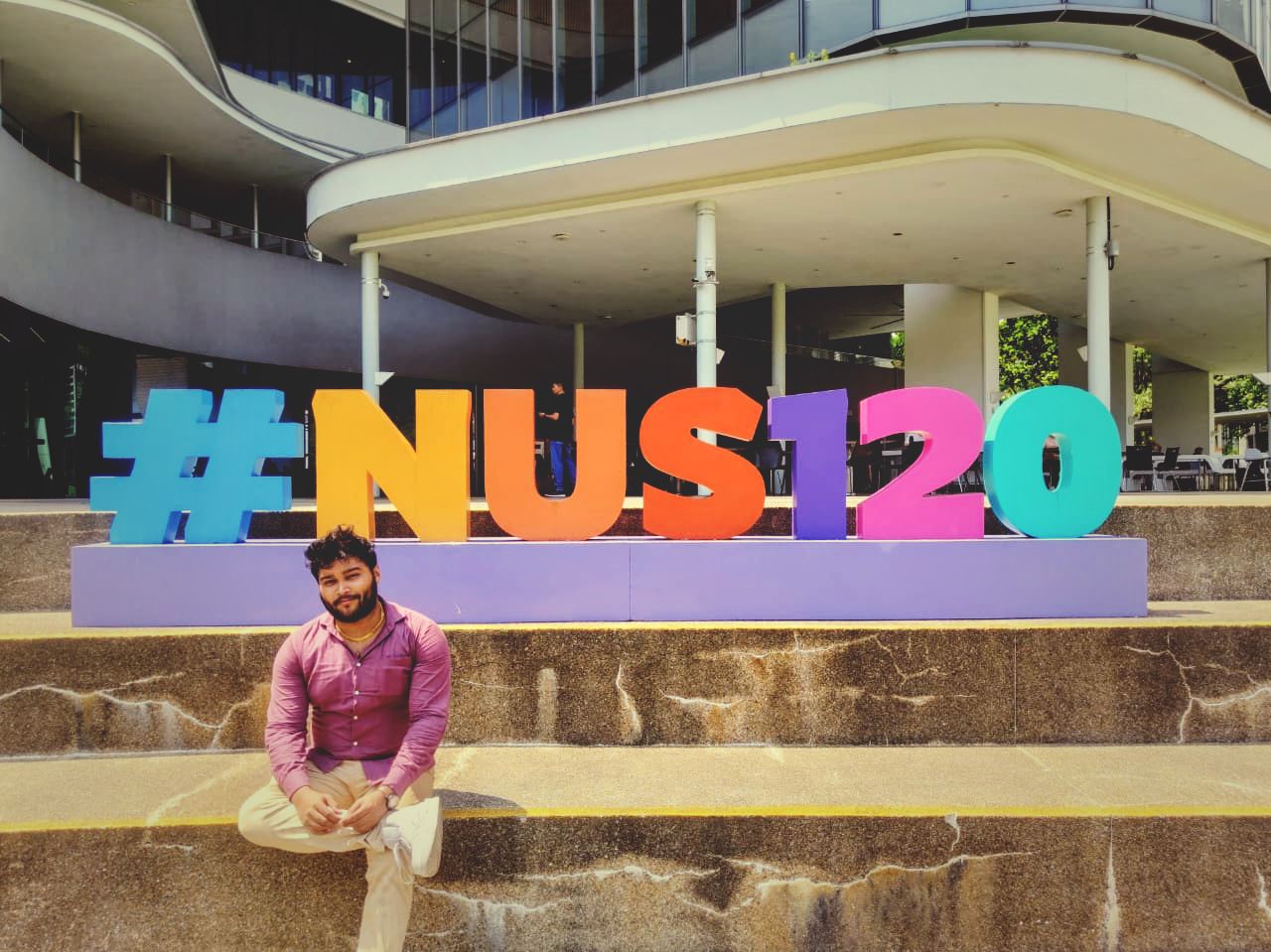
Soumyadeep Dhar, a Masters student from the Internship and Research Immersion in Singapore (IRIS) @NUS programme, mentored by Associate Professor Mehul Motani (Department of Electrical and Computer Engineering), has achieved a significant research milestone. His work has been accepted as a full paper at the 28th ACM SIGEVO Genetic and Evolutionary Computation Conference (GECCO 2026) — the largest peer-reviewed conference in evolutionary computation.
Titled “Teaching the Teacher: The Role of Teacher–Student Smoothness Alignment in Genetic Programming-based Symbolic Distillation,” the research was conducted during his Summer 2025 attachment at the Department of Electrical and Computer Engineering (ECE), in collaboration with Fong Kei Sen, ECE PhD student.
The study addresses a key challenge in symbolic distillation, understanding why neural networks often fail to translate into accurate, interpretable symbolic models. The team identified a fundamental mismatch in complexity between “teacher” (neural network) and “student” (symbolic) models as the root cause. By addressing this mismatch, their large-scale study demonstrates a robust approach to generating symbolic models that significantly outperform conventional methods, paving the way for more reliable and interpretable machine learning systems.
Read more here.
How Team Kent Ridge conquered SBCC 2026 with fresh thinking
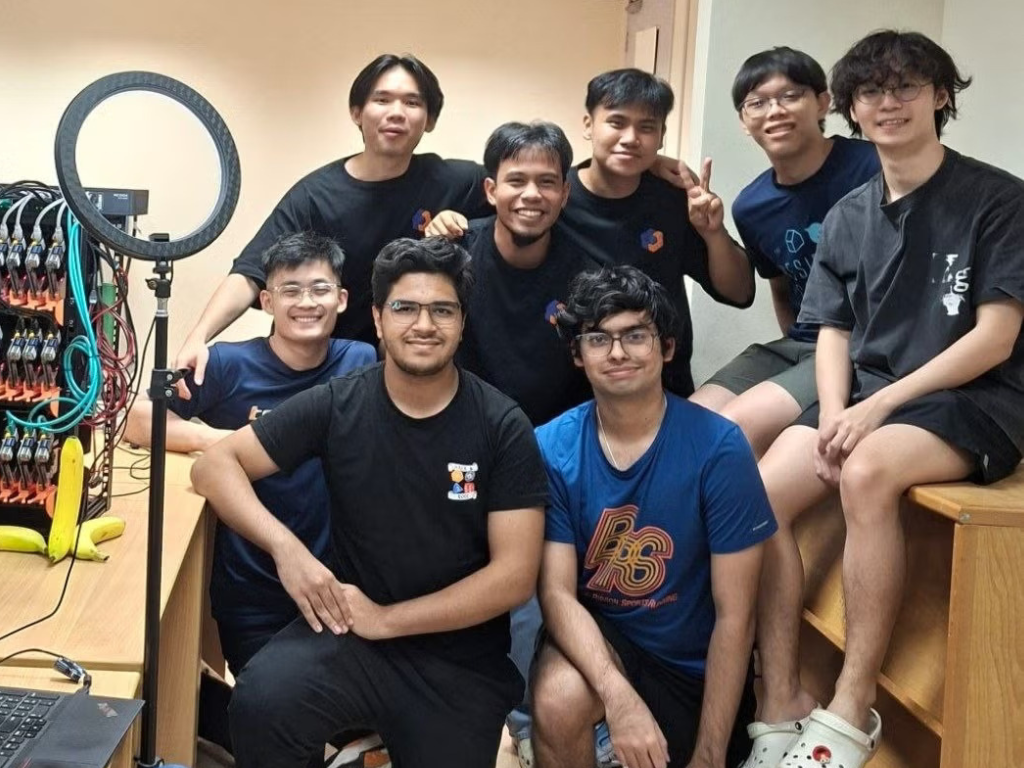
What happens when inexperience makes you brave enough to leap into the unknown and discover new ways of seeing?
Before the Single-Board Cluster Competition 2026 (SBCC’26), six students from CDE’s Computer Engineering (CEG) programme and two Computer Science (CS) students had never heard of high-performance computing (HPC). Yet together as Team Kent Ridge, they outperformed 13 international teams to clinch first place.
The team brought together complementary strengths: the CS students contributed understanding of parallel programming models and performance considerations, while the CEG students contributed electronics and systems instincts — crediting their CDE training for helping them ramp up quickly.
Team lead Asyraf (Year 1, Computer Engineering) commented, “The lack of experience was the biggest differentiator. We experimented with different ways – conventional and unconventional – which gave us the edge when it came to implementing bleeding-edge ideas.”
Asyraf added that modules like CG2111A Engineering Principles and Practice II helped the team’s CEG students with rapid iteration and understanding interactions between software and hardware — translating well into the rapid R&D pace of the competition. He also highlighted CS1010 Programming Methodology for the solid programming foundation that the team could build on when developing their cluster software stack.
Asyraf further shared on behalf of the team’s CEG students that skills like managing job queues efficiently, keeping latency, and ensuring their compute pipeline stayed fully utilised, all drew on instincts that CEG helped sharpen.
Working across their two disciplines, the students navigated the unknown with relentless effort and a willingness to adapt under pressure — turning their inexperience into an exceptional win.
Congratulations to Team Kent Ridge on this outstanding achievement.
Afterhours – Industrial Design Mini Concert
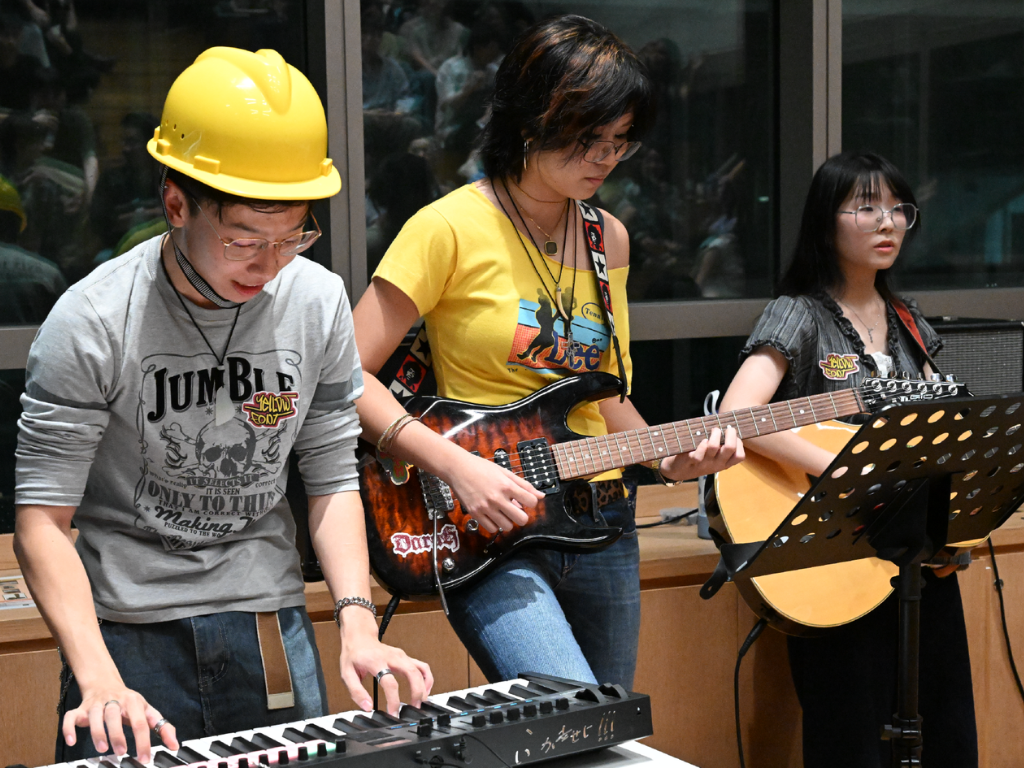
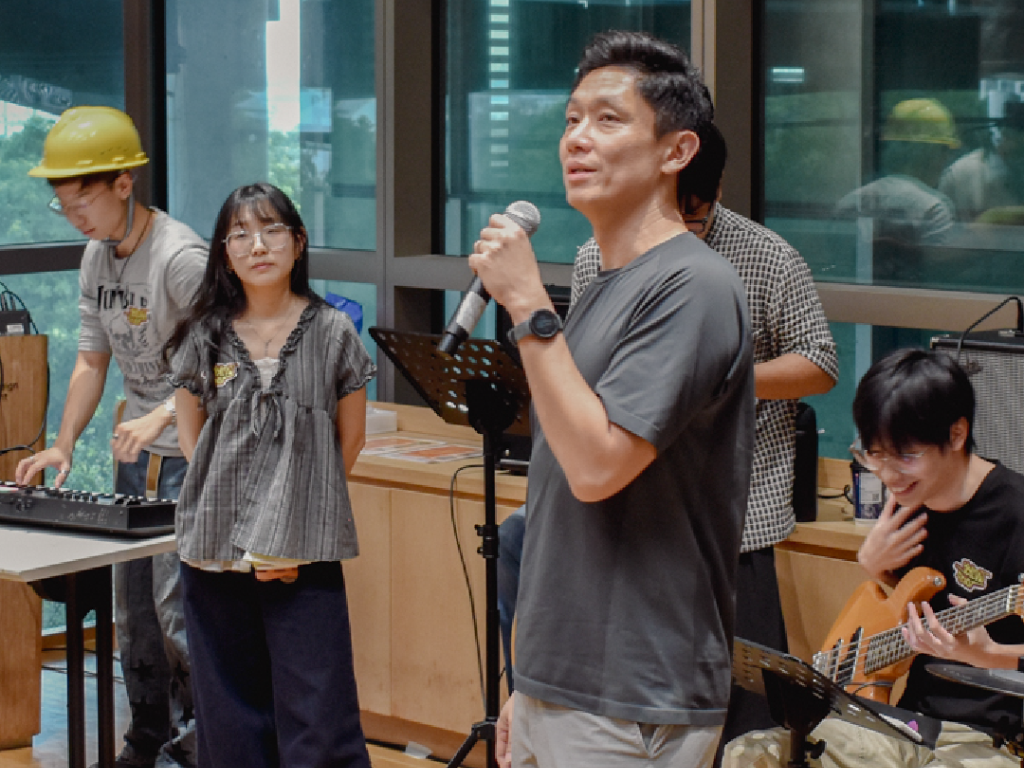
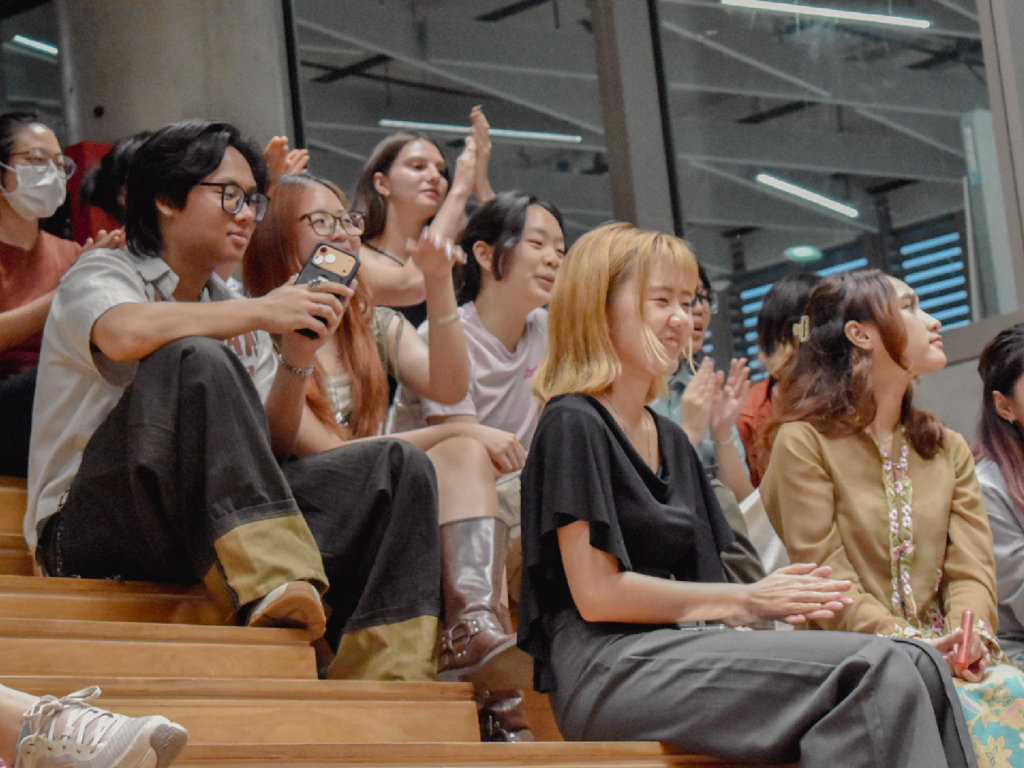
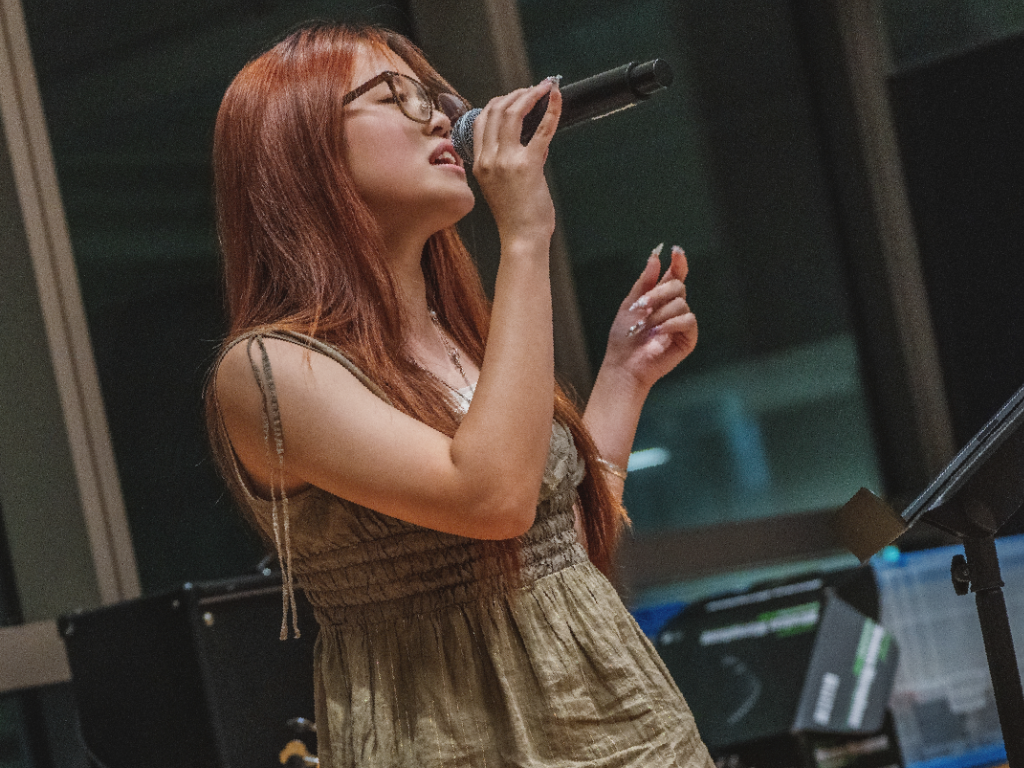
Afterhours, a mini concert organised by the Industrial Design Club and the Division of Industrial Design (DID) Student Life team, was held to celebrate the close of this semester’s Platform.
The event brought together live music, good vibes and treats such as CHAGEE and traditional ice cream, enjoyed alongside performances by talented student musicians.
It was a lively and memorable way to wrap up the semester — marking not just the end of term, but also the importance of balancing work with play, while celebrating the creativity of the student community.
Visual Communication Award to commemorate Dr Reppard and Dorothy Stone
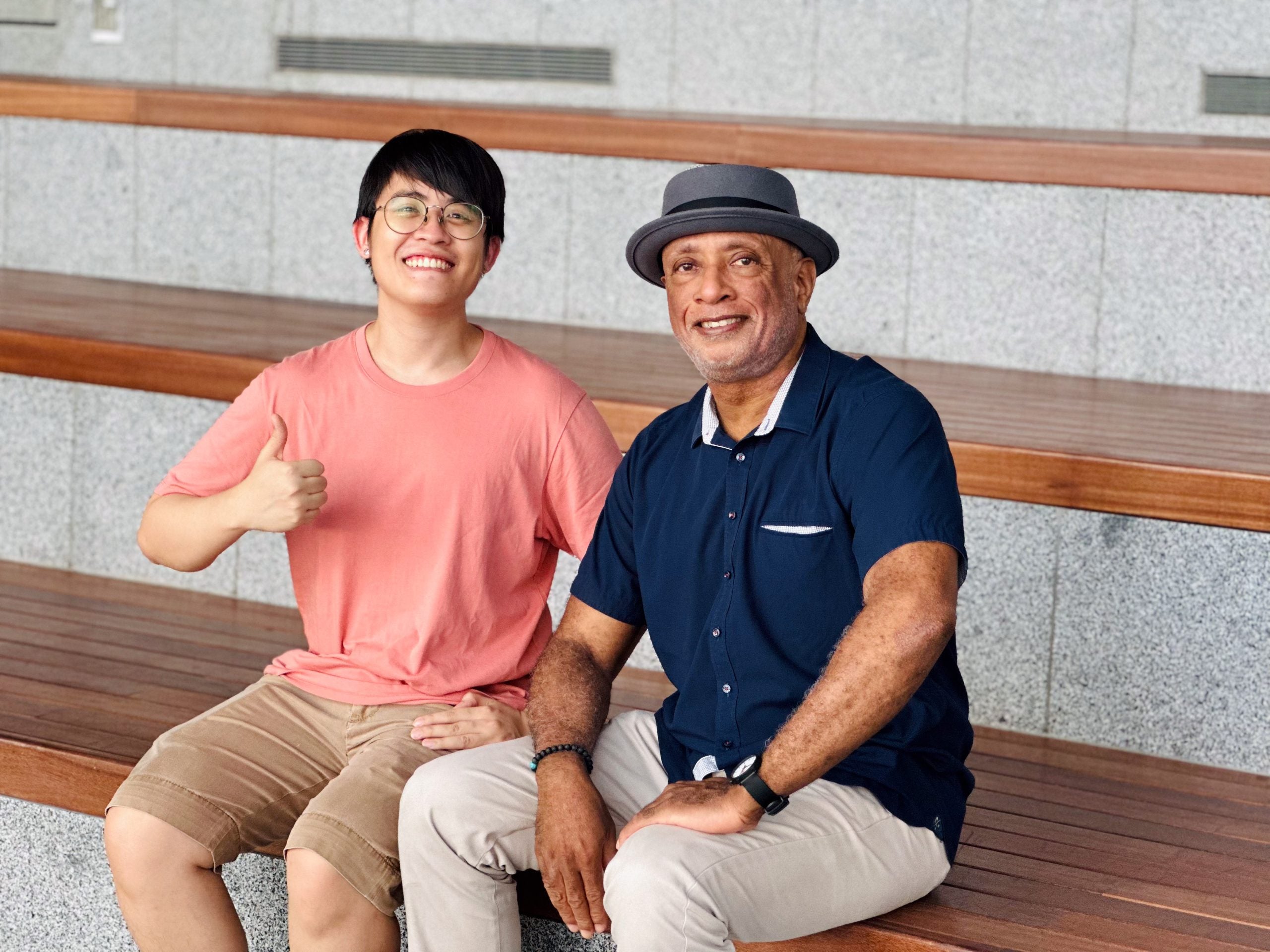
Congratulations, Leon Pereira (Class of 2026), the recipient of the Visual Communication Award to commemorate Dr Reppard and Dorothy Stone in 2025.
In dedication to the parents of Associate Professor R Brian Stone, this Visual Communication Award was established in 2022. This annual award recognises a third-year student in the Division of Industrial Design who best exhibits high-quality work in the area of visual communication with high academic performance.
About the award
Dr Reppard Stone and Dorothy Stone, residents of Baltimore, Maryland, USA, were married for 62 years. They were strong supporters of education, the arts, civic duty, and community service. Dr Stone was a teacher, lecturer, performer, composer, and arranger. He received his Bachelor of Science in Music Education from Morgan State College in 1952, a Master of Arts in Music Theory from Western Reserve University in 1957, a PhD in Musicology from Catholic University in 1973, and postdoctoral studies in Arranging and Film Scoring from the Eastman School of Music in 1977.
Dorothy Stone was a reading specialist, mentor, and master teacher for Early Childhood Development. She received her Bachelor of Science Degree in Elementary Education from the Coppin Teachers College in 1954, Masters of Science in Early Childhood Development from Morgan State College in 1974 and post-masters degree studies at Johns Hopkins University. She served many years as an Associate of the Baltimore Symphony Orchestra focused on introducing young children to orchestral music.
Strikes & Connections – ISEM Graduate Club Bowling Night
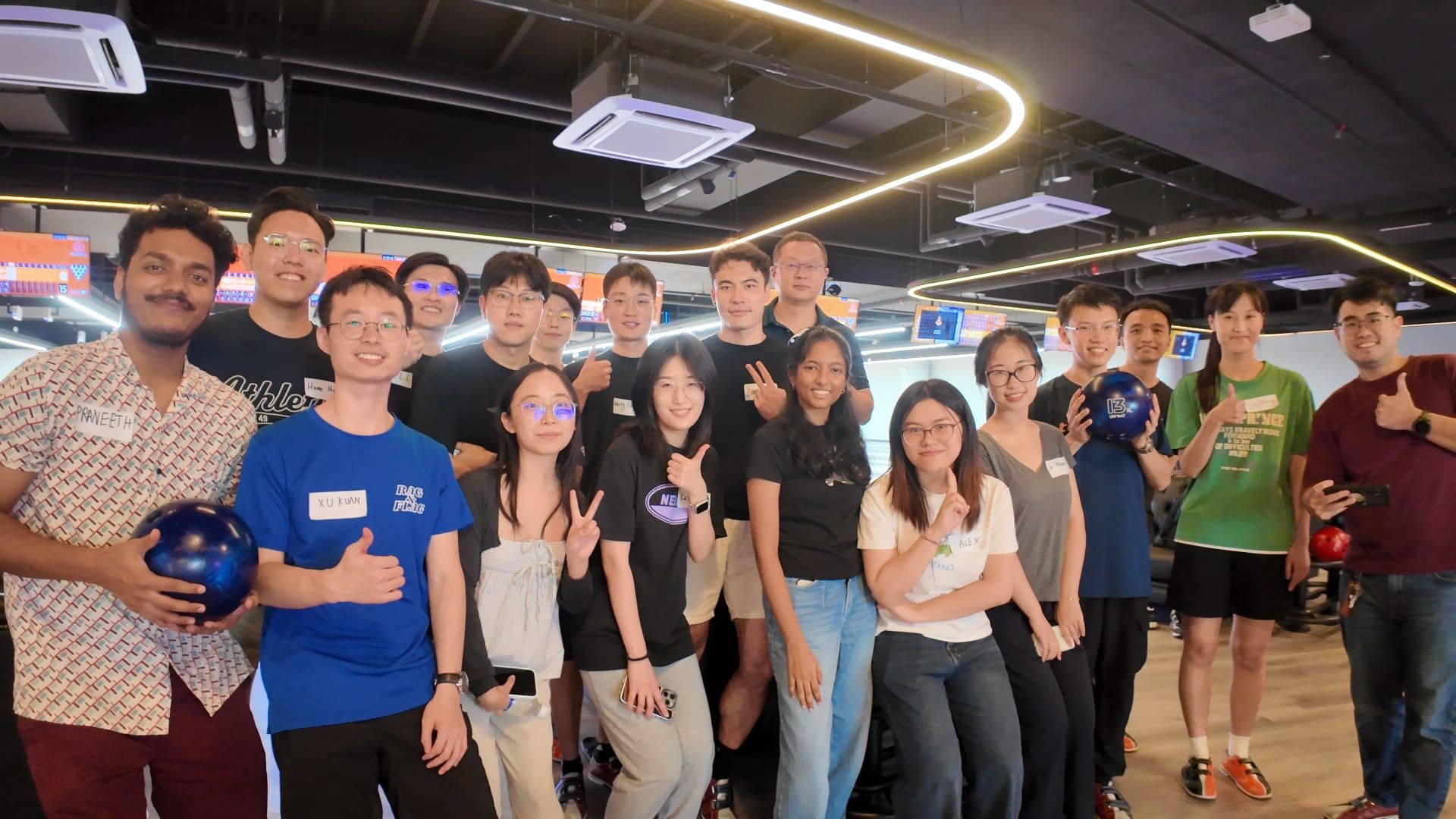
On 4 April 2026, the Industrial Systems Engineering & Management (ISEM) Graduate Club pulled off an evening that brought together postgraduate and undergraduate students, alumni, and faculty staff for a night of bowling, networking, and good company.
What made it special was the mix in the room: postgraduate students from across the majors, international students, and faculty members all enjoying the sport together, getting to talk, and leaving knowing a few more people than when they arrived. The ISEM Graduate Club looks forward to the continuation of such connections being built across the ISEM community.
Mukesh Kumar Das conferred “Distinguished Student Award 2026” by APS Forum on International Physics
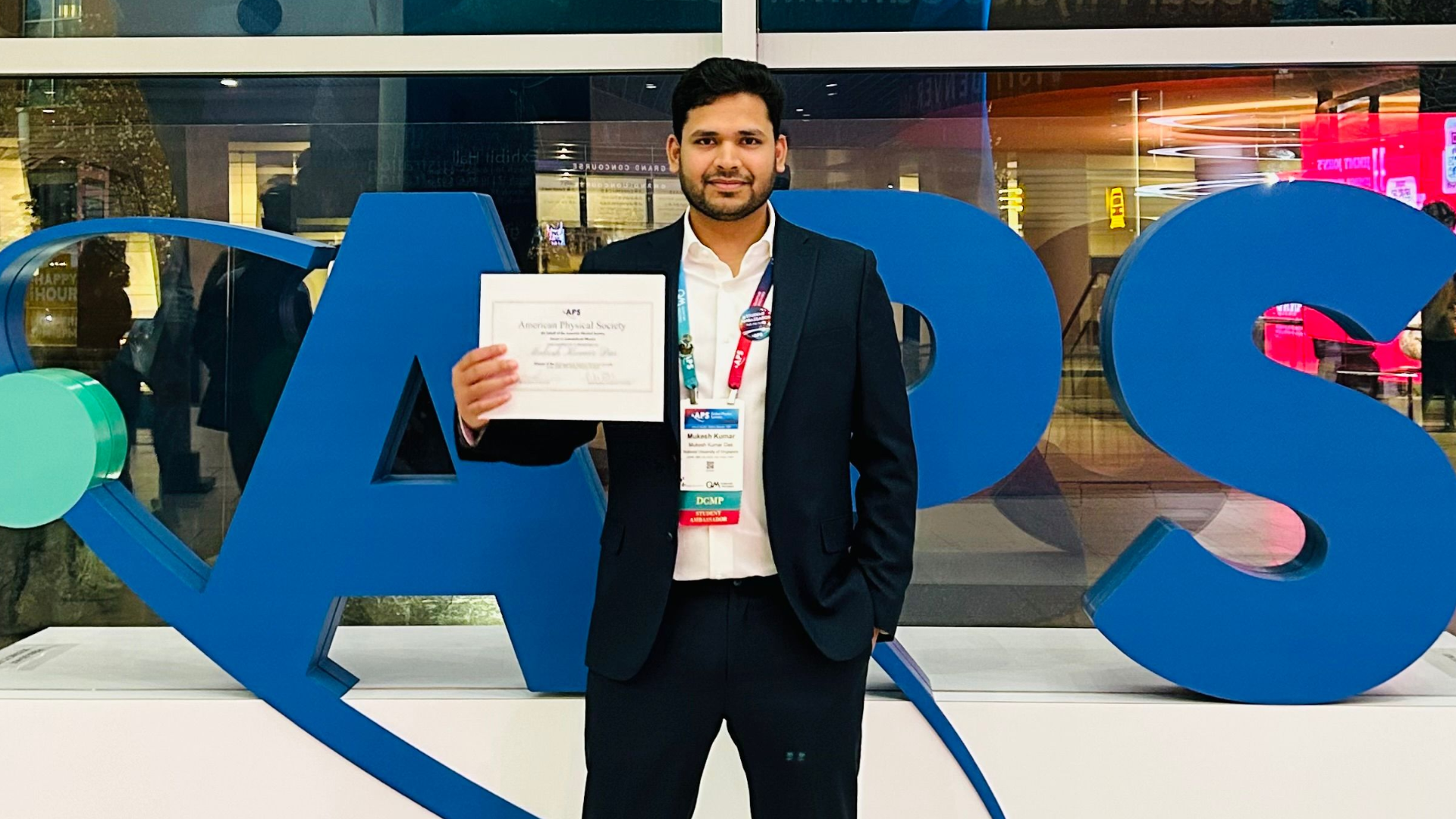
Mukesh Kumar Das, a 4th-year PhD candidate in the Department of Materials Science and Engineering, has been conferred the Distinguished Student Award 2026 by the Forum on International Physics (FIP) of the American Physical Society (APS). He is pursuing his doctoral research under the supervision of Professor Konstantin Novoselov.
The award recognises his contributed oral presentation at the APS Global Physics Summit 2026, held in Denver, Colorado, during the focus session “Recent Developments in Moiré Systems.” His talk, titled “Structural and Electronic Evolution in Sub-Degree to Few-Degree Twisted 2D Moiré Superlattices,” showcased research conducted at the NUS Institute for Functional Intelligent Materials (I-FIM).
Mukesh investigates quantum two-dimensional materials using sophisticated nanofabrication techniques and advanced atomic force microscopy (AFM)-based characterisation to study twisted moiré superlattices at the nanoscale.
The APS FIP Distinguished Student Award also included travel support to attend the APS Global Physics Summit, held from 15–20 March 2026, enabling him to present his work to an international community of researchers and leading scientists in quantum materials.
CDE students take the stage (and behind it) at OVERDRIVE!
OVERDRIVE is a day-to-night arts carnival organised by the NUS Students’ Cultural Activities Club (CAC) as part of the NUS Arts Festival, the University’s largest arts event.
The event celebrates the diversity of art forms on campus., featured music, dance, and creative showcases, while also inviting audiences to take part, such as through a collaborative graffiti installation that brought the community together.
CDE students were part of the action both on stage and behind the scenes. Four students joined the organising committee, taking on key roles in shaping the event experience.
For Lim Jee Kin (Year 2, Biomedical Engineering), being part of the Arts Experience team was especially meaningful because of the people he worked with. With strong guidance and teamwork, he found the experience rewarding, particularly when the graffiti wall [image 5] his team planned was so well received by participants.
Marcus Chia (Year 4, Mechanical Engineering), from the Production team, oversaw technical elements such as lighting, sound, staging, and scheduling. While it was his first time organising an event of this scale, it became a fulfilling experience, especially seeing months of planning come together as the stage was set.
Kenneth Sze (Year 3, Chemical Engineering), Vice Project Director for Programming, played a key role in shaping the event’s line-up. Despite the challenges, he found the experience fulfilling, sharing, “It was challenging at times, but really rewarding to see everything come together on the day.”
Beyond the organising team, 22 CDE students also performed at OVERDRIVE, adding to the festival’s line-up. Shoutout to all our CDE organisers and performers for being part of OVERDRIVE and adding to the energy of the campus arts scene!
From routine to recharge with Walk 4 Wellness
More than 15 students set off for Walk 4 Wellness, swapping campus routines for quiet trails and unexpected lookouts near NUS. Along the nature-filled route, participants enjoyed friendly competition and easy conversation, turning the afternoon into a mix of fitness, fun, and a much-needed mental reset away from schoolwork. Participants returned energised, inspired, and more connected, proving that self-care can be even more meaningful when shared. As Chen Zhuo (MSc Electrical Engineering) noted, the scenic route was “both beautiful and refreshing”.
Baking a break with CDE bakers for a day
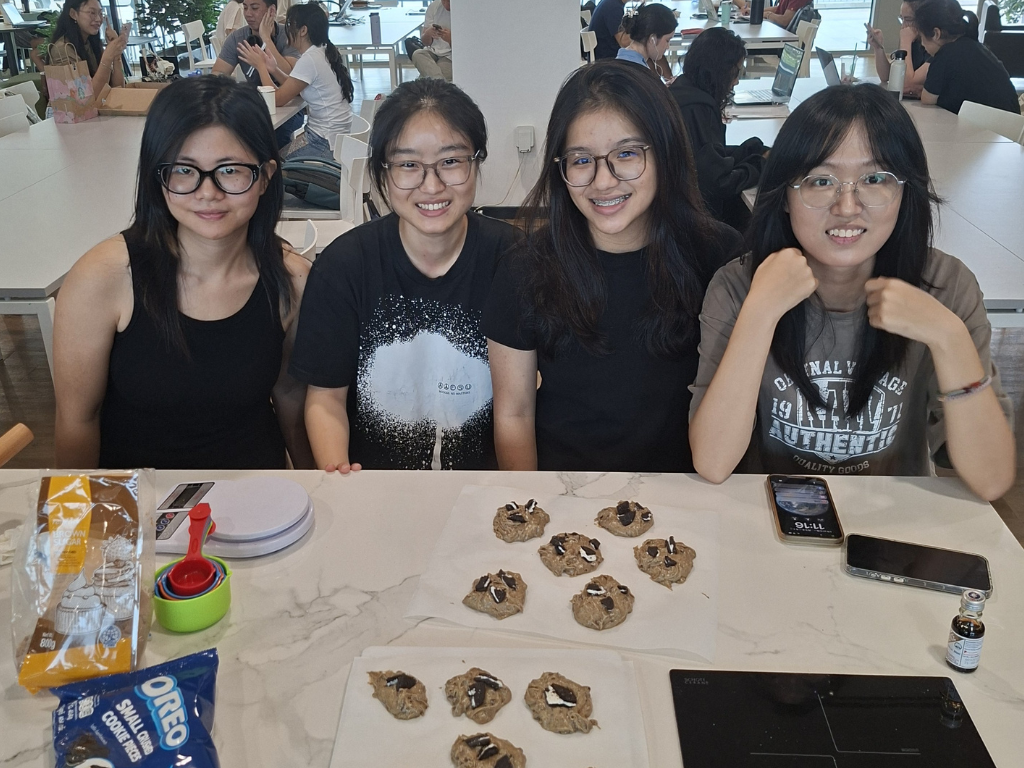
CDE students recently traded lecture notes for mixing bowls at CDE Bakers for a Day, a wellness-focused event designed to help students unwind through baking.
The kitchen was filled with the warm, buttery aroma of homemade treats as participants worked through two recipes – classic chocolate chip cookies and savoury quiche – measuring, mixing, and baking their way through a relaxing break from academic pressures. The hands-on experience not only brought students together in a cosy, collaborative setting but also offered a simple yet powerful reminder that creative activities can be just as restorative as a quiet moment of rest. Participant Shelva Vishnu (MSc Project Management) reflected, “The event was well-curated and stayed within the allocated time. It's now a core memory of my university life. I hope CDE continues to organise such events for students' wellness”.
Racing, reconnecting and unwinding with PSSG
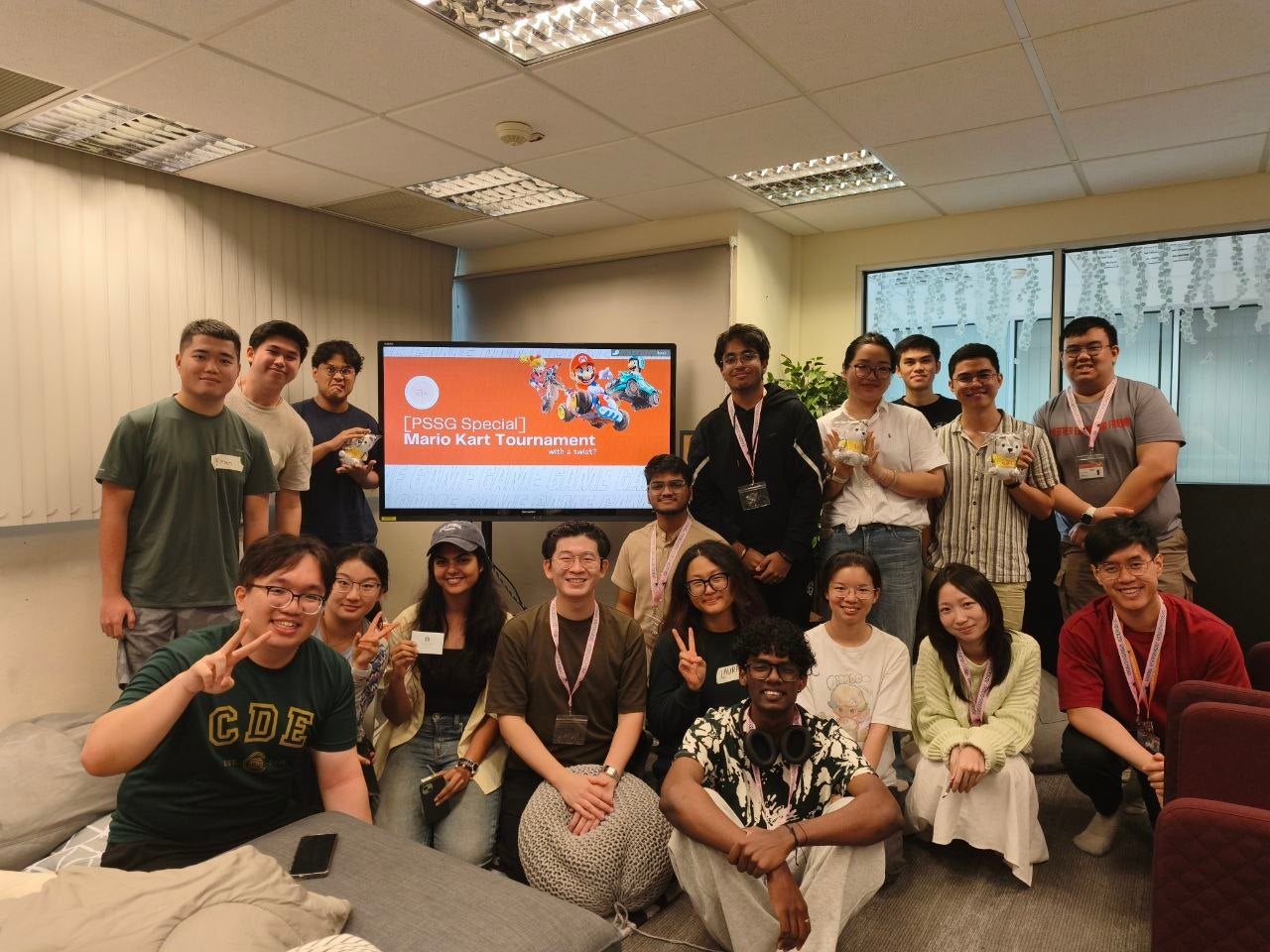
Ready, set, race!
Participants came together to connect, unwind and race to the top at the CDE Peer Student Support Group (PSSG)’s Mario Kart Tournament, which returned with new twists to encourage deeper interaction. These included random controller swaps and light-hearted “team knowledge” questions about teammates during gameplay, adding an extra layer of fun and surprise.
One participant shared that “playing Mario Kart with new friends was really fun”. The tournament offered a refreshing break from academic pressures and created space for shared laughter.
With the semester drawing to a close, PSSG also concludes its Play & Chill Sessions — weekly casual gatherings where CDE students connected with the community, relaxed and engaged with Peer Student Supporters. This semester’s sessions incorporated light gameplay to foster a more relaxed and engaging environment, providing a space for both rest and meaningful interaction.
Fueling students for finals with exam welfare packs
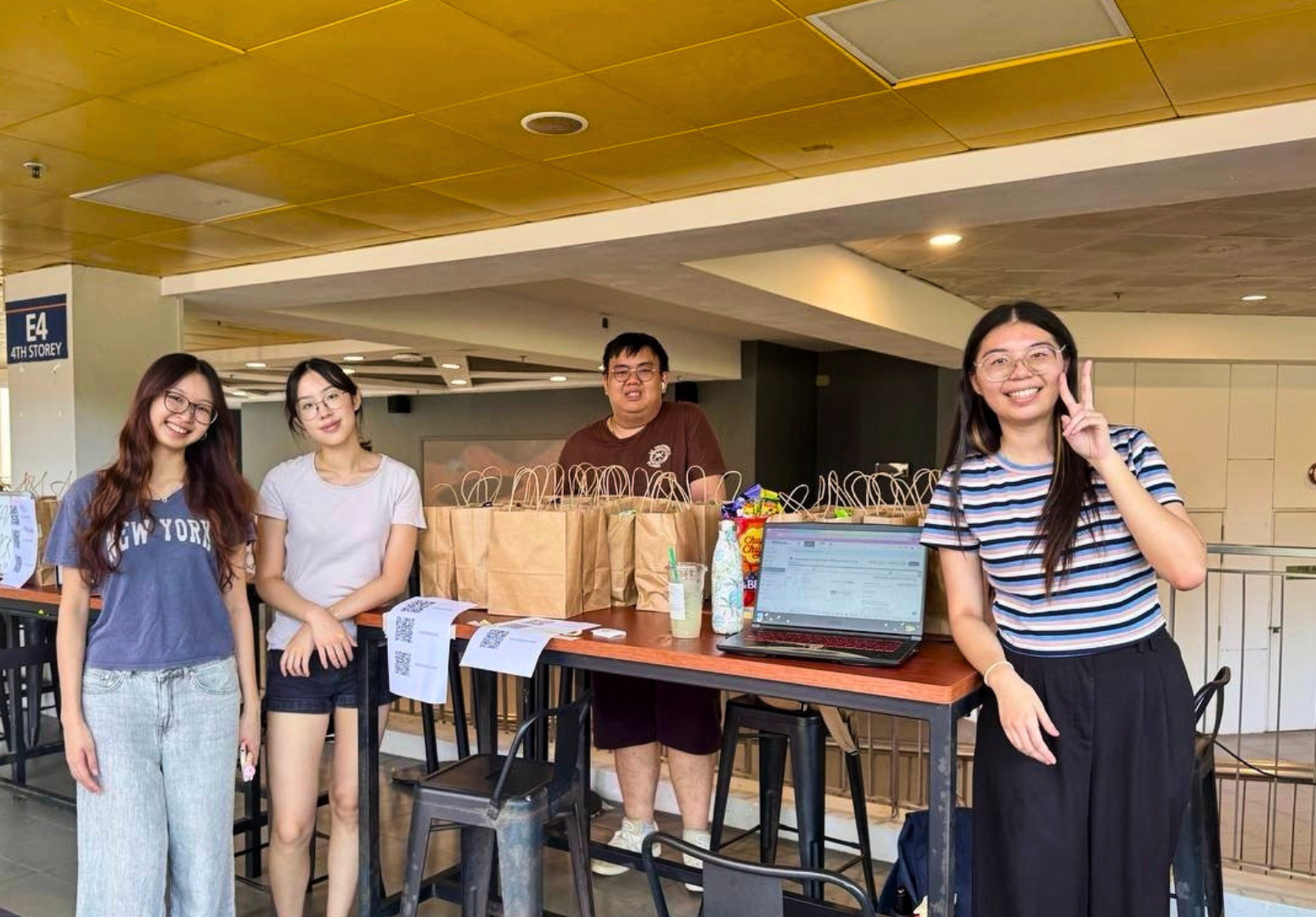
The CDE Club and its Welfare Committee gave away Exam Welfare Packs that included essential fuel like drink sachets, daily necessities, sweet and savoury snacks, and more. Some lucky 200 students even snagged Udders ice cream!
For CDE Club President Erica Ling (Year 2, Infrastructure and Project Management) and Welfare Project Director Muhammad Syafiq Baharun (Year 4, Chemical Engineering), the impact of their work is felt in these little moments: “Seeing students’ smiles and excitement when we distribute the packs, and how quickly the items get taken up, shows that the packs are genuinely useful and appreciated. Beyond the items, it’s meaningful to know students feel supported during such a stressful period.”
Behind the scenes, organising takes real effort — reviewing feedback from past distributions, curating items based on the team’s lived student experiences, and coordinating logistics while juggling quizzes and presentations. The CDE Club also worked with subsidiary clubs, ensuring support reaches students across departments.
As examination week begins, the team hopes to share some encouragement: “Just take it one step at a time, and trust in the effort you’ve put in. Remember, you’re not alone on this journey. Take care, pace yourself, and all the best for your finals.”