

Design and Fabrication of Miniature Autonomous Reef Monitoring Structures (miniARMS) Reef Jigs
Introduction
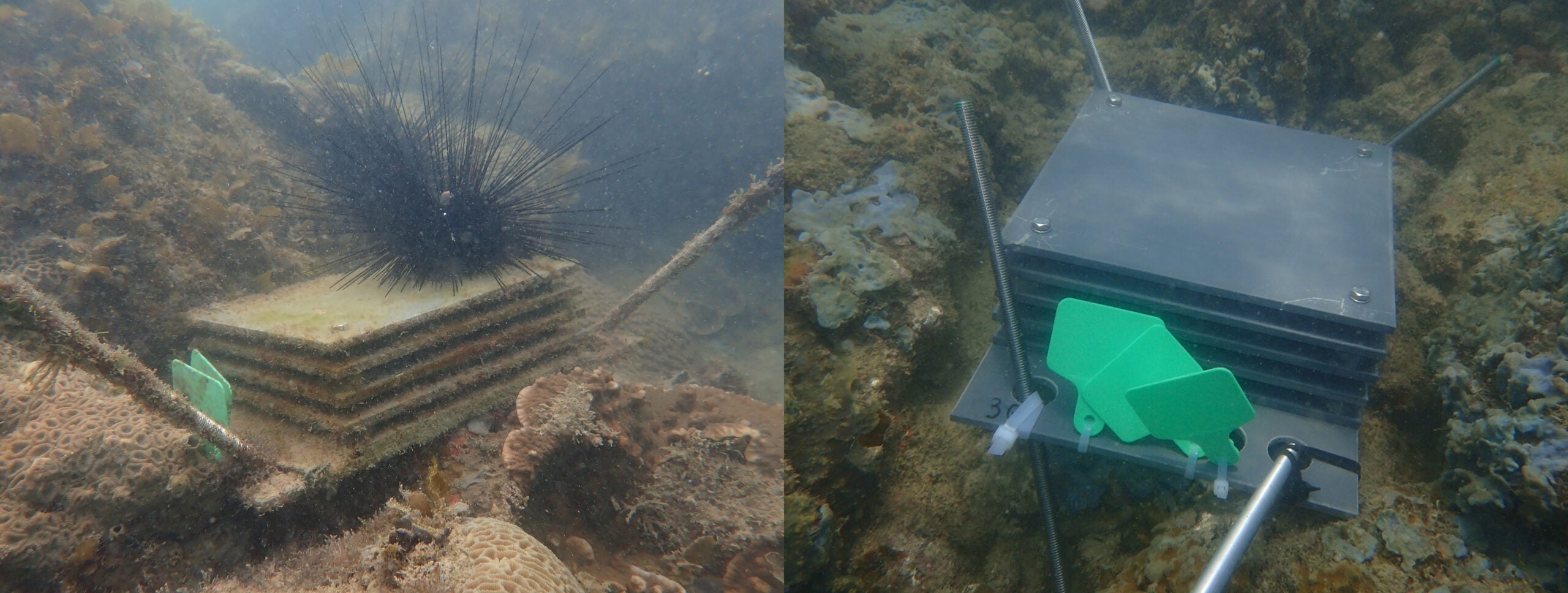
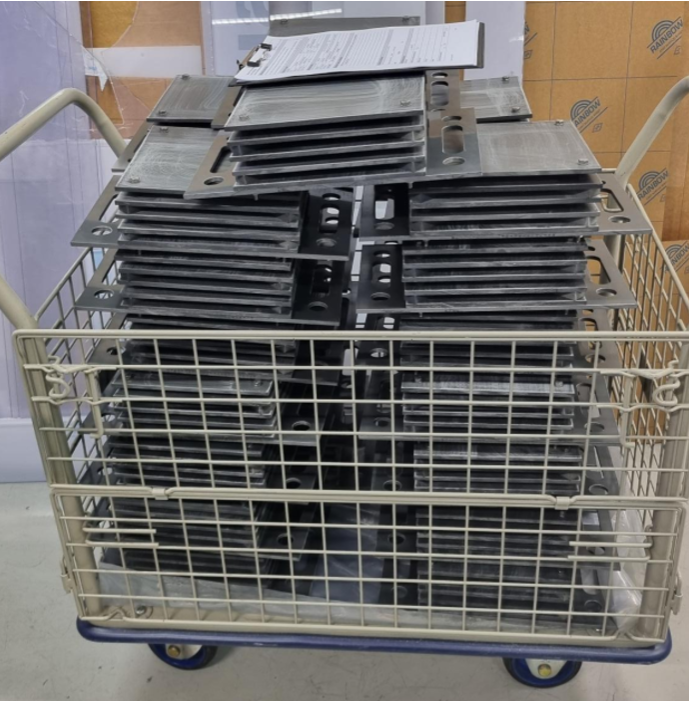
The Central Workshop (CW) was tasked to design and fabricate 31 sets of Miniature Autonomous Reef Monitoring Structures (miniARMS) reef biodiversity samplers (reef jigs) for Dr. Allison Miller from the Department of Biological Sciences. The miniARMS are designed to be deployed at coral reef sites for monitoring and studying marine biodiversity. The structures function by allowing marine organisms to colonise the collector plates, which are later retrieved and analysed to assess biodiversity within reef ecosystems. The miniARMS is a miniaturised version of the original ARMS system, which was previously designed and fabricated by CW for Prof. Danwei Huang in August 2024. The miniaturisation aims to improve ease of transport, handling and deployment during fieldwork, especially in remote marine environments.
Project Objectives
The objectives of this project were:
- To design an improved and compact version of the ARMS reef jig
- To fabricate 31 sets of miniARMS within the required project timeline
- To ensure the design maintains functionality for marine biodiversity sampling
- To reduce weight and size to improve field deployment efficiency
- To ensure quality and consistency across all fabricated sets
Design Development
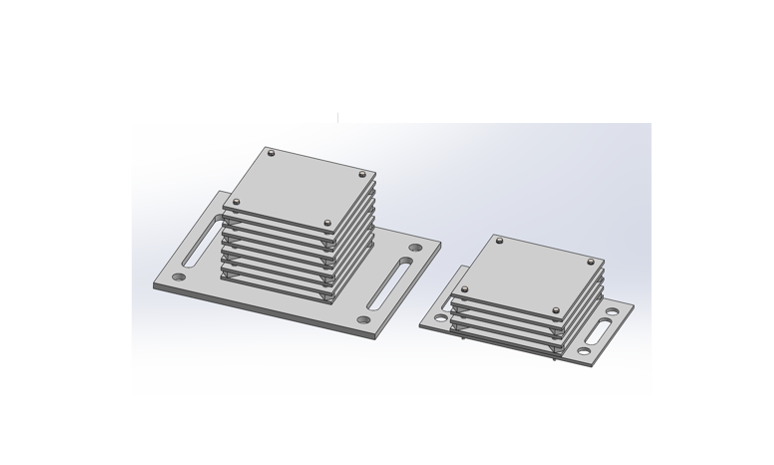
The design phase was carried out by Central Workshop (CW), where the original ARMS design was reviewed and modified to achieve the miniaturization objectives while maintaining structural functionality.
Key design considerations included:
- Structural stability when deployed underwater
- Ease of assembly and disassembly
- Compatibility with collector plates used for biodiversity sampling
- Durability in marine environments
- Weight reduction for improved transport and handling
Key Design Improvements
The miniARMS introduced several improvements compared to the original ARMS design.
These improvements resulted in:
- Reduced overall size for easier transportation
- Lower weight for easier deployment by field researchers
- Simplified structure while maintaining research functionality
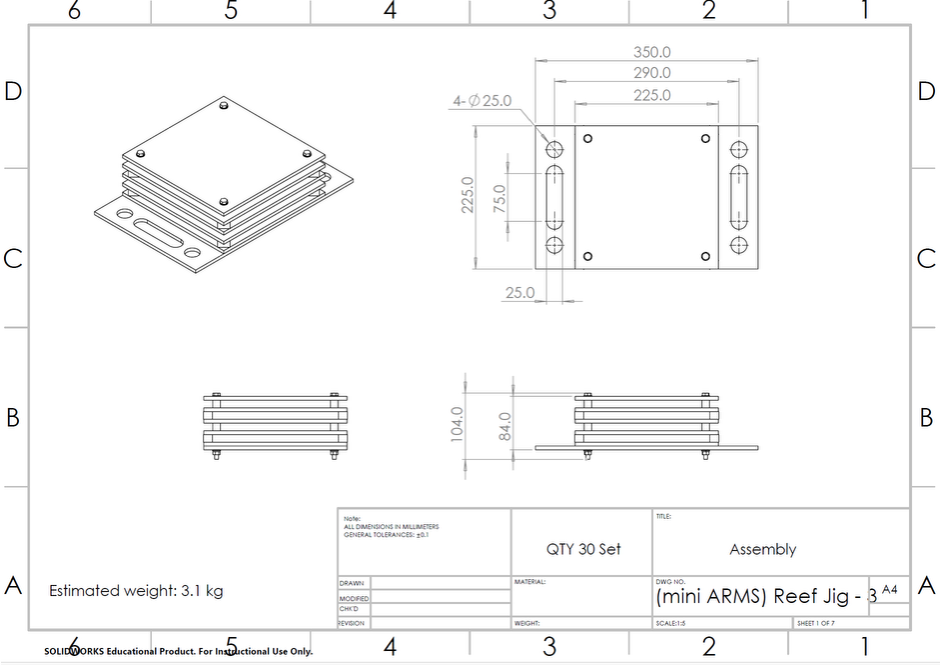
| Feature | Original ARMS | Mini ARMS |
| Number of Collector Plates | 9 plates | 5 plates |
| Overall Dimensions | 450 x 350 x 162 mm | 350 x 225 x 104 mm |
| Weight | 6.5 kg | 3.1 kg |
Fabrication Process
The fabrication of the 31 miniARMS reef jigs was carried out at the Central Workshop (CW).
The fabrication process involved:
- Material preparation
- Precision machining and cutting of structural components
- Fabrication of the collector plate support structures
- Assembly of each ARMS unit
- Quality inspection to ensure dimensional accuracy and structural integrity
CW ensured that all units were fabricated with consistent quality and precision to support reliable field deployment.
Project Execution and Timeline
The project required close coordination between CW and the Department of Biological Sciences to ensure the design requirements were met while adhering to the project timeline.
CW successfully:
- Completed the design adaptation and optimisation
- Fabricated 31 sets of miniARMS
- Maintained consistent production quality
- Delivered the project within the required deadline
Meeting the deadline was critical to support the deployment schedule of the miniARMS for marine biodiversity monitoring activities.
Impact and Benefits
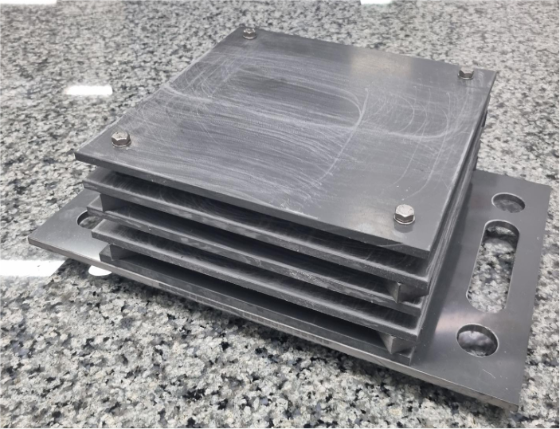
The miniARMS design provides several advantages for marine research:
- Improved portability for transport to field locations
- Simplified deployment during marine fieldwork
- Reduced handling effort due to lighter weight
- Maintained functionality for biodiversity sampling
The collaboration between CW and the Department of Biological Sciences demonstrates how engineering design and fabrication capabilities can support interdisciplinary research initiatives.
Conclusion
The Central Workshop successfully completed the design and fabrication of 31 sets of Miniature Autonomous Reef Monitoring Structures (miniARMS) reef jigs for Dr. Allison Miller from the Department of Biological Sciences. Through design optimisation, precision fabrication and effective project management, CW delivered a miniaturised, lightweight and functional miniARMS system within the required deadline. The miniARMS will support important ongoing coral reef biodiversity monitoring and research.