
EDIC INSPIRE 2026: Concepts. Prototypes. Innovation.
What happens when students turn their ideas into working prototypes for real-world problems? Come find out at our upcoming EDIC INSPIRE 2026 project showcase!

Join us for an evening where students from the Innovation & Design Programme and the MSc in Engineering Design & Innovation present their work, shaped by interdisciplinary collaboration, creative problem-solving and hands-on making.
EDIC INSPIRE 2026 brings together projects from CDE3301 Ideas to Proof-of-Concept, CDE5311 Designing UX/UI for Human-Centred AI and CDE5312 Beyond the Surface: Exploring Interactive Wearables. Together, they reflect the breadth and depth of design work of our students and demonstrate its signature process of research, ideation, prototyping and evaluation, with each team taking that journey in its own direction. Stop by to meet the teams, hear the stories behind their work, and try out what they’ve built!
Find out more about their projects below and register your attendance now!
CDE3301 Ideas to Proof-of-Concept
CDE3301 is a two-semester project course focusing on conceptualisation, implementation, and realisation of a product solution to solve an identified problem while providing experience in an integrated product design and development process where technology plays a central role. Through lecture classes, studio sessions and an open-ended project, students learn how to create a product idea to address a problem of interest, generate and evaluate concept designs, and build proof-of-concept prototypes for testing. Students also learn how to work in a multidisciplinary team and with various stakeholders, manage the execution of their project, and document and present their work through appropriate mediums.
Innovations in Space Systems
Galassia-5
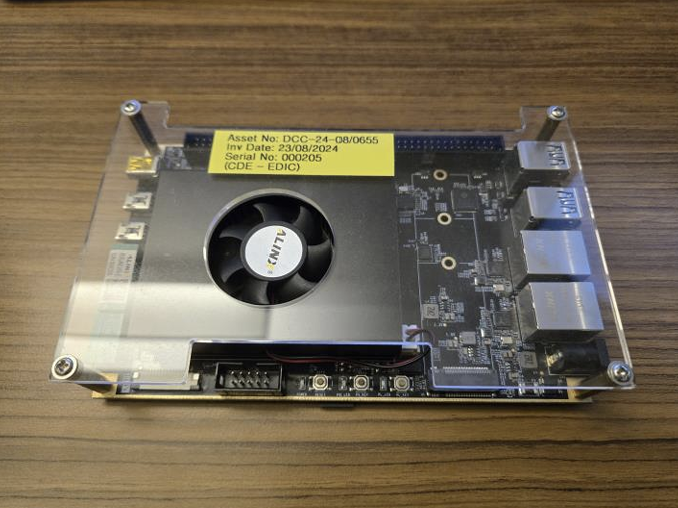
Galassia-5 Cube Satellite Experimental Payload Subsystem
Our project involves developing a custom FPGA-based AI accelerator for Galassia-5 to enable onboard ship detection from satellite imagery, with initial convolution operations successfully validated on hardware.
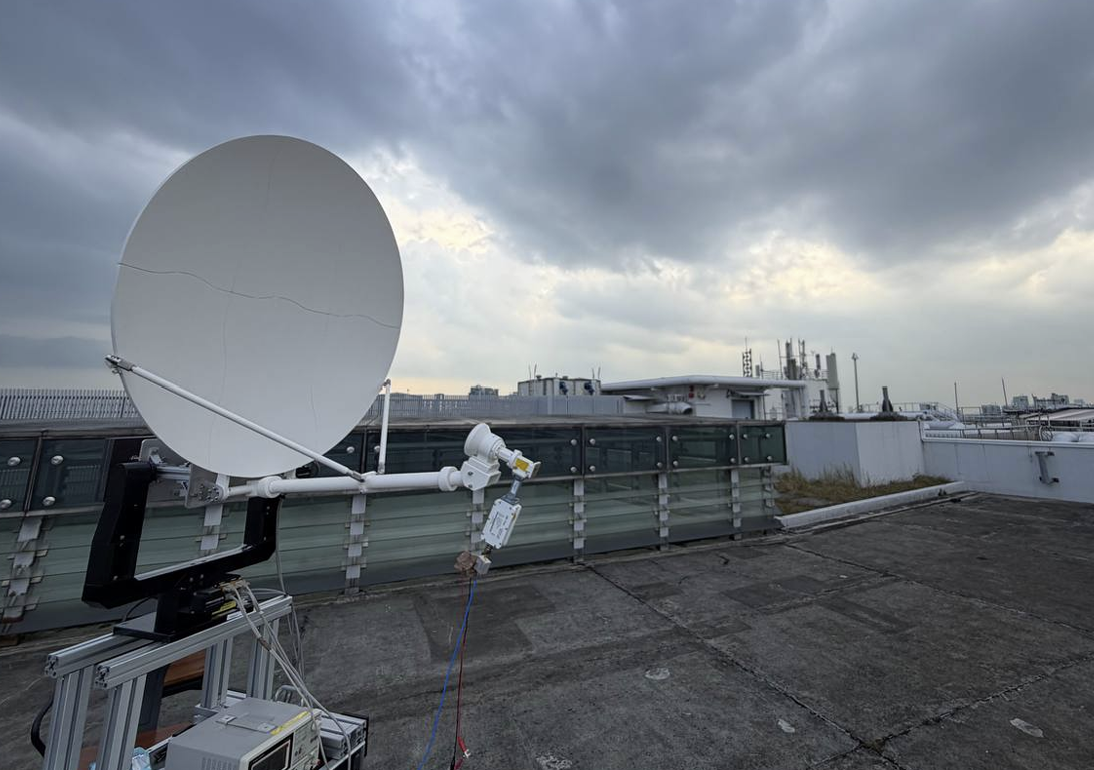
Galassia-5 Ku-band Subsystem
The Galassia-5 CubeSat mission aims to enable high-throughput Ku-band transmission of on-orbit AI-processed images, addressing challenges including thermal issues, poor upconverter noise performance, missing communication interfaces, and lack of suitable patch antennas operating in Ku-band.
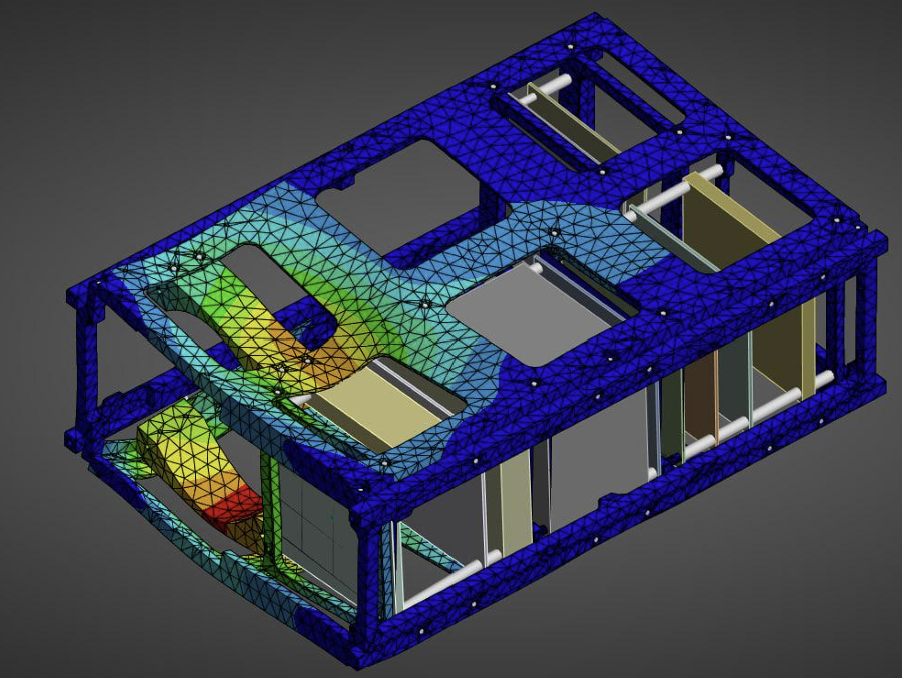
Galassia-5 Mechanical Subsystem
We focus on ensuring Galassia-5 can withstand the intense vibrations experienced during rocket launch through a comprehensive testing procedure involving a custom mounting fixture, strategically placed sensors, and pre- and post-test functional checks. Simulations are underway to validate the approach ahead of physical testing.
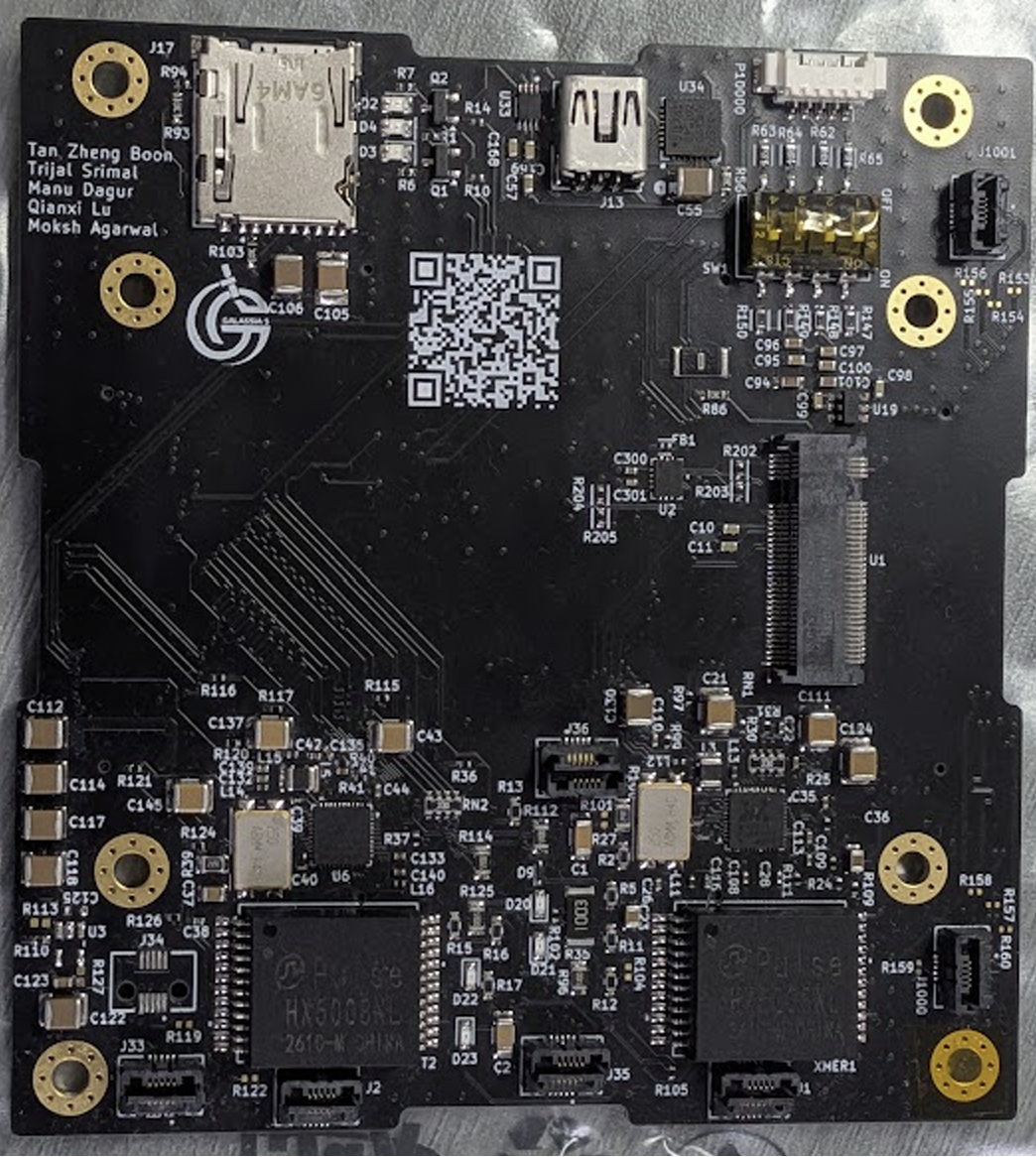
Galassia-5 Single Board Computer
Our team is developing a high-speed, reliable payload computer for a 6U CubeSat, using programmable logic and modular PC/104 interfaces to ensure robust data handling in the radiation-prone environment of Low Earth Orbit.
University Rover Challenge
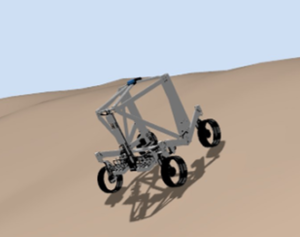
Autonomous Planetary Rover Navigation and Automated Base-Station Antenna Tracking
Our integrated system combines gesture-controlled autonomous rover navigation with automated antenna tracking to improve communication reliability, mission autonomy, and astronaut safety in space exploration.
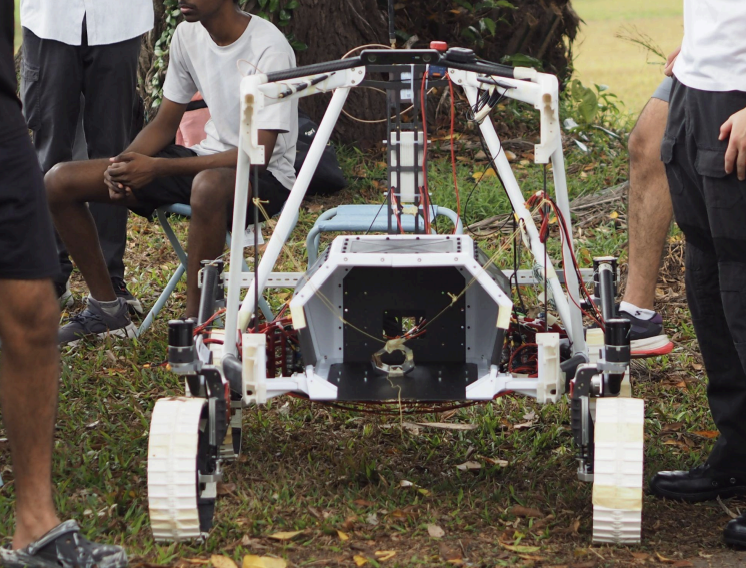
LUMIINUS Mars Rover Astrobiology
This project features an automated astrobiology subsystem for the University Rover Challenge, integrating subsurface soil sampling, Raman spectroscopy, fluorescence microscopy, and chemical assays to detect biomolecules and assess the potential for microbial life.
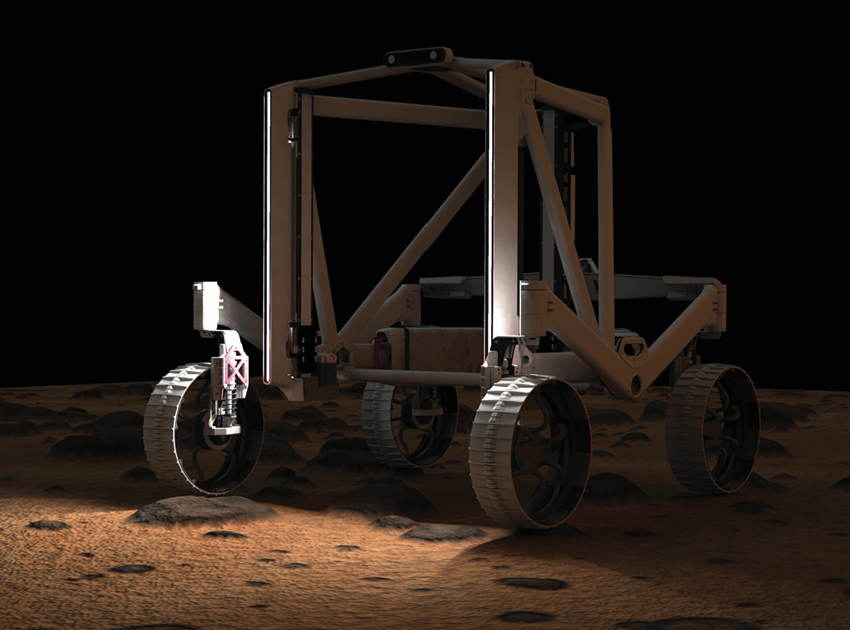
LUMIINUS Mars Rover Chassis and Arm
Our team is advancing extraterrestrial rover design through an innovative, patent-pending robotic arm and advanced manufacturing techniques, achieving improved stability and reliability through rigorous testing and analysis.
Innovating for Healthcare and Wellbeing
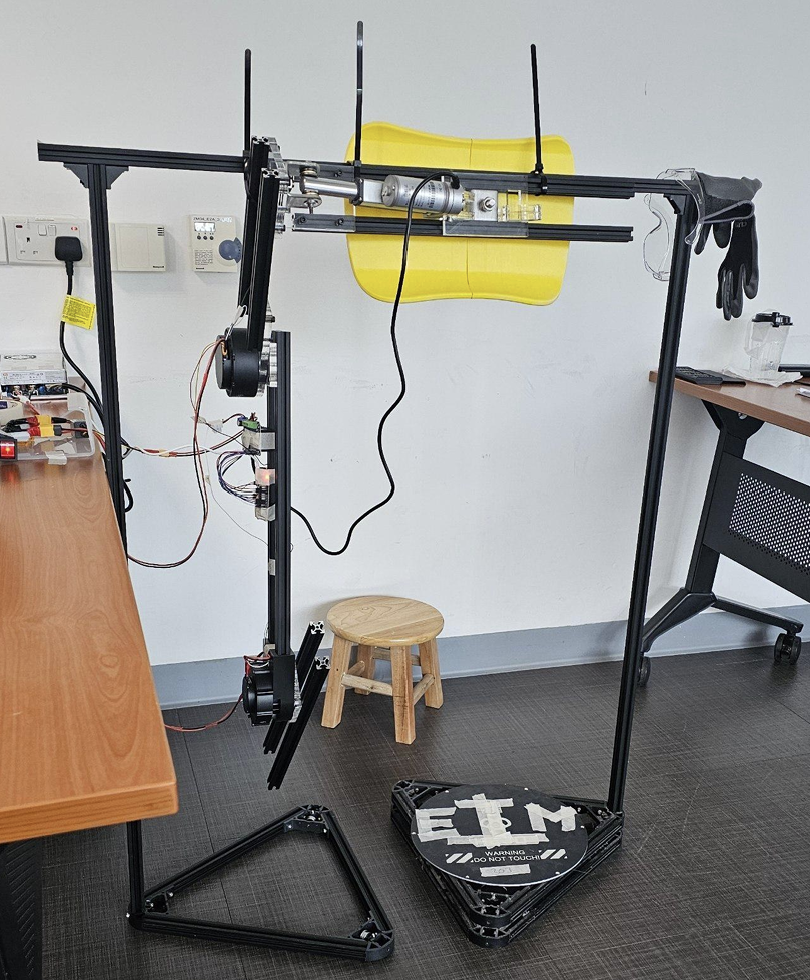
Exoskeleton in Home SCI Care
Our team develops a prototype exoskeleton with an autodоnning mechanism and powered support frame to enable independent positioning, donning, standing, and mobility while maintaining toileting access for individuals with lower-limb paralysis.
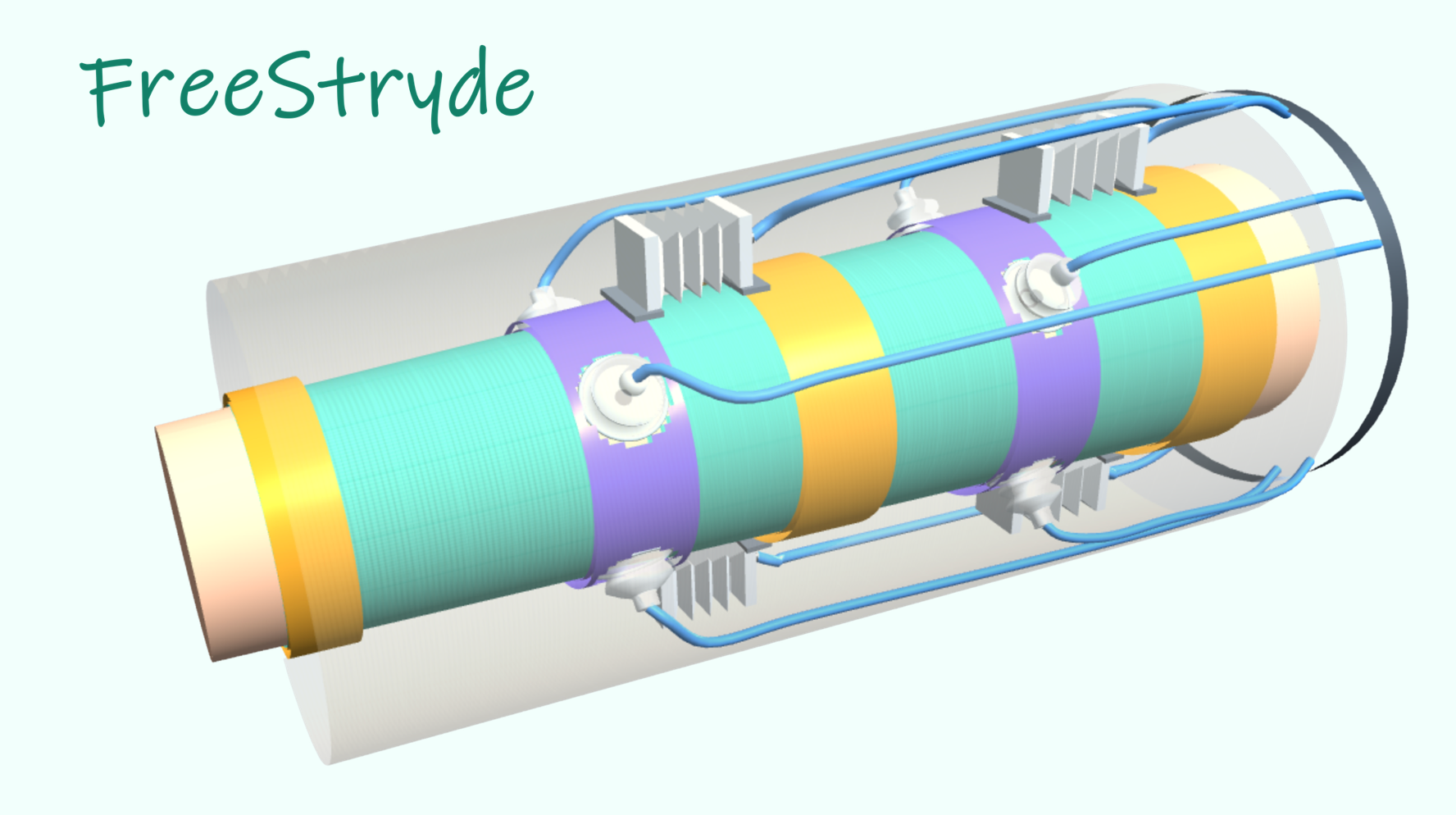
FreeStryde
FreeStryde is a wearable pneumatic device that replicates the gold-standard treatment method, Manual Lymphatic Drainage, through coordinated suction and actuation to promote lymphatic fluid clearance, offering a potential alternative to conventional compression therapies for lymphedema.
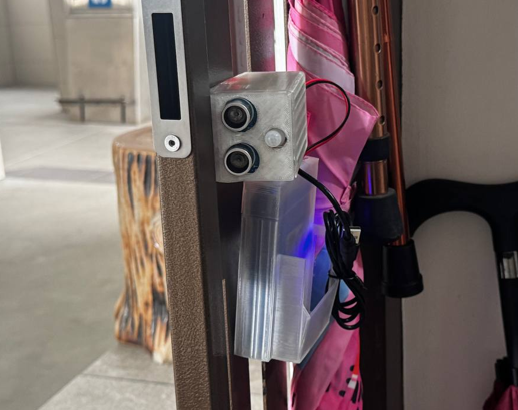
OORI
We are developing OORI (Observing Our Residents’ Independence), a non-intrusive home monitoring system that integrates sensors and resident-caregiver interfaces to identify support needs and enable timely, personalised care for socially isolated elderly residents at Harmony Village.
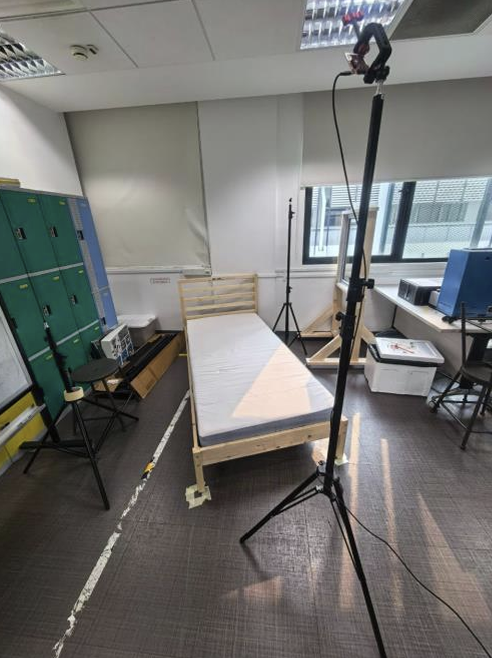
Smart Ward: Sensor Systems
Our team is developing a prototype fall detection system combining millimetre-wave (mmWave) radar and time-of-flight (ToF) sensors for continuous, unobtrusive patient monitoring, with testing showing improved movement coverage and further validation needed to distinguish falls from normal movements.
Smart Ward: Vision Systems
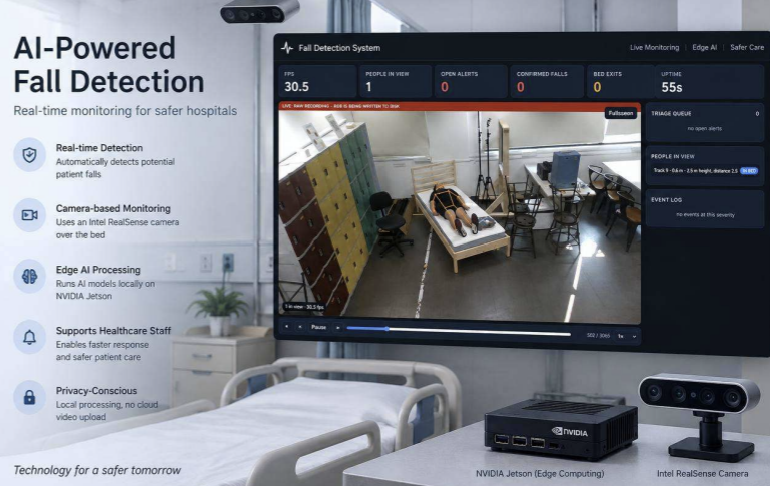
In collaboration with Alexandra Hospital and Venture, this project explores AI-powered fall detection using depth cameras and local processing on an NVIDIA Jetson device, with preliminary testing identifying RTMO as the most accurate pose estimation model while supporting privacy-preserving patient monitoring.
Vitalward
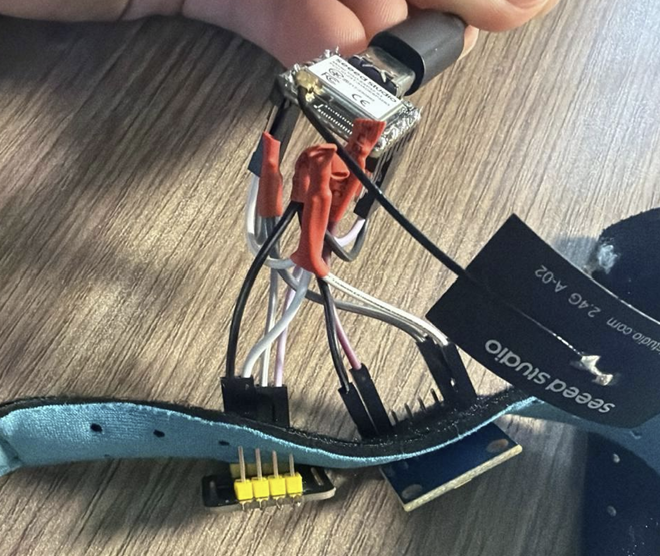
Developed with Alexandra Hospital, our upper-arm wearable uses optical and motion sensors for continuous blood pressure estimation, automatic remeasurement, and wireless monitoring through a clinical dashboard to enhance patient monitoring reliability.
Vitaworks: Making Vital Signs Monitoring Seamless & Effortless
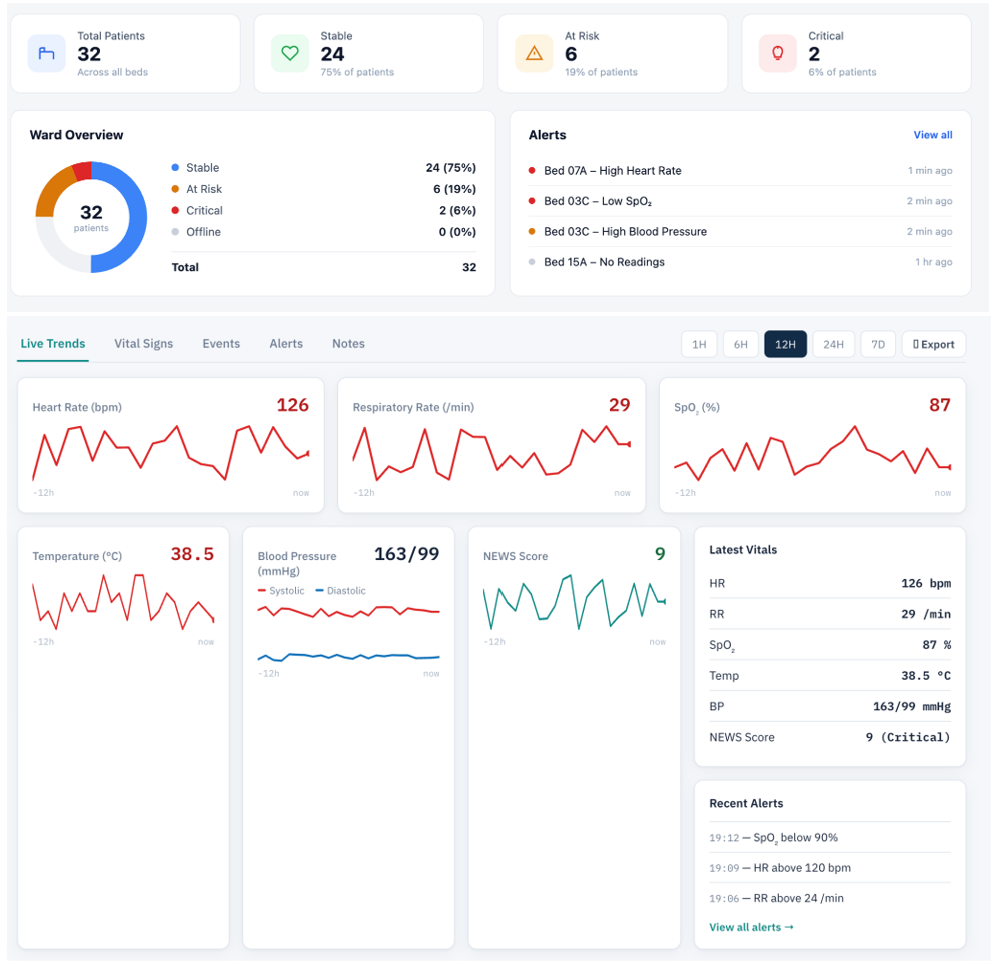
Our project involves developing a clinical decision-support dashboard for Alexandra Hospital to automate abnormal vital-sign detection, predict stroke-related deterioration, and recommend corrective actions, achieving 100% detection accuracy, 80% recommendation accuracy, and a 20% reduction in review time.
VS Retractor for OASIS Tear Repair
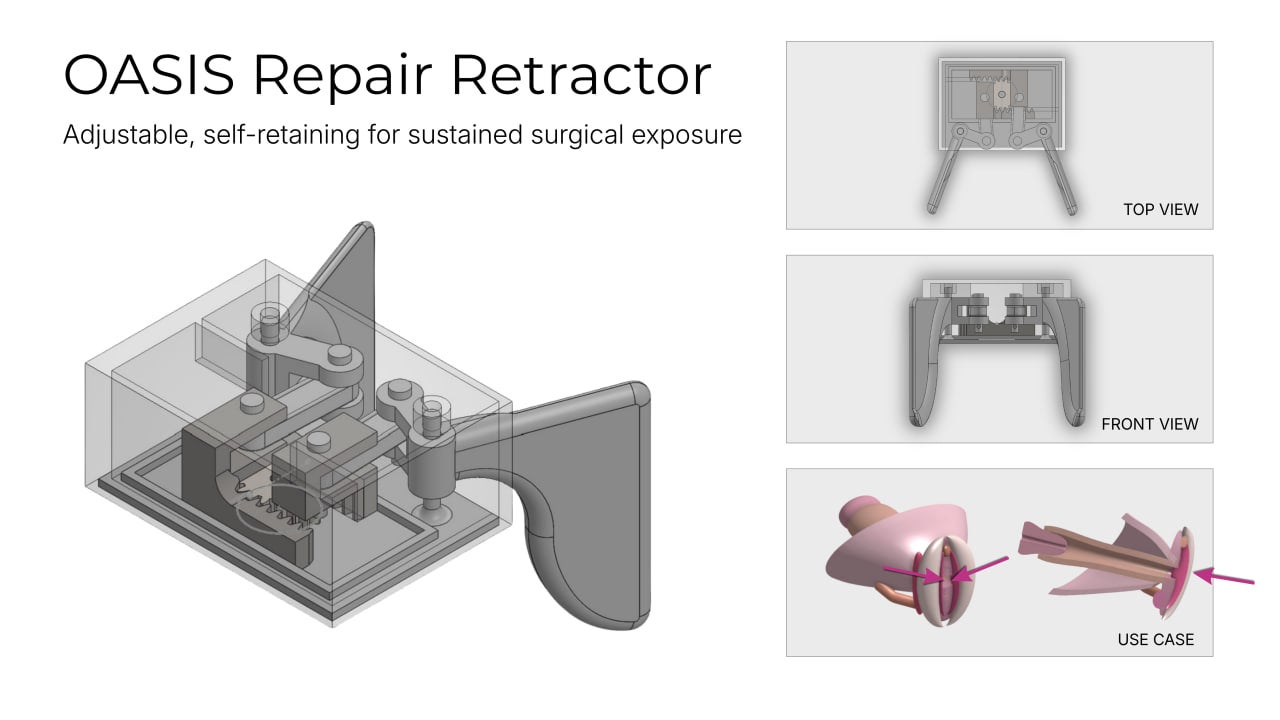
Our self-retaining surgical device provides adjustable, sustained exposure of obstetric anal sphincter injuries (OASIS), accommodating different tear locations and anatomical conditions while eliminating continuous manual retraction to improve surgical visibility and precision during repair.
Innovating for Sustainability
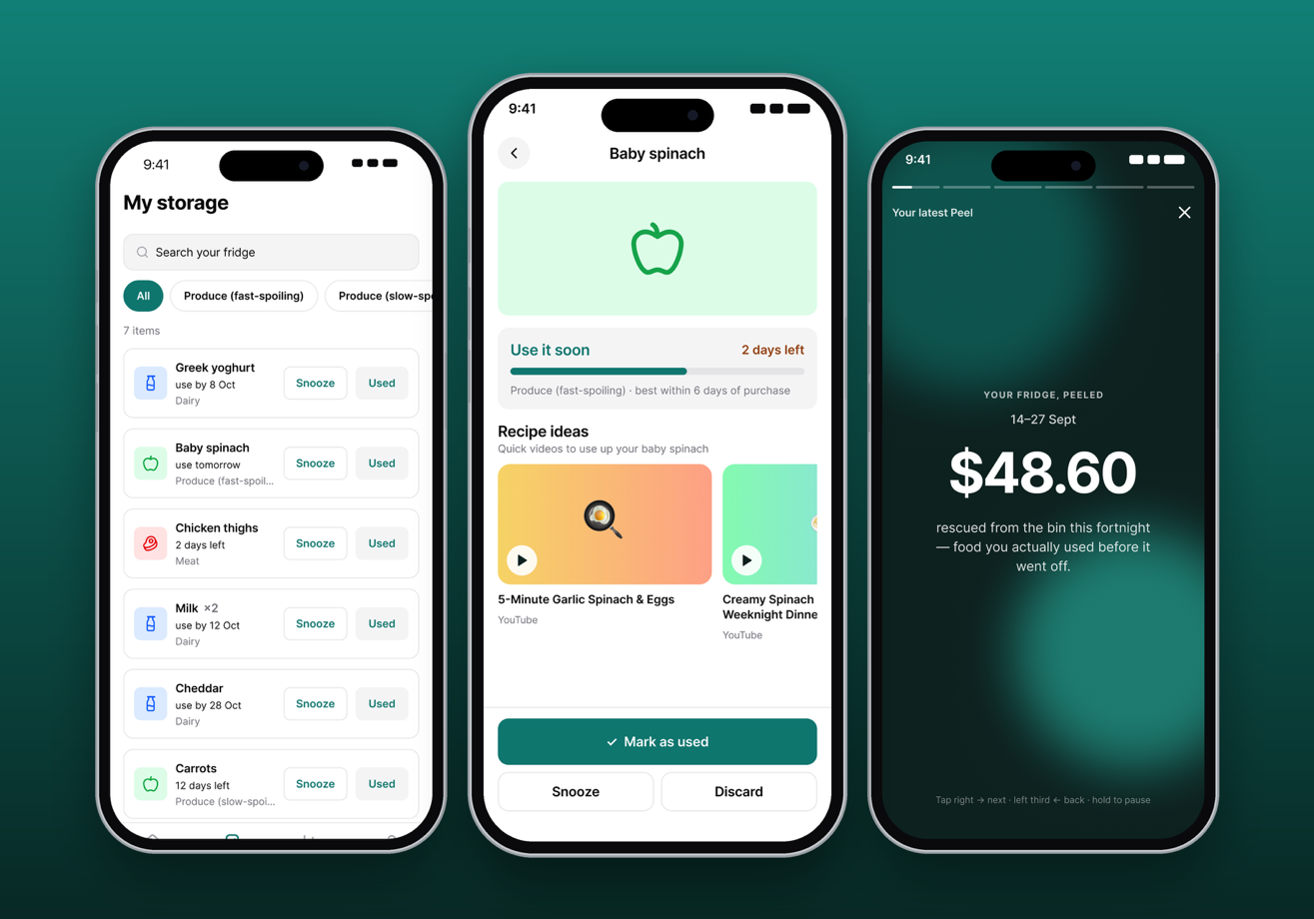
FridgeMind
We are developing FridgeMind, a web app that helps busy Singaporean families reduce food waste through smart grocery lists, expiry reminders, recipe suggestions, and waste-reduction insights and rewards.
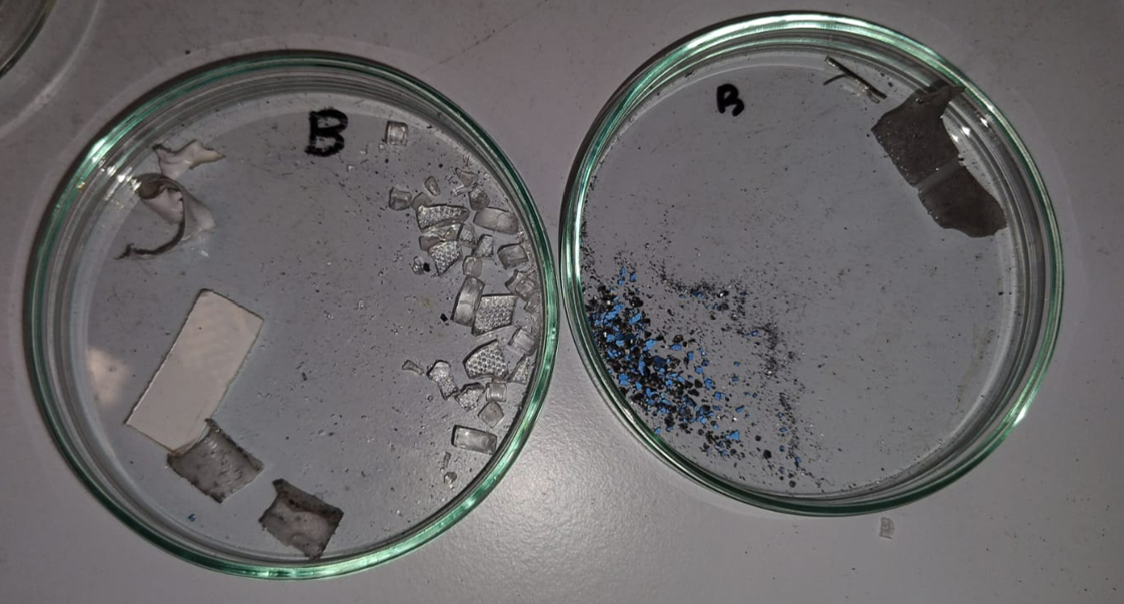
Photovoltaic Panel Delamination for High-Purity Recovery of Materials
Our project involves developing a green-solvent-assisted microwave process to weaken EVA bonding in photovoltaic panels, enabling cleaner material separation and higher-purity recovery while reducing hazardous by-products.

Sustainable Single-Use Beverage Carton: The Next Layer
We focus on developing a sacrificial adhesive system for beverage cartons that maintains strong bonding during use while enabling easier layer separation after warm-water treatment, improving recyclability and material recovery.
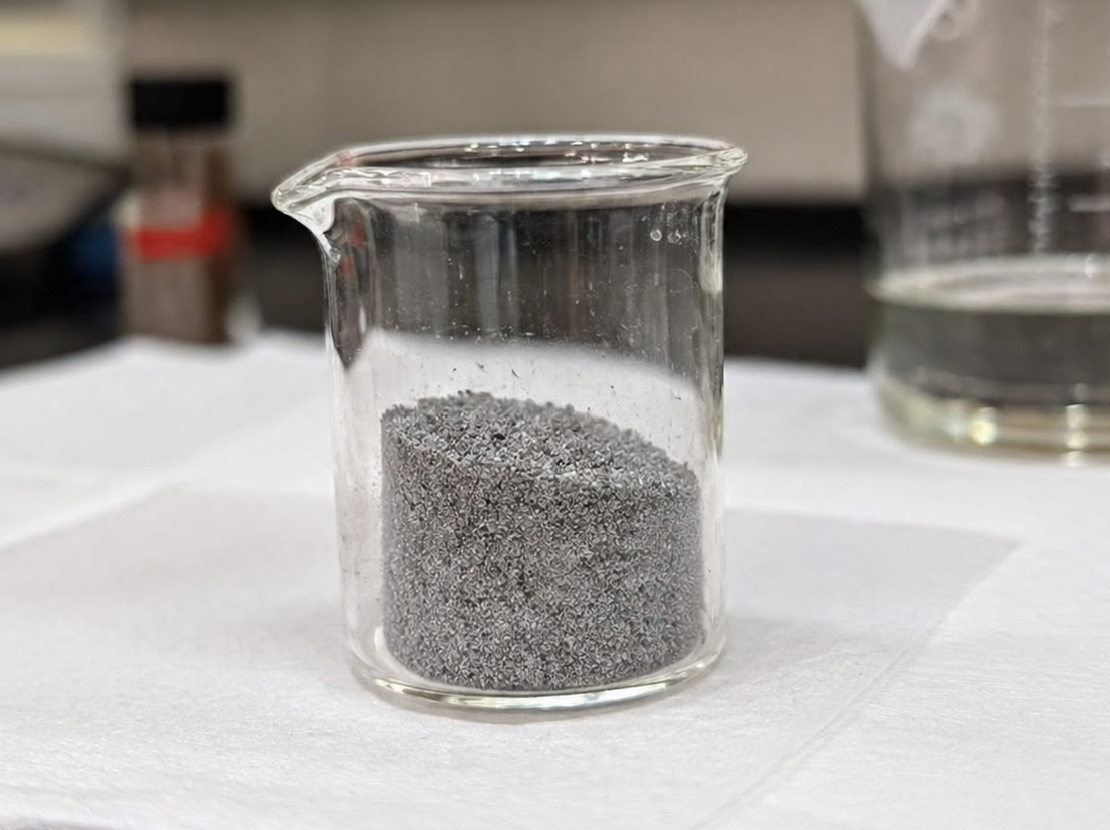
The Silver Lining
Our team aims to develop greener and more sustainable methods for recovering silver from end-of-life photovoltaic panels, reducing reliance on hazardous chemicals used in conventional recycling processes while turning PV waste into a valuable secondary source of silver.
Innovations in Immersive Reality and Experiences
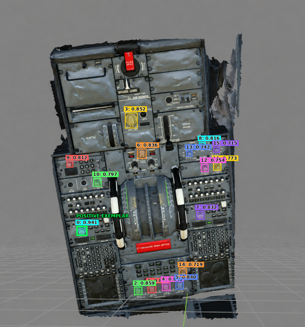
Images to Interactive VR
Our project features developing an AI-assisted pipeline that converts virtual cockpit videos into interactive 3D assets, using aircraft documentation to automate control identification and behaviour setup for more efficient VR content creation.
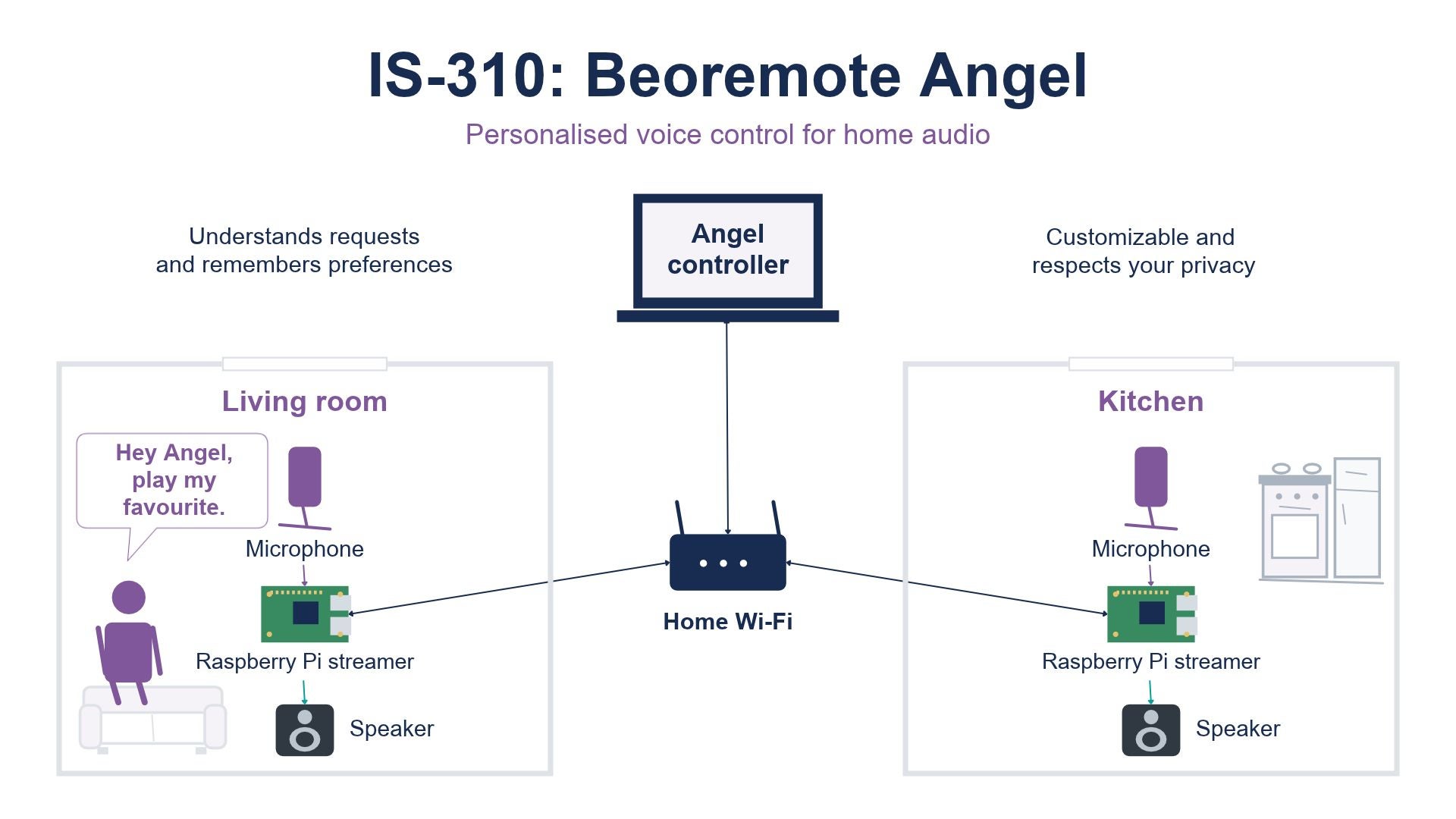
IS-310 Beoremote Angel
Bang & Olufsen users often face challenges with unintuitive controls and connectivity. This project introduces an AI-powered voice assistant that connects B&O products, understands natural language commands and remembers user preferences for a more seamless listening experience.
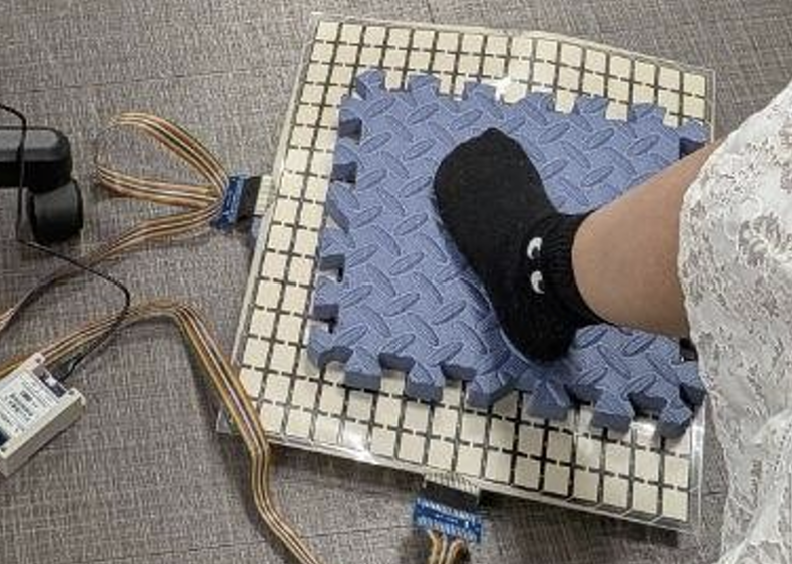
MAIOcean: Walking on the Seabed
MAIOcean is a haptics-based experience using expedition data from OceanX and the Lee Kong Chian Natural History Museum to recreate unexplored seafloor terrains through immersive soundscapes and vibration feedback.

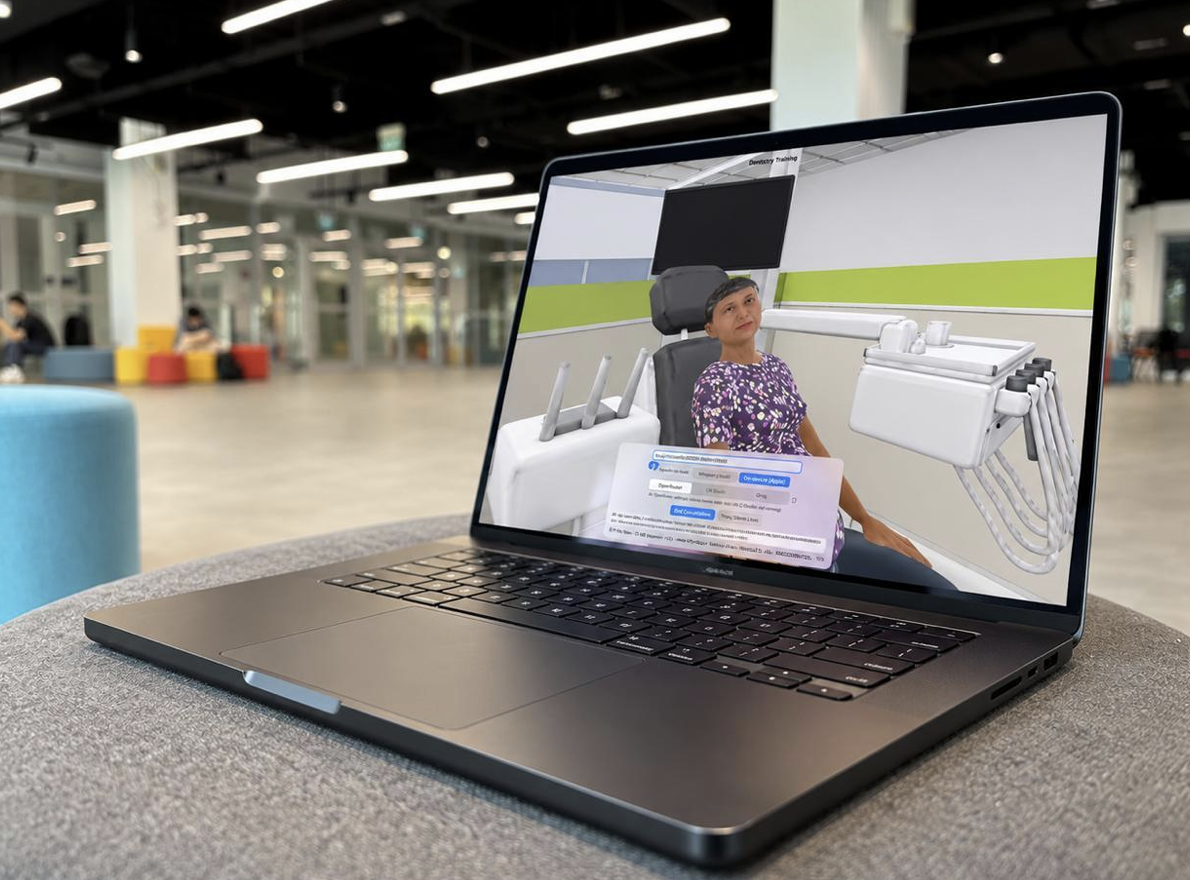
POISE: On-Demand Conversational Training with Realistic Virtual Elderly Patients
Our team is developing a hyper-realistic VR training system featuring an elderly patient avatar, context-specific voice model, and personalised feedback to help dentistry students practise communication skills, build confidence, and improve elderly patient care.
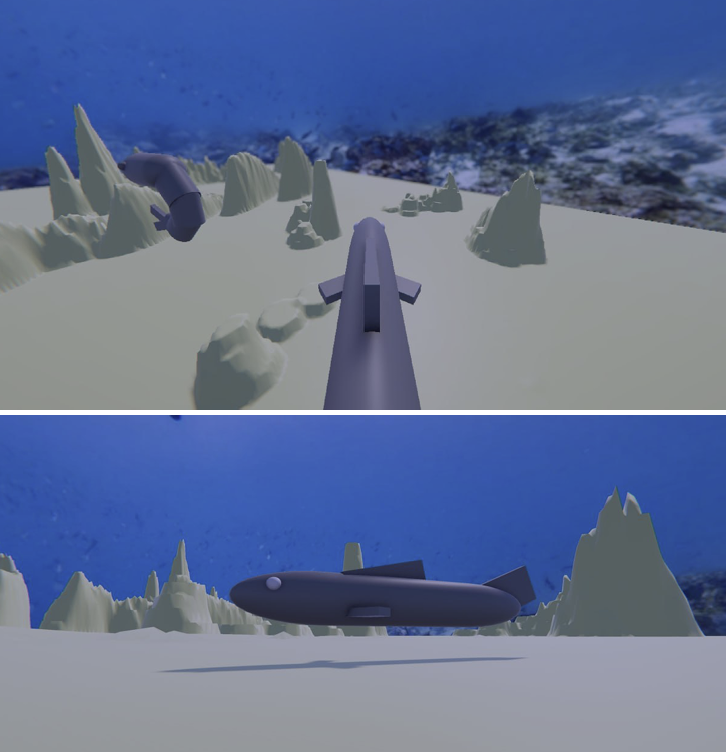
reSURFACE: Rise, Dive, Discover
This project aims to raise awareness of deep-sea creatures’ role in carbon sequestration through an interactive exhibit that simulates a lantern shark’s daily vertical migration using a custom 3D-printed controller.
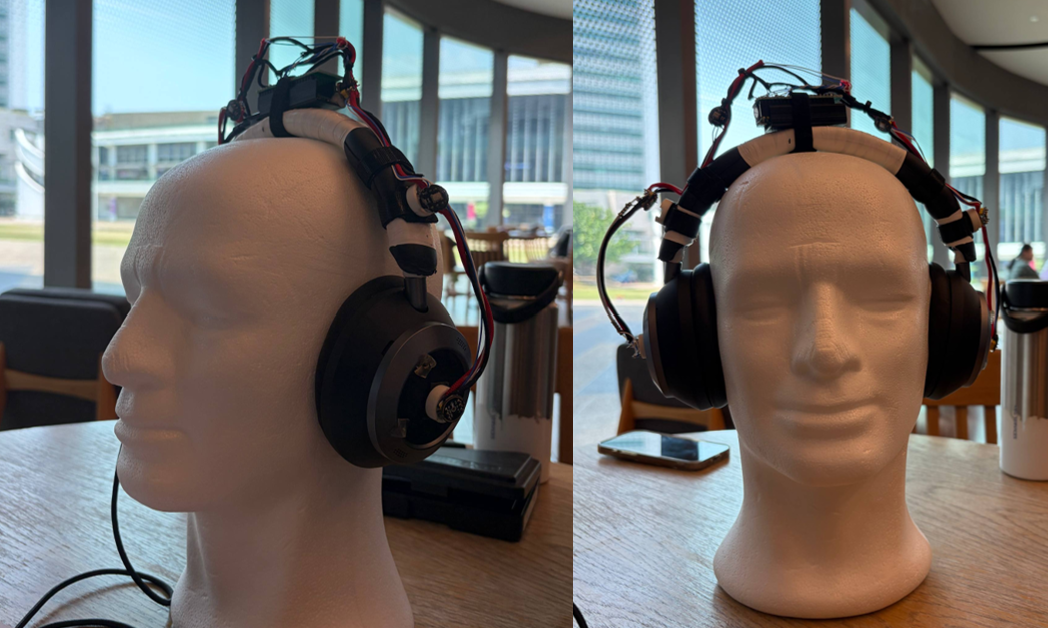
Sonitude
We are developing Sonitude, a headphone feature that amplifies nearby sounds while suppressing distant noise, helping Active Noise Cancellation (ANC) users stay aware of their surroundings and engage in conversations in noisy public spaces.
Innovations in Automation and Smart Solutions
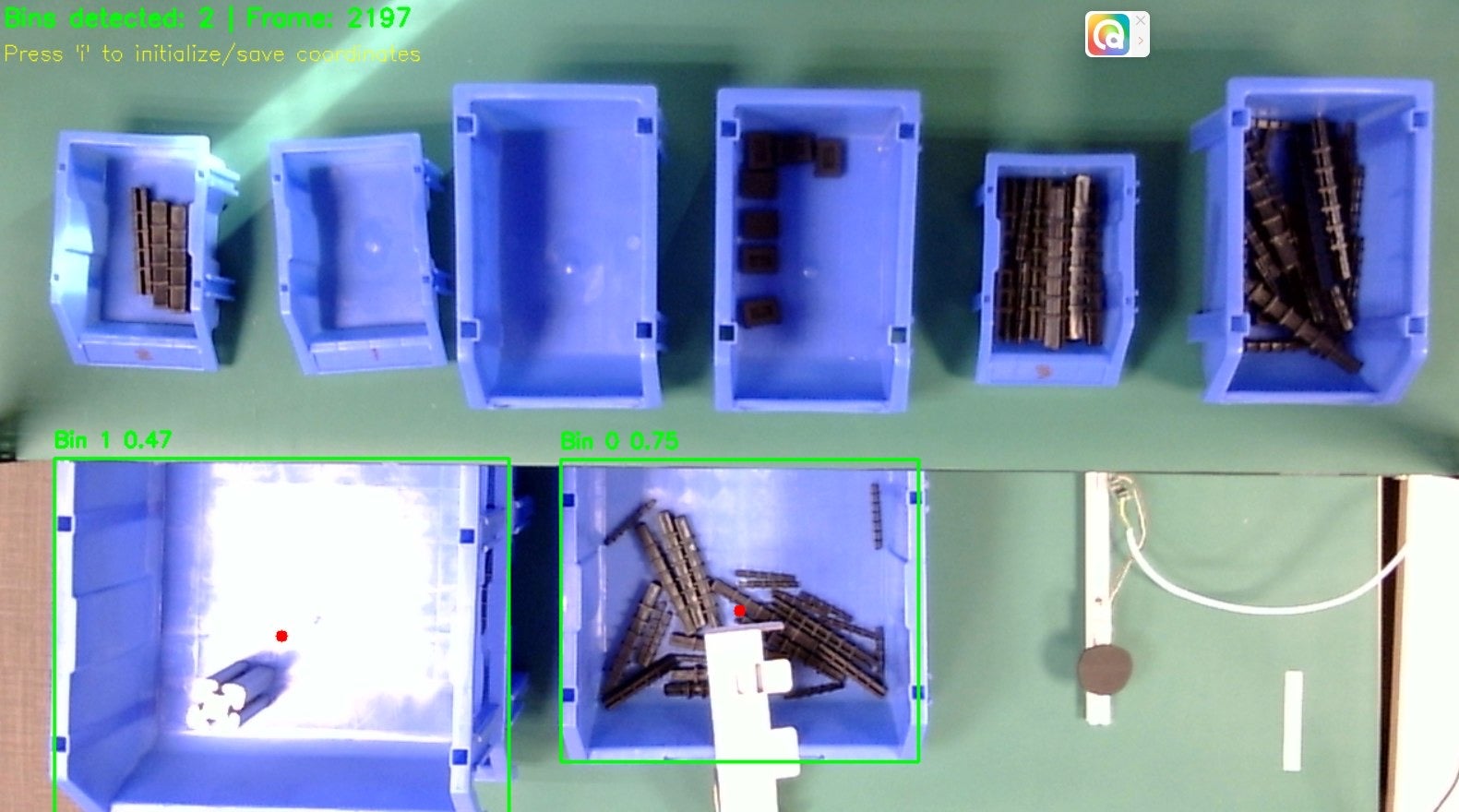
AEGIS: AI Enhanced Guidance and Inspection System
Our team is developing a real-time kitting assistance system combining computer vision, ESP32-connected load cells, and a live interface to detect picking errors and incorrect quantities, helping workers correct mistakes before they affect downstream operations.
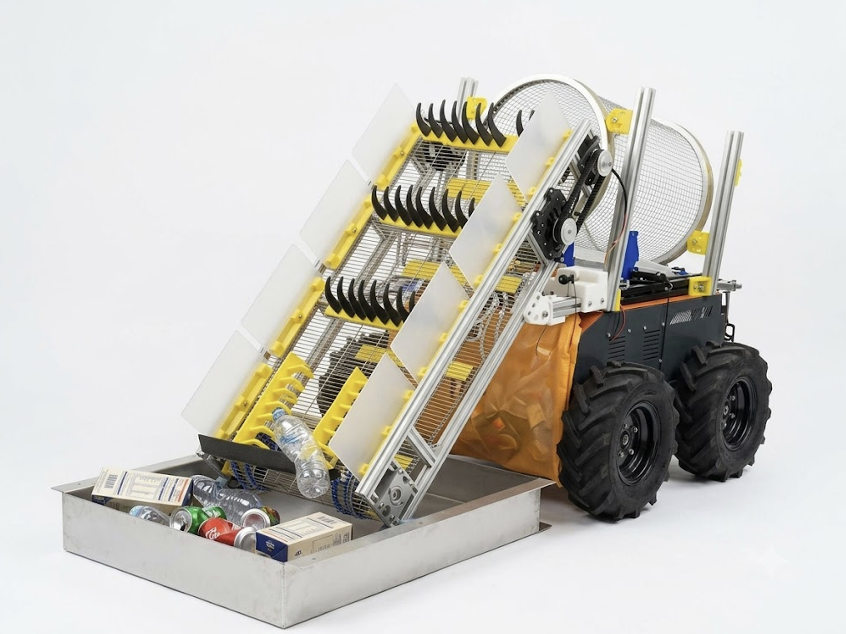
Beach Boys
Our fully electric beach-cleaning rover operates quietly on wet and dry sand, with low-cost, easily replaceable modular parts that reduce maintenance, downtime, and disruption while keeping Singapore’s resort beaches clean.
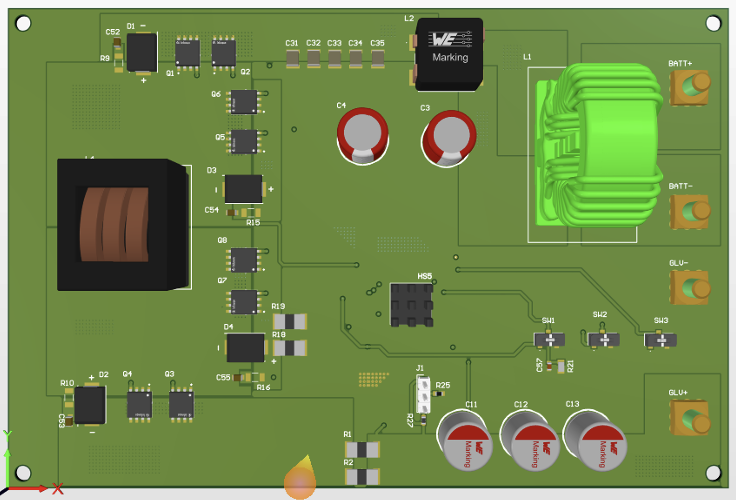
DC-DC Converter for FSAE
This project focuses on developing a custom buck-boost DC-DC converter to power Formula SAE car electronics directly from a 24V battery, eliminating the need for a separate battery and improving overall system efficiency.
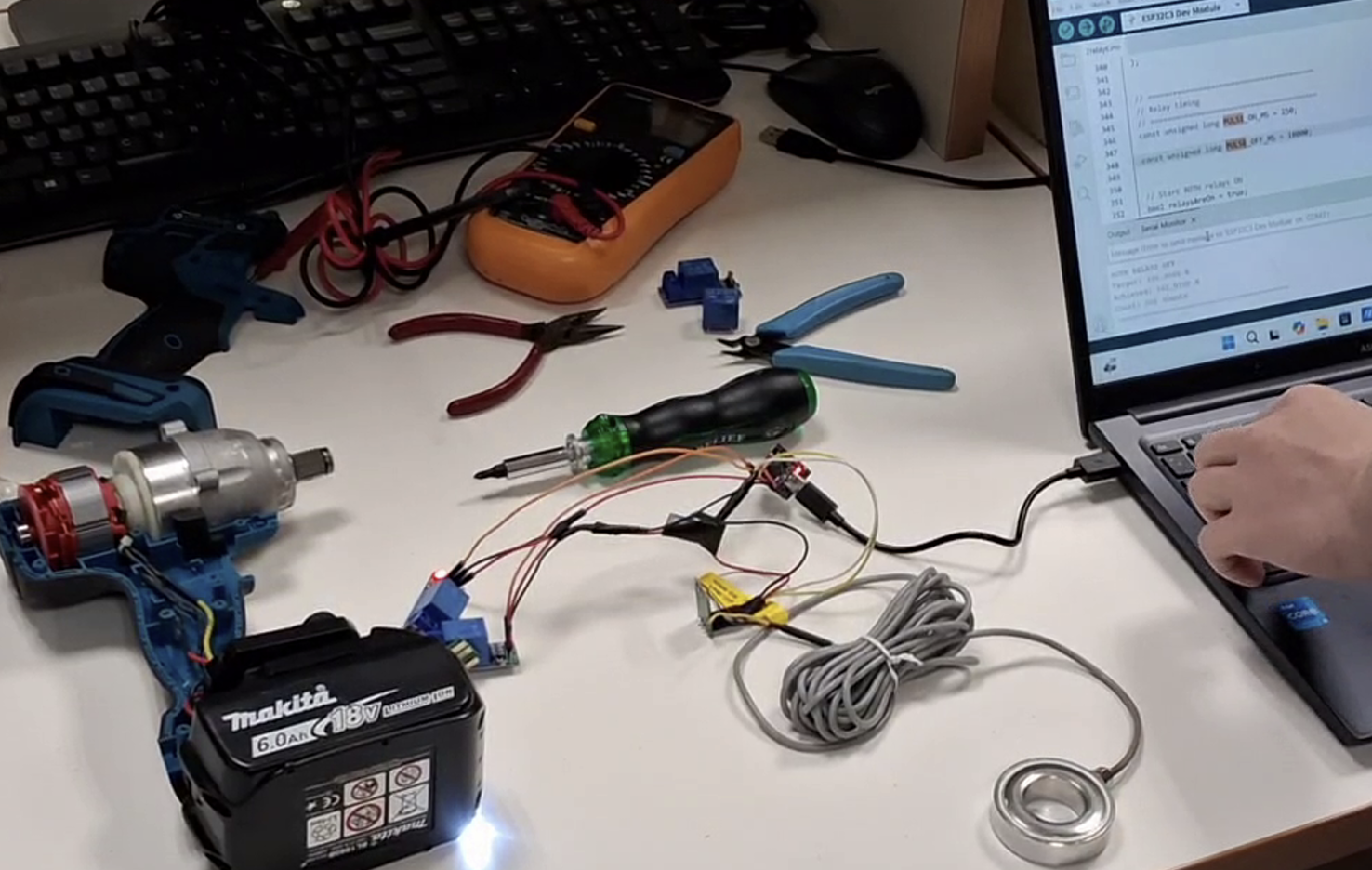
Flange Tightening Automation
We are developing an automated flange-tightening system for SPM Oil & Gas, using sensor-equipped torque modules and centralised control to tighten multiple bolts simultaneously, reducing manual labour and component testing time.

IRIS: Intelligent Robotic Instrument Sorter
Manual and repetitive sorting of highly similar and delicate ophthalmic instruments leads to cumulative cognitive fatigue, inefficiencies and mistakes. To address this problem, we aim to create and AI-enabled vision-guided robotic system that can identify, classify, and sort the instruments.
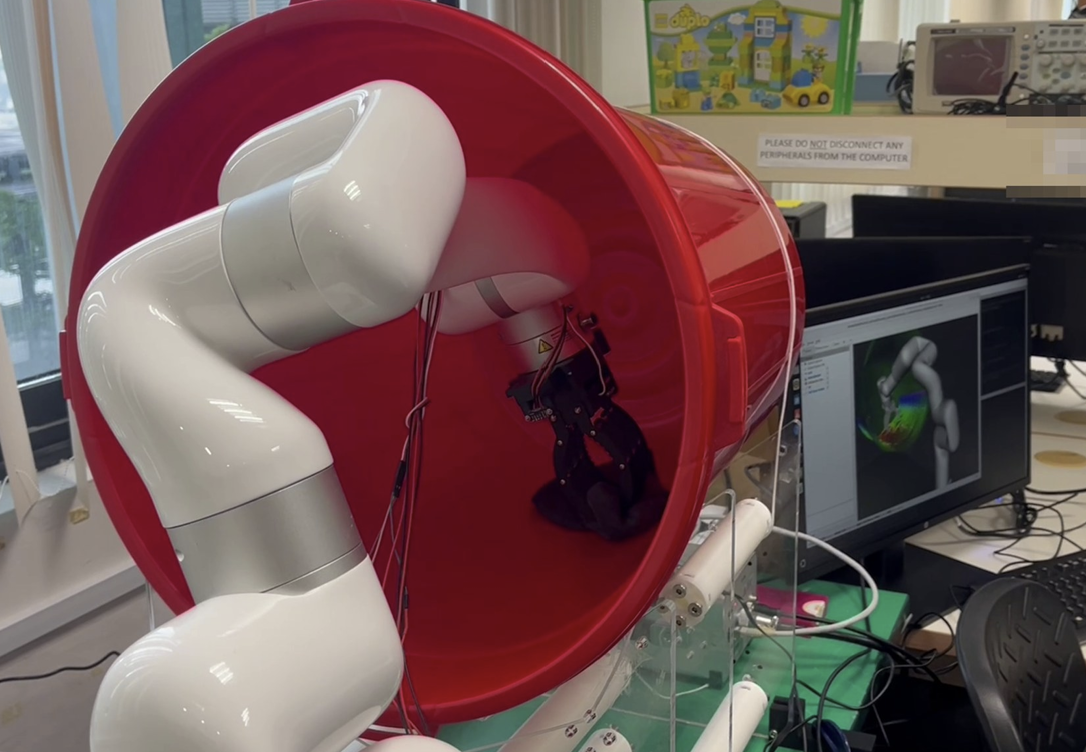
LaundroBros
Our project aims to eliminate the need for users to wait for laundromat cycles to finish by retrofitting existing machines with a robotic arm that detects and extracts laundry, allowing users greater flexibility and convenience.
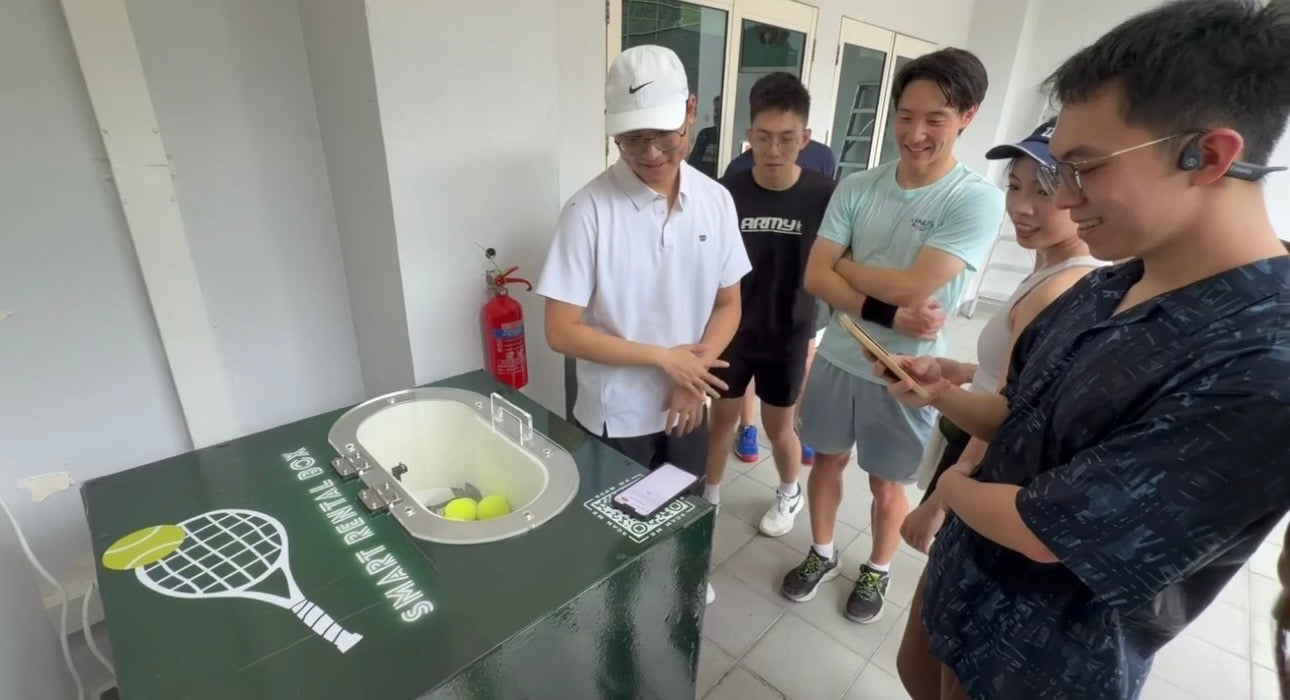
Smart Rental Box
Smart Rental Box is an automated, self-service tennis training system integrating a ball machine, ball return mechanism, and smart locker to provide convenient, affordable practice with QR-code access, and automatic ball and equipment counting before payment.
CDE5311 Designing UX/UI for Human-Centred AI
CDE5311 is a Master's level course that introduces foundational knowledge and methods necessary for designing human-centred artificial intelligence (AI) applications, including user experience (UX) and user interface (UI) design, prototyping, user testing, and iteration. Students learn principles and tools to create ideas for AI-powered products that can contribute to realising values and making an impact in the real world. This course also investigates the fundamentals of the human experience, examining how responsible AI design and inclusive design principles can be applied to create meaningful UX/UI designs, facilitate human-AI interaction, and develop human-centric AI.
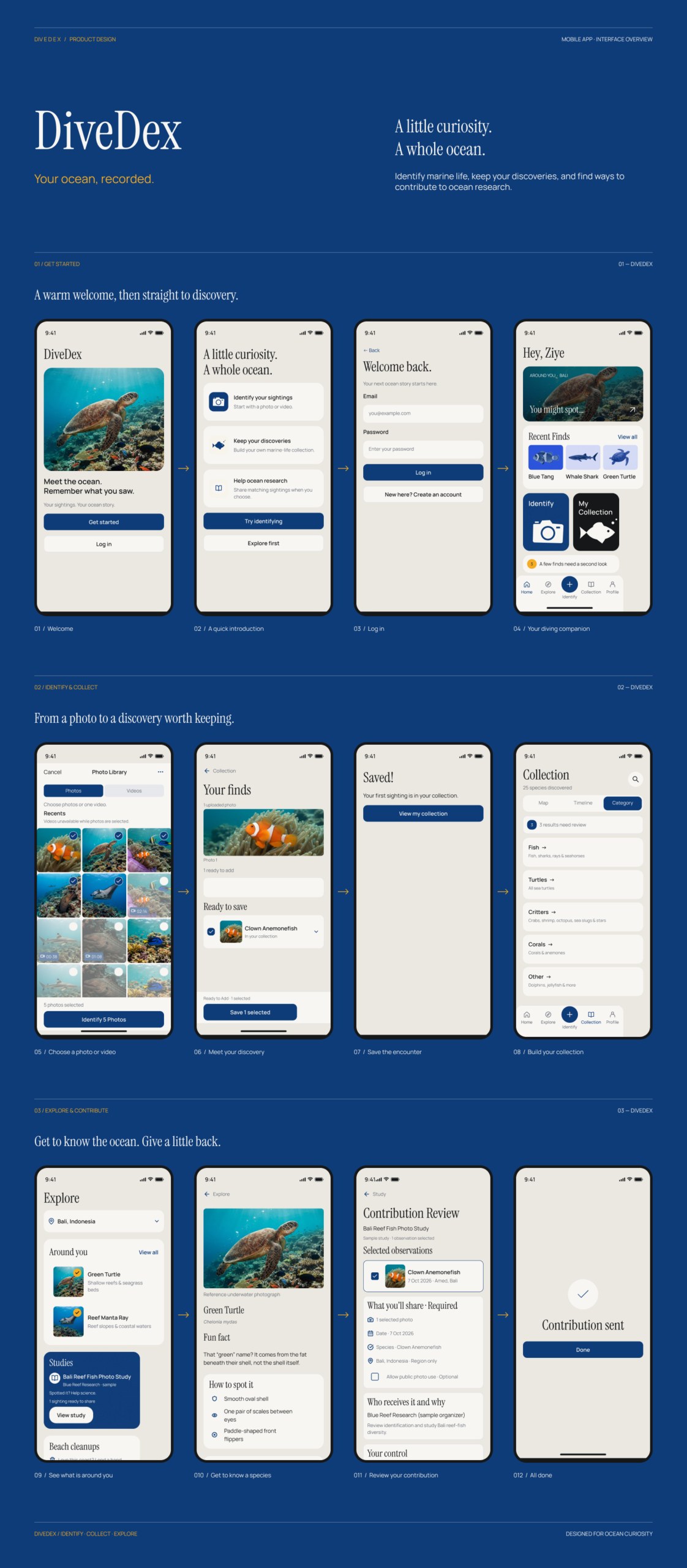
DiveDex
Our project aims to help recreational divers better understand and document the marine life they encounter by providing DiveDex, an AI-assisted app for identifying species from underwater photos and videos, building personal marine-life collections, and contributing observations to marine research and conservation.
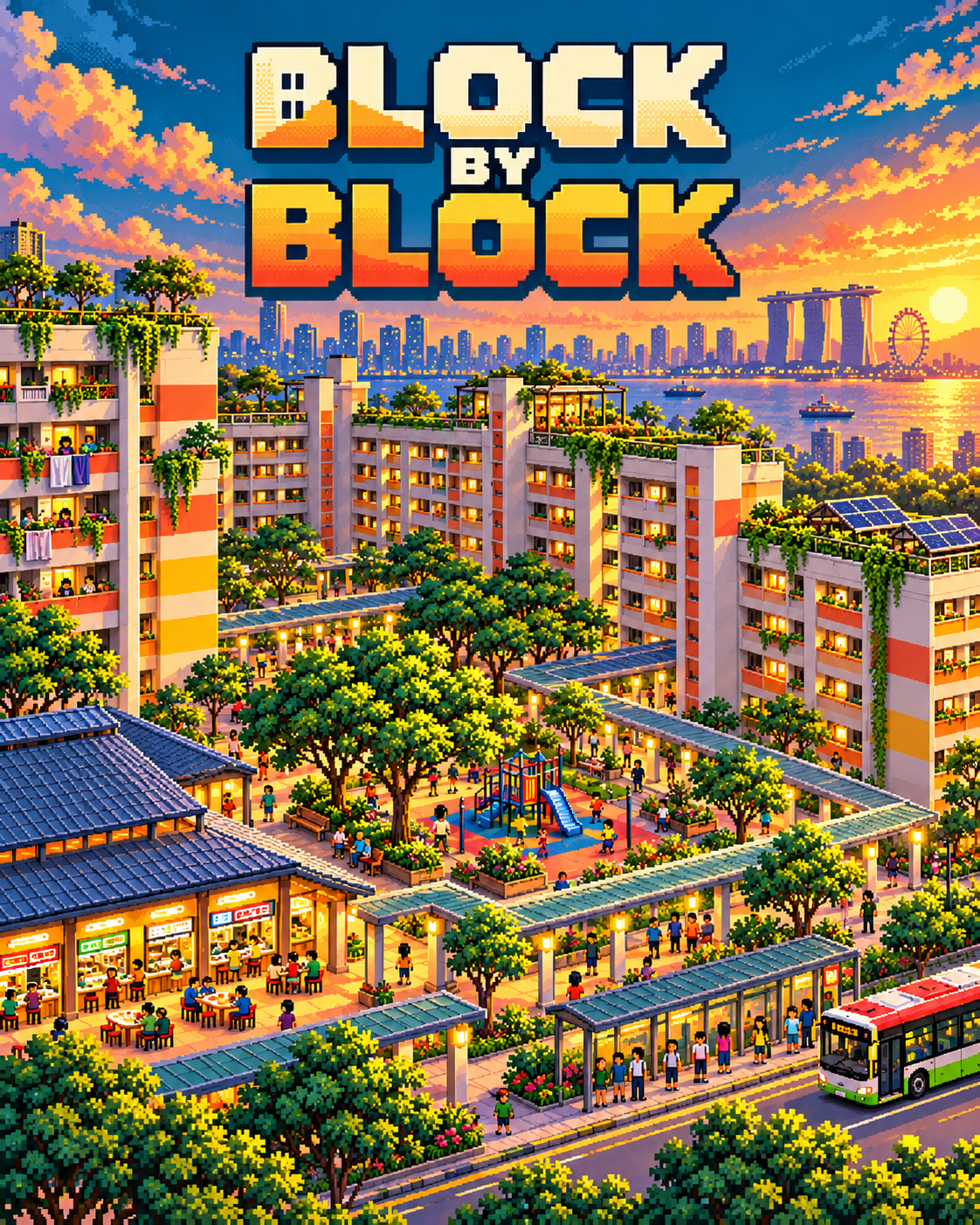
Downstairs
This is an interactive HDB community simulation game that helps players explore the trade-offs between urban development, residents' well-being, and environmental sustainability.
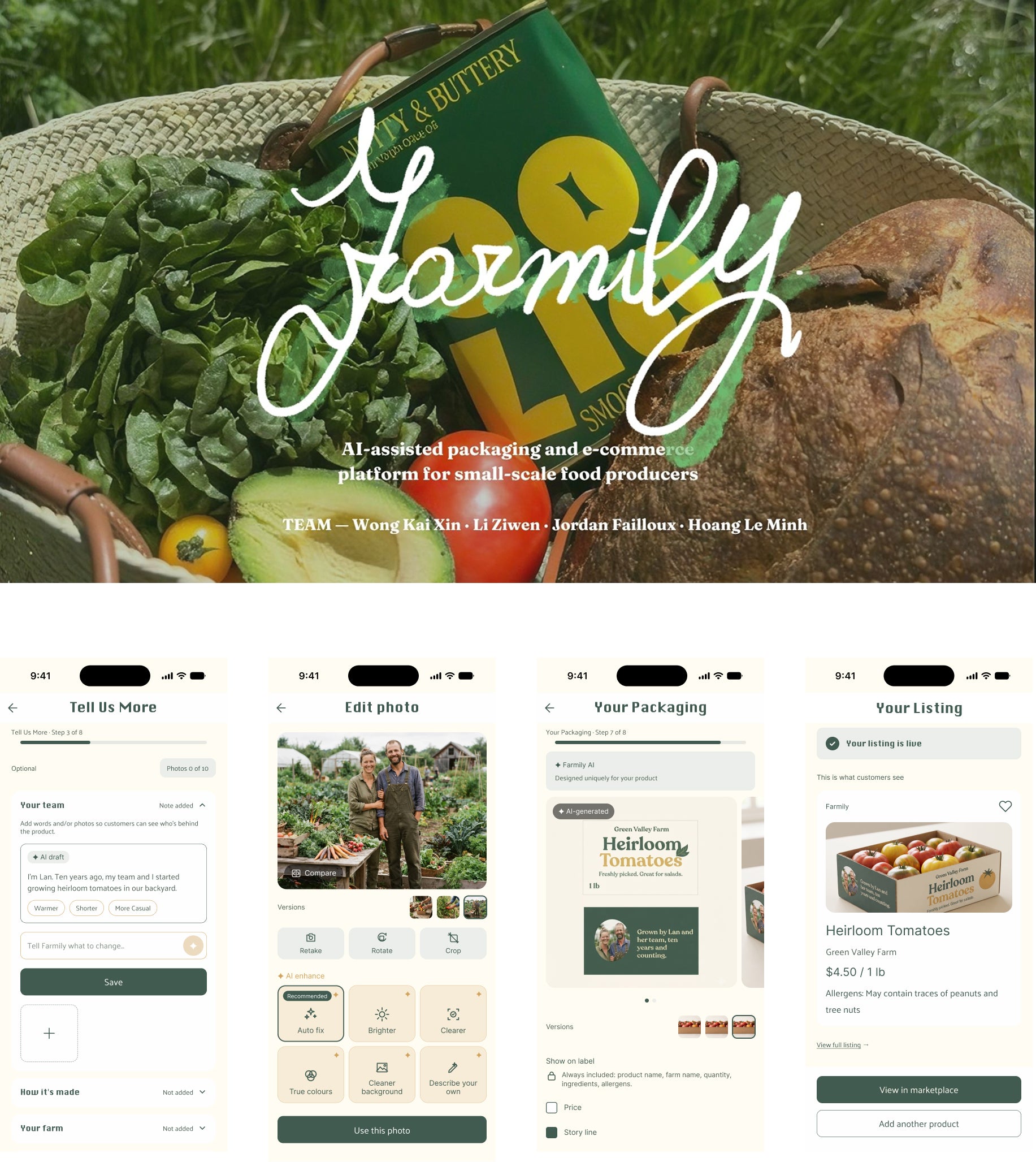
Farmily (opens in new tab)
Our project involves developing Farmily, an AI-assisted platform that helps small-scale farmers create and market online product listings by drafting, enhancing, and designing content for them, while allowing farmers to review and make decisions at every step.
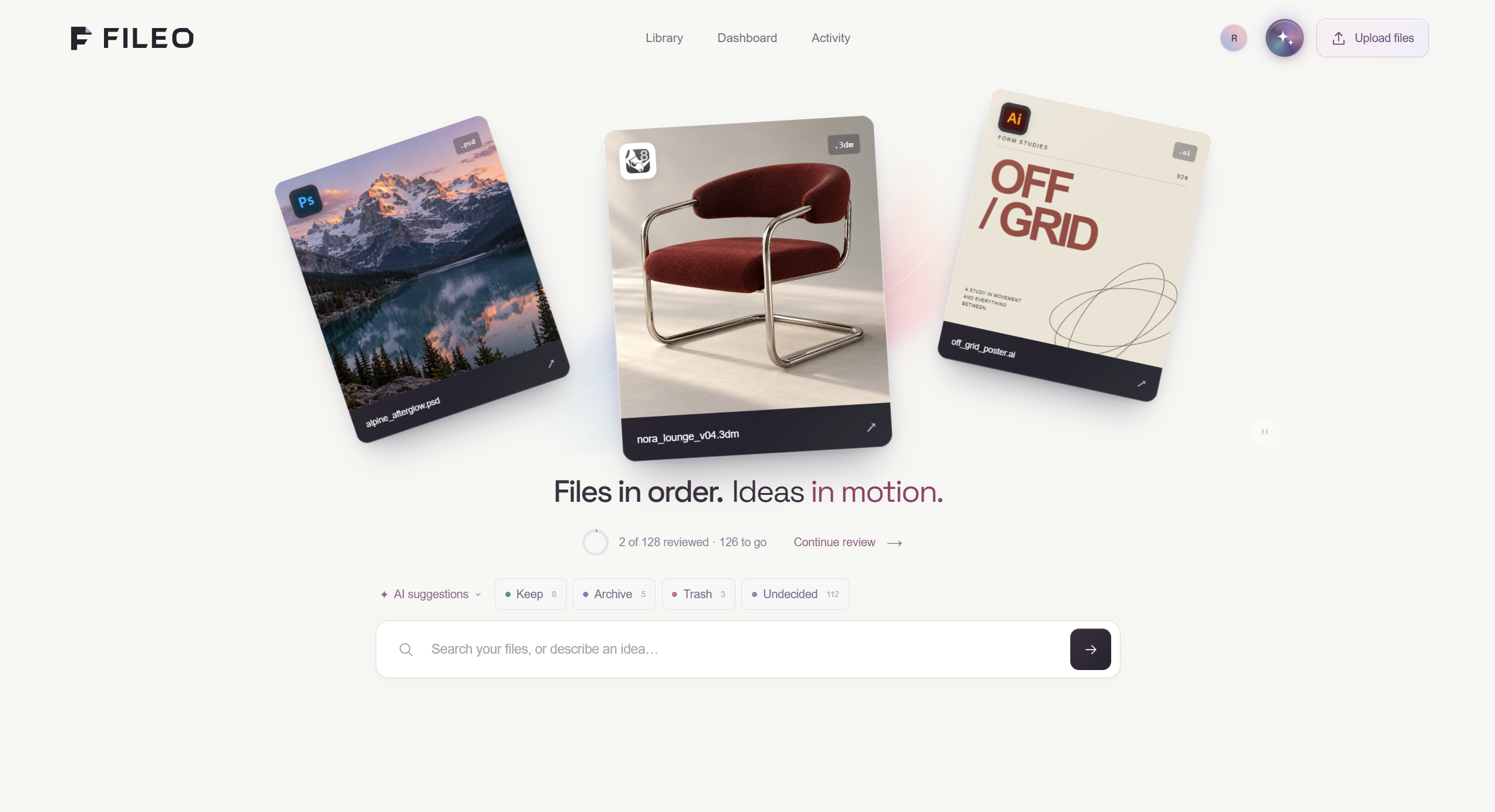
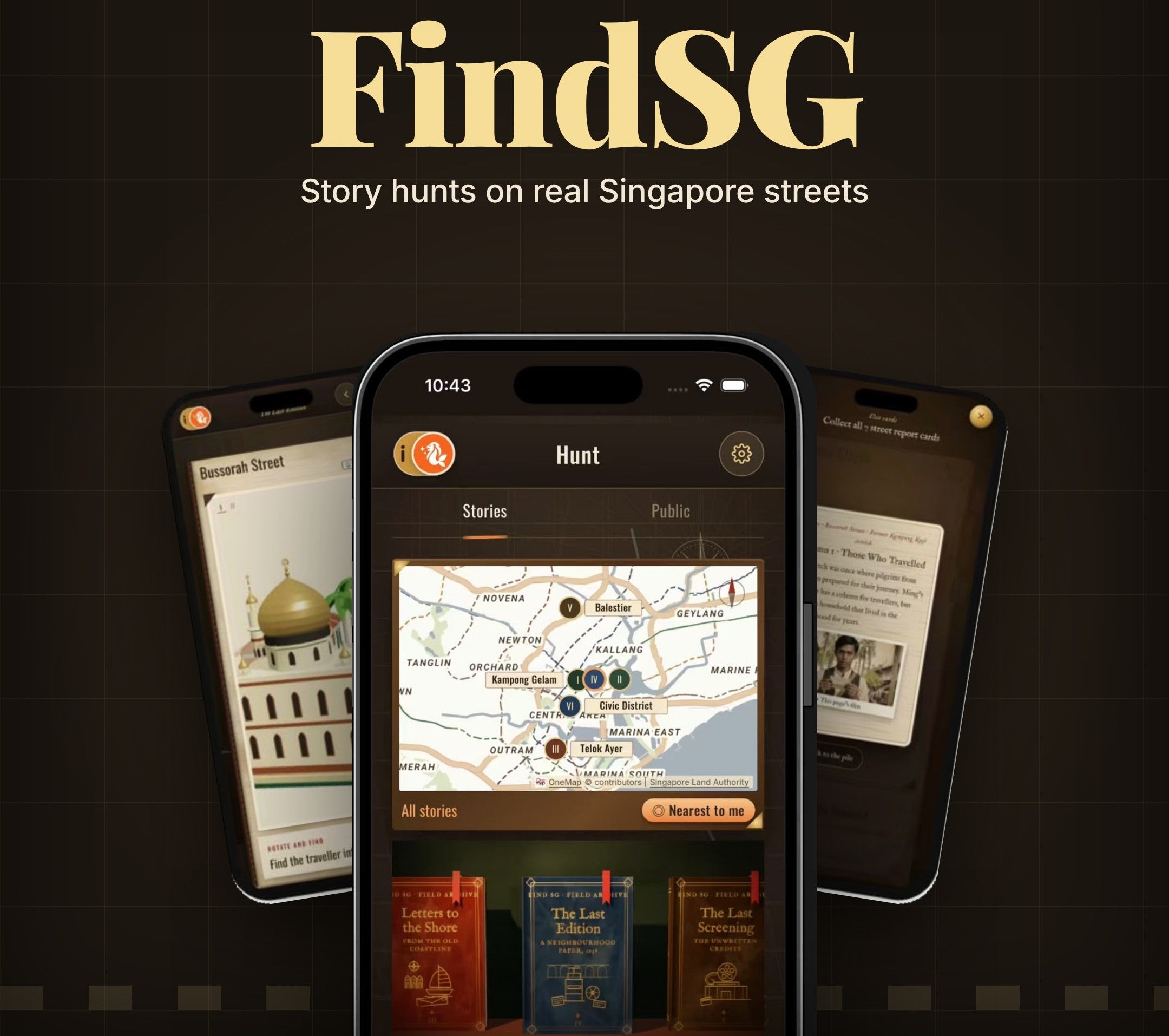
FindSG (opens in new tab)
FindSG provides people who want to explore Singapore but do not know where to start with a personalised guide to diverse locations tailored to their interests.
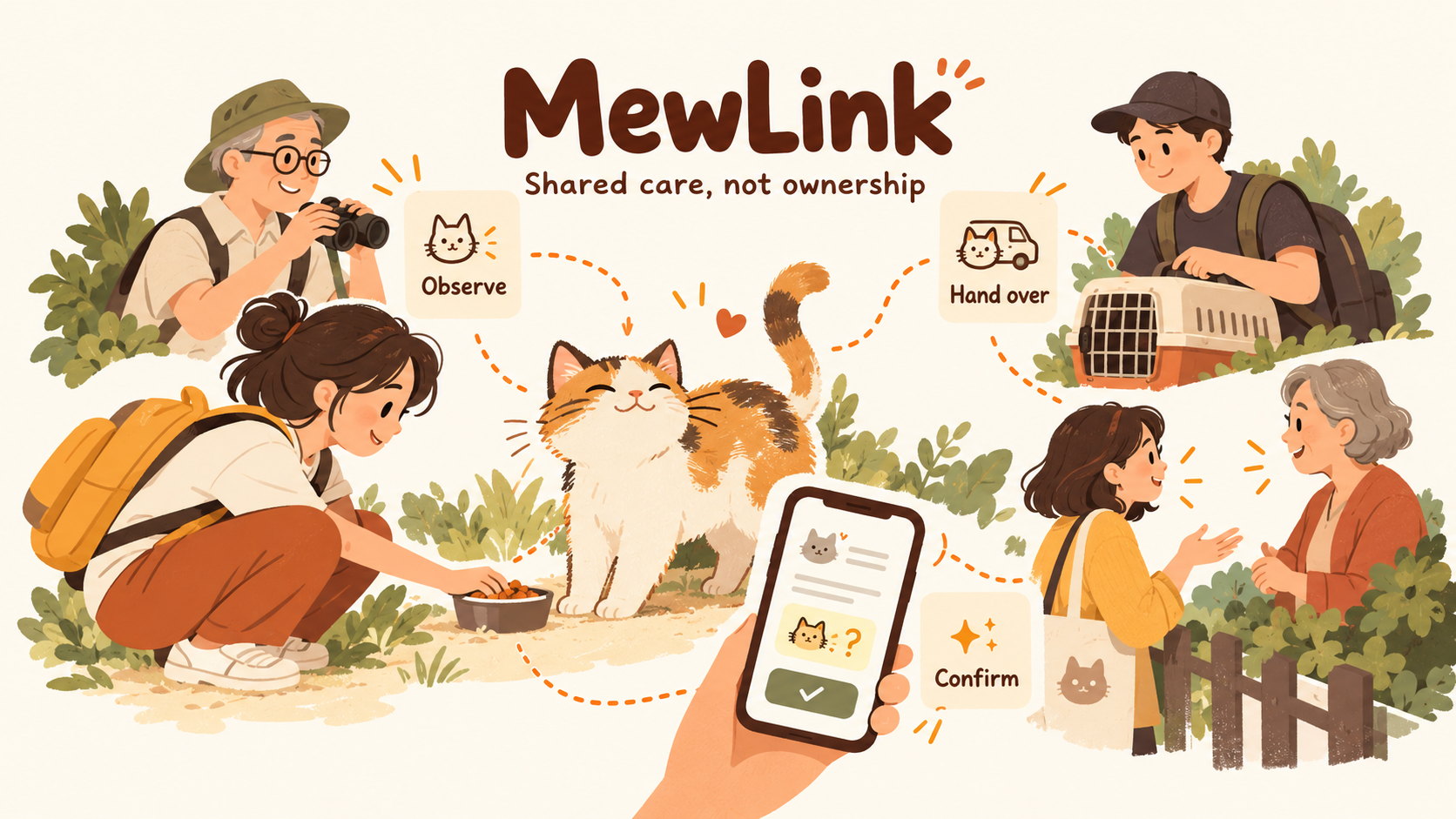
MewLink (opens in new tab)
MewLink is a research-led prototype that helps trusted community-cat caregivers in Singapore share observations, hand over care, and use AI suggestions without assigning ownership to any one person.
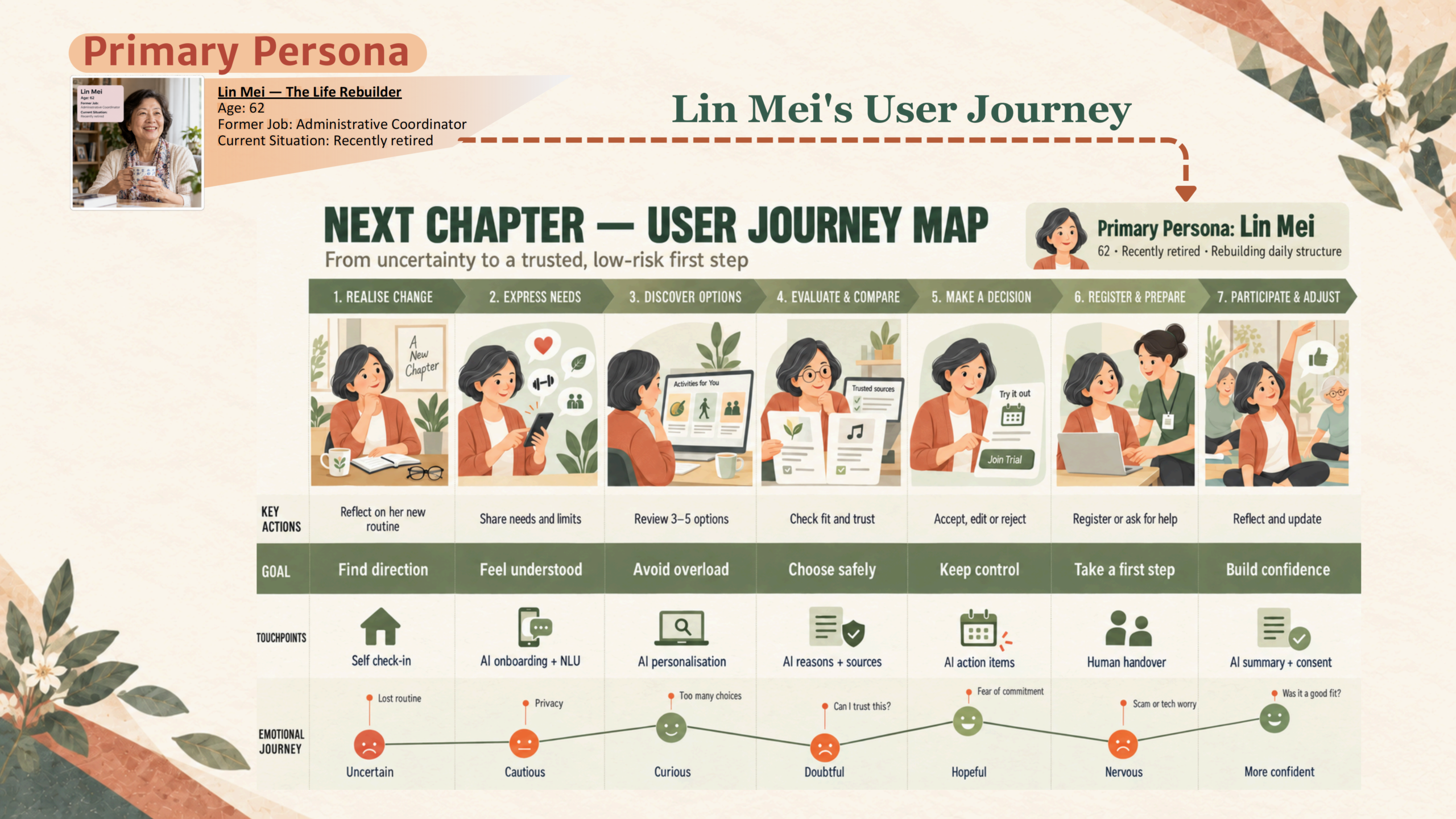
Next Chapter (opens in new tab)
Our project aims to support adults navigating life transitions beyond full-time employment by designing an AI-assisted platform that helps them rediscover meaningful directions, reconnect with others, and build fulfilling new routines.
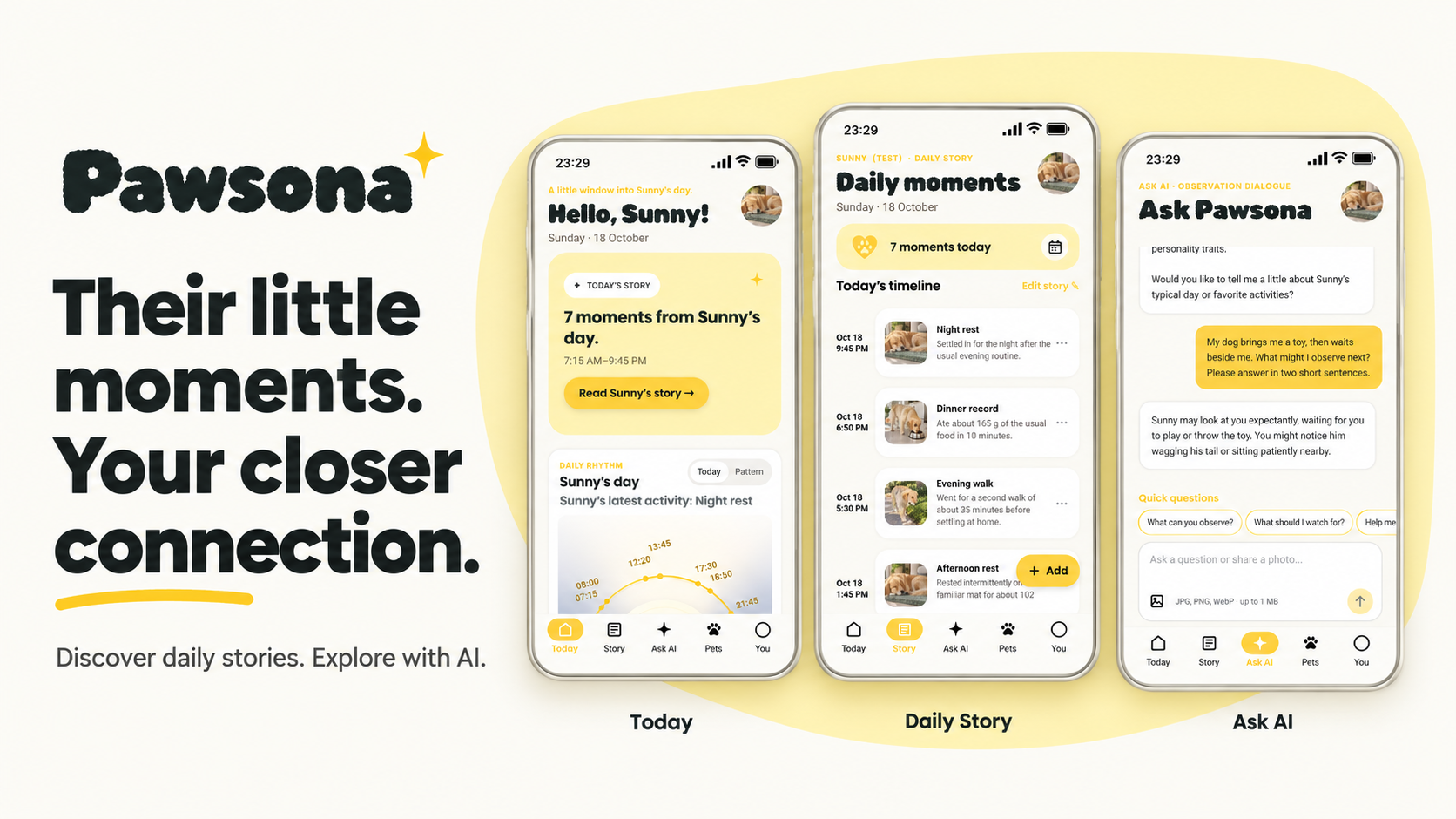
Pawsona (opens in new tab)
Pawsona is an AI-assisted app designed to help pet owners understand their pets’ everyday behavior, capture meaningful and playful moments, and make more informed care decisions.
SIP:O (opens in new tab)
In this project, we are designing an AI-powered drinking calculator app to help users monitor their alcohol consumption, understand their alcohol and calorie intake, and make safer, healthier drinking decisions through personalized recommendations and gentle reminders.
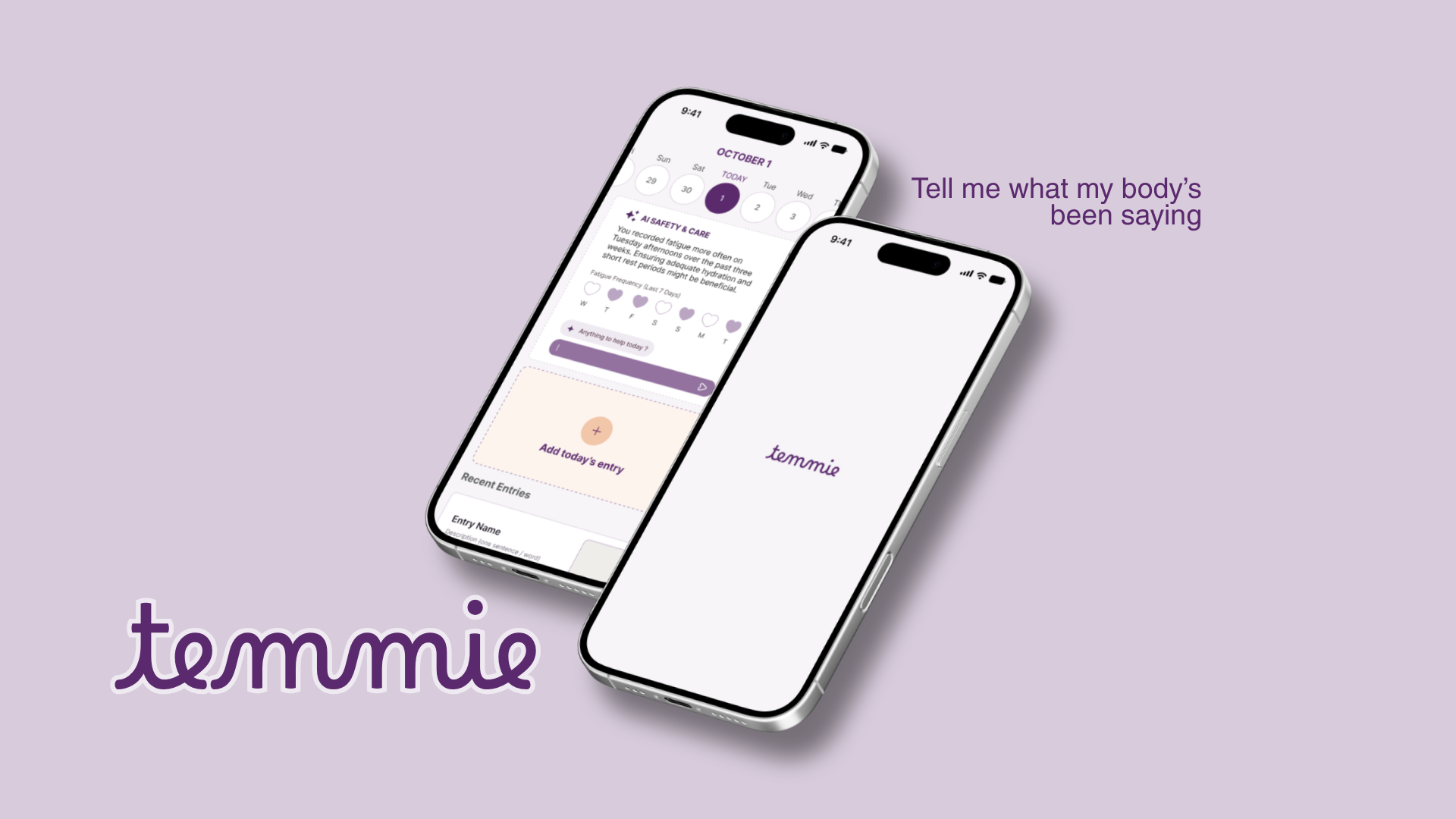
Temmie (opens in new tab)
Temmie is an AI-assisted documentation tool that helps women keep track recurring pain and uncomfortable symptoms, identity patterns over time, and communicate their experiences more clearly during healthcare consultations.
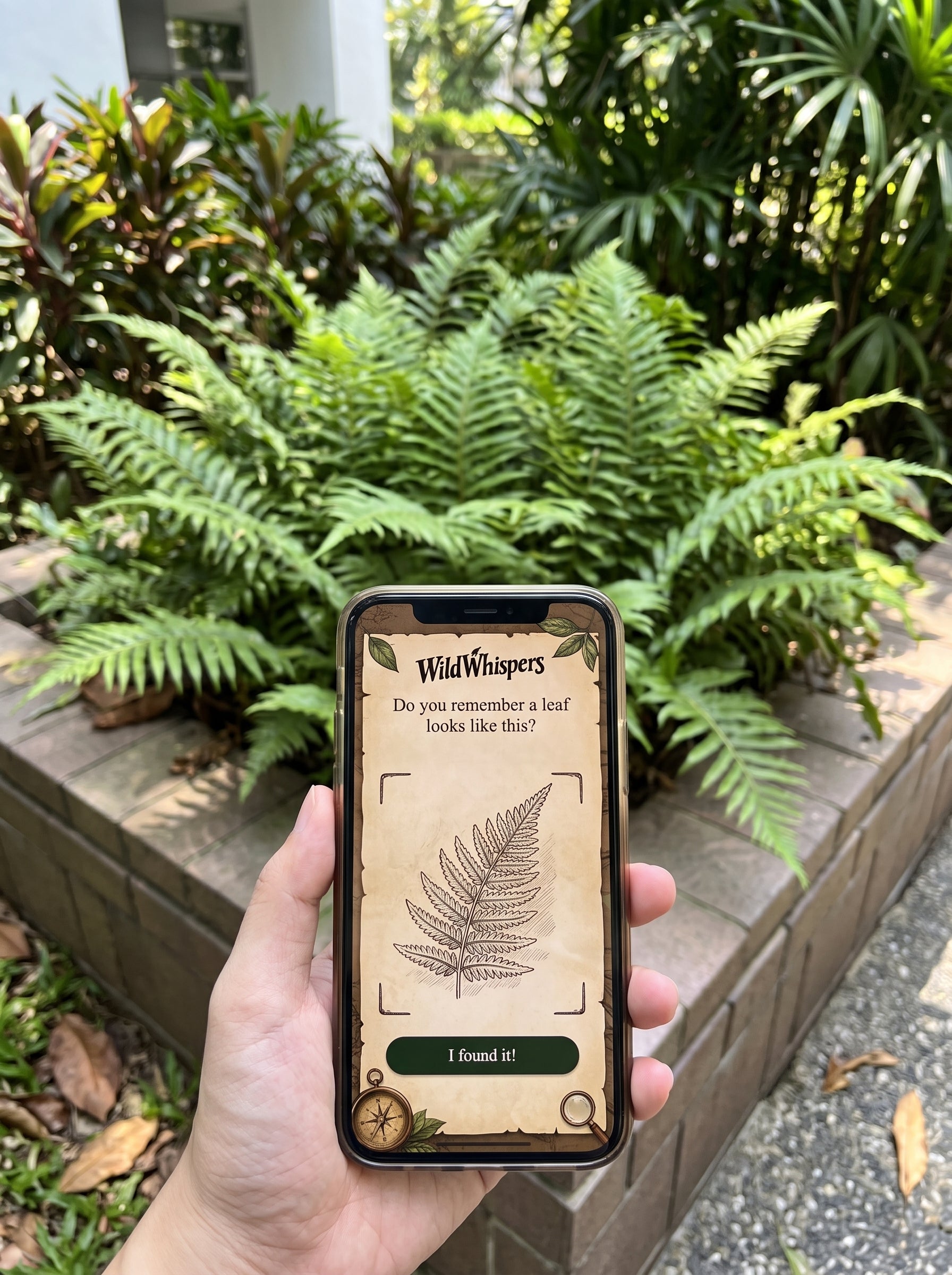
Wild Whispers (opens in new tab)
Our project involves transforming the NUS campus into an interactive, real-world mystery adventure that combines a mobile game, AI-powered species identification, and nature-inspired puzzles to help students discover and appreciate the biodiversity around them.
CDE5312 Beyond the Surface: Exploring Interactive Wearables
CDE5312 is a Master's level course in the MSc Engineering Design & Innovation programme that aims to explore the limitless potential of interactive wearables — from virtual and augmented reality to smart textiles and artificial intelligence-based health-monitoring devices and immersive gaming gear. In this course, students learn about designing wearable interfaces for seamless interaction among wearables, users, and environments; experimenting with sensors, actuators, microcontrollers, and artificial intelligence-driven applications; and leveraging hardware and software for wearable system prototyping. Students then apply what they learn to create interactive wearable technologies to tackle real-world projects, turning ideas into tangible solutions for various applications such as virtual and augmented reality, gaming, fashion, communication, and beyond.
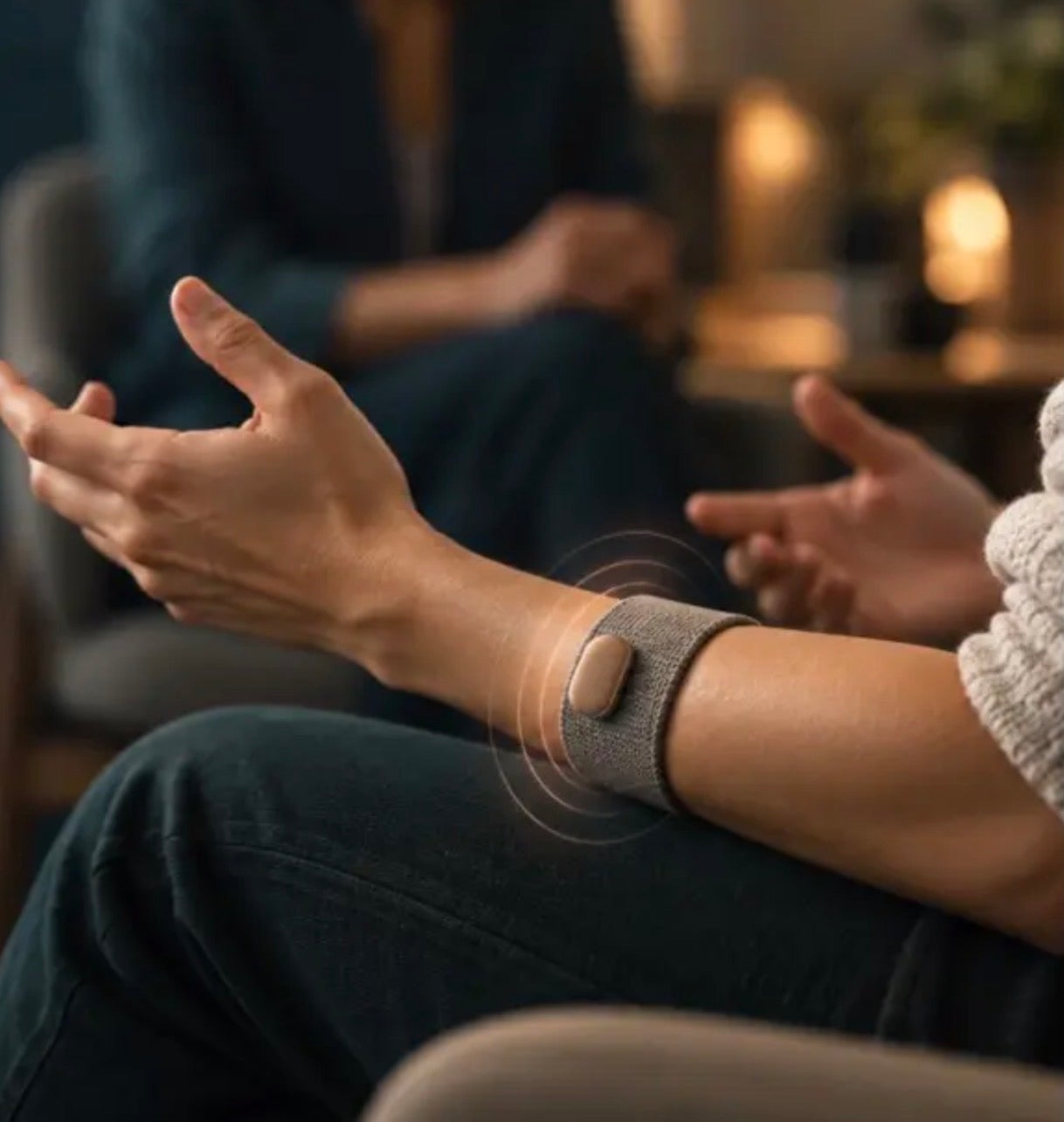
Airapy
Our project aims to support clients’ physiological self-regulation during therapy sessions through a wearable device that detects changes in physiological arousal and provides subtle haptic feedback with minimal disruption to therapeutic engagement.
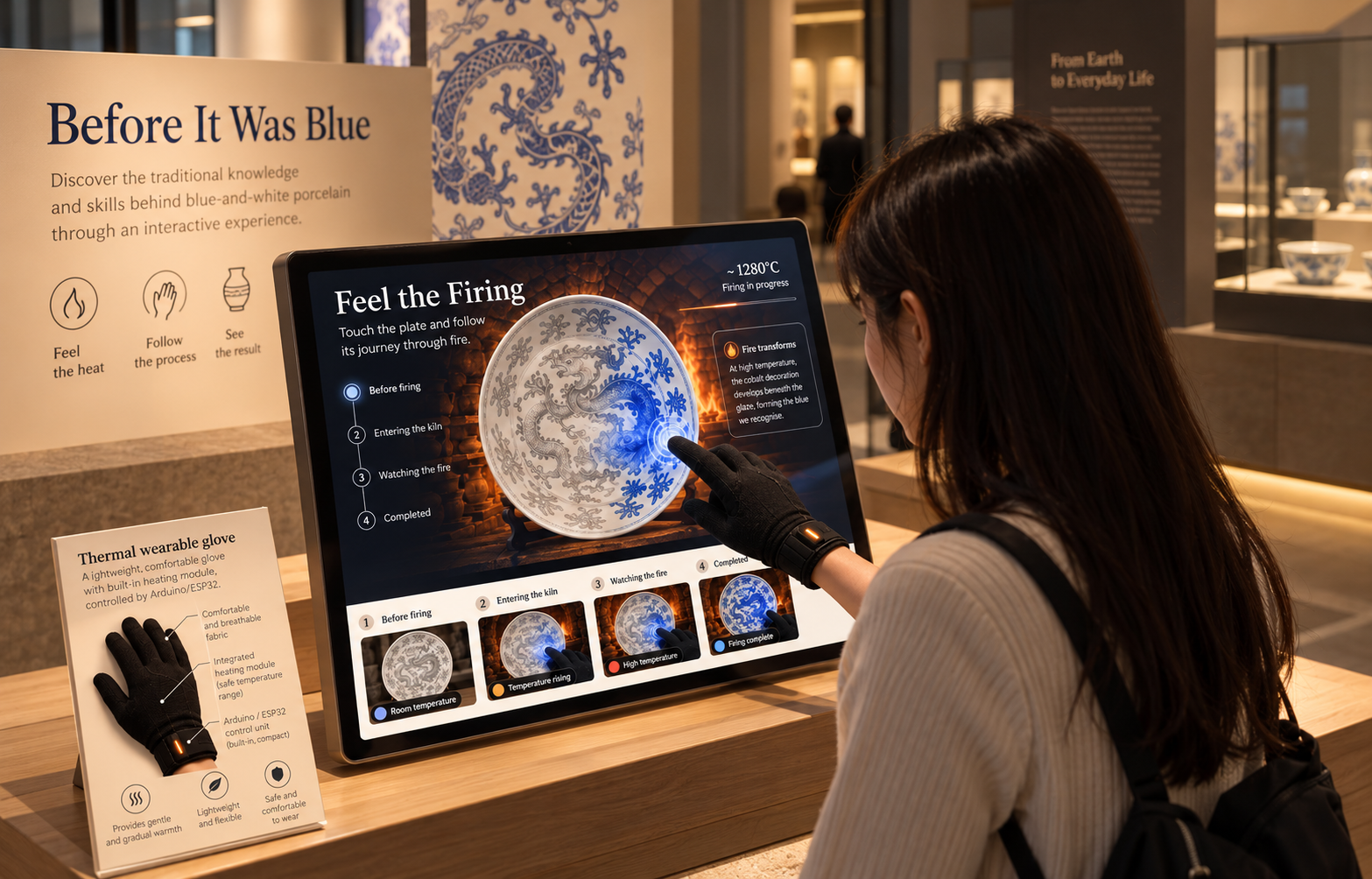
Before It Was Blue
Before It Was Blue, developed in collaboration with ArCH Square, aims to bridge archaeology and intangible cultural heritage (ICH) through an interactive wearable experience that helps younger generation explore traditional porcelain-firing techniques and appreciate the craftsmanship behind archaeological artifacts.
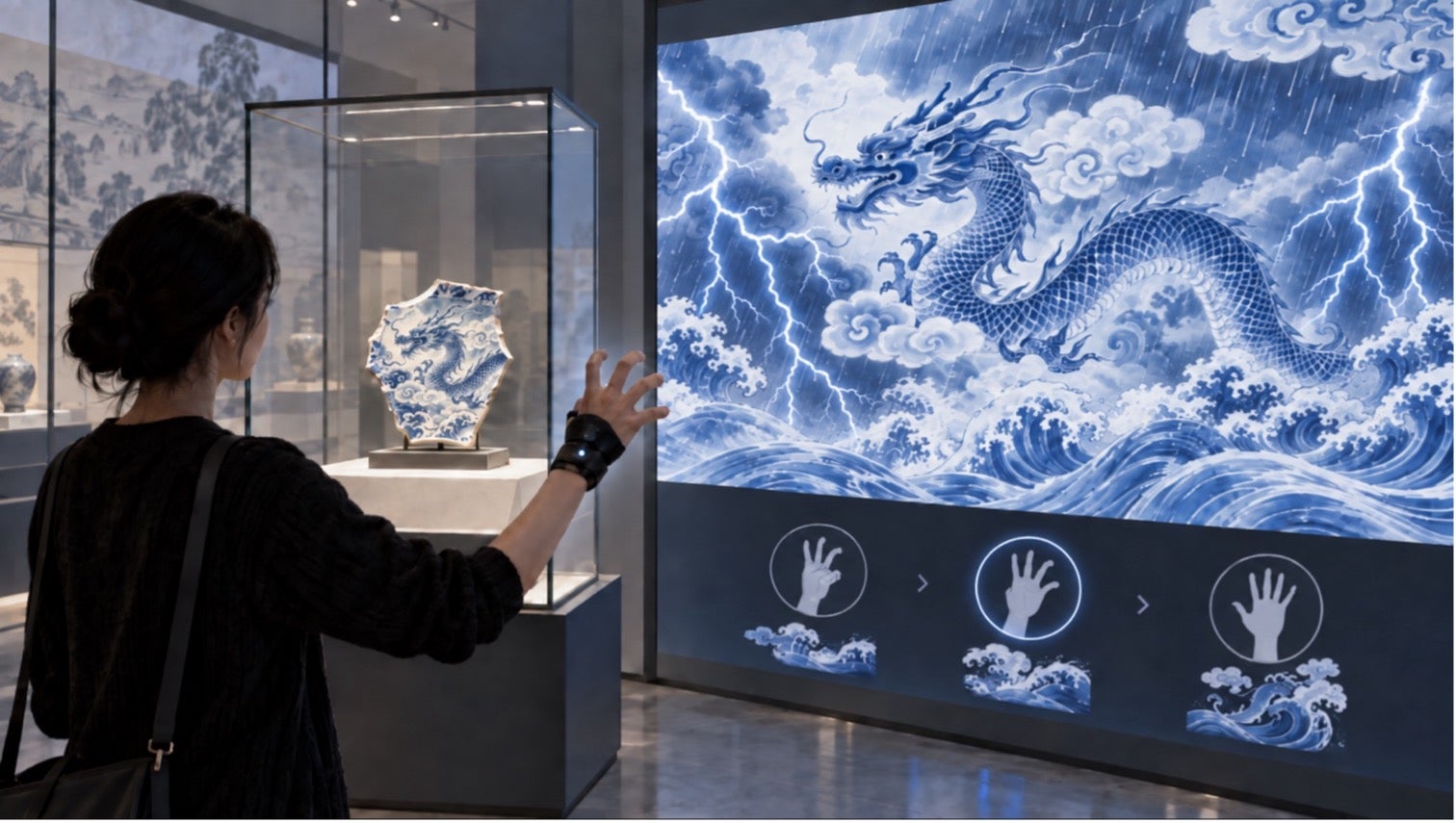
Dragon Claw Challenge
The Dragon Claw Challenge aims to help museum visitors discover the cultural meanings of dragon motifs on ceramics through an interactive experience combining hand gestures, visual storytelling, sound and a wearable that provides vibration feedback.
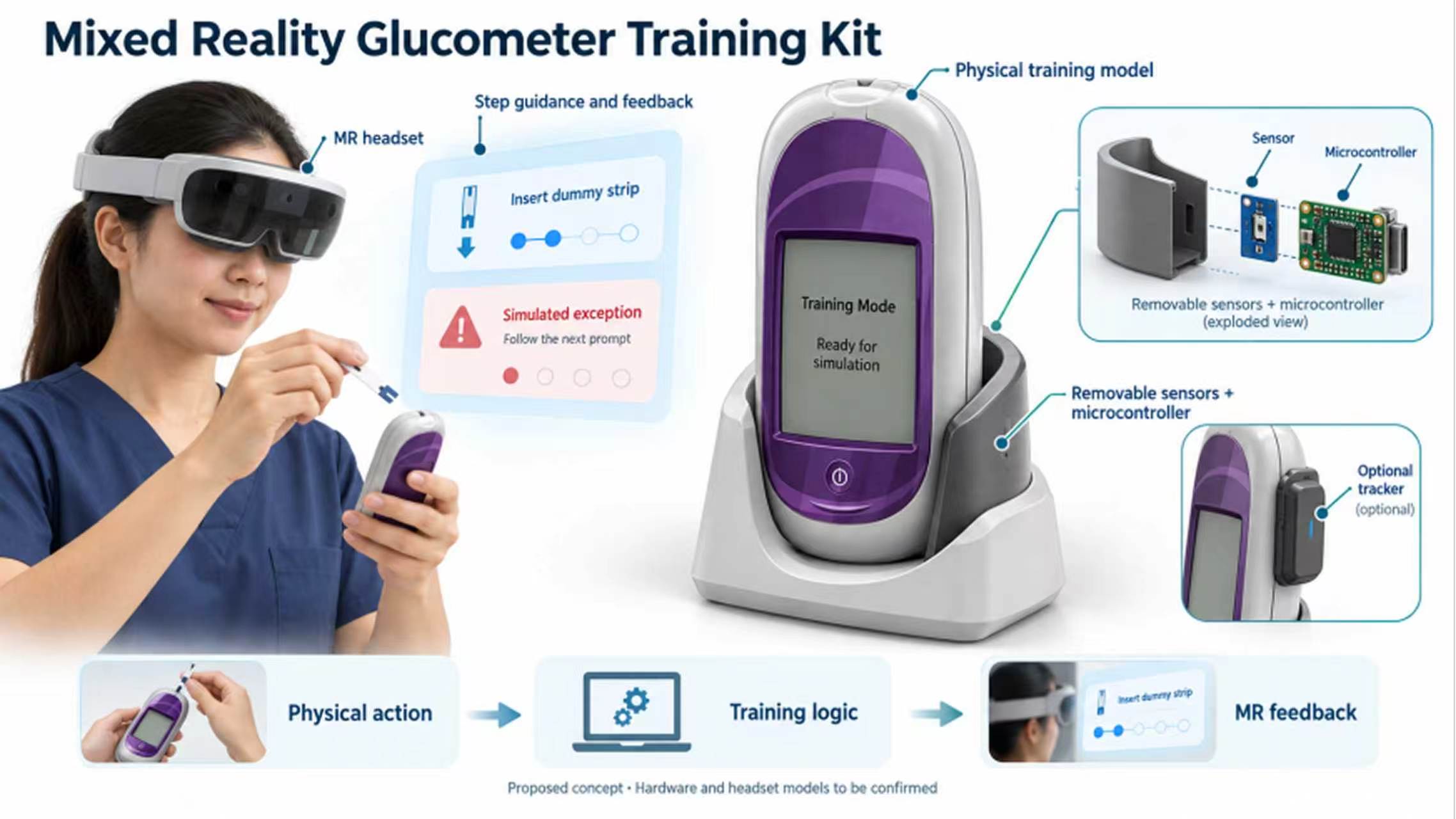
Mixed Reality (MR)-Assisted Training in Blood Glucose Meter Operation
Our project involves developing a Mixed Reality (MR) training kit for the Accu-Chek Inform II Glucometer to ease manpower constraints at Alexandra Hospital, enabling healthcare staff to practise essential procedures and troubleshoot common errors through interactive, self-guided training.
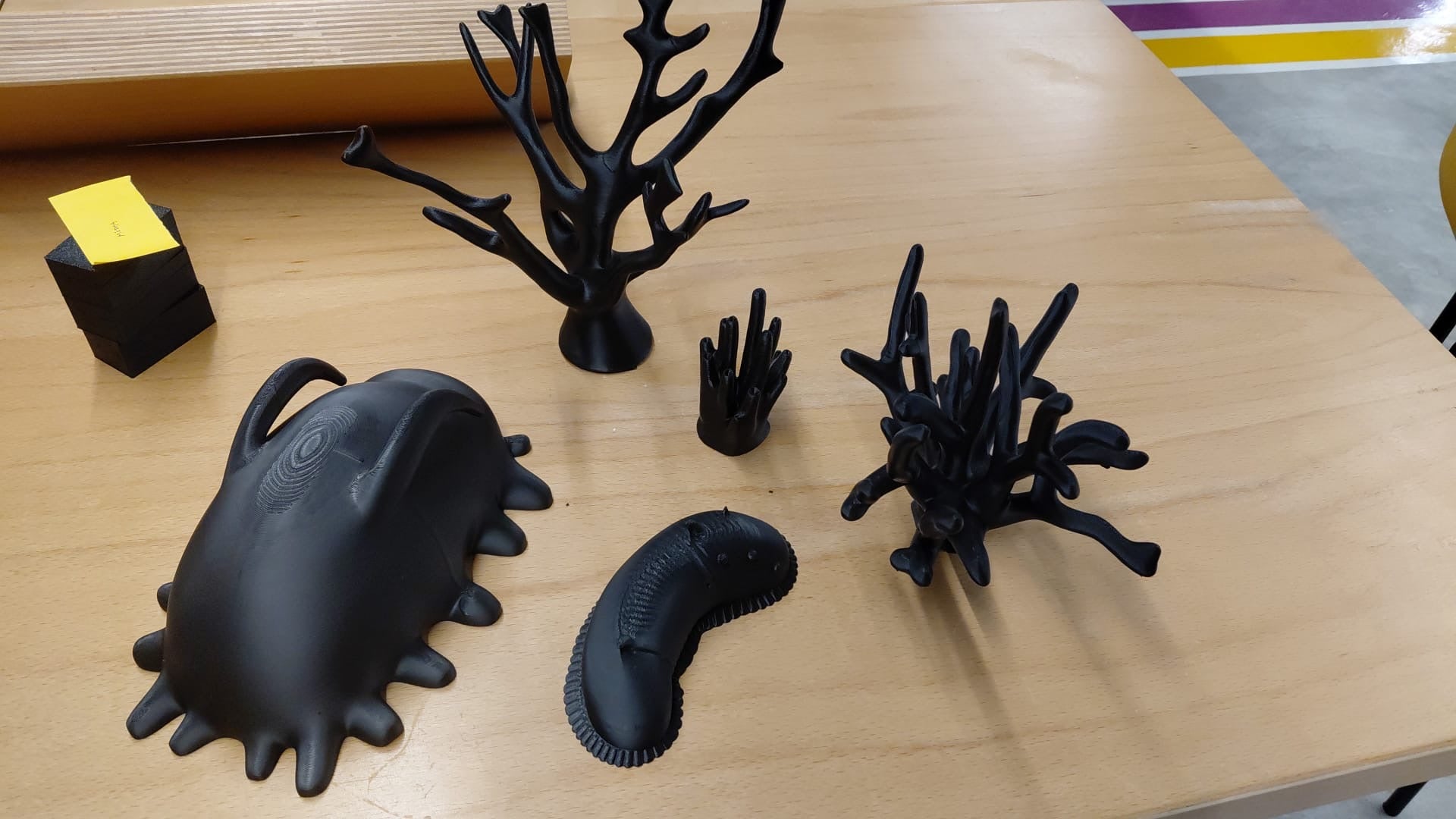
OceanFeel
Our project aims to make deep-sea discoveries more accessible to visually impaired individuals through an interactive haptic glove system that simulates marine creatures’ shapes and textures, supported by audio descriptions.
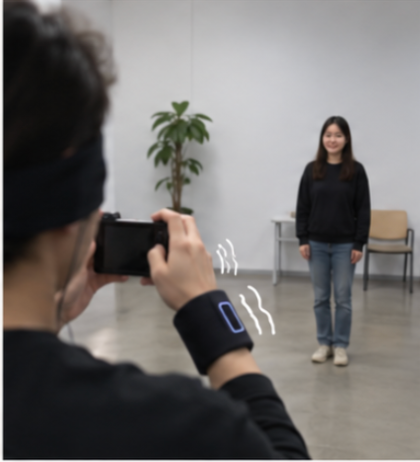
SenseShot
Our project enables blind and visually impaired people to take photographs more independently by translating camera-detected subject position and lighting conditions into intuitive vibration, thermal, and audio feedback through two wearable wristbands.
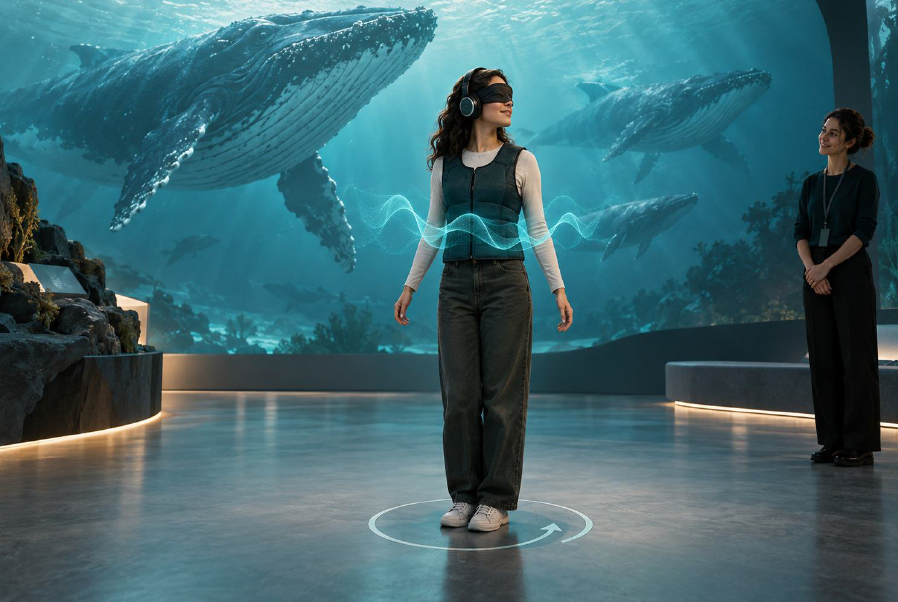
WhaleSignal
WhaleSignal is an interactive educational installation that combines spatial audio and a wearable haptic vest to help visitors understand how vessel noise disrupts humpback whale communication.
Acknowledgement
This event is supported by The James Dyson Foundation.