
Sustainable Innovation Studio
Do you know that only 7.2% of the global economy is circular? This means that more than 90% of materials are lost, wasted, or unused for long periods. Unfortunately, this situation is expected to worsen, and experts predict global waste production will increase by 70% by 2050. If this trend continues, pollution levels will rise, and we will need to extract more resources, which will cause irreversible environmental damage.
To address this challenge, we need to shift towards a circular economy that focuses on reducing waste, recovering resources at the end of a product's life, and reusing them in production. Successfully enacting this change will significantly decrease the negative impact on the environment. It will also create new jobs and commercial opportunities for businesses and improve the efficient use of natural resources.
Aside from reducing waste, Singapore also needs to reduce its carbon footprint especially in the energy sector. On a national scale, Singapore faces unique challenges due to its limited access to renewable resources and heavy reliance on natural gas, which currently supplies over 95% of its electricity. To meet its 2030 climate targets and move toward net-zero emissions by 2050, Singapore need to improve energy efficiency in its built environment and industries.
With significant environmental and economic benefits, many organisations are actively exploring ways to achieve sustainability. As leaders of tomorrow, we offer this studio as a platform for you to learn about sustainability and apply your creativity and innovativeness to help our industry partners accelerate their efforts toward achieving sustainability. Join us and help shape the future!
Project supervisors:
- Dr Jovan Tan (jovan@nus.edu.sg)
- Dr Elliot Law (elaw@nus.edu.sg)
Studio timeslot in Semester 2 AY2026/2027:
- Thursday 1 pm to 4 pm
Projects offered for CDE3301 in 2027
In this studio, you can form your own teams and propose your own projects or select one of the problem statements below from our project partners.
1. Next-generation sustainable beverage carton
Project partner: Lovearth Water Pte Ltd
Beverage cartons are perceived to be more sustainable because they are mainly paper-based, but are not as eco-friendly as they seem. Globally, only 26% of beverage cartons are recycled. This low recycling rate is due to their complex multilayer composition which comprises functional and adhesive layers. The multilayer structure of beverage cartons significantly complicates recycling as some of the composite layers are difficult to break apart and require specialised recycling equipment that is not widely available. Yet, to be truly sustainable, material separation is essential for effective recovery and reuse.
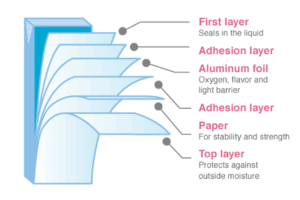
Thus, building on an existing sacrificial-layer proof-of-concept solution, this project aims to develop and prototype a functional carton with easily separable layers for high-quality fiber and polymer recovery, ensuring true circularity without compromising shelf life, barrier properties, or manufacturability. This project thus seeks to advance the development of a fully recyclable beverage carton that maintains the low-carbon advantages of current paper-based cartons while making end-of-life separation and recycling easier.
While this project is most suitable for students from Chemical Engineering, Materials Science and Engineering, and Mechanical Engineering, we welcome students from all disciplines who are passionate about sustainability to join this project!
2. Transforming PP5 plastic waste into 3D printing filaments
Project partner: NUS University Campus Infrastructure
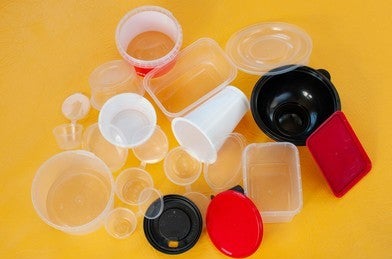
PP5 plastics, made from polypropylene, are often not recycled due to several practical and economic challenges. They require specialised sorting and processing, which many recycling facilities are not equipped to handle efficiently. Additionally, the low market demand for recycled PP5 and the relatively low value of the material make it less attractive for recyclers to invest in its recovery and reuse. As a result, most PP5 plastic waste are incinerated or end up in landfills.
To address this problem, this project aims to design a self-contained process and system to convert PP5 plastic waste into 3D printing filaments which can be recycled continuously to improve circularity of the material. Using the NUS campus as a testbed, the solution should be readily deployable and scalable. The project partner will provide mentorship, test-bedding opportunities for a small-scale pilot facility on campus, plastic waste as feedstock, and potentially a project grant.
While this project is most suitable for students from Industrial and Systems Engineering, Materials Science and Engineering, Mechanical Engineering, and Business, we welcome students from all disciplines who are passionate about sustainability to join this project!
Past projects
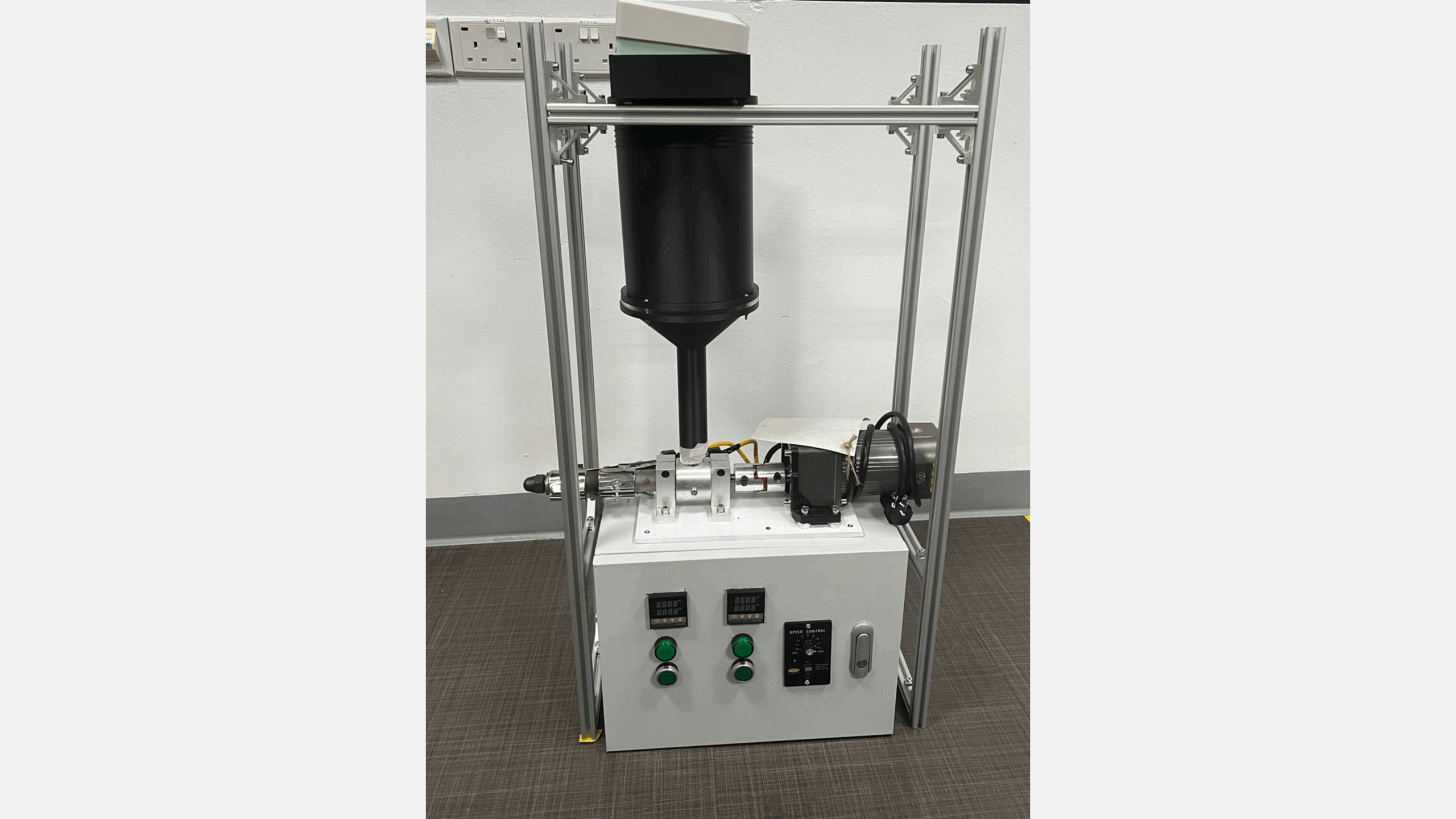
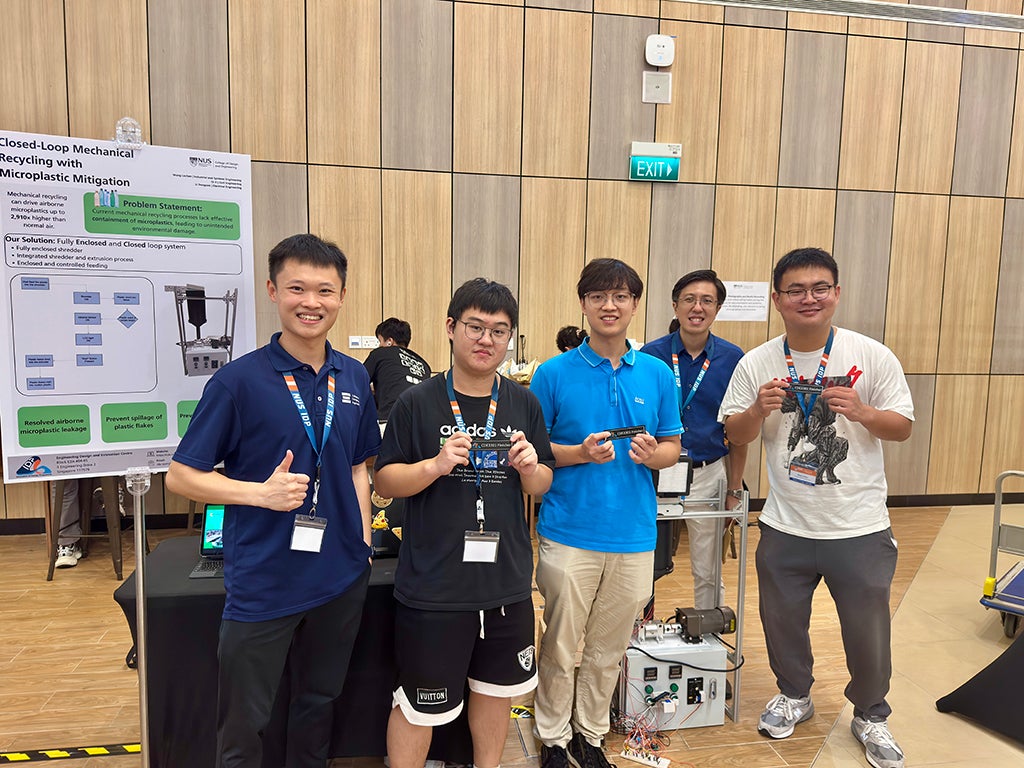
Closed-loop mechanical recycling with microplastic mitigation
In this project, we designed a closed-loop plastic recycling system to minimise production and leakages of microplastics to the environment.
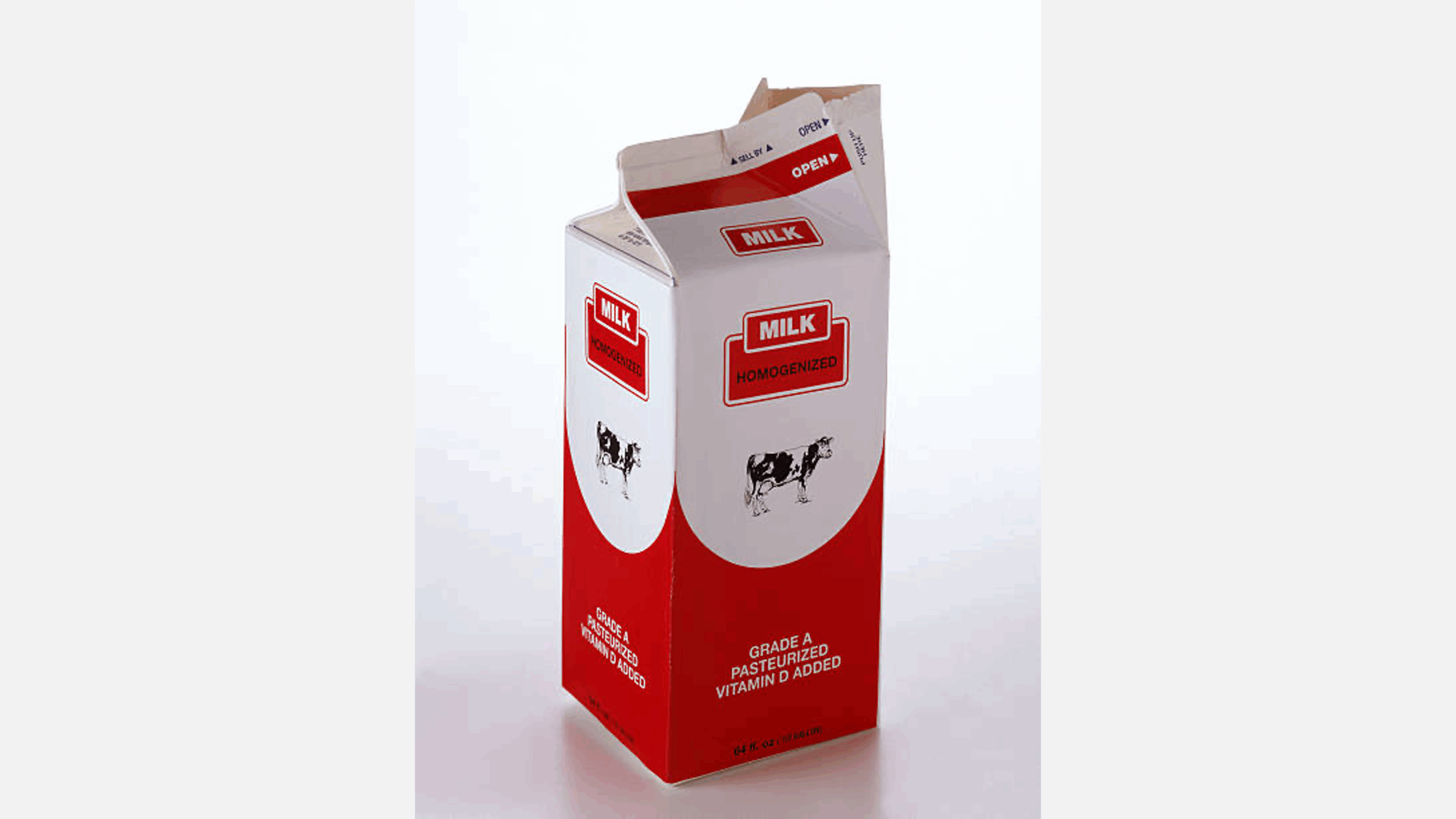
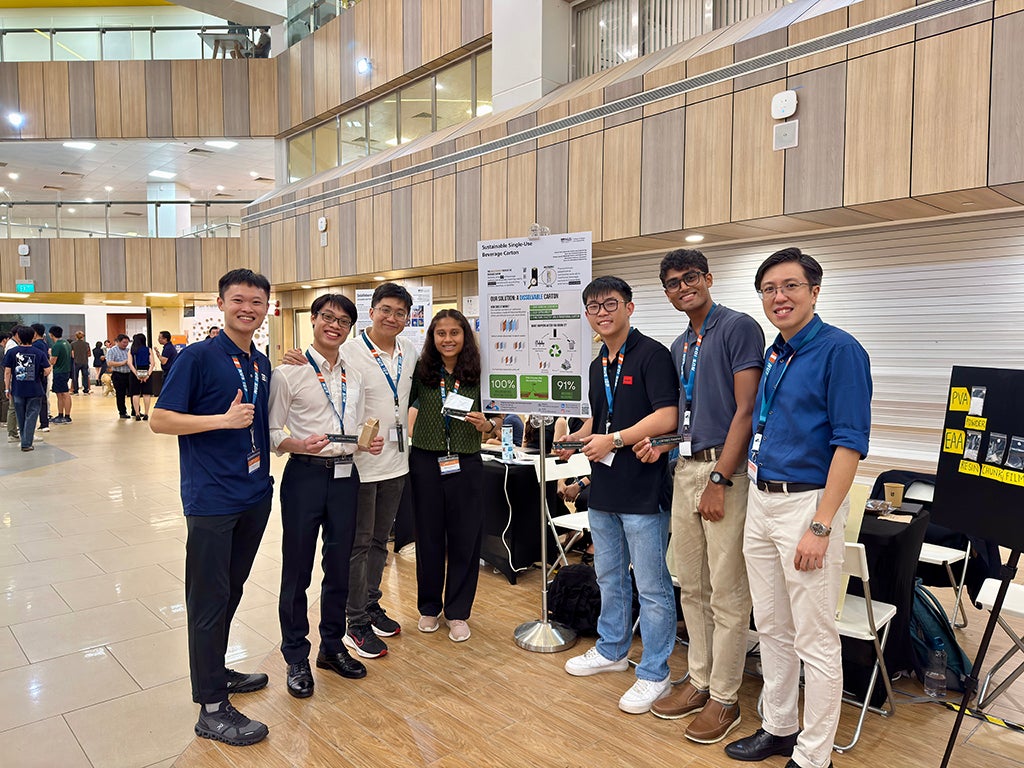
Sustainable single-use beverage carton (opens in new tab)
In this project, we developed a new adhesive that acts like a sacrificial layer to improve recyclability of single-use beverage cartons by enabling the layers of the carton to be more easily separable.
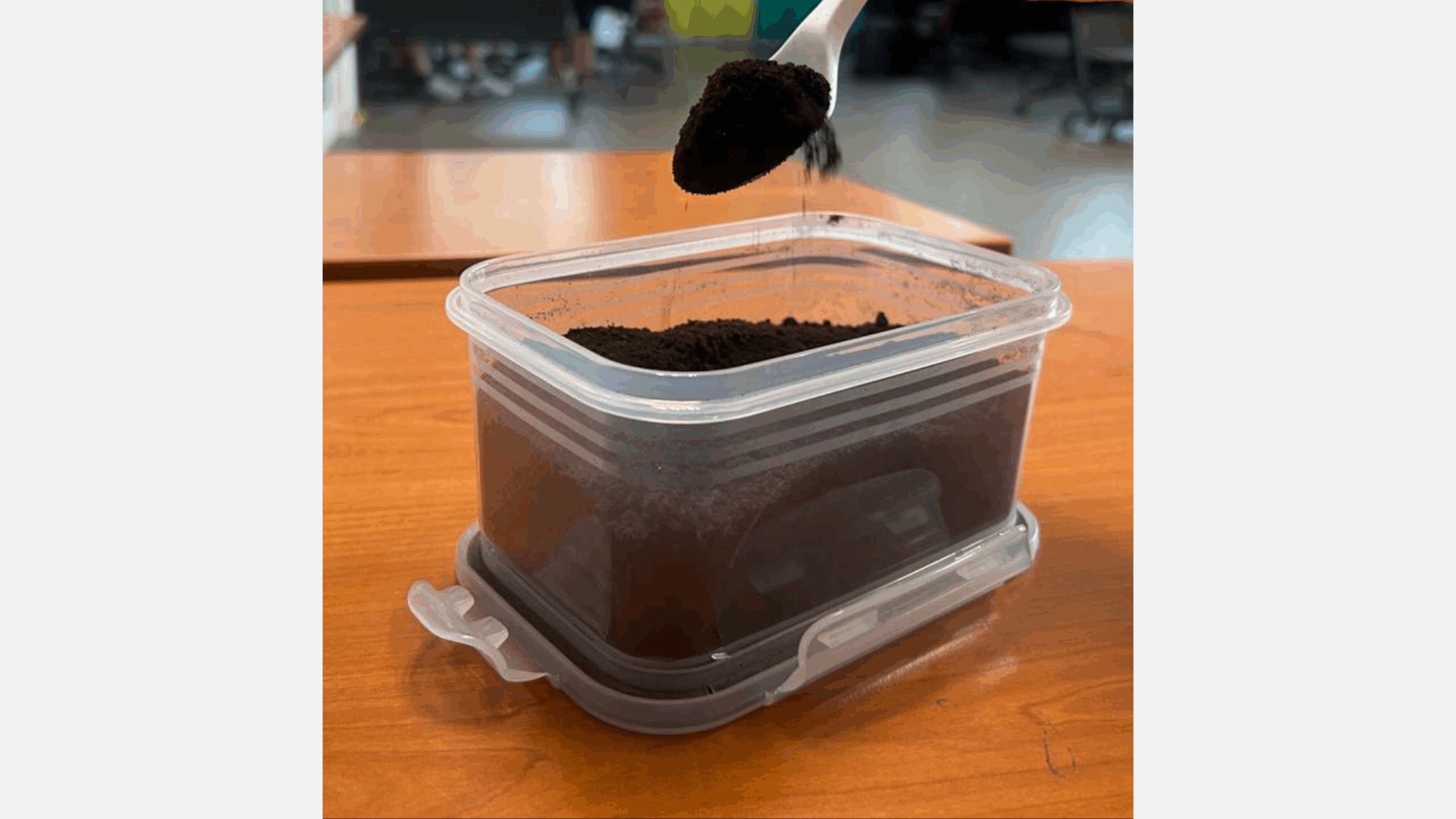
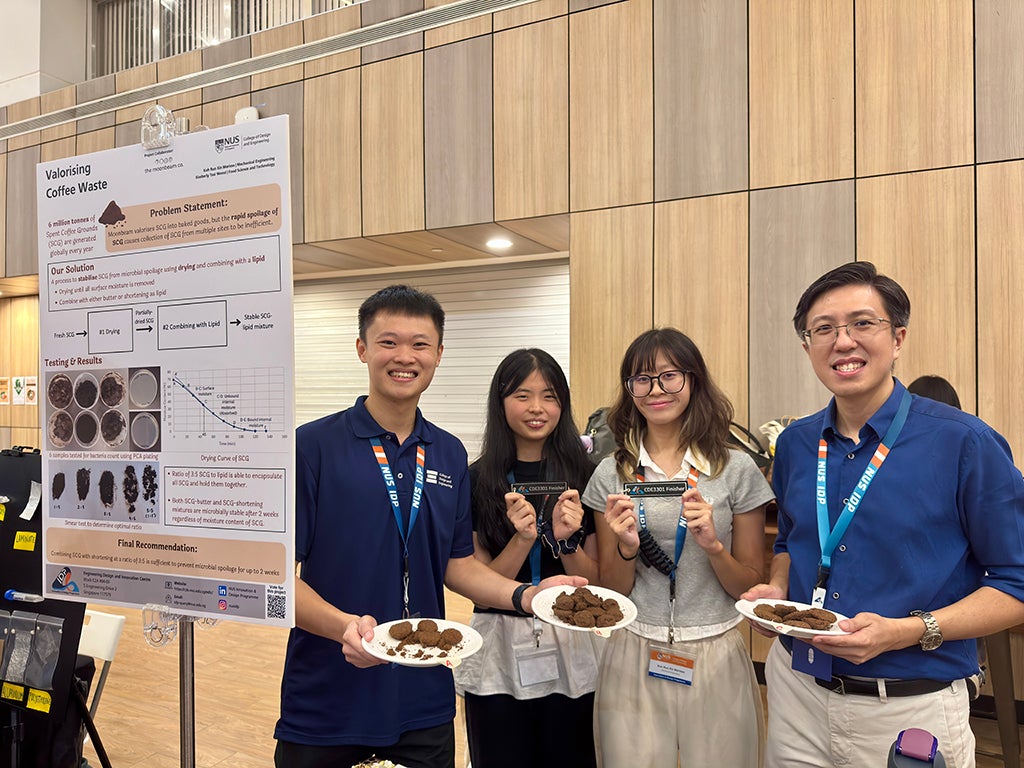
Valorising coffee waste (opens in new tab)
In this project, we designed a process to extend the shelf life of spent coffee grounds such that they can be repurposed into all-natural treats like cookies and granola, transforming coffee waste into a food-safe ingredient to brew a more sustainable future.
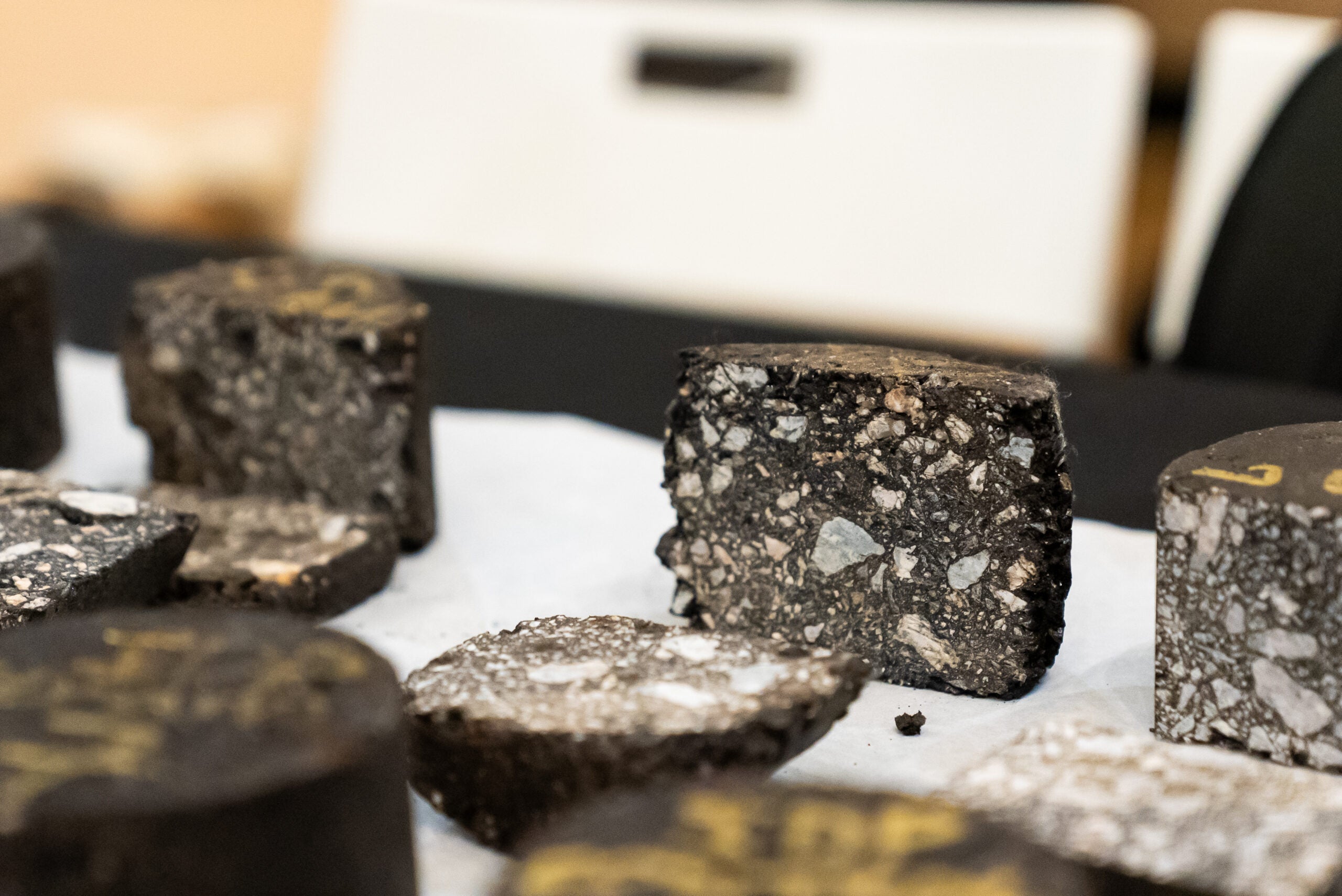
Chill Roads: cooling cities by taming asphalt heat (opens in new tab)
In this project, we developed a novel asphalt mix incorporating ceramsite and waste glass to reduce overall road temperatures and mitigate the urban heat island effect.
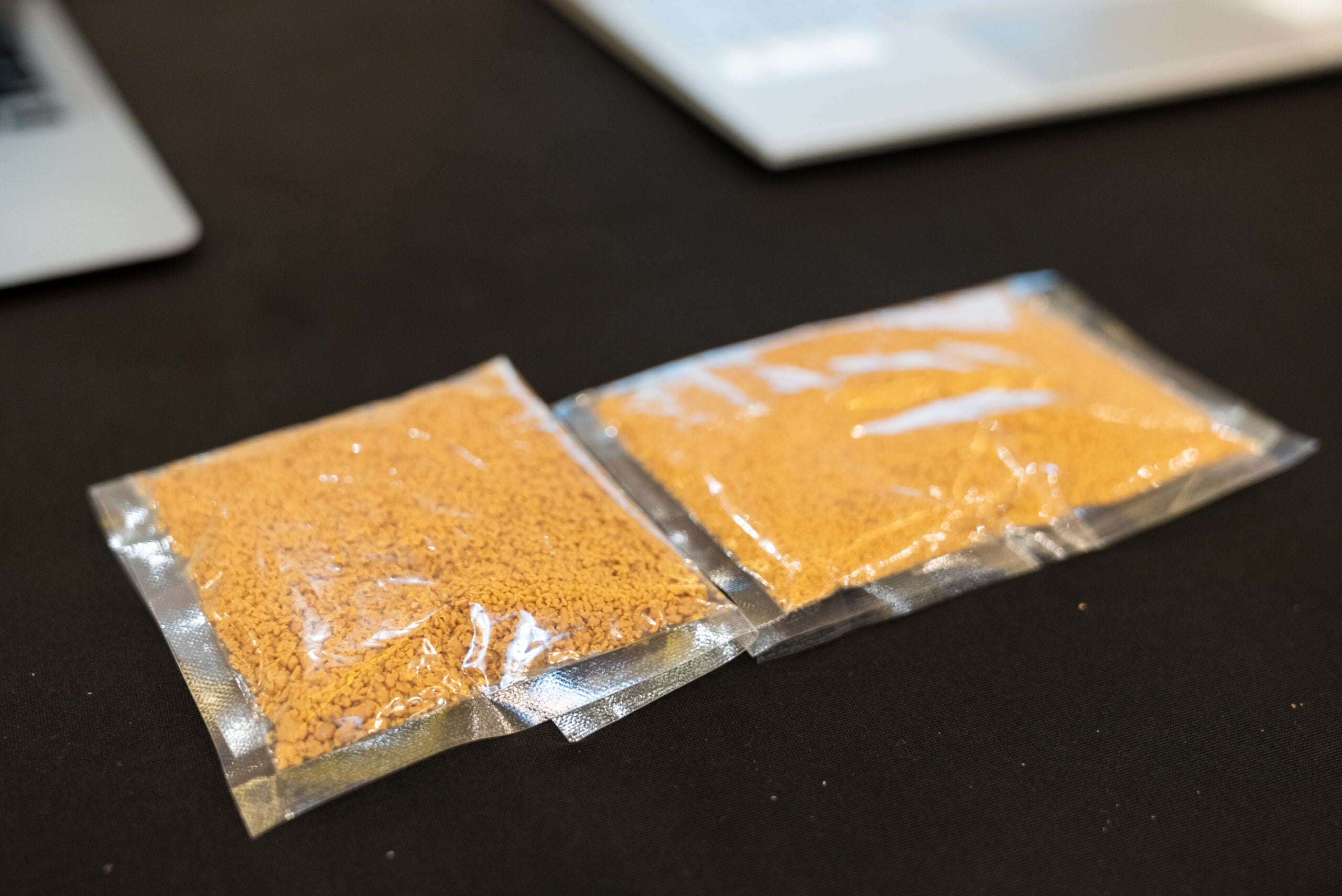
Myco-genesis: converting brewer’s spent grain into mycoprotein (opens in new tab)
This project aims to develop an optimised fermentation process that converts locally abundant brewer's spent grain into mycoprotein, effectively transforming this waste into a sustainable protein source to address food security and food waste challenges in Singapore.
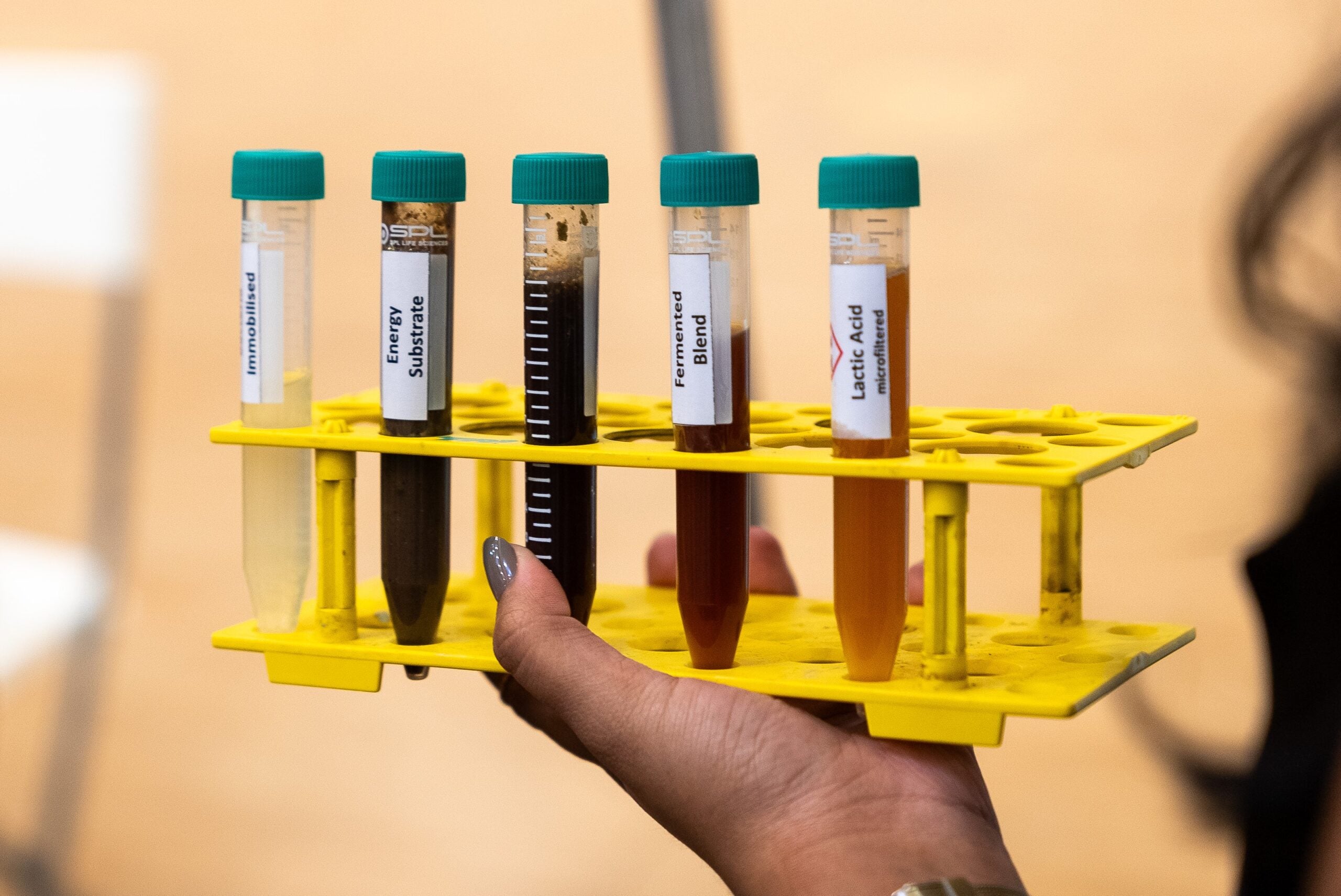
Valorisation of municipal food waste into lactic acid (opens in new tab)
Our project develops a novel, sustainable process to produce lactic acid through bacterial fermentation of municipal food waste, reducing carbon emissions and diverting waste from incineration.

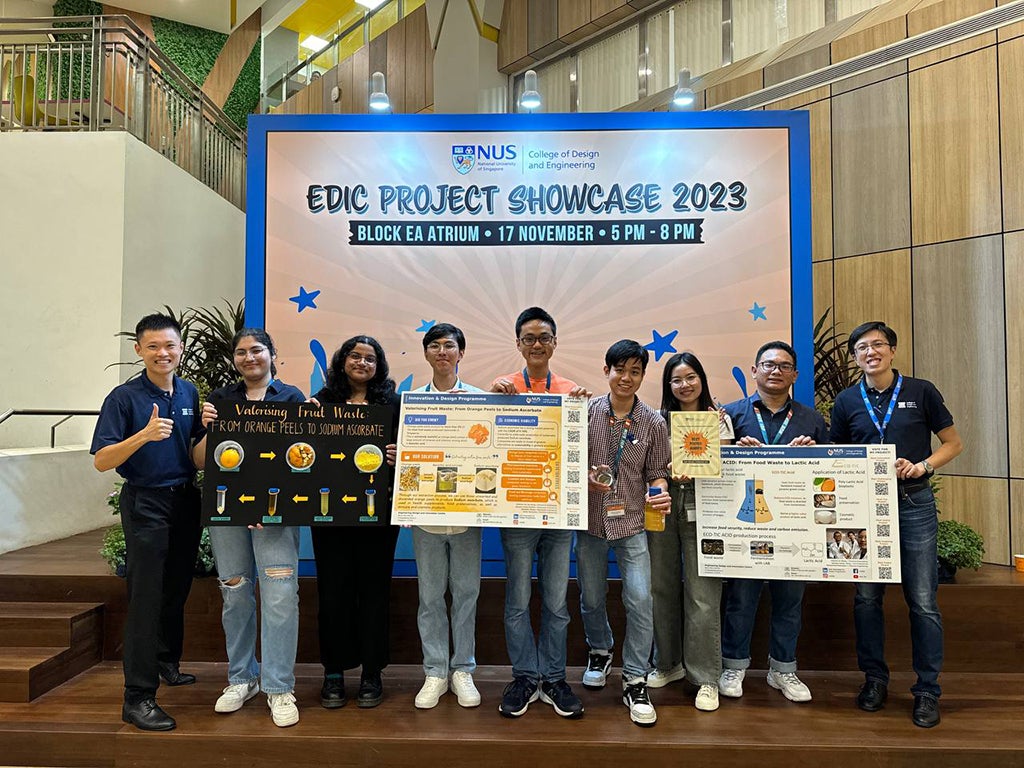
ECO-TIC Acid: from food waste to lactic acid
Through our process, lactic acid is harvested from municipal food waste. In lieu of the more common anaerobic digestion process, our process yields greater economic value with the lactic acid product.
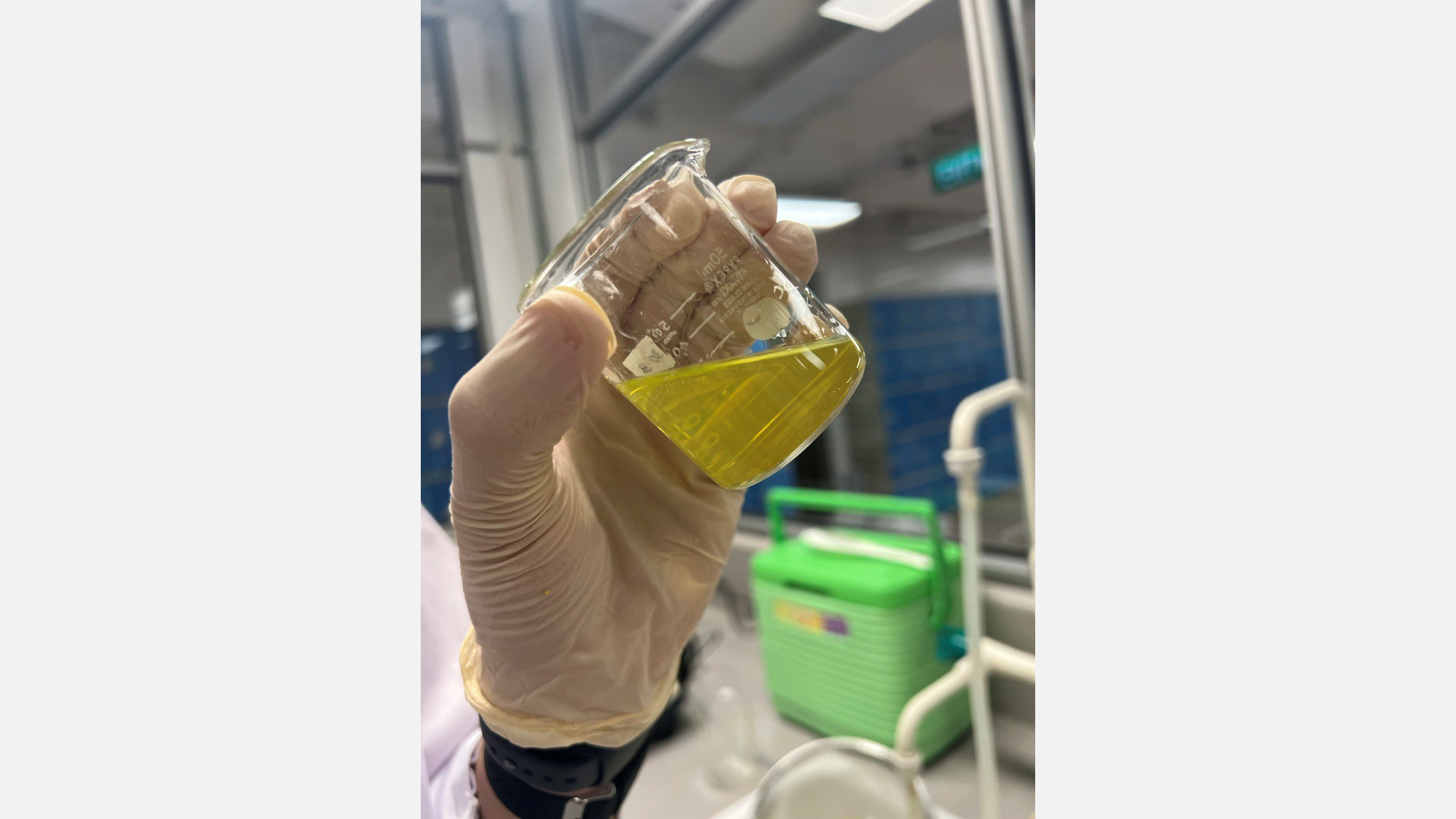
Valorising fruit waste: from orange peels to sodium ascorbate
This project aims to turn trash to treasure by extracting Vitamin C from fruit waste such as orange peels that can be used as feedstock for various processes.