


RESEARCH
DNA ‘barcode’ platform speeds search for precision cancer nanoparticles
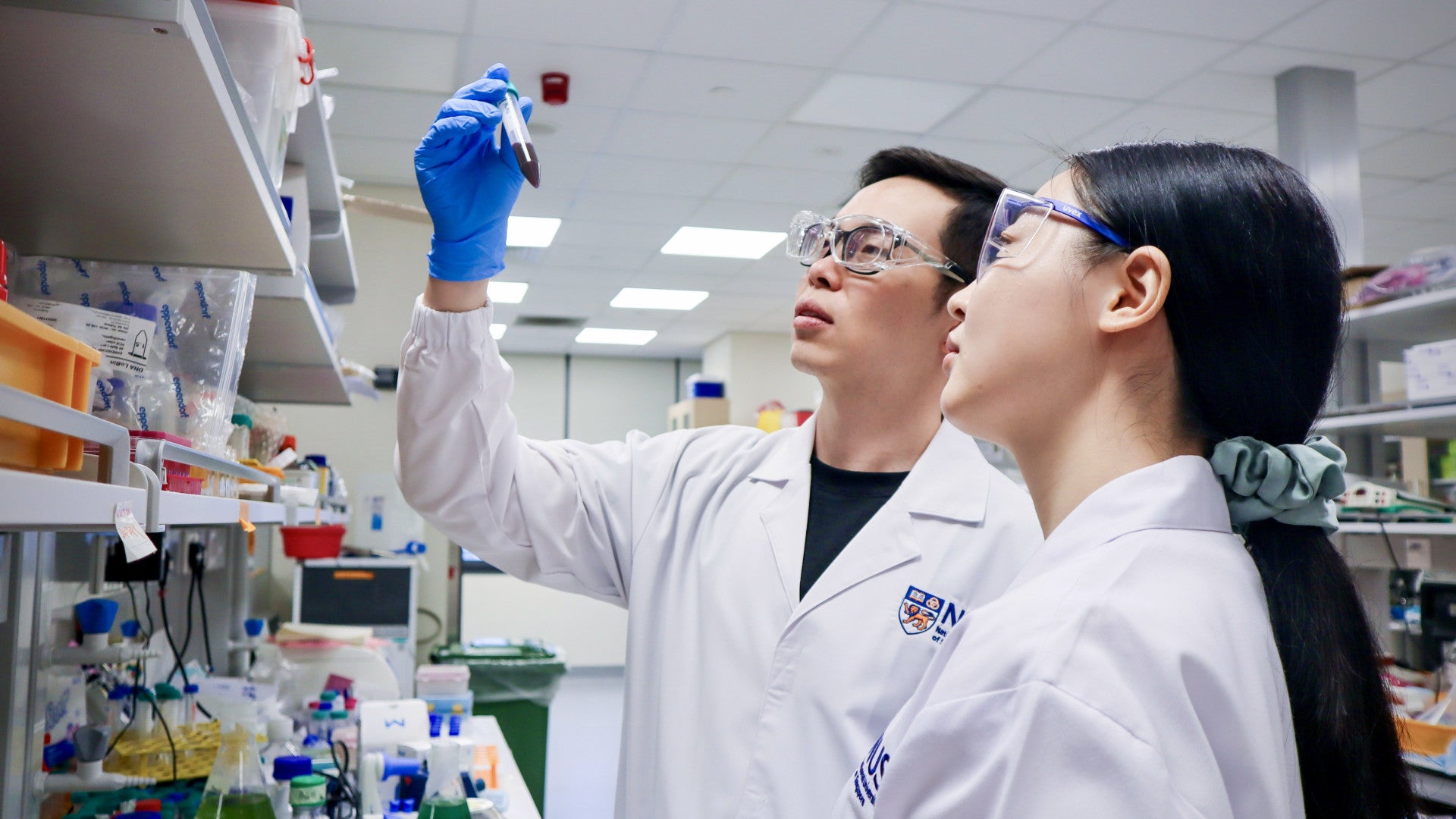
A new screening platform could dramatically speed up the development of precision cancer nanomedicine by identifying nanoparticles capable of delivering therapies directly to mitochondria inside cancer cells.
The method uses DNA “barcodes” to track and compare dozens of nanoparticle designs simultaneously in living tumour models, allowing researchers to rapidly pinpoint the most effective candidates for targeted drug delivery.
Research led by Assistant Professor Andy Tay developed the high-throughput platform to systematically evaluate how nanoparticle design, including shape, size and surface chemistry, influences the ability of nanoparticles to accumulate in tumours and reach mitochondria, the energy centres inside cells.
Among the candidates tested, two formulations emerged as standout performers. One, a folic acid-modified cubic gold nanoparticle, achieved 99 per cent tumour regression in preclinical studies when used in a combined treatment involving mitochondria-targeted RNA therapy and mild photothermal therapy.
The study demonstrates how large libraries of nanomaterials can be screened efficiently inside living systems, providing a rational framework for designing nanoparticles that deliver drugs with far greater precision.
Read more here
Eyes that photosynthesise: CDE scientists plant a cure for dry eye disease

Drawing inspiration from how plants harness sunlight, researchers led by Associate Professor David Leong Tai Wei are pioneering a revolutionary treatment for dry eye disease. Their approach uses a light-activated technology derived from the photosynthetic membranes of the spinach plant, enabling the eye to stay continuously hydrated.
Dry eye disease, also known as keratoconjunctivitis sicca, is one of the most common eye conditions, affecting more than 1.5 billion people worldwide. At the cellular level, the disease is driven by a vicious cycle. Inflammation in the corneal region generates reactive oxygen species (ROS), chemically aggressive molecules that damage cells. Healthy eyes can neutralise ROS through antioxidant production that is driven by Nicotinamide Adenine Dinucleotide Phosphate (reduced form) (NADPH). But in inflamed eyes, ROS levels overwhelm the cornea’s natural defences, resulting in the generation of even more ROS – a death spiral.
The research team has developed a fundamentally different approach by transplanting functional plant-derived photosynthetic machinery into corneal cells, enabling them to harvest ambient light and produce NADPH independently from the cells’ own NADPH production pathways. In preclinical studies, the technology, delivered as simple eye drops at doses so low that it does not interfere with colour perception, reversed corneal damage to near-healthy levels within five days, outperforming Restasis®.
Better transport begins with understanding behaviour

Every day, millions of small decisions - whether to drive, take the train, or change routes - shape how cities move.
In the latest of our profile videos of Presidential Young Professors at CDE, Assistant Professor Prateek Bansal explains how his research studies these decisions at both the individual and city scale.
At the Behavioural Computational Science Lab, his work combines behavioural science, artificial intelligence and large-scale data to understand how people make transport choices and how those choices collectively shape traffic patterns, congestion and demand.
By using these insights to build “mobility digital twins”, virtual models grounded in real human behaviour, his research helps cities test policies, forecast demand and design transport systems that perform in the real world.
Watch the video here
Solar-powered drone flies past four-hour mark in endurance milestone
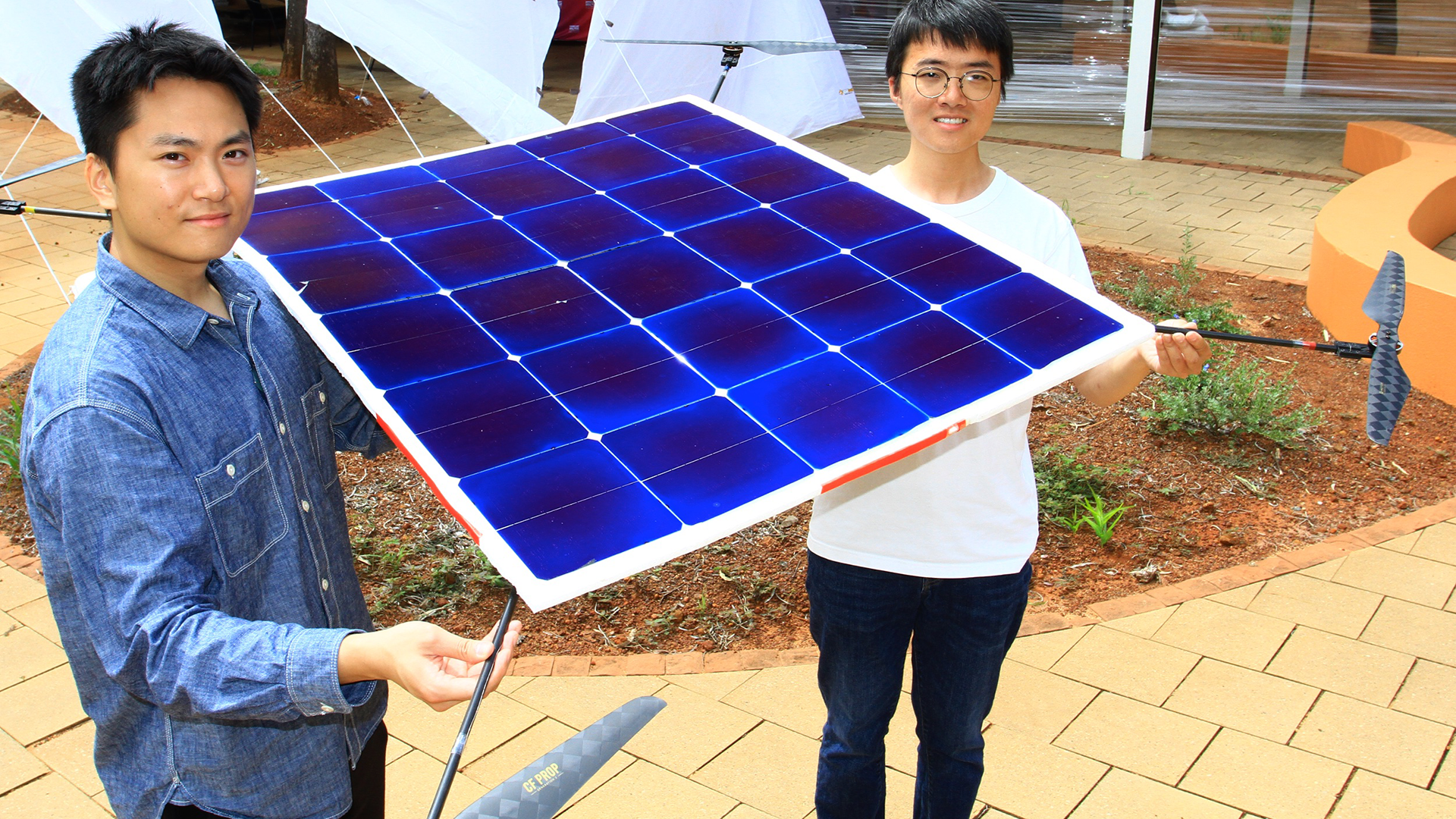
A student team has pushed drone technology past a key milestone, flying a fully solar-powered quadcopter for four hours and 25 minutes without any onboard battery.
The flight, conducted in Alice Springs, Australia, went well past the current official world endurance record of three hours and 15 minutes for multirotor drones, marking a significant step forward in ultra-long-endurance drone flight.
Developed by a small team supervised by Associate Professor Aaron Danner, the drone is powered entirely by sunlight, with solar cells driving its motors directly.
“Our aim was to see how far we could push flight time using only solar energy,” said Zhang Dewen, the PhD student leading the project. “Exceeding four hours showed that, with the right combination of efficiency and control, sustained solar flight is possible.”
Unlike conventional drones, which typically fly for around 20 minutes before needing to recharge, the aircraft requires no charging and can remain airborne as long as sufficient sunlight is available.
Read more here
DID Contributions at CHI Conference 2026
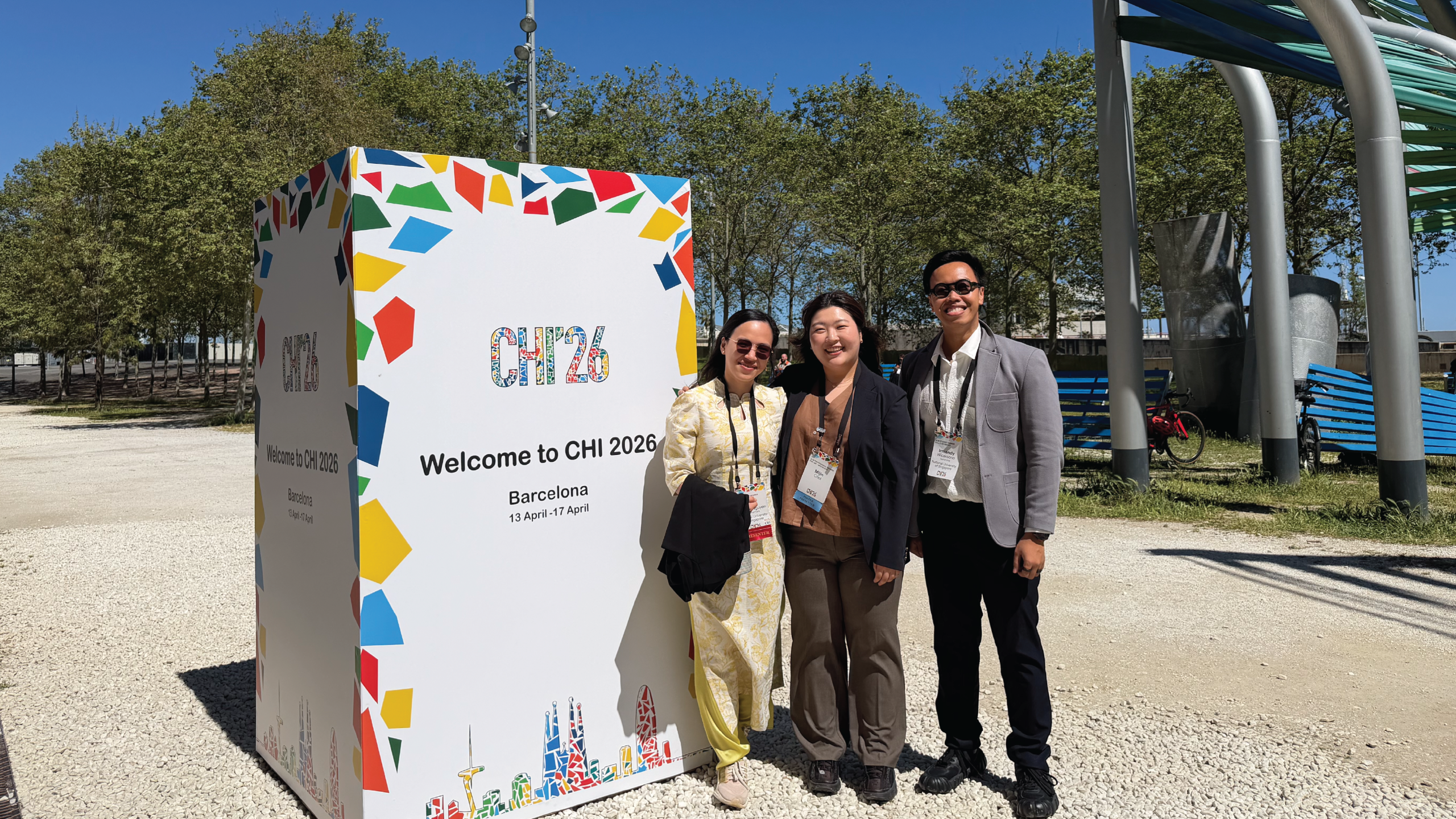
Faculty and researchers from the Division of Industrial Design presented their work in this year’s CHI Conference 2026, the leading international conference on Human-Computer Interaction, which took place in Barcelona from 13-17 April.
The ACM (Association for Computing Machinery) CHI Conference on Human Factors in Computing Systems has gathered researchers and practitioners, students and academics worldwide annually since 1982.
The conference accepted four research papers, one workshop, a poster and a faculty member attended and contributed to a meet-up:
Paper: Rememo: A Research-through-Design Inquiry Towards an AI-in-the-loop Therapist’s Tool for Dementia Reminiscence
- DID Contributor: Celeste Seah (Class of 2024), Adj. Assoc Prof Jung-Joo Lee, Assoc Prof Ching-Chiuan Yen, Asst Prof Clement Zheng, Interactive Materials Lab
- Other contributors: Yoke Chuan Lee
Paper: "It's Messy...But I Feel Balanced": Unpacking Flexible Worker's Rhythm-Making Practices Using Asset-Based Approach
- DID Contributor: Tse Pei Ng (Design Researcher), Daniel Campos Muniz (PhD Student), Aw Ker Wey (Class of 2025), Adj Assoc Prof Jung-Joo Lee, Asst Prof Janghee Cho, Joyful Experiences in Design & Interaction (JEDI) Lab
- Other contributors: Yiyang He
Paper: Toward Pluralizing Reflection in HCI Through Daoism
- DID Contributor: Aaron Pengyu Zhu (Design Researcher), Asst Prof Janghee Cho, Joyful Experiences in Design & Interaction (JEDI) Lab
- Other contributors: Kristina Mah
Paper: Constructing Everyday Well-Being: Insights from God-Saeng (God生) for Personal Informatics
- DID Contributor: Asst Prof Janghee Cho
- Other contributors: Inhwa Song, Kwangyoung Lee, Amon Rapp, Hwajung Hong
Workshop: From Papers to the Real World: Making Fabrication Research Matter
- DID Contributor: Asst Prof Clement Zheng
- Other contributors: Hyunyoung Kim, Daniel Ashbrook, Andrea Bianchi, Jack Forman, DPV Joseph Jayakody, Sara Nabil, HyunJoo Oh, Thomas Pietrzak, Thijs Roumen, Valkyrie Savage, Lining Yao
[Meet-up] Meet ACM Transactions on Computer-Human Interaction: Submitting, Getting Accepted, and Being Involved
- DID Contributor: Asst Prof Irmandy Wicaksono
- Other contributors: Kasper Hornbaek, Tiffany D. Do, Sanchari Das, Christopher Frauenberger
Poster: Dasdaq: Reimagining Dreams as Creative Assets in Human-AI Systems
- DID Contributor: Mijin Choi (PhD Student)
- Other contributor: Jeongmin Hong
Together, these contributions presented our researchers and the Division on a global stage, sharing insights from meaningful collaborations while shaping the future of Human-Computer Interaction.
ISEM team featured in May 2026 issue of IISE Transactions
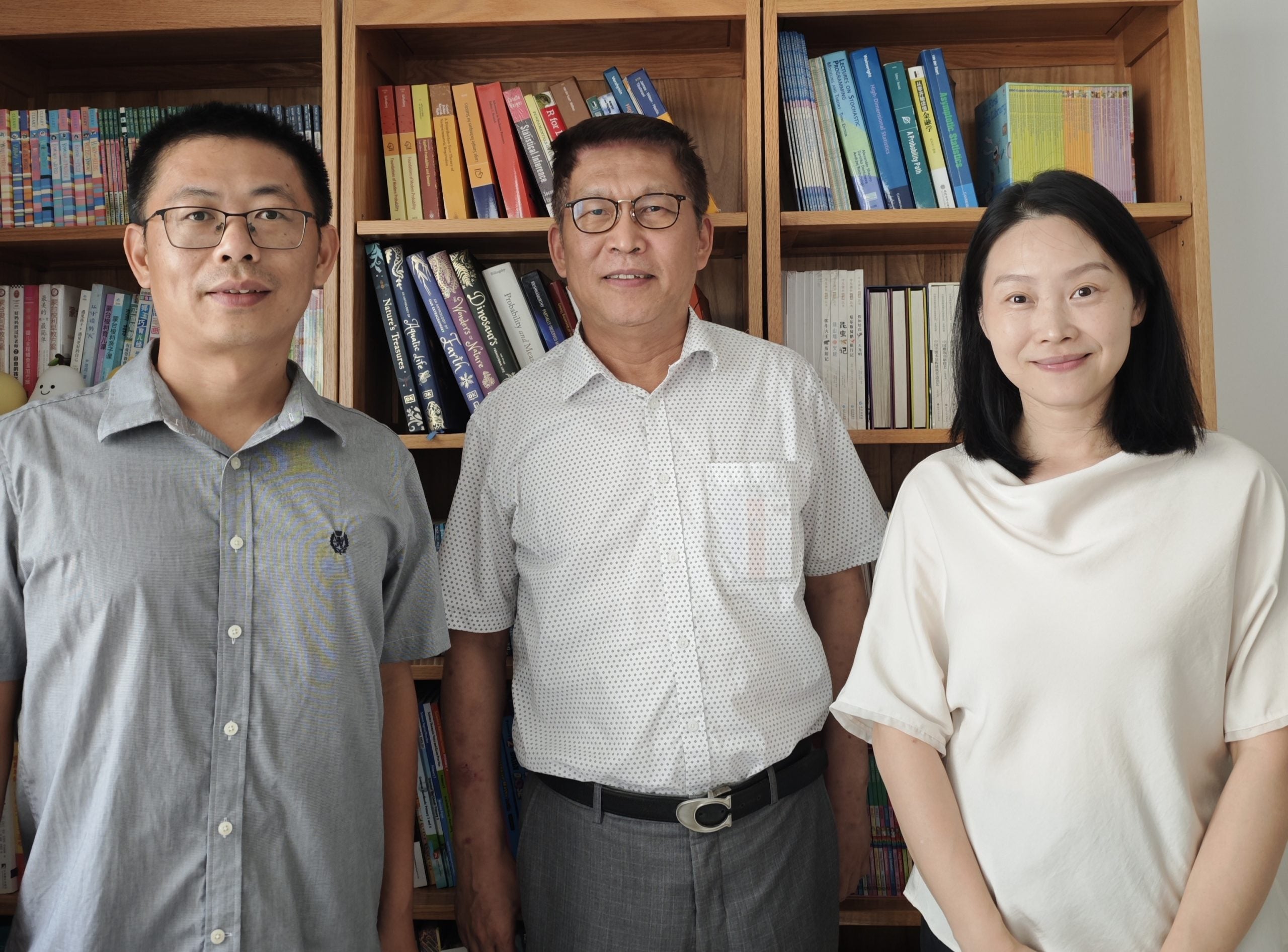
A research team has developed a new method for prioritising infrastructure repairs across spatially distributed systems.
In the study, doctoral student Ye Xin worked with Professor Tang Loon Ching and Professor Ye Zhisheng, together with collaborator Dr Shen Lijuan from James Cook University, to formulate the repair priority problem as a continuous-time Markov decision process (MDP). Based on this framework, the team explored the structure of optimal priority assignment policies and developed a new heuristic approach informed by these structural insights.
The work was published in the May 2026 issue of IISE Transactions and featured in the April 2026 issue of Industrial and Systems Engineer Magazine.
Researchers develop safer all-solid-state sodium battery with low-cost 2D material
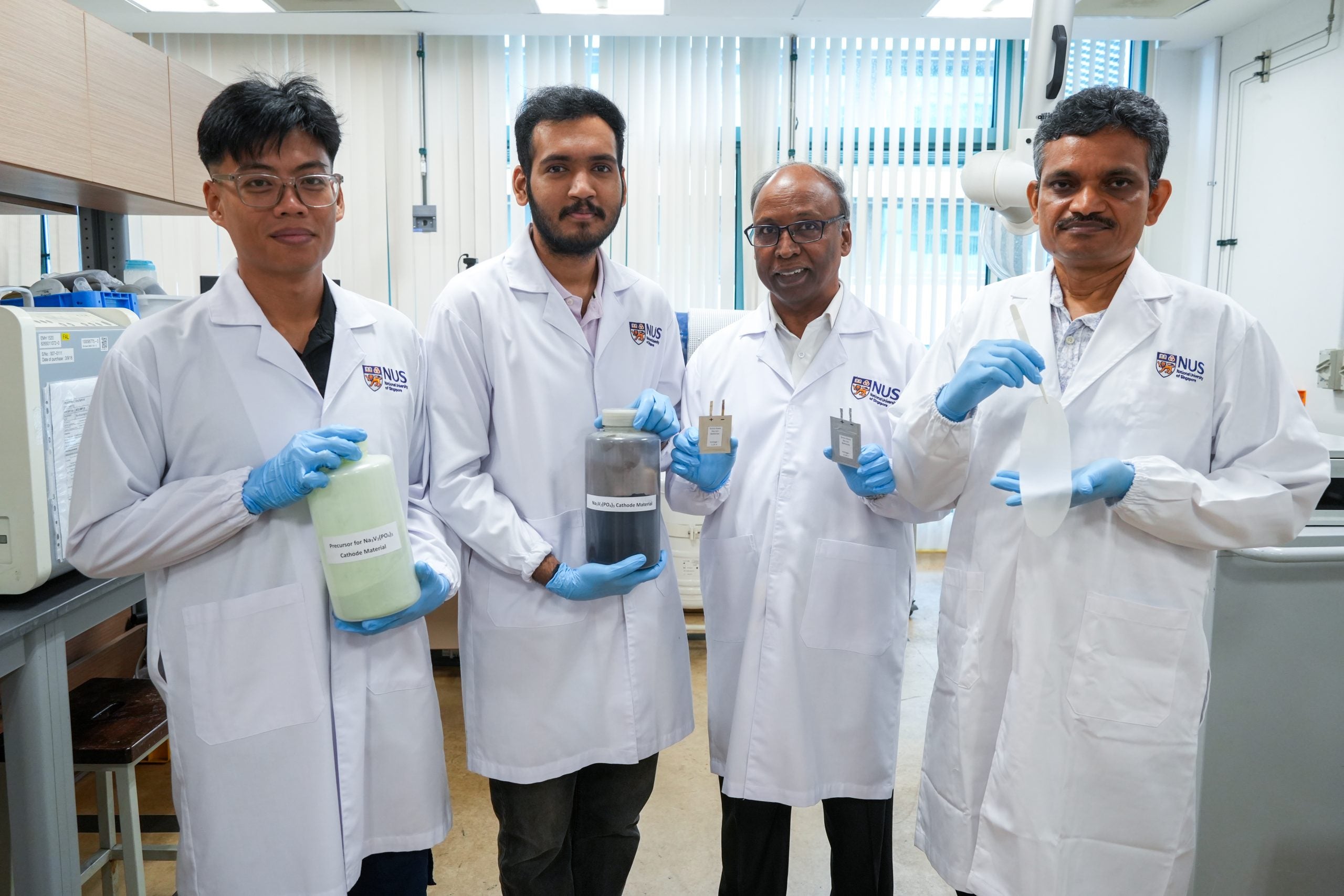
Lithium-ion batteries dominate the market for large-scale energy storage today. However, the element’s uneven global distribution and rising costs are driving the search for alternatives. Sodium is roughly a thousand times more abundant in the Earth’s crust and can be extracted from seawater, making sodium-ion batteries a compelling option for grid-scale storage where cost and supply security are paramount.
The safety aspect of such batteries has been an obstacle. Most sodium-ion batteries rely on liquid electrolytes that are flammable and prone to leakage, posing risks in large-scale installations. Solid polymer electrolytes could eliminate these hazards, but they conduct sodium ions too slowly and form unstable contact with the sodium metal negative electrode. Over time, needle-like metal growths called dendrites push through the polymer, short-circuiting the battery, leading to thermal runaway.
A team led by Associate Professor Palani Balaya from the Department of Mechanical Engineering under the College of Design and Engineering at the National University of Singapore, has now overcome both challenges with a single, low-cost additive. The advance opens a scalable pathway towards safe, affordable all-solid-state sodium batteries for applications ranging from grid-scale energy storage to electric vehicles.
Read more here
Hydrogel combines flexibility with extreme impact resistance
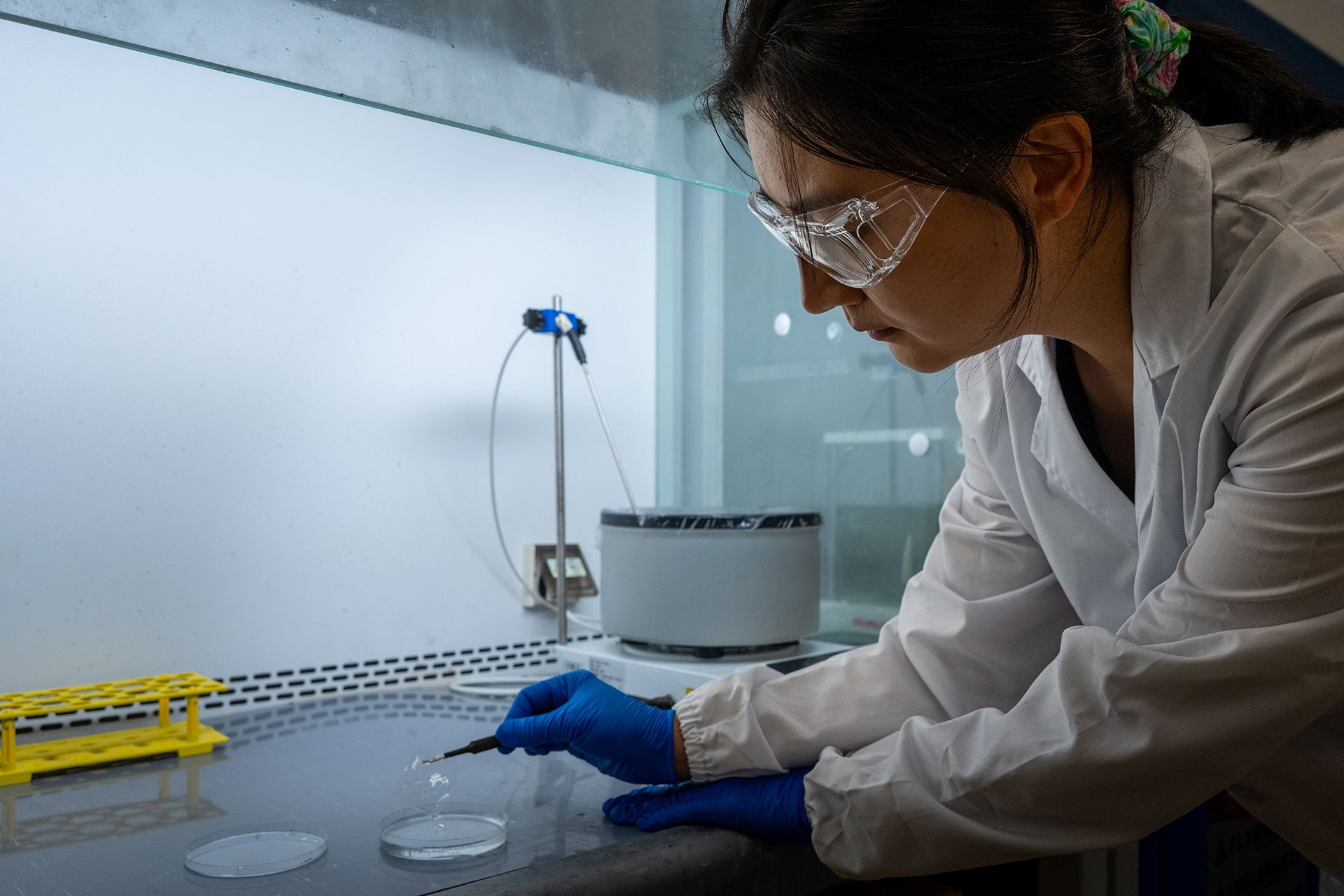
Researchers led by Assistant Professor Zhai Wei, have developed a new type of hydrogel that combines flexibility with the ability to handle extreme force.
Drawing on insights from how natural materials such as mother-of-pearl manage impact, the team developed a hydrogel using salts to strengthen the material and improve how its internal structure holds together, allowing it to absorb and disperse impact more effectively. The result is a material that withstands very high-speed impacts, reduces the force transferred during a hit and remains strong and flexible after repeated impacts
“We wanted to understand how soft materials can be engineered to withstand extreme impact, while still remaining flexible,” Asst Prof Zhai said.
In one test, a 1 mm-thick layer of the hydrogel was able to protect a glass slide from the impact of a steel ball, showing how effectively the material can protect against sudden impact.
Read more here
Major Grants Awarded
The major grants (start date in May 2026) with total project value > $1M.
| Hosting Unit | Project Title | Funding Programme (Source of Funding) |
Principal Investigator | Co-Investigator |
| DBE | MIDAS: Multimodal LLM-driven Intelligent Design-for-Safety Advisory System | Smart nation and digital government translational R&D (Trans2.0) grant - 2025/MDDI | Goh Yang Miang | Yeoh Ker-Wei, Justin |
| CEE | Zoonotic pathogen risks from urban birds in Singapore | Biosurveillance Research Programme (BIORP) – 2025/NRF | Gin Yew-Hoong, Karina | Rheindt, Frank Erwin (Biological Sciences); Seow Wei Jie (Dean's Office (SSH Sch Of Public Health)) |
| CEE | Experimental and Numerical Study on Wave Overtopping Limits and Structural Damage | Coastal protection and Flood management Research Programme (CFRP) – 2026/NRF | Lei Jiarui, Gary | Li Yuzhu, Pearl; Qian Xudong; |
| ChBE | Plug-and-play carbon capture for the space-constrained ships and carbon-negative emission for biofueled engine | NRF Central Gap Fund – 2025/NRF | Zhang Sui | |
| ChBE | Pilot-Scale Evaluation of Membrane Technology for Carbon Capture | Low-Carbon Energy Research (LCER) Phase 2 acceleration funding initiative – 2026/A*STAR | Zhang Sui | Wu Zhe |
| CEE | Integrated Coastal Protection Armour System (XblocPlus) with Smart Remote Monitoring System (SRMS) | Coastal Protection and Flood management Research Programme (CFRP) - Living Lab – 2025/NRF | Law Wing Keung, Adrian | |
| CEE | Field testing of watertight modular units retrofitted on existing coastal protection structures to protect against sea level rise | Coastal Protection and Flood management Research Programme (CFRP) - Living Lab – 2025/NRF | Chew Soon Hoe | Goh Siang Huat; Lei Jiarui, Gary |
| CHI | Closed-Loop Carbon Capture and Utilisation: From AI-Guided Adsorbent Design to Scale-Up Process Engineering | Low-Carbon Energy Research (LCER) Phase 2 acceleration funding initiative – 2026/A*STAR | Zhao Dan; Jiang Jianwen | |
| iHealthtech | Continuous and real-time monitoring of upper gastrointestinal bleeding with an ingestible frequency-multiplexed self-oscillator | MOH NMRC Open Fund Individual Research Grant (OF-IRG) – 2025/MOH | Liu Yuxin | So Bok Yan, Jimmy (Surgery) |
| ChBE; CHI | Scale-up Methane Pyrolysis for Sustainable Hydrogen and Value-added Carbon Nanotube Production via Novel Catalytic Membrane Reactor | Low-Carbon Energy Research (LCER) Phase 2 acceleration funding initiative – 2026/A*STAR | Sibudjing Kawi | Wang Chi-Hwa; Saif A Khan; Lim Wee Chuan, Eldin; Ho Ghim Wei |
| NAII | CATALYST - Catalysing AI for Stress Testing and Advanced Learning for Marine & Offshore SYSTems | Research, Innovation & Enterprise (RIE) Innovation Infrastructure Grant – 2026/Enterprise Singapore | Gianmarco Mengaldo | |
| ARC; TMSI | Project Lenur | DSO National Laboratories | Cecilia Laschi | Chew Chee Meng; Marcelo H Ang Jr; Mandar Anil Chitre |
| SHINE | Detachable Fiber Array Unit for Co-Packaged Optics | Stats Chippac Management Pte Ltd, Singapore | Lim Yeow Kheng | |
| iHealthtech | MetaSens: An Optoelectrochemical Metadevice for Non-invasive Monitoring of Metabolic Health | A*STAR Manufacturing, Trade and Connectivity (MTC) Programmatic Fund – 2025/A*STAR | Liu Yuxin | Li Ling Jun Queenie (Obstetrics & Gynaecology) |
| iHealthtech | MetaSens: An Optoelectrochemical Metadevice for Non-invasive Monitoring of Metabolic Health | A*STARManufacturing, Trade and Connectivity (MTC) Programmatic Fund – 2025/A*STAR | Lim Chwee Teck |