


RESEARCH
Tsinghua-NUS researchers share progress from joint research projects
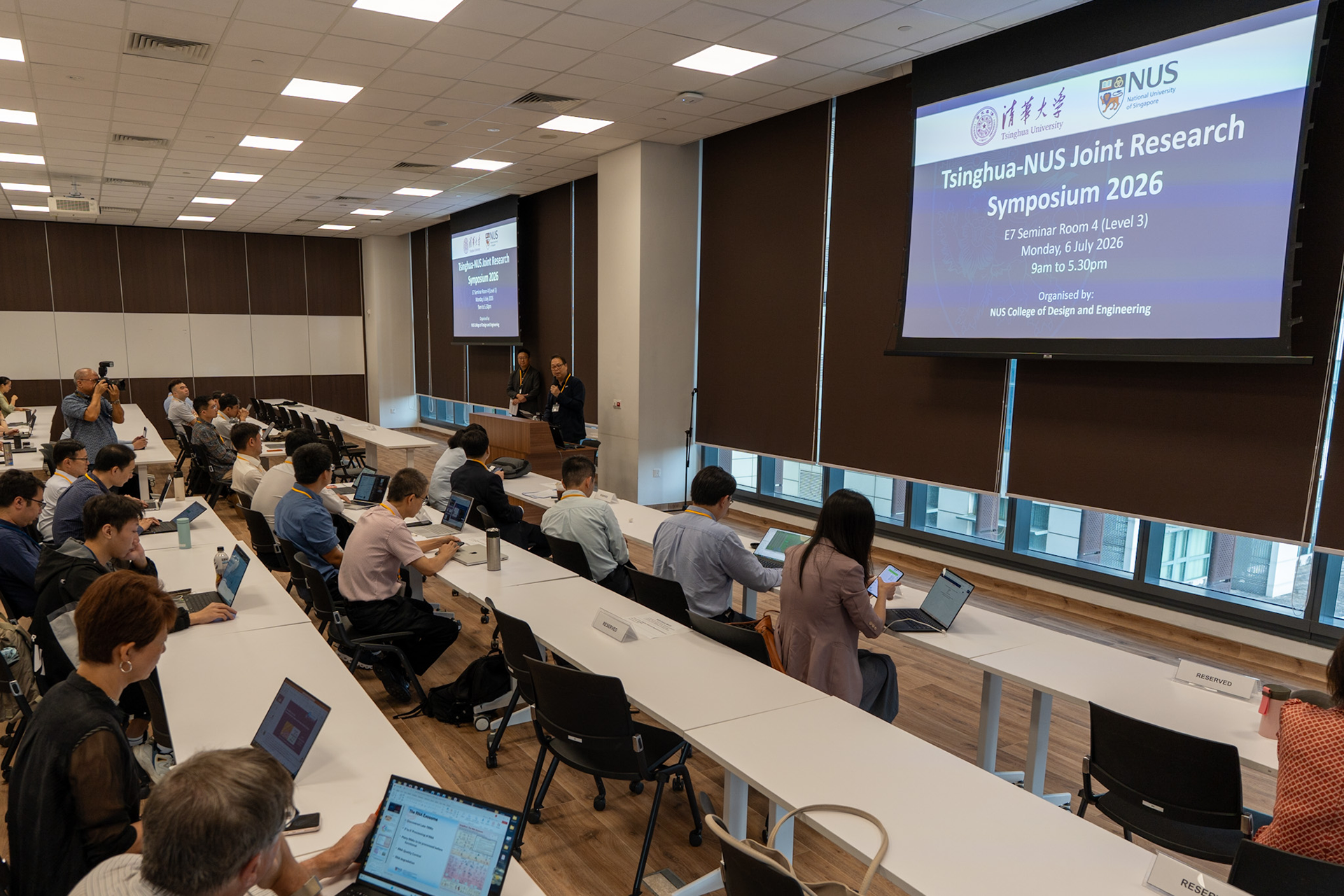
Bringing together the complementary strengths of NUS and Tsinghua University and demonstrating how collaboration can help address complex problems more effectively. That was the message from CDE Dean Professor Kie Leong Teo, opening the Tsinghua-NUS Joint Research Symposium on 6 July 2026.
The symposium brought together researchers from both universities to share progress from 14 projects supported under the first Tsinghua-NUS joint funding call, spanning fields including AI, healthcare, advanced manufacturing and materials innovation.
Nine of the projects presented at the symposium included faculty from CDE, with work ranging from smart haptics and AI agents for healthcare training, to wireless neural modulation, human-centred AI for urban planning, and advanced quality control for semiconductor manufacturing. Alongside CDE, other NUS faculties involved in the projects presented included NUS Computing, NUS Yong Loo Lin School of Medicine and National University of Singapore, Faculty of Science.
Projects presented at the symposium included faculty from Architecture, Biomedical Engineering, Chemical and Biomolecular Engineering, Civil and Environmental Engineering, Industrial Systems Engineering and Management, and Materials Science and Engineering.
Single patch brings simpler health monitoring closer
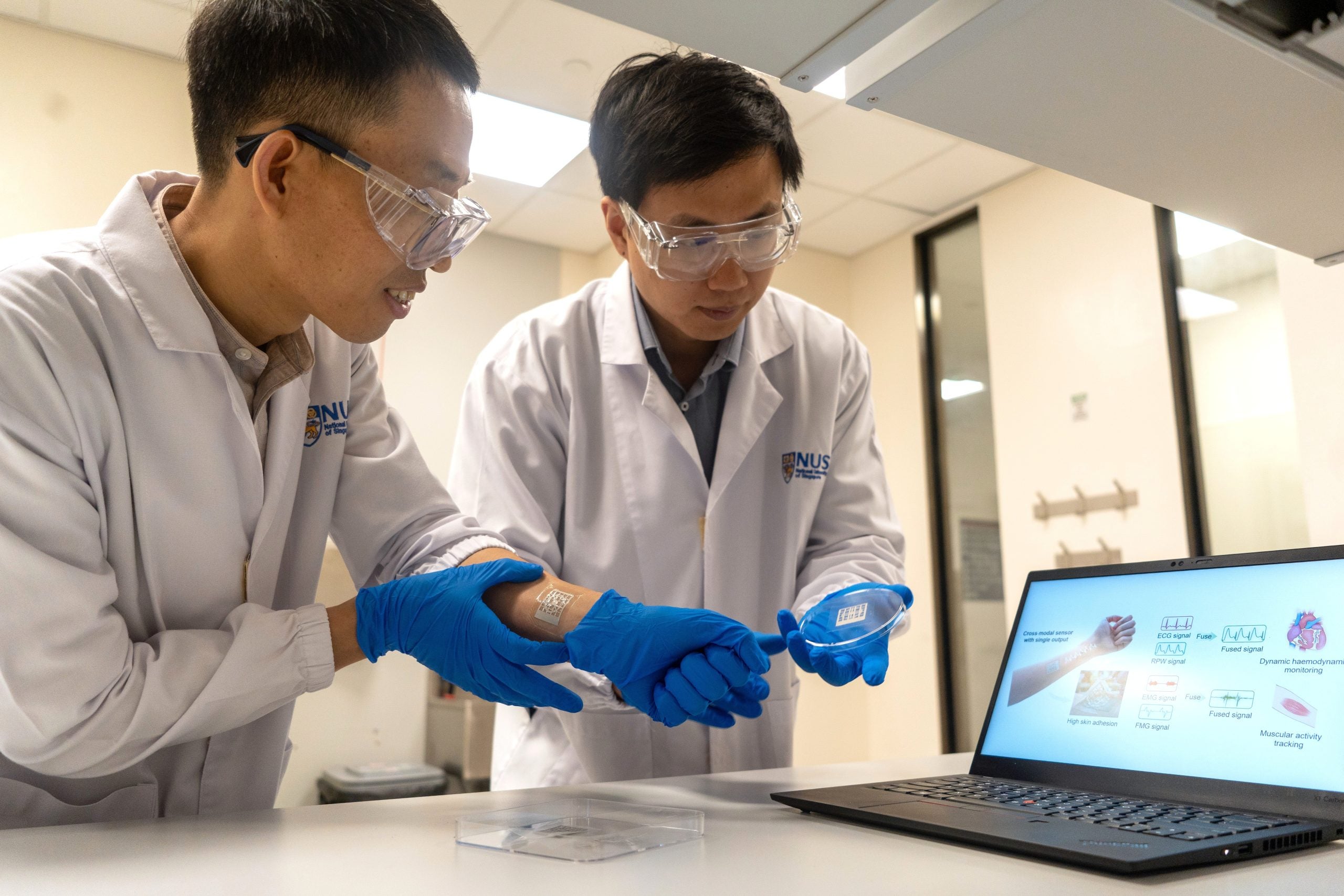
Continuous health monitoring could become more comfortable and easier to use, thanks to a new wearable sensor developed by NUS CDE researchers that can capture several body signals through a single patch.
The X-Sig device, developed by a team led by Assistant Professor Liu Yuxin, combines the body’s electrical signals, such as heart rhythms and muscle activity, with mechanical signals, such as pulse pressure and muscle contraction, into one output channel.
This approach could help reduce the need for separate sensors and processing circuits, making future wearable health monitors smaller, simpler and more power efficient. In tests, the sensor was used for cuffless blood pressure monitoring and hand gesture recognition, with potential applications in cardiovascular monitoring, prosthetic control and rehabilitation.
The work, published in Nature Sensors, points towards more practical continuous health monitoring beyond clinical settings, where simpler and more comfortable devices could support earlier intervention and ease pressure on healthcare systems.
Reading the clues in the air as haze risks rise
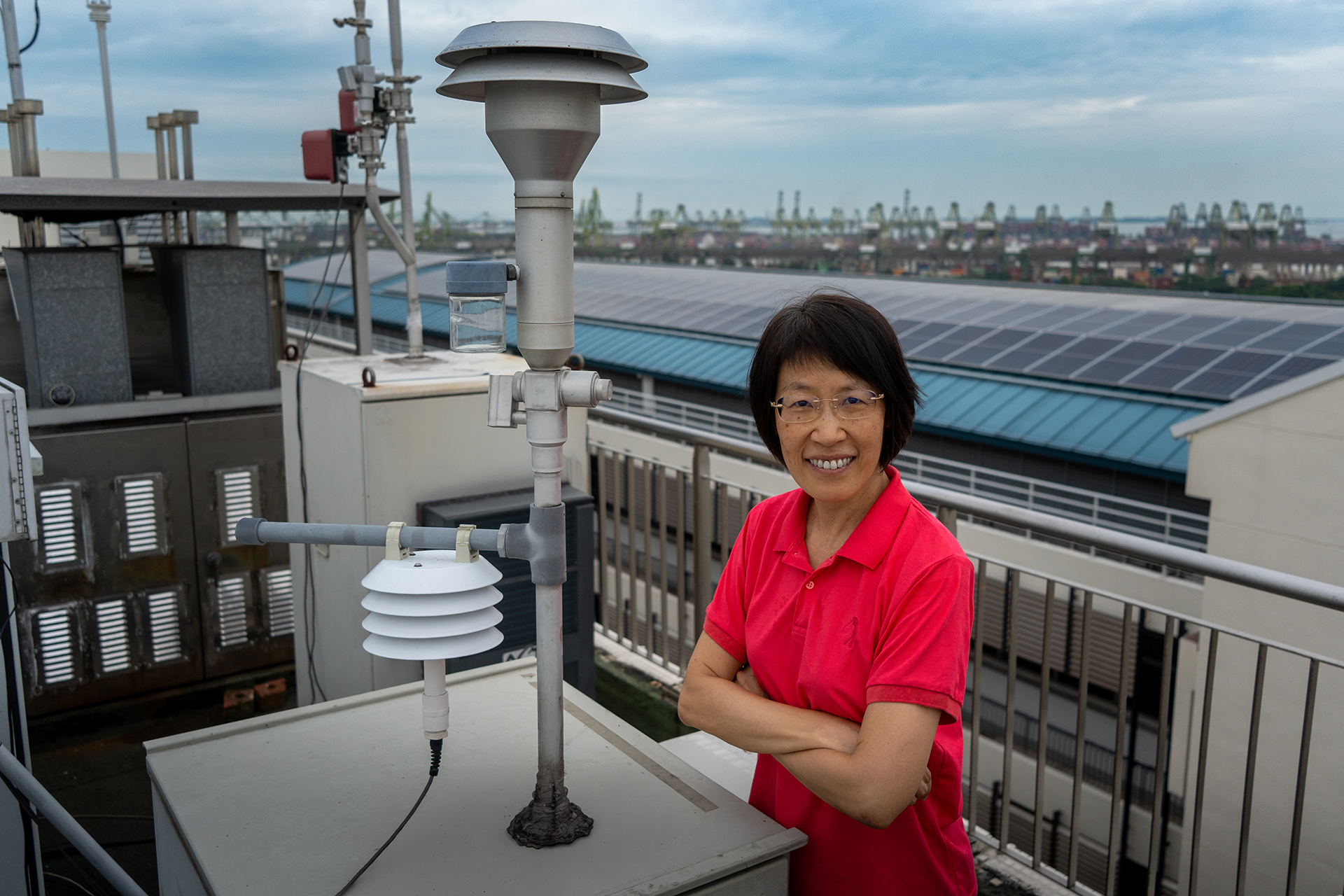
Environmental detective work at CDE could help Singapore prepare better for future haze episodes.
With the region facing a higher-risk haze season this year, linked to El Niño conditions and hotter, drier weather, Associate Professor Yu Liya and her team are tracing chemical clues in airborne particles that can reveal more than headline air-quality readings alone.
“Air pollution does not stop at national borders,” says Assoc Prof Yu. “There is no gate we can close for air. If we want to respond better to smoke haze, we need to know where the pollution is coming from, how it reaches Singapore, and how it changes along the way.”
That kind of evidence can help agencies understand an episode earlier, assess how serious it may be, and prepare communications or response measures with stronger confidence.
As haze risks rise, CDE research is helping Singapore ask deeper questions: what exactly are we breathing, where did it come from, and what signals can help agencies prepare earlier?
Joint symposium on soft machines with Bristol Robotics Laboratory
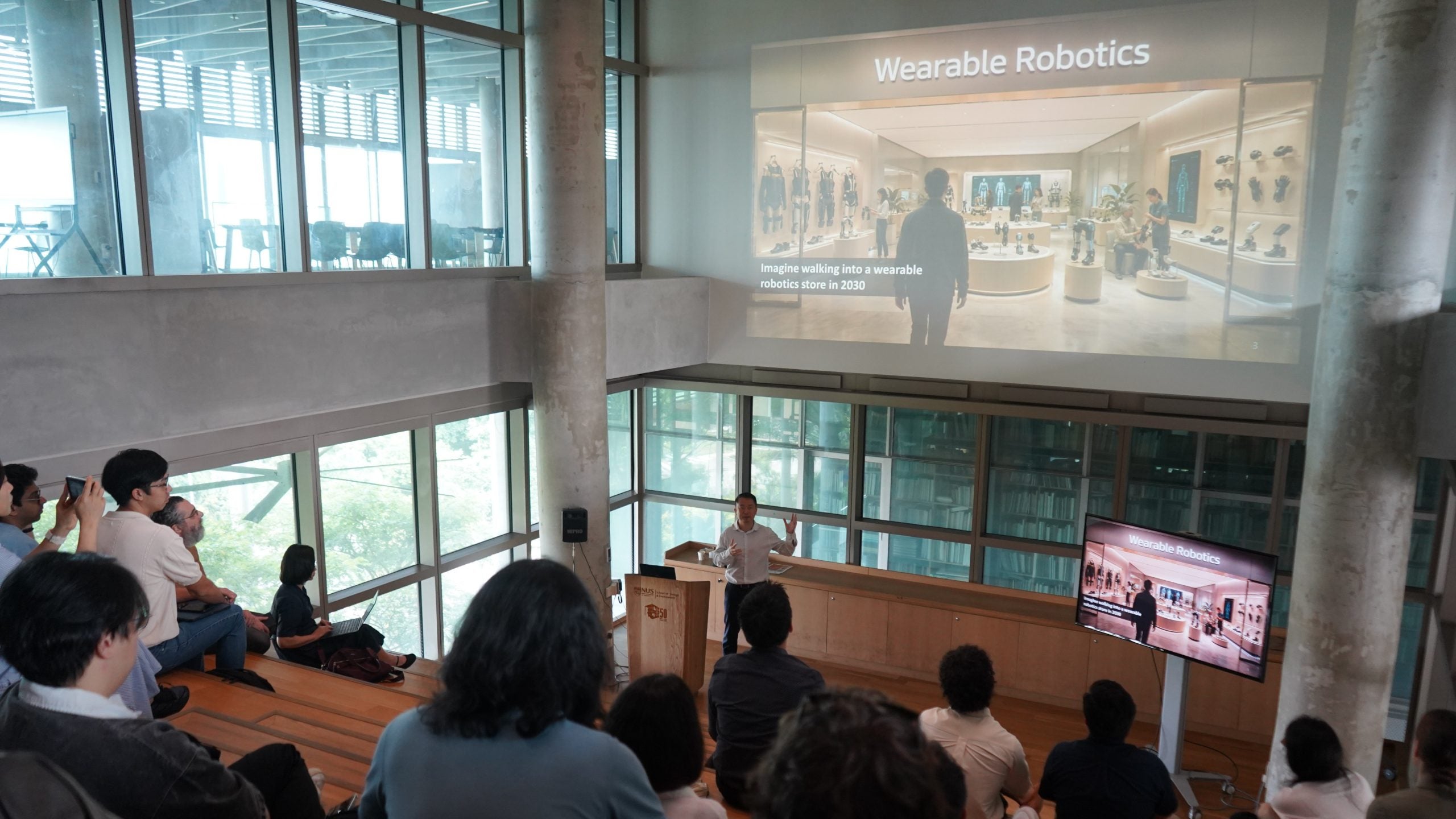
Hosted by the NUS Soft Technologies Lab and co-organised with SoftLab Bristol at the Bristol Robotics Laboratory, the Symposium on Soft Machines: Wearable Robotics and Embodied Intelligence explored the current state of the field, highlighting the steady progress from material innovation to real-world applications.
One area of focus was the integration of technology directly into textiles. Researchers including Assistant Professor Irmandy Wicaksono and Professor Hong Yee Low from SUTD shared their work on digitally knitting functional fibres and sensing yarns, opening new possibilities for motion sensing and rehabilitation. This research aligns with advancements in wearable robotics, where Assoc Prof Raye Yeow (Department of Biomedical Engineering) is developing more effective exoskeletons that utilise pneumatic systems and muscle sensing.
Another theme was the importance of strong research ecosystems. Professor Cees de Bont (Head, Department of Design) outlined the strategic growth of the DD programme into a department that is fostering dedicated research clusters in key areas such as healthcare and smart materials. This mirrors the collaborative approach of the VIVO Hub, a large-scale UK initiative introduced by Dr Emanuele Pulvirenti, Dr Richard Suphapol, and Dr Arturo Castillo at the University of Bristol, which focuses on developing soft robotics technologies for independent living.
Finally, the symposium also looked at how soft robotics can move from the lab into reliable everyday use. Prof Domenico Campolo from NTU addressed this by presenting methods for translating haptic and robotic systems for cognitive training from simulation to real-world scenarios. Dr Matteo Lo Preti (Department of Mechanical Engineering) spoke about improving repeatability and reproducibility, which are essential for building a stronger, more rigorous field.
The symposium painted a picture of a field engaged in methodical, substantive work to bring the potential of soft machines into practical applications for healthcare, human-computer interaction, and assistive technology.
Soft sensor turns touch into robotic action without electronics
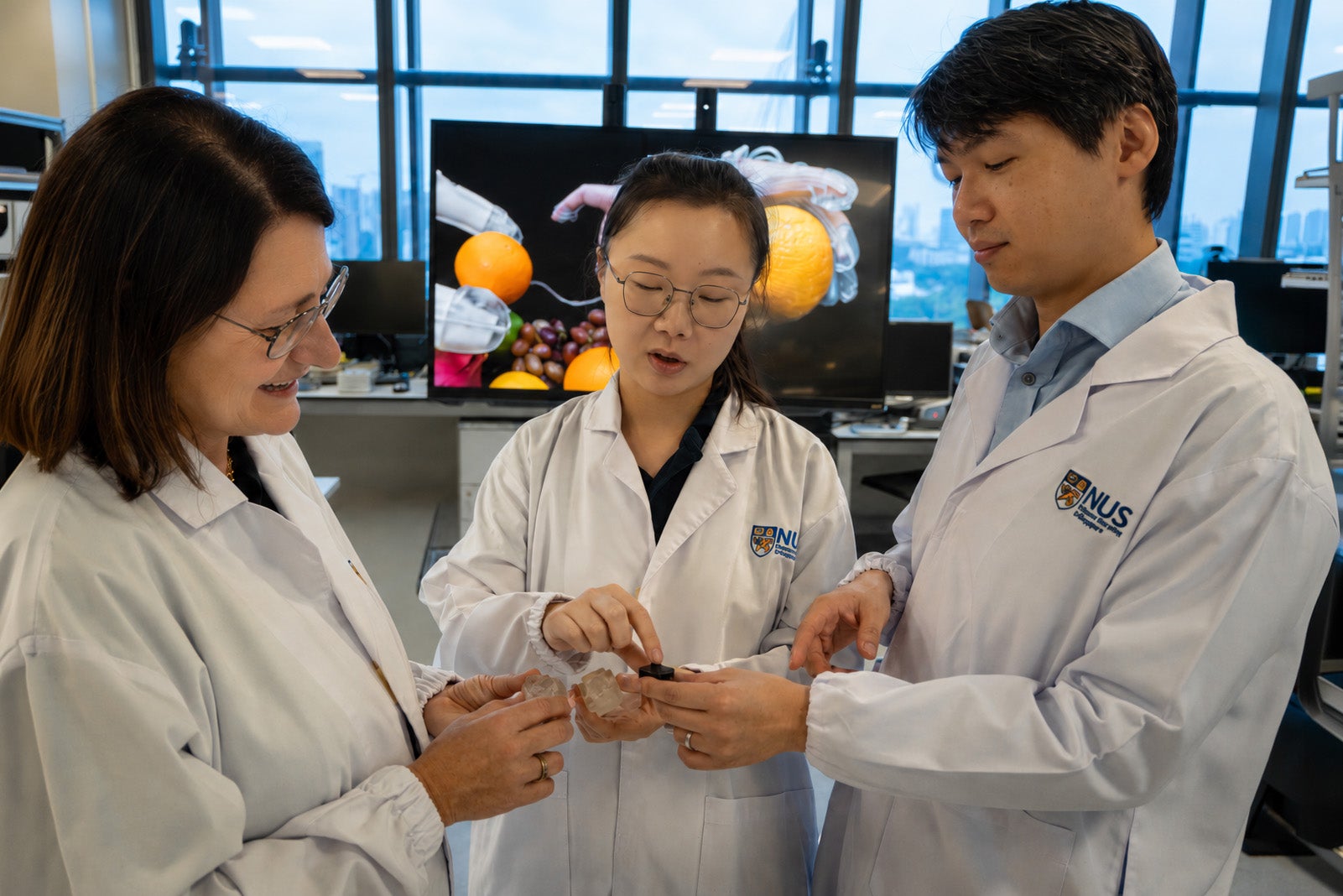
For soft robots to safely assist in surgery, care or handling fragile items, they need something very human: a sense of touch.
Researchers led by Professor Benjamin C.K. Tee (Department of Materials Science and Engineering) and Professor Cecilia Laschi (Department of Mechanical Engineering) have developed a fully mechanical soft force sensor that allows soft robots to sense and react without electronics, external power or computer processing.
The ME-SOFS sensor converts applied force directly into fluid movement, creating a sensing-to-action loop that works more like a physical reflex. When pressure is applied, fluid inside the sensor moves through soft channels to trigger a response. That means touch can be translated directly into action, without first passing through electronic sensors, circuits or software.
The approach could support applications such as medical training, where trainees feel the physical resistance experienced by skilled healthcare professionals, and robot-assisted elder care, where a robotic arm can respond quickly and safely to changes in force.
The research points towards a future where robots can sense and respond through their physical bodies, making them simpler, more robust and more adaptable.
Key design rule for atom-thin electronics revealed
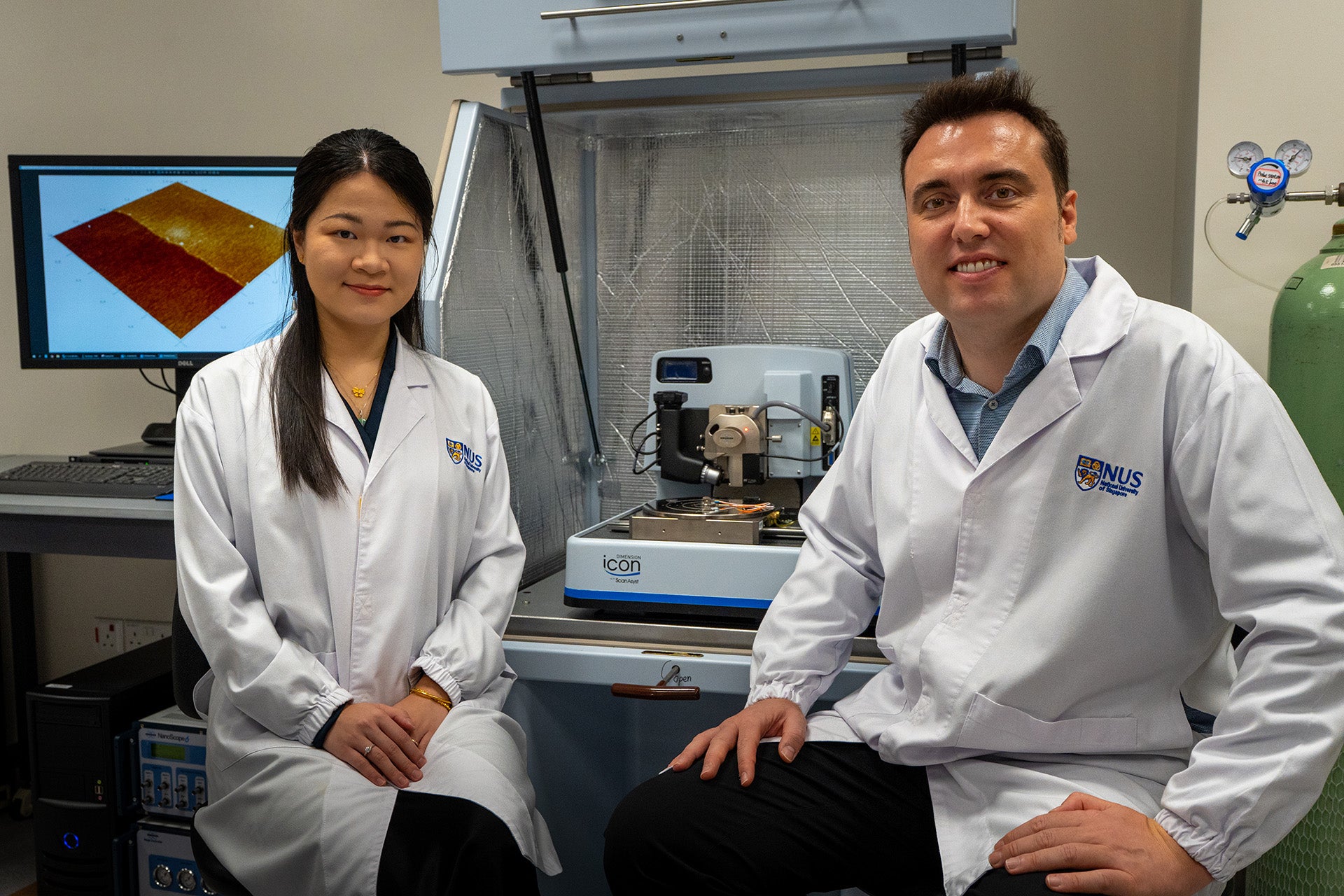
A key design rule that could help engineers build smaller, thinner and more reliable electronic components for future computer chips and other advanced technologies has been identified by researchers at CDE.
The study, led by Professor Mario Lanza with first author Dr Yue Yuan, shows that the performance of atom-thin devices depends on more than the materials they are made from.
When insulating layers are only one atom thick, electrons can pass through barriers that are meant to block them, creating unwanted electrical leakage. By comparing different materials and electrode structures, the researchers showed that much of the variation in this leakage can arise from the way the devices are physically assembled.
“At this extremely small scale, we’ve shown that tiny physical gaps between electrodes can matter more than the material’s own ability to block electrical current,” said Prof Lanza. “To design reliable advanced chips, memory technologies and other next-generation components, we need to look at the whole structure, including how the material sits between its electrodes and the actual distance electrons have to cross.”
The team’s findings help explain why seemingly similar devices have sometimes produced very different experimental results. Small variations in electrode roughness, interface quality, contaminants or nanoscale voids may significantly alter their electrical behaviour.
Compact, power-saving switches for 5G and future 6G chips
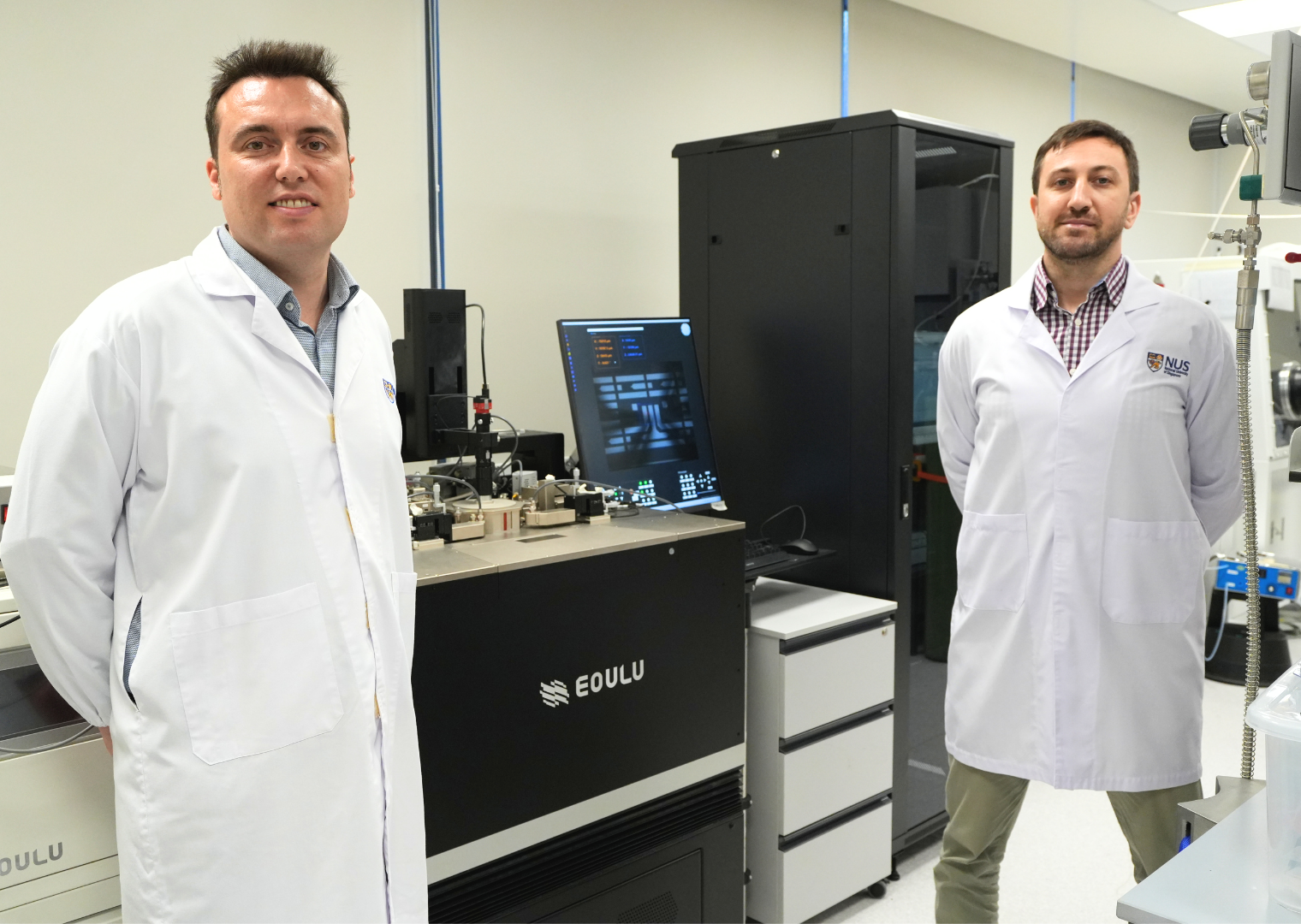
An international team led by Professor Mario Lanza has developed ultra-small radio-frequency (RF) switches that “remember” their settings without continuous power — a promising advance for 5G and future 6G chips.
Microwave integrated circuits are the backbone of modern wireless communications. Today, the signal switches inside these chips are bulky, expensive, and represent one of the main technological bottlenecks.
The solution detailed in a paper published in Nature, uses memristors, tiny two-terminal devices capable of blocking or transmitting high-frequency signals, retaining their state without consuming power, and being fabricated directly on existing chips.
“We have demonstrated for the first time the integration of radio-frequency switches based on hexagonal boron nitride — a material only a few atoms thick — directly onto high-frequency microchips fabricated from gallium nitride. The breakthrough could transform the design of future mobile phones, antennas, and communication systems,” said Prof Lanza.
The new switches operate at frequencies of up to 100 gigahertz — within the range expected for future 6G networks — with signal losses as low as 0.3 decibels, long state retention, and stable operation at temperatures up to 175 degrees Celsius. In addition, the team demonstrated fully reconfigurable circuits, including power dividers and programmable signal filters, integrated directly onto the microchip.
Uncovering how bacteria and crystal surfaces shape solar biohybrid performance
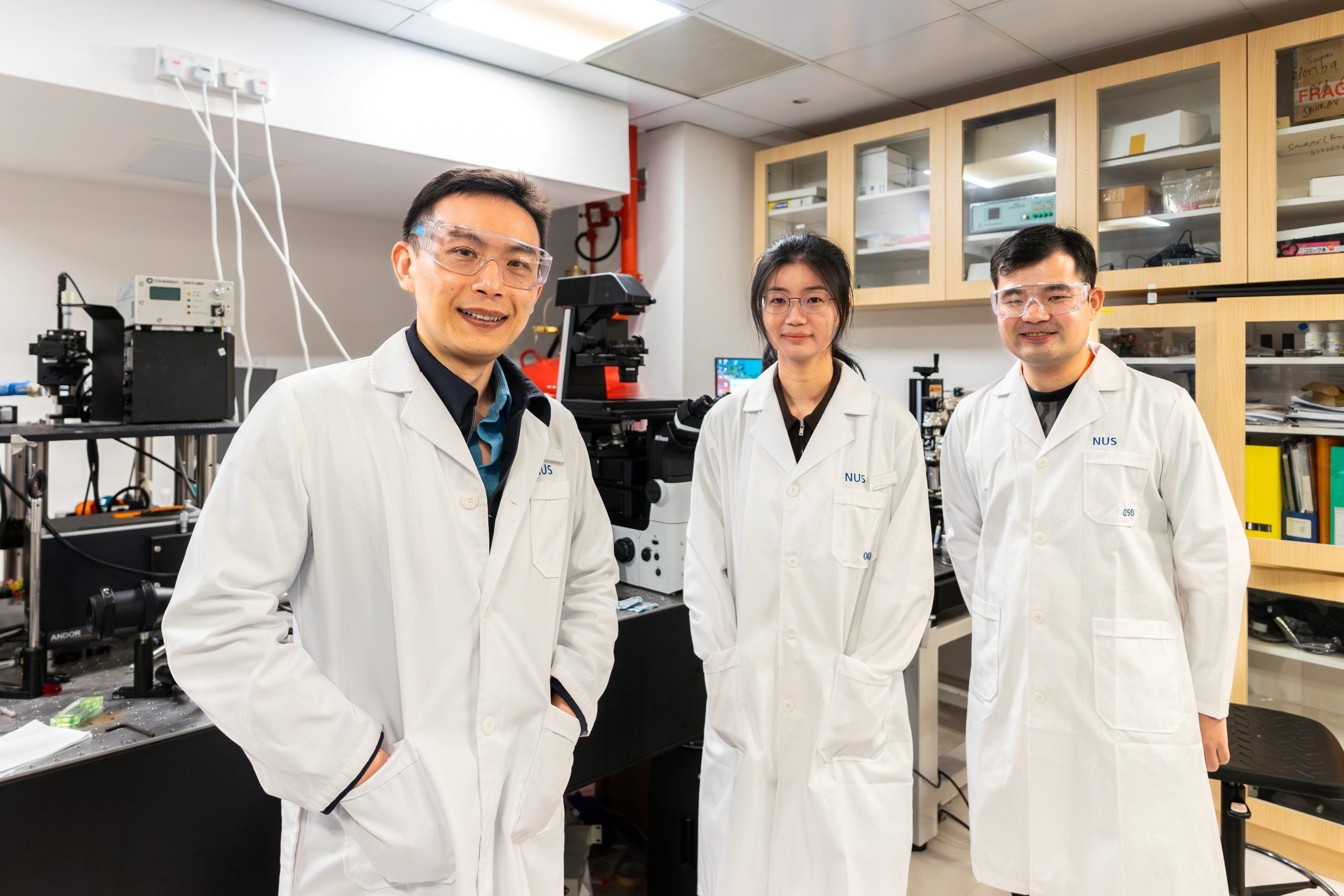
Solar-driven biohybrid systems could one day use sunlight, semiconductor materials and living cells to produce useful chemicals. But designing them more effectively requires a clearer understanding of what happens at the tiny interface where biological and artificial components meet.
Researchers have developed an imaging platform that can track electron transfer between individual bacterial cells and single semiconductor particles. The study was led by Assistant Professor Mao Xianwen with Professor Liu Bin, alongside Dr Liu Yong, Dr Song Wentao and Dr Zhang Weidong contributing equally as co-first authors.
The team studied how Shewanella oneidensis MR-1, an electroactive bacterium, interacts with particles of haematite, a stable iron-oxide semiconductor. By identifying where each bacterium attached to the particle and measuring the resulting electrical output, the researchers showed that different crystal surfaces, or facets, play different roles in electron transfer.
The study also found that more bacteria are not always better. Electron transfer improved as more cells attached to certain haematite surfaces, but only up to an optimum point. When too many cells accumulated, performance declined, likely because crowding changed how the bacteria organised their electron-transfer machinery.
The findings, published in Nature Catalysis, point towards more rational design of solar biohybrids by showing how crystal facet selection and controlled microbial loading can influence performance. The work could also support research in microbial fuel cells, bioelectronics, bioremediation and other systems where living cells interact with engineered materials.
Clean interfaces advance graphene spintronics for low-power electronics
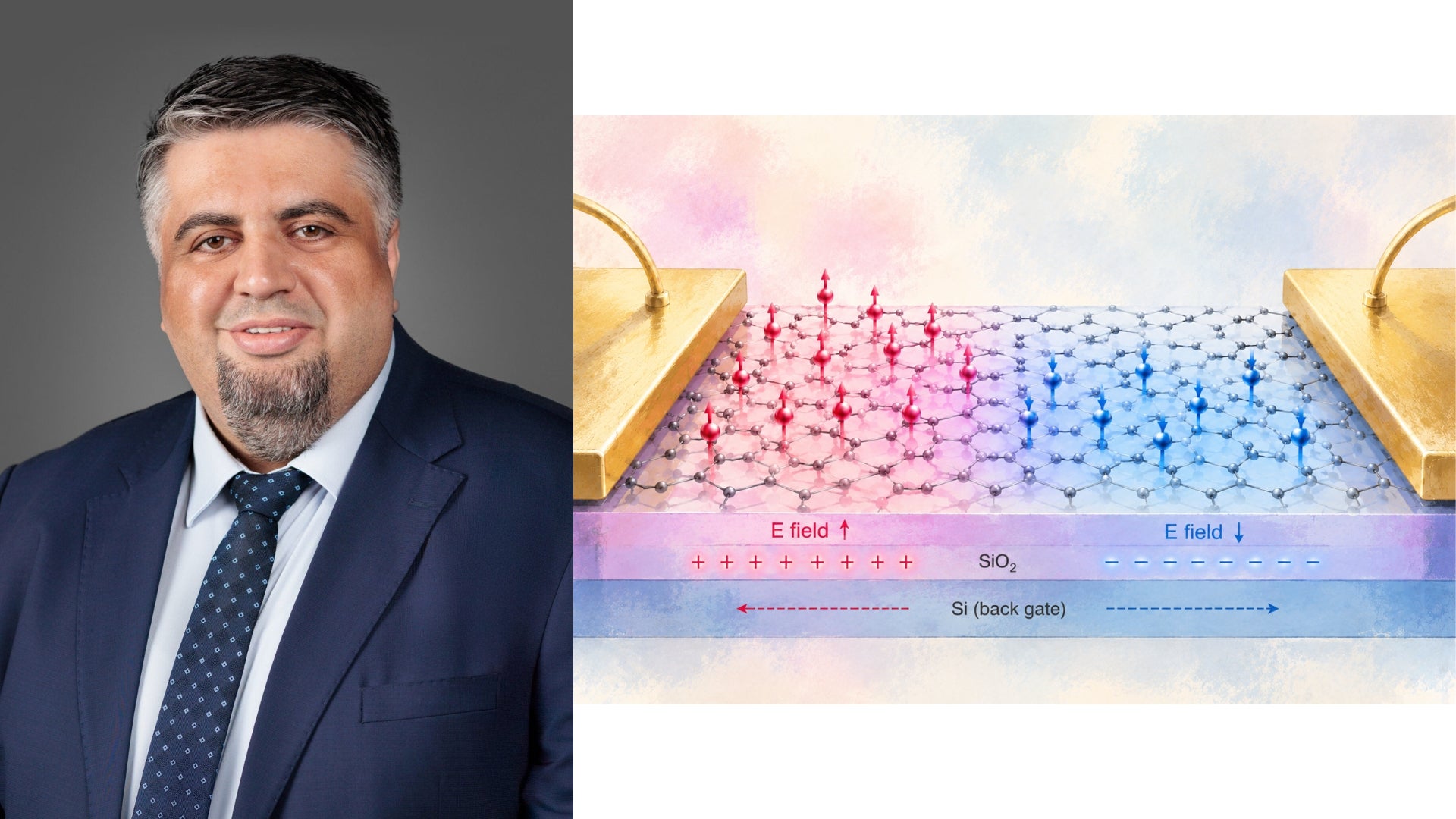
Graphene could help enable a new generation of low-power electronic devices based on spintronics, an approach that uses the spin of electrons rather than their charge to store and process information. However, progress has been limited by imperfections at the interfaces where electrical contacts meet graphene, which can disrupt spin information before it is detected.
Researchers led by Assistant Professor Ahmet Avsar have addressed this challenge in two complementary studies published in Nature Communications. By engineering atomically clean interfaces, the team achieved record electrical spin signals in graphene devices and revealed the material’s intrinsic spin transport properties with greater clarity.
In the first study, the researchers redesigned the fabrication process for graphene spin devices, assembling atomically thin layers in an inert glovebox to reduce contamination and create flatter, cleaner interfaces. This enabled highly efficient spin injection and detection, with spin polarisation approaching 90 per cent and spin signals more than two orders of magnitude larger than those typically reported in graphene spin valves.
Building on this platform, the second study showed that nearby magnetic materials can reshape graphene’s electronic structure through the magnetic proximity effect. This allowed the team to engineer and observe spin-dependent electronic bands in graphene, pointing towards possible spin transistors that can switch between highly polarised spin states using very small gate voltages.
Together, the two studies address key barriers in graphene spintronics by improving spin transport and enabling greater control over graphene’s spin-dependent electronic properties. The findings bring graphene-based spin logic and memory devices a step closer to practical use in future ultra-low-power electronics.
Electronic skin senses and self-heals under water
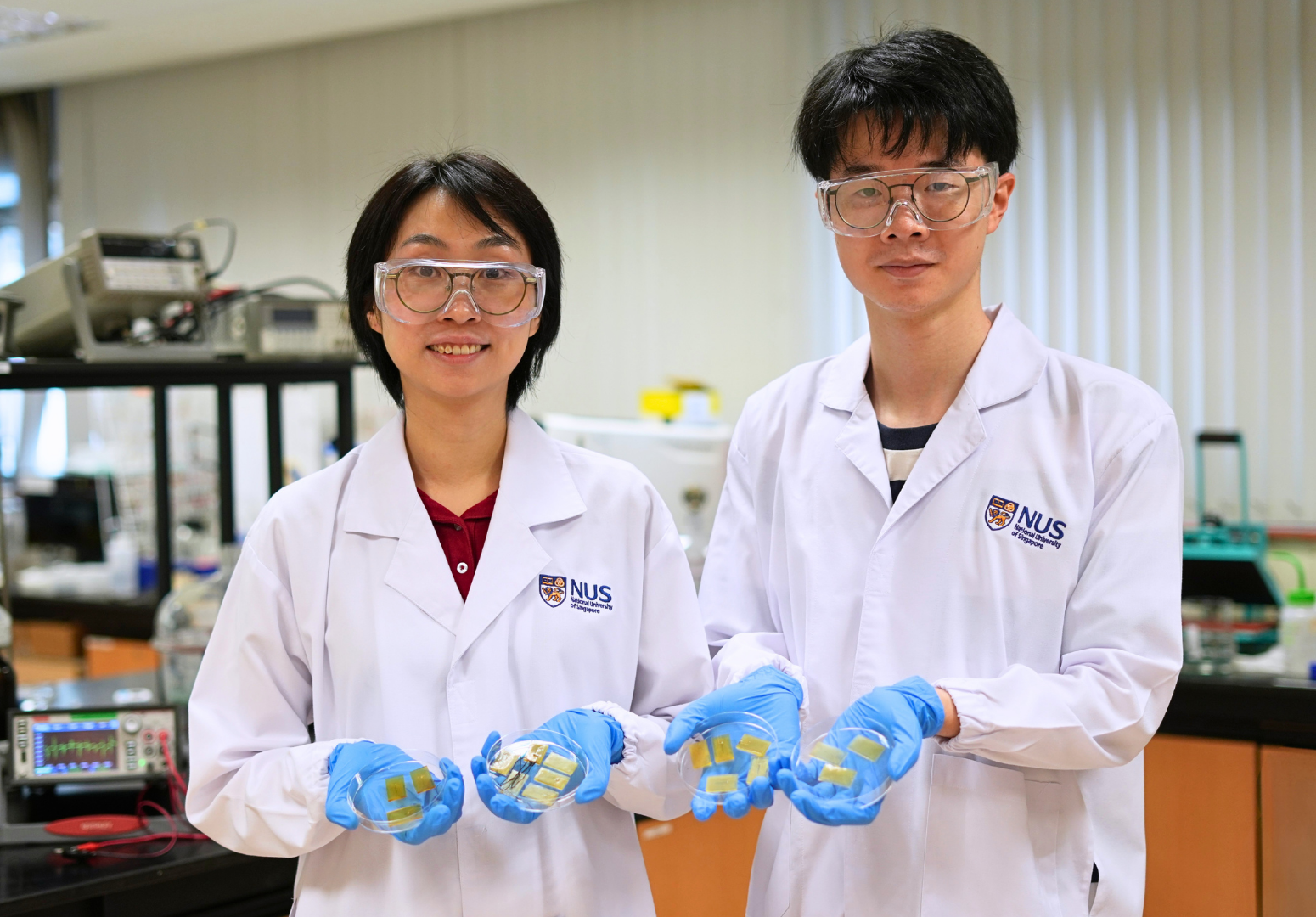
A self-healing underwater sensor that can feel touch and pain could help underwater robots, diving equipment and soft electronics keep working after damage.
A research team led by Assistant Professor Tan Yu Jun developed the skin-like sensor that can sense pressure, detect injury and recover after being cut or punctured.
“In our bodies, pain is a protective alarm. It tells us when something is wrong so we can respond before more damage is done,” said Asst Prof Tan. “Our work gives underwater electronics that same capability, enabling devices to sense injury and begin healing autonomously.”
The self-healing magnetoelectric sensory system (SMES) is inspired by living skin and is also self-powered. When an object presses on it, or two systems move close to each other, the system generates its own electrical signals through electromagnetic induction, removing the need for an external power source.
The sensor’s healing ability is enabled through reversible molecular bonds in the soft material, which reconnect when damaged surfaces are brought back together.
These properties could be especially valuable underwater, where sensors are exposed to harsh conditions, repairs are difficult and access to power is limited.
A framework to benchmark soft tactile sensors
Soft sensors designed to give robots a sense of touch may work well in the lab. But that does not mean they will perform as well once built into a working robot.
Unlike rigid electronic components, soft tactile sensors bend and deform together with the robotic body around them. Once a sensor is wrapped around a finger, embedded in a gripper or stretched during movement, its behaviour changes.
This makes it difficult for researchers to compare technologies reliably, reproduce one another’s results and determine which sensors are ready for real-world use.
Researchers from the NUS Soft Robotics Lab, led by Dr Matteo Lo Preti (Research Fellow in the Department of Mechanical Engineering and the NUS Advanced Robotics Centre) have developed a two-stage framework to address this challenge.
Conducted in collaboration with Petr Trunin and Dr Lucia Beccai from the Italian Institute of Technology (IIT) and Professor Perla Maiolino from the University of Oxford, and supervised by Professor Cecilia Laschi, the study was published recently in Advanced Intelligent Systems.
First, each sensor is tested on its own under controlled conditions, revealing how it responds to factors such as sustained or repeated pressure. Next, the sensor is tested as part of a robot, performing the task it was designed for.
"This framework makes these two stages reproducible, enabling researcher to close the embodiment gap” said Dr Lo Preti.
“To support this, we have also released an open-source toolkit containing shared measurement methods, software and a standardised digital datasheet for recording and reporting results."
This topic will be covered during a tutorial at the IEEE Sensors conference in October.
Access the open-source toolkit here.
Teaching robots to handle the real world
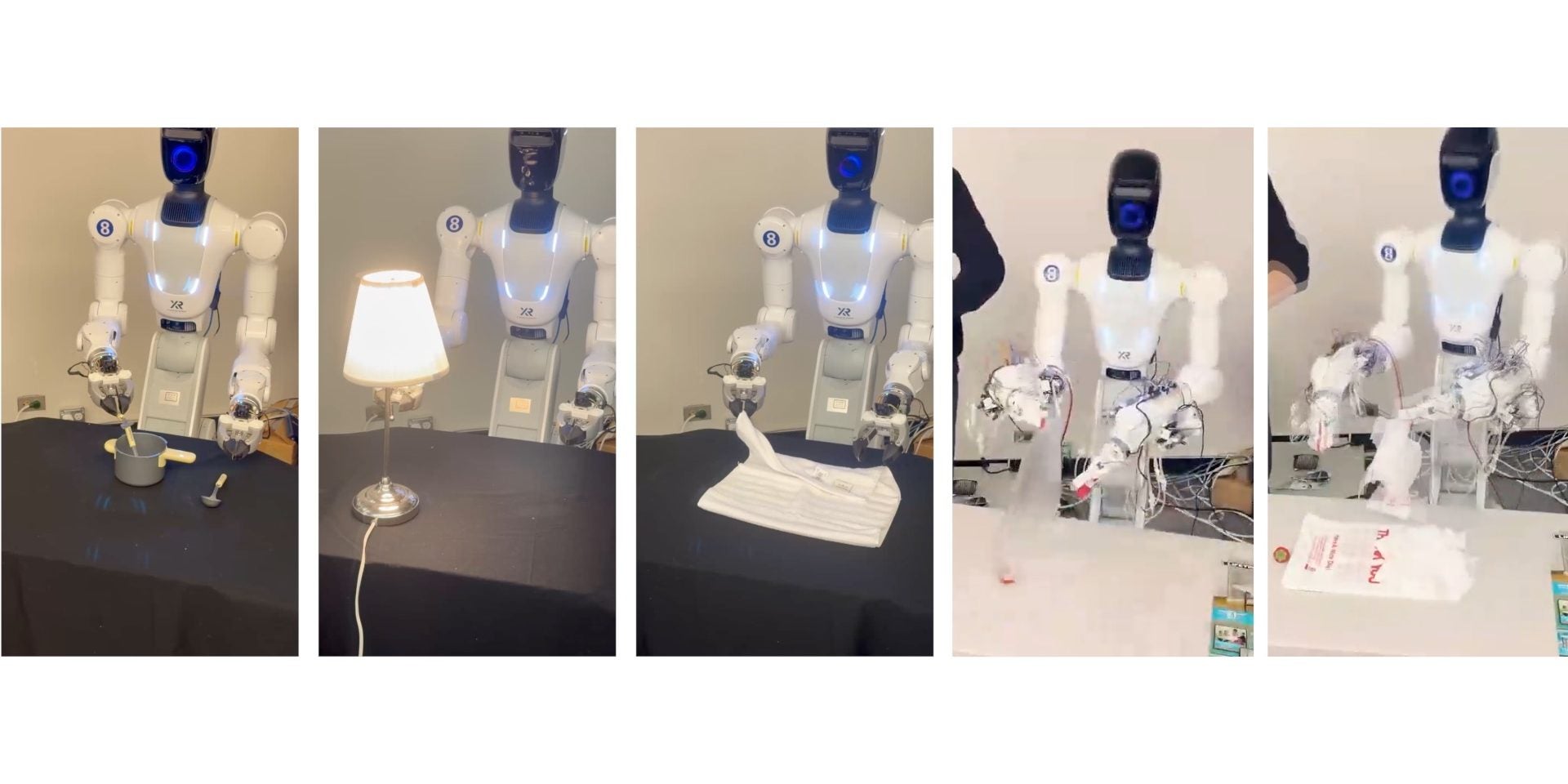
Impressive viral videos aside, robots need to be safe, precise, and reliable in unpredictable, real-world settings to be truly useful. That's the focus of the new Grasping and Manipulation (G&M) Lab, founded by Assistant Professor Jianshu Zhou from NUS Mechanical Engineering.
The G&M Lab brings together innovations in robotics hardware, intelligent perception, AI, and control to advance robotic grasping and embodied intelligence. Its research spans the entire robotic manipulation stack, including:
- Dexterous robotic hands with novel mechanical designs for human-like manipulation.
- Multimodal perception and tactile sensing that enable robots to better understand and interact with the physical world.
- Human-robot interaction and robot learning that allow robots to acquire new skills from human demonstrations.
- Manipulation algorithms and embodied intelligence that enable robots to plan, adapt, and execute complex manipulation tasks.
One aspect of the lab’s research is dexterous bimanual robotic manipulation. The system integrates real-time human-to-robot motion mapping, robotic hand retargeting, and singularity avoidance to enable smooth, safe, and intuitive robot control across diverse robotic platforms.
These technologies make it easier for humans to teach robots complex manipulation skills while improving both operational safety and the quality of demonstration data for robot learning.
Through close hardware–software co-design, the lab has also demonstrated challenging real-world applications, including the in-hand opening of deformable plastic bags and bagging for everyday packaging tasks.
Major Grants Awarded
The major grants (start date in July 2026) with total project value > $1M.
| Hosting Unit | Project Title | Funding Programme (Source of Funding) |
Principal Investigator | Co-Investigator |
|
MSE |
One-Step Heterostructure Formation for Next-Generation Semiconductor Manufacturing | NRF Research Fellowship (NRF-RF) – 2026
/ NRF |
Wei Mingyang | |
|
ChBE |
Data-Driven Autonomous Design of Electrolytes for Energy Storage | NRF Research Fellowship (NRF-RF) – 2026
/ NRF |
Kim Sang Cheol | |
|
CEE |
Electrocures: An Electrochemical Remediation of Chloride From Underground Concrete in Singapore | Cities of Tomorrow R&D Programme: New Spaces – 2025
/ NRF |
Geng Guoqing | Zhai Wei; Daniel John Blackwood |
|
MSE |
Unlocking Market Leadership in Semiconductors with Multilayer Amorphous Carbon as Ultralow-k Dielectric | NRF Central Gap Fund – 2025
/ NRF |
Ozyilmaz, Barbaros | |
|
DBE |
CUSPS: Co-location of UHI-mitigators and Solar Photovoltaics for Singapore | Cities of Tomorrow R&D Programme: Greater Sustainability – 2025
/ NRF |
Tay En Rong, Stephen | Wong Nyuk Hien; Chew Lup Wai; Ali Ghahramani; Lin Fen (Solar Energy Research Inst of S'pore); Carlos Clement (Solar Energy Research Inst of S'pore) |
|
CEE |
Complex 2D Precast System (C2PS) | Cities of Tomorrow R&D Programme – 2025
/ NRF |
Yeoh Ker-Wei, Justin | Du Hongjian; |
|
|
Establishment of Yang’s Computational Microscopy, AI and Wavefront Shaping Lab at NUS | NRF Returning Singaporean Scientists Scheme (NRF-RSSS) – 2026
/ NRF |
Yang Changhuei | |
|
CFIS |
Scalable and Sustainable Coastal Barriers for Wide and Deep Channels | Coastal Protection and Flood Management Research Programme (CFRP) – 2026
/ NRF |
Qian Xudong | Pang Sze Dai; Rui Shengjie; Liew Jat Yuen, Richard; Chew Chee Meng |
|
CFIS |
Impact of Extreme Coastal Processes and Flooding on the Stability of Coasts and Green–Grey Protection Structures | Coastal Protection and Flood Management Research Programme (CFRP) – 2026
/ NRF |
Yuzhu Li, Pearl | Ooi Seng Keat (Tropical Marine Science Institute) |
|
CHI |
[WP1.1A] Singapore Platform for Bio-derived Specialty Polymers Research, INnovation and Translation (SG Bio-SPRINT) | A*STAR Manufacturing, Trade and Connectivity (MTC) - SG Bio-Sprint – 2026
/ A*STAR |
Lu Yixin; Koh Ming Joo; Ou Pengfei | Yan Ning; Lu Jiong (Chemistry); Yeo Boon Siang, Jason (Chemistry); Wu Jishan (Chemistry); Chi Chunyan (Chemistry); Wu Jie (Chemistry); Zhao Yu (Chemistry); Ge Shaozhong (Chemistry); Loh Kian Ping (Chemistry); Qiu Yunyan (Chemistry); Li Xiaoyan (Chemistry) |
|
ECE;MSE |
Engineering Chirality and Functionalities in Hybrid Superlattices | MOE ACRF Tier 3 Programme – 2025
/ MOE |
Loh Kian Ping | Yang Hyunsoo; Qiu Chengwei; Wei Mingyang; Lu Jiong (Chemistry); Goki Eda (Physics); Ou Pengfei (Chemistry); Quek Su Ying (Physics) |
|
CQT |
Single-photon Light Detection And Ranging (LiDAR) | / DSTA | Zhu Di | |
|
ECE;ChBE |
Transforming Photon Upconversion: A Multidisciplinary Approach to Break Efficiency Barriers | MOE ACRF Tier 3 Programme – 2025
/ MOE |
Liu Xiaogang | Lee Chengkuo; Liu Bin; Lu Yixin (Chemistry); Ang Wee Han (Chemistry); Pastorin, Giorgia (Pharmacy & Pharmaceutical Sciences); Zhao Ziqing, Winston (Chemistry); Bao Weizhu (Mathematics); Wang Jiong-Wei (Surgery); Liviu Ungur (Chemistry) |
|
IORA |
Data Analysis for Improving Efficiency in the Container Logistics Ecosystem | PSA-NUS Supply Chain Living Laboratory – 2025
/ PSA Corporation Limited |
Li Xiaobo | Qin Hanzhang; Teo Chung Piaw (Analytics & Operations); Krishnamoorthy Rajeeva Lochana (Inst of Operations Research & Analytics); |
|
CEE |
Digital Instrumentation for Dikes | Cities of Tomorrow R&D Programme: New Spaces – 2024
/ NRF |
Chew Soon Hoe | Yeoh Ker-Wei, Justin |
|
DBE |
CUBS (Children's Urban Behaviour & Spaces): Linking Neighborhood Design, Caregiver Engagement and Children's Well-Being in Singapore's Urban Context Through Evidence, Guidelines and Prototypes | Cities of Tomorrow R&D Programme: Urban Environment Analytics and Complexity Science – 2025
/ NRF |
Ang Yu Qian | Chiong Yee Keow (Paediatrics); Falk Mueller-Riemenschneider (Dean's Office (SSH Sch of Public Health)); Natarajan Padmapriya (Dean's Office (SSH Sch of Public Health)); Sally Anne Mcfadden (Ophthalmology); |
|
SHINE |
Singapore Hybrid-Integrated Next-Generation μ-Electronics (SHINE) Centre 2.0 | A*STAR Manufacturing, Trade and Connectivity (MTC) Semiconductor Rie Flagship (Core Funding) – 2026
/ A*STAR |
Thean Voon Yew, Aaron | Alioto, Massimo Bruno; Yeow Kheng; Koenraad Mouthaan |