

Latest Updates
Call for Abstracts Now Open(opens in new tab)

Connect, exchange ideas and inspire action. Submit an abstract to share your research, case studies and innovations with experts from around the world.
WDWE2026 Introduction
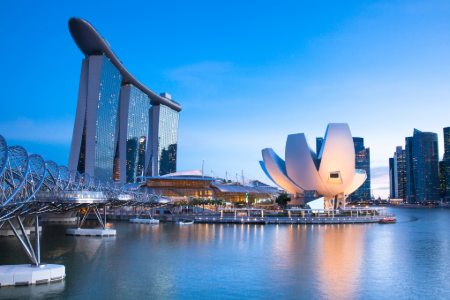
The 6th International Symposium on Water Disaster Mitigation and Water Environment Regulation (WDWE 2026) will be held in Singapore in 2026, co-located with the CFI Annual Symposium 2026 and the 2026 Asia Tsunami Workshop. The symposium will bring together international researchers, engineers, policymakers, and industry partners to exchange knowledge and discuss advances in coastal protection, flood resilience, and sustainable water environment management.
The symposium will serve as a multidisciplinary platform for global experts to share insights on the latest scientific and engineering developments related to water disasters, climate change, and nature based and hybrid coastal protection solutions, with particular relevance to highly urbanised and climate vulnerable coastal cities.
Participants will have the opportunity to present cutting edge research, innovative engineering approaches, and practical case studies that contribute to strengthening resilience against coastal flooding, sea level rise, and extreme weather events, while supporting sustainable coastal and marine ecosystems.
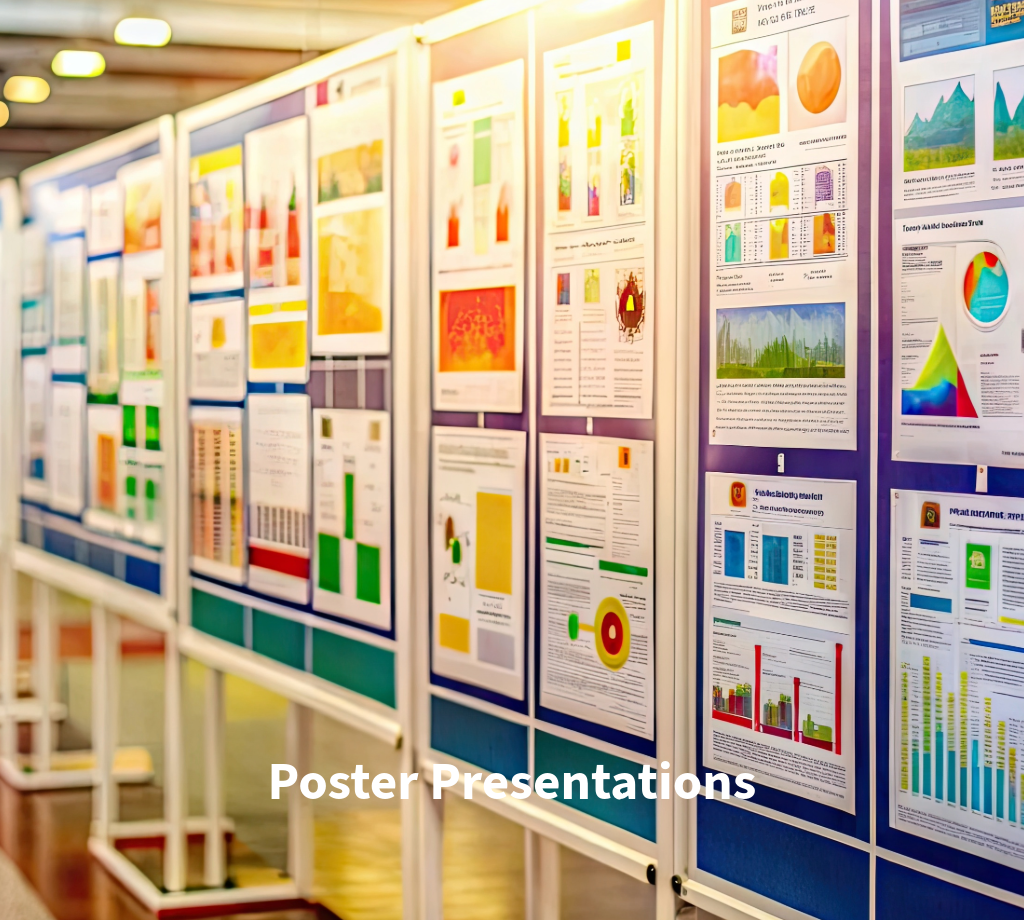
WDWE 2026 will foster collaboration between academia, government agencies, and industry, supporting dialogue on translating research into practice for coastal protection and flood management. The programme will feature keynote lectures, technical sessions, poster presentations, and networking opportunities.
Participants will be invited to submit abstracts for oral and poster presentations and to join the symposium activities, contributing to the global exchange of knowledge on advancing science, policy, and engineering solutions for water and coastal resilience. Abstracts submissions are now open!
What to Expect
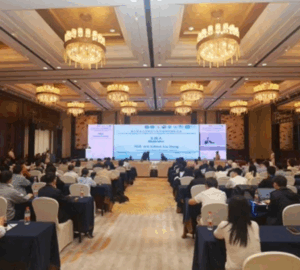
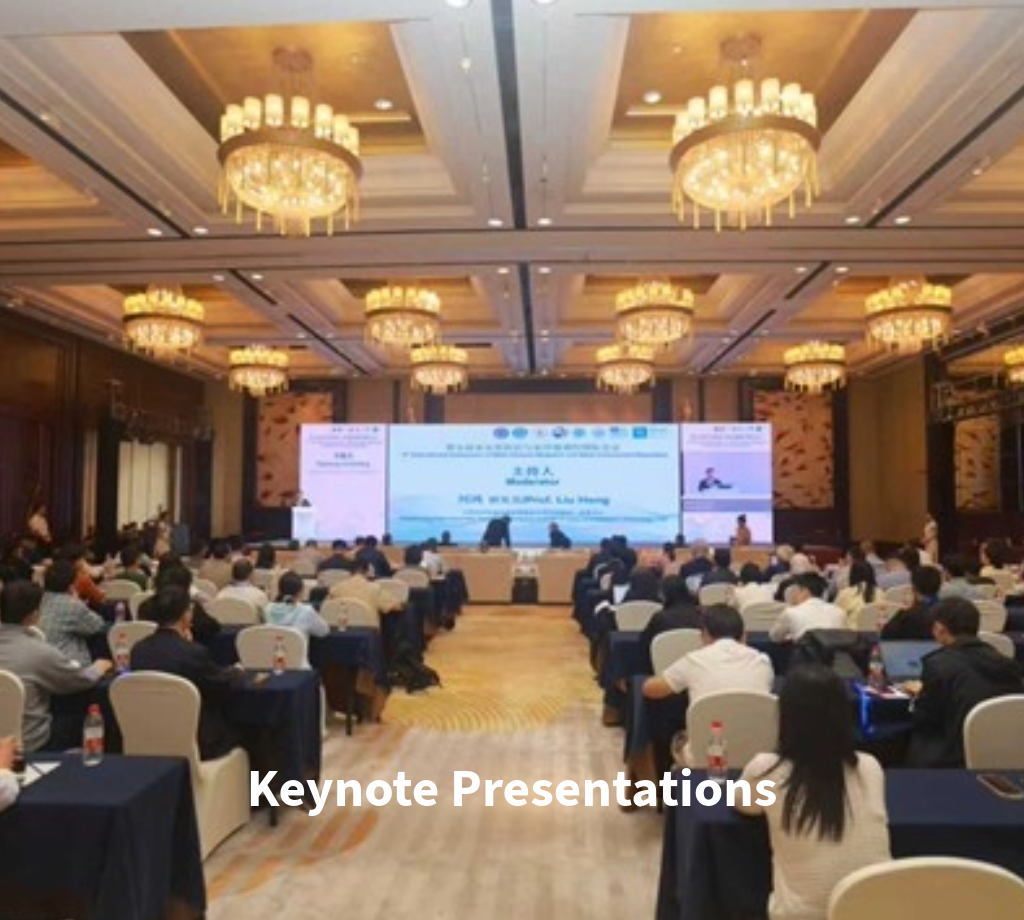
Keynote Presentations
Hear from leading international experts as they share cutting edge insights on water disaster mitigation, coastal resilience, and sustainable water environment management. Gain valuable perspectives on emerging research, innovative engineering solutions, and global best practices shaping the future of climate resilient cities.
Project Exhibitions
Discover ongoing projects through interactive displays showcasing research findings, innovative solutions, and technologies presented by researchers participating across the co-located events.
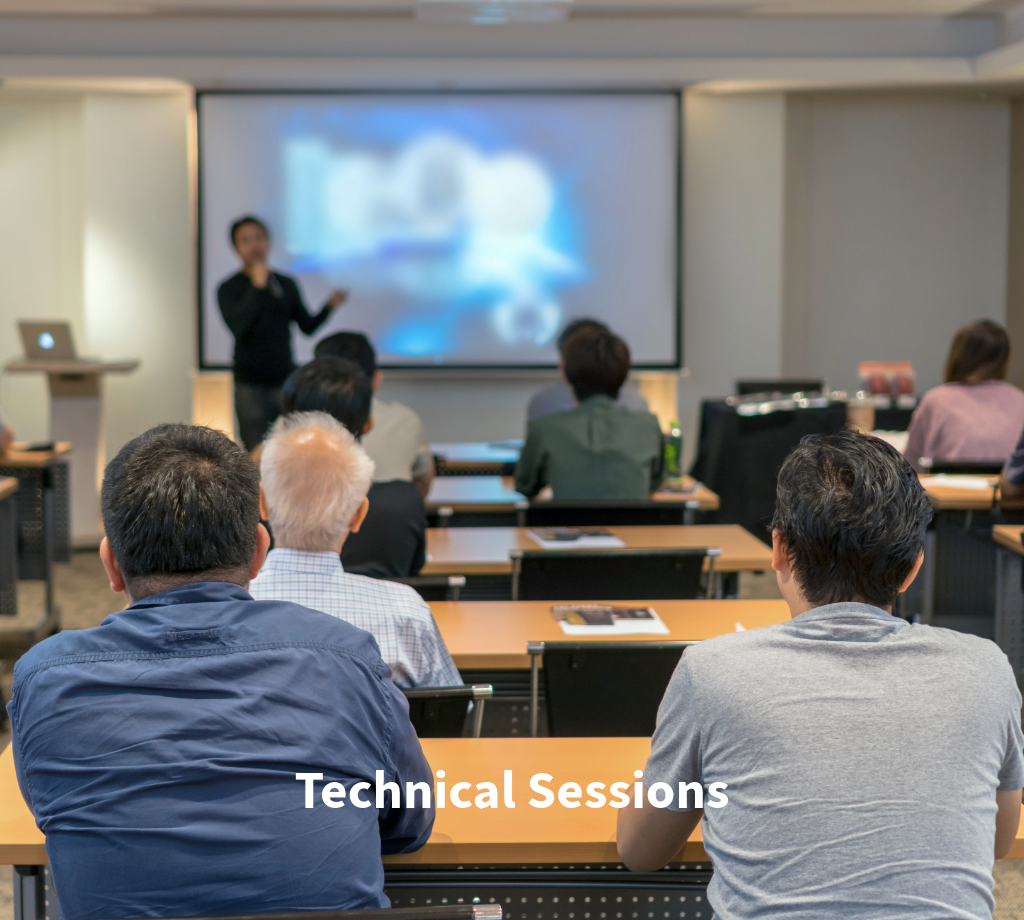
Technical Sessions
Explore in-depth presentations featuring the latest research, technologies, and case studies from academia, government agencies, and industry practitioners from the CFI Annual Symposium, the 6th International Symposium of Water Disaster Mitigation and Water Environment Regulation (WDWE2026), and the Asia Tsunami Workshop 2026.
Networking Opportunities
Connect with researchers, policymakers, industry partners, and practitioners attending the CFI Annual Symposium, WDWE2026, and the Asia Tsunami Workshop 2026, creating opportunities for interdisciplinary collaboration and knowledge exchange.


Panel Discussions
Engage in dynamic conversations with multidisciplinary experts as they discuss pressing issues, practical solutions, and collaborative approaches to advancing flood resilience, tsunami preparedness, and coastal management.

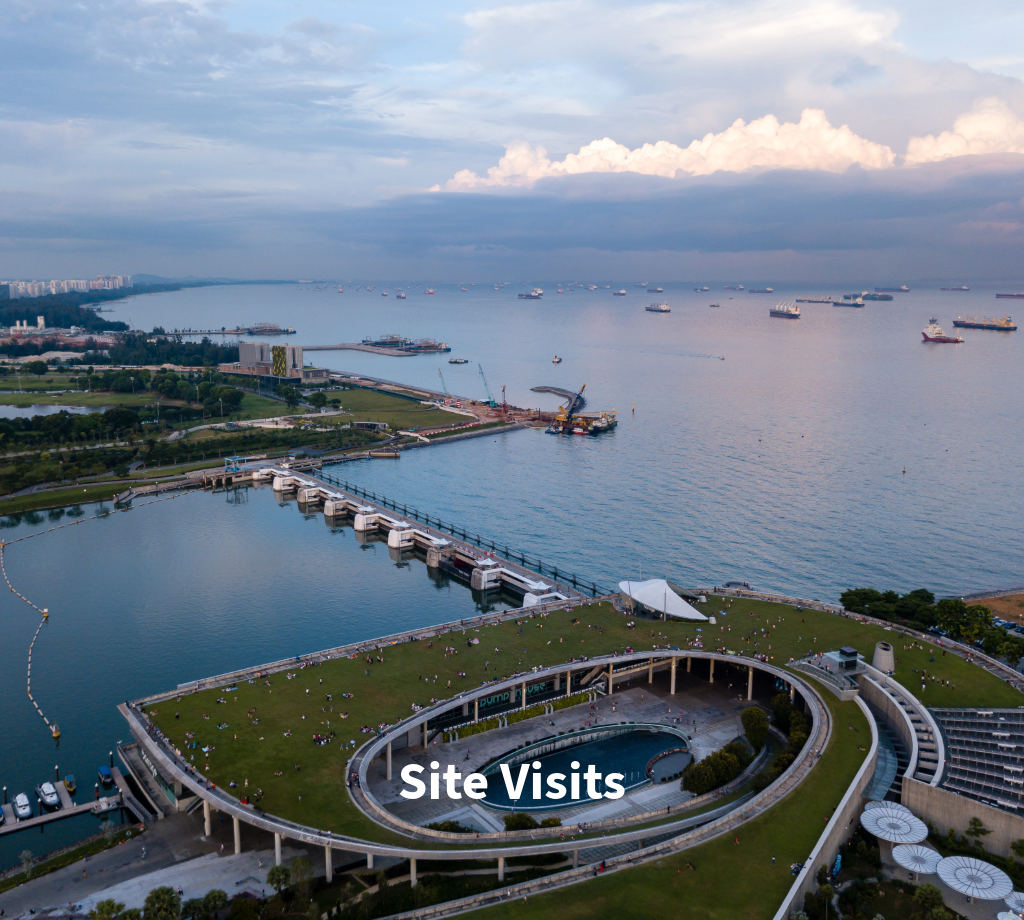
Site Visits
Gain additional insights through curated visits to selected sites and facilities, offering participants the opportunity to learn from real-world applications and initiatives.
Programme
Theme: Adapting Cities for Coastal and Flood Resilience
More details on the programme and speakers will be announced soon.
Committees
Call for Abstracts now open
Leave your details to receive early updates on the 2026 programme, key sessions, and registration information.

Call for Abstracts now open
The 6th WDWE invites abstract submissions showcasing innovative research, technologies and solutions related to coastal protection, flood resilience and climate adaptation. The symposium provides a platform for knowledge exchange, interdisciplinary collaboration and discussions on advancing resilient and sustainable communities. Abstracts for oral and poster presentations are welcomed. Click on the button below to find out more.

Learn More About Our Past Events
Get a sense of what to expect in 2026 by exploring highlights from our previous editions:

Useful Resources
- Visiting Singapore for the first time? Click here to plan your trip better with helpful information from Visit Singapore.
Organised by

The Coastal Protection and Flood Resilient Institute (CFI) Singapore is a multi-institutional Centre of Excellence (CoE) set up to conduct research in coastal and flood resilience and spur the growth of a vibrant research and development ecosystem for coastal and flood resilience in Singapore.
The institute is hosted at the National University of Singapore (NUS), with the Nanyang Technological University (NTU), Singapore University of Technology and Design (SUTD), Singapore Institute of Technology (SIT) and Agency for Science, Technology and Research (A*STAR) as partner institutes. This community will grow to include international institutions as well as industry partners.
The CoE will anchor in-house research with the aim of growing the local talent base of research scientists and engineers. Institutes of Higher Learning can capitalise on the synergies with research work to enrich education and professional training in coastal engineering and flood management.
Co-organised by
Sichuan University (SCU), located in Chengdu, China, is a national key comprehensive university directly under the Ministry of Education. Founded in 1896, it is among China’s “Double First Class” universities and is known for its strong programmes in engineering, medicine, and science. The State Key Laboratory of Hydraulics and Mountain River Engineering (SKLH) at SCU focuses on research in hydraulics, sediment transport, mountain river processes, hydraulic structures, and water disaster mitigation. The laboratory supports national priorities in water resources development, river engineering, and flood and sediment management while serving as a platform for advanced research, talent development, and international academic collaboration.
Supported by
The International Association for Hydro-Environment Engineering and Research (IAHR) is a global professional organisation dedicated to advancing knowledge and practice in hydro environment engineering and water related sciences. Founded in 1935, IAHR brings together researchers, engineers, and water professionals from academia, industry, and government to promote research, innovation, and the sustainable management of water resources. Through its technical committees, publications, and international conferences, the organisation supports collaboration and the exchange of knowledge on topics such as hydraulics, river and coastal engineering, water resources, and water related hazards.