

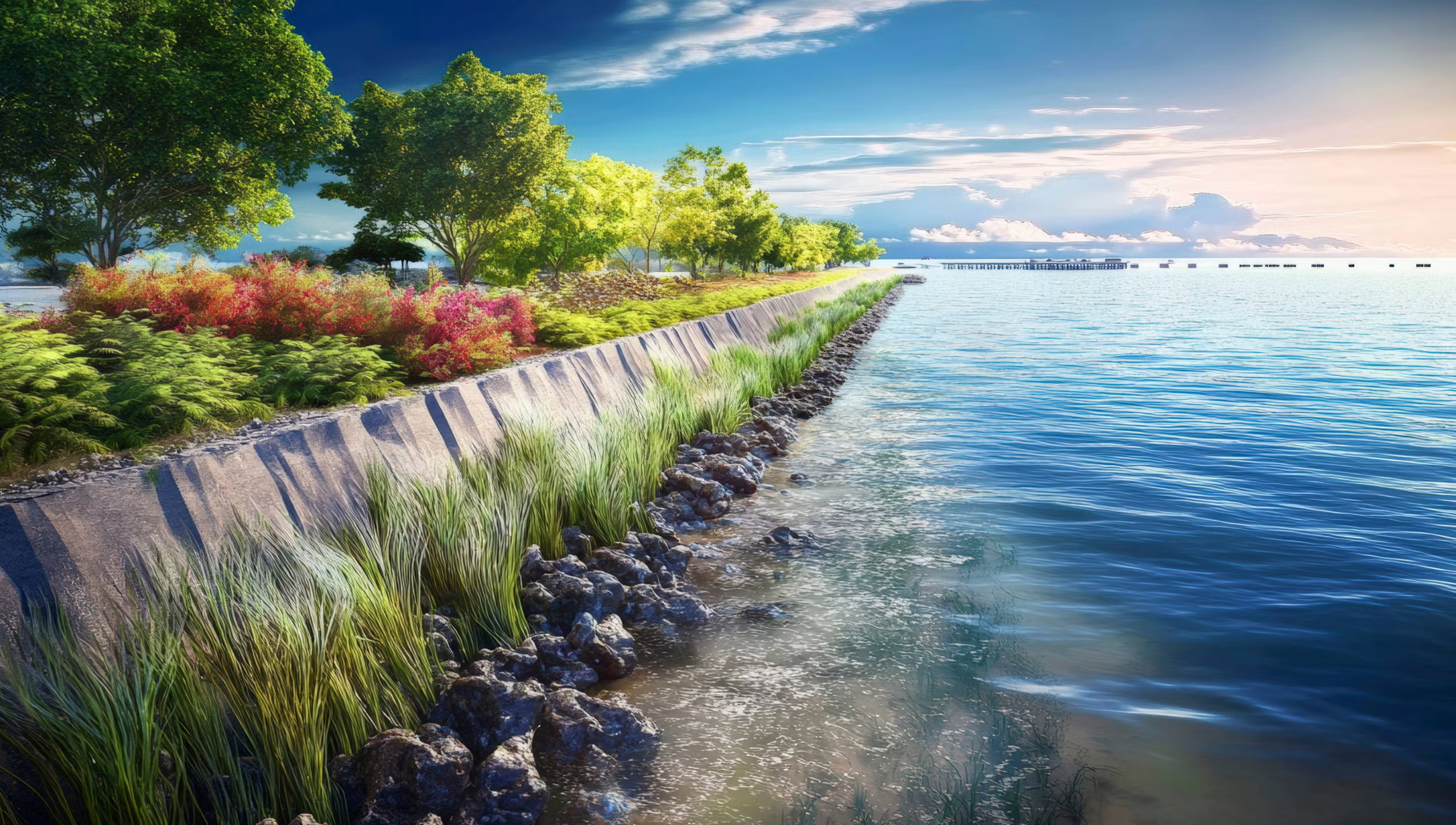
Maximizing the beneficial environmental effects of tropical hybrid shorelines - (MaxBETH)
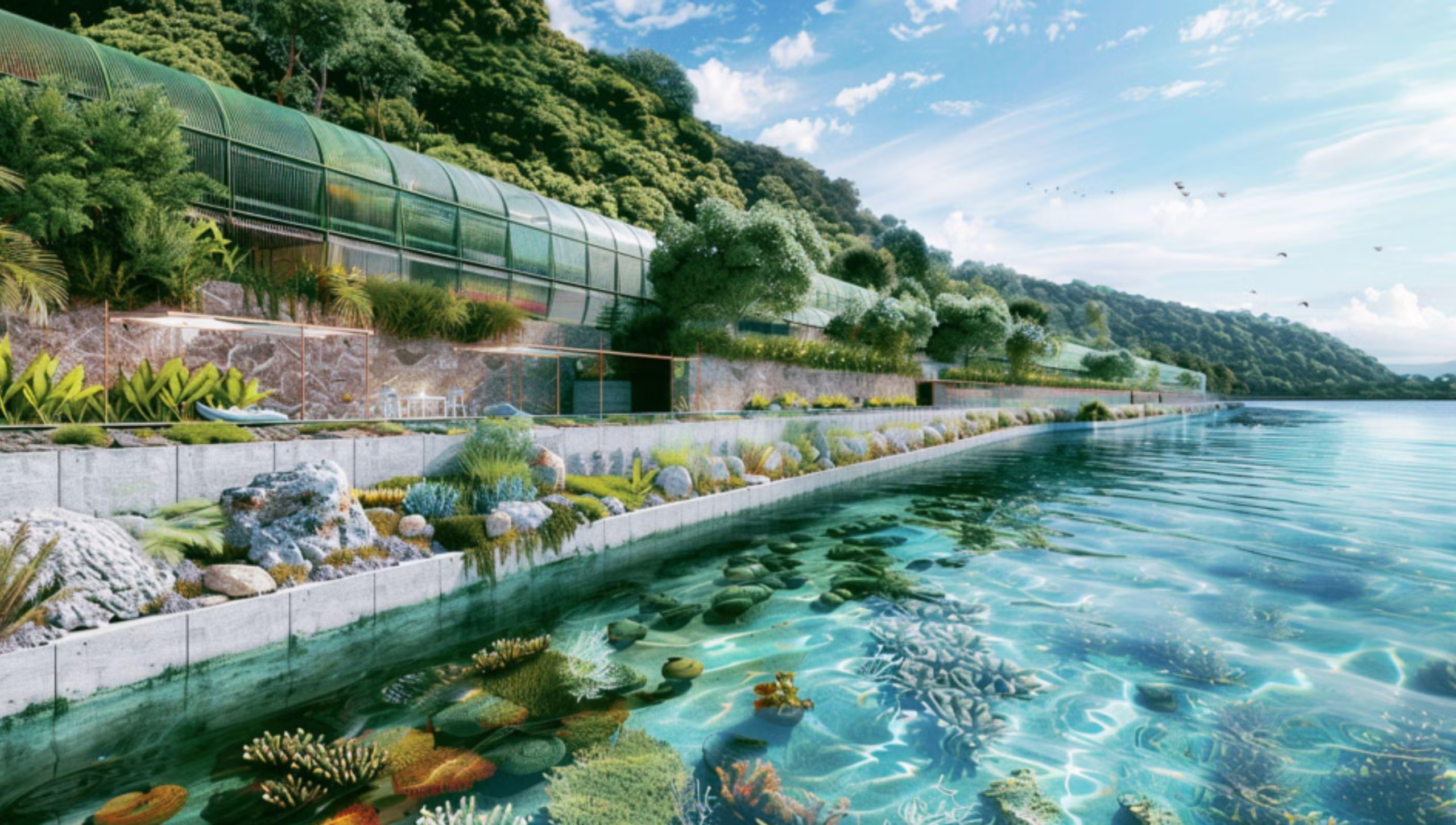
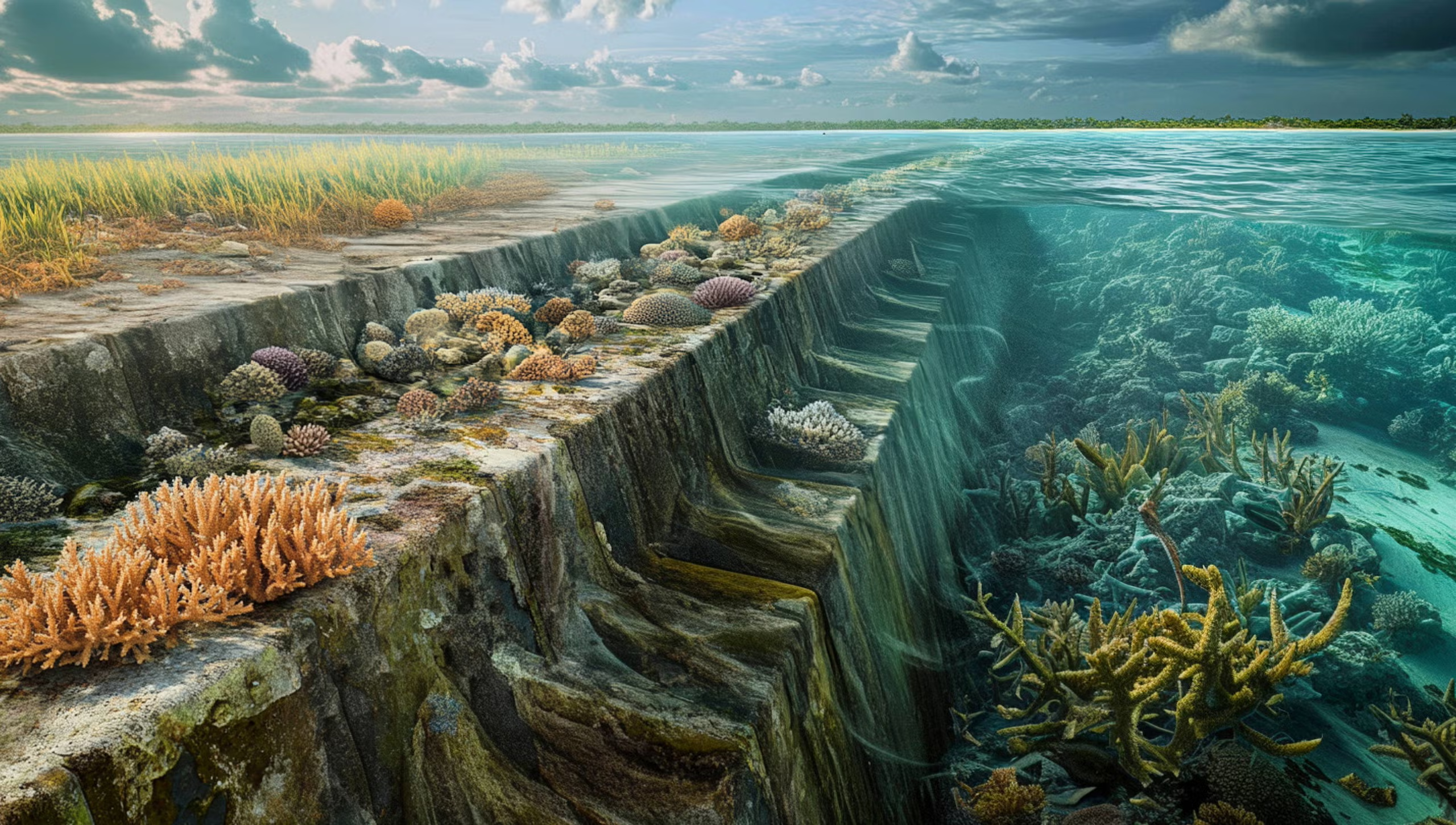
As demand for coastal protection continues to grow, this project evaluates how hybrid shorelines—combining coastal vegetation with hard engineering structures—can improve resilience, especially amid the impacts of climate change and human activities.
Research Goals
- Quantify the added benefits of integrated approaches by comparing traditional coastal engineering (“grey solutions”) with natural coastal ecosystems (“green solutions”).
- Evaluate the opportunities and challenges of scaling up hybrid shoreline solutions.
- Investigate how hybrid shorelines affect key biophysical processes.
Why This Matters
- Supports the development of alternative coastal protection strategies to tackle long-term sea-level rise.
- Integrates nature-based solutions to help mitigate climate change (e.g., mangroves and seagrasses sequestering carbon).
- Generates both fundamental and applied knowledge on eco-engineering and hybrid shoreline solutions.
- Provides insights for upscaling designs, maximizing hybrid solution benefits, and developing ecological models and decision-support tools.
Latest Research Highlights
- Surveyed biotic communities in headlands and bays versus linear seawalls, providing baseline data to inform future shoreline designs.
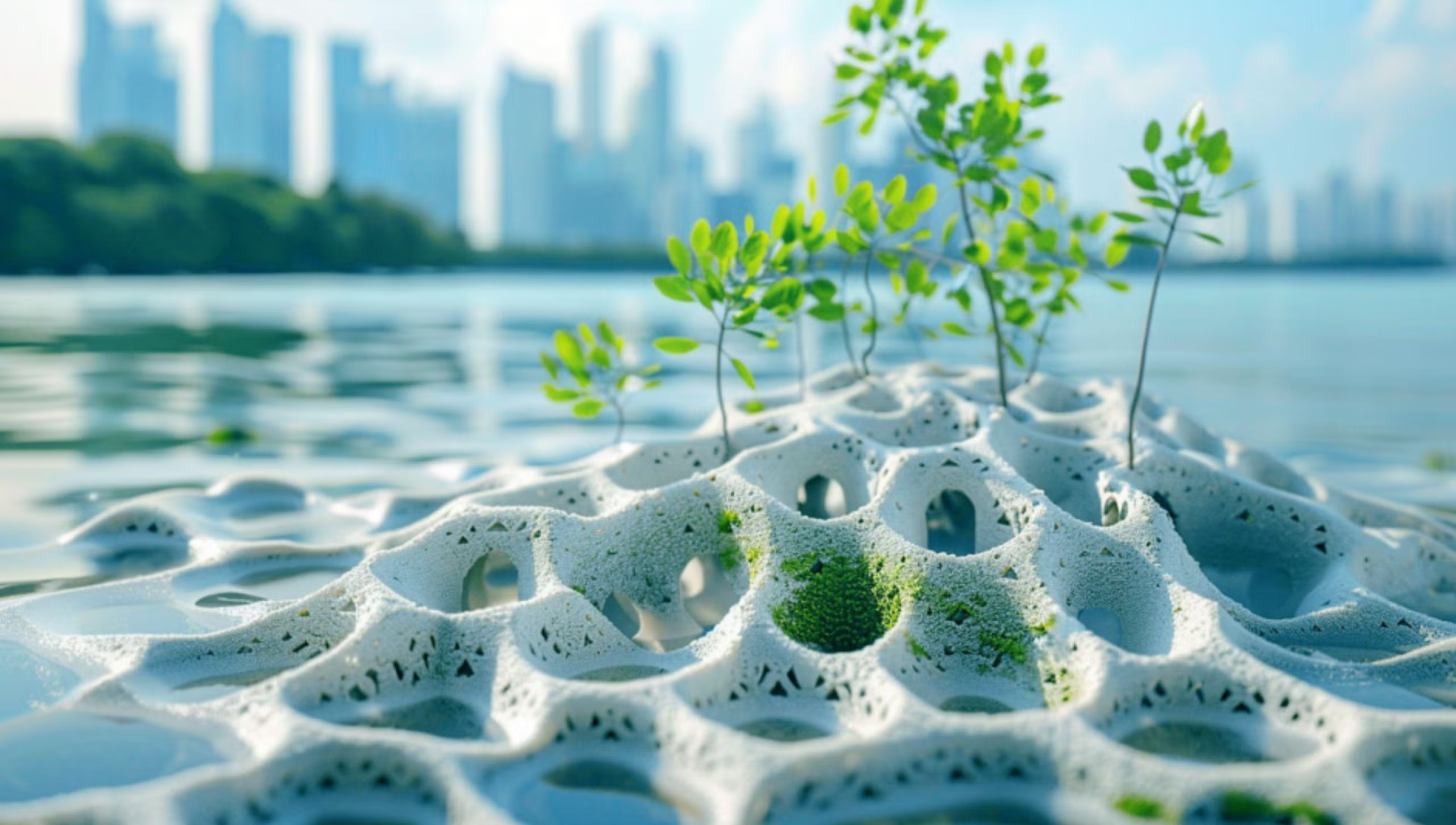
- Assessing the feasibility of constructing artificial reef structures using 3D construction printing to enhance coral larval recruitment and habitat complexity.
- Mapped intertidal waterways and identifying potential sites for shoreline softening and ecological enhancement interventions.
- Developing physical and statistical models to quantify how hybrid shorelines affect sediment resuspension, gas transfer, and ecosystem functions, supporting informed coastal engineering decisions.
- Assessing the ecological impacts of hybrid solutions by comparing biodiversity, carbon and nutrient cycling, as well as primary productivity across natural, hybrid, and hardened shorelines.
Meet the Team
Meet the team behind the Maximizing the beneficial environmental effects of tropical hybrid shorelines - (MaxBETH) project.
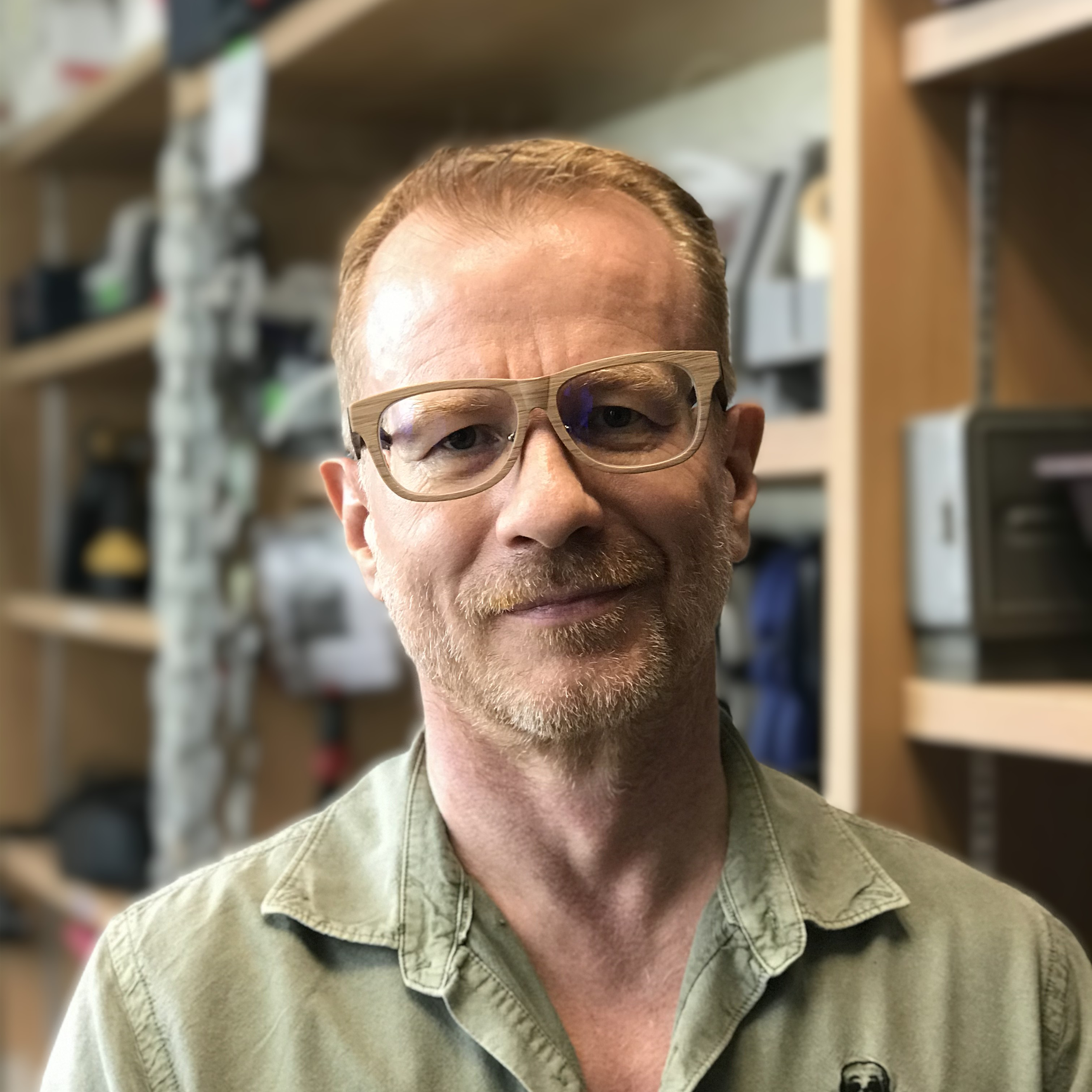
Principal Investigator (PI):
Associate Professor Peter Alan Todd
National University of Singapore, School of Biological Sciences
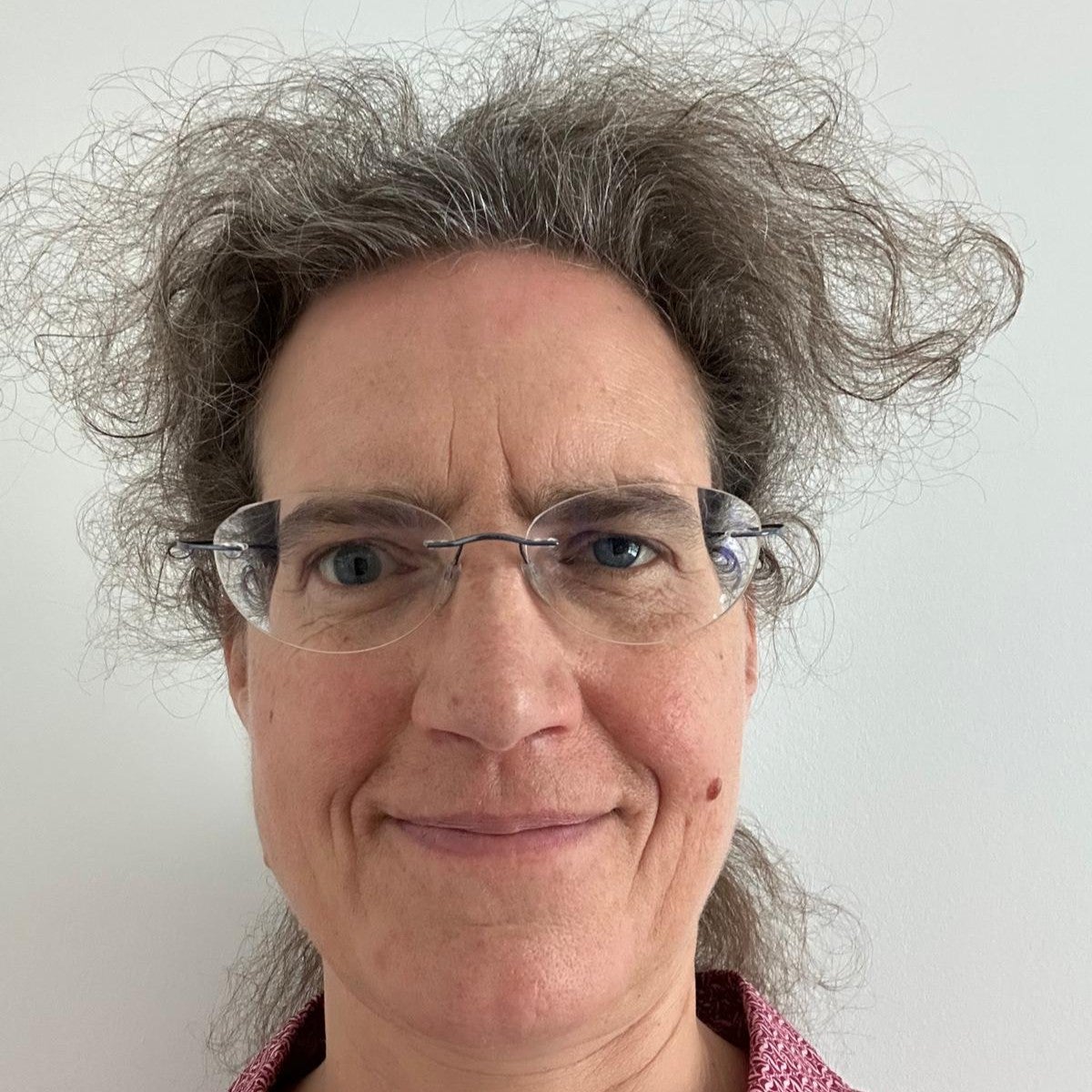
Research Associate (RA):
Christina Catherina Belle
National University of Singapore, School of Biological Sciences
Co-Principal Investigator (Co-PI):
Assistant Professor Gary Lei
National University of Singapore, Department of Civil and Environmental Engineering

Research Associate (RA):
Josse Winkelhorst
National University of Singapore, School of Biological Sciences
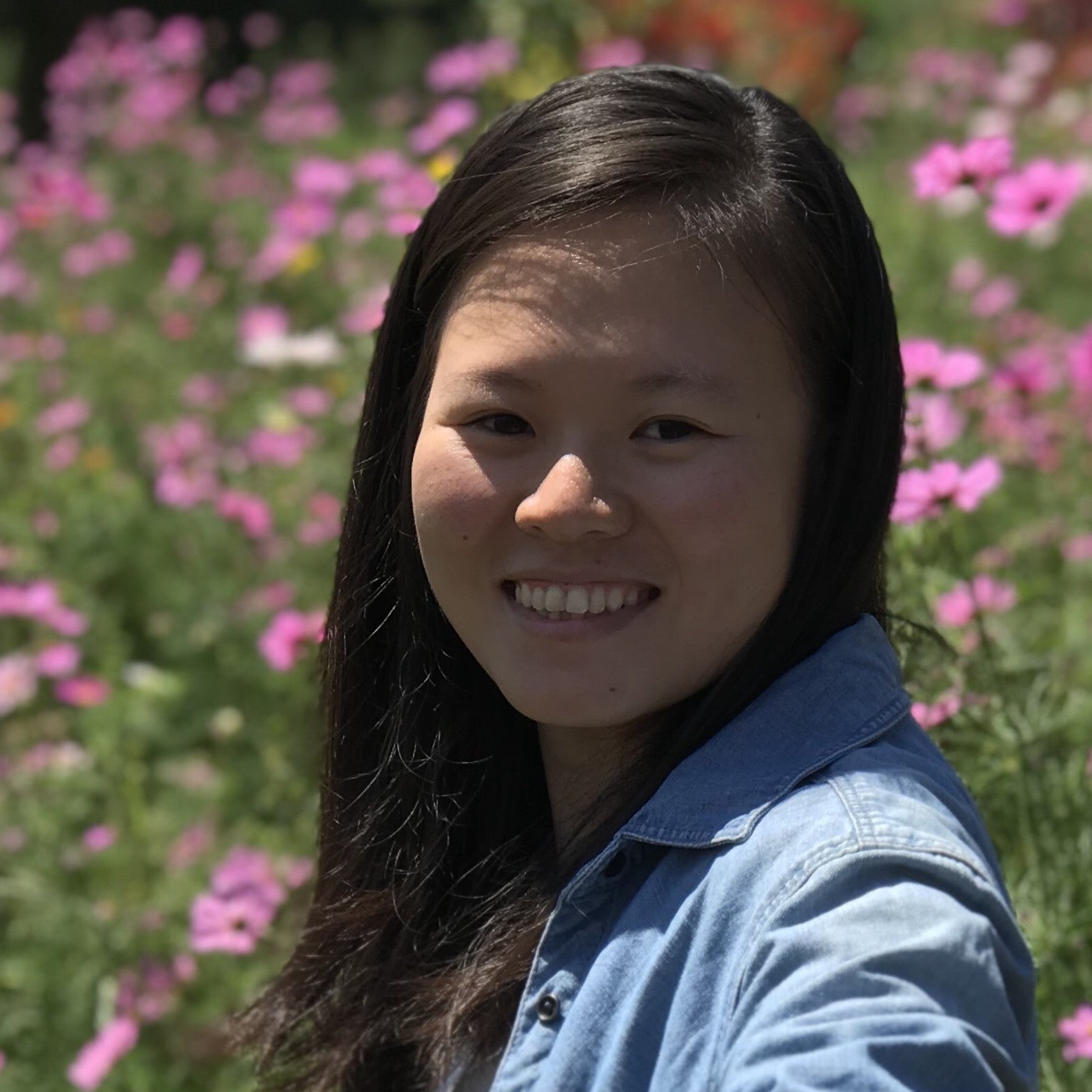
Senior Research Fellow (Senior RF):
Dr Jenny Fong
National University of Singapore, School of Biological Sciences

PhD Student:
Edric Wee
National University of Singapore
Research Fellow (RF):
Dr Clara Yong Lei Xin
National University of Singapore, School of Biological Sciences
Masters Student:
Sng Wen Xin
National University of Singapore
Research Associate (RA):
Annie Chew
National University of Singapore, School of Biological Sciences
More Projects from the V2 Domain
Explore research under Integrated Nature-Based Solutions that creates resilient hybrid coastal systems, using natural processes to strengthen Singapore’s protection against flooding, sea-level rise, and extreme weather, with a focus on practical long-term implementation and monitoring.
Download CFI's project booklet for more information on each project
CFI Singapore Tranche 1 and 2
If you wish to reach out regarding a specific project, please email CFI Singapore at cfisg@nus.edu.sg