

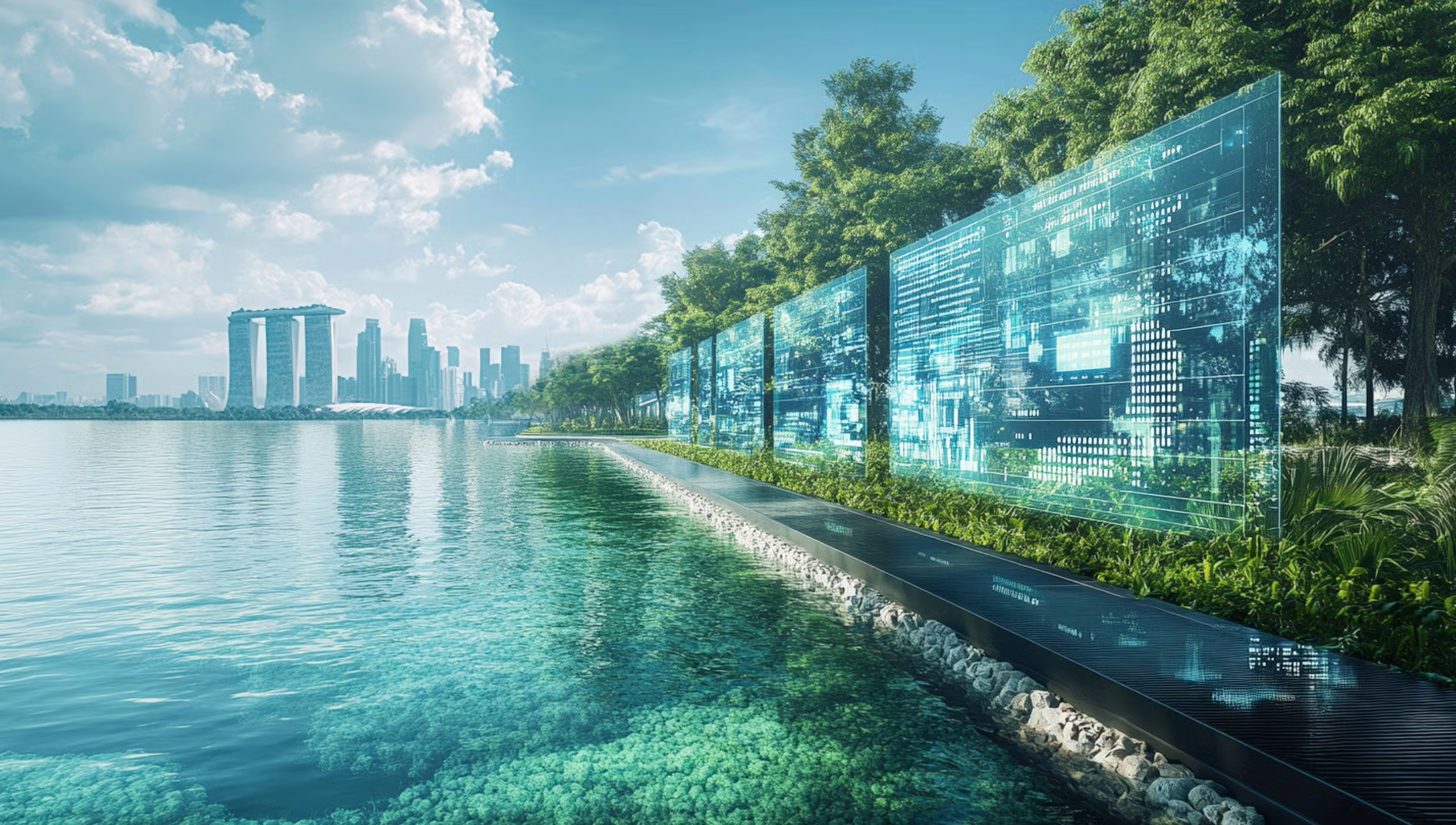
An Integrated Coastal Ecosystem Model (ICEM) to assess the environmental impacts of anthropogenic activities and climate change on hybrid solutions
This project evaluates the effectiveness of hybrid coastal protection strategies that combine natural and engineered elements. Using the Integrated Coastal Ecosystem Model (ICEM), the research assesses how these solutions perform under climate change and human pressures, with the goal of improving the sustainability and long-term functionality of Singapore’s coastal defences.
Research Goals
-
Build a deeper understanding of how coastal ecosystems function by developing an Integrated Coastal Ecosystem Model (ICEM).
-
Evaluate how climate change and human pressures influence the performance of hybrid coastal protection strategies.
-
Translate research findings into practical, science-based guidelines for designing and implementing nature-based solutions.
Why This Matters
-
The research findings and modelling tools developed will guide Singapore in designing and assessing hybrid coastal protection strategies that strengthen resilience to sea-level rise and climate change.
-
By optimising the balance between natural and engineered elements, this project supports the nation’s broader efforts in climate adaptation and long-term coastal protection.
Latest Research Highlights
- Collected comprehensive water quality data across seasons, depths, and locations to support robust coastal ecology models and ongoing coastal monitoring initiatives.
- Established a process-based Delft-3D hydrodynamic–water quality model, including algae and phytoplankton modules, to simulate past, present, and future coastal dynamics and explore scenario-based responses.
- Statistical and modeling analyses identified key environmental factors influencing mangrove and seagrass health, examined potential competitive interactions with phytoplankton, informing the design of long-term, nature-based coastal protection strategies.
Meet the Team
Meet the team behind the Promoting hybrid solution resilience by optimising hydrodynamical and structural influences on coral larval attachment to reefs and sediment clustering amid seagrass project.

Principal Investigator (PI):
Professor Karina Gin
National University of Singapore

Research Fellow (RF):
Dr Huang Sheng
National University of Singapore

Co-Principal Investigator (Co-PI):
Dr Jerome Kok
National University of Singapore

Research Engineer (RE):
Mr Felix Gaffu Tandadjaja
National University of Singapore

Co-Principal Investigator (Co-PI):
Assistant Professor Tong Xuneng
National University of Singapore
Research Engineer (RE):
Ms Xiang Zhixin (Dawn)
National University of Singapore

Senior Research Fellow (Senior RF):
Dr Te Shu Harn
National University of Singapore

Research Engineer (RE):
Mr Yuan Zilin (Joshua)
National University of Singapore

Research Fellow (RF):
Dr Carl Medriano
National University of Singapore

Research Assistant (RA):
Mr Lin Zhian
National University of Singapore
More Projects from the V2 Domain
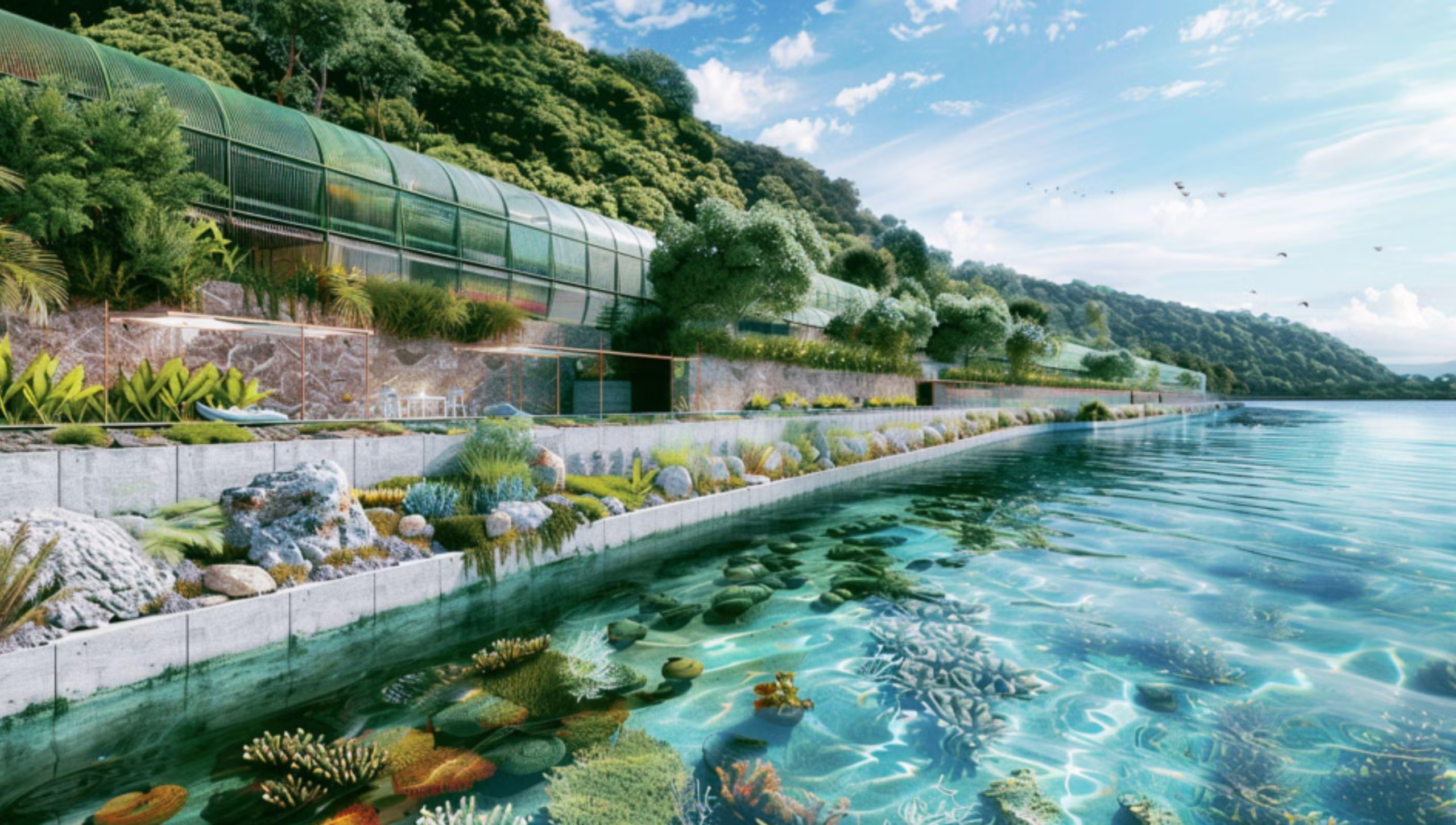
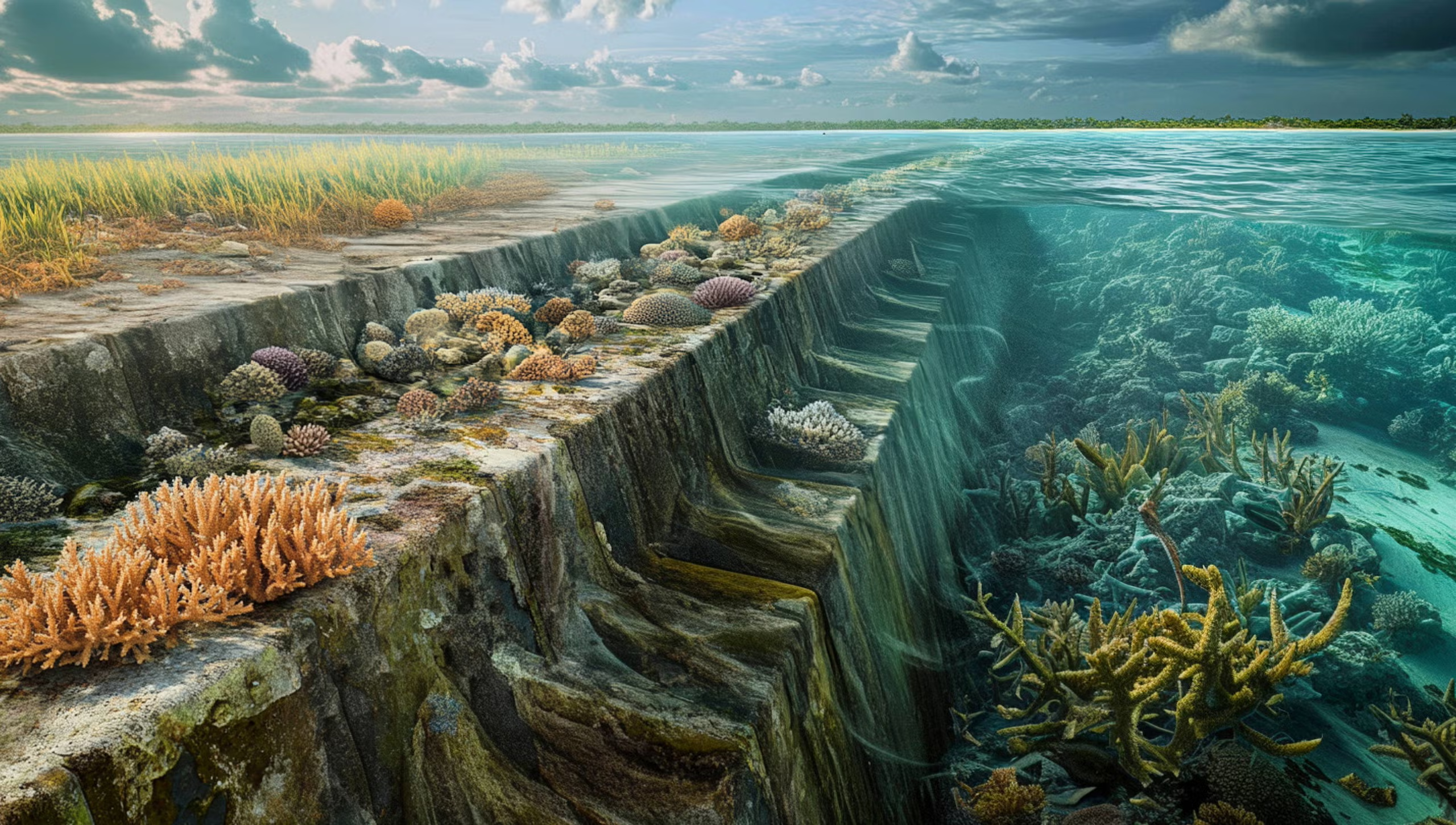
Explore research under Integrated Nature-Based Solutions that creates resilient hybrid coastal systems, using natural processes to strengthen Singapore’s protection against flooding, sea-level rise, and extreme weather, with a focus on practical long-term implementation and monitoring.

Download CFI's project booklet for more information on each project
CFI Singapore Tranche 1 and 2
If you wish to reach out regarding a specific project, please email CFI Singapore at cfisg@nus.edu.sg