

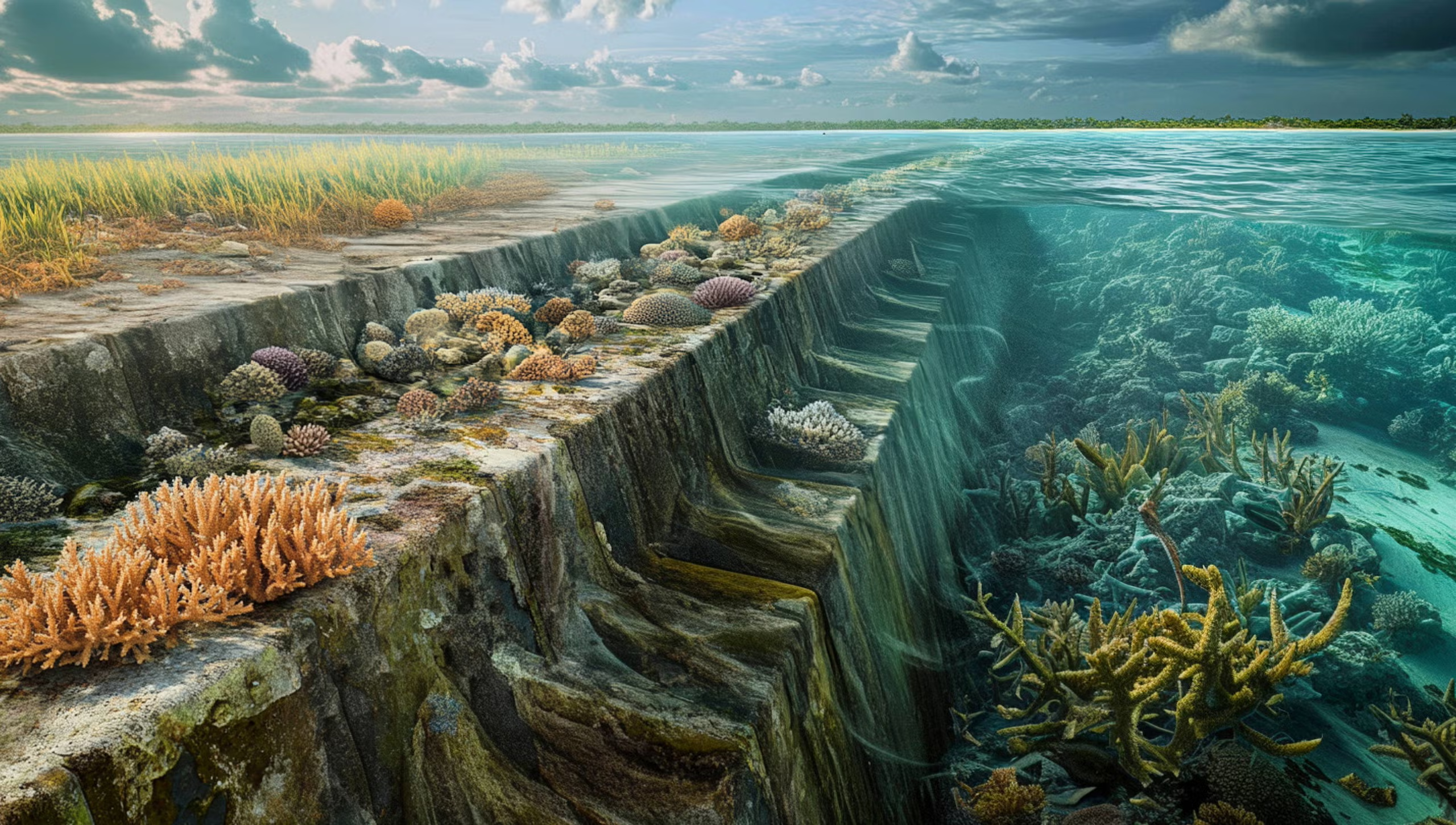
Promoting hybrid solution resilience by optimising hydrodynamical and structural influences on coral larval attachment to reefs and sediment clustering amid seagrass
This project develops sustainable coral-infused hybrid coastal protection systems. By optimising these structures, it aims to reduce the effects of waves and sediment displacement on coral larval settlement.
Research Goals
-
Assess the effectiveness of artificial reefs and seagrass arrays in dissipating wave energy and managing sediment movement.
-
Predict sediment patterns and the forces affecting suspended and settling coral larvae under different flow conditions and structural environments.
-
Develop best practices for selecting, designing, and placing structures to minimise obstruction or dislodgement of coral larvae.
Why This Matters
-
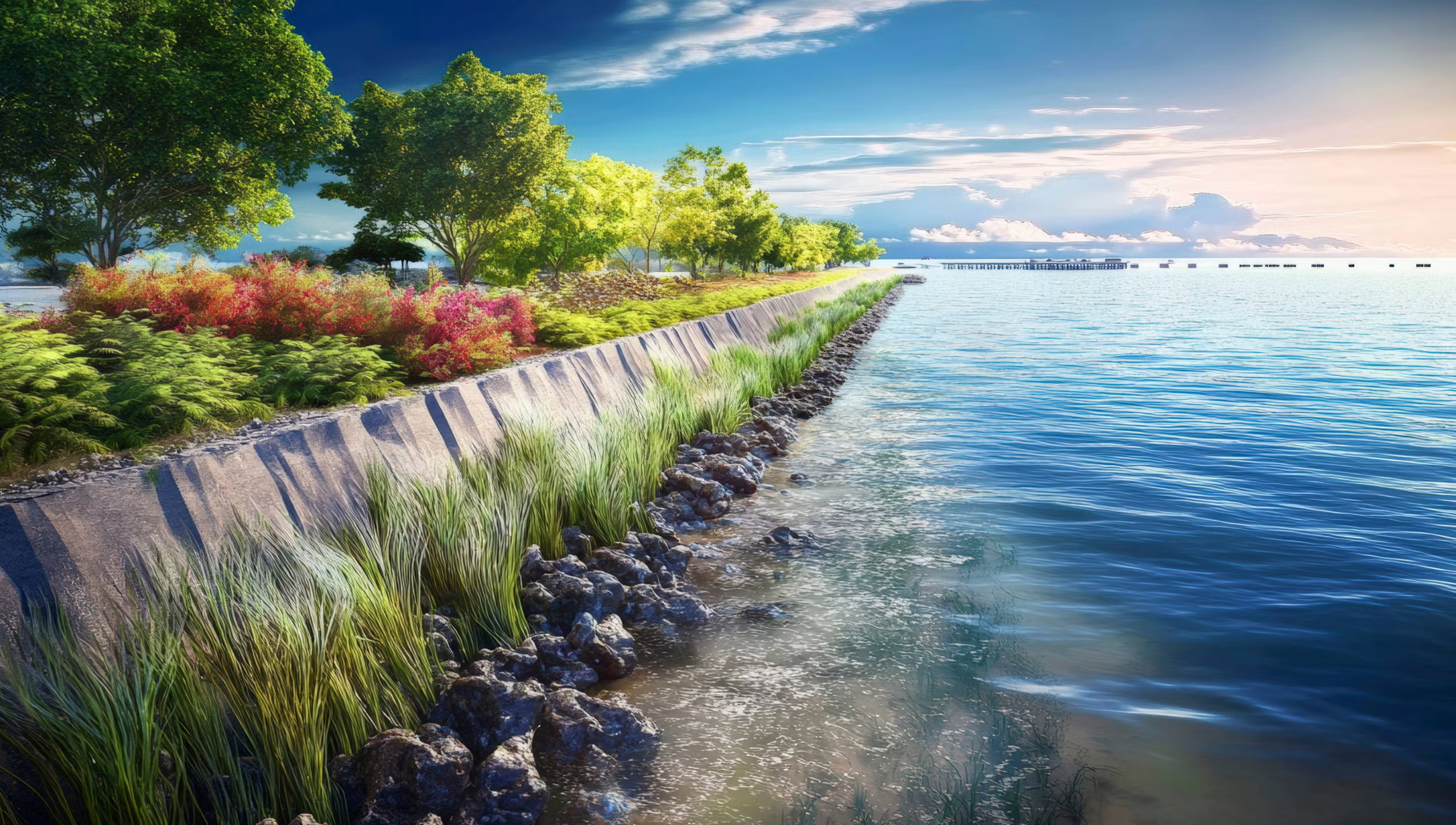
Seawalls are a key component of Singapore’s strategy to address rising sea levels and stronger storm surges.
-
Their surfaces have been found to support coral growth, contributing to hybrid coastal protection solutions.
-
The sustainability of these solutions depends on promoting the survival of coral populations.
-
Models developed in this project identify factors that limit coral larval settlement and growth.
-
Insights from the models guide the optimisation of seawall design and configuration to enhance coral survival.
Latest Research Highlights
Modular Breakwater Evaluation
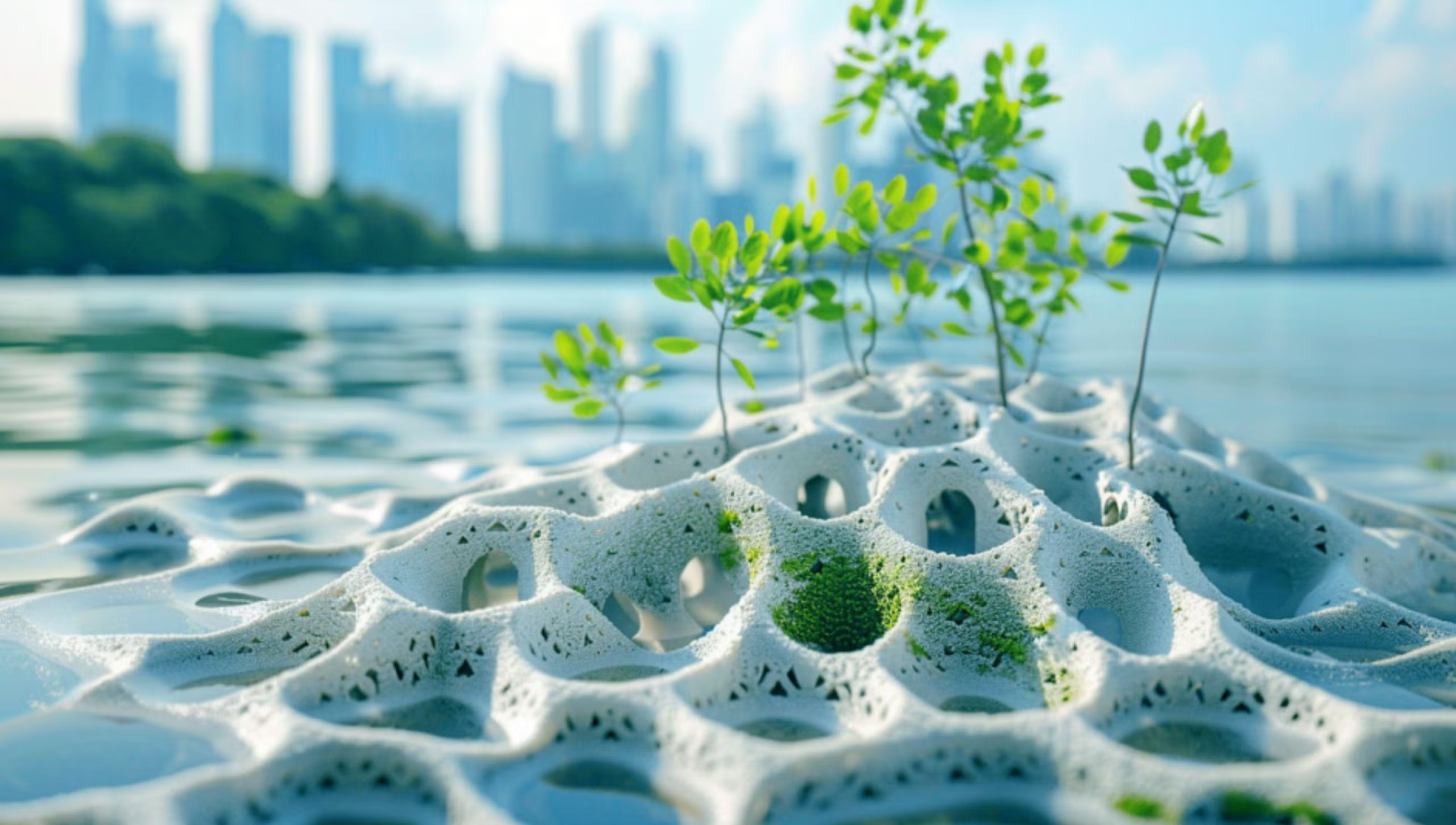
- Developing a numerical wave flume to test modular breakwater designs and optimise placement for supporting seagrass growth and coral larval settlement. This will be validated against downscaled ocean basin tests and then applied to full-scale simulations.
Seagrass Behaviour and Flow Interactions
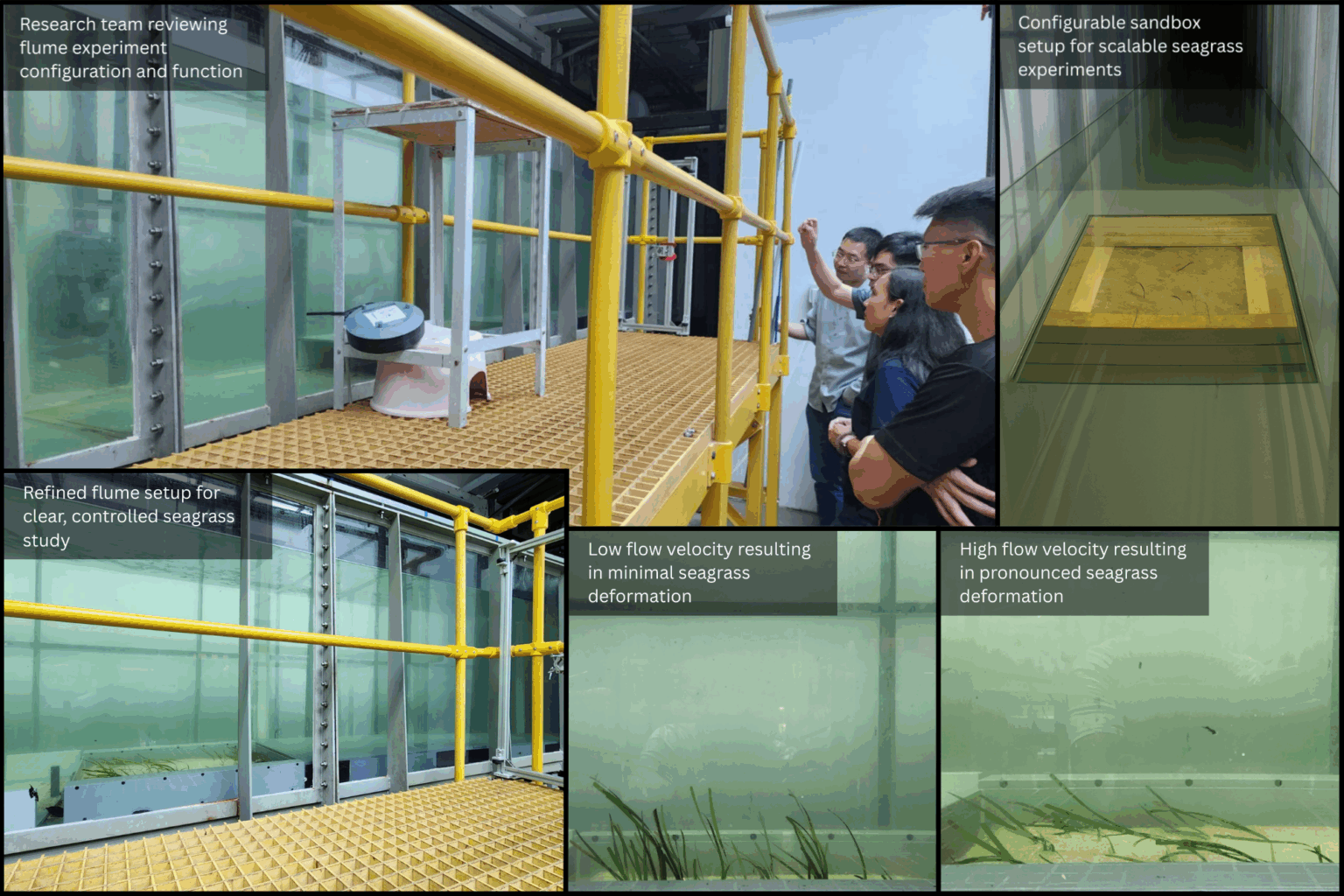
- Assessing seagrass material properties and deformation under flow to improve simulation accuracy and guide future array designs and field trials. This enables a more accurate representation of seagrass behaviour under various hydrodynamic conditions.
Coral Surface Roughness
- Studying surface roughness effects on mixing and coral larval settlement to inform laboratory experiments and future reef design and deployment. This permits higher-fidelity resolution of interactions between larvae and flow near artificial reef surfaces.
Meet the Team
Meet the team behind the Promoting hybrid solution resilience by optimising hydrodynamical and structural influences on coral larval attachment to reefs and sediment clustering amid seagrass project.
Principal Investigator (PI):
Dr Ronald Chan
Agency for Science, Technology and Research (A*STAR IHPC)
Scientist:
Dr Feng Zhe
Agency for Science, Technology and Research (A*STAR IHPC)

Co-Principal Investigator/Senior Research Fellow (Co-PI/RF):
Dr Ow Yan Xiang
National University of Singapore, Tropical Marine Science Institute
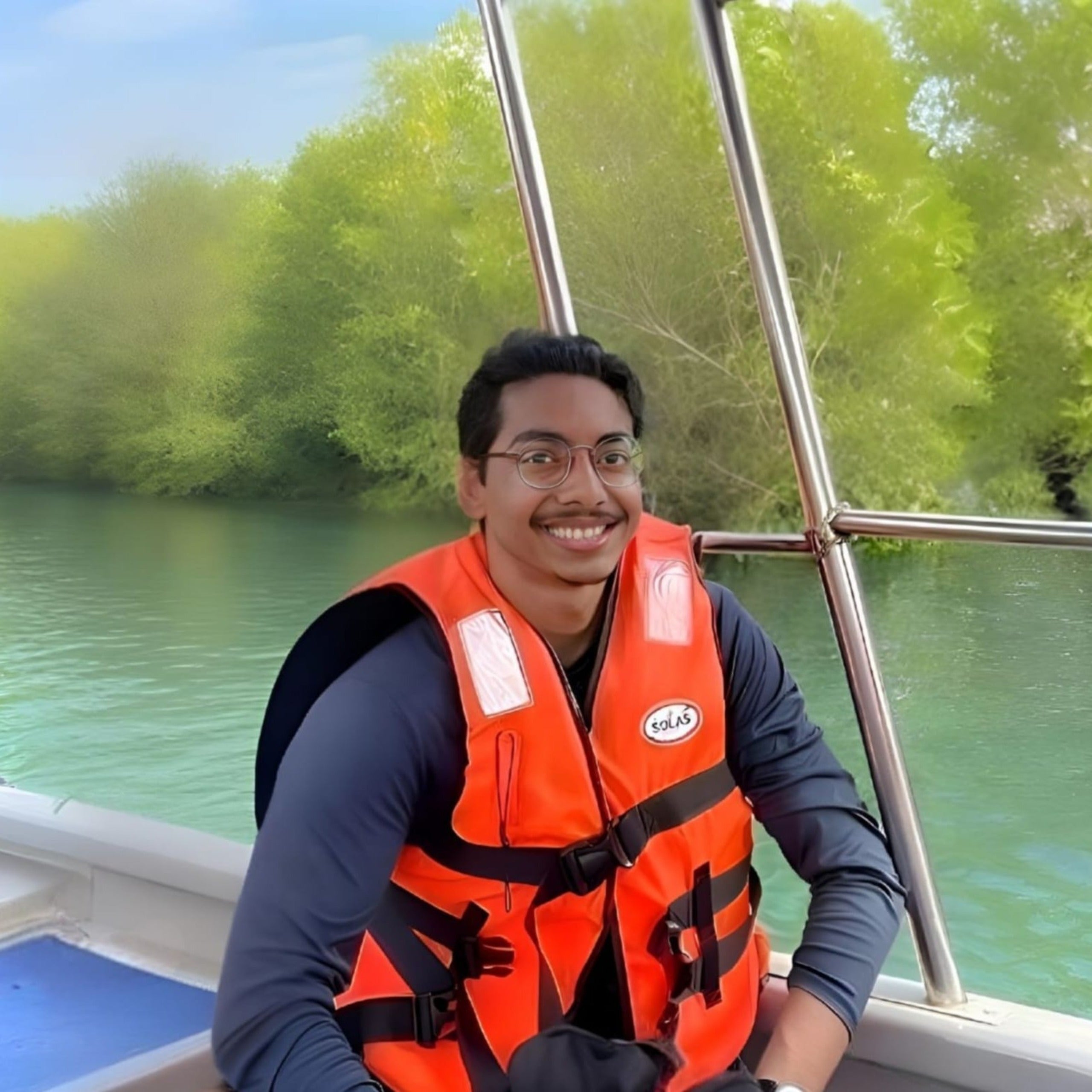
Research Engineer:
Jack Nidhan
National University of Singapore
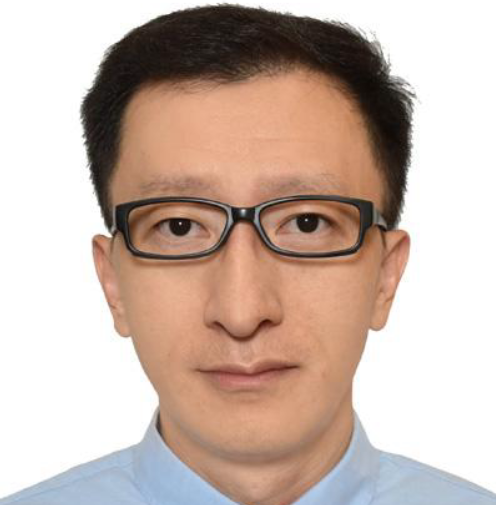
Co-Principal Investigator (Co-PI):
Dr Lu Xin
Agency for Science, Technology and Research (A*STAR IHPC)
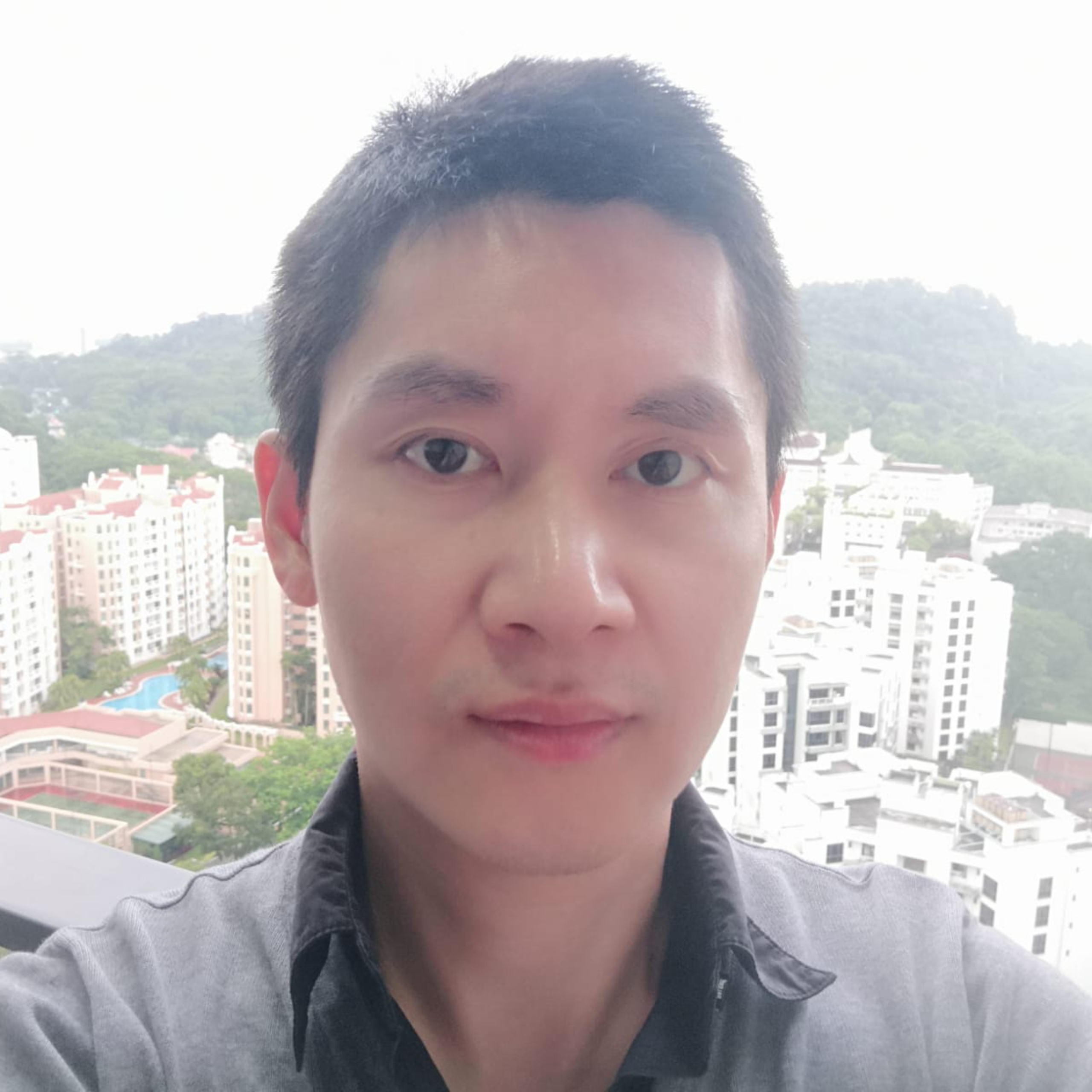
Scientist:
Dr Li Jun
Agency for Science, Technology and Research (A*STAR IHPC)

Co-Principal Investigator (Co-PI):
Dr Fong Yew Leong
Agency for Science, Technology and Research (A*STAR IHPC)
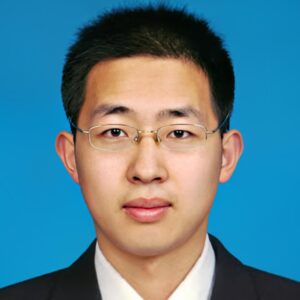
Scientist:
Dr Wang Chenglei
Agency for Science, Technology and Research (A*STAR IHPC)
Co-Principal Investigator (Co-PI):
Dr Li Xiao
Agency for Science, Technology and Research (A*STAR IHPC)

Principal Scientist:
Dr Wang Xuejun
Agency for Science, Technology and Research (A*STAR IHPC)
More Projects from the V2 Domain
Explore research under Integrated Nature-Based Solutions that creates resilient hybrid coastal systems, using natural processes to strengthen Singapore’s protection against flooding, sea-level rise, and extreme weather, with a focus on practical long-term implementation and monitoring.
Download CFI's project booklet for more information on each project
CFI Singapore Tranche 1 and 2
If you wish to reach out regarding a specific project, please email CFI Singapore at cfisg@nus.edu.sg